

How Many Miles Can a Chevy Tahoe Last?

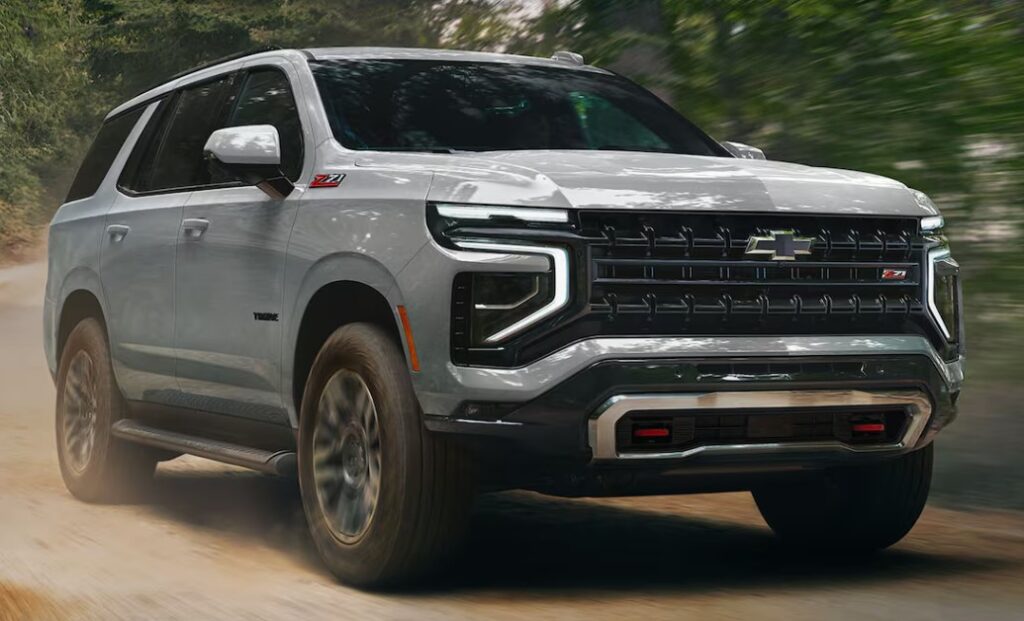
When we think about full-size SUVs that refuse to quit, the Chevrolet Tahoe almost always enters the conversation. It’s the kind of vehicle we see hauling families across states, towing boats to the lake, surviving snowy winters, and still rolling strong years later. But one question keeps popping up among buyers and owners alike: how many miles can a Chevy Tahoe last?
The short answer? A well-maintained Tahoe can often last 200,000 to 300,000 miles, and some owners push beyond 400,000 miles. That’s not marketing hype—it’s a reflection of the Tahoe’s truck-based DNA, durable powertrains, and long-standing reputation for resilience.
Still, mileage longevity isn’t magic. Some Tahoes age gracefully like a seasoned marathon runner, while others burn out early due to neglect, harsh driving, or skipped maintenance. So what truly determines how long a Tahoe survives? And which years are the best if we want one that can endure for the long haul?
Let’s dive deep under the hood and uncover what makes the Tahoe either a legend—or a money pit.
Content in this publication
- Why the Chevy Tahoe Has a Reputation for Longevity
- Average Mileage Expectancy of a Chevy Tahoe
- What Makes Some Tahoes Last Longer Than Others?
- How Long Does the Tahoe Engine Last?
- The 5.3L V8: The Heart of Tahoe Reliability
- How Long Does a Tahoe Transmission Last?
- Can a Chevy Tahoe Reach 300,000 Miles?
- Best Chevy Tahoe Years for Longevity
- How Rust Affects Tahoe Lifespan
- How Long Does a Tahoe Suspension Last?
- Is a High-Mileage Chevy Tahoe Worth Buying?
- How Tahoe Maintenance Costs Impact Longevity
- Can Towing Reduce Tahoe Lifespan?
- How the Tahoe Compares to Other Long-Lasting SUVs
- Signs Your Tahoe Still Has Plenty of Life Left
- Common Repairs After 200,000 Miles
- Can Regular Maintenance Really Double Lifespan?
- Fleet and Police Tahoes Prove Their Durability
- Should We Buy a Chevy Tahoe for Long-Term Ownership?
- Final Thoughts on How Many Miles a Chevy Tahoe Can Last
- FAQs
Why the Chevy Tahoe Has a Reputation for Longevity
The Tahoe wasn’t designed as a fragile crossover. It was built on a body-on-frame platform, much like a pickup truck. That construction matters.
Unlike many modern SUVs that prioritize lightweight efficiency, the Tahoe leans toward durability. Its chassis can absorb years of abuse, towing, road trips, and heavy loads without feeling like it’s falling apart.
Several factors contribute to its lifespan:
- Strong V8 engines
- Proven transmissions
- Truck-based platform
- Widely available parts
- Simple maintenance compared to luxury SUVs
- Large engine bays that make repairs easier
The Tahoe is essentially the SUV equivalent of a heavyweight work boot. It’s not delicate. It’s built to grind through life.
Average Mileage Expectancy of a Chevy Tahoe
Typical Lifespan in Miles
Most Chevrolet Tahoe models comfortably reach:
| Condition | Expected Lifespan |
|---|---|
| Poor maintenance | 120,000–160,000 miles |
| Average care | 200,000–250,000 miles |
| Excellent maintenance | 300,000+ miles |
That means a Tahoe can realistically last 15 to 20 years depending on annual mileage.
Some owners report astonishing numbers:
- 350,000 miles on original engine
- 400,000+ miles with rebuilt transmission
- 500,000 miles in fleet usage
Those numbers sound mythical, but they happen because the Tahoe shares many mechanical components with Chevrolet trucks known for durability.
What Makes Some Tahoes Last Longer Than Others?
Not all Tahoes age equally. Two identical SUVs can have completely different futures depending on how they’re treated.
Maintenance Is Everything
Skipping oil changes in a Tahoe is like starving an athlete before a marathon. The engine may survive for a while, but damage quietly builds beneath the surface.
Key maintenance habits include:
- Regular oil changes
- Transmission fluid replacement
- Cooling system flushes
- Differential servicing
- Brake inspections
- Suspension maintenance
The owners who reach 300,000 miles usually follow maintenance schedules religiously.
Driving Habits Matter
Aggressive driving shortens lifespan dramatically.
Frequent hard acceleration, towing beyond limits, and constant stop-and-go traffic create excessive wear on:
- Transmission
- Brakes
- Suspension
- Engine mounts
Meanwhile, highway-driven Tahoes often age much more slowly.
How Long Does the Tahoe Engine Last?
The Legendary Chevy V8 Durability
One reason the Tahoe survives so long is its engine lineup. Chevrolet’s V8 engines are often overbuilt compared to smaller turbocharged competitors.
Common Tahoe engines include:
- 5.3L V8
- 6.2L V8
- 5.7L V8 in older generations
These engines frequently exceed 250,000 miles with proper care.
The 5.3L V8 especially has earned a reputation for being nearly indestructible when maintained correctly.
The 5.3L V8: The Heart of Tahoe Reliability
Why Owners Love It
The 5.3L engine balances:
- Power
- Reliability
- Simplicity
- Lower repair costs
It doesn’t feel overly stressed moving the large SUV, which helps longevity.
Unlike tiny turbo engines forced to work overtime, the naturally aspirated V8 delivers relaxed power. Think of it as a strong horse pulling a wagon comfortably instead of a small animal straining under pressure.
Potential Issues
Even durable engines have weaknesses.
Some 5.3L V8 models experience:
- Active Fuel Management (AFM) lifter failures
- Oil consumption
- Valve train wear
- Timing chain problems in neglected vehicles
Still, many of these issues can be minimized with proper oil maintenance and preventative repairs.
How Long Does a Tahoe Transmission Last?
The transmission is often the Tahoe’s biggest long-term expense.
Average Transmission Lifespan
Most Tahoe transmissions last:
- 150,000–220,000 miles
However, towing, overheating, and neglected fluid changes can shorten lifespan dramatically.
Warning Signs of Transmission Wear
Watch for:
You may be interested in reading Ford Explorer Towing Capacity: Everything We Need to Know Before Hitching Up
- Delayed shifting
- Slipping gears
- Harsh downshifts
- Burning smell
- Shuddering at highway speeds
Replacing transmission fluid regularly can add tens of thousands of miles to its life.
Can a Chevy Tahoe Reach 300,000 Miles?
Absolutely.
In fact, the Tahoe is one of the few SUVs where 300,000 miles doesn’t automatically shock mechanics.
What It Takes to Reach 300K Miles
To achieve that milestone, owners usually:
- Change oil every 5,000–7,500 miles
- Avoid overheating
- Replace suspension parts proactively
- Service the transmission regularly
- Fix small issues early
At 300,000 miles, a Tahoe may not feel brand-new, but it can still remain dependable transportation.
Best Chevy Tahoe Years for Longevity
Some Tahoe generations outperform others in reliability.
Most Reliable Tahoe Years
Strong reputation years include:
- 2006
- 2009
- 2013
- 2017
- 2020+
These models tend to have fewer catastrophic issues and stronger owner satisfaction.
Years to Approach Carefully
Some years reported more problems:
- 2007
- 2015
- Certain 2021 models with early tech glitches
That doesn’t mean every Tahoe from those years is bad—it simply means maintenance history becomes even more important.
How Rust Affects Tahoe Lifespan
Mileage isn’t always what kills a Tahoe. Rust often does.
The Silent Killer
In snowy regions where salt covers roads, rust can attack:
- Frame rails
- Brake lines
- Rocker panels
- Suspension components
A rust-free Tahoe with 250,000 miles may actually be a better purchase than a rusty Tahoe with only 120,000 miles.
How Long Does a Tahoe Suspension Last?
The suspension takes a beating because the Tahoe is heavy.
Common Wear Components
Eventually, owners may replace:
- Shocks
- Struts
- Ball joints
- Control arms
- Bushings
Most suspension components last:
- 80,000–150,000 miles
Replacing worn suspension parts can make an older Tahoe feel dramatically newer.
Is a High-Mileage Chevy Tahoe Worth Buying?
Sometimes yes—and surprisingly often.
What Counts as High Mileage?
For smaller cars, 150,000 miles sounds scary.
For a Tahoe?
Not necessarily.
A properly maintained Tahoe with:
- 180,000 miles
- clean service records
- highway use
- minimal rust
may be more reliable than a neglected 90,000-mile example.
What to Check Before Buying
Inspect:
- Transmission behavior
- Rust underneath
- Engine ticking
- Oil leaks
- Service history
- Suspension wear
A pre-purchase inspection is essential.
How Tahoe Maintenance Costs Impact Longevity
Longevity isn’t free.
Tahoes cost more to maintain than compact SUVs because:
- Tires are larger
- Parts are heavier
- Fuel costs are higher
- V8 engines require more fluids
Still, repairs are often cheaper than luxury SUV alternatives.
Average Annual Maintenance Costs
Owners commonly spend:
- $700–$1,500 annually
Major repairs can raise costs temporarily, but preventative maintenance saves money long term.
Can Towing Reduce Tahoe Lifespan?
Yes—but only if abused.
The Tahoe is designed for towing, yet heavy towing accelerates wear on:
- Transmission
- Cooling system
- Rear differential
- Brakes
How to Tow Without Destroying Your Tahoe
Follow these habits:
- Stay within towing capacity
- Use tow/haul mode
- Service transmission more frequently
- Monitor engine temperatures
A carefully driven towing vehicle can still exceed 200,000 miles.
You may be interested in readingFord Explorer Towing Capacity: Everything We Need to Know Before Hitching UpYou may be interested in reading
Ford Explorer Insurance Group: Complete Guide to Insurance Costs, Ratings, and Ways to SaveHow the Tahoe Compares to Other Long-Lasting SUVs
The Tahoe competes with some tough rivals.
Tahoe vs Competitors
| SUV | Average Lifespan |
|---|---|
| Chevrolet Tahoe | 200K–300K+ miles |
| Toyota Sequoia | 250K–350K miles |
| Ford Expedition | 180K–250K miles |
| GMC Yukon | 200K–300K+ miles |
The Tahoe remains highly competitive in durability, especially considering repair accessibility and parts availability.
Signs Your Tahoe Still Has Plenty of Life Left
Mileage alone doesn’t tell the full story.
A healthy high-mileage Tahoe usually:
- Starts instantly
- Shifts smoothly
- Runs quietly
- Tracks straight on highways
- Maintains stable temperatures
- Has consistent oil pressure
These indicators matter more than the odometer itself.
Common Repairs After 200,000 Miles
At higher mileage, repairs become more common—but not necessarily catastrophic.
Typical Repairs Include
- Water pump replacement
- Fuel pump failure
- Suspension rebuilds
- Air conditioning repairs
- Transmission rebuild
- Starter replacement
These repairs are fairly predictable and often cheaper than buying a newer SUV.
Can Regular Maintenance Really Double Lifespan?
Honestly, yes.
A neglected Tahoe might die around 140,000 miles.
A carefully maintained one could surpass 300,000 miles.
That difference is enormous.
Most Important Maintenance Habits
Oil Changes
Fresh oil protects:
- Lifters
- Bearings
- Timing components
Transmission Service
Heat destroys transmissions faster than almost anything else.
Cooling System Care
Overheating can end engine life quickly.
Rust Prevention
Undercarriage washing in winter climates matters more than many owners realize.
Fleet and Police Tahoes Prove Their Durability
There’s a reason law enforcement agencies and fleet operators frequently use Tahoes.
Why Fleets Trust the Tahoe
Fleet managers value:
- Long lifespan
- Easy repairs
- Strong resale value
- High towing capability
- Durable drivetrains
Police Tahoes often endure brutal conditions yet continue operating well beyond 200,000 miles.
That real-world abuse tells us a lot about the platform’s durability.
Should We Buy a Chevy Tahoe for Long-Term Ownership?
If longevity is the goal, the Tahoe remains one of the strongest choices in the full-size SUV market.
It’s not perfect:
- Fuel economy is mediocre
- Repairs can be expensive
- Large size isn’t ideal for everyone
But if we want:
- durability
- cargo space
- towing strength
- long lifespan
the Tahoe continues to shine.
It’s the automotive equivalent of a heavyweight boxer—big, powerful, and surprisingly enduring when cared for properly.
Final Thoughts on How Many Miles a Chevy Tahoe Can Last
So, how many miles can a Chevy Tahoe last?
The realistic answer is:
- 200,000 miles is common
- 250,000 miles is achievable
- 300,000+ miles is absolutely possible
The Tahoe earns its reputation because it combines truck toughness with family practicality. With proper maintenance, sensible driving habits, and rust prevention, it can remain reliable for decades.
And perhaps that’s the Tahoe’s real magic.
It isn’t just built to survive mileage.
It’s built to survive life.
FAQs
Can a Chevy Tahoe last 400,000 miles?
Yes, some well-maintained Tahoes have exceeded 400,000 miles, especially fleet-maintained or highway-driven models.
What is the best engine for Tahoe longevity?
The 5.3L V8 is widely considered one of the most reliable Tahoe engines thanks to its balance of durability and simplicity.
At what mileage do Tahoes usually need major repairs?
Major repairs often begin appearing between 150,000 and 220,000 miles, especially transmission or suspension work.
Is buying a Tahoe with 200,000 miles risky?
Not always. A clean, well-maintained Tahoe with 200,000 miles can still offer years of reliable service.
You may be interested in readingFord Explorer Towing Capacity: Everything We Need to Know Before Hitching UpYou may be interested in reading
Ford Explorer Insurance Group: Complete Guide to Insurance Costs, Ratings, and Ways to SaveYou may be interested in reading
Is Ford Explorer Reliable? A Complete Guide to Reliability, Common Problems, and Long-Term OwnershipDo Tahoes hold value well at high mileage?
Yes. Because of their reputation for durability, Tahoes often retain solid resale value even with higher mileage.
If you want to know other articles similar to How Many Miles Can a Chevy Tahoe Last? you can visit the category Blog.
Volvo S90 Reliability: Problems, Costs & Best Years

Is Haval Jolion a Good Car? Honest Review, Reliability, Pros and Cons
How to Start Haval Jolion With Spare Key: Complete Guide

How to Calculate Per Diem on an Auto Loan

How to Calculate the Residual Value of a Car

Is the Honda Passport Selling Well? Sales Numbers Tell the Story
Leave a Reply
More content of your interest