

Toyota 4Runner Gas Tank Size

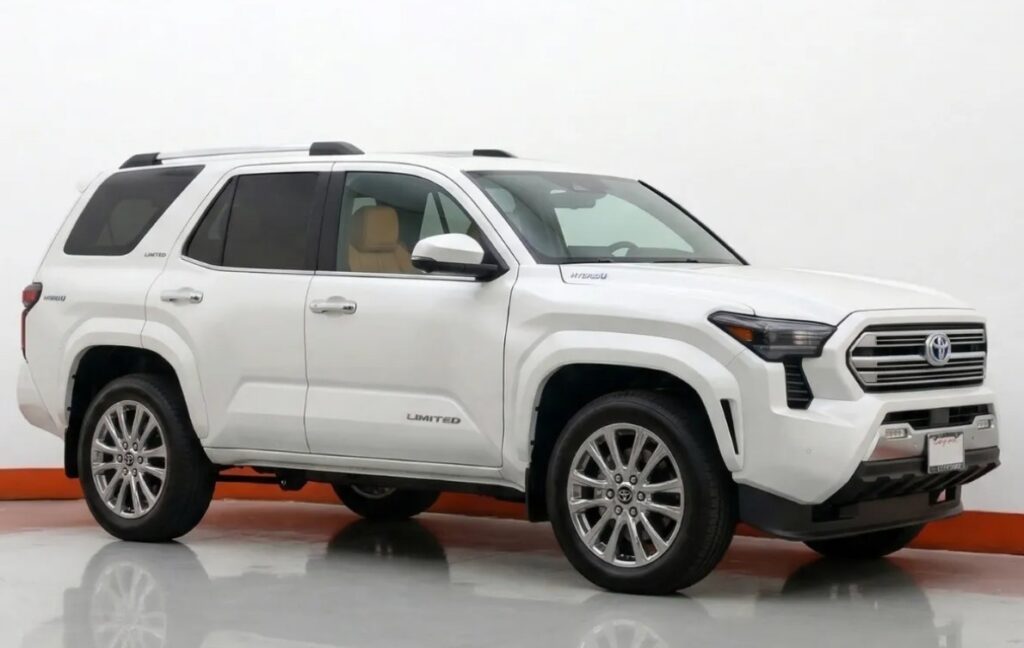
The Toyota 4Runner has built a reputation like an old hiking boot—rugged, dependable, and always ready for another adventure. But while most people focus on horsepower, towing capacity, or off-road capability, there’s one detail that quietly shapes the entire ownership experience: the gas tank size.
Think about it. A large fuel tank can mean fewer stops on road trips, longer stretches between fill-ups, and more confidence when the highway suddenly turns into a lonely desert road. On the other hand, fuel economy and tank size work together like dance partners. One without the other tells only half the story.
So, how big is the Toyota 4Runner gas tank? Does it vary by generation? How far can we actually drive on a full tank? And is the 4Runner efficient enough for daily life despite its truck-based DNA?
We’re diving deep into everything drivers want to know about Toyota 4Runner gas tank size—from historical changes to real-world driving range, fuel costs, MPG realities, and road-trip practicality.
Content in this publication
- Why Gas Tank Size Matters More Than Most Drivers Think
- What Is the Toyota 4Runner Gas Tank Size?
- Toyota 4Runner Gas Tank Size by Generation
- How Far Can a Toyota 4Runner Go on a Full Tank?
- Why the Toyota 4Runner Isn’t Extremely Fuel Efficient
- Does the 4Runner Have a Reserve Tank?
- How Much Does It Cost to Fill a Toyota 4Runner?
- Toyota 4Runner Fuel Type Requirements
- Gas Tank Size vs Competitors
- Does 4WD Affect Fuel Consumption?
- How Towing Impacts Fuel Range
- Best Toyota 4Runner Years for Fuel Efficiency
- Can We Improve Toyota 4Runner Fuel Economy?
- Off-Road Adventures and Fuel Planning
- Toyota 4Runner Hybrid Possibilities
- How the 4Runner Compares to Modern Crossovers
- Common Fuel Tank Problems in Older 4Runners
- Road Trips in a Toyota 4Runner
- Is the Toyota 4Runner Gas Tank Size Good Enough?
- The Relationship Between Fuel Capacity and Adventure
- Final Thoughts on Toyota 4Runner Gas Tank Size
- FAQs
Why Gas Tank Size Matters More Than Most Drivers Think
Fuel tank size sounds like a boring specification until we actually live with a vehicle every day.
A small tank in a thirsty SUV can feel like carrying a water bottle through the Sahara. Meanwhile, a large tank paired with decent efficiency gives us flexibility and freedom.
Here’s why fuel tank size matters:
- Fewer gas station visits
- Better long-distance travel capability
- More off-road confidence
- Improved towing practicality
- Reduced “range anxiety”
For adventure-focused SUVs like the Toyota 4Runner, this becomes especially important. Many owners use the vehicle for camping, overlanding, towing, or mountain trips where gas stations are scattered like tiny islands in the ocean.
What Is the Toyota 4Runner Gas Tank Size?
Most modern Toyota 4Runner models come equipped with a:
23-Gallon Fuel Tank
That’s the standard fuel tank capacity for the majority of fifth-generation 4Runner models.
In liters, that equals approximately:
- 87 liters
This tank size places the 4Runner in a sweet spot for midsize SUVs. It’s large enough for serious road trips without becoming absurdly oversized.
Toyota 4Runner Gas Tank Size by Generation
The Toyota 4Runner has evolved significantly since its debut in the 1980s. Fuel tank sizes changed over the years as Toyota balanced weight, efficiency, emissions, and capability.
First Generation 4Runner (1984–1989)
The earliest 4Runners were compact and lightweight compared to today’s versions.
Typical Gas Tank Size
- Around 17 gallons
Back then, simplicity ruled. These SUVs were essentially pickup trucks with removable fiberglass rear shells.
Fuel economy was modest, but the lighter body helped compensate for the smaller tank.
Second Generation 4Runner (1990–1995)
Toyota began transforming the 4Runner into a more family-oriented SUV.
Fuel Tank Capacity
- Approximately 18.5 gallons
This slight increase improved highway range while supporting larger engines.
Third Generation 4Runner (1996–2002)
Many enthusiasts consider this generation one of the greatest SUVs Toyota ever built.
Gas Tank Size
- Roughly 18.5 gallons
Toyota kept the tank size similar, but improvements in reliability and aerodynamics helped overall usability.
Fourth Generation 4Runner (2003–2009)
This era introduced V8 power and increased comfort.
Fuel Tank Capacity
- Around 23 gallons
This was a major jump.
The larger tank made sense because:
- Engines became more powerful
- Vehicle weight increased
- Towing capability improved
The V8 especially benefited from additional fuel capacity.
Fifth Generation 4Runner (2010–Present)
Today’s 4Runner maintains the 23-gallon setup.
Current Fuel Tank Size
- 23 gallons
- 87 liters
Toyota clearly understands that 4Runner buyers value range and capability more than tiny fuel tanks.
How Far Can a Toyota 4Runner Go on a Full Tank?
This is where the conversation gets interesting.
Fuel tank size alone means little without fuel economy.
The average modern Toyota 4Runner gets approximately:
- 16 MPG city
- 19 MPG highway
- 17–18 MPG combined
Using the 23-gallon tank, we can estimate real-world range.
Estimated Driving Range
| Driving Type | Estimated Range |
|---|---|
| City | 368 miles |
| Highway | 437 miles |
| Combined | 390–414 miles |
That’s respectable for a body-on-frame SUV.
In practical terms, we can drive several hours before needing fuel. For road trippers, campers, and outdoor enthusiasts, that matters enormously.
Why the Toyota 4Runner Isn’t Extremely Fuel Efficient
The 4Runner is not built to chase fuel economy trophies.
Instead, it’s engineered like a mountain climber carrying heavy equipment—strong, durable, and capable.
Several factors affect fuel consumption.
Body-on-Frame Construction
Unlike many crossovers, the 4Runner uses truck-style construction.
This provides:
- Better durability
- Superior towing strength
- Stronger off-road capability
But it also adds weight.
Naturally Aspirated V6 Engine
Most modern 4Runner models use a:
- 4.0-liter V6 engine
Toyota prioritizes reliability over turbocharged efficiency tricks.
The upside?
- Proven long-term durability
- Consistent power delivery
- Lower complexity
The downside?
You may be interested in reading Toyota 4Runner Gas Type: Everything We Need to Know Before Filling Up
- Fuel economy lags behind modern turbo SUVs
Off-Road-Oriented Design
The 4Runner sits tall, rides on rugged tires, and features sturdy suspension components.
Aerodynamics? Let’s just say the 4Runner slices through air more like a brick than a sports car.
Does the 4Runner Have a Reserve Tank?
Technically, modern vehicles don’t usually have separate reserve tanks anymore.
However, when the low fuel light appears, there’s often still:
- 2–4 gallons remaining
This acts like a built-in safety cushion.
Still, we should never rely heavily on pushing the limit. Running too low repeatedly can stress the fuel pump over time.
How Much Does It Cost to Fill a Toyota 4Runner?
Fuel prices fluctuate constantly, but let’s estimate.
At $3.50 Per Gallon
A full 23-gallon refill costs:
- About $80.50
At $4.50 Per Gallon
- About $103.50
This is one reason why some drivers hesitate before buying large SUVs.
But many owners accept the trade-off because the 4Runner delivers exceptional longevity and resale value.
Toyota 4Runner Fuel Type Requirements
The good news?
Most Toyota 4Runner models use:
- Regular unleaded gasoline
That’s a major advantage over premium-fuel SUVs.
Recommended Fuel
- 87 octane
This helps reduce operating costs over time.
Gas Tank Size vs Competitors
The Toyota 4Runner competes with several rugged SUVs.
Let’s compare fuel tank capacities.
| SUV | Gas Tank Size |
|---|---|
| Toyota 4Runner | 23 gallons |
| Jeep Grand Cherokee | 23 gallons |
| Ford Bronco | 20.8 gallons |
| Toyota Land Cruiser | 17.9–24.6 gallons |
| Nissan Pathfinder | 18.5 gallons |
| Chevrolet Tahoe | 24 gallons |
The 4Runner holds its own remarkably well.
Does 4WD Affect Fuel Consumption?
Absolutely.
Four-wheel-drive systems add:
- Weight
- Drivetrain resistance
- Mechanical complexity
The result?
- Slightly lower MPG
But for many buyers, the trade-off is worth it.
Driving a 4Runner without 4WD would feel like hiking boots without traction. Technically functional, but missing the magic.
How Towing Impacts Fuel Range
The 4Runner can tow up to:
- Around 5,000 pounds
However, towing dramatically changes fuel economy.
Realistic MPG While Towing
- 10–14 MPG
That means range can drop significantly:
- Around 230–320 miles per tank
This is important for trailer owners planning long-distance trips.
Best Toyota 4Runner Years for Fuel Efficiency
Some model years perform slightly better due to:
- Transmission tuning
- Tire choices
- Minor aerodynamic changes
Generally, later fifth-generation models deliver the best balance.
Strong MPG Years
- 2014+
- 2020+
- 2023+
- 2024+
Still, nobody buys a 4Runner expecting hybrid-level efficiency.
We buy it because it feels dependable in a world increasingly obsessed with fragile complexity.
Can We Improve Toyota 4Runner Fuel Economy?
Yes, surprisingly.
Small habits create noticeable improvements over time.
Ways to Improve MPG
Maintain Proper Tire Pressure
Underinflated tires increase rolling resistance.
Reduce Excess Weight
Roof racks, cargo boxes, and unnecessary gear hurt efficiency.
Drive Smoothly
Aggressive acceleration burns fuel quickly.
Use Highway Speeds Wisely
Driving 80 MPH instead of 65 MPH dramatically affects MPG.
Keep Up With Maintenance
Dirty air filters and neglected spark plugs reduce efficiency.
Off-Road Adventures and Fuel Planning
This is where the 23-gallon tank becomes truly valuable.
When we venture into remote areas:
- Fuel stations disappear
- Terrain lowers MPG
- Idling increases fuel consumption
A larger tank provides peace of mind.
Many overlanders even add:
- Auxiliary fuel cans
- Roof-mounted fuel storage
- Rear swing-out fuel carriers
The 4Runner community takes fuel planning seriously because adventure often begins where civilization ends.
You may be interested in readingToyota 4Runner Gas Type: Everything We Need to Know Before Filling UpYou may be interested in reading
Toyota 4Runner Oil Type: The Complete Guide to Choosing the Right Engine OilToyota 4Runner Hybrid Possibilities
Toyota is moving toward electrification across its lineup.
Rumors and industry expectations suggest future 4Runner models may adopt:
- Hybrid systems
- Turbocharged engines
- Improved fuel efficiency
If Toyota introduces a hybrid 4Runner with the same 23-gallon tank, driving range could become extraordinary.
Imagine:
- 500+ miles per tank
That would transform the SUV into an even stronger road-trip machine.
How the 4Runner Compares to Modern Crossovers
Crossovers often outperform the 4Runner in MPG.
For example:
- Toyota Highlander Hybrid
- Honda Pilot
- Kia Telluride
These vehicles deliver:
- Better efficiency
- Smoother rides
- More modern interiors
But they lack the rugged personality that makes the 4Runner iconic.
Driving a crossover feels like wearing running shoes.
Driving a 4Runner feels like lacing up hiking boots before climbing a mountain.
Common Fuel Tank Problems in Older 4Runners
Older models occasionally experience issues like:
Fuel Gauge Problems
The gauge may read inaccurately.
Rust Around Fuel Components
Especially in snowy climates.
Fuel Pump Wear
Usually after very high mileage.
EVAP System Issues
Can trigger check-engine lights.
Fortunately, Toyota reliability remains one of the vehicle’s strongest advantages.
Road Trips in a Toyota 4Runner
The 4Runner shines brightest on long journeys.
The combination of:
- Large fuel tank
- Comfortable seating
- Cargo space
- Rugged durability
…creates a vehicle that feels born for adventure.
Whether we’re crossing deserts, climbing mountain roads, or hauling camping gear into the woods, the 4Runner delivers a unique sense of confidence.
And that confidence matters.
Because sometimes the best journeys begin where GPS signals fade and gas stations become rare.
Is the Toyota 4Runner Gas Tank Size Good Enough?
For most drivers, yes.
The 23-gallon capacity strikes an excellent balance between:
- Weight
- Cost
- Range
- Practicality
Could it be larger?
Sure.
But excessively large tanks add:
- More weight
- Higher refill costs
- Reduced efficiency
Toyota carefully tuned the 4Runner for real-world usability.
The Relationship Between Fuel Capacity and Adventure
There’s something symbolic about a large fuel tank.
It represents possibility.
A small tank encourages short thinking:
- Nearby stores
- Daily commutes
- Quick errands
A larger tank whispers different ideas:
- Mountains
- Coastlines
- Forest roads
- Unknown destinations
That spirit perfectly matches the Toyota 4Runner.
It’s not merely transportation. It’s a machine built for wandering.
Final Thoughts on Toyota 4Runner Gas Tank Size
The Toyota 4Runner gas tank size may seem like a simple specification, but it shapes the ownership experience more than many drivers realize.
With its 23-gallon fuel tank, the modern 4Runner provides:
- Excellent road-trip range
- Better off-road confidence
- Strong towing practicality
- Fewer fuel stops
Sure, fuel economy isn’t class-leading. But the 4Runner was never designed to be delicate or hyper-efficient. It’s built like a trusted compass—steady, dependable, and ready for journeys that stretch beyond pavement.
And honestly, that’s exactly why so many drivers continue to love it.
FAQs
What is the gas tank size of a Toyota 4Runner?
Most modern Toyota 4Runner models feature a 23-gallon gas tank.
How many miles can a Toyota 4Runner go on a full tank?
Depending on driving conditions, a 4Runner can travel roughly 390–430 miles on a full tank.
No. Most Toyota 4Runner models run on regular 87-octane gasoline.
Which Toyota 4Runner generation has the largest fuel tank?
Fourth- and fifth-generation 4Runners commonly feature the largest tanks at approximately 23 gallons.
You may be interested in readingToyota 4Runner Gas Type: Everything We Need to Know Before Filling UpYou may be interested in reading
Toyota 4Runner Oil Type: The Complete Guide to Choosing the Right Engine OilYou may be interested in reading
Toyota 4Runner Engine OptionsIs the Toyota 4Runner fuel efficient?
The 4Runner prioritizes durability and capability over fuel economy. Average fuel economy ranges around 16–19 MPG.
If you want to know other articles similar to Toyota 4Runner Gas Tank Size you can visit the category Service and Parts.
Vauxhall Meriva Code 94: Meaning, Causes, and Fixes
Vauxhall Meriva Code 95: Meaning, Causes, Diagnosis, and Repair
Vauxhall Meriva Boot Space: Capacity, Dimensions and Practicality
Vauxhall Meriva Warning Lights: Meanings and Solutions
Vauxhall Meriva Code 61: Meaning, Reset and Repair Guide
Vauxhall Meriva Code 55: Meaning, Causes, and the Right Fix
Leave a Reply
More content of your interest