

How Long Do Toyota 4Runner Last? The Truth About 4Runner Longevity

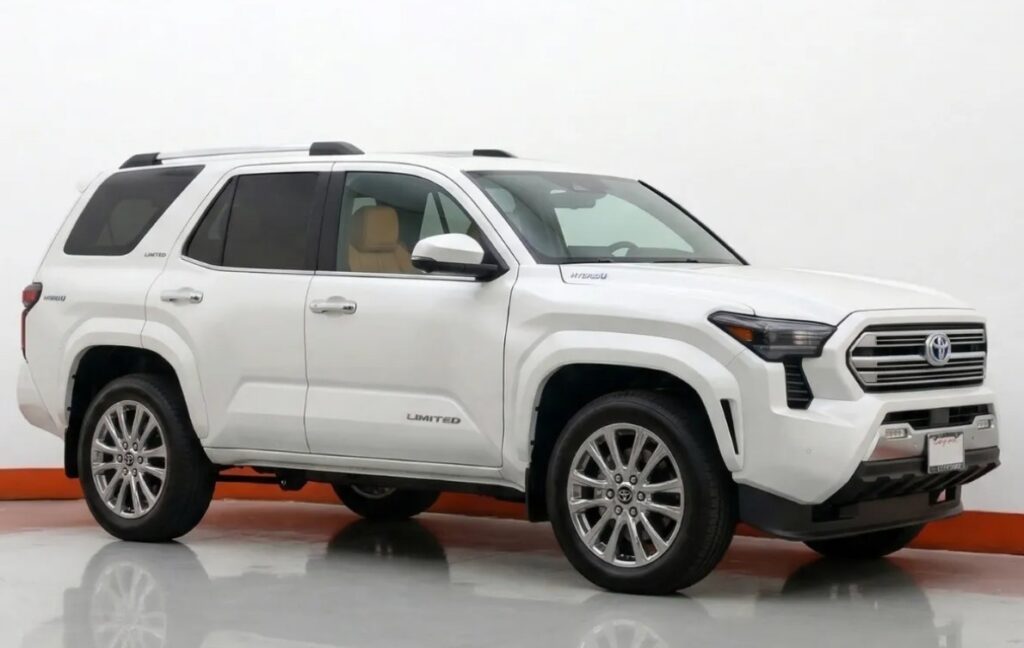
When we talk about SUVs that seem almost immortal, the Toyota 4Runner inevitably enters the conversation. Some vehicles fade into scrapyards before hitting 150,000 miles. Others survive like old oak trees weathering every storm. The Toyota 4Runner belongs firmly in the second category.
But exactly how long do Toyota 4Runner last?
That question lingers in the minds of buyers searching for reliability, adventure seekers planning overlanding trips, and families wondering whether this SUV is worth the investment. The short answer is impressive: many Toyota 4Runners comfortably surpass 200,000 miles, and a surprising number cruise beyond 300,000 miles with proper care.
Still, mileage numbers alone do not tell the whole story.
Longevity depends on maintenance habits, driving conditions, climate, engine care, rust prevention, and even luck. One neglected 4Runner can deteriorate quickly, while another treated with consistency may feel unstoppable after two decades.
Let’s dive deep into the real lifespan of the Toyota 4Runner and discover why this SUV has earned one of the strongest reputations in the automotive world.
Content in this publication
- Why the Toyota 4Runner Has Legendary Reliability
- Average Lifespan of a Toyota 4Runner
- How Long Do Toyota 4Runner Engines Last?
- Toyota 4Runner Transmission Lifespan
- Factors That Affect How Long a Toyota 4Runner Lasts
- Can a Toyota 4Runner Reach 300,000 Miles?
- Best Toyota 4Runner Generations for Longevity
- How Long Do Toyota 4Runner Last Compared to Other SUVs?
- Why Used Toyota 4Runners Hold Their Value
- Common Problems That Can Shorten 4Runner Lifespan
- Maintenance Tips to Make a Toyota 4Runner Last Longer
- Do Toyota 4Runners Become Expensive to Maintain?
- Is Buying a High-Mileage Toyota 4Runner Worth It?
- Signs a Toyota 4Runner May Last a Very Long Time
- Off-Roading and Longevity: Does It Hurt the 4Runner?
- The Psychological Appeal of the Toyota 4Runner
- Should You Buy a Toyota 4Runner for Long-Term Ownership?
- Final Thoughts on How Long Toyota 4Runner Last
- FAQs
Why the Toyota 4Runner Has Legendary Reliability
Some vehicles are engineered for trends. Others are engineered for survival.
The Toyota 4Runner feels like it belongs to the latter philosophy.
Unlike many modern crossovers built with lighter unibody platforms, the 4Runner still uses body-on-frame construction. That means its design resembles a truck more than a typical family SUV. This rugged architecture contributes heavily to durability.
Several factors explain its reputation:
- Proven engines with conservative tuning
- Durable transmissions
- Simple mechanical systems
- Excellent off-road engineering
- High-quality manufacturing standards
- Slower redesign cycles that prioritize reliability over experimentation
Toyota rarely rushes radical changes into the 4Runner lineup. Some people criticize this approach because the SUV can feel old-school. Yet that old-school nature is exactly why it lasts so long.
It’s like comparing a cast-iron skillet to a fragile glass pan. One may look less modern, but it survives decades of abuse.
Average Lifespan of a Toyota 4Runner
Typical Mileage Expectations
Most Toyota 4Runners easily last:
- 200,000 to 300,000 miles
- Around 15 to 20 years
- Sometimes longer with excellent maintenance
Some owners report odometers exceeding:
- 350,000 miles
- 400,000 miles
- Even 500,000 miles in rare cases
That is not normal territory for many SUVs.
For perspective, many vehicles begin facing severe mechanical decline near 150,000 miles. The 4Runner often feels like it is merely entering middle age at that point.
What About High-Mileage 4Runners?
A high-mileage 4Runner is not automatically a bad purchase.
In fact, a well-maintained 4Runner with 180,000 miles may outlast a poorly maintained SUV with half that mileage. Maintenance history matters far more than the number on the odometer.
How Long Do Toyota 4Runner Engines Last?
The heart of the 4Runner is its engine, and Toyota’s engines are widely respected for longevity.
4.0L V6 Engine Longevity
The famous 4.0-liter V6 engine found in many 4Runners is known for exceptional durability.
With proper maintenance, this engine can often exceed:
- 250,000 miles
- 300,000 miles
- Sometimes significantly more
Toyota designed this engine with reliability in mind rather than squeezing maximum horsepower from every drop of fuel.
That conservative engineering pays dividends over time.
Signs of a Healthy High-Mileage Engine
A long-lasting 4Runner engine typically shows:
- Smooth idle
- Minimal oil consumption
- Consistent cooling temperatures
- Clean maintenance records
- No severe timing issues
- Healthy transmission performance
Routine oil changes become the lifeblood of longevity here.
Skipping maintenance is like refusing to water a plant and expecting it to flourish forever.
Toyota 4Runner Transmission Lifespan
A durable engine means little if the transmission fails prematurely.
Fortunately, the 4Runner transmission also has a strong reputation.
Most transmissions last:
- 200,000+ miles with proper servicing
- Longer if fluid changes are done consistently
Many owners underestimate transmission maintenance because Toyota transmissions often feel indestructible. But even the toughest systems eventually suffer from neglected fluid.
Regular servicing dramatically increases lifespan.
Factors That Affect How Long a Toyota 4Runner Lasts
Not every 4Runner reaches legendary mileage. Several factors determine whether yours becomes a marathon runner or burns out early.
Maintenance Habits
This is the biggest factor by far.
Essential maintenance includes:
- Oil changes
- Transmission fluid replacement
- Brake servicing
- Cooling system maintenance
- Suspension inspections
- Differential fluid changes
- Timing-related servicing
Consistent maintenance transforms longevity from possibility into probability.
Driving Conditions
Highway miles are easier on vehicles than stop-and-go city traffic.
A 4Runner driven mostly on highways may age more gracefully than one constantly navigating:
- Traffic jams
- Extreme heat
- Heavy towing
- Aggressive off-roading
Still, the 4Runner handles harsh conditions better than many competitors.
Climate and Rust
Rust is one of the biggest enemies of older 4Runners.
Snowy climates with road salt can cause:
- Frame corrosion
- Suspension damage
- Brake line deterioration
Rust can destroy a structurally sound SUV long before the engine dies.
You may be interested in reading Is Chevrolet Tahoe a Good Car? The Full Truth About America’s Legendary SUV
That’s why buyers should carefully inspect older 4Runners from northern regions.
Can a Toyota 4Runner Reach 300,000 Miles?
Absolutely.
In fact, reaching 300,000 miles is not shocking in the 4Runner community. It’s almost a badge of honor.
The key ingredients are simple:
- Preventive maintenance
- Quality fluids
- Rust prevention
- Gentle warm-up habits
- Addressing small issues early
Ignoring tiny problems often creates massive repairs later.
A minor coolant leak today can become catastrophic overheating tomorrow.
Best Toyota 4Runner Generations for Longevity
Not all generations are identical, though most are reliable.
Third Generation 4Runner (1996–2002)
Many enthusiasts adore this generation.
Reasons include:
- Exceptional simplicity
- Strong engines
- Durable drivetrains
- Easier repairs
These SUVs frequently surpass 300,000 miles.
Fourth Generation 4Runner (2003–2009)
This generation introduced more refinement while maintaining reliability.
Popular features included:
- Available V8 engine
- Improved comfort
- Strong towing capability
The V8 models especially have a cult following.
Fifth Generation 4Runner (2010–Present)
The current generation is famous for rugged dependability.
Owners appreciate:
- Proven V6 engine
- Strong resale value
- Off-road capability
- Long-term durability
Toyota’s refusal to overcomplicate the formula helped preserve reliability.
How Long Do Toyota 4Runner Last Compared to Other SUVs?
The 4Runner often outlasts many rivals.
4Runner vs Crossovers
Modern crossovers prioritize:
- Fuel economy
- Lightweight construction
- Urban comfort
The 4Runner prioritizes:
- Durability
- Off-road strength
- Mechanical simplicity
That difference matters over decades.
4Runner vs Jeep Wrangler
The Jeep Wrangler is iconic off-road, but the 4Runner often wins in long-term reliability and lower maintenance costs.
Wranglers can absolutely last long too, but the Toyota reputation for dependability is generally stronger.
4Runner vs Honda Pilot
The Honda Pilot is practical and comfortable, but it lacks the rugged body-on-frame durability that makes the 4Runner famous.
For long-term heavy-duty use, many buyers trust the Toyota more.
Why Used Toyota 4Runners Hold Their Value
One glance at used prices reveals something unusual.
Old 4Runners are expensive.
Why?
Because buyers trust them.
A 15-year-old SUV with 200,000 miles should theoretically be cheap. Yet many 4Runners maintain surprisingly high resale values because people believe they still have years left.
That confidence reflects decades of real-world reliability.
Common Problems That Can Shorten 4Runner Lifespan
Even legendary SUVs have weaknesses.
Rust Issues
This remains one of the most serious concerns.
Frame rust can become dangerous and expensive.
Always inspect:
- Undercarriage
- Suspension mounts
- Brake lines
- Frame rails
Suspension Wear
High-mileage 4Runners may need:
- Shocks
- Bushings
- Ball joints
- Control arms
These are normal wear items, especially for off-road vehicles.
Brake System Aging
Over time, components like:
- Rotors
- Calipers
- Brake lines
may require replacement.
Again, these repairs are common maintenance rather than catastrophic failures.
Maintenance Tips to Make a Toyota 4Runner Last Longer
If we want maximum lifespan, proactive care is essential.
Follow Oil Change Intervals
Oil is the bloodstream of the engine.
You may be interested in readingIs Chevrolet Tahoe a Good Car? The Full Truth About America’s Legendary SUVYou may be interested in reading
How Many Miles Can a Chevy Tahoe Last?Neglecting it accelerates wear dramatically.
Wash the Undercarriage
Especially in snowy regions.
Salt buildup quietly destroys frames over time.
Use Quality Replacement Parts
Cheap parts may save money temporarily but can reduce long-term reliability.
OEM or high-quality aftermarket parts are worth considering.
Address Problems Early
Tiny noises become major repairs when ignored.
A faint suspension clunk today can evolve into costly damage later.
Do Toyota 4Runners Become Expensive to Maintain?
Compared to luxury SUVs, not really.
The 4Runner’s simplicity helps keep maintenance manageable.
However, as mileage climbs, owners should expect periodic repairs such as:
- Suspension refreshes
- Brake replacements
- Cooling system maintenance
- Wheel bearings
- Tires
Still, many owners gladly pay these costs because replacing the entire vehicle would be far more expensive.
Is Buying a High-Mileage Toyota 4Runner Worth It?
Sometimes, yes.
A high-mileage 4Runner can still be a smart purchase if:
- Maintenance records exist
- Rust is minimal
- The engine runs smoothly
- Transmission shifts properly
- The frame is solid
Mileage alone should never scare buyers away.
Condition matters more.
Signs a Toyota 4Runner May Last a Very Long Time
Certain clues indicate a healthy example.
Look for:
- Clean service history
- No severe rust
- Smooth cold starts
- Stable idle
- Proper fluid levels
- Minimal leaks
- Consistent maintenance intervals
Vehicles cared for meticulously tend to reveal that care clearly.
Off-Roading and Longevity: Does It Hurt the 4Runner?
Off-roading increases wear, but the 4Runner was designed for adventure.
Moderate off-road use is usually fine if owners:
- Maintain suspension components
- Inspect underbody damage
- Replace fluids regularly
- Avoid abusive driving
Extreme rock crawling and aggressive modifications, however, can shorten lifespan.
Even tanks wear down under constant battle.
The Psychological Appeal of the Toyota 4Runner
There’s something fascinating about vehicles built to endure.
The 4Runner represents reliability in a disposable age.
Many modern products feel temporary. Phones become obsolete in years. Appliances fail unexpectedly. Cars increasingly rely on complicated electronics.
Yet the 4Runner feels stubbornly durable.
It’s the automotive equivalent of hiking boots that grow more comfortable with age.
That emotional trust becomes part of the ownership experience.
Should You Buy a Toyota 4Runner for Long-Term Ownership?
If longevity matters, the answer is often yes.
The 4Runner shines for buyers who value:
- Durability
- Reliability
- Resale value
- Off-road capability
- Long-term ownership
It may not be the most fuel-efficient SUV. It may not feel ultra-modern inside. But longevity often requires sacrifice.
A marathon runner is rarely flashy halfway through the race. The magic appears after everyone else quits.
Final Thoughts on How Long Toyota 4Runner Last
So, how long do Toyota 4Runner last?
For many owners, the answer stretches far beyond expectations. With proper care, these SUVs routinely exceed 200,000 miles and often surpass 300,000 miles. Few vehicles maintain such a strong reputation for durability across multiple generations.
The secret lies in Toyota’s philosophy. Instead of chasing trends, the company built the 4Runner with rugged simplicity, dependable engineering, and long-term reliability in mind.
That combination created more than just an SUV. It created a legend.
If we maintain it carefully, respect its maintenance schedule, and protect it from rust, a Toyota 4Runner can remain loyal for decades. In a world obsessed with replacing things quickly, that kind of longevity feels almost revolutionary.
{finish}
FAQs
Can a Toyota 4Runner last 500,000 miles?
Yes, although rare, some Toyota 4Runners have exceeded 500,000 miles with exceptional maintenance and careful driving habits.
What is considered high mileage for a Toyota 4Runner?
For many vehicles, 150,000 miles is high mileage. For a 4Runner, many buyers still consider 200,000 miles acceptable if maintenance has been excellent.
Do Toyota 4Runners have expensive repairs?
Major repairs can be costly, but overall maintenance costs are usually reasonable compared to luxury SUVs and many competitors.
You may be interested in readingIs Chevrolet Tahoe a Good Car? The Full Truth About America’s Legendary SUVYou may be interested in reading
How Many Miles Can a Chevy Tahoe Last?You may be interested in reading
 Ford Explorer Towing Capacity: Everything We Need to Know Before Hitching Up
Which Toyota 4Runner generation lasts the longest?
The third, fourth, and fifth generations all have excellent reputations. Many enthusiasts particularly praise the third-generation models for durability.
Is the Toyota 4Runner reliable for daily driving?
Yes. Despite its rugged off-road roots, the Toyota 4Runner is widely trusted as a dependable daily SUV.
If you want to know other articles similar to How Long Do Toyota 4Runner Last? The Truth About 4Runner Longevity you can visit the category Blog.
Is Hyundai i40 a Good Car? An Honest Used-Car Review
Hyundai i40 Years to Avoid: The Complete Used-Car Guide
Hyundai i40 Reliability: Common Problems, Lifespan, and Buying Advice
Which Kia Rio Engine Is Best? A Smart Buyer’s Guide
Kia Rio Reliability: A Real-World Guide for Smart Buyers
Kia Rio Insurance Group UK: What We Should Know Before Buying or Insuring One
Leave a Reply
More content of your interest