

Chevrolet Tahoe Engine Size: Everything We Need to Know Before Buying This Full-Size SUV

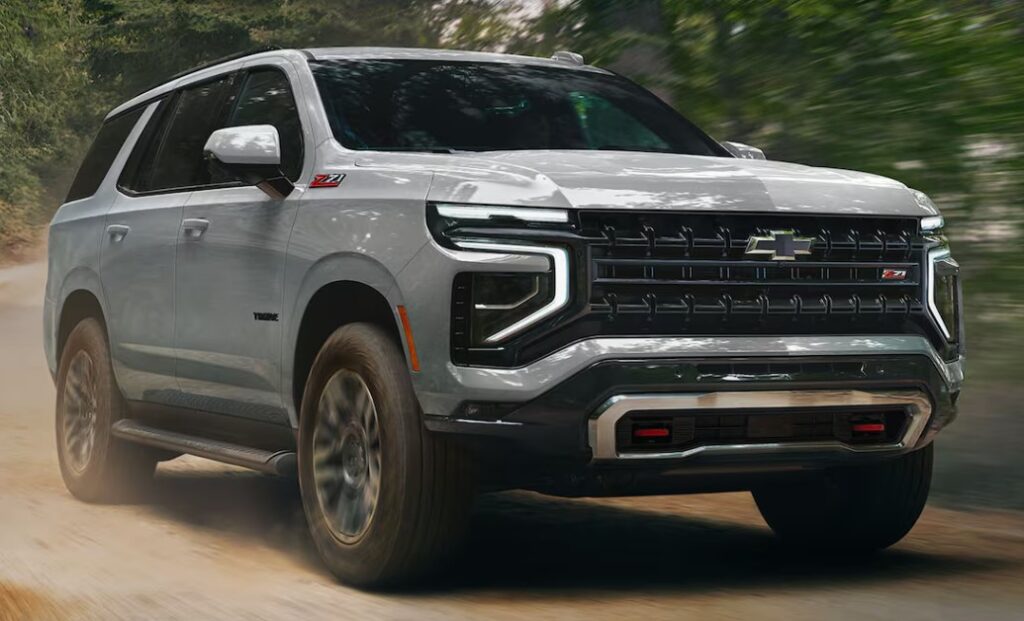
The Chevrolet Tahoe has built a reputation as one of the most commanding full-size SUVs on the road. It’s bold, spacious, unapologetically large, and designed for people who need serious capability. But when shoppers start comparing trims and model years, one question rises above the noise: What is the Chevrolet Tahoe engine size, and which engine is actually the best?
That question sounds simple on the surface. Yet once we dive under the hood, things get interesting. The Tahoe has worn several engines throughout its history—small blocks, V8 monsters, diesel options, and modern fuel-saving powerplants that balance muscle with surprising efficiency.
Engine size in the Tahoe isn’t just about raw displacement. It shapes towing ability, fuel economy, acceleration, maintenance costs, reliability, and even the SUV’s personality. A Tahoe with a 5.3L V8 feels different from one powered by a 6.2L engine. Add the Duramax diesel into the conversation, and suddenly we’re comparing three entirely different driving experiences wrapped in the same giant SUV shell.
So let’s break it all down clearly and completely.
Content in this publication
- Why Chevrolet Tahoe Engine Size Matters
- Current Chevrolet Tahoe Engine Sizes
- Chevrolet Tahoe Engine Size Through the Years
- What Does Engine Size Actually Mean?
- 5.3L vs 6.2L Tahoe Engine Size
- Is the Chevrolet Tahoe Underpowered?
- Chevrolet Tahoe Diesel Engine Size Explained
- Which Chevrolet Tahoe Engine Is Best for Towing?
- Chevrolet Tahoe Horsepower by Engine Size
- Fuel Economy and Engine Size
- How Reliable Are Tahoe Engines?
- Does Bigger Engine Size Mean Better Performance?
- Chevrolet Tahoe Engine Technology
- Best Tahoe Engine Size for Families
- Best Tahoe Engine Size for Performance
- Best Tahoe Engine Size for Long Road Trips
- Maintenance Costs by Engine Size
- Should We Choose a Smaller or Larger Tahoe Engine?
- Future of Chevrolet Tahoe Engine Sizes
- Why the Tahoe’s Engine Still Defines the SUV Experience
- Final Thoughts on Chevrolet Tahoe Engine Size
- FAQs
Why Chevrolet Tahoe Engine Size Matters
Engine size influences nearly every aspect of the driving experience. Think of the engine as the heart of the Tahoe. The larger the heart, the more forcefully it can move this heavy SUV.
But bigger doesn’t always mean better.
Some drivers need:
- Better towing capacity
- Faster acceleration
- Smooth highway cruising
- Long-term durability
- Lower fuel consumption
- Reduced maintenance costs
Others simply want the classic V8 rumble that makes the Tahoe feel like a true American SUV.
Choosing the right engine size is like choosing the right pair of hiking boots. Too small, and you struggle uphill. Too big, and you may carry unnecessary weight every day.
Current Chevrolet Tahoe Engine Sizes
The modern Chevrolet Tahoe typically comes with three main engine options.
5.3L V8 Engine
This is the standard engine in many Tahoe trims.
Key specs include:
- 5.3-liter EcoTec3 V8
- Around 355 horsepower
- Approximately 383 lb-ft of torque
- 10-speed automatic transmission
For many buyers, this engine hits the sweet spot. It provides enough power for family hauling, road trips, towing small trailers, and everyday driving without feeling overly thirsty.
It’s the “balanced athlete” of the lineup.
6.2L V8 Engine
Now we move into serious territory.
The 6.2-liter V8 delivers:
- Around 420 horsepower
- Approximately 460 lb-ft of torque
- Stronger acceleration
- Higher towing confidence
- Premium driving feel
This engine transforms the Tahoe into something that feels surprisingly athletic for its size. Press the accelerator, and the SUV lunges forward like a linebacker sprinting off the line.
It’s smooth, powerful, and incredibly refined.
3.0L Duramax Turbo-Diesel
The diesel option changes the conversation entirely.
Main highlights include:
- 3.0-liter inline-six turbo diesel
- Around 305 horsepower
- Massive low-end torque
- Excellent highway fuel economy
This engine isn’t about drag-race acceleration. Instead, it’s about effortless pulling power and long-distance comfort.
If the V8s are heavyweight boxers, the diesel is a marathon runner.
Chevrolet Tahoe Engine Size Through the Years
The Tahoe has evolved significantly since its early generations.
1990s Tahoe Engines
Early Tahoe models featured:
- 5.7L V8
- 6.5L diesel variants
These engines were rugged and straightforward. Fuel economy wasn’t exactly a priority back then. Reliability and brute strength mattered more.
2000s Tahoe Engines
During the 2000s, Chevrolet refined the lineup with engines like:
- 4.8L V8
- 5.3L V8
- 6.0L V8
The 5.3L became especially popular because it balanced capability with decent efficiency.
2010s Tahoe Engines
Technology advanced rapidly.
We started seeing:
- Cylinder deactivation
- Direct injection
- Improved transmissions
- Better fuel management systems
The 5.3L remained dominant, but refinement improved dramatically.
2020s Tahoe Engines
Modern Tahoes introduced:
- Independent rear suspension
- 10-speed automatic transmissions
- Diesel options
- Advanced engine management systems
Today’s Tahoe engines are smarter, quieter, and more efficient than ever.
What Does Engine Size Actually Mean?
Engine size refers to displacement.
Displacement measures the total volume inside all engine cylinders.
For example:
- 5.3L = 5.3 liters of cylinder displacement
- 6.2L = 6.2 liters
- 3.0L = 3.0 liters
Generally speaking:
- Larger engines produce more power
- Smaller engines often improve fuel economy
But turbocharging and modern engineering blur those lines today.
5.3L vs 6.2L Tahoe Engine Size
This is one of the biggest debates among Tahoe buyers.
Power Difference
The 6.2L clearly wins.
It delivers stronger acceleration, better passing power, and more effortless towing.
The 5.3L feels capable.
The 6.2L feels dominant.
Fuel Economy Comparison
The 5.3L usually performs slightly better in city driving.
However, the difference may not be dramatic depending on driving habits.
Many owners say the 6.2L’s extra power justifies the additional fuel consumption.
Daily Driving Feel
The 5.3L:
- Smooth
- Predictable
- Comfortable
- Practical
The 6.2L:
You may be interested in reading Chevrolet Tahoe Gas Type: Everything We Need to Know Before Filling the Tank
- Faster
- More aggressive
- More refined
- More exciting
It’s the difference between a strong workhorse and a luxury athlete.
Is the Chevrolet Tahoe Underpowered?
Not at all.
Even the standard 5.3L V8 moves this SUV confidently.
However, perception matters.
Drivers stepping out of smaller crossovers may find the Tahoe incredibly powerful. Meanwhile, people used to performance SUVs may prefer the 6.2L.
The Tahoe is built for smooth torque delivery rather than sports-car drama.
Chevrolet Tahoe Diesel Engine Size Explained
The 3.0L Duramax diesel deserves special attention.
At first glance, a 3.0L engine in such a massive SUV sounds small. But torque changes everything.
Diesel engines generate strong pulling power at low RPMs.
That means:
- Easier towing
- Relaxed highway driving
- Better long-distance fuel economy
The diesel Tahoe often feels calmer and more composed during road trips.
Which Chevrolet Tahoe Engine Is Best for Towing?
Towing depends on more than engine size, but power matters tremendously.
Best Overall Towing Engine
The 6.2L V8 is generally the strongest gasoline choice.
It handles:
- Boats
- Campers
- Large trailers
- Heavy cargo
with greater confidence.
Best Fuel-Efficient Towing Engine
The diesel engine excels here.
Its low-end torque helps maintain steady pulling power without constant downshifts.
Best Budget-Friendly Towing Option
The 5.3L works surprisingly well for moderate towing needs.
Most families won’t need more.
Chevrolet Tahoe Horsepower by Engine Size
Here’s a simplified breakdown.
| Engine Size | Horsepower | Torque |
|---|---|---|
| 5.3L V8 | ~355 hp | ~383 lb-ft |
| 6.2L V8 | ~420 hp | ~460 lb-ft |
| 3.0L Diesel | ~305 hp | ~495 lb-ft |
Notice something fascinating?
The diesel produces less horsepower but more torque.
That’s why it feels so strong when towing.
Fuel Economy and Engine Size
Large SUVs traditionally drink fuel like athletes chugging sports drinks after a marathon.
Yet modern Tahoe engines are surprisingly efficient.
5.3L Fuel Economy
Typical averages:
- Mid-to-high teens in the city
- Around 20 MPG highway
6.2L Fuel Economy
Expect slightly lower numbers.
Performance comes at a price.
3.0L Diesel Fuel Economy
This engine shines on highways.
Some drivers report excellent long-distance efficiency for such a large SUV.
How Reliable Are Tahoe Engines?
Reliability depends on maintenance, driving habits, and model year.
5.3L Reliability
Generally considered dependable when maintained properly.
Common concerns may include:
- Active Fuel Management issues
- Oil consumption in certain years
- Lifters and valve train wear
Still, many 5.3L Tahoes exceed 200,000 miles.
6.2L Reliability
Strong overall, but repair costs can be higher due to premium components.
Maintenance matters even more here.
3.0L Diesel Reliability
The diesel is newer, so long-term data continues developing.
However, owners often praise:
- Smoothness
- Fuel economy
- Highway comfort
Diesel systems can become expensive if emissions-related components fail outside warranty.
Does Bigger Engine Size Mean Better Performance?
Usually yes—but context matters.
A larger engine often provides:
- Faster acceleration
- Better towing
- Easier highway merging
Yet modern transmissions and turbocharging help smaller engines compete.
For many families, the 5.3L already feels more than adequate.
The 6.2L mainly appeals to enthusiasts or heavy-duty users.
Chevrolet Tahoe Engine Technology
Modern Tahoe engines are far more advanced than older V8s.
Direct Injection
Fuel sprays directly into the combustion chamber.
Benefits include:
You may be interested in readingChevrolet Tahoe Gas Type: Everything We Need to Know Before Filling the TankYou may be interested in reading
Chevrolet Tahoe Tank Size: Everything We Need to Know About Fuel Capacity, Range, and Real-World Driving- Better efficiency
- Improved power
- Cleaner combustion
Dynamic Fuel Management
The engine can deactivate cylinders during light driving.
Think of it like a giant V8 taking a quick nap on the highway to save fuel.
10-Speed Automatic Transmission
This transmission helps maximize:
- Acceleration
- Fuel efficiency
- Smoothness
It keeps the engine operating efficiently across different speeds.
Best Tahoe Engine Size for Families
Most families will likely prefer the 5.3L V8.
Why?
Because it offers:
- Strong reliability
- Sufficient towing
- Balanced fuel economy
- Lower ownership costs
It’s the “do everything” engine.
Best Tahoe Engine Size for Performance
Without question, the 6.2L V8 dominates here.
The power delivery feels effortless.
Even though the Tahoe remains a large SUV, the 6.2L injects personality into every drive.
It’s the engine that makes on-ramps genuinely entertaining.
Best Tahoe Engine Size for Long Road Trips
The diesel may actually be the hidden champion.
Reasons include:
- Excellent cruising efficiency
- Strong torque
- Relaxed engine behavior
- Fewer fuel stops
For cross-country travelers, it’s incredibly appealing.
Maintenance Costs by Engine Size
Larger and more complex engines usually cost more to maintain.
5.3L Ownership Costs
Typically the most affordable.
Parts availability is excellent because Chevrolet has used this engine family extensively.
6.2L Ownership Costs
Higher fuel costs and potentially pricier repairs.
Premium fuel may also be recommended.
3.0L Diesel Ownership Costs
Diesel maintenance differs from gasoline engines.
Potential additional expenses include:
- DEF fluid
- Emissions components
- Specialized repairs
Still, fuel savings may offset some costs.
Should We Choose a Smaller or Larger Tahoe Engine?
The answer depends entirely on lifestyle.
Choose the 5.3L If You Want:
- Balanced performance
- Better affordability
- Everyday practicality
- Lower operating costs
Choose the 6.2L If You Want:
- Maximum power
- Faster acceleration
- Premium driving feel
- Heavy towing confidence
Choose the Diesel If You Want:
- Highway efficiency
- Long-distance comfort
- Strong towing torque
- Fewer fuel stops
Future of Chevrolet Tahoe Engine Sizes
The automotive world is changing rapidly.
Stricter emissions regulations and electrification trends may eventually reshape the Tahoe lineup.
Future possibilities could include:
- Hybrid powertrains
- Plug-in systems
- Smaller turbocharged engines
- Electrified Tahoe variants
Still, the V8 remains deeply connected to the Tahoe identity.
For many drivers, that unmistakable rumble is part of the experience.
Why the Tahoe’s Engine Still Defines the SUV Experience
The Tahoe isn’t merely transportation.
It’s a rolling statement.
It represents road trips, towing boats, hauling families, carrying camping gear, and dominating highways with quiet confidence.
Engine size shapes that identity.
A smaller crossover might feel efficient and practical. But a Tahoe with a big V8 feels like a skyscraper on wheels—solid, confident, and built for life’s bigger adventures.
That’s why choosing the right engine matters so much.
Final Thoughts on Chevrolet Tahoe Engine Size
The Chevrolet Tahoe continues proving why full-size SUVs remain popular in a world increasingly dominated by smaller crossovers.
Its engine options create three distinct personalities:
- The balanced 5.3L V8
- The thrilling 6.2L powerhouse
- The efficient 3.0L diesel cruiser
None of them are objectively wrong.
The best engine size simply depends on how we plan to use the vehicle.
Need practicality? The 5.3L delivers.
Want excitement? The 6.2L shines.
Travel long distances constantly? The diesel may surprise you.
At the end of the day, the Tahoe remains what it has always been: a bold SUV with engines designed to move families, trailers, and adventures without hesitation.
FAQs
What is the standard Chevrolet Tahoe engine size?
Most modern Tahoe trims come standard with a 5.3L V8 engine producing around 355 horsepower.
Which Tahoe engine is the most powerful?
The 6.2L V8 is currently the most powerful engine option available in the Tahoe lineup.
Is the Chevrolet Tahoe diesel engine worth it?
Yes, especially for drivers who tow frequently or travel long highway distances and want better fuel economy.
The 6.2L V8 may recommend premium fuel for optimal performance, while the 5.3L typically runs fine on regular gasoline.
You may be interested in readingChevrolet Tahoe Gas Type: Everything We Need to Know Before Filling the TankYou may be interested in reading
Chevrolet Tahoe Tank Size: Everything We Need to Know About Fuel Capacity, Range, and Real-World DrivingYou may be interested in reading
Chevrolet Tahoe vs Ford Expedition: Which Full-Size SUV Truly Rules the Road?How long do Chevrolet Tahoe engines last?
With proper maintenance, many Tahoe engines can exceed 200,000 miles and sometimes much more.
If you want to know other articles similar to Chevrolet Tahoe Engine Size: Everything We Need to Know Before Buying This Full-Size SUV you can visit the category Service and Parts.
Hyundai i40 Service Reset: Complete Step-by-Step Guide
Hyundai i40 Wheel Size: Complete Fitment and Upgrade Guide
Hyundai i40 Fuel Tank Capacity: Complete Size and Range Guide
Hyundai i40 Towing Capacity: Complete Practical Guide
Hyundai i40 Timing Chain Replacement Cost UK: Complete Price Guide
Hyundai i40 Gearbox Replacement Cost UK: Complete Price Guide
Leave a Reply
More content of your interest