
Ford Explorer Boot Space: How Much Cargo Room Does This Popular SUV Really Offer?

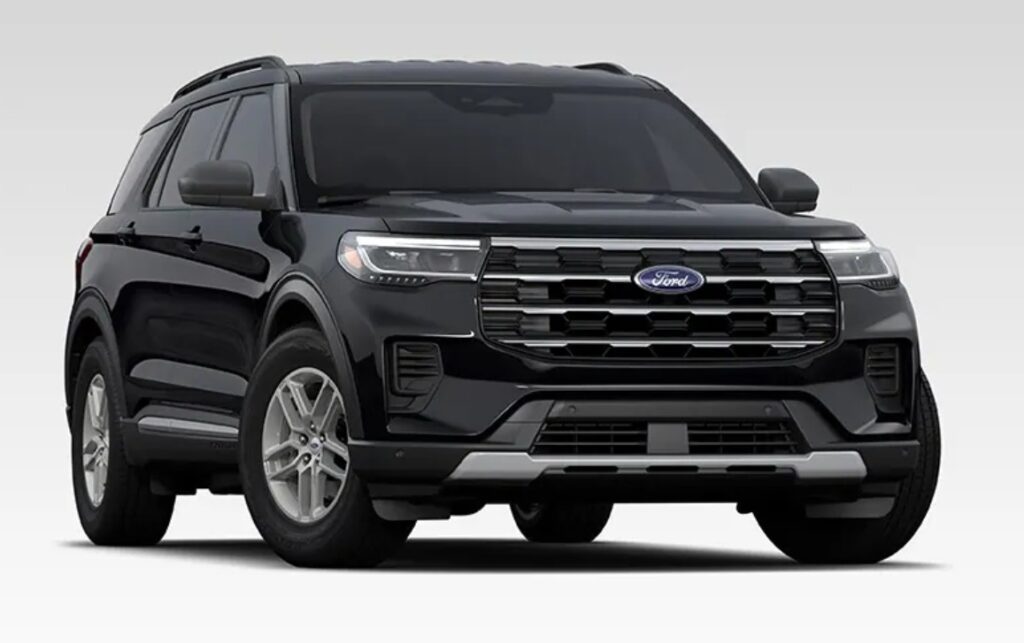
The Ford Explorer has built a reputation as one of the most practical three-row SUVs on the market. While many buyers focus on horsepower, towing capacity, or technology features, one of the most important considerations often comes down to a simple question: how much boot space does the Ford Explorer offer?
Whether we're loading family luggage for a road trip, carrying sports equipment, transporting furniture, or handling everyday grocery runs, cargo capacity can make or break the ownership experience. Fortunately, the Ford Explorer is designed with versatility in mind, offering generous storage space and clever interior configurations that adapt to changing needs.
In this guide, we'll explore everything about Ford Explorer boot space, including cargo dimensions, seating configurations, practical usability, comparisons with competitors, and tips for maximizing storage capacity.
Content in this publication
- Why Boot Space Matters in an SUV
- Understanding Ford Explorer Cargo Capacity
- Boot Space Behind the Third Row
- Boot Space Behind the Second Row
- Maximum Cargo Capacity with Seats Folded
- How Ford Designed the Explorer for Cargo Efficiency
- Ford Explorer Cargo Dimensions
- How the Explorer Compares to Competitors
- Cargo Solutions for Families
- Smart Storage Features Inside the Explorer
- Power Liftgate Convenience
- Can the Ford Explorer Handle Large Items?
- Best Ford Explorer Generations for Cargo Space
- Tips for Maximizing Ford Explorer Boot Space
- Who Benefits Most from the Explorer's Cargo Capacity?
- The Hidden Advantage of Explorer Boot Space
- Conclusion
- Frequently Asked Questions
Why Boot Space Matters in an SUV
Boot space is more than just a number listed on a specification sheet.
For many families, the cargo area functions like a mobile storage room. It carries:
- School bags
- Grocery shopping
- Holiday luggage
- Camping gear
- Sports equipment
- Pet carriers
- DIY supplies
A vehicle can have impressive styling and performance, but if the cargo area feels cramped, daily life becomes frustrating. That's why understanding the Ford Explorer's storage capabilities is essential before making a purchase.
Understanding Ford Explorer Cargo Capacity
The Ford Explorer offers multiple cargo configurations thanks to its flexible seating arrangement.
The amount of available boot space changes depending on whether the third row or second row seats are folded.
Generally speaking, the Explorer provides:
| Configuration | Cargo Space |
|---|---|
| Behind Third Row | Approximately 18.2 cubic feet |
| Behind Second Row | Approximately 47.9 cubic feet |
| Behind First Row | Approximately 87.8 cubic feet |
These figures demonstrate the Explorer's ability to transform from a family passenger vehicle into a cargo-hauling machine within minutes.
Boot Space Behind the Third Row
Everyday Practicality
With all seats occupied, the Explorer still provides around 18.2 cubic feet of cargo room.
At first glance, this may seem modest compared to two-row SUVs, but for a three-row vehicle, it's surprisingly useful.
You can typically fit:
- Several grocery bags
- Carry-on suitcases
- School backpacks
- Sports gear
- Baby strollers
For families who frequently travel with six or seven passengers, this cargo area remains functional without feeling overly restrictive.
Real-World Example
Imagine heading to the airport with six family members.
Behind the third row, the Explorer can accommodate several carry-on bags while keeping all passengers comfortable. That's a significant advantage over many competitors whose third rows consume almost all available storage space.
Boot Space Behind the Second Row
A Dramatic Increase in Cargo Capacity
Folding the third row creates approximately 47.9 cubic feet of cargo space.
This transformation is where the Explorer truly begins to shine.
The enlarged cargo area can handle:
- Large suitcases
- Mountain bikes
- Camping equipment
- Multiple golf bags
- Large shopping hauls
For many owners, this configuration becomes the sweet spot between passenger accommodation and storage versatility.
Perfect for Weekend Adventures
Think of the Explorer as a Swiss Army knife on wheels.
One moment it's transporting seven people to dinner. The next, it's carrying enough camping gear for a weekend in the wilderness.
The flexibility is one of the vehicle's strongest selling points.
Maximum Cargo Capacity with Seats Folded
Unlocking Nearly 88 Cubic Feet
When both rear seating rows are folded, cargo capacity expands to approximately 87.8 cubic feet.
This creates a large, flat load floor capable of handling oversized items.
Examples include:
You may be interested in reading Ford Explorer Electric Boot Space: A Complete Guide to Cargo Capacity, Practicality, and Everyday Use
- Furniture
- Large televisions
- Home improvement materials
- Bicycles
- Kayaks
- Large pet crates
At this stage, the Explorer behaves more like a small cargo van than a traditional SUV.
Moving Day Hero
Many owners are surprised by how much the Explorer can carry.
A quick fold of the rear seats can turn an ordinary shopping trip into a successful furniture pickup without needing a trailer.
How Ford Designed the Explorer for Cargo Efficiency
Flat Folding Seats
The Explorer features seats that fold relatively flat, maximizing usable cargo volume.
This design reduces awkward angles and wasted space.
Wide Rear Opening
The tailgate opening is wide enough to simplify loading large objects.
Bulky items can slide into the cargo area with minimal effort.
Low Lift-Over Height
Loading heavy equipment becomes easier because the cargo floor sits at a practical height.
This may seem like a small detail, but it significantly improves everyday usability.
Ford Explorer Cargo Dimensions
While total cargo volume tells part of the story, dimensions matter too.
The Explorer's cargo area offers:
- Wide loading width
- Deep cargo floor
- Tall roofline
- Square-shaped storage area
These characteristics make the space more usable than cargo figures alone might suggest.
Some vehicles advertise large cubic-foot numbers but provide oddly shaped cargo areas. The Explorer avoids this problem through a practical and efficient design.
How the Explorer Compares to Competitors
Ford Explorer vs Chevrolet Traverse
Chevrolet Traverse offers slightly more maximum cargo volume.
However, the Explorer counters with strong overall practicality and versatile seating configurations.
Ford Explorer vs Toyota Highlander
Toyota Highlander provides respectable cargo space but generally falls short of the Explorer when maximum storage is required.
Ford Explorer vs Honda Pilot
Honda Pilot remains one of the Explorer's closest competitors.
Both offer family-friendly cargo solutions, though many buyers appreciate the Explorer's balance of performance and practicality.
Ford Explorer vs Kia Telluride
Kia Telluride competes strongly in interior space, yet the Explorer continues to impress with its adaptable cargo configurations.
Cargo Solutions for Families
School Runs
The Explorer easily handles:
- Backpacks
- Sports bags
- Musical instruments
- School projects
Family Holidays
Families can pack:
- Multiple suitcases
- Travel accessories
- Coolers
- Beach gear
Without feeling cramped.
Pet Transportation
Large dogs often travel comfortably in the rear cargo area with sufficient room for movement and pet accessories.
Smart Storage Features Inside the Explorer
Underfloor Storage Compartments
Many Explorer models include hidden storage spaces beneath the cargo floor.
These compartments are ideal for:
- Emergency supplies
- Tools
- Valuables
- Charging cables
Tie-Down Points
Secure tie-down hooks help prevent cargo movement during travel.
You may be interested in readingFord Explorer Electric Boot Space: A Complete Guide to Cargo Capacity, Practicality, and Everyday UseYou may be interested in reading
Ford Explorer Battery Size: Complete Guide to Battery Capacity, Types, Replacement, and PerformanceCargo Management Systems
Certain trims offer additional organization features that help keep items separated and secure.
Power Liftgate Convenience
Modern Explorer models frequently include a power-operated tailgate.
Benefits include:
- Easier loading
- Hands-free operation
- Faster access
- Improved convenience during bad weather
It's one of those features that quickly becomes indispensable.
Can the Ford Explorer Handle Large Items?
Absolutely.
The Explorer is capable of transporting:
- Dining tables
- Flat-pack furniture
- Large televisions
- Construction materials
- Outdoor equipment
Its generous cargo dimensions make it one of the more practical choices within the midsize SUV segment.
Best Ford Explorer Generations for Cargo Space
Sixth Generation Explorer (2020-Present)
The latest generation benefits from improved packaging and interior design.
Advantages include:
- Better cargo flexibility
- Improved passenger comfort
- Enhanced storage solutions
Fifth Generation Explorer (2011-2019)
Still highly practical and often available at attractive used-market prices.
These models remain popular among families seeking value and utility.
Tips for Maximizing Ford Explorer Boot Space
Use Packing Cubes
Packing cubes help organize luggage efficiently.
Fold Seats Strategically
Only fold the seats you need to maximize passenger and cargo balance.
Utilize Vertical Space
Stack soft bags rather than spreading them across the cargo floor.
Add Roof Storage
For major road trips, a roof box dramatically increases carrying capacity.
Who Benefits Most from the Explorer's Cargo Capacity?
The Explorer is particularly suitable for:
- Growing families
- Outdoor enthusiasts
- Pet owners
- Frequent travelers
- Small business owners
Its cargo flexibility adapts to nearly every lifestyle.
The most impressive aspect of Ford Explorer boot space isn't necessarily the raw numbers.
It's the adaptability.
Like a shape-shifting companion ready for whatever adventure comes next, the Explorer can transform from a seven-passenger family SUV into a capable cargo hauler in moments.
That flexibility creates value every day, whether we're driving across town or across the country.
Conclusion
The Ford Explorer remains one of the most practical three-row SUVs available thanks to its generous and versatile boot space. With approximately 18.2 cubic feet behind the third row, 47.9 cubic feet behind the second row, and nearly 87.8 cubic feet with all rear seats folded, it offers storage solutions for virtually every situation.
Whether we're transporting passengers, luggage, sports gear, pets, or furniture, the Explorer consistently proves why it has remained a favorite among families for decades. Its blend of cargo flexibility, smart storage solutions, and user-friendly design makes it an excellent choice for buyers who value practicality without sacrificing comfort.
Frequently Asked Questions
How much boot space does a Ford Explorer have behind the third row?
The Ford Explorer offers approximately 18.2 cubic feet of cargo space behind the third-row seats.
What is the maximum cargo capacity of the Ford Explorer?
With both rear seating rows folded, the Explorer provides approximately 87.8 cubic feet of cargo space.
Can a Ford Explorer fit large suitcases?
Yes. The cargo area behind the second row can comfortably accommodate multiple large suitcases.
You may be interested in readingFord Explorer Electric Boot Space: A Complete Guide to Cargo Capacity, Practicality, and Everyday UseYou may be interested in reading
Ford Explorer Battery Size: Complete Guide to Battery Capacity, Types, Replacement, and PerformanceYou may be interested in reading
Ford Explorer Tyre Pressure: The Complete Guide to Safe, Efficient, and Comfortable DrivingIs the Ford Explorer good for family road trips?
Absolutely. Its combination of passenger seating and flexible cargo capacity makes it an excellent road-trip vehicle.
Which Ford Explorer generation has the most practical cargo space?
The sixth-generation Explorer (2020-present) offers some of the best cargo flexibility and storage solutions in the model's history.
If you want to know other articles similar to Ford Explorer Boot Space: How Much Cargo Room Does This Popular SUV Really Offer? you can visit the category Service and Parts.
Vauxhall Meriva Head Gasket Replacement Cost UK: Complete Price Guide
Vauxhall Meriva Tyre Pressure PSI: Complete Guide
Vauxhall Meriva Fault Codes: Meanings, Causes, and Fixes
Vauxhall Meriva Door With Key Symbol: Meaning, Causes, and Fixes
Vauxhall Meriva Code 59 and 60: Causes, Reset Steps, and Solutions
Vauxhall Meriva Immobiliser Reset: Complete Troubleshooting Guide
Leave a Reply
More content of your interest