

Ford Explorer Charger Type: Everything We Need to Know About Charging the Ford Explorer Electric

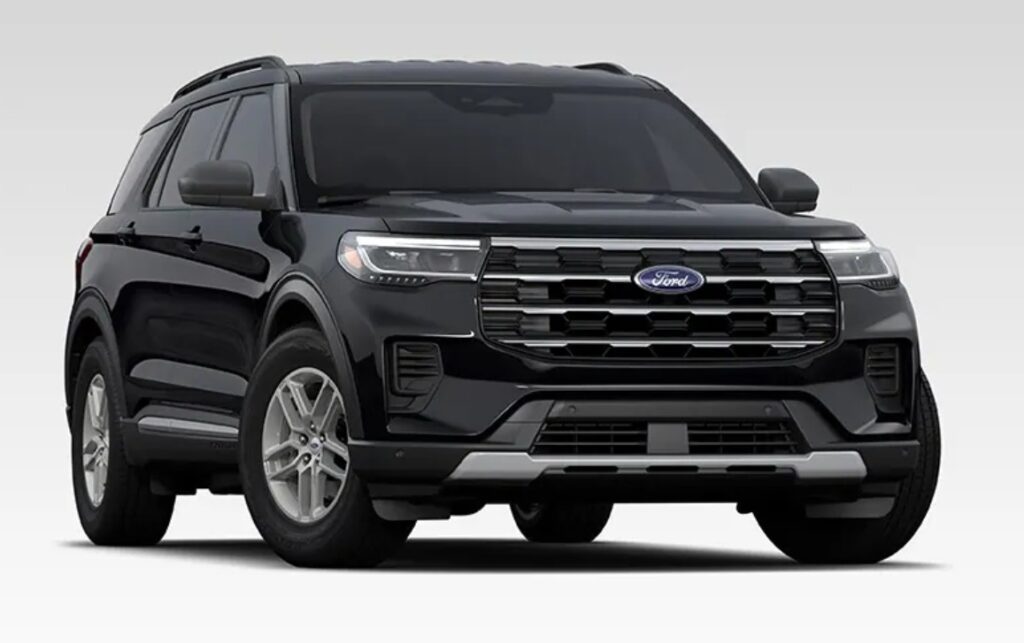
The automotive world is changing at lightning speed, and the arrival of the electric Ford Explorer marks a significant step forward for drivers looking to embrace cleaner, smarter mobility. One of the most common questions among prospective buyers and current owners is simple: What charger type does the Ford Explorer use?
Understanding the Ford Explorer charger type is essential because it affects charging compatibility, charging speed, public charging access, and overall convenience. Choosing the right charger is a bit like selecting the correct key for a lock—everything works smoothly when the pieces fit together.
In this comprehensive guide, we'll explore every aspect of the Ford Explorer charger type, from home charging solutions to public charging networks, charging speeds, connector standards, and practical tips for maximizing efficiency.
Content in this publication
- Understanding the Ford Explorer Electric Charging System
- Which Charger Type Does the Ford Explorer Use?
- What Is a Type 2 Charger?
- The CCS Charging Connector Explained
- AC Charging for the Ford Explorer
- DC Fast Charging for the Ford Explorer
- Ford Explorer Charging Speeds
- Charging the Ford Explorer at Home
- Best Home Charger Options for the Ford Explorer
- Using Public Charging Networks
- Finding Compatible Charging Stations
- How Long Does It Take to Charge a Ford Explorer?
- Charging Etiquette at Public Stations
- Can the Ford Explorer Use Tesla Chargers?
- Charging Costs for the Ford Explorer
- Battery Health and Charging Practices
- Future Charging Technology for the Ford Explorer
- Ford Explorer Charger Type Compared With Other EVs
- Common Charging Mistakes to Avoid
- Why the Ford Explorer Charging System Stands Out
- Conclusion
- Frequently Asked Questions
Understanding the Ford Explorer Electric Charging System
The electric Ford Explorer differs significantly from traditional gasoline-powered Explorers. Instead of filling a fuel tank, we recharge a battery pack through an electrical connection.
This battery powers the vehicle's electric motor and determines the driving range available between charging sessions.
The charging system consists of:
- Charging port
- Battery management system
- Onboard charger
- Charging cable
- External charging station
Together, these components create a seamless charging experience.
Which Charger Type Does the Ford Explorer Use?
The latest electric Ford Explorer designed for the European market utilizes the CCS (Combined Charging System) Type 2 connector.
This charging standard combines:
- A Type 2 AC charging connector
- Additional DC fast-charging pins
As a result, the vehicle can support both regular AC charging and rapid DC charging using a single charging port.
This dual-purpose design offers flexibility whether we're charging at home, at work, or on a highway charging station.
What Is a Type 2 Charger?
The European Standard
Type 2 charging connectors are the most widely used AC charging standard throughout Europe.
They feature a seven-pin design capable of supporting single-phase and three-phase power supplies.
Benefits include:
- Broad compatibility
- High charging efficiency
- Extensive public charging support
- Future-proof infrastructure
For Ford Explorer owners in Europe, Type 2 charging represents the everyday charging solution.
How Type 2 Charging Works
When connected to a Type 2 charger, electricity flows through the onboard charger, which converts AC power into the DC power required by the battery.
Think of the onboard charger as a translator converting one language into another before the battery can understand it.
The CCS Charging Connector Explained
Why CCS Matters
CCS stands for Combined Charging System.
It expands upon the Type 2 connector by adding two large DC charging pins beneath the standard AC connector.
This allows access to ultra-fast charging stations.
Advantages include:
- Faster charging speeds
- Extensive public charger availability
- Reduced charging stops
- Greater convenience during long-distance travel
Visual Structure of CCS
The charging port contains:
Upper Section
Standard Type 2 AC charging pins.
Lower Section
Dedicated DC fast-charging pins.
Together, these components form the CCS connector.
AC Charging for the Ford Explorer
What Is AC Charging?
Alternating Current (AC) charging is commonly used at:
- Homes
- Offices
- Shopping centers
- Hotels
- Parking garages
This charging method is typically slower than DC charging but is ideal for overnight charging.
Typical AC Charging Speeds
Charging speed depends on the available electrical supply and charger output.
Common charging options include:
| Charger Type | Power Output |
|---|---|
| Domestic Socket | 2.3 kW |
| Home Wallbox | 7.4 kW |
| Three-Phase Charger | 11 kW |
| Public AC Charger | Up to 22 kW |
The Ford Explorer's onboard charging capability determines the maximum AC charging speed it can accept.
DC Fast Charging for the Ford Explorer
What Makes DC Charging Faster?
Unlike AC charging, DC charging bypasses the onboard charger.
Electricity flows directly into the battery pack.
This shortcut significantly increases charging speed.
It's the charging equivalent of taking an express train instead of a local bus.
Benefits of DC Fast Charging
- Rapid energy replenishment
- Convenient road trips
- Reduced waiting times
- Better long-distance usability
Many modern fast chargers can restore substantial driving range in under 30 minutes.
Ford Explorer Charging Speeds
Home Charging Performance
Home charging is usually the most economical option.
Typical overnight charging can fully recharge the battery while we sleep.
Advantages include:
- Lower electricity rates
- Convenience
- Battery-friendly charging
- Predictable charging routine
Public Charging Performance
Public charging speeds vary depending on:
- Charger output
- Battery temperature
- Battery state of charge
- Weather conditions
The fastest charging rates usually occur when the battery is between 10% and 80%.
Charging the Ford Explorer at Home
Using a Standard Household Socket
A standard socket can charge the vehicle but is generally the slowest method.
Suitable for:
- Emergency charging
- Occasional use
- Low daily mileage
However, most owners quickly upgrade to a dedicated wallbox.
Installing a Home Wallbox
A wallbox significantly improves charging convenience.
Benefits include:
- Faster charging
- Enhanced safety
- Smart charging features
- Scheduled charging sessions
Many wallboxes also allow smartphone monitoring and energy tracking.
Best Home Charger Options for the Ford Explorer
7.4 kW Wallbox
Ideal for most households.
Offers:
- Efficient overnight charging
- Affordable installation
- Good balance between speed and cost
11 kW Three-Phase Charger
Perfect for properties with three-phase electrical service.
Advantages:
- Faster charging
- Improved flexibility
- Better future readiness
Smart Chargers
Modern smart chargers include:
- Wi-Fi connectivity
- App control
- Load balancing
- Energy monitoring
These features help optimize charging costs.
Using Public Charging Networks
Public charging networks continue expanding rapidly worldwide.
Ford Explorer owners can access:
- Highway charging stations
- Retail charging hubs
- Workplace charging
- Municipal charging locations
The growing infrastructure makes electric vehicle ownership increasingly practical.
Finding Compatible Charging Stations
Charging Apps
Several mobile applications help locate compatible chargers.
Features often include:
- Real-time availability
- Charging speed information
- Pricing details
- Route planning
Many electric vehicles integrate charging information directly into the navigation system.
This simplifies trip planning significantly.
How Long Does It Take to Charge a Ford Explorer?
Charging times depend on multiple factors.
These include:
- Battery size
- Charger output
- Starting charge level
- Ambient temperature
Approximate Charging Scenarios
Domestic Socket
May require more than a full day for a complete recharge.
7.4 kW Wallbox
Typically suitable for overnight charging.
11 kW Charger
Provides quicker full charging sessions.
DC Fast Charger
Can restore a substantial portion of battery capacity in a short period.
Charging Etiquette at Public Stations
As EV adoption grows, good charging etiquette becomes increasingly important.
Best practices include:
- Move the vehicle once charging is complete
- Avoid occupying fast chargers unnecessarily
- Respect charging station rules
- Report faulty chargers
These habits improve the experience for everyone.
Can the Ford Explorer Use Tesla Chargers?
Compatibility Considerations
Compatibility depends on:
- Charger location
- Connector standard
- Network policies
In many regions, Tesla has begun opening portions of its charging network to non-Tesla vehicles.
Using Adapters
Some charging scenarios may require adapters.
Always verify:
- Vehicle compatibility
- Charger compatibility
- Manufacturer recommendations
Before purchasing an adapter, confirm it supports the required charging standards.
Charging Costs for the Ford Explorer
Electric vehicle charging costs vary considerably.
Factors include:
- Electricity rates
- Charging location
- Time of use
- Charging network pricing
Home Charging Costs
Home charging is usually the most economical option.
Many utility companies offer reduced overnight rates.
Public Fast Charging Costs
DC fast charging generally costs more due to:
- Infrastructure investment
- Higher power delivery
- Convenience factor
Nevertheless, it remains significantly more convenient for long journeys.
Battery Health and Charging Practices
Avoid Constant 100% Charging
For daily driving, maintaining a moderate charge level can help preserve battery longevity.
Many EV experts recommend charging according to actual driving needs.
Limit Excessive Fast Charging
While fast charging is incredibly convenient, relying exclusively on it may generate additional battery stress over time.
A balanced charging routine often produces the best long-term results.
Temperature Management Matters
Battery performance is influenced by temperature.
Extreme heat and cold can affect:
- Charging speed
- Efficiency
- Range
Modern battery management systems help mitigate these effects.
Future Charging Technology for the Ford Explorer
The EV charging landscape evolves rapidly.
Future developments may include:
- Faster charging rates
- Bidirectional charging
- Smarter energy management
- Enhanced charging networks
These innovations promise to make EV ownership even more convenient.
Ford Explorer Charger Type Compared With Other EVs
Many modern electric vehicles now use CCS charging in Europe.
This widespread adoption creates several advantages:
- Better infrastructure compatibility
- More charging locations
- Simplified ownership experience
- Greater interoperability
For Explorer owners, this means fewer charging concerns and more confidence on the road.
Common Charging Mistakes to Avoid
Ignoring Charger Ratings
Always verify charger compatibility before connecting.
Waiting Until the Battery Is Empty
Frequent deep discharges are generally unnecessary.
Neglecting Software Updates
Vehicle software updates may improve charging performance.
Using Damaged Cables
Inspect charging cables regularly to ensure safe operation.
Why the Ford Explorer Charging System Stands Out
The Ford Explorer's CCS Type 2 charging setup offers a compelling blend of flexibility and performance.
Whether we're plugging into a home wallbox overnight or connecting to a high-speed DC charger during a road trip, the system is designed to support a wide range of charging scenarios.
This versatility removes much of the anxiety traditionally associated with electric vehicle ownership.
Conclusion
The answer to the question "What charger type does the Ford Explorer use?" is straightforward: the electric Ford Explorer primarily utilizes a CCS Type 2 charging connector, allowing both AC and DC charging through a single port.
This setup delivers the best of both worlds. We gain the convenience of affordable home charging with Type 2 AC chargers and the speed of public CCS fast chargers for longer journeys. As charging infrastructure continues to expand, owning and operating an electric Ford Explorer becomes increasingly convenient and practical.
The future of mobility is electric, and understanding the Ford Explorer charger type ensures we're ready to make the most of every mile ahead.
Frequently Asked Questions
1. What charger type does the Ford Explorer Electric use?
The Ford Explorer Electric uses a CCS Type 2 connector, supporting both AC and DC charging.
2. Can I charge a Ford Explorer at home?
Yes. You can charge it using a household outlet or a dedicated wallbox charger.
3. Does the Ford Explorer support fast charging?
Yes. The CCS connector enables DC fast charging at compatible public charging stations.
4. Is a Type 2 charger the same as CCS?
Not exactly. CCS includes a Type 2 connector plus additional DC charging pins for rapid charging.
5. What is the best charger for daily Ford Explorer charging?
A 7.4 kW or 11 kW home wallbox is generally the most convenient and cost-effective option for everyday charging.
If you want to know other articles similar to Ford Explorer Charger Type: Everything We Need to Know About Charging the Ford Explorer Electric you can visit the category Service and Parts.
Kia Sorento Service Reset: How to Reset the Service Light
Kia Sorento Fuel Tank Capacity: Gallons, Litres and Model Differences
Kia Sorento Tyre Pressure: Recommended PSI, Bar and Complete Guide
Kia Sorento Boot Space: How Much Luggage Space Does It Really Have?
Kia Sorento Towing Capacity: How Much Can a Sorento Tow?

Honda Passport Payload Capacity: How Much Weight Can It Carry?
Leave a Reply
More content of your interest