

Ford Explorer Insurance Group: Complete Guide to Insurance Costs, Ratings, and Ways to Save

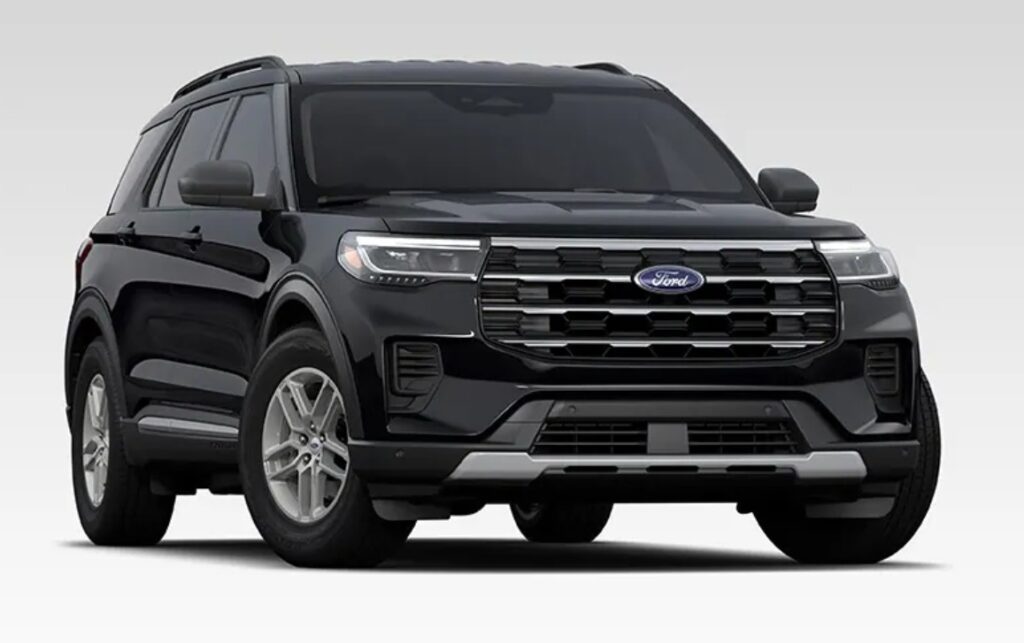
The Ford Explorer has long been one of the most recognizable SUVs on the road. Combining family-friendly practicality, impressive technology, powerful engine options, and a commanding road presence, it continues to attract drivers worldwide. However, before purchasing any vehicle, one crucial factor deserves careful attention: insurance.
Many buyers ask the same question: What insurance group is the Ford Explorer in? The answer is more complex than a single number because insurance classifications vary depending on model year, engine type, trim level, location, and insurer-specific risk assessments.
In this comprehensive guide, we will explore everything related to the Ford Explorer insurance group, including how insurance groups work, what influences insurance costs, expected premiums, methods to lower insurance expenses, and which Explorer models are generally cheaper to insure.
Content in this publication
- Understanding Insurance Groups
- Where Does the Ford Explorer Typically Sit?
- Factors Affecting Ford Explorer Insurance Costs
- Ford Explorer Trim Levels and Insurance Impact
- How Driver Characteristics Influence Insurance
- Safety Features That Can Lower Insurance Costs
- Comparing the Ford Explorer to Other SUVs
- Average Insurance Cost Expectations
- Ways to Reduce Ford Explorer Insurance Costs
- Is the Ford Explorer Expensive to Insure?
- Insurance Considerations for Used Ford Explorers
- Future Trends for Ford Explorer Insurance
- Should Insurance Costs Influence Your Purchase Decision?
- Final Thoughts on Ford Explorer Insurance Group
- Frequently Asked Questions
Understanding Insurance Groups
Insurance groups exist to help insurers categorize vehicles according to risk. Think of them as a ladder where vehicles on lower rungs generally cost less to insure, while vehicles on higher rungs often command higher premiums.
Insurance providers analyze numerous factors before assigning a vehicle to a particular group.
These typically include:
- Vehicle value
- Repair costs
- Parts availability
- Safety ratings
- Theft rates
- Engine performance
- Accident history
- Security systems
A vehicle with expensive replacement parts and high performance usually lands in a higher insurance category than a modest family car with lower repair costs.
Why Insurance Groups Matter
Insurance groups directly influence the amount drivers pay annually.
A higher insurance group often means:
- Increased monthly premiums
- Higher claim costs
- Greater perceived risk
- More expensive comprehensive coverage
For many buyers, insurance can significantly impact total ownership costs.
Where Does the Ford Explorer Typically Sit?
The Ford Explorer generally falls into the higher insurance brackets compared to smaller SUVs.
Several factors contribute to this positioning:
- Large vehicle size
- Powerful engines
- Higher replacement values
- Advanced technology systems
- Costly repair components
Since the Explorer is a premium midsize SUV rather than a compact crossover, insurers often classify it as a moderate-to-high risk vehicle from a claims perspective.
Insurance Classification by Generation
Different generations of the Ford Explorer may receive different insurance ratings.
Older Explorer Models
Older Explorers often cost less to insure because:
- Lower market value
- Cheaper replacement costs
- Less expensive repairs
- Simpler technology
However, older vehicles may lack modern safety systems that insurers appreciate.
Modern Explorer Models
Newer Explorers often carry higher premiums due to:
- Larger replacement values
- Sophisticated electronics
- Advanced driver-assistance features
- Expensive sensors and cameras
Ironically, while these technologies help prevent accidents, they can also increase repair costs after minor collisions.
Factors Affecting Ford Explorer Insurance Costs
Insurance companies rarely focus on one characteristic alone.
Instead, they evaluate a broad collection of risk factors.
Vehicle Value
The more expensive the Explorer, the more it costs to replace.
A top-tier trim typically costs more to insure than a base model because claim payouts could be substantially higher.
Engine Performance
Performance influences insurance risk.
Larger engines often correlate with:
- Higher speeds
- More aggressive driving behavior
- Increased accident severity
As a result, turbocharged Explorer variants may cost more to insure than less powerful versions.
Repair Expenses
Modern Explorers contain sophisticated equipment including:
- Radar sensors
- Cameras
- Adaptive cruise systems
- Lane-keeping technology
Even a minor fender bender may require recalibration of multiple electronic systems.
Theft Rates
Vehicles frequently targeted by thieves often receive higher insurance premiums.
Insurers continually evaluate theft statistics when calculating risk.
Ford Explorer Trim Levels and Insurance Impact
Not all Explorers are created equal.
Different trims can produce noticeable differences in insurance premiums.
Explorer Base Models
Entry-level trims generally offer:
- Lower purchase prices
- Reduced replacement costs
- Lower insurance expenses
These trims often appeal to budget-conscious families.
Explorer XLT
The XLT introduces additional comfort and convenience features.
Insurance costs may rise slightly due to increased vehicle value.
You may be interested in reading Is Ford Explorer Reliable? A Complete Guide to Reliability, Common Problems, and Long-Term Ownership
Explorer Limited
The Limited trim introduces luxury-oriented equipment.
Additional technology and premium materials can increase claim costs.
Explorer ST
The Explorer ST is often among the most expensive trims to insure.
Why the ST Costs More
The ST combines:
- High horsepower
- Sport-focused performance
- Premium components
- Elevated replacement values
Insurers often view performance-oriented vehicles as carrying greater risk.
Explorer Platinum
The Platinum trim represents the luxury end of the Explorer lineup.
Higher MSRP values generally translate into higher insurance costs.
How Driver Characteristics Influence Insurance
Interestingly, the vehicle itself is only part of the equation.
Drivers frequently have a larger influence on premiums than the SUV they drive.
Age
Younger drivers often pay significantly more.
Statistics consistently show that inexperienced drivers file more claims than experienced motorists.
Driving Record
A clean driving history can dramatically reduce insurance expenses.
Violations that may increase premiums include:
- Speeding tickets
- Reckless driving citations
- DUI offenses
- At-fault accidents
Location
Insurance costs vary substantially by region.
Urban areas often experience:
- More accidents
- Greater theft rates
- Higher repair costs
Consequently, city drivers may pay more than rural drivers.
Annual Mileage
Drivers covering fewer miles often enjoy lower rates.
Less time on the road generally means lower accident exposure.
Safety Features That Can Lower Insurance Costs
One of the Explorer's greatest strengths is safety technology.
Many insurers reward vehicles equipped with advanced safety systems.
Automatic Emergency Braking
This system helps reduce rear-end collisions.
Lower accident frequency can translate into insurance discounts.
Blind Spot Monitoring
Blind spot monitoring improves driver awareness and may reduce lane-change accidents.
Adaptive Cruise Control
Adaptive cruise control helps maintain safe following distances and can contribute to safer driving behavior.
Lane-Keeping Assistance
Lane-departure incidents remain a major cause of accidents.
Lane-keeping systems help mitigate this risk.
Comparing the Ford Explorer to Other SUVs
How does the Explorer compare against rivals?
Explorer vs Compact SUVs
Compact SUVs generally cost less to insure.
Examples include:
- Smaller repair bills
- Lower vehicle values
- Less powerful engines
The Explorer usually carries higher premiums than compact alternatives.
Explorer vs Full-Size SUVs
Compared with larger full-size SUVs, the Explorer may actually be relatively affordable to insure.
Its size and replacement costs often sit in the middle of the SUV market.
Explorer vs Luxury SUVs
Luxury SUVs frequently have substantially higher premiums.
The Explorer often provides a balance between capability and manageable insurance expenses.
Average Insurance Cost Expectations
Insurance pricing changes constantly, making exact figures difficult to provide.
You may be interested in readingIs Ford Explorer Reliable? A Complete Guide to Reliability, Common Problems, and Long-Term OwnershipYou may be interested in reading
Which Ford Explorer Years to Avoid: The Complete Buyer's GuideHowever, Ford Explorer owners can generally expect premiums that are:
- Higher than compact SUVs
- Similar to many midsize SUVs
- Lower than many luxury SUVs
- Influenced heavily by driver profile
A safe driver with a clean record can often secure competitive rates despite the Explorer's size.
Ways to Reduce Ford Explorer Insurance Costs
Fortunately, there are several practical strategies to lower premiums.
Shop Around
Insurance providers evaluate risk differently.
Obtaining multiple quotes can reveal significant savings.
Increase Deductibles
A higher deductible usually reduces premium costs.
However, drivers should ensure they can comfortably afford the deductible if a claim occurs.
Bundle Policies
Many insurers offer discounts for combining:
- Auto insurance
- Home insurance
- Renters insurance
Maintain a Clean Driving Record
Perhaps no factor affects insurance more consistently than safe driving habits.
Take Advantage of Safety Discounts
Always ask insurers about discounts related to:
- Anti-theft devices
- Advanced safety technology
- Defensive driving courses
Is the Ford Explorer Expensive to Insure?
The answer depends on perspective.
Compared to small economy vehicles, yes.
Compared to luxury performance SUVs, not necessarily.
The Explorer occupies a middle ground where capability, technology, and size increase insurance costs, but not to the extreme levels associated with premium luxury brands.
Who Gets the Best Rates?
Drivers who typically receive favorable Explorer insurance rates include:
- Experienced drivers
- Homeowners
- Low-mileage drivers
- Drivers with excellent credit (where applicable)
- Individuals with clean records
Insurance Considerations for Used Ford Explorers
Used Explorers often present attractive insurance advantages.
Benefits may include:
- Lower market value
- Reduced comprehensive coverage costs
- Lower replacement expenses
However, buyers should also consider:
- Potential repair frequency
- Missing safety technology
- Higher maintenance requirements
Balancing insurance savings against ownership costs is important.
Future Trends for Ford Explorer Insurance
Insurance is evolving rapidly.
Modern Explorers increasingly incorporate:
- Connected vehicle technology
- Driver-monitoring systems
- Enhanced collision prevention features
As insurers gain more data regarding these technologies, insurance pricing may become increasingly personalized.
Drivers demonstrating safe habits could potentially enjoy lower premiums than traditional rating systems would suggest.
Should Insurance Costs Influence Your Purchase Decision?
Absolutely.
Insurance represents a recurring ownership expense that continues long after the purchase price is forgotten.
When evaluating a Ford Explorer, consider:
- Purchase price
- Fuel expenses
- Maintenance costs
- Depreciation
- Insurance premiums
Looking at the complete ownership picture helps prevent unpleasant surprises.
Final Thoughts on Ford Explorer Insurance Group
The Ford Explorer generally occupies moderate-to-high insurance categories due to its size, performance capabilities, technology, and replacement costs. While it may cost more to insure than a compact SUV, it often remains more affordable than many luxury competitors.
Insurance premiums ultimately depend on far more than the vehicle alone. Driver age, location, driving history, annual mileage, coverage levels, and chosen insurer all play substantial roles.
For most families, the Explorer remains an appealing choice because it combines safety, versatility, and capability. By comparing quotes, leveraging discounts, and maintaining safe driving habits, owners can often keep insurance costs manageable while enjoying everything this popular SUV has to offer.
Frequently Asked Questions
1. What insurance group is the Ford Explorer in?
The exact insurance group depends on the model year, trim, engine, and insurer. Most Ford Explorer models typically fall into moderate-to-high insurance classifications compared with smaller SUVs.
2. Is the Ford Explorer expensive to insure?
The Explorer is generally more expensive to insure than compact SUVs but often cheaper than many luxury or high-performance SUVs.
3. Which Ford Explorer trim is cheapest to insure?
Base and lower-spec trims usually cost less to insure because they have lower replacement values and fewer expensive features.
4. Does the Ford Explorer's safety technology reduce insurance costs?
Yes. Features such as automatic emergency braking, blind-spot monitoring, and lane-keeping assistance may qualify for discounts with some insurers.
You can reduce costs by comparing quotes, maintaining a clean driving record, increasing deductibles, bundling policies, and taking advantage of available discounts.
You may be interested in readingIs Ford Explorer Reliable? A Complete Guide to Reliability, Common Problems, and Long-Term OwnershipYou may be interested in reading
Which Ford Explorer Years to Avoid: The Complete Buyer's GuideYou may be interested in reading
Can Ford Explorer Tow a Camper? The Complete Towing Guide for Adventure SeekersIf you want to know other articles similar to Ford Explorer Insurance Group: Complete Guide to Insurance Costs, Ratings, and Ways to Save you can visit the category Blog.
Is Nissan Rogue a Good Car? Reliability, Pros, Cons & What to Know
Nissan Rogue Not Starting? Common Causes and How to Fix It
Is Vauxhall Agila a Good Car? Reliability, Problems and Buying Guide
Honda Passport Life Expectancy: How Many Miles Can It Last?
Honda Passport Depreciation: How Well Does It Hold Its Value?
Nissan Rogue Reliability Rating: How Reliable Is the Rogue?
Leave a Reply
More content of your interest