
Can Ford Explorer Tow a Camper? The Complete Towing Guide for Adventure Seekers

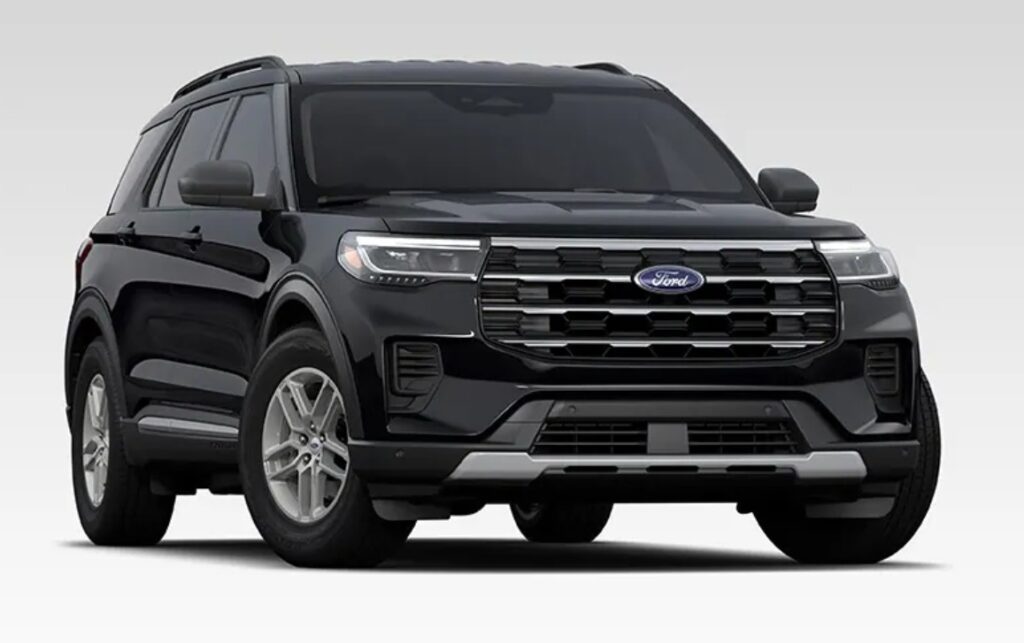
The Ford Explorer has long been one of the most popular midsize SUVs on the road. It blends family-friendly practicality with rugged capability, making it a tempting choice for anyone dreaming about weekend camping trips and cross-country adventures. But one question often stands between buyers and their outdoor aspirations: Can Ford Explorer tow a camper?
The short answer is yes. However, the real story lies in understanding which camper you can tow, how much weight your Explorer can handle, and what factors determine a safe and enjoyable towing experience.
In this comprehensive guide, we'll explore everything you need to know about towing a camper with a Ford Explorer. Whether you're considering a lightweight teardrop trailer or a larger travel camper, we'll help you determine if the Explorer is the right towing companion for your next journey.
Content in this publication
- Why the Ford Explorer Is Popular Among Campers
- What Is the Ford Explorer's Towing Capacity?
- Can a Ford Explorer Tow a Travel Trailer?
- Types of Campers a Ford Explorer Can Tow
- Campers That May Be Too Heavy
- Understanding Payload Matters Too
- What Is Tongue Weight?
- Ford Explorer Engines and Towing Performance
- How Does the Ford Explorer Handle While Towing?
- Fuel Economy While Towing a Camper
- Essential Towing Equipment
- Towing in Different Weather Conditions
- How to Prepare Your Ford Explorer for Camper Towing
- Common Towing Mistakes to Avoid
- Is the Ford Explorer Better Than Other Midsize SUVs for Towing?
- Real-World Camping Adventures With a Ford Explorer
- Should You Buy a Ford Explorer for Towing a Camper?
- Conclusion
- Frequently Asked Questions
Why the Ford Explorer Is Popular Among Campers
The Ford Explorer occupies a sweet spot in the SUV market. It offers more towing capability than many crossovers while remaining easier to drive and park than a full-size pickup truck.
For many families, it's like carrying a Swiss Army knife on wheels. It serves as a daily commuter during the week and transforms into a capable adventure vehicle on the weekend.
Key advantages include:
- Strong towing capacity
- Comfortable seating for families
- Available all-wheel drive
- Advanced towing technologies
- Spacious cargo area
These qualities make it appealing for camping enthusiasts who want versatility without purchasing a dedicated truck.
What Is the Ford Explorer's Towing Capacity?
The towing capacity of a Ford Explorer varies depending on the model year, engine, drivetrain, and towing package.
Generally, modern Ford Explorer models can tow:
| Configuration | Maximum Towing Capacity |
|---|---|
| Base models | Around 5,000 pounds |
| Models with Class III Trailer Tow Package | Up to 5,600 pounds |
This capacity places the Explorer among the stronger towing vehicles in the midsize SUV segment.
The Importance of the Tow Package
Many buyers assume every Explorer can automatically pull the maximum advertised weight.
That's not always true.
The available Class III Trailer Tow Package often includes:
- Trailer hitch receiver
- Wiring harness
- Enhanced cooling systems
- Trailer sway control
- Upgraded towing components
Without the proper package, towing capability may be reduced.
Can a Ford Explorer Tow a Travel Trailer?
Yes, many Ford Explorer models can tow travel trailers.
However, the camper's loaded weight matters far more than its dry weight.
Manufacturers often advertise a camper's dry weight, which is the weight before adding:
- Water
- Propane
- Food
- Camping equipment
- Clothing
- Batteries
A camper listed at 4,000 pounds dry can easily weigh 5,000 pounds once fully loaded.
This is why experienced RV owners recommend leaving a safety margin instead of towing at maximum capacity.
Ideal Travel Trailer Weight
For comfortable towing, many Explorer owners prefer trailers weighing:
- 2,500–4,500 pounds loaded
This range allows better stability and less strain on the vehicle.
Types of Campers a Ford Explorer Can Tow
Not all campers are created equal. Fortunately, the Explorer can handle a surprising variety of trailer styles.
Teardrop Campers
Teardrop campers are among the easiest options to tow.
Typical weight:
- 1,000–2,000 pounds
Advantages:
- Excellent fuel efficiency
- Minimal wind resistance
- Easy maneuverability
For Explorer owners, towing a teardrop camper often feels effortless.
Pop-Up Campers
Pop-up campers offer a balance between comfort and lightweight design.
Typical weight:
- 1,500–4,000 pounds
Benefits include:
- Compact storage
- Lower towing resistance
- Affordable pricing
Many Explorer owners consider pop-up campers an ideal match.
Small Travel Trailers
Small travel trailers provide hard walls and greater comfort.
Typical weight:
- 3,000–5,000 pounds
These campers fall comfortably within the Explorer's capabilities when properly equipped.
Hybrid Campers
Hybrid campers combine features of pop-up and traditional trailers.
Typical weight:
- 3,000–5,500 pounds
Many modern Explorer models can handle these trailers successfully.
Campers That May Be Too Heavy
While the Explorer is capable, it's not a heavy-duty pickup truck.
Some campers may exceed safe limits.
Large Travel Trailers
Large family-sized trailers can weigh:
- 6,000–10,000 pounds
These exceed the Explorer's maximum towing capacity.
Fifth-Wheel Campers
Fifth-wheel trailers require specialized hitches mounted in a truck bed.
The Explorer cannot tow fifth-wheel campers.
Large Toy Haulers
Heavy toy haulers loaded with ATVs or motorcycles often surpass Explorer limits.
You may be interested in reading How Long Ford Explorer Last? The Complete Guide to Ford Explorer Longevity
In these situations, a full-size truck becomes the safer choice.
Understanding Payload Matters Too
Many people focus only on towing capacity.
That's a mistake.
Payload is equally important.
Payload includes:
- Passengers
- Cargo
- Hitch weight
- Equipment
Imagine your Explorer as a backpack. The trailer may be attached behind you, but the tongue weight still rests on your shoulders.
If payload limits are exceeded, handling and braking can suffer significantly.
What Is Tongue Weight?
Tongue weight refers to the downward force the trailer places on the hitch.
Typically:
- 10%–15% of trailer weight
For example:
- 5,000-pound trailer
- Approximately 500–750 pounds of tongue weight
This weight counts toward the Explorer's payload capacity.
Why Tongue Weight Matters
Improper tongue weight can create problems.
Too little:
- Trailer sway
- Poor stability
Too much:
- Rear suspension sag
- Reduced steering control
Maintaining proper balance is critical.
Ford Explorer Engines and Towing Performance
Different Explorer engines provide different towing experiences.
2.3L EcoBoost Engine
This turbocharged four-cylinder delivers strong performance.
Benefits include:
- Good fuel economy
- Solid torque
- Adequate towing capability
Many owners find it perfectly suitable for moderate campers.
3.0L EcoBoost V6
This engine offers significantly more power.
Advantages:
- Faster acceleration
- Better hill-climbing ability
- Reduced towing strain
For frequent towing, the V6 is often the preferred choice.
Performance in Mountainous Terrain
Mountain roads can challenge any tow vehicle.
The V6 provides:
- More confidence on steep grades
- Better passing ability
- Improved overall towing comfort
How Does the Ford Explorer Handle While Towing?
One pleasant surprise for many owners is how stable the Explorer feels when towing properly matched campers.
The rear-wheel-drive-based platform found in newer generations improves towing dynamics considerably.
Benefits include:
- Better weight distribution
- Improved stability
- Enhanced steering feel
When equipped correctly, the Explorer can feel composed even on long highway journeys.
Fuel Economy While Towing a Camper
Let's be realistic.
Towing impacts fuel economy.
Even the most efficient SUV experiences a drop when pulling a trailer.
Typical reductions range from:
- 20%–40%
Factors affecting fuel consumption:
- Camper weight
- Wind resistance
- Terrain
- Driving speed
A lightweight teardrop trailer may have minimal impact, while a large travel trailer can significantly reduce efficiency.
How to Improve Fuel Economy
Consider these strategies:
- Maintain moderate speeds
- Keep tires properly inflated
- Reduce unnecessary cargo
- Use cruise control when appropriate
- Avoid aggressive acceleration
Essential Towing Equipment
Safe towing involves more than attaching a hitch.
Weight Distribution Hitch
This device distributes weight more evenly between vehicle axles.
Benefits:
- Improved steering
- Better braking
- Reduced rear sag
Trailer Brake Controller
Many campers require their own braking systems.
A brake controller helps synchronize trailer brakes with vehicle braking.
Extended Mirrors
Better visibility improves safety.
Extended mirrors can help monitor trailer position and surrounding traffic.
Safety Chains and Wiring
Never overlook:
You may be interested in readingHow Long Ford Explorer Last? The Complete Guide to Ford Explorer LongevityYou may be interested in reading
 Honda Accord Reliability: The Complete Guide to Longevity, Maintenance, and Ownership
- Safety chains
- Electrical connections
- Brake light operation
- Turn signal functionality
A quick inspection before each trip can prevent major problems.
Towing in Different Weather Conditions
Weather changes everything.
Rain, snow, and strong winds affect towing performance.
Rainy Conditions
Increase following distance and reduce speed.
Wet roads reduce traction and braking effectiveness.
Windy Conditions
Crosswinds can push a trailer sideways.
Larger campers act like giant sails.
Drivers should:
- Keep both hands on the wheel
- Slow down when necessary
- Avoid sudden steering inputs
Winter Towing
Winter towing demands additional caution.
Consider:
- Winter tires
- Reduced speeds
- Longer stopping distances
How to Prepare Your Ford Explorer for Camper Towing
Preparation is the foundation of safe towing.
Inspect the Vehicle
Check:
- Engine oil
- Transmission fluid
- Coolant
- Brake condition
- Tire pressure
Inspect the Trailer
Verify:
- Tires
- Lights
- Coupler security
- Safety chains
Load Carefully
Place heavier items near the trailer axle.
Avoid loading excessive weight at the rear.
Proper loading improves stability.
Common Towing Mistakes to Avoid
Even experienced drivers make mistakes.
Here are some common pitfalls:
Ignoring Payload Ratings
Towing capacity alone doesn't tell the full story.
Always account for passengers and cargo.
Driving Too Fast
Speed amplifies towing risks.
Slower speeds improve control and reduce sway.
Overloading the Camper
A trailer loaded beyond its rating creates unnecessary danger.
Skipping Maintenance
Neglected maintenance can turn a dream trip into a roadside nightmare.
Is the Ford Explorer Better Than Other Midsize SUVs for Towing?
The Explorer competes well against rivals.
Compared with many midsize crossovers, it offers:
- Strong towing capacity
- Powerful engine options
- Advanced towing technologies
Its combination of comfort and capability makes it a favorite among occasional RV enthusiasts.
While some competitors may match or slightly exceed its towing ratings, the Explorer remains one of the most balanced choices available.
Real-World Camping Adventures With a Ford Explorer
Many Explorer owners use their vehicles for:
- National park trips
- Weekend camping excursions
- Cross-country road adventures
- Family vacations
The vehicle strikes a practical balance between daily usability and recreational capability.
Think of it as a marathon runner rather than a heavyweight lifter. It can go the distance comfortably, but it performs best when paired with a camper that respects its limits.
Should You Buy a Ford Explorer for Towing a Camper?
The answer depends on your camping style.
If you're towing:
- Teardrop campers
- Pop-up campers
- Small travel trailers
- Lightweight hybrid campers
The Ford Explorer can be an excellent choice.
However, if your dream camper resembles a rolling luxury apartment weighing over 6,000 pounds, a full-size truck may be a better fit.
For many families, though, the Explorer offers the ideal blend of everyday practicality and adventure-ready towing capability.
Conclusion
So, can Ford Explorer tow a camper?
Absolutely.
With towing capacities reaching up to 5,600 pounds when properly equipped, the Ford Explorer is capable of pulling a wide range of campers, from lightweight teardrops to small and medium travel trailers. Success ultimately comes down to matching the camper to the vehicle, respecting payload limits, and following safe towing practices.
For adventurers who want one vehicle that can handle school runs, grocery trips, and weekend escapes into the wilderness, the Ford Explorer remains a compelling option. It may not be the king of towing, but it's certainly one of the most versatile explorers on the road.
Frequently Asked Questions
Can a Ford Explorer tow a 5,000-pound camper?
Yes. Properly equipped Ford Explorer models can tow up to 5,000 pounds and, in some configurations, up to 5,600 pounds.
Can a Ford Explorer tow a camper through mountains?
Yes. Models equipped with the 3.0L EcoBoost V6 are especially capable when towing in mountainous terrain.
Do I need a tow package to tow a camper with a Ford Explorer?
In most cases, yes. The tow package helps maximize towing capacity and includes important towing-related components.
You may be interested in readingHow Long Ford Explorer Last? The Complete Guide to Ford Explorer LongevityYou may be interested in reading
Honda Accord Reliability: The Complete Guide to Longevity, Maintenance, and OwnershipYou may be interested in reading
Honda Accord Quality: Why This Midsize Sedan Continues to Set the BenchmarkWhat size camper is best for a Ford Explorer?
Most owners find campers weighing between 2,500 and 4,500 pounds loaded provide the best balance of performance and safety.
Can a Ford Explorer tow a pop-up camper?
Absolutely. Pop-up campers are among the easiest and most popular campers to tow with a Ford Explorer.
If you want to know other articles similar to Can Ford Explorer Tow a Camper? The Complete Towing Guide for Adventure Seekers you can visit the category Blog.
Volvo S90 Reliability: Problems, Costs & Best Years
Is Haval Jolion a Good Car? Honest Review, Reliability, Pros and Cons
How to Start Haval Jolion With Spare Key: Complete Guide
How to Calculate Per Diem on an Auto Loan

How to Calculate the Residual Value of a Car

Is the Honda Passport Selling Well? Sales Numbers Tell the Story
Leave a Reply
More content of your interest