

Honda Accord Reliability: The Complete Guide to Longevity, Maintenance, and Ownership

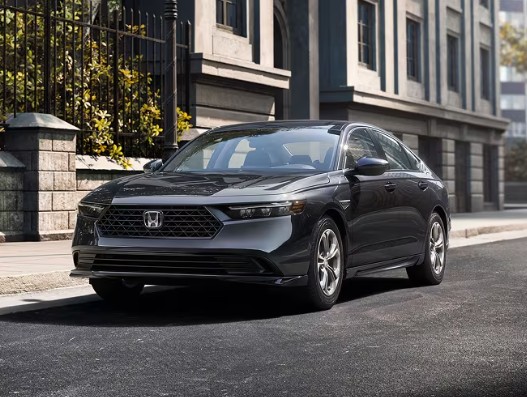
The Honda Accord has spent decades building a reputation that many vehicles can only dream of achieving. Mention reliability in the midsize sedan segment, and the Accord almost always enters the conversation. Like a trusted friend who consistently shows up when needed, the Accord has earned the confidence of millions of drivers worldwide through durability, practicality, and long-term dependability.
But is the Honda Accord truly as reliable as its reputation suggests? Can it really surpass 200,000 miles with proper maintenance? Are there specific model years to seek out—or avoid?
In this comprehensive guide, we'll explore everything you need to know about Honda Accord reliability, including common problems, best years, maintenance expectations, longevity, ownership costs, and tips for maximizing your vehicle's lifespan.
Content in this publication
- Why Reliability Matters More Than Ever
- The Honda Accord's Reputation for Reliability
- How Long Does a Honda Accord Last?
- Most Reliable Honda Accord Generations
- Honda Accord Engines: Are They Reliable?
- Common Honda Accord Problems
- Honda Accord Maintenance Costs
- Honda Accord Reliability vs Competitors
- Used Honda Accord Reliability
- Why Honda Accords Retain Their Value
- Tips to Make Your Honda Accord Last Longer
- High-Mileage Honda Accord Ownership
- Should You Buy a Honda Accord?
- Final Thoughts on Honda Accord Reliability
- Frequently Asked Questions
Why Reliability Matters More Than Ever
When purchasing a vehicle, reliability isn't just about avoiding breakdowns. It influences:
- Ownership costs
- Resale value
- Daily convenience
- Safety
- Peace of mind
A reliable vehicle becomes a financial asset rather than a constant expense. Few vehicles illustrate this principle better than the Honda Accord.
The Honda Accord's Reputation for Reliability
Since its introduction in 1976, the Honda Accord has evolved through multiple generations while maintaining a strong reliability record.
The Accord consistently ranks among the most dependable midsize sedans because Honda focuses on:
- Proven engineering
- Conservative design evolution
- Efficient powertrains
- High manufacturing standards
- Strong quality control processes
Unlike some automakers that frequently experiment with unproven technologies, Honda often refines existing systems before introducing major changes.
A Legacy Built on Consistency
The Accord's reliability isn't based on one successful generation. Instead, it stems from decades of consistent performance.
Many owners report:
- 200,000+ miles without major repairs
- Original transmissions lasting well beyond expectations
- Engines that remain strong after years of daily driving
- Minimal unscheduled maintenance
This consistency is a major reason why used Honda Accords remain highly sought after.
How Long Does a Honda Accord Last?
One of the most common questions buyers ask is simple:
How many miles can a Honda Accord last?
The answer is impressive.
Average Lifespan Expectations
With proper maintenance, a Honda Accord can often reach:
| Mileage | Condition |
|---|---|
| 100,000 miles | Typically just getting started |
| 150,000 miles | Still highly dependable |
| 200,000 miles | Common milestone |
| 250,000+ miles | Achievable with diligent maintenance |
| 300,000+ miles | Not unusual among dedicated owners |
Many owners view the 200,000-mile mark not as the finish line but as a checkpoint.
Factors That Affect Longevity
Several variables determine how long an Accord lasts:
Maintenance History
Regular oil changes and fluid replacements dramatically increase lifespan.
Driving Habits
Gentle acceleration and consistent highway driving reduce wear.
Climate Conditions
Vehicles in mild climates generally experience less corrosion and deterioration.
Repair Quality
Using quality parts helps maintain long-term reliability.
Most Reliable Honda Accord Generations
Not every generation performs equally. Some stand out as reliability champions.
Sixth Generation (1998–2002)
Many enthusiasts consider this generation nearly bulletproof.
Key strengths include:
- Simple engineering
- Durable engines
- Affordable repairs
- Minimal electronic complexity
Even today, examples with high mileage remain on the road.
Seventh Generation (2003–2007)
This generation introduced more technology while preserving Honda's reliability DNA.
Benefits include:
- Strong four-cylinder engines
- Comfortable interiors
- Excellent longevity
Some automatic transmission issues appeared in certain V6 models, but four-cylinder variants remain highly respected.
Ninth Generation (2013–2017)
The ninth generation is frequently recommended by reliability experts.
Highlights include:
- Refined powertrains
- Improved fuel efficiency
- Fewer major complaints
- Strong resale value
Many shoppers specifically target these years in the used market.
Tenth Generation (2018–2022)
The redesigned Accord brought turbocharged engines and modern technology.
Despite initial concerns about complexity, reliability remains strong overall.
The 2.0-liter turbo models have gained a particularly positive reputation among enthusiasts.
Honda Accord Engines: Are They Reliable?
The engine is the heart of any vehicle.
Fortunately, Honda has a long history of producing dependable powerplants.
2.4-Liter Four-Cylinder Engine
Often considered one of Honda's best engines.
Advantages include:
- Long lifespan
- Excellent fuel economy
- Low maintenance costs
- Proven reliability
Many examples surpass 250,000 miles.
You may be interested in reading Honda Accord Quality: Why This Midsize Sedan Continues to Set the Benchmark
3.5-Liter V6 Engine
The V6 provides stronger performance without sacrificing too much reliability.
Strengths include:
- Smooth power delivery
- Strong acceleration
- Durable construction
Proper timing belt maintenance is essential.
1.5-Liter Turbo Engine
Introduced in newer generations, this engine sparked discussions regarding oil dilution concerns in some climates.
However, most owners experience reliable performance when maintenance schedules are followed.
2.0-Liter Turbo Engine
Widely regarded as one of Honda's best modern powertrains.
Owners praise:
- Strong performance
- Excellent durability
- Refined operation
It combines power and reliability exceptionally well.
Common Honda Accord Problems
No vehicle is perfect.
Even highly reliable cars experience recurring issues.
Automatic Transmission Issues
Certain early 2000s V6 models experienced transmission failures.
Symptoms may include:
- Harsh shifting
- Slipping gears
- Delayed engagement
Four-cylinder models generally suffered fewer transmission concerns.
Brake Wear
Some Accord owners report accelerated brake wear.
Fortunately:
- Repairs are inexpensive
- Parts are readily available
- Maintenance is straightforward
Power Steering Problems
Older generations occasionally develop steering leaks.
Common signs include:
- Fluid spots
- Steering noise
- Reduced steering assistance
Starter Motor Failures
High-mileage vehicles may eventually require starter replacement.
This issue is relatively minor compared to major engine or transmission repairs.
Honda Accord Maintenance Costs
Reliability and affordability often go hand in hand.
The Accord performs well in both categories.
Typical Annual Maintenance Costs
Owners typically spend less on maintenance compared to many competitors.
Routine expenses include:
- Oil changes
- Tire rotations
- Brake service
- Fluid replacements
- Air filter replacements
Most repairs remain reasonably priced due to widespread parts availability.
Major Maintenance Milestones
Important services include:
30,000 Miles
- Fluid inspections
- Brake checks
- Tire service
60,000 Miles
- Transmission fluid replacement
- Comprehensive inspection
100,000 Miles
- Spark plugs
- Drive belts
- Cooling system service
Timing Belt Service
Required on many V6 models.
Skipping this maintenance can lead to expensive engine damage.
Honda Accord Reliability vs Competitors
The midsize sedan segment is highly competitive.
How does the Accord compare?
Honda Accord vs Toyota Camry
Toyota Camry is often considered the Accord's closest rival.
Both excel in reliability.
The Camry may have a slight edge in absolute dependability, while the Accord often provides:
- Better driving dynamics
- More engaging handling
- Sportier feel
Honda Accord vs Nissan Altima
Nissan Altima offers competitive pricing but historically trails the Accord in long-term reliability.
Transmission concerns have affected some Altima generations.
Honda Accord vs Hyundai Sonata
Hyundai Sonata provides excellent features and value.
However, the Accord generally maintains stronger long-term reliability and resale value.
Honda Accord vs Kia K5
Kia K5 is stylish and modern.
Yet the Accord's decades-long reliability track record remains difficult to match.
Used Honda Accord Reliability
Buying a used Accord can be one of the smartest automotive decisions.
You may be interested in readingHonda Accord Quality: Why This Midsize Sedan Continues to Set the BenchmarkYou may be interested in reading
Is Honda Accord a Good Car? A Complete Guide to Reliability, Performance, Comfort, and ValueWhat to Check Before Buying
Inspect:
- Maintenance records
- Accident history
- Transmission performance
- Suspension condition
- Tire wear patterns
Documentation often reveals more than mileage alone.
Ideal Mileage Range
Many buyers target:
- 50,000–100,000 miles for newer models
- 100,000–150,000 miles for budget-conscious purchases
A well-maintained Accord with 120,000 miles may be a better choice than a neglected vehicle with 60,000 miles.
Why Honda Accords Retain Their Value
Reliability directly impacts resale value.
The Accord benefits from:
- Strong consumer demand
- Excellent longevity
- Positive ownership experiences
- Lower repair frequency
Buyers willingly pay more for vehicles they trust.
Think of reliability as compound interest.
Each year of dependable service adds value to the ownership experience while reducing unexpected expenses.
That's why Accords often command higher resale prices than similarly aged competitors.
Tips to Make Your Honda Accord Last Longer
Want your Accord to reach 250,000 miles or more?
Follow these practices.
Change Oil Consistently
Never postpone oil changes.
Fresh oil protects:
- Pistons
- Bearings
- Timing components
- Turbochargers
Use Quality Fluids
Honda-designed systems perform best with approved fluids.
Address Small Problems Early
Minor issues can become major expenses if ignored.
Follow Scheduled Maintenance
Preventive maintenance is far cheaper than reactive repairs.
Keep It Clean
Washing the vehicle helps prevent corrosion and preserves long-term value.
Don't Ignore Warning Lights
Modern vehicles communicate problems early.
Treat dashboard alerts as opportunities rather than inconveniences.
High-Mileage Honda Accord Ownership
Many owners enter a unique phase after crossing 200,000 miles.
Surprisingly, these vehicles often remain dependable.
Common replacements at high mileage include:
- Suspension components
- Alternators
- Starters
- Wheel bearings
The engine itself often continues running strong.
The 300,000-Mile Club
A growing community of Accord owners proudly reports mileage beyond 300,000 miles.
Their secret isn't magic.
It's consistency.
Regular maintenance transforms an Accord from a simple sedan into a long-term companion.
Should You Buy a Honda Accord?
If reliability sits near the top of your priority list, the answer is often yes.
The Accord delivers a rare combination of:
- Durability
- Comfort
- Efficiency
- Resale value
- Low ownership costs
Few vehicles balance these attributes as effectively.
Whether you're purchasing new or used, the Accord remains one of the safest bets in the automotive market.
Final Thoughts on Honda Accord Reliability
The Honda Accord's reputation for reliability isn't marketing hype—it's the result of decades of proven performance. Like a marathon runner that paces itself perfectly, the Accord focuses on endurance rather than short-lived excitement.
While no vehicle is completely immune to problems, the Accord consistently ranks among the most dependable midsize sedans ever produced. Its ability to surpass 200,000 miles, maintain strong resale value, and provide affordable ownership makes it a standout choice for drivers seeking long-term peace of mind.
For buyers who value practicality without sacrificing comfort or driving enjoyment, the Honda Accord continues to represent one of the smartest automotive investments available today.
Frequently Asked Questions
1. Is the Honda Accord more reliable than the Toyota Camry?
Both are extremely reliable. The Camry may hold a slight edge in some reliability studies, but the Accord remains one of the most dependable midsize sedans available.
2. Can a Honda Accord last 300,000 miles?
Yes. Many owners have exceeded 300,000 miles with proper maintenance and timely repairs.
3. Which Honda Accord year is the most reliable?
Many experts favor the 2013–2017 models due to their strong reliability record, modern features, and minimal widespread issues.
4. Are Honda Accord repairs expensive?
Generally no. Parts are widely available, and repair costs are often lower than many competing midsize sedans.
You may be interested in readingHonda Accord Quality: Why This Midsize Sedan Continues to Set the BenchmarkYou may be interested in reading
Is Honda Accord a Good Car? A Complete Guide to Reliability, Performance, Comfort, and ValueYou may be interested in reading
Pros and Cons of Honda Accord: The Complete Buyer's Guide5. Is a used Honda Accord worth buying?
Absolutely. A well-maintained used Accord can provide years of dependable service and excellent value for money.
If you want to know other articles similar to Honda Accord Reliability: The Complete Guide to Longevity, Maintenance, and Ownership you can visit the category Blog.
Volvo S90 Reliability: Problems, Costs & Best Years
Is Haval Jolion a Good Car? Honest Review, Reliability, Pros and Cons
How to Start Haval Jolion With Spare Key: Complete Guide
How to Calculate Per Diem on an Auto Loan

How to Calculate the Residual Value of a Car

Is the Honda Passport Selling Well? Sales Numbers Tell the Story
Leave a Reply
More content of your interest