

Ford Explorer Gas Tank Size: Everything We Need to Know About Fuel Capacity, Range, and Efficiency

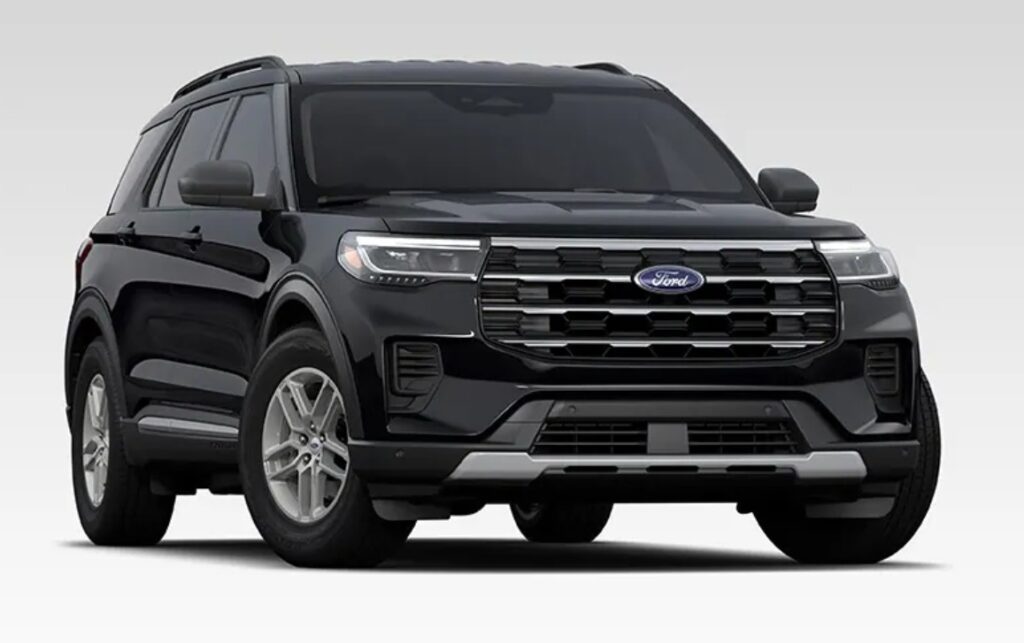
The Ford Explorer has earned its reputation as one of the most recognizable midsize SUVs on the road. Whether we use it for daily commuting, family road trips, towing adventures, or weekend escapes, one question frequently comes up: What is the Ford Explorer gas tank size?
At first glance, fuel tank capacity might seem like a minor specification hidden among horsepower figures and technology features. Yet it plays a significant role in determining how far we can travel between fill-ups, how often we stop at gas stations, and how practical the vehicle feels during long-distance journeys.
In this comprehensive guide, we will explore everything related to Ford Explorer gas tank size, including capacity by generation, driving range, fuel economy considerations, towing impact, and practical ownership tips.
Content in this publication
- Why Gas Tank Size Matters More Than Many Drivers Think
- Current Ford Explorer Gas Tank Size
- How Far Can a Ford Explorer Travel on a Full Tank?
- Ford Explorer Engine Options and Fuel Consumption
- Gas Tank Size vs Fuel Economy
- Ford Explorer Fuel Capacity by Generation
- How Long Does It Take to Fill a Ford Explorer Gas Tank?
- Understanding the Fuel Gauge
- How Towing Affects Fuel Range
- City Driving vs Highway Driving
- Does All-Wheel Drive Affect Fuel Consumption?
- Best Practices for Maximizing Fuel Range
- Fuel Tank Size Compared With Competitors
- Common Questions About Ford Explorer Fuel Capacity
- Road Trip Benefits of the Explorer's Fuel Tank
- Future Trends in Explorer Fuel Systems
- Why Fuel Capacity Remains an Important Specification
- Conclusion
- Frequently Asked Questions
Why Gas Tank Size Matters More Than Many Drivers Think
When shopping for an SUV, people often focus on:
- Engine power
- Seating capacity
- Cargo space
- Technology features
- Safety ratings
However, fuel tank size directly affects convenience. A larger tank allows us to travel farther without refueling, which becomes especially important during vacations and highway trips.
Think of the fuel tank as the Explorer's backpack. The larger the backpack, the more supplies it can carry for the journey ahead.
Current Ford Explorer Gas Tank Size
Most modern Ford Explorer models feature a fuel tank capacity of approximately 17.9 gallons (67.8 liters).
This capacity is found in many recent model years and provides a practical balance between:
- Vehicle weight
- Interior packaging
- Driving range
- Fuel efficiency
For most drivers, a 17.9-gallon tank offers enough fuel to travel hundreds of miles before requiring a refill.
Fuel Tank Capacity Overview
| Model Generation | Approximate Gas Tank Size |
|---|---|
| 2020-Present Explorer | 17.9 gallons |
| 2011-2019 Explorer | 18.6 gallons |
| Earlier Generations | Varies by year |
Always verify specifications for your exact model year and trim level, as regional differences may exist.
How Far Can a Ford Explorer Travel on a Full Tank?
Fuel capacity only tells part of the story. The real question many drivers ask is:
How many miles can a Ford Explorer travel before refueling?
The answer depends on fuel economy and driving conditions.
Typical Driving Range
With a 17.9-gallon fuel tank and average fuel economy, many modern Explorers can achieve:
- Around 400 miles in mixed driving
- Up to 500 miles on efficient highway trips
- Slightly less during city driving
This range makes the Explorer a capable long-distance SUV.
Factors Affecting Range
Several variables influence how far we can travel:
- Driving speed
- Traffic conditions
- Terrain
- Vehicle load
- Weather conditions
- Tire pressure
- Engine type
A heavily loaded Explorer climbing mountain roads will consume fuel much faster than one cruising smoothly on a flat interstate.
Ford Explorer Engine Options and Fuel Consumption
Different Explorer engines produce different fuel economy figures.
2.3L EcoBoost Engine
The turbocharged 2.3-liter EcoBoost engine is among the most popular choices.
Benefits include:
- Strong performance
- Competitive fuel economy
- Good balance of power and efficiency
For many families, this engine provides the ideal combination of capability and economy.
3.0L EcoBoost V6
The 3.0-liter EcoBoost V6 delivers significantly more power.
Advantages include:
- Faster acceleration
- Higher towing capacity
- Stronger passing performance
The tradeoff is typically increased fuel consumption compared with the smaller engine.
Hybrid Variants
Some Explorer models offer hybrid technology.
Benefits include:
- Improved fuel efficiency
- Reduced fuel stops
- Lower operating costs
Although the tank size remains similar, the increased efficiency extends overall driving range.
Gas Tank Size vs Fuel Economy
A larger fuel tank does not automatically mean better efficiency.
Imagine two hikers carrying water bottles.
One carries a large bottle but drinks quickly.
The other carries a smaller bottle but drinks slowly.
The second hiker may travel farther despite carrying less water.
The same principle applies to vehicles.
The Balance Between Capacity and Efficiency
Ford engineers carefully balance:
- Tank size
- Vehicle weight
- Fuel economy
- Packaging requirements
The Explorer's fuel tank is designed to maximize usability without unnecessarily increasing weight.
Ford Explorer Fuel Capacity by Generation
Over the years, the Explorer has undergone significant redesigns.
First Generation Explorer
The original Explorer focused on practicality and ruggedness.
Fuel tank capacities varied depending on configuration and drivetrain.
Second and Third Generations
As consumer expectations evolved, Ford refined fuel systems and overall vehicle efficiency.
Tank capacities generally remained competitive for the segment.
Fourth Generation Explorer
Improved comfort and safety became priorities.
Fuel storage capacity remained suitable for long-distance family travel.
Fifth Generation Explorer
The Explorer transformed into a more refined crossover-style SUV.
Many models featured approximately 18.6-gallon fuel tanks.
Sixth Generation Explorer
Introduced for the 2020 model year, the latest Explorer adopted a rear-wheel-drive-based platform.
Most versions utilize a 17.9-gallon fuel tank.
How Long Does It Take to Fill a Ford Explorer Gas Tank?
The answer depends on fuel pump speed.
A nearly empty 17.9-gallon tank generally requires:
- 2 to 4 minutes at high-flow pumps
- Slightly longer at slower pumps
Modern fueling systems are designed to minimize vapor emissions while maintaining efficient refueling.
Understanding the Fuel Gauge
Many owners become concerned when the fuel warning light appears.
When Does the Fuel Light Turn On?
Typically, the low-fuel warning activates before the tank becomes completely empty.
Manufacturers intentionally include a reserve amount to help drivers reach the next fuel station safely.
Avoid Running Completely Empty
Frequently driving with extremely low fuel levels can:
- Increase stress on the fuel pump
- Allow contaminants to circulate
- Reduce long-term component life
Keeping at least a quarter tank is often considered a good habit.
How Towing Affects Fuel Range
One of the Explorer's strengths is towing capability.
However, towing changes everything regarding fuel consumption.
Fuel Economy While Towing
When pulling:
- Boats
- Campers
- Utility trailers
- Recreational equipment
Fuel economy can drop noticeably.
Planning Fuel Stops
Before a towing trip, we should:
- Calculate expected range.
- Identify fuel stations along the route.
- Leave additional safety margins.
A road trip can quickly become stressful if we overestimate our remaining fuel.
City Driving vs Highway Driving
The Explorer behaves differently depending on where it is driven.
City Conditions
Frequent stops cause:
- More acceleration events
- Increased fuel use
- Lower overall range
Highway Conditions
Steady cruising generally improves efficiency.
This allows drivers to maximize the potential of the fuel tank.
For long-distance travel, highway driving often produces the best range figures.
Does All-Wheel Drive Affect Fuel Consumption?
Yes.
All-wheel-drive models generally consume slightly more fuel than rear-wheel-drive variants.
Reasons include:
- Additional drivetrain components
- Increased weight
- More mechanical resistance
The difference may seem small on individual trips but becomes noticeable over thousands of miles.
Best Practices for Maximizing Fuel Range
If we want to extract every possible mile from a full tank, several habits can help.
Maintain Proper Tire Pressure
Underinflated tires increase rolling resistance.
Benefits of correct tire pressure include:
- Better fuel economy
- Improved tire life
- Enhanced safety
Avoid Aggressive Acceleration
Rapid acceleration can dramatically increase fuel consumption.
Smooth driving often saves fuel without adding significant travel time.
Reduce Unnecessary Weight
Every pound matters.
Removing unused cargo can slightly improve efficiency.
Use Cruise Control on Highways
Cruise control helps maintain consistent speeds.
Consistency often translates into improved fuel economy.
Fuel Tank Size Compared With Competitors
The Explorer competes in a crowded midsize SUV segment.
How It Stacks Up
Many rivals feature fuel tanks ranging from approximately:
- 17 gallons
- 18 gallons
- 19 gallons
The Explorer sits comfortably within this range.
Its capacity is neither unusually small nor excessively large.
Instead, it reflects a balanced engineering approach.
Common Questions About Ford Explorer Fuel Capacity
Drivers frequently encounter confusion regarding fuel specifications.
Why Can't I Add the Full Rated Capacity?
If the fuel gauge does not show completely empty, some fuel remains in the tank.
Therefore, adding less than the advertised capacity is perfectly normal.
Can I Overfill the Tank?
Overfilling should be avoided.
Doing so can:
- Damage vapor recovery systems
- Trigger warning lights
- Create unnecessary fuel spills
Stopping when the pump automatically clicks off is generally recommended.
Road Trip Benefits of the Explorer's Fuel Tank
The Ford Explorer excels as a travel vehicle.
Its fuel capacity complements:
- Spacious seating
- Large cargo area
- Comfortable ride quality
- Advanced driver-assistance technologies
Combined, these characteristics make long journeys less tiring and more enjoyable.
Example Road Trip Scenario
Imagine departing on a family vacation.
Instead of searching for fuel every few hours, the Explorer's tank allows us to focus on the scenery, conversations, and destination.
That freedom is one of the hidden advantages of a properly sized fuel tank.
Future Trends in Explorer Fuel Systems
Automotive technology continues evolving.
Future Explorer models may incorporate:
- More efficient powertrains
- Expanded hybrid systems
- Improved energy management
- Enhanced range capabilities
Whether powered by gasoline, hybrid technology, or future electrification, maximizing travel distance will remain a priority.
Why Fuel Capacity Remains an Important Specification
While modern vehicles feature sophisticated infotainment systems and advanced safety technologies, fuel tank size remains surprisingly important.
A well-designed tank contributes to:
- Convenience
- Travel flexibility
- Reduced fuel stops
- Improved trip planning
The Ford Explorer's fuel capacity strikes a practical balance between efficiency and usability.
Conclusion
The Ford Explorer gas tank size is an often-overlooked specification that significantly influences the ownership experience. Most recent Explorer models feature a fuel tank capacity of approximately 17.9 gallons, while some previous generations offered around 18.6 gallons. Combined with respectable fuel economy, this allows many Explorers to travel roughly 400 to 500 miles on a full tank under favorable conditions.
Whether we use the Explorer for commuting, family road trips, towing adventures, or everyday errands, its fuel tank capacity provides a practical blend of convenience and range. Understanding how fuel consumption, driving habits, engine choice, and towing affect overall range helps us maximize every gallon and enjoy a more confident driving experience.
Frequently Asked Questions
1. What is the gas tank size of a modern Ford Explorer?
Most recent Ford Explorer models feature a fuel tank capacity of approximately 17.9 gallons (67.8 liters).
2. How far can a Ford Explorer travel on a full tank?
Depending on engine choice and driving conditions, many Explorers can travel between 400 and 500 miles on a full tank.
3. Does the Explorer Hybrid use the same tank size?
Many hybrid versions use a similar fuel tank capacity, but improved efficiency typically increases overall driving range.
4. Is 17.9 gallons large for a midsize SUV?
Yes. It is competitive within the midsize SUV segment and offers practical long-distance capability.
5. Does towing reduce the Explorer's fuel range?
Absolutely. Towing increases fuel consumption and can significantly reduce the distance achievable on a full tank.
If you want to know other articles similar to Ford Explorer Gas Tank Size: Everything We Need to Know About Fuel Capacity, Range, and Efficiency you can visit the category Service and Parts.
Kia Sorento Service Reset: How to Reset the Service Light
Kia Sorento Fuel Tank Capacity: Gallons, Litres and Model Differences
Kia Sorento Tyre Pressure: Recommended PSI, Bar and Complete Guide
Kia Sorento Boot Space: How Much Luggage Space Does It Really Have?
Kia Sorento Towing Capacity: How Much Can a Sorento Tow?

Honda Passport Payload Capacity: How Much Weight Can It Carry?
Leave a Reply
More content of your interest