
BYD Seal Insurance Group: What Owners Need to Know Before Buying

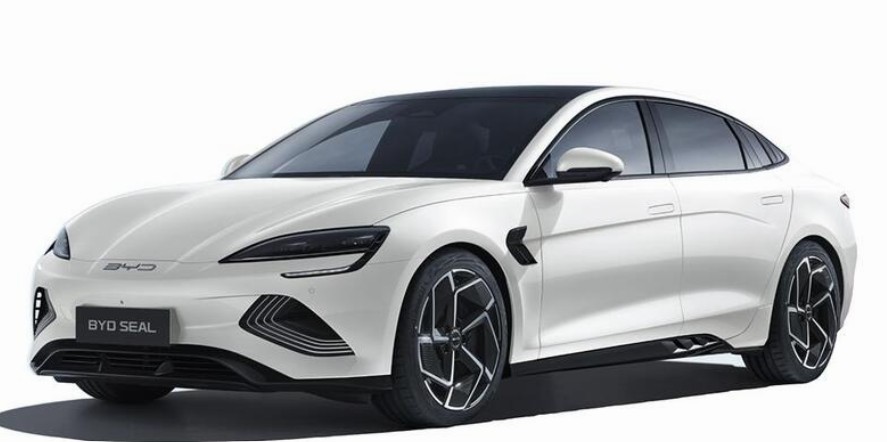
The BYD Seal has rapidly become one of the most talked-about electric vehicles on the market. With sleek styling, impressive range, cutting-edge technology, and competitive pricing, it has positioned itself as a serious alternative to established electric sedans. However, while many buyers focus on battery range, charging speeds, and performance figures, there's another cost that deserves equal attention: insurance.
Understanding the BYD Seal insurance group can help us estimate ownership costs, compare trims, and determine whether this electric sedan fits our budget. Insurance is often the hidden expense that surprises new car owners, particularly when stepping into a high-tech EV packed with advanced safety systems and expensive components.
In this comprehensive guide, we'll explore everything related to BYD Seal insurance groups, how insurers classify the vehicle, what affects premiums, and practical ways to reduce insurance costs.
Content in this publication
- What Is an Insurance Group?
- Why Insurance Groups Matter for EV Buyers
- Understanding the BYD Seal Range
- Factors That Influence the BYD Seal Insurance Group
- How Safety Features Affect Insurance Costs
- The Relationship Between Security and Insurance Groups
- Typical Insurance Expectations for the BYD Seal
- BYD Seal vs Other Electric Sedans
- Who Pays the Most for BYD Seal Insurance?
- Who Usually Gets Lower Insurance Premiums?
- How EV Technology Impacts Insurance Costs
- Tips to Lower BYD Seal Insurance Costs
- Common Insurance Mistakes BYD Seal Buyers Make
- Future Trends for BYD Seal Insurance
- Is the BYD Seal Expensive to Insure?
- Should Insurance Influence Your Buying Decision?
- Conclusion
- Frequently Asked Questions
What Is an Insurance Group?
Before diving into the BYD Seal specifically, we need to understand what insurance groups mean.
Insurance groups are classifications used by insurers to determine the risk and repair costs associated with a vehicle. Cars are assigned to groups based on factors such as:
- Vehicle value
- Repair costs
- Performance capabilities
- Security features
- Parts availability
- Safety ratings
- Theft risk
Generally, vehicles are placed into groups ranging from lower-risk categories to higher-risk categories. The higher the group, the more expensive insurance tends to become.
Think of insurance groups as a vehicle's financial fingerprint. They tell insurers how costly a car may be if something goes wrong.
Why Insurance Groups Matter for EV Buyers
Electric vehicles have transformed the automotive landscape, but they've also introduced unique insurance challenges.
Many EVs feature:
- Expensive battery packs
- Specialized repair procedures
- Advanced driver assistance systems
- High-tech sensors and cameras
- Unique body structures
These elements can significantly impact insurance costs.
When evaluating the BYD Seal, insurance groups become particularly important because repair expenses can sometimes outweigh expectations despite the vehicle's competitive purchase price.
Understanding the BYD Seal Range
The BYD Seal isn't a one-size-fits-all vehicle.
Different variants offer different performance levels, battery capacities, and equipment packages.
Entry-Level Models
The entry-level versions typically focus on efficiency and affordability.
These models generally feature:
- Lower power output
- Smaller battery options
- Reduced acceleration capabilities
- Competitive pricing
Because insurers consider performance metrics, these versions often attract lower insurance ratings than more powerful trims.
Mid-Range Variants
Mid-range trims strike a balance between performance and practicality.
Drivers enjoy:
- Increased range
- Additional comfort features
- Enhanced technology packages
- Improved performance
Insurance costs may increase slightly due to the higher vehicle value and additional equipment.
Performance-Oriented Models
The most powerful BYD Seal versions deliver sports-car-like acceleration.
These variants often include:
- Dual-motor setups
- All-wheel drive systems
- Greater horsepower
- Faster acceleration times
As performance rises, insurance premiums typically follow.
Factors That Influence the BYD Seal Insurance Group
Insurance companies don't simply look at a vehicle's badge. They analyze multiple data points before assigning risk levels.
Vehicle Purchase Price
The BYD Seal is positioned as a premium electric sedan.
Generally speaking, the higher the vehicle value, the more expensive it is to replace after a total loss. This directly influences insurance classification.
Battery Replacement Costs
The battery is the heart of any EV.
Should severe damage occur, battery replacement can become one of the most expensive repairs imaginable. Insurers carefully assess this risk when determining premiums.
Repair Complexity
Modern electric vehicles resemble rolling computers.
The BYD Seal incorporates:
- Multiple sensors
- Driver assistance systems
- Advanced electronics
- Sophisticated battery management technology
Repairs often require specialized technicians and equipment.
Acceleration and Performance
Performance vehicles usually attract higher insurance premiums.
Why?
Because statistics often show that high-performance cars experience more accident claims than slower vehicles.
The faster variants of the BYD Seal can accelerate impressively, which may elevate their insurance classification.
How Safety Features Affect Insurance Costs
Safety is one area where the BYD Seal performs strongly.
Modern insurers increasingly reward vehicles equipped with advanced safety technologies.
Advanced Driver Assistance Systems
The BYD Seal includes numerous driver aids such as:
- Automatic emergency braking
- Lane-keeping assistance
- Adaptive cruise control
- Collision warning systems
These technologies can reduce accident frequency.
Crash Protection
Strong crash-test performance helps lower insurer risk.
Vehicles that protect occupants effectively often receive favorable consideration because injury-related claims can be reduced.
Pedestrian Protection Systems
Modern vehicle design extends beyond protecting occupants.
You may be interested in reading BYD Seal Not Charging: Causes, Fixes, and Troubleshooting Guide
Pedestrian safety technologies may also contribute positively to risk assessments.
The Relationship Between Security and Insurance Groups
Imagine leaving a treasure chest unattended.
That's how insurers view vehicles with weak security systems.
Fortunately, the BYD Seal incorporates several security measures.
Factory Security Equipment
Typical security features include:
- Immobilizers
- Alarm systems
- Keyless entry protection
- Central locking systems
Strong factory security can help reduce theft-related risks.
Tracking Systems
Some insurers offer discounts when vehicles have approved tracking technology.
These systems improve recovery rates after theft.
Secure Parking Benefits
Where we park the vehicle matters too.
Parking the BYD Seal in:
- A locked garage
- A monitored parking area
- A secured driveway
can sometimes lower premiums.
Typical Insurance Expectations for the BYD Seal
While exact insurance groups vary by market and trim level, the BYD Seal generally falls into categories consistent with premium electric sedans.
We can expect:
- Entry-level trims to sit lower within the range.
- Mid-level trims to occupy moderate categories.
- Performance versions to enter higher insurance brackets.
The combination of advanced technology, strong performance, and EV-specific repair costs usually prevents the vehicle from reaching the lowest insurance groups.
However, it often remains competitive compared with premium rivals.
BYD Seal vs Other Electric Sedans
Insurance isn't evaluated in isolation.
Let's see how the Seal compares conceptually with competitors.
BYD Seal vs Tesla Model 3
The Tesla Model 3 often carries relatively high insurance costs due to:
- Expensive repair procedures
- Specialized components
- Performance capabilities
The BYD Seal may offer similar insurance experiences depending on specification.
BYD Seal vs Hyundai Ioniq 6
The Hyundai Ioniq 6 emphasizes efficiency and safety.
Insurance differences often come down to:
- Vehicle value
- Repair networks
- Performance variants
BYD Seal vs Polestar 2
The Polestar 2 competes directly in the premium EV segment.
Both vehicles feature advanced technology and sophisticated safety systems that influence insurance assessments.
Who Pays the Most for BYD Seal Insurance?
Insurance premiums depend heavily on the driver.
Certain groups typically face higher costs.
Young Drivers
Drivers under 25 often encounter the highest premiums.
Reasons include:
- Limited driving experience
- Higher claim frequencies
- Greater statistical risk
New License Holders
Recently licensed drivers face similar challenges regardless of age.
Insurers simply have less evidence of safe driving behavior.
Urban Drivers
High-density cities frequently experience:
- More accidents
- Greater theft rates
- Increased repair claims
As a result, urban insurance costs are often higher.
Several factors can help reduce costs.
Experienced Drivers
Long-term accident-free drivers often receive significant discounts.
Drivers With Clean Records
No claims and no convictions generally improve insurance affordability.
Low Annual Mileage Drivers
Driving fewer miles reduces exposure to risk.
Many insurers reward this behavior.
How EV Technology Impacts Insurance Costs
Electric vehicles introduce unique considerations.
Specialized Repairs
Unlike traditional vehicles, EVs require technicians trained specifically for high-voltage systems.
Repair labor costs can increase accordingly.
Battery Inspections
Even minor accidents may require detailed battery assessments.
This additional diagnostic work can affect claim expenses.
You may be interested in readingBYD Seal Not Charging: Causes, Fixes, and Troubleshooting GuideYou may be interested in reading
 Hyundai Coupe Reliability: The Complete Guide to Long-Term Ownership
Software Integration
Modern EVs depend heavily on software systems.
Repairs may involve recalibration of cameras, sensors, and electronic controls.
Tips to Lower BYD Seal Insurance Costs
The good news?
We aren't powerless.
Several strategies can help reduce premiums.
Compare Multiple Quotes
Never accept the first quote.
Shopping around can reveal substantial price differences between insurers.
Increase Voluntary Excess
Choosing a higher deductible often lowers monthly premiums.
However, ensure the amount remains affordable.
Maintain a Clean Driving Record
Safe driving remains one of the most effective ways to reduce insurance expenses.
Use Secure Parking
A locked garage can sometimes make a meaningful difference.
Consider Telematics Policies
Usage-based insurance programs monitor driving habits.
Safe drivers may benefit from significant discounts.
Common Insurance Mistakes BYD Seal Buyers Make
Many drivers unintentionally increase their costs.
Focusing Only on Purchase Price
A lower vehicle price doesn't automatically mean cheaper insurance.
Always request quotes before buying.
Ignoring Trim-Level Differences
Insurance costs can vary dramatically between variants.
A performance model may cost substantially more to insure than a standard version.
Underestimating Annual Mileage
Providing inaccurate mileage estimates can create issues during claims.
Always be realistic.
Future Trends for BYD Seal Insurance
The insurance landscape continues evolving.
Growing EV Repair Networks
As more technicians gain EV certification, repair costs may gradually become more competitive.
Improved Parts Availability
Wider distribution networks can reduce repair delays and expenses.
Better Insurance Data
As insurers collect more real-world claim data on the BYD Seal, pricing models become increasingly accurate.
This could benefit drivers over time.
Is the BYD Seal Expensive to Insure?
The answer depends on perspective.
Compared with small city cars, the BYD Seal will likely cost more to insure.
Compared with premium electric rivals, however, it often remains reasonably competitive.
The vehicle combines:
- Strong safety credentials
- Modern security features
- Advanced technology
- Competitive market positioning
These characteristics help balance some of the factors that typically increase EV insurance costs.
Should Insurance Influence Your Buying Decision?
Absolutely.
Insurance should be viewed alongside:
- Purchase price
- Financing costs
- Charging expenses
- Maintenance requirements
- Depreciation
Ignoring insurance is like calculating the cost of a vacation without considering flights. The final number can look very different once every expense is included.
Conclusion
The BYD Seal insurance group is an important consideration for anyone considering this increasingly popular electric sedan. While insurance classifications vary depending on trim level, location, driver profile, and insurer, the Seal generally occupies the same territory as many premium EV competitors.
Its advanced safety systems, strong security features, and growing market presence work in its favor. At the same time, factors such as battery replacement costs, specialized repairs, and high-performance variants can push premiums upward.
Before purchasing any BYD Seal model, we should obtain multiple insurance quotes, compare trim levels carefully, and consider how our driving history influences pricing. A little preparation can save hundreds of dollars annually and make EV ownership significantly more affordable.
Frequently Asked Questions
1. What insurance group is the BYD Seal in?
Insurance groups vary depending on market and trim level. Entry models usually sit lower than high-performance dual-motor versions.
2. Is the BYD Seal cheaper to insure than a Tesla Model 3?
In some cases, yes. However, premiums depend on driver profile, insurer, location, and vehicle specification.
3. Why can electric cars cost more to insure?
Electric vehicles often feature expensive batteries, specialized repair requirements, and advanced technology that increase repair costs.
Yes. Features such as automatic emergency braking and lane-keeping assistance may reduce insurer risk assessments.
5. How can I reduce BYD Seal insurance costs?
Compare insurers, maintain a clean driving record, park securely, consider telematics insurance, and choose the appropriate trim level.
You may be interested in readingBYD Seal Not Charging: Causes, Fixes, and Troubleshooting GuideYou may be interested in reading
Hyundai Coupe Reliability: The Complete Guide to Long-Term OwnershipYou may be interested in reading
Hyundai Coupe Insurance Group: Everything You Need to Know Before BuyingIf you want to know other articles similar to BYD Seal Insurance Group: What Owners Need to Know Before Buying you can visit the category Blog.
BMW 2 Series Insurance Group UK: Costs, Ratings and Buying Guide
BMW 2 Series Reliability: A Complete Owner’s Guide
BMW 2 Series Boot Space: Capacity, Practicality and Luggage Guide
Are Vauxhall Antara Good Cars? An Honest Used SUV Guide
Vauxhall Antara Insurance Group UK: Costs, Ratings and Ways to Save
Vauxhall Antara Reliability: Is This Used SUV Worth Buying?
Leave a Reply
More content of your interest