

BYD Seal Tyre Pressure: The Complete Guide to Safety, Performance, and Efficiency

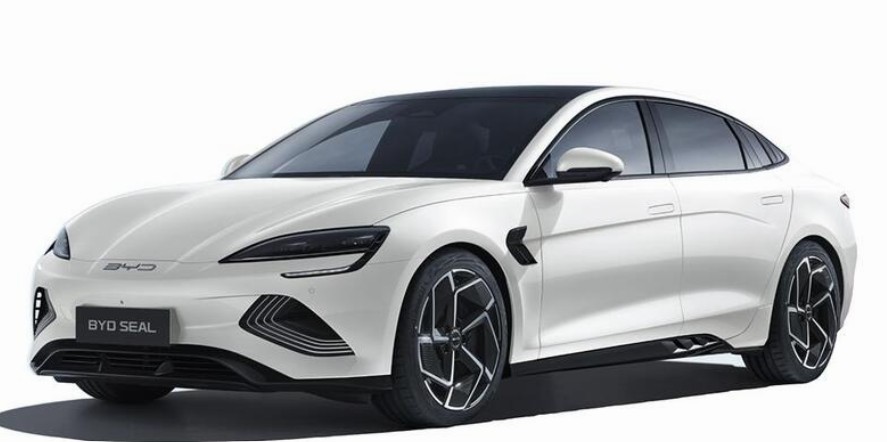
When we think about maintaining a modern electric vehicle, our minds often jump to battery health, charging habits, or software updates. Yet one of the most important factors affecting the driving experience is something surprisingly simple: tyre pressure.
For owners of the BYD Seal, proper tyre pressure is not just about avoiding warning lights. It directly influences driving range, handling, comfort, tyre lifespan, and overall safety. Like the air in our lungs, tyres perform best when they have exactly the right amount of pressure. Too little, and efficiency suffers. Too much, and comfort and grip can decline.
In this comprehensive guide, we will explore everything you need to know about BYD Seal tyre pressure, including recommended settings, seasonal adjustments, TPMS warnings, maintenance tips, and how tyre pressure affects your EV's performance.
Content in this publication
- Why Tyre Pressure Matters on the BYD Seal
- Recommended BYD Seal Tyre Pressure
- How Tyre Pressure Affects EV Range
- Understanding the BYD Seal TPMS
- How Often Should We Check BYD Seal Tyre Pressure?
- The Best Time to Measure Tyre Pressure
- Seasonal Effects on BYD Seal Tyre Pressure
- Signs of Incorrect Tyre Pressure
- How to Check BYD Seal Tyre Pressure
- Should Front and Rear Tyres Have the Same Pressure?
- The Impact of Tyre Pressure on Handling
- Tyre Pressure and Tyre Wear
- Does Tyre Pressure Affect Ride Comfort?
- Common BYD Seal Tyre Pressure Mistakes
- Long-Distance Driving and Tyre Pressure
- Tyre Pressure and Load Carrying
- How Technology Helps BYD Seal Owners
- Creating a Tyre Maintenance Routine
- The Connection Between Safety and Tyre Pressure
- Conclusion
- Frequently Asked Questions
Why Tyre Pressure Matters on the BYD Seal
The BYD Seal is engineered as a high-performance electric sedan. Unlike traditional petrol vehicles, EVs are typically heavier due to their battery packs and deliver instant torque.
This combination creates additional demands on the tyres.
Correct tyre pressure helps:
- Maximize battery range
- Improve handling and stability
- Reduce tyre wear
- Enhance passenger comfort
- Maintain braking performance
- Support vehicle safety systems
Think of your tyres as the vehicle's shoes. No matter how advanced the technology underneath, the only part touching the road is the rubber.
Recommended BYD Seal Tyre Pressure
The exact tyre pressure recommendation depends on:
- Vehicle trim level
- Wheel size
- Tyre specification
- Load conditions
- Market region
Most BYD Seal models typically operate within a range of approximately:
| Condition | Recommended Pressure |
|---|---|
| Front Tyres | 38–42 PSI |
| Rear Tyres | 38–42 PSI |
However, owners should always verify the specific recommendation found on:
- Driver's door jamb sticker
- Owner's manual
- Vehicle information label
These manufacturer values are specifically calibrated for the vehicle.
Why Manufacturers Choose Specific Pressures
BYD engineers do not select tyre pressures randomly.
The recommended settings balance:
- Rolling resistance
- Comfort
- Cornering grip
- Load-carrying capability
- Tyre durability
- Energy efficiency
A difference of only a few PSI can noticeably change how the vehicle behaves.
How Tyre Pressure Affects EV Range
One of the biggest advantages of maintaining proper tyre pressure is improved efficiency.
The Relationship Between Pressure and Range
Underinflated tyres create greater rolling resistance.
Imagine pushing a shopping cart with soft wheels. It requires more effort. The same principle applies to your vehicle.
When tyre pressure falls below recommended levels:
- The battery works harder
- Energy consumption increases
- Driving range decreases
- Charging frequency rises
For EV owners, every kilometer matters.
Can Low Tyre Pressure Reduce Range?
Absolutely.
Even modest underinflation can:
- Increase energy consumption
- Reduce regenerative braking efficiency
- Create additional heat within the tyre
Many EV drivers notice measurable improvements in efficiency simply by maintaining correct tyre pressure.
Understanding the BYD Seal TPMS
Modern BYD Seal models include a Tyre Pressure Monitoring System (TPMS).
This system continuously monitors tyre pressure and alerts drivers when readings fall outside acceptable limits.
What Does the TPMS Warning Light Look Like?
The warning symbol typically resembles:
- A horseshoe-shaped tyre
- An exclamation mark in the center
When illuminated, the vehicle is informing you that one or more tyres require attention.
Why the TPMS Light Appears
Common causes include:
- Natural pressure loss
- Temperature changes
- Slow punctures
- Recent tyre replacement
- TPMS sensor issues
The warning should never be ignored.
How Often Should We Check BYD Seal Tyre Pressure?
Even vehicles with advanced TPMS systems benefit from manual inspections.
Experts generally recommend checking tyre pressure:
- Once every month
- Before long journeys
- After major temperature changes
- Whenever the TPMS warning appears
Manual verification remains more accurate than relying solely on warning indicators.
The Best Time to Measure Tyre Pressure
Timing matters.
Tyres should be checked when cold.
What Are Cold Tyres?
Cold tyres are tyres that:
- Have not been driven for several hours
- Have traveled less than one mile
Driving generates heat.
As tyres warm up, pressure increases naturally.
Checking immediately after a drive may produce inaccurate readings.
Why Cold Readings Matter
Manufacturer recommendations are based on cold tyre measurements.
Using cold readings ensures:
- Consistent results
- Proper inflation
- Accurate maintenance decisions
Seasonal Effects on BYD Seal Tyre Pressure
Weather plays a major role in tyre pressure.
Cold Weather Impact
As temperatures drop:
- Air contracts
- Pressure decreases
- TPMS alerts become more common
Many drivers notice warning lights during the first cold morning of the season.
Hot Weather Impact
When temperatures rise:
- Air expands
- Pressure increases
While higher pressure is normal in warm conditions, tyres should never be deliberately overinflated.
Signs of Incorrect Tyre Pressure
Your BYD Seal often provides clues when tyre pressure is not ideal.
Symptoms of Underinflation
Common indicators include:
- Reduced range
- Heavier steering
- Increased tyre wear on edges
- Poor cornering response
- Longer braking distances
Symptoms of Overinflation
Potential signs include:
- Harsher ride quality
- Excessive center tread wear
- Reduced traction
- Increased road noise
Both extremes can compromise performance.
How to Check BYD Seal Tyre Pressure
The process is simple and only takes a few minutes.
Step 1: Gather a Quality Pressure Gauge
Choose:
- Digital gauge
- Dial gauge
- High-quality inflator with gauge
Accuracy matters.
Step 2: Remove Valve Cap
Unscrew the valve cap from the tyre.
Store it safely.
Step 3: Measure Pressure
Press the gauge firmly onto the valve stem.
Record the reading.
Step 4: Compare With Recommendations
Check against the values listed on the vehicle information sticker.
Step 5: Adjust if Necessary
Add or release air until the correct pressure is achieved.
Step 6: Replace Valve Cap
Secure the cap to protect the valve from debris and moisture.
Should Front and Rear Tyres Have the Same Pressure?
Many BYD Seal configurations use identical pressures front and rear.
However, certain wheel and tyre combinations may require slight differences.
Always follow manufacturer specifications rather than assuming equal pressures.
The Impact of Tyre Pressure on Handling
The BYD Seal is known for its balanced chassis and responsive steering.
Proper tyre pressure helps unlock that performance.
Cornering Stability
Correct inflation:
- Improves grip
- Enhances steering precision
- Reduces sidewall flex
The result is a more confident driving experience.
Emergency Maneuvers
During sudden lane changes or obstacle avoidance:
- Properly inflated tyres respond faster
- Vehicle stability improves
- Safety margins increase
Tyre pressure becomes especially important in unexpected situations.
Tyre Pressure and Tyre Wear
Tyres represent a significant ownership expense.
Fortunately, maintaining correct pressure can dramatically extend their lifespan.
Wear Patterns Caused by Low Pressure
Underinflated tyres often wear:
- Along the outer shoulders
- Unevenly across the tread
This shortens tyre life considerably.
Wear Patterns Caused by High Pressure
Overinflated tyres typically wear:
- In the center of the tread
This reduces usable rubber and may require earlier replacement.
Balanced Pressure Equals Balanced Wear
Correct inflation distributes the vehicle's weight evenly across the tyre surface.
The result:
- Longer tyre life
- Better value
- Improved safety
Does Tyre Pressure Affect Ride Comfort?
Absolutely.
The BYD Seal is designed to offer a refined driving experience.
When Pressure Is Too High
The ride may feel:
- Firm
- Bouncy
- Less forgiving over potholes
When Pressure Is Too Low
The vehicle may feel:
- Sluggish
- Unstable
- Less responsive
The recommended pressure strikes the ideal balance.
Common BYD Seal Tyre Pressure Mistakes
Many drivers unknowingly make simple errors.
Ignoring Seasonal Changes
Pressure naturally changes throughout the year.
Regular adjustments are necessary.
Relying Solely on TPMS
The TPMS is a safety tool, not a maintenance replacement.
Manual checks remain essential.
Inflating Based on Sidewall Numbers
The number printed on the tyre sidewall is usually the maximum pressure.
It is not the recommended operating pressure.
Always follow BYD specifications.
Long-Distance Driving and Tyre Pressure
Before road trips, tyre pressure deserves special attention.
Benefits of Pre-Trip Checks
Proper inflation helps:
- Improve efficiency
- Reduce tyre temperatures
- Enhance safety
- Increase comfort
A quick inspection can prevent significant problems later.
Additional Road Trip Recommendations
Before departing:
- Inspect tread depth
- Check for damage
- Verify spare tyre condition if equipped
- Confirm TPMS functionality
Preparation always pays off.
Tyre Pressure and Load Carrying
Vehicle weight affects tyre performance.
When carrying:
- Multiple passengers
- Luggage
- Heavy cargo
The tyres work harder.
Some vehicle configurations recommend higher pressures under maximum load conditions.
Always consult the owner's manual for guidance.
How Technology Helps BYD Seal Owners
The BYD Seal integrates advanced monitoring technologies that simplify maintenance.
Modern systems can provide:
- Real-time tyre pressure readings
- Individual wheel monitoring
- Early warning alerts
- Enhanced safety feedback
These features transform tyre maintenance from guesswork into informed decision-making.
Creating a Tyre Maintenance Routine
Consistency is the secret to maximizing tyre performance.
A practical routine includes:
Weekly
- Visual tyre inspection
Monthly
- Pressure check
- Tread inspection
Quarterly
- Tyre rotation review
- Alignment evaluation
Annually
- Comprehensive tyre assessment
Small habits create significant long-term benefits.
The Connection Between Safety and Tyre Pressure
Tyre pressure might seem like a minor detail, but it influences nearly every aspect of vehicle performance.
From braking distance to cornering grip, efficiency to comfort, everything begins where rubber meets road.
The BYD Seal combines cutting-edge EV technology with sophisticated engineering, but even the most advanced vehicle depends on properly inflated tyres to deliver its full potential.
Conclusion
Maintaining the correct BYD Seal tyre pressure is one of the easiest and most effective ways to improve safety, efficiency, comfort, and tyre longevity. Whether you're commuting daily, embarking on a road trip, or simply maximizing EV range, tyre pressure deserves regular attention.
By checking pressures monthly, monitoring seasonal changes, and responding quickly to TPMS warnings, we can protect our investment and enjoy the best possible driving experience. Like tuning a musical instrument, achieving the right tyre pressure creates harmony between the vehicle, the road, and the driver.
Frequently Asked Questions
1. What is the recommended tyre pressure for a BYD Seal?
Most BYD Seal models operate around 38–42 PSI, but owners should always verify the exact specification on the vehicle's door sticker or owner's manual.
2. Does low tyre pressure reduce BYD Seal range?
Yes. Underinflated tyres increase rolling resistance, forcing the battery to work harder and reducing overall driving range.
3. How often should I check BYD Seal tyre pressure?
Monthly checks are recommended, along with inspections before long trips and during major weather changes.
4. Why does my BYD Seal tyre pressure warning light appear in cold weather?
Cold temperatures cause air pressure to decrease naturally, often triggering TPMS warnings even when no puncture is present.
5. Can I rely only on the TPMS system?
No. TPMS is a valuable safety feature, but regular manual pressure checks remain the best practice for accurate maintenance.
If you want to know other articles similar to BYD Seal Tyre Pressure: The Complete Guide to Safety, Performance, and Efficiency you can visit the category Service and Parts.
Volvo S90 Engine Oil: Type, Capacity & Change Guide
Volvo S90 Boot Space: Size, Capacity and Practicality
SEO Title: Volvo S90 Oil Capacity: Complete Guide by Engine

Kia Sorento Oil Type: Complete Guide by Year & Engine
Kia Sorento Engine Capacity: Complete Guide by Year
Peugeot 308 Clutch Replacement Cost: Complete UK Guide for 2026
Leave a Reply
More content of your interest