

BYD Seal Service Intervals: The Complete Maintenance Guide for Long-Term Reliability

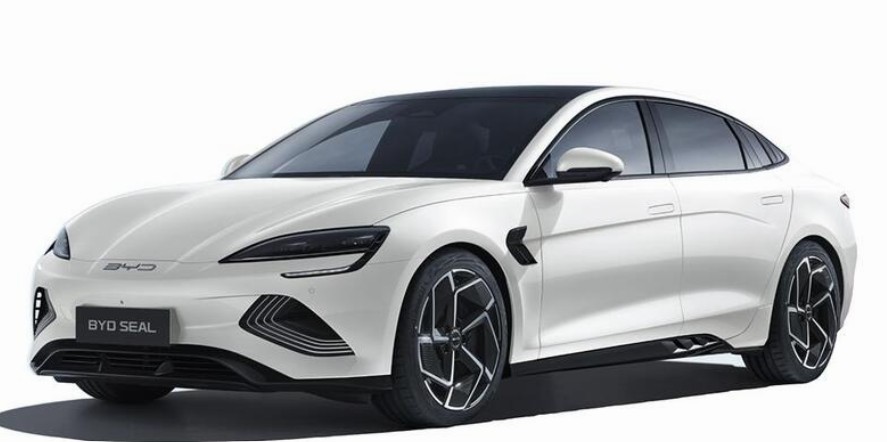
The BYD Seal has rapidly become one of the most talked-about electric vehicles on the market. With its sleek design, impressive range, advanced technology, and competitive pricing, it has positioned itself as a serious challenger to many established EV brands. However, owning an electric vehicle isn't just about charging and driving. Like any sophisticated machine, the BYD Seal requires regular maintenance to perform at its best.
Understanding BYD Seal service intervals can help us protect our investment, maximize battery longevity, improve safety, and avoid unexpected repair costs. While electric vehicles generally require less maintenance than traditional gasoline-powered cars, they are far from maintenance-free.
In this comprehensive guide, we'll explore everything we need to know about BYD Seal service intervals, maintenance schedules, common service tasks, costs, and best practices for keeping the vehicle in excellent condition for years to come.
Content in this publication
- Why Service Intervals Matter for the BYD Seal
- Understanding BYD Seal Maintenance Philosophy
- Typical BYD Seal Service Intervals
- What Happens During a BYD Seal Service?
- Tire Maintenance and Service Intervals
- Brake Fluid Replacement Schedule
- Cabin Air Filter Service Intervals
- Cooling System Maintenance
- High-Voltage System Inspections
- Software as a Maintenance Item
- Service Intervals Under Severe Driving Conditions
- How Much Does BYD Seal Servicing Cost?
- Warranty Considerations and Service Intervals
- Signs Your BYD Seal May Need Service Earlier
- Tips to Extend Service Life Between Intervals
- BYD Seal Service Schedule at a Glance
- Conclusion
- Frequently Asked Questions
Why Service Intervals Matter for the BYD Seal
Many drivers assume that because EVs have fewer moving parts, servicing is optional. That couldn't be further from the truth.
Think of the BYD Seal like a high-performance smartphone on wheels. It may not require oil changes, spark plugs, or timing belts, but it still depends on numerous systems working together flawlessly.
Regular servicing helps:
- Maintain battery efficiency
- Ensure braking systems operate correctly
- Detect software issues early
- Protect suspension components
- Preserve warranty coverage
- Improve vehicle safety
- Enhance long-term resale value
Skipping scheduled inspections can turn minor issues into expensive repairs later.
Understanding BYD Seal Maintenance Philosophy
Unlike conventional vehicles that require frequent engine-related maintenance, the BYD Seal follows a simplified maintenance approach.
The vehicle's electric drivetrain eliminates several traditional service items, including:
- Engine oil changes
- Oil filters
- Fuel filters
- Spark plugs
- Exhaust systems
- Timing belts
- Transmission fluid replacements in traditional gearboxes
This significantly reduces maintenance requirements and ownership costs.
However, the BYD Seal still relies on:
- Cooling systems
- Brake components
- Suspension parts
- Tire maintenance
- Cabin filtration systems
- Software updates
- High-voltage battery monitoring
These systems require periodic inspections to ensure peak performance.
Typical BYD Seal Service Intervals
While service schedules may vary slightly depending on country, dealership policies, and model year, most BYD Seal owners follow a standard maintenance timeline.
First Service: Around 12 Months or 20,000 Kilometers
The first scheduled service is typically performed after one year or approximately 20,000 kilometers.
During this visit, technicians commonly inspect:
- Brake systems
- Tire wear
- Suspension components
- Steering system
- Battery condition
- Charging system
- Vehicle software
- Cooling systems
This initial inspection establishes a maintenance baseline for the vehicle.
Second Service: Around 24 Months or 40,000 Kilometers
The second major service expands the inspection process.
Technicians often examine:
- High-voltage battery health
- Brake fluid condition
- Cabin air filter
- Cooling system operation
- Wheel alignment
- Tire condition
- Electrical systems
At this stage, some consumable items may require replacement depending on driving conditions.
Third Service: Around 36 Months or 60,000 Kilometers
By the third year, the vehicle undergoes a more detailed evaluation.
Typical maintenance tasks include:
- Brake fluid replacement if required
- Cabin filter replacement
- Battery diagnostic testing
- Cooling system inspection
- Suspension inspection
- Steering checks
- Software updates
This service helps maintain efficiency and reliability as the vehicle ages.
What Happens During a BYD Seal Service?
Many new EV owners wonder what technicians actually do during a service appointment.
The process is more sophisticated than many people realize.
Battery Health Inspection
The battery is the heart of the BYD Seal.
Technicians analyze:
- Cell balance
- Charging performance
- Thermal management efficiency
- Battery degradation levels
- Error codes
The goal is to ensure the battery continues operating efficiently and safely.
Software Updates
Modern EVs rely heavily on software.
During servicing, technicians may install updates that improve:
- Range estimation
- Charging efficiency
- Driver assistance systems
- Infotainment features
- Battery management
Sometimes these updates can make the vehicle feel noticeably improved after servicing.
Brake System Checks
EV brakes experience less wear due to regenerative braking.
However, they still require inspection.
Technicians evaluate:
- Brake pads
- Rotors
- Brake fluid
- Brake lines
- Electronic brake systems
Ironically, some EV brake systems can develop corrosion because they are used less frequently than in gasoline vehicles.
Tire Maintenance and Service Intervals
Tires are among the most important maintenance items on any electric vehicle.
Why EV Tires Wear Differently
The BYD Seal delivers instant torque.
This rapid power delivery can accelerate tire wear compared to conventional vehicles.
Additional factors include:
- Vehicle weight
- Driving style
- Road conditions
- Tire pressure
Recommended Tire Checks
We should inspect tires:
- Monthly
- Before long trips
- After significant temperature changes
Tire rotations are often recommended approximately every 10,000 to 15,000 kilometers.
Proper tire care improves:
- Range
- Safety
- Handling
- Tire lifespan
Brake Fluid Replacement Schedule
Although brake pads may last significantly longer in an EV, brake fluid still ages.
Why Brake Fluid Matters
Brake fluid absorbs moisture over time.
Excess moisture can:
- Reduce braking performance
- Increase corrosion
- Damage components
Many service schedules recommend inspecting brake fluid every two years and replacing it when necessary.
Cabin Air Filter Service Intervals
One commonly overlooked maintenance item is the cabin air filter.
Purpose of the Cabin Filter
The cabin filter helps remove:
- Dust
- Pollen
- Pollution
- Airborne particles
A clogged filter can reduce HVAC performance and cabin comfort.
Replacement Frequency
Most BYD Seal owners should consider replacement every:
- 20,000–30,000 kilometers
- Or approximately every 1–2 years
Drivers in dusty environments may need more frequent replacements.
Cooling System Maintenance
The BYD Seal uses sophisticated thermal management systems.
Why Cooling Matters
Battery temperature directly affects:
- Charging speed
- Range
- Battery longevity
- Performance
The cooling system regulates temperatures during:
- Fast charging
- High-speed driving
- Extreme weather conditions
Regular inspections help ensure these systems continue functioning efficiently.
Coolant Inspection Intervals
Technicians generally inspect coolant condition during scheduled maintenance visits.
Any leaks or contamination should be addressed immediately.
High-Voltage System Inspections
One of the most important service tasks involves the vehicle's high-voltage components.
Components Inspected
Technicians may evaluate:
- Battery connectors
- High-voltage cables
- Charging ports
- Power electronics
- Insulation systems
These inspections help ensure safety and reliability.
Why Professional Inspection Is Essential
Unlike basic tire maintenance, high-voltage components should only be inspected by trained technicians.
The electrical systems involved operate at extremely high voltages and require specialized equipment.
Software as a Maintenance Item
Traditional cars rely on mechanical upgrades.
Modern EVs rely increasingly on software.
The Growing Importance of Updates
Software updates can influence:
- Battery efficiency
- Charging performance
- Driver assistance features
- Navigation systems
- Energy management
In many cases, a software update can improve the ownership experience without replacing any physical components.
Over-the-Air vs Dealer Updates
Depending on the market, some updates may be delivered remotely, while others require dealership visits.
Either way, staying current is an important part of maintaining the BYD Seal.
Service Intervals Under Severe Driving Conditions
Not every driver operates under ideal conditions.
Certain environments may require more frequent inspections.
Heavy Urban Driving
Stop-and-go traffic can increase wear on:
- Tires
- Suspension components
- Steering systems
Extreme Temperatures
Very hot or cold climates place additional stress on:
- Battery systems
- Cooling systems
- Climate control components
Rough Roads
Drivers regularly encountering potholes or uneven surfaces should monitor:
- Alignment
- Suspension
- Tire condition
More frequent inspections may be beneficial.
How Much Does BYD Seal Servicing Cost?
One of the advantages of EV ownership is reduced maintenance spending.
Lower Routine Maintenance Costs
Compared to gasoline vehicles, the BYD Seal avoids expenses related to:
- Oil changes
- Fuel system servicing
- Engine repairs
- Exhaust maintenance
This typically lowers annual maintenance costs.
Potential Long-Term Expenses
Over many years, owners may eventually face costs related to:
- Tires
- Brake fluid
- Suspension components
- Battery cooling systems
- Cabin filters
Fortunately, these expenses are generally less frequent than traditional engine maintenance.
Warranty Considerations and Service Intervals
Following recommended service intervals isn't only about reliability.
It can also affect warranty protection.
Why Service Records Matter
Maintaining documented service history helps demonstrate:
- Proper vehicle care
- Compliance with maintenance requirements
- Eligibility for warranty claims
Skipping scheduled services could complicate future warranty requests.
Digital Service Records
Many modern dealerships maintain digital service histories.
These records can also increase resale value.
Signs Your BYD Seal May Need Service Earlier
Waiting for a scheduled service isn't always the best strategy.
Certain symptoms deserve immediate attention.
Warning Indicators
Watch for:
- Dashboard warning lights
- Reduced charging speed
- Unusual noises
- Suspension vibrations
- Excessive tire wear
- Reduced driving range
Addressing problems early often prevents larger repairs.
Changes in Driving Feel
If the vehicle suddenly feels different, trust your instincts.
Even subtle changes in:
- Steering response
- Braking feel
- Ride comfort
may indicate the need for inspection.
Tips to Extend Service Life Between Intervals
Smart ownership habits can reduce wear and improve reliability.
Maintain Proper Tire Pressure
Correct tire pressure improves:
- Efficiency
- Safety
- Tire lifespan
Avoid Excessive Fast Charging
Frequent DC fast charging is convenient but should be balanced with regular AC charging when possible.
Keep Software Updated
Updates often optimize battery and vehicle performance.
Drive Smoothly
Gentle acceleration and braking reduce wear on tires and suspension components.
Protect the Battery
Whenever possible:
- Avoid prolonged exposure to extreme temperatures
- Maintain healthy charging habits
- Follow manufacturer recommendations
BYD Seal Service Schedule at a Glance
Typical Maintenance Timeline
Every Month
- Check tire pressure
- Inspect tires
- Monitor warning lights
Every 12 Months or 20,000 km
- General inspection
- Software updates
- Brake inspection
- Battery diagnostics
Every 24 Months or 40,000 km
- Brake fluid inspection
- Cabin filter inspection
- Cooling system checks
Every 36 Months or 60,000 km
- Comprehensive vehicle inspection
- Battery evaluation
- Fluid assessments
- Suspension review
Conclusion
The BYD Seal proves that electric vehicles can dramatically simplify vehicle maintenance without eliminating the need for regular care. While owners no longer worry about oil changes, spark plugs, or exhaust systems, routine service intervals remain essential for protecting battery health, maintaining safety, and maximizing long-term reliability.
Think of scheduled servicing as preventive medicine rather than a repair bill. A well-maintained BYD Seal can deliver years of efficient, enjoyable driving while preserving performance, range, and resale value. By following recommended service intervals and addressing issues early, we give the vehicle every opportunity to perform at its absolute best throughout its lifespan.
Frequently Asked Questions
1. How often should a BYD Seal be serviced?
Most BYD Seal models typically require servicing every 12 months or approximately 20,000 kilometers, depending on local recommendations.
2. Does the BYD Seal need oil changes?
No. As a fully electric vehicle, the BYD Seal does not require engine oil changes.
3. How long do BYD Seal brakes last?
Due to regenerative braking, brake pads often last significantly longer than those in conventional gasoline vehicles.
4. Are software updates part of BYD Seal servicing?
Yes. Software updates are an important component of maintaining performance, efficiency, and system functionality.
5. What is the most important maintenance item on a BYD Seal?
Battery health monitoring is among the most critical aspects of long-term BYD Seal maintenance.
If you want to know other articles similar to BYD Seal Service Intervals: The Complete Maintenance Guide for Long-Term Reliability you can visit the category Service and Parts.
Honda Passport Payload Capacity: How Much Weight Can It Carry?
Honda Passport Gas Type: What Fuel Should You Use?
Honda Passport Oil Type: What Oil Does a Honda Passport Take?

Nissan Rogue Key Fob Battery Type: Size, Replacement, and Complete Guide
Nissan Rogue Oil Change Interval: How Often Should You Change the Oil?
Nissan Rogue Winter Tire Size: Complete Guide by Year and Trim
Leave a Reply
More content of your interest