

Hyundai Coupe Tyre Pressure: The Complete Guide to Safety, Performance, and Tire Longevity

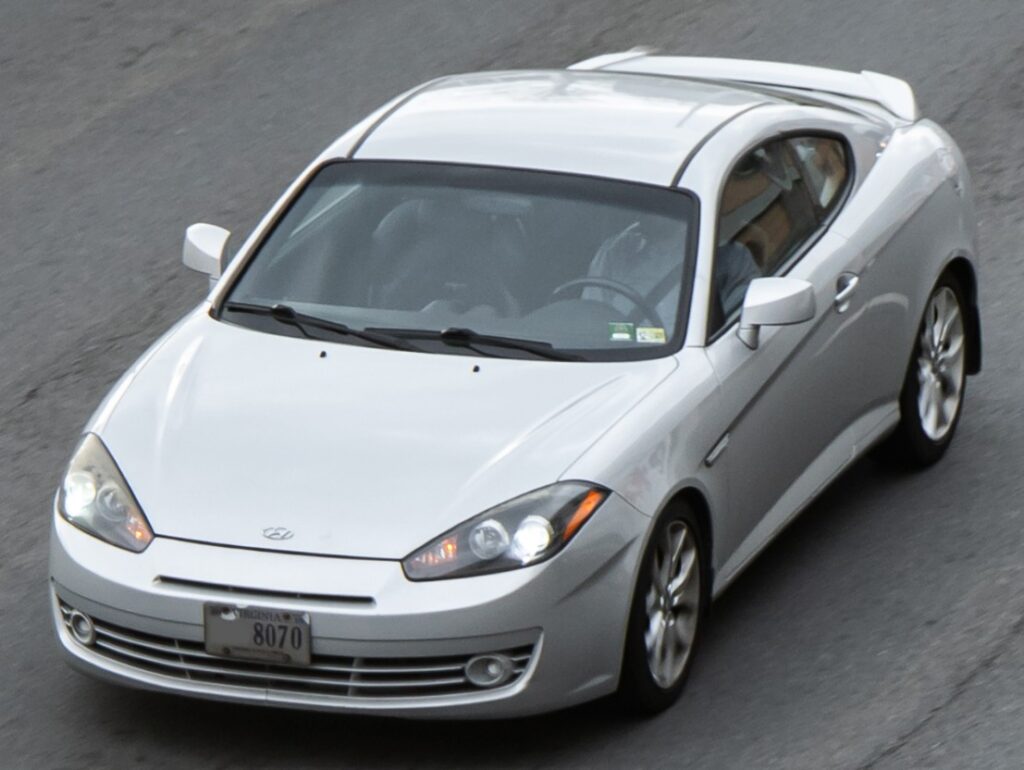
When we think about maintaining a Hyundai Coupe, our minds often jump to oil changes, brake servicing, or keeping the paintwork spotless. Yet one of the most important aspects of vehicle maintenance is also one of the simplest: maintaining the correct tyre pressure.
Tyres are the only part of the car that actually touches the road. They influence everything from fuel economy and braking distance to cornering performance and ride comfort. Whether you own a first-generation Hyundai Coupe or the popular third-generation Tiburon model, understanding the proper tyre pressure can make a remarkable difference.
In this comprehensive guide, we'll explore everything you need to know about Hyundai Coupe tyre pressure, including recommended PSI levels, how to check them, common mistakes to avoid, and practical tips to maximize tyre life.
Content in this publication
- Why Tyre Pressure Matters More Than Most Drivers Realize
- Understanding Hyundai Coupe Tyre Pressure Recommendations
- What Does PSI Mean?
- How Tyre Pressure Affects Vehicle Safety
- The Relationship Between Tyre Pressure and Fuel Economy
- How Incorrect Pressure Damages Tyres
- How To Check Hyundai Coupe Tyre Pressure
- How Often Should We Check Tyre Pressure?
- Seasonal Changes And Tyre Pressure
- Signs Your Hyundai Coupe Has Incorrect Tyre Pressure
- Performance Driving And Tyre Pressure
- The Impact On Ride Comfort
- Common Hyundai Coupe Tyre Sizes
- Should Front And Rear Tyres Have Different Pressures?
- Tyre Pressure Monitoring Systems (TPMS)
- The Dangers Of Ignoring Low Tyre Pressure
- Best Practices For Hyundai Coupe Owners
- Mistakes Drivers Commonly Make
- How Proper Tyre Pressure Extends Tyre Life
- Conclusion
- FAQs
Why Tyre Pressure Matters More Than Most Drivers Realize
Imagine your tyres as the foundation of a house. No matter how beautiful the structure above may be, a weak foundation compromises everything.
Incorrect tyre pressure can affect:
- Vehicle safety
- Fuel efficiency
- Steering response
- Braking performance
- Tyre lifespan
- Ride comfort
Even being a few PSI below the recommended level can significantly increase tyre wear over time.
Understanding Hyundai Coupe Tyre Pressure Recommendations
Different Hyundai Coupe models use different tyre sizes, meaning recommended pressures may vary slightly.
For many Hyundai Coupe models equipped with 215/45 R17 tyres, the recommended pressure is approximately:
- Front: 30 PSI (2.1 BAR)
- Rear: 30 PSI (2.1 BAR)
However, tyre pressure should always be confirmed using:
- The driver's door sticker
- The fuel filler flap label
- The owner's manual
These sources provide the manufacturer's exact recommendation for your specific vehicle configuration.
What Does PSI Mean?
PSI stands for Pounds per Square Inch.
It measures the amount of air pressure inside your tyre.
Other measurements include:
- BAR
- kPa (Kilopascals)
Quick conversion:
| PSI | BAR |
|---|---|
| 30 PSI | 2.1 BAR |
| 32 PSI | 2.2 BAR |
| 35 PSI | 2.4 BAR |
Understanding these units helps when using different air pumps around the world.
How Tyre Pressure Affects Vehicle Safety
Safety should always be the top priority.
Proper tyre pressure helps ensure:
Maximum Contact With The Road
Tyres are designed to maintain an optimal contact patch with the road surface.
Too little air:
- Excessive sidewall flex
- Reduced stability
- Increased heat generation
Too much air:
- Reduced grip
- Smaller contact patch
- Harsher ride
Finding the correct balance is crucial.
Shorter Braking Distances
Correctly inflated tyres help your Hyundai Coupe stop faster during emergency situations.
A few PSI may seem insignificant, but in a panic stop, those extra feet could make all the difference.
The Relationship Between Tyre Pressure and Fuel Economy
Many drivers are surprised to learn that tyre pressure directly affects fuel consumption.
Underinflated Tyres Increase Rolling Resistance
Think of riding a bicycle with soft tyres.
It requires more effort.
The same principle applies to your Hyundai Coupe.
When tyres are underinflated:
- The engine works harder
- Fuel consumption rises
- Efficiency drops
Even a small reduction in pressure can negatively impact fuel economy.
Potential Fuel Savings
Maintaining proper tyre pressure can improve efficiency by several percentage points over the course of a year.
That translates into real savings at the fuel pump.
How Incorrect Pressure Damages Tyres
Tyres are expensive.
Replacing them prematurely can cost hundreds of dollars.
Understanding wear patterns helps identify pressure issues early.
Underinflation Wear Pattern
When tyre pressure is too low:
- Outer shoulders wear rapidly
- Centre tread remains relatively untouched
The tyre essentially collapses slightly under the vehicle's weight.
Overinflation Wear Pattern
Excess pressure causes:
- Centre tread wear
- Reduced shoulder contact
This shortens tyre lifespan and reduces grip.
How To Check Hyundai Coupe Tyre Pressure
Checking tyre pressure is easier than most people think.
Step 1: Obtain A Tyre Pressure Gauge
Options include:
- Digital gauges
- Dial gauges
- Pencil gauges
Digital models tend to provide the most accurate readings.
Step 2: Check Cold Tyres
Always measure pressure before driving.
Heat generated during driving increases tyre pressure temporarily.
Step 3: Remove Valve Cap
Unscrew the valve cap carefully.
Store it somewhere safe.
Step 4: Measure Pressure
Press the gauge firmly onto the valve stem.
Read the displayed pressure.
Step 5: Adjust As Needed
Add or release air until reaching the recommended PSI.
How Often Should We Check Tyre Pressure?
A common mistake is waiting until a tyre looks flat.
By then, pressure may already be dangerously low.
Experts recommend checking:
- Once every month
- Before long journeys
- After major temperature changes
Consistency prevents surprises.
Seasonal Changes And Tyre Pressure
Temperature significantly affects air pressure.
Winter Conditions
Cold air contracts.
Tyres often lose pressure during colder months.
For every temperature drop, pressure can decrease noticeably.
Summer Conditions
Hot weather causes air expansion.
Tyre pressures rise naturally.
However, drivers should never intentionally lower pressure to compensate.
Always follow manufacturer recommendations.
Signs Your Hyundai Coupe Has Incorrect Tyre Pressure
Sometimes your car tells you something is wrong before you even check the tyres.
Watch for:
- Uneven tyre wear
- Reduced fuel economy
- Heavy steering
- Poor cornering response
- Increased stopping distance
- Excessive vibration
These symptoms often indicate a pressure issue.
Performance Driving And Tyre Pressure
The Hyundai Coupe has always appealed to enthusiasts thanks to its sporty styling and engaging handling.
Tyre pressure plays a major role in performance.
Cornering Grip
Proper inflation helps:
- Maintain traction
- Improve steering precision
- Enhance driver confidence
Track-Day Adjustments
Some enthusiasts slightly modify tyre pressures during track events.
However, daily driving should always follow factory recommendations.
The Impact On Ride Comfort
Tyres act as the vehicle's first suspension component.
Overinflated Tyres
Can cause:
- Harsh ride quality
- Increased road noise
- Reduced comfort
Underinflated Tyres
May create:
- Excessive sidewall movement
- Sluggish handling
- Unstable feeling
Correct pressure delivers the best compromise between comfort and control.
Common Hyundai Coupe Tyre Sizes
Different generations may use various tyre sizes.
Common examples include:
15-Inch Wheels
- 195/55 R15
16-Inch Wheels
- 205/55 R16
17-Inch Wheels
- 215/45 R17
Each configuration may require slightly different pressure recommendations.
Always verify your exact specification.
Should Front And Rear Tyres Have Different Pressures?
Some vehicles require different front and rear pressures.
This depends on:
- Weight distribution
- Suspension design
- Tyre size
Many Hyundai Coupe configurations use equal pressures front and rear, but verification remains essential.
Tyre Pressure Monitoring Systems (TPMS)
Later vehicles often feature TPMS technology.
What TPMS Does
The system monitors tyre pressure and alerts drivers when levels become too low.
Why Manual Checks Still Matter
TPMS is helpful but not perfect.
The warning light often activates only after significant pressure loss.
Monthly manual checks remain necessary.
The Dangers Of Ignoring Low Tyre Pressure
Driving on underinflated tyres creates serious risks.
These include:
- Blowouts
- Poor handling
- Longer braking distances
- Excessive heat buildup
- Increased fuel consumption
Ignoring tyre pressure is like ignoring your vehicle's heartbeat.
Eventually, problems become unavoidable.
Best Practices For Hyundai Coupe Owners
To maximize safety and tyre life:
Create A Monthly Routine
Check pressure on the same day each month.
Inspect Tread Depth
Pressure and tread condition work together.
Use Quality Valve Caps
They prevent dirt and moisture from entering.
Check The Spare Tyre
Many drivers forget the spare until an emergency occurs.
Replace Damaged Tyres Promptly
No pressure adjustment can fix structural tyre damage.
Mistakes Drivers Commonly Make
Avoid these common errors:
- Checking pressure after driving
- Guessing pressure visually
- Ignoring seasonal changes
- Overinflating for better fuel economy
- Forgetting spare tyres
- Relying solely on TPMS
Small mistakes often lead to expensive consequences.
How Proper Tyre Pressure Extends Tyre Life
Think of tyre pressure as preventative medicine.
Correct inflation:
- Reduces uneven wear
- Maintains tread integrity
- Enhances performance
- Improves efficiency
- Increases safety
A few minutes each month can add thousands of miles to tyre life.
Conclusion
Maintaining the correct Hyundai Coupe tyre pressure is one of the simplest yet most valuable maintenance tasks we can perform. Properly inflated tyres improve safety, enhance fuel economy, extend tyre life, and ensure the sporty driving experience the Hyundai Coupe is known for.
Whether you're commuting to work, enjoying a weekend drive, or preparing for a long road trip, taking a few moments each month to check tyre pressure can save money, improve performance, and provide peace of mind. Like a well-tuned instrument, your Hyundai Coupe performs best when every component is properly balanced—and tyre pressure is one of the most important pieces of that puzzle.
FAQs
1. What is the recommended tyre pressure for a Hyundai Coupe?
Many Hyundai Coupe models with 215/45 R17 tyres use approximately 30 PSI (2.1 BAR) front and rear, but always verify using the vehicle's door sticker or owner's manual.
2. How often should I check my Hyundai Coupe tyre pressure?
At least once per month and before any long journey.
3. Does cold weather affect tyre pressure?
Yes. Lower temperatures reduce tyre pressure, making winter checks especially important.
4. Can incorrect tyre pressure reduce fuel economy?
Absolutely. Underinflated tyres increase rolling resistance and force the engine to work harder.
5. Is it safe to drive with low tyre pressure?
No. Low pressure can cause poor handling, increased wear, overheating, and even tyre failure.
If you want to know other articles similar to Hyundai Coupe Tyre Pressure: The Complete Guide to Safety, Performance, and Tire Longevity you can visit the category Service and Parts.
Nissan Rogue Oil Change Cost: Prices, Service Options, and What to Expect
Nissan Rogue Key Battery Replacement: Easy Step-by-Step Guide
Nissan Rogue Oil Change Interval: Complete Guide by Model Year
Nissan Rogue Brake Pads and Rotors Cost: Complete 2026 Guide

Kia Sorento Service Reset: How to Reset the Service Light
Kia Sorento Fuel Tank Capacity: Gallons, Litres and Model Differences
Leave a Reply
More content of your interest