

Ford C-Max ABS Light On: Causes, Fixes, Costs, and Prevention Guide

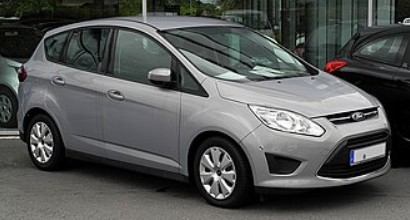
Few dashboard warnings grab our attention as quickly as the ABS light. One moment we're cruising comfortably in our Ford C-Max, and the next, a bright amber symbol appears on the instrument cluster. Suddenly, questions start racing through our minds. Is it safe to drive? Will the brakes fail? Is the repair going to cost a fortune?
The good news is that an illuminated ABS light does not necessarily mean total brake failure. However, it does indicate that something within the Anti-lock Braking System requires attention. Understanding the root causes can save us time, money, and unnecessary stress.
In this comprehensive guide, we'll explore everything we need to know about a Ford C-Max ABS light staying on, including symptoms, causes, diagnostics, repair options, costs, and prevention strategies.
Content in this publication
- What Does the ABS Light Mean on a Ford C-Max?
- Understanding How the ABS System Works
- Why Is the Ford C-Max ABS Light On?
- Faulty Wheel Speed Sensors
- Damaged Sensor Wiring
- Low Brake Fluid Levels
- Failed ABS Control Module
- ABS Hydraulic Pump Failure
- Worn Wheel Bearings
- Blown Fuse or Electrical Faults
- ABS Light and Traction Control Light On Together
- Can You Drive a Ford C-Max With the ABS Light On?
- How to Diagnose a Ford C-Max ABS Light
- How to Reset the ABS Light
- Ford C-Max ABS Repair Costs
- DIY Repairs vs Professional Repairs
- Preventing ABS Problems in a Ford C-Max
- Seasonal Factors That Affect ABS Components
- Common Ford C-Max ABS Fault Symptoms
- When Should You Seek Immediate Attention?
- The Importance of Addressing ABS Warnings Quickly
- Conclusion
- Frequently Asked Questions
What Does the ABS Light Mean on a Ford C-Max?
The ABS light indicates that the Anti-lock Braking System has detected a fault. When the system identifies an issue, it disables itself and illuminates the warning light on the dashboard.
Although the standard braking system continues functioning, the anti-lock feature may no longer operate properly during emergency braking situations.
Think of ABS as a safety net. When it disappears, the brakes still work, but we lose an important layer of protection.
Understanding How the ABS System Works
Before troubleshooting the warning light, it helps to understand how the system operates.
The ABS system consists of:
- Wheel speed sensors
- ABS control module
- Hydraulic control unit
- Electronic control unit (ECU)
- Wiring and connectors
The system constantly monitors wheel rotation. If one wheel begins locking during braking, ABS rapidly adjusts brake pressure to maintain traction and steering control.
Without ABS, hard braking can turn a controlled stop into a skid.
Why Is the Ford C-Max ABS Light On?
Several issues can trigger the ABS warning light.
Some are inexpensive fixes, while others require professional diagnosis.
Common causes include:
- Faulty wheel speed sensors
- Damaged sensor wiring
- Failed ABS control module
- Low brake fluid levels
- Corroded electrical connections
- Defective ABS pump
- Blown fuse
- Worn wheel bearings
Let's examine each in greater detail.
Faulty Wheel Speed Sensors
The Most Common Cause
Wheel speed sensors are the most frequent reason for ABS warnings in the Ford C-Max.
These sensors monitor wheel rotation and transmit data to the ABS module.
Over time they may become:
- Dirty
- Damaged
- Corroded
- Misaligned
Even a small amount of debris can interfere with sensor readings.
Symptoms of a Bad Wheel Speed Sensor
Signs often include:
- ABS light illuminated
- Traction control warning light
- Speedometer irregularities
- Cruise control issues
- Intermittent ABS activation
Because sensors are exposed to water, dirt, and road salt, they are among the most vulnerable ABS components.
Damaged Sensor Wiring
Sometimes the sensor itself is perfectly functional.
The real culprit may be damaged wiring.
Road debris, corrosion, rodents, or age-related deterioration can break electrical connections.
The ABS module relies on accurate signals. Even minor wiring faults can trigger warning lights.
Common Wiring Trouble Spots
Areas to inspect include:
- Wheel arch regions
- Suspension mounting points
- Connector plugs
- Underbody harnesses
These locations experience constant vibration and exposure to harsh conditions.
Low Brake Fluid Levels
A Simple Yet Overlooked Cause
Brake fluid plays a crucial role in the braking system.
If fluid levels drop too low, the ABS system may detect abnormal pressure conditions.
Possible reasons include:
- Brake pad wear
- Minor leaks
- Aging seals
- Maintenance neglect
Checking brake fluid is often one of the easiest diagnostic steps.
Failed ABS Control Module
The Brain of the System
The ABS control module processes information from all wheel sensors.
If the module malfunctions, communication between components breaks down.
Common symptoms include:
- Constant ABS light
- Multiple warning lights
- Brake warning messages
- Diagnostic communication errors
A failed module often requires specialized testing.
ABS Hydraulic Pump Failure
When Pressure Control Stops Working
The hydraulic pump controls brake pressure during ABS activation.
If it fails, the ABS system may shut down completely.
Typical symptoms include:
- ABS light remains on
- Unusual pump noises
- Reduced ABS functionality
- Fault codes stored in memory
Although less common than sensor failures, pump issues can be expensive.
Worn Wheel Bearings
An Unexpected Trigger
Many drivers don't realize wheel bearings can affect ABS operation.
As bearings wear, excessive wheel movement alters sensor readings.
The ABS module interprets these abnormal signals as faults.
Additional symptoms may include:
- Humming noises
- Vibration
- Steering instability
- Uneven tire wear
Ignoring bearing issues can eventually lead to more extensive repairs.
Blown Fuse or Electrical Faults
Small Components, Big Consequences
A simple fuse can disable an entire ABS system.
Electrical problems may arise from:
- Moisture intrusion
- Corrosion
- Voltage fluctuations
- Aging fuse panels
Checking fuses should always be part of the diagnostic process.
ABS Light and Traction Control Light On Together
What Does It Mean?
When both lights illuminate simultaneously, they often share a common cause.
Since traction control relies on ABS sensor data, a fault affecting ABS frequently impacts traction control as well.
Possible causes include:
- Bad wheel speed sensor
- ABS module failure
- Wiring damage
- Wheel bearing issues
This combination narrows the diagnostic focus considerably.
Can You Drive a Ford C-Max With the ABS Light On?
Short Answer: Usually Yes, But Carefully
The vehicle's standard braking system remains operational.
However, emergency braking performance may be compromised.
Driving may still be possible under normal conditions, but caution is essential.
Situations Where Driving Becomes Riskier
Particular caution is required during:
- Heavy rain
- Snow
- Ice
- Gravel roads
- Emergency stops
Without ABS, wheels can lock under hard braking.
How to Diagnose a Ford C-Max ABS Light
Step 1: Check Brake Fluid
Begin with the simplest inspection.
Look for:
- Low fluid levels
- Fluid contamination
- Visible leaks
Correcting fluid issues may resolve the warning.
Step 2: Scan for Diagnostic Trouble Codes
A professional-grade OBD-II scanner capable of reading ABS modules is invaluable.
Common ABS-related codes identify:
- Sensor failures
- Communication problems
- Pump issues
- Module faults
The stored codes significantly reduce guesswork.
Step 3: Inspect Wheel Speed Sensors
Perform a visual inspection.
Look for:
- Broken wiring
- Dirt accumulation
- Corrosion
- Loose connectors
Many sensor-related issues are visible without advanced equipment.
Step 4: Check Wheel Bearings
Listen for:
- Grinding sounds
- Humming noises
- Excessive wheel play
Bearing wear can indirectly trigger ABS faults.
How to Reset the ABS Light
Temporary Resets vs Permanent Repairs
Some drivers attempt to clear the warning light immediately.
While a scan tool can erase fault codes, the light often returns if the underlying problem remains.
A proper reset involves:
- Identifying the fault
- Repairing the issue
- Clearing stored codes
- Performing a test drive
Without repairs, the warning typically reappears.
Ford C-Max ABS Repair Costs
Repair costs vary significantly depending on the source of the problem.
Typical Repair Ranges
| Repair Item | Estimated Cost |
|---|---|
| Wheel Speed Sensor | $80–$250 |
| Sensor Wiring Repair | $100–$350 |
| Brake Fluid Service | $50–$150 |
| Wheel Bearing Replacement | $250–$700 |
| ABS Module Repair | $300–$1,000 |
| ABS Pump Replacement | $500–$1,500 |
Labor rates and regional pricing can influence final costs.
DIY Repairs vs Professional Repairs
When DIY Makes Sense
Some ABS-related repairs are manageable for experienced enthusiasts.
Examples include:
- Replacing sensors
- Cleaning connectors
- Checking fluid levels
- Replacing fuses
These tasks require basic tools and mechanical knowledge.
When Professional Help Is Best
Complex repairs often require specialized equipment.
Examples include:
- Module programming
- Hydraulic unit replacement
- Advanced diagnostics
- Electrical troubleshooting
Modern ABS systems are highly integrated and often need professional calibration.
Preventing ABS Problems in a Ford C-Max
Prevention is always less expensive than repair.
Maintenance Tips
To reduce ABS issues:
- Inspect brake fluid regularly
- Replace worn wheel bearings promptly
- Keep wheel sensor areas clean
- Address warning lights immediately
- Avoid pressure washing sensitive connectors
- Perform regular brake inspections
Small maintenance habits can significantly extend component life.
Seasonal Factors That Affect ABS Components
Winter Challenges
Cold climates can accelerate wear through:
- Salt exposure
- Moisture accumulation
- Corrosion
Sensor wiring is particularly vulnerable during winter months.
Summer Challenges
Heat can contribute to:
- Connector deterioration
- Wiring insulation damage
- Electronic module stress
Protecting components from environmental extremes improves reliability.
Common Ford C-Max ABS Fault Symptoms
Beyond the warning light itself, additional symptoms may appear.
Watch for:
- Pulsating brake pedal
- Reduced traction control performance
- Speedometer inconsistencies
- Cruise control malfunction
- Dashboard warning messages
- Stability control warnings
The more symptoms present, the easier it becomes to narrow down the root cause.
When Should You Seek Immediate Attention?
Some situations warrant prompt inspection.
Seek professional diagnosis if:
- ABS light and brake warning light appear together
- Braking performance changes noticeably
- Vehicle pulls while braking
- Unusual noises develop
- Multiple electronic systems fail simultaneously
These signs may indicate broader braking or electrical issues.
The Importance of Addressing ABS Warnings Quickly
Ignoring warning lights is like ignoring smoke from a campfire in the living room. It may seem manageable initially, but the underlying problem rarely disappears on its own.
Prompt action provides several benefits:
- Improved safety
- Lower repair costs
- Better vehicle reliability
- Reduced risk of secondary damage
- Greater peace of mind
The sooner we diagnose the issue, the simpler the solution often becomes.
Conclusion
A Ford C-Max ABS light on dashboard warning should never be ignored. While the vehicle's standard brakes usually continue functioning, the loss of anti-lock braking capability can reduce safety during sudden stops or slippery conditions.
Fortunately, the most common causes—such as faulty wheel speed sensors, damaged wiring, low brake fluid, or worn wheel bearings—are often straightforward to diagnose and repair. By understanding how the ABS system works, performing routine inspections, and responding quickly to warning lights, we can keep our Ford C-Max safe, reliable, and ready for the road ahead.
The ABS system acts like a silent guardian, constantly monitoring wheel behavior. When its warning light appears, it's simply asking for attention. Listen to it early, and you'll likely save both money and headaches down the road.
Frequently Asked Questions
1. Can I pass an MOT with the ABS light on?
In most regions, an illuminated ABS warning light will result in a failed inspection because it indicates a safety system fault.
2. How much does it cost to replace a Ford C-Max ABS sensor?
Replacement typically costs between $80 and $250 depending on labor rates and parts quality.
3. Will disconnecting the battery reset the ABS light?
Sometimes temporarily, but the warning usually returns if the underlying fault remains unresolved.
4. Can low battery voltage trigger the ABS light?
Yes. Weak batteries and charging system problems can cause electronic faults that trigger ABS warnings.
5. Is an ABS light always caused by a bad sensor?
No. While sensors are the most common cause, wiring, modules, pumps, wheel bearings, and brake fluid issues can also trigger the warning.
If you want to know other articles similar to Ford C-Max ABS Light On: Causes, Fixes, Costs, and Prevention Guide you can visit the category Service and Parts.
Kia Sorento Service Reset: How to Reset the Service Light
Kia Sorento Fuel Tank Capacity: Gallons, Litres and Model Differences
Kia Sorento Tyre Pressure: Recommended PSI, Bar and Complete Guide
Kia Sorento Boot Space: How Much Luggage Space Does It Really Have?
Kia Sorento Towing Capacity: How Much Can a Sorento Tow?

Honda Passport Payload Capacity: How Much Weight Can It Carry?
Leave a Reply
More content of your interest