

Mitsubishi Colt Tyre Pressure: The Complete Guide for Safe and Efficient Driving

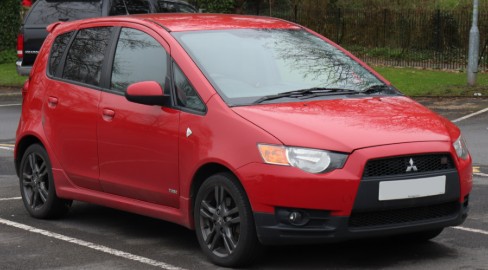
The tyre pressure of your Mitsubishi Colt might seem like a small detail, but it plays a massive role in safety, fuel economy, handling, tyre lifespan, and overall driving comfort. Think of your tyres as the foundation of a house. If the foundation is weak, everything built on top of it suffers. In the same way, incorrect tyre pressure can affect every aspect of your Colt's performance.
Whether you drive a classic Mitsubishi Colt, a newer model, or use your vehicle for daily commuting, understanding the correct tyre pressure is one of the simplest yet most important maintenance tasks you can perform.
In this comprehensive guide, we'll explore everything you need to know about Mitsubishi Colt tyre pressure, including recommended PSI values, seasonal adjustments, warning signs, maintenance tips, and common mistakes drivers make.
Content in this publication
- Why Tyre Pressure Matters in a Mitsubishi Colt
- Understanding Tyre Pressure Measurements
- Recommended Mitsubishi Colt Tyre Pressure
- Where to Find the Correct Tyre Pressure for Your Colt
- How Often Should You Check Tyre Pressure?
- How to Check Mitsubishi Colt Tyre Pressure
- What Happens if Tyre Pressure Is Too Low?
- What Happens if Tyre Pressure Is Too High?
- Seasonal Changes and Mitsubishi Colt Tyre Pressure
- Mitsubishi Colt TPMS Warning Light Explained
- How to Reset the TPMS on a Mitsubishi Colt
- Tyre Pressure and Fuel Economy
- Tyre Wear Patterns and Pressure Issues
- Best Tyres for a Mitsubishi Colt
- How Load Affects Mitsubishi Colt Tyre Pressure
- Long-Distance Driving and Tyre Pressure
- The Importance of Checking the Spare Tyre
- Common Mitsubishi Colt Tyre Pressure Mistakes
- Professional Tyre Maintenance Tips
- Signs Your Mitsubishi Colt Needs Immediate Tyre Attention
- Conclusion
- Frequently Asked Questions
- 1. What is the recommended tyre pressure for a Mitsubishi Colt?
- 2. How often should I check my Mitsubishi Colt tyre pressure?
- 3. Can cold weather affect Mitsubishi Colt tyre pressure?
- 4. Is it safe to drive with the TPMS warning light on?
- 5. Should I inflate tyres to the pressure shown on the tyre sidewall?
Why Tyre Pressure Matters in a Mitsubishi Colt
Tyres are the only part of your vehicle that touches the road. Because of this, maintaining the proper pressure is essential.
Correct tyre pressure helps:
- Improve fuel efficiency
- Enhance braking performance
- Increase tyre lifespan
- Improve steering response
- Reduce the risk of tyre blowouts
- Maximize driving comfort
Driving with incorrect pressure is like running a marathon in shoes that are two sizes too small or too large. It can be done, but performance and comfort suffer significantly.
Understanding Tyre Pressure Measurements
Before checking your Mitsubishi Colt's tyres, it's important to understand the units used.
PSI (Pounds per Square Inch)
PSI is the most commonly used tyre pressure measurement.
Example:
- 32 PSI
- 34 PSI
- 36 PSI
BAR
Some tyre gauges display pressure in BAR.
Conversion:
- 1 BAR = 14.5 PSI
kPa (Kilopascals)
Certain manufacturers also provide recommendations in kilopascals.
Example:
- 220 kPa ≈ 32 PSI
Knowing these measurements helps avoid confusion when using different tyre inflators.
Recommended Mitsubishi Colt Tyre Pressure
The correct pressure depends on the specific Colt generation, wheel size, and load conditions.
Typical Mitsubishi Colt Tyre Pressure Values
| Condition | Front Tyres | Rear Tyres |
|---|---|---|
| Normal Driving | 32 PSI | 30 PSI |
| Fully Loaded | 34 PSI | 36 PSI |
| Highway Driving | 33 PSI | 33 PSI |
These values may vary slightly depending on the model year and tyre dimensions.
Always verify the exact specification found on:
- Driver's door jamb sticker
- Fuel filler flap
- Owner's manual
Where to Find the Correct Tyre Pressure for Your Colt
Many drivers mistakenly use the pressure printed on the tyre sidewall.
This is incorrect.
Check the Following Locations
Driver's Door Frame
The most reliable source.
Fuel Filler Door
Many Colt models include tyre specifications here.
Owner's Manual
Provides pressure recommendations for various loads and tyre sizes.
The sidewall pressure represents the tyre's maximum pressure, not the manufacturer's recommended operating pressure.
How Often Should You Check Tyre Pressure?
Many motorists wait until a tyre visibly looks flat.
Unfortunately, by then performance has already suffered.
Recommended Schedule
- Once every month
- Before long journeys
- After major temperature changes
- Before carrying heavy loads
A tyre can lose pressure naturally over time without showing visible signs.
How to Check Mitsubishi Colt Tyre Pressure
Checking tyre pressure is a quick process that takes only a few minutes.
Step 1: Use a Reliable Gauge
Digital gauges usually provide the most accurate readings.
You may be interested in reading Mitsubishi Colt Engine Size: Complete Guide to Every Engine Option
Step 2: Check Cold Tyres
Measure pressure before driving or after the vehicle has been parked for several hours.
Step 3: Remove Valve Cap
Unscrew and store safely.
Step 4: Attach Gauge
Press firmly against the valve stem.
Step 5: Read Pressure
Compare the reading with Mitsubishi's recommendation.
Step 6: Adjust as Necessary
Add or release air until the correct pressure is achieved.
What Happens if Tyre Pressure Is Too Low?
Underinflation is one of the most common tyre-related issues.
Potential Problems
- Reduced fuel economy
- Excessive tyre wear
- Poor cornering performance
- Longer stopping distances
- Increased risk of blowouts
Low-pressure tyres create more rolling resistance, forcing the engine to work harder.
Imagine pushing a shopping cart with partially flat wheels. That's essentially what your engine experiences.
What Happens if Tyre Pressure Is Too High?
Overinflation can be equally problematic.
Consequences of Excess Pressure
- Harsh ride quality
- Reduced grip
- Uneven centre tread wear
- Greater vulnerability to pothole damage
- Reduced braking effectiveness
Too much air makes the tyre stiff and less capable of absorbing road imperfections.
Seasonal Changes and Mitsubishi Colt Tyre Pressure
Weather significantly impacts tyre pressure.
Winter Conditions
Cold air contracts.
For every 10°F (approximately 5.5°C) decrease in temperature:
- Tyre pressure drops around 1 PSI
Summer Conditions
Warm air expands.
Pressure naturally increases during hot weather.
Seasonal Maintenance Tips
- Check tyres more frequently during temperature changes
- Adjust pressure according to manufacturer recommendations
- Never deflate hot tyres immediately after driving
Mitsubishi Colt TPMS Warning Light Explained
Some modern Mitsubishi Colt models feature a Tyre Pressure Monitoring System (TPMS).
What the Warning Light Means
The light may indicate:
- Low tyre pressure
- Significant pressure imbalance
- Sensor malfunction
- Recently replaced tyre requiring recalibration
Ignoring the warning light can compromise safety.
How to Reset the TPMS on a Mitsubishi Colt
The procedure varies depending on the model year.
Basic Reset Method
- Inflate tyres to recommended pressure.
- Turn ignition on.
- Drive for several minutes.
- Allow the system to recalibrate automatically.
Some models may include a dedicated reset button.
Consult the owner's manual for exact instructions.
Tyre Pressure and Fuel Economy
Fuel efficiency and tyre pressure are closely connected.
Benefits of Correct Inflation
- Lower rolling resistance
- Improved engine efficiency
- Reduced fuel consumption
- Lower emissions
Even a few PSI below specification can noticeably increase fuel usage over time.
Tyre Wear Patterns and Pressure Issues
Your tyres often reveal pressure problems before you notice them while driving.
Underinflation Wear Pattern
Wear appears on both outer edges.
Overinflation Wear Pattern
Excessive wear develops in the centre tread area.
Correct Inflation Wear Pattern
Even wear across the entire tread surface.
Regular visual inspections can save hundreds of dollars in premature tyre replacement costs.
You may be interested in readingMitsubishi Colt Engine Size: Complete Guide to Every Engine OptionYou may be interested in reading
Mitsubishi Colt Engine Oil: The Complete Guide to Choosing, Changing, and Maintaining Your EngineBest Tyres for a Mitsubishi Colt
Tyre selection can influence pressure stability and overall performance.
Popular Options
Premium Choices
- Michelin Energy Saver
- Continental PremiumContact
- Bridgestone Turanza
Mid-Range Choices
- Falken Ziex
- Kumho Ecowing
- Toyo Proxes
Budget-Friendly Options
- Nexen N Blue
- Hankook Kinergy
- General Tire Altimax
Always choose tyres matching the manufacturer's recommended specifications.
How Load Affects Mitsubishi Colt Tyre Pressure
Pressure requirements change when carrying extra weight.
Situations Requiring Higher Pressure
- Family road trips
- Full passenger capacity
- Heavy luggage
- Towing (if applicable)
Additional air helps support increased loads safely.
Failure to adjust pressure can lead to overheating and excessive tyre wear.
Long-Distance Driving and Tyre Pressure
Before any road trip, tyre pressure should be part of your preparation routine.
Pre-Trip Checklist
- Check all four tyres
- Inspect spare tyre
- Examine tread depth
- Look for visible damage
- Verify valve caps are secure
This simple five-minute check can prevent major issues on the road.
The Importance of Checking the Spare Tyre
Many drivers forget their spare tyre entirely.
Unfortunately, spare tyres often lose pressure while sitting unused.
Maintenance Recommendations
Check the spare:
- Every month
- Before long journeys
- After seasonal temperature changes
A flat spare tyre can turn a minor inconvenience into a major problem.
Common Mitsubishi Colt Tyre Pressure Mistakes
Drivers frequently make avoidable errors.
Mistake #1: Trusting Visual Inspection
A tyre can be significantly underinflated without appearing flat.
Mistake #2: Using Sidewall Numbers
The sidewall displays maximum pressure, not recommended pressure.
Mistake #3: Ignoring Seasonal Changes
Temperature fluctuations directly affect pressure.
Mistake #4: Forgetting the Spare
Spare tyres need regular attention too.
Mistake #5: Not Checking Monthly
Consistent monitoring prevents most tyre-related problems.
Professional Tyre Maintenance Tips
Want to maximize tyre life?
Follow these expert recommendations.
Monthly Tasks
- Check tyre pressure
- Inspect tread wear
- Remove embedded debris
Every 6,000–8,000 Miles
- Rotate tyres
- Check wheel balance
- Inspect alignment
Annually
- Professional tyre inspection
- Suspension evaluation
- TPMS system check
These habits help ensure safer and more economical driving.
Signs Your Mitsubishi Colt Needs Immediate Tyre Attention
Never ignore these warning signs.
Red Flags
- Vehicle pulling to one side
- Vibrations at speed
- Frequent pressure loss
- Uneven tread wear
- TPMS warning light
- Visible cracks or bulges
Early action often prevents expensive repairs and dangerous situations.
Conclusion
Maintaining the correct Mitsubishi Colt tyre pressure is one of the easiest ways to improve safety, handling, fuel economy, and tyre longevity. While many drivers focus on oil changes and servicing, tyres quietly influence nearly every aspect of vehicle performance.
By checking pressure monthly, adjusting for seasonal changes, monitoring tyre wear, and following Mitsubishi's recommended specifications, we can keep our Colt performing efficiently and safely year-round. A few minutes spent with a tyre gauge today can save money, improve comfort, and potentially prevent a roadside emergency tomorrow.
Frequently Asked Questions
1. What is the recommended tyre pressure for a Mitsubishi Colt?
Most Mitsubishi Colt models typically require around 30–34 PSI, depending on tyre size and vehicle load. Always check the door sticker or owner's manual.
2. How often should I check my Mitsubishi Colt tyre pressure?
At least once a month and before any long journey.
3. Can cold weather affect Mitsubishi Colt tyre pressure?
Yes. Tyre pressure generally drops by about 1 PSI for every 10°F (5.5°C) decrease in temperature.
4. Is it safe to drive with the TPMS warning light on?
You should inspect tyre pressures immediately. Continuing to drive with low pressure can increase safety risks.
You may be interested in readingMitsubishi Colt Engine Size: Complete Guide to Every Engine OptionYou may be interested in reading
Mitsubishi Colt Engine Oil: The Complete Guide to Choosing, Changing, and Maintaining Your EngineYou may be interested in reading
Mitsubishi Colt Headlight Bulb Replacement: The Complete Guide to Better Visibility and Safer Driving5. Should I inflate tyres to the pressure shown on the tyre sidewall?
No. The sidewall indicates maximum pressure. Always follow Mitsubishi's recommended pressure specifications.
If you want to know other articles similar to Mitsubishi Colt Tyre Pressure: The Complete Guide for Safe and Efficient Driving you can visit the category Service and Parts.
Audi A4 Fuel Tank Capacity: Complete Guide by Generation
Audi A4 Towing Capacity: Complete Guide for Safe Towing
Audi A4 Service Reset: Complete Guide for Every Generation
Audi A4 Weight: Complete Guide by Model, Generation, and Drivetrain
Audi A4 Tyre Size: Complete Fitment and Buying Guide

Hyundai Palisade Tyre Size: Complete Wheel and Tyre Guide
Leave a Reply
More content of your interest