

Vauxhall Insignia Code 89: Causes, Symptoms, Fixes, and Prevention Guide

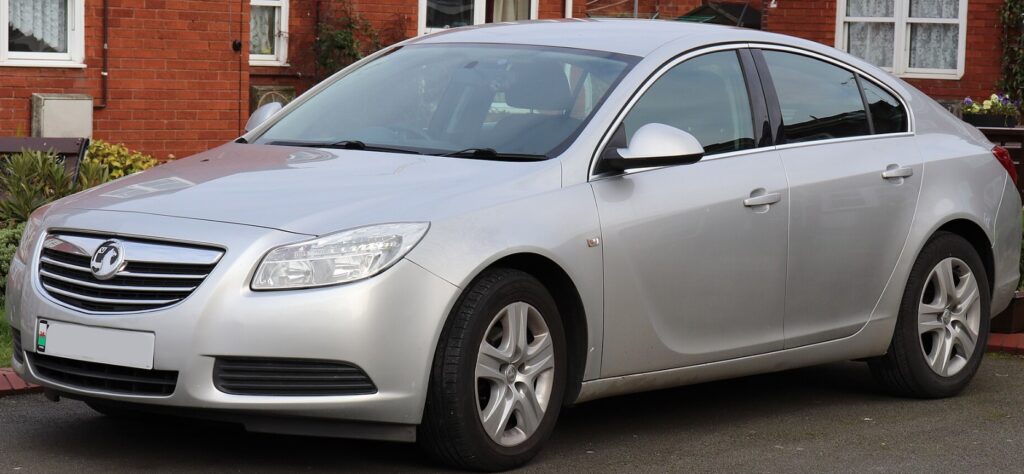
If you've started your Vauxhall Insignia only to see Code 89 appear on the dashboard, you're probably wondering whether it's safe to keep driving or if you're about to face an expensive repair bill. The good news is that Code 89 isn't a fault code itself—it's a service message telling us that the engine management system has detected a problem that requires attention.
Think of Code 89 as your car's way of saying, "Something isn't quite right. Please check me soon."
In many cases, the issue is relatively minor, such as a faulty sensor or thermostat. In other situations, it can point to problems affecting engine performance or emissions. Understanding what this warning really means is the first step toward fixing it correctly without replacing unnecessary parts.
Content in this publication
- What Does Vauxhall Insignia Code 89 Mean?
- Is It Safe to Drive with Code 89?
- Why Does Code 89 Appear?
- Most Common Causes of Vauxhall Insignia Code 89
- 5. DPF Regeneration Problems
- 6. Intake Air Leaks
- 7. Turbocharger Control Problems
- 8. Fuel System Faults
- Symptoms That Often Accompany Code 89
- How Mechanics Diagnose Code 89
- Can You Reset Code 89 Yourself?
- Repair Costs
- Can Regular Maintenance Prevent Code 89?
- When Should You Visit a Garage Immediately?
- Final Thoughts
What Does Vauxhall Insignia Code 89 Mean?
Unlike an OBD-II diagnostic trouble code (such as P0171 or P0400), Code 89 is a general dashboard notification.
Its purpose is simple:
- The Engine Control Unit (ECU) has detected an abnormal operating condition.
- A fault has been stored in the ECU memory.
- The vehicle should be diagnosed using an OBD-II scanner.
Code 89 doesn't identify the exact failed component. Instead, it acts as an alert telling the driver that a diagnostic inspection is needed.
This is why two Vauxhall Insignias displaying Code 89 may have completely different underlying problems.
Is It Safe to Drive with Code 89?
That depends on how the vehicle behaves.
If your Insignia:
- Starts normally
- Accelerates smoothly
- Doesn't overheat
- Doesn't lose power
- Shows no unusual noises
You can usually drive it carefully to a workshop for diagnosis.
However, you should stop driving immediately if you notice:
- Engine overheating
- Severe loss of power
- Rough idling
- Heavy smoke from the exhaust
- Flashing engine warning light
- Loud knocking noises
Ignoring these symptoms could turn a relatively inexpensive repair into a major engine failure.
Why Does Code 89 Appear?
Because Code 89 is simply a warning message, many different faults can trigger it.
Some problems are electrical.
Others are mechanical.
Some relate to emissions.
Others affect engine cooling.
That's why proper diagnostics always matter more than guessing.
Most Common Causes of Vauxhall Insignia Code 89
1. Faulty Coolant Thermostat
One of the most common reasons for Code 89 is a thermostat that remains open or closed.
A failed thermostat can:
- Prevent the engine reaching operating temperature
- Cause excessive fuel consumption
- Increase emissions
- Trigger the ECU warning
Typical symptoms include:
- Temperature gauge staying unusually low
- Cabin heater blowing lukewarm air
- Poor fuel economy
- Longer warm-up times
Fortunately, thermostat replacement is usually straightforward and far cheaper than major engine repairs.
2. Defective Coolant Temperature Sensor
The ECU constantly monitors coolant temperature.
If the sensor sends incorrect information, the ECU may believe the engine is overheating—or never warming up.
Symptoms often include:
- Hard cold starts
- Increased fuel consumption
- Cooling fan running constantly
- Engine warning light
- Code 89
Replacing the sensor is generally inexpensive and often restores normal operation immediately.
3. Glow Plug Problems (Diesel Models)
Diesel Insignias commonly display Code 89 because of failing glow plugs or glow plug control modules.
You may be interested in reading Vauxhall Insignia Tyre Pressure Reset: The Complete Step-by-Step Guide
You may notice:
- Difficult cold starts
- Rough idle after starting
- White smoke
- Longer cranking times
Although one failed glow plug won't usually prevent the engine from running, multiple failures can significantly affect starting performance during colder weather.
4. EGR Valve Issues
The Exhaust Gas Recirculation (EGR) valve reduces emissions by recirculating exhaust gases.
Over time, carbon deposits build up.
When this happens, the valve may stick.
Common symptoms include:
- Hesitation
- Poor acceleration
- Black smoke
- Reduced fuel economy
- Engine management warning
Cleaning the EGR valve often solves the issue before replacement becomes necessary.
5. DPF Regeneration Problems
Diesel Particulate Filters naturally collect soot.
Normally, the vehicle burns the soot away during regeneration.
Short journeys can interrupt this process.
Eventually:
- The filter becomes restricted.
- Engine performance decreases.
- Warning messages appear.
- Code 89 may accompany other engine faults.
Taking regular motorway drives helps successful regeneration.
6. Intake Air Leaks
Modern diesel and petrol engines rely on accurate airflow measurements.
Cracked hoses or loose pipe connections allow unmetered air into the engine.
This can produce:
- Rough idle
- Poor throttle response
- Increased fuel consumption
- Engine warning lights
Thankfully, many intake leaks are inexpensive to repair once identified.
7. Turbocharger Control Problems
Turbocharged Insignia engines depend on correct boost pressure.
Problems may involve:
- Vacuum hoses
- Turbo actuators
- Boost pressure sensors
- Wastegate mechanisms
Symptoms often include:
- Loss of power
- Slow acceleration
- Whistling noises
- Limp mode
The turbo itself isn't always the culprit—sometimes a simple vacuum leak causes similar symptoms.
8. Fuel System Faults
Fuel delivery problems may also trigger Code 89.
Possible causes include:
- Dirty fuel filter
- Weak fuel pump
- Injector issues
- Fuel pressure sensor failure
Drivers often notice:
- Misfires
- Hesitation
- Poor starting
- Increased fuel consumption
Routine fuel filter replacement helps prevent many of these issues.
Symptoms That Often Accompany Code 89
Code 89 rarely appears alone.
You may also experience:
- Check Engine Light
- Reduced engine performance
- Rough idling
- Poor acceleration
- Increased fuel consumption
- Cooling fan operating continuously
- Engine running colder than normal
- Slow warm-up
- Excessive exhaust smoke
- Difficulty starting
The combination of symptoms usually provides valuable clues about the underlying problem.
You may be interested in readingVauxhall Insignia Tyre Pressure Reset: The Complete Step-by-Step GuideYou may be interested in reading
Vauxhall Insignia Code 55: Meaning, Causes, Fixes, and How to Prevent DPF ProblemsHow Mechanics Diagnose Code 89
A professional diagnosis follows a logical process rather than replacing random parts.
Typical inspection includes:
Step 1
Read stored OBD-II fault codes.
These provide the real reason behind Code 89.
Step 2
Check live engine data.
Important values include:
- Coolant temperature
- Intake air temperature
- Fuel pressure
- Turbo boost
- Airflow readings
Step 3
Inspect cooling system components.
Technicians examine:
- Thermostat
- Coolant sensor
- Coolant level
- Radiator operation
Step 4
Inspect intake and vacuum hoses.
Even tiny leaks can trigger incorrect sensor readings.
Step 5
Road test the vehicle.
Many intermittent faults only appear under load or after reaching operating temperature.
Can You Reset Code 89 Yourself?
Simply clearing the warning usually won't solve anything.
If the underlying fault remains, Code 89 normally returns after a few drive cycles.
Some temporary resets happen by:
- Disconnecting the battery
- Using an OBD scanner
- Clearing stored fault codes
However, unless the original problem has been repaired, the warning is almost guaranteed to come back.
Repair Costs
Costs vary depending on the actual fault.
Typical estimates include:
| Repair | Estimated Cost |
|---|---|
| Coolant sensor | £30–£90 |
| Thermostat | £120–£300 |
| Glow plugs | £80–£250 |
| EGR cleaning | £70–£180 |
| EGR replacement | £250–£600 |
| Fuel filter | £50–£120 |
| Intake hose | £40–£150 |
| Turbo actuator | £150–£500 |
Actual prices depend on engine type, labour rates, and genuine versus aftermarket parts.
Can Regular Maintenance Prevent Code 89?
In many cases, yes.
Good maintenance dramatically reduces the likelihood of ECU-related warnings.
We recommend:
- Following scheduled servicing.
- Replacing coolant at recommended intervals.
- Using high-quality engine oil.
- Replacing fuel filters on time.
- Driving diesel models on occasional longer journeys.
- Checking coolant levels regularly.
- Repairing engine warning lights promptly.
- Avoiding prolonged short-distance driving.
Preventive maintenance costs far less than repairing neglected faults.
When Should You Visit a Garage Immediately?
Seek professional help immediately if Code 89 appears alongside:
- High engine temperature
- Flashing engine warning light
- Severe loss of power
- Knocking sounds
- Coolant leaks
- Thick white smoke
- Continuous overheating
These symptoms suggest problems that should never be ignored.
Final Thoughts
Seeing Vauxhall Insignia Code 89 can be worrying, but it doesn't automatically mean a catastrophic engine failure. In reality, it's a general warning that the ECU has detected a fault requiring investigation. The underlying cause could be as simple as a faulty coolant temperature sensor or thermostat, or it may involve components like the EGR valve, DPF, glow plugs, turbo controls, or fuel system.
The key is not to guess. Reading the stored diagnostic trouble codes with a proper OBD-II scanner is the fastest and most cost-effective way to pinpoint the issue. Addressing the fault early can prevent poor fuel economy, reduced performance, and more expensive repairs down the road.
You may be interested in readingVauxhall Insignia Tyre Pressure Reset: The Complete Step-by-Step GuideYou may be interested in reading
Vauxhall Insignia Code 55: Meaning, Causes, Fixes, and How to Prevent DPF ProblemsYou may be interested in reading
Vauxhall Insignia Clutch Master Cylinder Replacement: Complete Guide to Symptoms, Costs, and DIY TipsBy keeping up with routine maintenance, paying attention to warning signs, and acting quickly when Code 89 appears, you can keep your Vauxhall Insignia running smoothly for many years.
If you want to know other articles similar to Vauxhall Insignia Code 89: Causes, Symptoms, Fixes, and Prevention Guide you can visit the category Service and Parts.
Ford Edge Wiper Blade Size: Complete Year-by-Year Guide
Ford Edge Water Pump Replacement Cost: What Owners Should Expect
Ford Edge Tire Pressure: The Complete PSI Guide for Owners
Ford Edge Key Fob Battery Replacement: Complete DIY Guide
Ford Edge Engine Size: Complete Guide by Year and Engine
Ford Edge Tire Size: Complete Guide by Year, Trim, and Wheel Size
Leave a Reply
More content of your interest