

Vauxhall Insignia Tyre Pressure Reset: The Complete Step-by-Step Guide

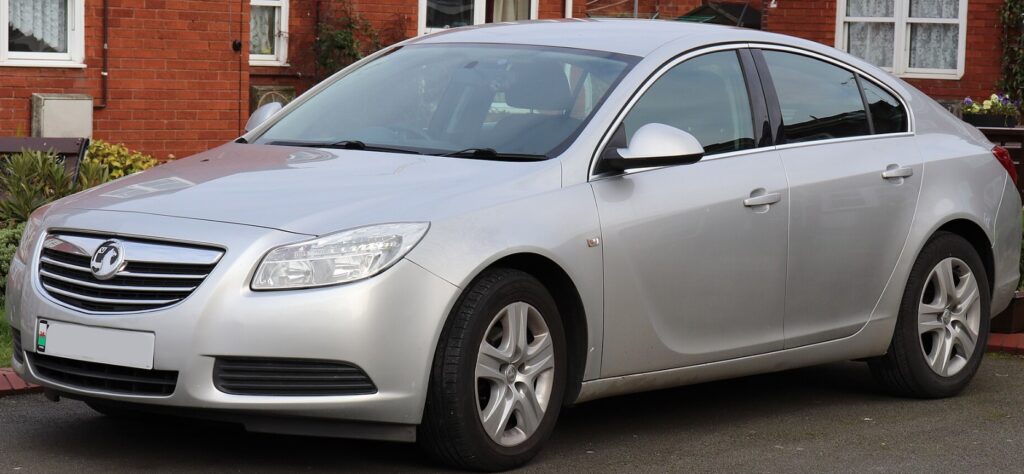
Few dashboard warnings are as frustrating as the tyre pressure monitoring system (TPMS) light. You inflate your tyres, double-check the pressure with a reliable gauge, yet that little warning symbol stubbornly refuses to disappear. If you own a Vauxhall Insignia, you're probably wondering whether there's a reset button, a hidden menu, or a secret procedure to clear the alert.
The good news is that resetting the tyre pressure monitoring system on a Vauxhall Insignia is usually straightforward. However, the exact process depends on whether you own a first-generation Insignia (2008–2017) or the newer Insignia Grand Sport (2017 onwards). Understanding the difference can save you time and prevent unnecessary trips to the garage.
In this guide, we'll explain exactly how the TPMS works, when you should reset it, why the warning light sometimes stays on, and how to solve the most common tyre pressure issues.
Content in this publication
- What Is the Tyre Pressure Monitoring System (TPMS)?
- Why Does the Tyre Pressure Light Come On?
- Understanding the Two Types of TPMS
- How to Check Your Tyre Pressure Before Resetting
- How to Reset the TPMS on a First-Generation Vauxhall Insignia (2008–2017)
- How to Reset the TPMS on the Insignia Grand Sport (2017+)
- When Should You Perform a Tyre Pressure Reset?
- Why Won't the TPMS Light Turn Off?
- Can You Drive With the TPMS Light On?
- Common TPMS Mistakes Drivers Make
- How Cold Weather Affects Tyre Pressure
- How Often Should You Check Tyre Pressure?
- Can You Reset TPMS Without Fixing the Pressure?
- Signs Your TPMS Sensor Needs Replacement
- Tips to Keep Your TPMS Working Properly
- Final Thoughts
What Is the Tyre Pressure Monitoring System (TPMS)?
The TPMS is an electronic safety feature that constantly monitors the air pressure inside your tyres. If one or more tyres lose pressure below the recommended level, the system alerts you with a warning light on the dashboard.
Its purpose is simple:
- Improve road safety
- Reduce tyre wear
- Increase fuel economy
- Improve handling
- Prevent dangerous blowouts
Since underinflated tyres generate more heat and rolling resistance, maintaining the correct pressure benefits both your wallet and your safety.
Why Does the Tyre Pressure Light Come On?
Many drivers assume the warning means they have a puncture, but that's only one possibility.
Common causes include:
- Cold weather reducing tyre pressure
- A slow puncture
- Recently replacing a tyre
- Rotating tyres
- Installing new TPMS sensors
- Incorrect tyre pressures after servicing
- Faulty TPMS sensors
- Dead sensor batteries
- System calibration errors
Even a temperature drop overnight can reduce tyre pressure enough to trigger the warning.
Understanding the Two Types of TPMS
Before attempting a reset, it's important to know which system your Vauxhall Insignia uses.
Direct TPMS
Most later Insignia models use direct TPMS.
Each wheel contains an electronic sensor mounted inside the tyre that measures pressure in real time.
Advantages include:
- Highly accurate readings
- Individual tyre pressure display
- Faster warning notifications
Indirect TPMS
Some earlier models rely on the ABS wheel speed sensors instead of dedicated pressure sensors.
Rather than measuring pressure directly, the system calculates pressure loss by detecting differences in wheel rotation.
Although slightly less accurate, it requires less maintenance because there are no sensor batteries to replace.
How to Check Your Tyre Pressure Before Resetting
Never perform a reset before confirming the tyres are properly inflated.
Follow these steps:
- Park on level ground.
- Allow the tyres to cool for at least three hours.
- Remove each valve cap.
- Check pressure using a reliable tyre gauge.
- Inflate or deflate each tyre to the manufacturer's recommended PSI.
- Reinstall the valve caps securely.
You'll find the recommended tyre pressures:
- Inside the driver's door frame
- On the fuel filler flap (some models)
- In the owner's handbook
Always use the pressure recommended for your tyre size and vehicle load.
How to Reset the TPMS on a First-Generation Vauxhall Insignia (2008–2017)
After adjusting the tyre pressures:
Step 1
Turn the ignition on without starting the engine.
Step 2
Use the steering wheel controls to open the vehicle information menu.
Step 3
Navigate to the tyre pressure screen.
Step 4
Press and hold the SET/CLR button.
Step 5
A confirmation message will appear asking whether you want to relearn the tyre pressures.
Select Yes.
Step 6
Start driving.
The vehicle normally completes the relearn procedure after several minutes of driving at speeds above approximately 15 mph (25 km/h).
Once complete, the warning light should disappear.
How to Reset the TPMS on the Insignia Grand Sport (2017+)
The second-generation Insignia makes the process even easier.
Simply:
- Inflate every tyre correctly.
- Start the vehicle.
- Drive normally.
In many models, the TPMS automatically recalibrates without requiring any manual reset.
After a short drive, the warning light usually clears by itself.
When Should You Perform a Tyre Pressure Reset?
You don't need to reset the system every week.
Normally, a reset is only necessary after:
- Adjusting tyre pressures
- Seasonal pressure corrections
- Rotating tyres
- Replacing tyres
- Installing new wheels
- Fitting replacement TPMS sensors
- Performing suspension repairs affecting wheel alignment
Why Won't the TPMS Light Turn Off?
Sometimes everything appears correct, yet the warning remains.
Possible causes include:
One tyre is still slightly low
Even being 2–3 PSI below specification may keep the warning active.
The tyres were checked while warm
Warm tyres naturally read higher than cold tyres.
Always measure cold pressures.
Faulty TPMS sensor
Direct TPMS sensors eventually fail.
Typical lifespan:
- 7–10 years
If the battery inside the sensor dies, replacement is necessary.
Damaged valve sensor
A damaged valve stem can prevent accurate pressure readings.
This often happens after tyre replacement if proper care isn't taken.
Recent tyre replacement
Sometimes new sensors require programming before the vehicle recognises them.
Professional diagnostic equipment may be needed.
Can You Drive With the TPMS Light On?
Yes—but only after confirming all tyres are correctly inflated.
If the light appears suddenly while driving:
- Reduce speed.
- Avoid aggressive cornering.
- Pull over safely.
- Inspect every tyre.
If one tyre appears visibly flat, do not continue driving.
Common TPMS Mistakes Drivers Make
Let's be honest—we've all rushed through maintenance at some point.
Avoid these common errors:
- Resetting before inflating tyres
- Guessing tyre pressure
- Ignoring the spare tyre (if monitored)
- Using inaccurate air pumps
- Forgetting seasonal pressure changes
- Replacing sensors unnecessarily
- Mixing incompatible TPMS sensors
A little patience often saves expensive repairs.
How Cold Weather Affects Tyre Pressure
Here's something many drivers overlook.
Tyre pressure changes with temperature.
As a rough guide:
- Every 10°C drop reduces pressure by approximately 1–2 PSI.
That's why TPMS warnings become much more common during winter mornings.
Checking pressures monthly helps prevent repeated alerts.
How Often Should You Check Tyre Pressure?
Although TPMS provides excellent protection, it shouldn't replace routine inspections.
We recommend checking tyre pressure:
- Once every month
- Before long journeys
- Before towing
- After major temperature changes
- Whenever handling feels unusual
Think of the TPMS as your backup—not your primary maintenance routine.
Can You Reset TPMS Without Fixing the Pressure?
No.
The system is designed to protect you.
Resetting without correcting the actual pressure either won't work or will quickly trigger another warning.
Always inflate the tyres first.
Signs Your TPMS Sensor Needs Replacement
Watch for these symptoms:
- Warning light flashes before staying on
- Random pressure warnings
- Missing tyre pressure readings
- Warning returns immediately after reset
- Sensors older than eight years
In most cases, replacing the faulty sensor permanently solves the issue.
Tips to Keep Your TPMS Working Properly
A little preventive maintenance goes a long way.
Helpful habits include:
- Check tyre pressures monthly.
- Replace damaged valve caps.
- Use quality TPMS-compatible valves.
- Avoid striking kerbs.
- Replace sensor seals during tyre changes.
- Have sensors inspected during annual servicing.
These simple steps help extend sensor life and improve system reliability.
Final Thoughts
Resetting the Vauxhall Insignia tyre pressure monitoring system is usually much easier than most owners expect. The key is understanding that the reset itself is only the final step—the real priority is ensuring every tyre is inflated to the manufacturer's recommended pressure.
Whether your Insignia requires a manual reset using the SET/CLR button or performs an automatic recalibration after driving, following the correct procedure ensures the TPMS continues to provide accurate warnings when you need them most. Rather than treating the dashboard light as an annoyance, think of it as a trusted co-driver that quietly watches over your safety every mile of the journey.
Keeping your tyres properly inflated improves fuel efficiency, extends tyre life, enhances handling, and reduces the risk of unexpected failures. With regular pressure checks and a basic understanding of how the TPMS works, you'll spend less time chasing warning lights and more time enjoying the drive.
If you want to know other articles similar to Vauxhall Insignia Tyre Pressure Reset: The Complete Step-by-Step Guide you can visit the category Service and Parts.
Nissan Rogue Oil Change Cost: Prices, Service Options, and What to Expect
Nissan Rogue Key Battery Replacement: Easy Step-by-Step Guide
Nissan Rogue Oil Change Interval: Complete Guide by Model Year
Nissan Rogue Brake Pads and Rotors Cost: Complete 2026 Guide

Kia Sorento Service Reset: How to Reset the Service Light
Kia Sorento Fuel Tank Capacity: Gallons, Litres and Model Differences
Leave a Reply
More content of your interest