

Vauxhall Insignia Code 55: Meaning, Causes, Fixes, and How to Prevent DPF Problems

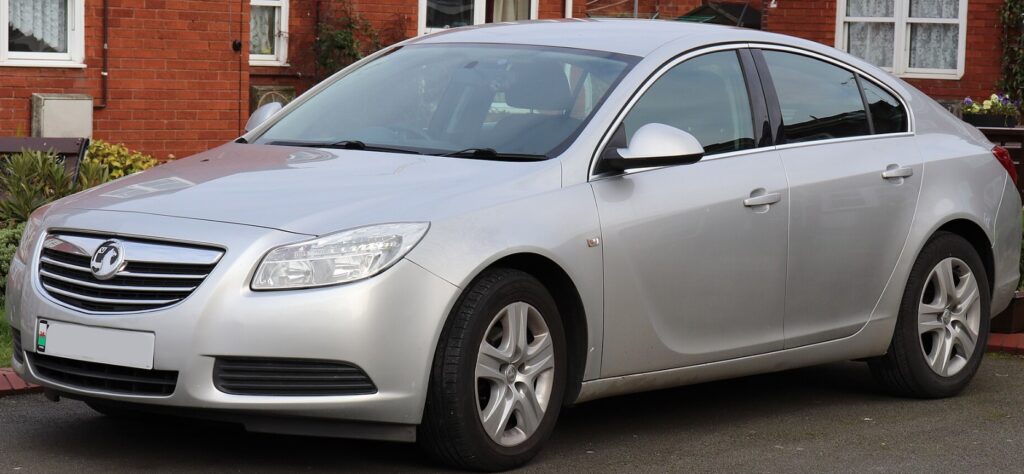
If you've started your Vauxhall Insignia only to be greeted by Code 55 on the dashboard, you're probably wondering whether it's safe to keep driving or if an expensive repair is around the corner. The good news is that Code 55 doesn't always mean your diesel particulate filter (DPF) needs replacing. In many cases, it's simply your car asking for help completing a regeneration cycle.
Modern diesel engines are packed with technology designed to reduce emissions, and the DPF is one of the most important components. Like a vacuum cleaner bag, however, it eventually fills with soot and needs to clean itself. When that process fails repeatedly, the vehicle displays Code 55 to let you know it's time to take action.
In this guide, we'll explain exactly what Vauxhall Insignia Code 55 means, why it appears, how to fix it, and how to stop it from returning.
Content in this publication
- What Does Vauxhall Insignia Code 55 Mean?
- How the Diesel Particulate Filter Works
- Types of DPF Regeneration
- Common Causes of Code 55
- Symptoms That Often Accompany Code 55
- Can You Keep Driving with Code 55?
- How to Clear Code 55
- When Regeneration Doesn't Work
- Professional Diagnosis
- Can the DPF Be Cleaned?
- When Does the DPF Need Replacement?
- How Much Does It Cost to Fix Code 55?
- How to Prevent Code 55
- Common Myths About Code 55
- Final Thoughts
What Does Vauxhall Insignia Code 55 Mean?
Code 55 is a warning related to the Diesel Particulate Filter (DPF). It generally indicates that the filter has accumulated a high level of soot and requires regeneration before it becomes completely blocked.
The engine management system continuously monitors soot levels using pressure sensors and calculated values. When soot reaches a certain threshold, the vehicle attempts an automatic regeneration. If several regeneration attempts fail, Code 55 appears on the dashboard.
Think of it as your car saying:
"I can still fix this myself—but I need the right driving conditions."
Ignoring the warning for too long may eventually trigger limp mode or more serious fault codes.
How the Diesel Particulate Filter Works
Before fixing Code 55, it's helpful to understand the DPF's job.
The DPF traps microscopic soot particles created during diesel combustion. Without it, these particles would be released into the atmosphere.
Over time the filter fills with soot. To clean itself, it performs a regeneration process by raising exhaust temperatures high enough to burn the soot into fine ash.
This process usually happens automatically while driving.
Types of DPF Regeneration
Passive Regeneration
Passive regeneration happens naturally during long motorway journeys.
When engine temperatures remain high for an extended period, soot burns away without the driver noticing.
Ideal conditions include:
- Steady speeds
- Higher engine temperatures
- Continuous driving
- Moderate engine load
Active Regeneration
If passive regeneration hasn't occurred recently, the ECU starts an active regeneration.
To increase exhaust temperatures, it may:
- Inject additional fuel
- Raise idle speed slightly
- Adjust turbo operation
- Increase exhaust gas temperatures
The process usually lasts between 10 and 25 minutes.
Forced Regeneration
If soot levels become excessive, automatic regeneration is no longer possible.
A technician must perform a forced regeneration using professional diagnostic equipment.
Common Causes of Code 55
Several issues can prevent successful DPF regeneration.
1. Too Many Short Trips
This is the most common reason.
Short urban journeys never allow the exhaust to reach regeneration temperature.
You may be interested in reading Vauxhall Insignia Clutch Master Cylinder Replacement: Complete Guide to Symptoms, Costs, and DIY Tips
Instead of burning away, soot gradually accumulates until Code 55 appears.
2. Interrupted Regeneration
Many drivers unknowingly interrupt regeneration.
For example:
- Turning the engine off after arriving home
- Stopping during a regeneration cycle
- Frequent stop-and-go traffic
Each interruption leaves more soot inside the filter.
3. Faulty DPF Pressure Sensor
The pressure sensor measures airflow through the filter.
If it reports incorrect values, the ECU may believe the DPF is blocked even when it isn't.
Symptoms include:
- Engine warning light
- Incorrect soot readings
- Poor regeneration performance
4. Failed Temperature Sensors
The engine computer depends on exhaust temperature sensors.
If one fails, regeneration cannot begin safely.
5. Worn Glow Plugs
Many diesel engines use glow plugs during regeneration.
Faulty plugs can prevent regeneration entirely.
6. EGR Valve Problems
A sticking Exhaust Gas Recirculation valve increases soot production.
More soot means the DPF fills faster than normal.
7. Low-Quality Fuel
Poor-quality diesel creates more particulate matter.
Premium diesel fuels often contain cleaning additives that help reduce soot formation.
Symptoms That Often Accompany Code 55
Besides the dashboard message, you may notice:
- Reduced engine performance
- Increased fuel consumption
- Cooling fan running after shutdown
- Higher idle speed
- DPF warning light
- Engine management light
- Limited acceleration
- Exhaust smell during regeneration
Some drivers also report the car feeling sluggish when climbing hills.
Can You Keep Driving with Code 55?
Usually yes—but only if you respond quickly.
If the vehicle still drives normally and no red warning lights appear, you should perform a regeneration drive as soon as possible.
Ignoring Code 55 can eventually lead to:
- Completely blocked DPF
- Limp mode
- Turbocharger strain
- Higher exhaust backpressure
- Costly repairs
The sooner you act, the cheaper the solution usually becomes.
How to Clear Code 55
One of the simplest fixes is allowing the DPF to regenerate naturally.
A typical regeneration drive includes:
You may be interested in readingVauxhall Insignia Clutch Master Cylinder Replacement: Complete Guide to Symptoms, Costs, and DIY TipsYou may be interested in reading
Vauxhall Insignia Clutch Replacement: Complete Guide to Costs, Symptoms, and What to Expect- Warm the engine completely.
- Drive on a motorway or dual carriageway.
- Maintain around 2,000–2,500 RPM.
- Continue driving for approximately 20–30 minutes.
- Avoid stopping unless necessary.
Many owners find the warning disappears once regeneration completes successfully.
When Regeneration Doesn't Work
Sometimes the warning remains after several motorway drives.
Possible reasons include:
- Excessive soot loading
- Sensor faults
- Software issues
- Injector problems
- Turbocharger faults
- Air leaks
- Blocked EGR valve
At this point a professional diagnostic scan is recommended.
Professional Diagnosis
A workshop will usually check:
- DPF differential pressure
- Exhaust temperatures
- Soot load percentage
- Ash accumulation
- Fault codes
- Injector correction values
- Turbo boost
- Sensor readings
This identifies whether the problem is the filter itself or another engine component.
Can the DPF Be Cleaned?
Yes.
Depending on its condition, technicians may use:
- Forced regeneration
- Chemical cleaning
- Off-car professional cleaning
- Thermal cleaning
Cleaning is often significantly cheaper than replacing the entire filter.
When Does the DPF Need Replacement?
Replacement becomes necessary when:
- Ash accumulation reaches maximum capacity.
- Internal ceramic material cracks.
- The filter melts from overheating.
- Previous cleaning attempts fail.
Fortunately, most Code 55 warnings occur long before replacement becomes necessary.
How Much Does It Cost to Fix Code 55?
Typical repair costs vary depending on the cause.
Approximate estimates include:
- Diagnostic scan: £40–£100
- Forced regeneration: £80–£180
- DPF cleaning: £150–£350
- Pressure sensor replacement: £70–£180
- Temperature sensor replacement: £80–£220
- DPF replacement: £700–£2,000+
Early intervention almost always reduces repair costs.
How to Prevent Code 55
Prevention is much easier than repair.
We recommend:
- Drive on the motorway every few weeks.
- Avoid constant short journeys.
- Use quality diesel fuel.
- Change engine oil on schedule.
- Repair engine faults promptly.
- Don't interrupt regeneration unnecessarily.
- Keep sensors functioning correctly.
- Service the EGR system when needed.
Small habits today can save thousands in repairs later.
Common Myths About Code 55
"The DPF must be replaced."
Not true. Most cases only require successful regeneration.
"Fuel additives always solve the problem."
Additives may help but won't repair faulty sensors or damaged filters.
"Deleting the DPF is the best solution."
Removing the DPF is illegal in many countries and can cause MOT failures, emissions issues, insurance complications, and legal penalties.
Final Thoughts
Seeing Vauxhall Insignia Code 55 can feel alarming, but it's often more of a warning than a disaster. In most situations, the code simply tells us that the diesel particulate filter has become heavily loaded with soot and needs a successful regeneration. Acting promptly can prevent the warning from escalating into expensive repairs.
The key is understanding your driving habits. Frequent short trips, interrupted regeneration cycles, or neglected maintenance can all contribute to DPF issues. By giving your Insignia regular longer drives, keeping up with servicing, and addressing engine faults early, you can dramatically reduce the chances of Code 55 returning.
Treat Code 55 as an early reminder rather than a final verdict. With timely action, many drivers restore normal operation without replacing the DPF, keeping their Insignia running efficiently for many more miles.
You may be interested in readingVauxhall Insignia Clutch Master Cylinder Replacement: Complete Guide to Symptoms, Costs, and DIY TipsYou may be interested in reading
Vauxhall Insignia Clutch Replacement: Complete Guide to Costs, Symptoms, and What to ExpectYou may be interested in reading
Vauxhall Insignia Oil Type: The Complete Guide to Choosing the Right Engine OilIf you want to know other articles similar to Vauxhall Insignia Code 55: Meaning, Causes, Fixes, and How to Prevent DPF Problems you can visit the category Service and Parts.
Audi A4 Fuel Tank Capacity: Complete Guide by Generation
Audi A4 Towing Capacity: Complete Guide for Safe Towing
Audi A4 Service Reset: Complete Guide for Every Generation
Audi A4 Weight: Complete Guide by Model, Generation, and Drivetrain
Audi A4 Tyre Size: Complete Fitment and Buying Guide

Hyundai Palisade Tyre Size: Complete Wheel and Tyre Guide
Leave a Reply
More content of your interest