

Citroen C1 Indicators Not Working: A Practical Fix-It Guide for Real Drivers

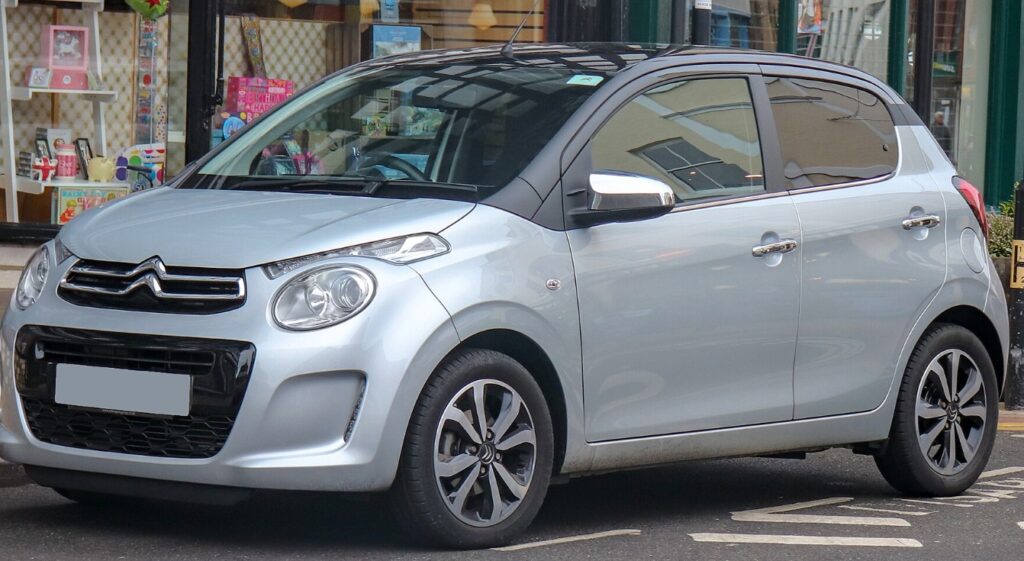
When our Citroen C1 indicators are not working, it can feel like the car has suddenly forgotten how to speak. Indicators are the little blinking language we use to tell everyone else, “We’re turning here,” “We’re changing lanes,” or “Something’s wrong, give us space.” So when they stop flashing, blink too fast, stay solid, or refuse to work on one side, it is not just annoying. It is a safety issue, a legal issue, and, honestly, a headache we would rather solve quickly.
The good news? Indicator problems on a Citroen C1 are usually not mysterious black magic. Most faults come from a handful of common suspects: a blown bulb, a tired fuse, a faulty indicator stalk, a bad earth connection, a flasher relay issue, moisture in the lamp unit, or wiring that has seen better days. Think of the system like a chain of Christmas lights. If one part fails, the whole show can look strange.
In this guide, we are going to walk through the problem in plain English. No overcomplicated mechanic talk. No pretending every fix needs a specialist scanner. Just a realistic, step-by-step look at why your Citroen C1 indicators are not working and what we can do about it.
Content in this publication
- Why Citroen C1 Indicators Matter More Than We Think
- Common Symptoms of Citroen C1 Indicator Problems
- First Safety Check Before Diagnosing the Indicators
- How the Citroen C1 Indicator System Works
- Check the Indicator Bulbs First
- Inspect the Bulb Holders and Contacts
- Check the Citroen C1 Indicator Fuse
- Do the Hazard Lights Work?
- The Indicator Stalk: A Common Suspect
- Flasher Relay or Control Module Issues
- Wiring Faults and Loose Connectors
- Bad Earth Connections: The Sneaky Culprit
- Water Ingress in Citroen C1 Lights
- Dashboard Indicator Light Not Working
- Citroen C1 Indicators Not Working After Battery Change
- Citroen C1 Indicators Not Working After Bulb Replacement
- DIY Diagnostic Checklist for Citroen C1 Indicator Problems
- Tools That May Help With Diagnosis
- When the Problem Is the Indicator Stalk
- How Much Could It Cost to Fix Citroen C1 Indicators?
- Can We Drive With Indicators Not Working?
- Citroen C1 Indicator Problems and MOT Failure
- Preventing Future Indicator Faults
- Citroen C1 Indicators Not Working on One Side Only
- Citroen C1 Indicators Clicking But Not Flashing
- Citroen C1 Indicators Flashing Too Fast After LED Bulbs
- When to Call a Mechanic
- Final Thoughts: Let’s Get That Little Blink Back
- FAQs About Citroen C1 Indicators Not Working
Why Citroen C1 Indicators Matter More Than We Think
Indicators are small, but they carry a lot of responsibility. On a compact city car like the Citroen C1, we use them constantly: pulling out of parking spaces, weaving through roundabouts, joining traffic, turning into tight streets, and navigating supermarket car parks where everyone seems to move like chess pieces with wheels.
When they stop working, other drivers have to guess what we are doing. And guessing on the road is like playing cards with the lights off. It might work once, but sooner or later, someone gets surprised.
Faulty indicators can also lead to MOT failure in the UK and similar roadworthiness issues elsewhere. Even if the car drives perfectly, broken indicators can make it legally unsafe. So this is one of those jobs worth dealing with sooner rather than later.
Common Symptoms of Citroen C1 Indicator Problems
Before we grab tools or start buying parts, we need to identify the symptom. The way the indicators fail gives us clues.
One Side of the Indicators Does Not Work
If the left indicators work but the right side does not, or the other way around, the problem may be linked to:
- A blown bulb on that side
- A faulty lamp holder
- Corroded contacts
- Damaged wiring
- A poor earth connection
- A faulty indicator stalk
This is one of the most common situations. The car is basically saying, “Half of me still understands the assignment.”
All Indicators Have Stopped Working
If none of the indicators work at all, we should look at broader parts of the system. Possible causes include:
- Blown fuse
- Failed hazard switch
- Faulty flasher relay or body control module issue
- Indicator stalk failure
- Wiring or connector fault
- Battery or electrical supply issue
When everything stops at once, it is less likely to be a bulb and more likely to be a shared component.
Indicators Flash Too Fast
A fast blinking indicator is usually the car’s way of waving a little warning flag. This often means one bulb has blown or the circuit resistance has changed.
Common causes include:
- Blown front or rear indicator bulb
- Incorrect bulb fitted
- LED bulb installed without proper resistor
- Corroded bulb holder
- Poor connection inside the lamp unit
Fast flashing is not random. It is the electrical system reacting to a change, like a drummer speeding up when one band member disappears.
Indicators Stay On Solid Without Flashing
If the indicator light comes on but does not blink, the issue may involve:
- Flasher relay fault
- Hazard switch fault
- Wiring short
- Incorrect bulb
- Fault inside the indicator stalk
- Control module issue
A solid light usually means power is present, but the flashing function is not working properly.
Hazard Lights Work But Indicators Do Not
This is an important clue. If the hazards work but the left and right indicators do not, the bulbs and much of the wiring may be okay. The problem could be:
- Indicator stalk
- Steering column switch assembly
- Fuse related to the indicator circuit
- Communication issue in later models
- Bad connector behind the steering wheel area
In simple terms, the lamps can blink, but the command from the stalk is not reaching them.
Indicators Work Sometimes and Fail Sometimes
Intermittent faults can be the most frustrating. They appear, vanish, and then return right when we think everything is fine.
Possible causes include:
- Loose connector
- Worn indicator stalk contacts
- Moisture inside lamp housing
- Corroded earth point
- Chafed wire
- Weak fuse connection
Intermittent electrical faults are like shy ghosts. They rarely appear when we want them to.
First Safety Check Before Diagnosing the Indicators
Before touching bulbs, fuses, or wiring, we should park safely, switch the ignition off, and make sure the car cannot roll. If we are working near the battery or steering column, extra care matters.
Basic Safety Steps
Follow these simple precautions:
- Park on level ground
- Turn off the ignition
- Remove the key
- Let bulbs cool before touching them
- Avoid pulling wires aggressively
- Disconnect the battery if working near the steering column
- Use gloves if handling glass bulbs
We do not need to act like we are defusing a bomb, but car electrics deserve respect.
How the Citroen C1 Indicator System Works
The Citroen C1 is a simple, lightweight city car, but its electrical system still relies on several components working together.
The Main Parts of the Indicator Circuit
The system normally includes:
- Indicator stalk or steering column switch
- Front indicator bulbs
- Rear indicator bulbs
- Side repeater indicators
- Hazard warning switch
- Fuses
- Wiring loom
- Earth points
- Relay or control module depending on model year
When we move the stalk, it sends a signal. That signal allows current to flow to the selected side. The bulbs flash in a controlled rhythm. If one part of that journey fails, the blinking stops, changes speed, or behaves strangely.
Why Small Electrical Faults Cause Big Confusion
Car indicators use low-voltage electrical circuits. That means even small corrosion, moisture, or loose contact can cause trouble. A bulb holder with a bit of greenish corrosion can behave like a locked gate. Power wants to pass, but it cannot do it cleanly.
That is why visual inspection is so powerful. Sometimes the answer is sitting right there in front of us, dusty and slightly rusty.
Check the Indicator Bulbs First
When Citroen C1 indicators are not working, bulbs are the easiest place to start. They are affordable, accessible, and commonly responsible.
Signs of a Blown Indicator Bulb
A blown bulb may show:
- Broken filament inside the glass
- Blackened or smoky glass
- No light from one corner of the car
- Fast flashing on the dashboard
- Warning during MOT inspection
Even if the bulb looks fine, it can still be faulty. Sometimes the filament breaks in a way that is hard to see.
Front Indicator Bulb Check
The front indicators are usually located inside the headlamp area or separate lamp cluster, depending on the model year. Access may be tight, because the C1 is compact and the engine bay does not exactly feel like a ballroom.
We should remove the bulb carefully, inspect the contacts, and check whether the bulb is the correct type. If unsure, compare it with the working side.
Rear Indicator Bulb Check
Rear indicator faults are common because rear lamp clusters face water, vibration, and years of boot-slamming life. Remove the rear lamp unit or access panel, depending on the version, and check the bulb.
Look for:
- Burnt bulb
- Loose bulb
- Melted plastic
- Dirty contact pins
- Water marks inside the lamp
- Green corrosion around the holder
If the rear indicator bulb is dead, replace it with the correct specification. Do not force a similar-looking bulb if it does not match. Wrong bulbs can create wrong resistance, poor fitment, or strange flashing behavior.
Side Repeater Indicator Check
The side repeater is easy to forget. It is the little indicator on the wing or mirror area, depending on model. If it fails, the rest may still work, but the car may not pass inspection.
Side repeaters can suffer from water ingress, cracked lenses, or loose connectors. If the side repeater is dim or dead, check the bulb or unit.
Inspect the Bulb Holders and Contacts
A new bulb will not help much if the holder is dirty, loose, or corroded. This is like putting fresh batteries into a remote control with rusty terminals.
What Corrosion Looks Like
Corrosion may appear as:
- Green powder
- White crust
- Blackened metal
- Dull contact surfaces
- Moisture marks
- Rust stains
A small amount can sometimes be cleaned. Heavy corrosion may require a replacement bulb holder or lamp unit.
How to Clean Indicator Contacts
We can gently clean contacts using electrical contact cleaner and a soft brush. Avoid scraping too aggressively because contact points are small and can bend.
A careful cleaning process:
- Switch off the ignition.
- Remove the bulb.
- Inspect the holder.
- Spray a small amount of contact cleaner.
- Let it dry.
- Refit the bulb securely.
- Test the indicator.
If the bulb feels loose in the holder, that looseness can break the circuit when driving over bumps. In that case, replacement is usually better than constant fiddling.
Check the Citroen C1 Indicator Fuse
If multiple indicators fail, a fuse check makes sense. Fuses are small protective devices that break the circuit when too much current flows. They are sacrificial heroes, tiny guards standing between a fault and bigger damage.
Where to Look for the Fuse
The Citroen C1 may have fuse boxes in the cabin and engine bay, depending on model year. The exact layout can vary, so we should use the owner’s manual or fuse box diagram.
Look for fuses related to:
- Turn signals
- Hazard lights
- Lighting
- Body electrical systems
- Instrument panel systems
How to Tell If a Fuse Is Blown
A blade fuse usually has a small metal strip visible through the plastic. If the strip is broken, the fuse is blown.
A blown fuse can cause:
- No indicators
- No hazards
- Dashboard indicator failure
- Related electrical items not working
Replace it only with the same amp rating. Do not upgrade to a higher amp fuse “just to see.” That is how small problems become expensive smoke stories.
What If the New Fuse Blows Again?
If a replacement fuse blows immediately, there is likely a short circuit. This can be caused by damaged wiring, water ingress, or a faulty component.
At that stage, we should stop replacing fuses repeatedly. A fuse that keeps blowing is not the disease; it is the symptom.
Do the Hazard Lights Work?
The hazard switch can tell us a lot. Press it and walk around the car.
If Hazards Work Normally
If all hazard lights flash correctly, then the bulbs, many wires, and some control elements are likely okay. The issue may be closer to:
- Indicator stalk
- Steering column wiring
- Indicator switch contacts
- Fuse linked specifically to indicators
This is a useful narrowing step.
If Hazards Do Not Work Either
If hazards and indicators both fail, the problem may be more central:
- Main fuse
- Hazard switch
- Relay/control module
- Power supply
- Shared wiring fault
In many cars, the hazard switch is part of the indicator circuit logic. If it fails internally, it can affect turn signals too.
The Indicator Stalk: A Common Suspect
The indicator stalk is the lever we use every day without thinking. Over years, the internal contacts wear down. We flick it left, right, cancel it after turns, tap it halfway, and sometimes use it with less-than-gentle hands. Eventually, it can get tired.
Symptoms of a Faulty Indicator Stalk
A failing Citroen C1 indicator stalk may cause:
- Indicators not working on one side
- Indicators working only when stalk is held in a certain position
- Clicking but no lights
- No dashboard indicator flash
- Headlight or wiper issues if part of a combined switch unit
- Intermittent indicator function
- Stalk feels loose or unusual
If moving the stalk slightly makes the indicators work briefly, that is a strong clue.
Why the Stalk Fails
Inside the stalk are small contacts and moving parts. Over time, they can wear, collect dirt, or lose proper connection. It is not dramatic. It is just mechanical life.
The Citroen C1 shares platform DNA with the Peugeot 107 and Toyota Aygo, so similar steering column switch issues can appear across these small city cars.
Can We Replace the Indicator Stalk Ourselves?
Some confident DIYers can replace the stalk assembly, but caution is important because the steering column area may involve airbag components. If we are not comfortable working around steering wheel electrics, it is better to let a mechanic handle it.
When replacing the stalk, always match the correct part for the year, trim, and features. A stalk from a similar-looking car may not always be identical.
Flasher Relay or Control Module Issues
Older vehicles often use a dedicated flasher relay. Newer cars may control indicator flashing through an electronic module. Depending on your Citroen C1 model year, the system may differ.
Signs of Relay or Module Trouble
Possible symptoms include:
- No clicking sound
- Indicators stay solid
- Indicators do not work but bulbs are fine
- Hazards behave strangely
- Flash rate is inconsistent
- Multiple lighting issues appear together
A failed relay can be simple to replace if accessible. A module fault may require diagnostic equipment.
Do All Citroen C1 Models Have a Separate Relay?
Not always. Some systems are integrated into a body control unit or related electronic assembly. That means we should avoid guessing blindly and throwing parts at the car. A wiring diagram or proper diagnosis saves money.
Wiring Faults and Loose Connectors
Wiring faults are less glamorous than bad bulbs, but they can cause serious frustration.
Where Wiring Problems Often Appear
On a Citroen C1, we should pay attention to:
- Rear lamp connectors
- Front lamp connectors
- Side repeater wiring
- Fuse box connectors
- Steering column connector
- Areas exposed to water
- Wiring near repaired accident damage
Wires can chafe, connectors can loosen, and plastic clips can break with age.
Signs of a Wiring Issue
A wiring fault may show up as:
- Indicator works after tapping the lamp
- Indicator fails after rain
- Bulb is good but no power reaches holder
- Fuse keeps blowing
- Light works intermittently over bumps
- Multiple lamps behave strangely
If a multimeter shows no voltage at the bulb holder while the indicator is activated, we know power is not reaching that point.
Bad Earth Connections: The Sneaky Culprit
A poor earth connection can make car lights behave like they are haunted. One bulb may glow dimly, another may flash strangely, and sometimes brake lights or tail lights interfere with indicators.
Symptoms of a Bad Earth
Look for:
- Dim indicator light
- Indicators flash when brake is pressed
- Rear lights flicker together
- Dashboard warning behaves oddly
- One side works weakly
- Bulbs are good but unreliable
A bad earth is basically the circuit struggling to complete its return path. Electricity needs a full loop. Without a good earth, it wanders around like someone looking for a lost house key.
How to Check Earth Points
Inspect the earth wire near the affected lamp. Check for rust, loose bolts, broken wires, or corrosion. Cleaning and tightening the earth point can sometimes restore normal function instantly.
Water Ingress in Citroen C1 Lights
Small cars live hard lives. They sit in rain, squeeze into tight spaces, and sometimes develop leaks around lamp seals. Water inside a lamp unit is bad news for indicators.
How Moisture Affects Indicators
Water can cause:
- Corrosion
- Short circuits
- Blown bulbs
- Flickering
- Dim lights
- Repeated fuse failure
If we see condensation inside the lamp, we should not ignore it. A little mist after temperature changes may happen, but standing water or repeated heavy condensation points to a sealing problem.
Fixing Water in the Lamp Unit
Depending on severity, we may need to:
- Dry the lamp
- Replace seals
- Clean contacts
- Replace the bulb holder
- Replace the lamp unit
A repaired electrical contact will fail again if the water source remains. That is like mopping the floor while the tap is still running.
Dashboard Indicator Light Not Working
Sometimes the outside indicators work, but the dashboard arrow does not flash. This can make us think the indicators are dead when they are actually working outside.
What This Could Mean
Possible causes include:
- Instrument cluster issue
- Internal dashboard bulb or LED fault
- Communication fault
- Partial electrical issue
Always check the outside lights physically before assuming the whole system is broken. Turn on the indicator and walk around the car, or ask someone to look.
Citroen C1 Indicators Not Working After Battery Change
If the issue appeared after a battery replacement, the timing matters.
Possible Causes After Battery Work
Look for:
- Loose battery terminal
- Blown fuse from accidental short
- Electrical reset issue
- Disturbed wiring near fuse box
- Weak replacement battery
- Poor ground connection
Modern car electrics can act strangely when voltage is unstable. A weak or poorly connected battery may cause more than just starting problems.
Citroen C1 Indicators Not Working After Bulb Replacement
If the indicators stopped working right after replacing a bulb, the new bulb or installation may be the problem.
What to Recheck
Inspect the following:
- Correct bulb type
- Bulb inserted properly
- Holder locked into place
- Contacts not bent
- Connector reattached
- No wires pulled loose
- Bulb not damaged during fitting
Sometimes the simplest answer is also the most annoying: the bulb was fitted slightly wrong.
DIY Diagnostic Checklist for Citroen C1 Indicator Problems
Here is a practical order we can follow without getting lost.
Step-by-Step Indicator Fault Checklist
- Check which indicators are not working.
- Test the hazard lights.
- Inspect the front, rear, and side indicator bulbs.
- Replace any blown bulbs with correct parts.
- Check bulb holders for corrosion.
- Clean contacts if needed.
- Check the relevant fuse.
- Look for water inside lamp units.
- Inspect rear and front lamp connectors.
- Test for poor earth symptoms.
- Move the indicator stalk gently and observe changes.
- Check if other steering column functions are faulty.
- Use a multimeter if comfortable.
- Seek professional diagnosis if fuses keep blowing.
- Replace the faulty component only after confirming the cause.
This order helps us avoid buying an indicator stalk when the real problem is a £2 bulb.
Tools That May Help With Diagnosis
We do not need a full workshop, but a few basic tools can make life easier.
Useful Tools for Indicator Troubleshooting
- Owner’s manual
- Replacement bulbs
- Fuse puller
- Spare fuses
- Electrical contact cleaner
- Torch
- Gloves
- Multimeter
- Small screwdriver
- Trim removal tool
A multimeter is especially useful because it tells us whether power is reaching the bulb holder. Without one, we are mostly guessing.
When the Problem Is the Indicator Stalk
If bulbs, fuses, holders, earth points, and hazards all point toward the stalk, replacement may be needed.
Before Replacing the Stalk
Confirm these points:
- Bulbs are working
- Hazards flash correctly
- Fuse is intact
- Connectors are secure
- Fault changes when stalk is moved
- Other lights controlled by the stalk may also act up
A bad stalk is common enough to consider, but we should still diagnose first.
Professional Replacement vs DIY
DIY may save money, but the steering column area deserves caution. If the job involves removing trim only, it may be manageable. If the airbag or steering wheel must be handled, professional help is safer.
How Much Could It Cost to Fix Citroen C1 Indicators?
Costs vary depending on location, labour rates, model year, and whether we use genuine, aftermarket, or used parts.
Typical Repair Cost Categories
Small fixes may include:
- Indicator bulb replacement
- Fuse replacement
- Contact cleaning
- Bulb holder replacement
Moderate fixes may include:
- Rear lamp unit replacement
- Side repeater replacement
- Hazard switch replacement
- Indicator stalk replacement
More complex fixes may include:
- Wiring repair
- Earth repair
- Module diagnosis
- Fuse box issue
- Body control unit investigation
The cheapest fix is often a bulb. The most expensive path is guessing wrong and replacing parts blindly. Diagnosis is the money-saving part.
Can We Drive With Indicators Not Working?
Technically, the car may still move. Practically, it is a bad idea. Driving without working indicators puts us and others at risk. It also exposes us to legal trouble.
What to Do If You Must Move the Car
If we absolutely need to move it a short distance:
- Avoid busy roads
- Use clear hand signals where legal and safe
- Drive slowly and predictably
- Avoid sudden lane changes
- Repair the fault as soon as possible
But this should be a temporary emergency measure, not a daily workaround.
Citroen C1 Indicator Problems and MOT Failure
In the UK, indicators must work correctly for MOT standards. They must flash at the proper rate, be visible, and operate as intended. A dead indicator, missing side repeater, wrong colour, or erratic flashing can cause failure.
MOT failures may happen because of:
- Blown bulb
- Fast flashing
- Damaged lens
- Water-filled lamp
- Incorrect bulb colour
- Weak or dim output
- Side repeater not working
- Hazard lights failing
If your MOT is coming up, do not leave indicator checks until the morning of the test. That is how we end up panic-buying bulbs before breakfast.
Preventing Future Indicator Faults
We cannot stop every electrical problem, but we can reduce the chances.
Simple Prevention Tips
- Check lights monthly
- Replace bulbs in pairs if ageing
- Fix cracked lenses quickly
- Keep lamp seals in good condition
- Avoid pressure-washing directly into lamp edges
- Clean corrosion early
- Do not ignore fast flashing
- Use correct bulbs only
- Inspect after minor bumps or repairs
A two-minute light check can save us a failed MOT, a roadside warning, or a near miss.
Citroen C1 Indicators Not Working on One Side Only
This deserves its own section because it is such a common problem.
Most Likely Causes
If only one side fails, start with:
- Front indicator bulb on that side
- Rear indicator bulb on that side
- Side repeater on that side
- Bulb holder corrosion
- Bad earth connection
- Stalk contact fault
- Wiring to that side
If the dashboard flashes quickly, suspect a bulb or connection. If nothing happens at all on that side, suspect stalk, fuse path, or wiring.
Citroen C1 Indicators Clicking But Not Flashing
A clicking sound can be misleading. It tells us the system is trying to work, but not necessarily succeeding.
Possible Reasons
This can happen because of:
- Bulb failure
- Poor bulb contact
- Faulty relay
- Weak power supply
- Bad earth
- Damaged wiring
Walk around the car and see what is actually flashing. The dashboard click is only part of the story.
Citroen C1 Indicators Flashing Too Fast After LED Bulbs
Many drivers install LED bulbs because they look sharper or last longer. But indicators are sensitive to resistance.
Why LEDs Can Cause Hyper-Flashing
LEDs draw less current than traditional bulbs. The car may interpret this as a blown bulb, causing rapid flashing.
How to Fix LED Hyper-Flashing
Possible solutions include:
- Fit standard halogen bulbs
- Use CANbus-compatible LED bulbs
- Add proper load resistors
- Use an appropriate relay if applicable
For most drivers, the simplest fix is to return to the correct standard bulb type.
When to Call a Mechanic
We can handle bulbs, fuses, and visual checks. But some situations call for professional diagnosis.
Get Help If
Call a mechanic or auto electrician if:
- Fuses keep blowing
- Wiring looks damaged
- Indicators fail intermittently with no clear cause
- Steering column work is needed
- Water damage is severe
- Multiple electrical systems are failing
- You are unsure about airbag-related areas
There is no shame in calling help. The real mistake is turning a small electrical issue into a bigger one by poking blindly.
Final Thoughts: Let’s Get That Little Blink Back
When our Citroen C1 indicators are not working, it can feel like a tiny fault with a big attitude. But most of the time, the cause is logical. A bulb burns out. A contact corrodes. A fuse gives up. A stalk wears down. A wire loosens. The trick is to follow the clues instead of guessing.
Start with the easy checks: bulbs, holders, fuses, hazards, and visible corrosion. Then move toward the stalk, wiring, earth points, and control components. Think of it like following footprints in the snow. Each symptom points somewhere.
The Citroen C1 is a simple, friendly little car, and many indicator faults can be solved without drama. Once the blinkers are back, the car can speak to traffic again. And honestly, that little tick-tock sound is oddly satisfying when we know everything is working as it should.
FAQs About Citroen C1 Indicators Not Working
Why are my Citroen C1 indicators flashing fast?
Fast flashing usually means one of the indicator bulbs has blown or the circuit has poor contact. It can also happen if the wrong bulb type is fitted or LED bulbs are installed without proper resistance.
Why do my hazard lights work but my indicators do not?
If the hazards work but the indicators do not, the bulbs and much of the wiring may be fine. The fault could be with the indicator stalk, steering column switch, fuse, or a related connector.
Can a blown fuse stop Citroen C1 indicators from working?
Yes, a blown fuse can stop the indicators from working, especially if multiple indicators fail at once. Always replace a fuse with the same amp rating and investigate further if it blows again.
Is a faulty indicator stalk common on a Citroen C1?
It can happen, especially as the car ages. Symptoms include indicators working intermittently, one side failing, or the lights only working when the stalk is held in a certain position.
Will faulty indicators fail an MOT?
Yes. Indicators must work properly, flash at the correct rate, and be visible. A blown bulb, fast flashing, failed side repeater, or non-working hazard lights can cause an MOT failure.
If you want to know other articles similar to Citroen C1 Indicators Not Working: A Practical Fix-It Guide for Real Drivers you can visit the category Common Problems.
Volvo XC40 Sound Not Working? Complete Troubleshooting Guide

Mazda Diesel Engine Problems: Common Faults and Fixes
Volkswagen Key Not Detected or No Key Error: Causes and Fixes

Volvo S90 Common Problems: Reliability & Repair Guide
Volvo S90 No Sound: Causes, Fixes and Solutions

Nissan Rogue Smells Like Gas: Causes and Fixes
Leave a Reply
More content of your interest