
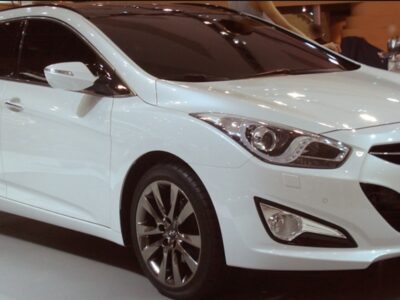
Hyundai i40 vs Peugeot 508: Which Used Car Is Better?

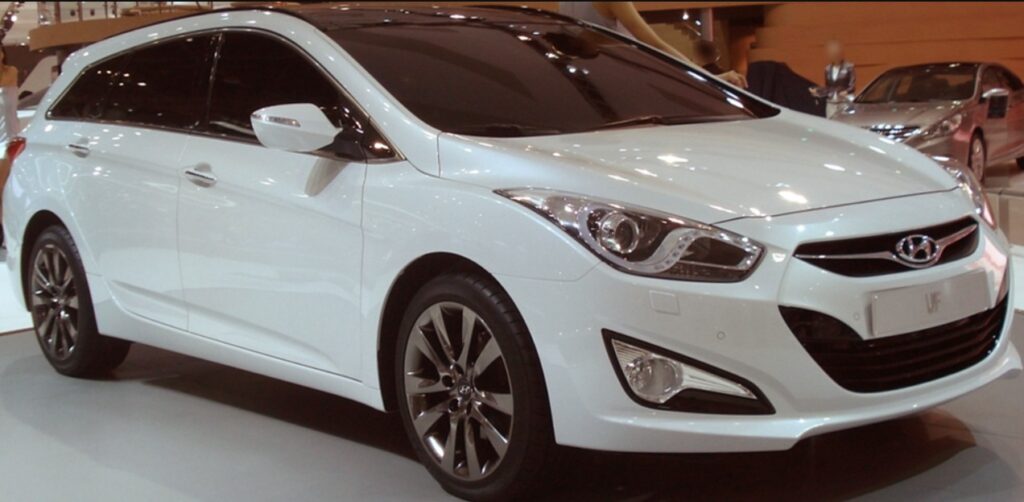
The Hyundai i40 vs Peugeot 508 comparison is more interesting than it initially appears. Both cars were created for drivers who wanted executive-car comfort without paying premium-brand prices. Both offer spacious cabins, economical diesel engines, long-distance refinement, and generous equipment. Yet they approach the same mission from completely different directions.
The Hyundai i40 is the sensible friend who arrives early, remembers the shopping list, and never causes unnecessary drama. The Peugeot 508 is the stylish friend who turns up wearing a tailored jacket and somehow makes an ordinary journey feel like an occasion.
So, which one should we buy?
The answer depends heavily on the generation being considered. The Hyundai i40 was sold mainly as one generation, introduced in Europe in 2011 and later updated. The Peugeot 508 appeared in two distinctly different forms: the conservative first-generation model launched in 2011 and the dramatically styled second-generation fastback introduced in 2018.
That difference matters. Comparing an early Hyundai i40 with a first-generation Peugeot 508 creates a relatively even contest. Placing the i40 beside a second-generation 508 is more like comparing a comfortable traditional saloon with a newer, sportier and more technologically advanced grand tourer.
Let us break down the differences and discover which car deserves a place on our driveway.
Content in this publication
- Hyundai i40 vs Peugeot 508 at a Glance
- Understanding the Generations
- Exterior Design: Conservative or Charismatic?
- Interior Design and Perceived Quality
- Passenger Space and Everyday Comfort
- Boot Space and Practicality
- Engine Choices
- Hyundai i40 Engines
- First-Generation Peugeot 508 Engines
- Second-Generation Peugeot 508 Engines
- Fuel Economy and Running Costs
- Driving Experience
- Ride Comfort and Motorway Refinement
- Technology and Equipment
- Safety Comparison
- Reliability and Common Used-Car Concerns
- Manual vs Automatic Gearboxes
- Which Car Is Better for Motorway Driving?
- Which Car Is Better for City Driving?
- Hyundai i40 vs Peugeot 508 Estate Models
- Used Prices and Value for Money
- What to Check Before Buying Either Car
- Who Should Buy the Hyundai i40?
- Who Should Buy the Peugeot 508?
- Hyundai i40 vs Peugeot 508: Final Verdict
- Frequently Asked Questions
Hyundai i40 vs Peugeot 508 at a Glance
Before exploring the details, here is the broad picture.
| Category | Hyundai i40 | Peugeot 508 |
|---|---|---|
| Overall character | Practical and reassuring | Stylish and sophisticated |
| Best body style | Tourer estate | Fastback or SW estate |
| Cabin design | Conventional and easy to use | More distinctive and driver-focused |
| Comfort | Soft and relaxed | Refined, especially on smaller wheels |
| Handling | Predictable rather than exciting | Sharper and more engaging |
| Engine highlight | 1.7 CRDi diesel | BlueHDi diesel or later plug-in hybrid |
| Rear-seat space | Generally generous | Good, but second-generation headroom is tighter |
| Ownership approach | Simpler and often cheaper | More complex but more desirable |
| Best suited to | Families and high-mileage drivers | Style-conscious motorway drivers |
| Overall advantage | Practicality and value | Design, performance and technology |
The Hyundai is usually the easier car to understand and own. The Peugeot feels more special, particularly in second-generation form, but may require a more careful purchase inspection.
Understanding the Generations
The Hyundai i40
Hyundai introduced the European-focused i40 in 2011. Buyers could choose a four-door saloon or the more popular Tourer estate. A facelift later refreshed the design, improved equipment and introduced transmission updates.
Most used examples are powered by a 1.7-litre CRDi diesel engine in different output levels. Petrol versions exist, but they are much less common in many European used-car markets.
The i40 earned a five-star Euro NCAP rating under the testing standards used when it was assessed in 2011. Its child-occupant protection score was reported at 86 percent. However, buyers should remember that an old five-star score cannot be directly compared with a modern rating because Euro NCAP requirements have become substantially tougher over time.
The First-Generation Peugeot 508
The original Peugeot 508 also arrived in 2011. It replaced the Peugeot 407 and the larger 607, attempting to blend the responsibilities of both cars into one polished package.
It was offered as a saloon and as the practical 508 SW estate. Diesel engines dominated the range, although petrol and diesel-hybrid versions were also available in certain markets.
Like the Hyundai, the first 508 achieved a five-star Euro NCAP result under the 2011 testing system.
The Second-Generation Peugeot 508
The second-generation 508, introduced in 2018, changed the formula completely. Instead of looking like a traditional family saloon, it became a low-roofed five-door fastback with frameless doors, dramatic lighting and a cockpit-style dashboard.
An SW estate followed, providing extra practicality without sacrificing much of the visual drama.
The 2018 Peugeot 508 received a five-star Euro NCAP rating. The rating covered various petrol, diesel and plug-in-hybrid versions, and Euro NCAP later confirmed its applicability to the hybrid variant after additional checks.
This newer Peugeot is more advanced than the Hyundai i40, but it is also usually considerably more expensive on the used market.
Exterior Design: Conservative or Charismatic?
Hyundai i40 Styling
The Hyundai i40 has aged reasonably well. Its flowing headlights, curved roofline and pronounced side creases give it more personality than many traditional fleet cars of its period.
The Tourer estate is arguably the most attractive version. Its long roof and neatly integrated rear section make it look balanced rather than boxy. Still, nobody is likely to stop walking and stare at an i40 parked across the street.
That is not necessarily a criticism. An understated car attracts less unwanted attention and may be easier to live with for owners who value function over fashion.
Peugeot 508 Styling
The first-generation 508 is similarly restrained, although its facelifted versions look sharper and more confident. It carries itself with a slightly more formal air than the Hyundai.
The second-generation 508, however, plays a different game. It looks low, wide and expensive. The vertical daytime-running lights resemble claw marks, while the frameless doors and fastback roofline give it the silhouette of a much more expensive car.
Park the newer Peugeot beside the i40 and the Hyundai suddenly seems dressed for a business meeting while the 508 is heading to a film premiere.
Design Winner: Peugeot 508
The Hyundai is handsome enough, but the Peugeot—especially the second generation—has far more visual impact.
Interior Design and Perceived Quality
Inside the Hyundai i40
The Hyundai cabin is straightforward. Buttons sit where we expect them to sit, the major controls are clearly labelled, and the dashboard requires almost no learning period.
That sounds unexciting, but simplicity becomes a virtue when we are driving at night, wearing gloves or trying to adjust the heating without taking our eyes off the road.
Material quality is generally respectable rather than luxurious. Higher trim levels may include leather upholstery, heated seats, navigation, a panoramic roof and other features that make the i40 feel generously equipped.
Some plastics lower down in the cabin reveal the car’s mainstream origins, while the infotainment system looks dated by current standards. Nevertheless, the interior usually feels robust.
Inside the First-Generation Peugeot 508
The original 508 has a more formal dashboard with soft-touch surfaces and a mature atmosphere. It can feel slightly more upmarket than the Hyundai, particularly in well-equipped versions.
The weakness is control placement. Depending on specification, there may be numerous buttons spread across the dashboard, steering wheel and centre console. Familiarity solves most of the confusion, but the layout is not as instantly intuitive as the Hyundai’s.
Inside the Second-Generation Peugeot 508
The newer 508 introduces Peugeot’s i-Cockpit arrangement. We get a small steering wheel, a digital instrument panel positioned above it and a central touchscreen supported by piano-key-style shortcut switches.
Visually, it is excellent. At night, the cockpit feels more like the control room of a small aircraft than the cabin of an ordinary family car.
Ergonomically, it is more controversial. Some drivers love the small steering wheel and elevated instruments. Others find that the steering wheel blocks part of the display, depending on their height and preferred seating position.
This is something we should test personally. A ten-minute test drive can answer the question more effectively than a hundred online opinions.
Interior Winner: Peugeot 508 for Design, Hyundai i40 for Simplicity
The Peugeot feels more special. The Hyundai is easier to operate and may be preferable for drivers who dislike touchscreen-heavy cabins.
Passenger Space and Everyday Comfort
Front-Seat Accommodation
Both cars provide plenty of front-seat space. The Hyundai’s seating position is conventional, with wide adjustment ranges and good visibility.
The first-generation 508 is similarly accommodating. The second-generation model places occupants lower in the cabin, creating a sportier sensation. Its roofline and dark interior can make it feel more enclosed, though not necessarily cramped.
Rear-Seat Space
The Hyundai i40 performs strongly here. Rear passengers benefit from generous legroom, and the relatively conventional roofline preserves useful headroom.
The first-generation 508 is also spacious, making it suitable for families, business use and airport transfers.
Rear legroom in the second-generation Peugeot remains respectable, but the sloping roof affects headroom. Taller passengers may find the rear less comfortable than the exterior dimensions suggest. The small rear windows can also make the space feel darker.
Seat Comfort
The i40’s seats suit long journeys well. They are generally soft, broad and supportive enough for motorway driving.
Peugeot seats vary more by trim and generation. Basic models can be comfortable, while higher-specification versions may provide excellent adjustment, heating, massage functions or part-leather upholstery.
For pure long-distance relaxation, either car can work. The Hyundai feels like a comfortable sofa. The Peugeot feels more sculpted and supportive.
Boot Space and Practicality
The Hyundai i40 Tourer is one of the strongest versions of the car. Its boot is long, accessible and family-friendly. Folding the rear seats creates a useful load area for luggage, sports equipment, furniture or a large dog.
The i40 saloon has a generous boot but a less practical opening. Large boxes may fit in terms of volume yet refuse to pass through the narrow aperture—rather like owning a large room with a small doorway.
The first-generation Peugeot 508 saloon has the same basic limitation. The 508 SW is far more flexible and competes closely with the Hyundai Tourer.
You may be interested in reading Test Drive Review: The Fiat 500 Abarth 0-60 Acceleration
The second-generation 508 fastback benefits from a large hatch rather than a conventional saloon lid. This makes loading bulky items considerably easier. The 508 SW goes further, combining elegant styling with a practical estate-car opening.
Which Is Better for Families?
The Hyundai i40 Tourer usually has the advantage for value-conscious families because it provides:
- A spacious rear bench
- Good rear headroom
- A useful, square luggage area
- Straightforward interior controls
- Plenty of equipment for the money
- Lower purchase prices in many markets
The 508 SW is the more fashionable alternative, especially in second-generation form, but it often costs more.
Practicality Winner: Hyundai i40 Tourer
The Peugeot comes close in SW form, while the 508 fastback is more versatile than a normal saloon. Overall, however, the i40 Tourer is difficult to beat as a practical used-car bargain.
Engine Choices
Hyundai i40 Engines
The 1.7 CRDi diesel is the engine most strongly associated with the i40. It was offered in multiple power outputs and paired with manual or automatic transmissions, depending on year and specification.
It is not a sports-car engine. Acceleration can feel measured, particularly in lower-powered versions carrying passengers and luggage. Once the car reaches motorway speed, however, the diesel settles into its natural rhythm.
Petrol versions may suit drivers who make frequent short trips, but availability is limited in many areas.
Who Should Buy the Hyundai Diesel?
The diesel makes most sense when we regularly travel longer distances. Frequent motorway use allows the engine and emissions systems to reach proper operating temperature.
A diesel i40 may be less suitable when the car will spend its life completing five-minute urban journeys. Short trips can contribute to diesel particulate filter problems, especially when regeneration cycles are repeatedly interrupted.
First-Generation Peugeot 508 Engines
The original 508 was sold with a wider selection of diesel engines. Depending on the market and year, choices included smaller economy-focused units and more powerful 2.0-litre diesels.
The stronger diesels generally suit the 508’s size and long-distance character better. They provide more effortless overtaking power than many i40 versions, although running costs and mechanical complexity may also be higher.
A diesel-electric RXH variant added four-wheel-drive capability in certain conditions and distinctive styling. It is interesting, but its added complexity means we should only consider one with an excellent maintenance history and a specialist inspection.
Second-Generation Peugeot 508 Engines
The newer Peugeot offered turbocharged petrol engines, BlueHDi diesels and plug-in-hybrid powertrains. Later versions included increasingly electrified choices.
Official 2023 specifications included a plug-in hybrid combining a PureTech 180 petrol engine with an 80 kW electric motor.
The plug-in hybrid can be appealing for drivers who can charge regularly and complete many shorter journeys electrically. Without consistent charging, however, we may simply carry a heavy battery and electric motor while relying largely on the petrol engine.
Engine Winner: Peugeot 508
Peugeot provides a broader range and stronger performance options. The Hyundai’s diesel is capable and economical, but the range is less adventurous.
Fuel Economy and Running Costs
Real-world economy depends on driving style, traffic, temperature, tyre condition, load and transmission choice. Used-car condition can matter just as much as the original official figure.
A well-maintained diesel i40 can be impressively economical on long journeys. Its calm power delivery encourages relaxed driving, and many owners choose it precisely because it can cover substantial distances without draining the wallet.
Diesel Peugeot 508 models can also return strong economy, particularly the smaller BlueHDi versions. More powerful engines may use additional fuel but compensate with stronger acceleration and easier overtaking.
A plug-in-hybrid 508 can achieve very low petrol consumption when:
- We charge it consistently.
- Most daily journeys fall within its practical electric range.
- We use electric operation in urban traffic.
- Longer petrol-powered journeys are occasional rather than constant.
Without charging, the result may be less impressive than expected.
Servicing and Repair Costs
The Hyundai often wins on simplicity and affordability. Parts availability, labour rates and independent-garage familiarity will vary by country, but the i40 generally has a reputation as the more straightforward proposition.
The Peugeot is not automatically expensive to own, but some versions contain more complicated emissions equipment, electronics, automatic transmissions or hybrid components.
A cheap, neglected 508 can turn into an expensive project. A properly maintained example can be a refined and rewarding car. The badge on the bonnet matters less than the evidence in the service folder.
Running-Cost Winner: Hyundai i40
For buyers seeking predictable costs, the i40 is usually the safer bet.
Driving Experience
How the Hyundai i40 Drives
The i40 prioritises stability and comfort. Steering is light, controls are easy to manage, and the car feels secure at motorway speeds.
Enthusiastic drivers may find it uninspiring. The steering does not communicate much, and the suspension can feel less polished over a sequence of sharp bumps than the best European competitors.
Yet judging the i40 as a sports saloon misses the point. Its job is to transport people and luggage quietly, economically and without demanding constant attention. In that role, it works well.
How the First-Generation Peugeot 508 Drives
The first Peugeot 508 is comfortable and composed. It usually feels more mature than sporty, although body control can be tidier than the Hyundai’s.
Engine and suspension choice make a noticeable difference. Large wheels may sharpen appearance while reducing ride comfort. Smaller wheels often suit the car’s relaxed personality better.
How the Second-Generation Peugeot 508 Drives
The newer 508 feels lower, more responsive and more agile. The small steering wheel creates quick initial responses, while the chassis controls body movement confidently.
It is not necessarily a direct rival to a rear-wheel-drive sports saloon, but it feels more engaging than the Hyundai. The cabin is also quieter and more isolated in many situations.
That polish makes the 508 feel expensive, even when purchased used at a fraction of its original price.
Driving Winner: Peugeot 508
The Hyundai is relaxing. The Peugeot combines comfort with more personality and control.
Ride Comfort and Motorway Refinement
Both cars are designed for long-distance work, but specification matters.
An i40 on sensible wheels can absorb ordinary road imperfections comfortably. Wind and tyre noise are generally controlled, although ageing door seals, worn suspension components or budget tyres may make a used example noisier than it was when new.
The first 508 is a capable motorway cruiser. Stronger diesel engines allow it to gather speed without strain, and supportive seats reduce fatigue.
The second-generation 508 raises refinement further. Its aerodynamic shape, modern transmissions and more sophisticated cabin create an excellent cross-country car.
Large alloy wheels can spoil the experience. They may look sharp in photographs but transmit more pothole impact into the cabin. When comfort matters, we should not assume the largest available wheel is the best choice.
Technology and Equipment
The Hyundai i40 was frequently sold with generous equipment. Depending on trim, we may find:
- Heated front and rear seats
- Ventilated front seats
- Leather upholstery
- Keyless entry and start
- Panoramic glass roof
- Reversing camera
- Parking sensors
- Navigation
- Electric seat adjustment
- Lane-related driver assistance
The problem is age. Original navigation systems can feel slow, screen resolution may appear dated, and smartphone integration may be limited.
The first Peugeot 508 offers comparable equipment in higher trims, although its interface can also feel old.
The second-generation 508 has the clear technological advantage. Digital instruments, modern driver-assistance features, configurable displays, improved connectivity and available plug-in-hybrid systems place it in a different era.
Technology Winner: Second-Generation Peugeot 508
When comparing cars of similar age, equipment levels may be close. Across the whole model range, however, the newer 508 is comfortably ahead.
Safety Comparison
The Hyundai i40 and first-generation Peugeot 508 both achieved five-star Euro NCAP ratings in 2011. The second-generation 508 also earned five stars when tested in 2018.
We should not compare those stars as though the test conditions were identical. Safety standards evolve, and newer assessments place greater emphasis on active safety, vulnerable-road-user protection and crash-avoidance technology.
The newer Peugeot may include systems such as autonomous emergency braking, lane assistance, traffic-sign recognition and advanced cruise-control functions, depending on trim and market.
You may be interested in readingTest Drive Review: The Fiat 500 Abarth 0-60 AccelerationYou may be interested in reading
 Customizing Your Ride: A Comprehensive Guide to the Fiat 500 Body Kit
When buying either model, we should verify the equipment fitted to the actual car. Safety features often vary by country, trim level and option package.
Safety Winner: Second-Generation Peugeot 508
The earlier cars were strong performers for their time, but the newer Peugeot benefits from a more modern structure and newer assistance technology.
Reliability and Common Used-Car Concerns
No used-car comparison should declare one model “reliable” and the other “unreliable” without considering age, engine, maintenance and previous treatment.
A carefully serviced car with 120,000 miles may be a better purchase than a neglected car showing 60,000 miles.
Hyundai i40 Areas to Inspect
Potential areas worth checking include:
- Diesel particulate filter operation
- Exhaust-gas-recirculation components
- Clutch and dual-mass flywheel condition
- Automatic or dual-clutch transmission behaviour
- Electronic parking brake operation
- Steering and suspension noises
- Air-conditioning performance
- Infotainment and reversing-camera function
- Panoramic-roof drainage, where fitted
- Complete timing-system maintenance evidence where applicable
During the test drive, the engine should pull smoothly without warning lights, hesitation or excessive smoke. The gearbox should engage cleanly, and the steering should remain quiet when manoeuvring.
Peugeot 508 Areas to Inspect
Depending on generation and engine, buyers should examine:
- Diesel emissions-system warnings
- AdBlue or selective-catalytic-reduction faults
- Diesel particulate filter condition
- Timing-belt or timing-chain maintenance requirements
- Automatic gearbox servicing
- Infotainment responsiveness
- Parking sensors and camera systems
- Electric seat and climate-control operation
- Hybrid charging and battery functions
- Suspension wear
- Frameless-window sealing on newer cars
- Evidence of software updates and recall completion
A diagnostic scan before purchase is sensible for either model. Modern cars can hide expensive faults behind a temporarily cleared warning light.
Reliability Winner: Hyundai i40, by a Narrow Margin
The Hyundai’s narrower engine range and less complicated technology may make it easier to assess. However, condition and maintenance remain more important than brand reputation.
Manual vs Automatic Gearboxes
A manual i40 can be economical and dependable, but we should inspect the clutch carefully. A high biting point, vibration, slipping under acceleration or rattling at idle may indicate clutch or dual-mass-flywheel wear.
Automatic i40 versions provide relaxed driving, though the exact transmission varies by year. Gear changes should be smooth from cold and after a long drive.
Peugeot automatic transmissions also vary across generations. Later EAT8-equipped models tend to feel smooth and well matched to the engines. Earlier automated manuals are less appealing because their shifts can feel slow or hesitant.
Whatever the model, transmission-fluid servicing is valuable even when old marketing language described a gearbox as sealed for life. In the real world, oil ages, seals wear and “life” can become an expensive word.
Which Car Is Better for Motorway Driving?
Both cars are good motorway companions.
The Hyundai i40 makes sense for drivers who want:
- Strong fuel economy
- Comfortable seats
- Simple controls
- A spacious cabin
- Low purchase costs
- Predictable behaviour
The Peugeot 508 makes sense for drivers who want:
- Better high-speed refinement
- Stronger engine choices
- More confident handling
- A more premium cabin
- Greater visual appeal
- Modern assistance technology in later models
For pure motorway mileage on a limited budget, the i40 is difficult to dismiss. For a richer and more polished experience, the Peugeot wins.
Which Car Is Better for City Driving?
Neither car is especially small. Parking sensors and a reversing camera are highly desirable.
The Hyundai’s upright controls, light steering and better all-round visibility make it relatively easy to manage. The first-generation 508 is similar in size and demands some care in tight spaces.
The second-generation 508 has a low seating position and limited rear visibility, although cameras and sensors compensate. Its plug-in-hybrid versions are attractive for urban driving when regularly charged.
For uncomplicated city use, a petrol engine may be safer than an older diesel, particularly when journeys are too short for reliable particulate-filter regeneration.
Hyundai i40 vs Peugeot 508 Estate Models
The estate comparison deserves special attention because the Hyundai i40 Tourer and Peugeot 508 SW are arguably the most useful versions.
Why Choose the Hyundai i40 Tourer?
Choose the Hyundai when we value maximum usefulness per pound or euro. It is roomy, comfortable and usually affordable. It may not make the neighbours jealous, but it will swallow the holiday luggage without staging a protest.
Why Choose the Peugeot 508 SW?
Choose the Peugeot when practicality alone is not enough. The 508 SW, especially the second generation, proves an estate car does not need to resemble a refrigerator lying on its side.
It looks sleek, drives confidently and offers a more sophisticated cabin. The trade-off is a higher purchase price and potentially greater mechanical complexity.
Estate Winner: Hyundai for Value, Peugeot for Desirability
Used Prices and Value for Money
The i40 often appears undervalued because buyers increasingly prefer SUVs and because Hyundai no longer sells the model as a current European flagship.
That lack of fashion can benefit us. We may obtain a high-specification estate for the price of a smaller hatchback.
First-generation 508 models can also offer excellent value. Depreciation has made luxury-oriented trim levels surprisingly affordable, although the cheapest examples may carry deferred maintenance.
Second-generation 508 prices remain higher, reflecting their newer technology and striking appearance. They can still represent strong value beside equivalent premium-brand fastbacks, but they are not direct budget substitutes for an older i40.
Value Winner: Hyundai i40
The i40 offers more metal, equipment and space for the money. The Peugeot offers more emotion.
What to Check Before Buying Either Car
We should never buy solely on colour, mileage or a polished advertisement. A proper inspection should include:
- Service history: Look for invoices, not merely stamps.
- Cold start: Ask the seller not to warm the engine before arrival.
- Warning lights: Confirm that all dashboard lights illuminate and then extinguish correctly.
- Diagnostic scan: Check for stored or recently cleared fault codes.
- Transmission operation: Test it cold, hot and during slow manoeuvres.
- Diesel system: Look for regeneration, DPF, EGR or AdBlue problems.
- Tyres: Uneven wear can reveal alignment or suspension issues.
- Electronics: Test every switch, camera, sensor, window and seat function.
- Air conditioning: Repairs can be more expensive than expected.
- Recall status: Verify that outstanding manufacturer campaigns have been completed.
- Accident history: Examine panel gaps, paint consistency and structural areas.
- Independent inspection: Spend a little before buying to avoid spending a lot afterward.
Who Should Buy the Hyundai i40?
The i40 is the better choice when we:
- Need a large family car on a modest budget
- Prefer clear physical controls
- Regularly cover long motorway distances
- Want a practical estate
- Prioritise running costs over image
- Prefer proven, relatively conventional technology
- Do not need the latest infotainment features
The ideal purchase is usually a well-maintained facelifted Tourer with a complete service record and an engine suited to our driving pattern.
Who Should Buy the Peugeot 508?
The Peugeot is the better choice when we:
- Want distinctive exterior design
- Appreciate a more sophisticated cabin
- Prefer sharper handling
- Need stronger engine options
- Want a fastback rather than a normal saloon
- Can afford a newer, more advanced model
- Are willing to inspect maintenance and electronics carefully
- Want plug-in-hybrid availability
The first-generation 508 suits value-conscious buyers. The second generation suits drivers who want style and modern technology without moving into a traditional premium brand.
Hyundai i40 vs Peugeot 508: Final Verdict
Choosing between the Hyundai i40 and Peugeot 508 is not simply a contest between Korea and France. It is a choice between two philosophies.
The Hyundai i40 is the rational purchase. It is spacious, well equipped, comfortable and often remarkably affordable. In Tourer form, it becomes a highly capable family and motorway car. Its cabin may look dated and its driving experience rarely raises the pulse, but it gets the important things right.
The Peugeot 508 is the emotional purchase—although not necessarily an irrational one. The first generation provides comfort and value, while the second generation adds dramatic styling, sharper handling, advanced technology and electrified powertrains. It feels more distinctive every time we approach it.
For buyers comparing similarly aged first-generation models, the result is close. We would choose the Hyundai i40 for practicality, simpler ownership and value, while selecting the Peugeot 508 for refinement, performance and design.
When the second-generation 508 enters the comparison, Peugeot becomes the more complete and desirable car. It is newer, safer by more modern standards and technologically superior. The Hyundai still counters with lower prices and straightforward usability.
Our overall verdict is simple:
- Best affordable family workhorse: Hyundai i40
- Best estate-car bargain: Hyundai i40 Tourer
- Best first-generation all-rounder: Peugeot 508, provided its history is excellent
- Best design and driving experience: Second-generation Peugeot 508
- Best low-risk value choice: A properly maintained Hyundai i40
- Best premium-feeling choice: Peugeot 508
The smartest purchase will not always be the model with the prettier dashboard or lowest mileage. It will be the car with the clearest history, healthiest mechanical condition and powertrain that genuinely matches our daily driving.
Frequently Asked Questions
1. Is the Hyundai i40 more reliable than the Peugeot 508?
The Hyundai i40 may be the simpler ownership proposition, particularly when compared with complex diesel, hybrid or highly equipped Peugeot versions. However, reliability depends heavily on engine choice, service history and previous use. A carefully maintained 508 can be a better purchase than a neglected i40.
2. Which is more economical, the Hyundai i40 or Peugeot 508?
Diesel versions of both cars can deliver strong motorway economy. The Hyundai 1.7 CRDi is particularly attractive for steady long-distance driving. Smaller Peugeot BlueHDi engines can also be very efficient. A plug-in-hybrid 508 may use less petrol during daily commuting, but only when charged regularly.
3. Is the Peugeot 508 bigger than the Hyundai i40?
Their dimensions vary by generation and body style. Both belong to the large family or mid-size executive-car category. The Hyundai often feels more spacious in the rear, while the second-generation Peugeot sacrifices some rear headroom for its low fastback shape.
4. Which is better for a family, the Hyundai i40 or Peugeot 508?
The Hyundai i40 Tourer is generally the better budget family car because it combines generous rear space, a useful boot and easy-to-use controls. The Peugeot 508 SW is more stylish and sophisticated, but usually costs more and may have greater mechanical complexity.
5. Should we buy a diesel Hyundai i40 or Peugeot 508?
A diesel version can make sense when we regularly travel long distances. Buyers who mostly complete short urban journeys should consider a petrol or properly used plug-in-hybrid alternative. Before purchasing any diesel, inspect the DPF, EGR and emissions systems and obtain a diagnostic scan.
You may be interested in readingTest Drive Review: The Fiat 500 Abarth 0-60 AccelerationYou may be interested in reading
Customizing Your Ride: A Comprehensive Guide to the Fiat 500 Body KitYou may be interested in reading
 A Trip Down Memory Lane: The 1977 Fiat 124 Spider
If you want to know other articles similar to Hyundai i40 vs Peugeot 508: Which Used Car Is Better? you can visit the category Models.
Hyundai i40 vs i30: Which Hyundai Is Right for You?
Kia Rio vs Toyota Yaris: Which Small Car Makes More Sense?
Kia Rio vs Hyundai i20: Which Small Hatchback Makes More Sense?
Kia Rio or Similar UK: The Smart Buyer’s Guide to Small Cars That Still Make Sense
Kia Rio vs Hyundai i10: Which Small Car Makes More Sense?
Kia Rio vs Renault Clio: Which Small Hatchback Makes More Sense?
Leave a Reply
More content of your interest