

Vauxhall Meriva Engine Light: Causes, Diagnosis, and Fixes

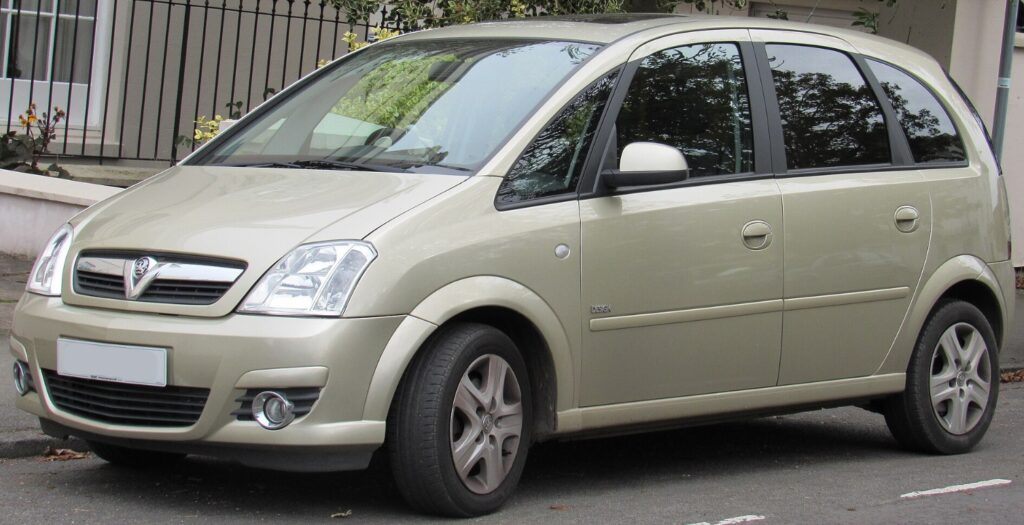
The Vauxhall Meriva engine light can turn an ordinary journey into a tense one within seconds. One moment, the car is moving normally; the next, a small amber symbol appears on the dashboard and starts occupying every corner of our mind.
Is the engine about to fail? Can we continue driving? Will the repair cost a fortune?
Fortunately, an illuminated engine management light does not automatically mean the engine is about to collapse. Think of it as the car clearing its throat. Something has caught the attention of the engine control system, but the seriousness of the problem depends on how the light behaves, how the vehicle drives, and which diagnostic code has been stored.
Sometimes, the cause is relatively simple, such as a loose electrical connector or a contaminated sensor. In other cases, the warning can point towards an ignition fault, emissions-system failure, turbocharger problem, or fuel-delivery issue.
The key is not to panic—and not to ignore it.
In this guide, we will explore the most common reasons the Vauxhall Meriva engine light appears, explain what different warning patterns mean, and walk through the sensible checks we can make before paying for repairs.
Content in this publication
- What Does the Vauxhall Meriva Engine Light Mean?
- Is the Engine Light Amber or Red?
- Can We Drive With the Vauxhall Meriva Engine Light On?
- Common Causes of the Vauxhall Meriva Engine Light
- 1. Faulty Ignition Coil
- 2. Worn or Fouled Spark Plugs
- 3. Oxygen Sensor Failure
- 4. Mass Airflow Sensor Problems
- 5. EGR Valve Faults
- 6. Diesel Particulate Filter Problems
- 7. Turbocharger or Boost-Control Faults
- 8. Intake or Vacuum Leak
- 9. Fuel Injector Problems
- 10. Fuel-Pressure Faults
- 11. Coolant Temperature Sensor Fault
- 12. Thermostat Problems
- 13. Camshaft or Crankshaft Sensor Failure
- 14. Timing Chain or Timing Belt Issues
- 15. Catalytic Converter Efficiency Fault
- Why the Meriva Enters Limp Mode
- How to Diagnose the Vauxhall Meriva Engine Light
- Step 1: Observe the Symptoms
- Step 2: Check Fluid Levels
- Step 3: Inspect Visible Hoses and Connectors
- Step 4: Read the Diagnostic Trouble Codes
- Step 5: Examine Freeze-Frame Data
- Step 6: Test Before Replacing Parts
- Can We Reset the Vauxhall Meriva Engine Light?
- Vauxhall Meriva Engine Light After Refuelling
- Engine Light With Loss of Power
- Engine Light and Rough Idle
- Engine Light but the Car Drives Normally
- Engine Light Appears and Disappears
- Could a Weak Battery Trigger the Engine Light?
- How Much Does It Cost to Fix a Meriva Engine Light?
- Mistakes to Avoid When the Engine Light Appears
- How to Prevent Future Engine-Light Problems
- When Should We Visit a Mechanic?
- Is a Vauxhall-Specialist Garage Better?
- Final Thoughts on the Vauxhall Meriva Engine Light
- Frequently Asked Questions
What Does the Vauxhall Meriva Engine Light Mean?
The engine light, often called the engine management light or malfunction indicator lamp, is part of the Meriva’s onboard diagnostic system.
Modern Meriva models contain a network of sensors that monitor areas such as:
- Air entering the engine
- Fuel delivery
- Exhaust emissions
- Ignition timing
- Turbocharger operation
- Exhaust gas recirculation
- Oxygen levels in the exhaust
- Engine temperature
These sensors send information to the engine control unit, commonly known as the ECU. The ECU compares the information with expected values. When a measurement falls outside the acceptable range, it may record a diagnostic trouble code and illuminate the engine warning light.
The light itself does not identify the failed component. It simply tells us that the ECU has detected something unusual.
That distinction matters. Replacing parts based solely on the dashboard symbol is like buying new shoes because our feet hurt without checking whether there is a stone inside the old ones. We need evidence before reaching for the toolbox.
Is the Engine Light Amber or Red?
On most Vauxhall Meriva models, the engine management light appears amber or yellow. An amber warning generally means the vehicle has detected a fault that requires investigation, but it may not demand an immediate stop.
A red engine-related warning is usually more urgent. Depending on the exact dashboard symbol, it could indicate:
- Critically low oil pressure
- Excessive engine temperature
- A serious charging-system fault
- Another condition capable of causing immediate damage
It is important not to confuse the amber engine management light with the red oil-pressure or coolant-temperature warnings. The symbols may appear in the same area, but they do not carry the same meaning.
Steady Amber Engine Light
A steady amber light often means the ECU has detected a fault but can still operate the engine using normal or substitute values.
The Meriva may:
- Drive normally
- Use more fuel
- Feel slightly sluggish
- Produce more exhaust emissions
- Enter reduced-power mode
- Become harder to start
A steady light should be investigated soon, even when the car feels fine. A minor fault can quietly become a larger one if we keep driving for weeks or months.
Flashing Engine Light
A flashing engine light is more serious.
It commonly points towards an active engine misfire. During a misfire, one or more cylinders fail to burn the air-fuel mixture correctly. Unburned fuel can then travel into the exhaust and overheat the catalytic converter.
Catalytic converters are not fond of raw fuel. The internal material can become hot enough to melt or break apart, turning an ignition fault into a much more expensive exhaust repair.
If the Vauxhall Meriva engine light is flashing, we should:
- Reduce speed and engine load.
- Avoid hard acceleration.
- Move to a safe location.
- Switch off the engine if it runs roughly or shakes heavily.
- Arrange diagnosis or recovery.
Continuing to drive aggressively with a flashing warning is a gamble with poor odds.
Can We Drive With the Vauxhall Meriva Engine Light On?
Whether we can continue driving depends on the condition of the car.
A steady amber light combined with normal engine operation may allow a short, gentle journey to a garage or safe destination. However, that does not mean the fault should be postponed indefinitely.
We should stop driving when the engine light appears alongside symptoms such as:
- Heavy shaking
- Repeated misfiring
- Loud knocking noises
- Smoke from the exhaust or engine bay
- Severe loss of power
- Rising coolant temperature
- Low oil-pressure warning
- Strong fuel smell
- Flashing engine light
If the vehicle drives smoothly, the temperature remains normal, and no red warnings appear, we can usually proceed cautiously. Keep the engine speed moderate, avoid towing, and do not accelerate hard.
A Practical Roadside Decision
Before deciding to continue, ask four simple questions:
- Is the warning steady or flashing?
- Does the engine sound normal?
- Is the vehicle maintaining normal power?
- Are there any red warning lights?
If the light flashes or the car behaves badly, stopping is the safer answer.
Common Causes of the Vauxhall Meriva Engine Light
The Meriva was produced with several petrol and diesel engines, and the likely cause depends partly on the engine type, model year, mileage, and driving pattern.
Still, certain problems appear more frequently than others.
1. Faulty Ignition Coil
Petrol engines rely on ignition coils to generate the voltage needed for the spark plugs. When a coil weakens or fails, the affected cylinder may misfire.
Typical symptoms include:
- Rough idle
- Engine vibration
- Poor acceleration
- Flashing warning light
- Increased fuel consumption
- Difficulty starting
Some coil faults appear only when the engine is hot or under load. The car might idle acceptably on the driveway but hesitate badly when climbing a hill.
Can One Coil Cause the Engine Light?
Yes. A single failed coil can trigger misfire codes and illuminate the engine light.
However, a misfire code does not automatically prove that the coil is defective. The true cause could also be a worn spark plug, injector issue, wiring fault, air leak, or low compression.
Testing should come before replacement.
2. Worn or Fouled Spark Plugs
Spark plugs work in a harsh environment. They face heat, pressure, fuel vapour, and thousands of combustion events every minute.
As plugs wear, the electrode gap may increase. The ignition system then has to work harder to produce a reliable spark. Eventually, the engine may hesitate or misfire.
Possible signs include:
- Uneven idle
- Weak acceleration
- Longer starting time
- Higher fuel consumption
- Misfire under load
- Engine warning light
Replacing spark plugs at the correct interval can prevent unnecessary strain on the ignition coils.
Why Cheap Spark Plugs Can Create Problems
Incorrect plugs may have the wrong heat range, electrode design, or gap. Although they physically fit, they may not suit the engine.
Using plugs that meet the correct Vauxhall specification is far safer than selecting a set simply because the thread looks right.
3. Oxygen Sensor Failure
The oxygen sensors monitor the exhaust gases and help the ECU adjust the fuel mixture.
A failing sensor may send slow, inaccurate, or implausible readings. The ECU can then illuminate the warning light and use a backup strategy.
Symptoms may include:
- Increased fuel consumption
- Uneven idle
- Failed emissions test
- Sulphur-like exhaust smell
- Sluggish response
- No obvious driving symptoms
An oxygen-sensor code should not always be interpreted as proof that the sensor itself has failed. Air leaks, exhaust leaks, fuel-pressure problems, and engine misfires can all affect oxygen readings.
4. Mass Airflow Sensor Problems
The mass airflow sensor measures how much air enters the engine. The ECU uses this information to calculate fuel delivery.
Dirt, oil vapour, electrical faults, or internal sensor failure can produce inaccurate readings.
A faulty or contaminated mass airflow sensor may cause:
- Hesitation
- Poor acceleration
- Stalling
- Rough idle
- Black smoke
- Reduced fuel economy
- Limp mode
The sensor sits in the intake system and can be delicate. Touching its internal element or cleaning it with an unsuitable chemical may make the problem worse.
Should We Clean the Airflow Sensor?
Cleaning can help when contamination is the issue, but it should only be done with a product specifically designed for airflow sensors.
Brake cleaner, carburettor cleaner, and aggressive solvents can damage the sensing element.
If the diagnostic data clearly shows an electrical failure or implausible signal, replacement may be more appropriate than cleaning.
5. EGR Valve Faults
Diesel Meriva engines use an exhaust gas recirculation valve to redirect a controlled amount of exhaust gas back into the intake.
Over time, soot and oily vapour can combine into a thick deposit. The valve may stick open, remain closed, or respond too slowly.
Common symptoms include:
- Reduced power
- Rough idle
- Hesitation
- Black smoke
- Poor fuel economy
- Limp mode
- Engine light
A valve stuck open can disturb the air entering the engine, particularly at idle. A valve stuck closed may increase emissions and trigger an airflow-related code.
Can an EGR Valve Be Cleaned?
Sometimes.
Cleaning can restore operation when carbon buildup prevents an otherwise healthy valve from moving. However, cleaning will not repair:
- A failed position sensor
- A burned-out actuator
- Broken internal gears
- Damaged wiring
- A severely worn valve mechanism
We should diagnose whether the problem is mechanical, electrical, or caused by blocked passages before choosing a repair.
6. Diesel Particulate Filter Problems
Diesel Meriva models may illuminate the engine light when the diesel particulate filter becomes overloaded with soot or when the regeneration system cannot operate correctly.
The filter captures soot from the exhaust. Under suitable conditions, the car raises the exhaust temperature and burns much of that soot away.
Frequent short journeys can interrupt this process. The engine barely reaches full temperature before being switched off, leaving the filter with fewer opportunities to regenerate.
Signs of a DPF-related problem may include:
- Reduced engine power
- Higher idle speed
- Cooling fan running after shutdown
- Increased fuel consumption
- Strong hot smell
- DPF warning message
- Engine light
- Limp mode
Can a Motorway Drive Clear the DPF?
A longer drive may help only when the filter has a moderate soot load and the regeneration system is otherwise working correctly.
It will not solve the problem when:
- The soot load is already excessive
- The differential-pressure sensor is faulty
- An exhaust-temperature sensor has failed
- The EGR system is malfunctioning
- The engine cannot reach proper operating temperature
- The filter is loaded with ash rather than soot
Ash does not burn away during normal regeneration. Eventually, the DPF may require professional cleaning or replacement.
7. Turbocharger or Boost-Control Faults
Turbocharged petrol and diesel engines rely on several components to control boost pressure. A split hose, sticking actuator, faulty solenoid, or worn turbocharger can trigger the engine light.
Common symptoms include:
- Whistling or hissing
- Poor acceleration
- Sudden power loss
- Limp mode
- Excessive smoke
- Underboost or overboost codes
- Oil consumption
A boost fault does not always mean the turbocharger itself has failed. A small leak in a hose can create a dramatic loss of performance while leaving the turbo mechanically sound.
Check the Simple Parts First
Before condemning the turbocharger, inspect:
- Intercooler hoses
- Vacuum lines
- Hose clips
- Electrical connectors
- Boost-control solenoids
- Intake pipes
- Intercooler condition
A loose clamp can imitate a much more expensive failure.
8. Intake or Vacuum Leak
The engine expects the air entering it to be measured and controlled. A cracked hose or leaking gasket can allow extra air to enter without being properly accounted for.
This is often called unmetered air.
Possible symptoms include:
- High or unstable idle
- Lean-mixture codes
- Hesitation
- Whistling sound
- Difficult starting
- Engine warning light
Small leaks can be frustrating because the hose may look intact until it bends or the engine moves under load.
A smoke test is often the fastest way to locate a hidden intake leak.
9. Fuel Injector Problems
Fuel injectors must deliver the correct amount of fuel at precisely the right time.
An injector can become clogged, leak, stick, or develop an electrical fault. Diesel injectors may also suffer from excessive return flow or sealing problems.
Symptoms can include:
- Rough running
- Difficult starting
- Diesel knock
- White, black, or grey smoke
- Fuel smell
- Misfire
- Poor acceleration
- Engine light
Injector replacement can be expensive, so proper testing matters. Electrical resistance tests, balance data, leak-off measurements, and fuel-pressure checks can prevent unnecessary spending.
10. Fuel-Pressure Faults
Both petrol and diesel engines need stable fuel pressure.
A weak pump, blocked filter, pressure-sensor fault, leaking injector, damaged wiring, or failing regulator may cause the pressure to fall outside the expected range.
The Meriva may:
- Crank without starting
- Cut out under load
- Enter limp mode
- Hesitate during acceleration
- Display the engine light
- Start normally when cold but struggle when hot
Fuel-pressure systems can operate at dangerous pressures, particularly on common-rail diesel engines. This is not an area for casual disassembly.
11. Coolant Temperature Sensor Fault
The coolant temperature sensor tells the ECU whether the engine is cold, warming up, or fully hot.
The information influences:
- Fuel mixture
- Cooling-fan operation
- Idle speed
- Glow-plug control on diesel engines
- Emissions strategies
An inaccurate sensor may cause poor starting, high fuel consumption, rough running, or incorrect cooling-fan behaviour.
A scan tool can compare the reported temperature with the actual condition of the engine. A reading of extreme cold on a warm day, for example, suggests a sensor or wiring issue.
12. Thermostat Problems
A thermostat stuck open may prevent the engine from reaching normal operating temperature.
That may sound harmless, but an engine running too cool can:
- Use more fuel
- Produce higher emissions
- Deliver weak cabin heating
- Interrupt DPF regeneration
- Trigger temperature-related fault codes
A thermostat stuck closed is more dangerous because it can cause overheating.
If the temperature gauge behaves strangely, we should investigate rather than assuming the dashboard itself is faulty.
13. Camshaft or Crankshaft Sensor Failure
The crankshaft and camshaft sensors help the ECU determine engine speed and position.
Without accurate signals, the ECU may not know when to inject fuel or create a spark.
Possible signs include:
- Engine cutting out
- Long cranking
- No-start condition
- Intermittent stalling
- Loss of power
- Engine light
- Failure when hot followed by normal operation after cooling
Heat-related sensor faults can be particularly deceptive. The car may behave perfectly during a short inspection, then stop again after twenty minutes of driving.
14. Timing Chain or Timing Belt Issues
Depending on the engine, the Vauxhall Meriva may use a timing chain or timing belt.
If the valve timing shifts because of chain wear, tensioner failure, belt problems, or incorrect installation, the ECU may detect a mismatch between the camshaft and crankshaft signals.
Warning signs may include:
- Rattling during startup
- Poor performance
- Difficult starting
- Uneven idle
- Camshaft-correlation codes
- Engine warning light
Timing faults require prompt attention. Continuing to drive with severe timing wear can result in major internal engine damage.
15. Catalytic Converter Efficiency Fault
The catalytic converter reduces harmful exhaust emissions. The ECU compares signals from sensors positioned before and after the converter to estimate how efficiently it is working.
A catalyst-efficiency code can be caused by:
- A worn catalytic converter
- Long-term misfiring
- Oil burning
- Excessive fuel entering the exhaust
- Exhaust leaks
- Faulty oxygen sensors
- Incorrect fuel mixture
Replacing the converter without correcting the cause of its failure can destroy the new part as well. The source of the contamination or overheating must be addressed first.
Why the Meriva Enters Limp Mode
Limp mode is a protective strategy. When the ECU detects a fault that could damage the engine, transmission, turbocharger, or emissions system, it may restrict performance.
The vehicle might:
- Accelerate slowly
- Limit turbo boost
- Refuse to rev beyond a certain point
- Hold a fixed gear
- Disable certain functions
Limp mode feels alarming, but it is usually the car trying to protect itself rather than announcing that the engine has already failed.
Switching the ignition off and restarting may temporarily restore power. However, that does not repair the fault. The warning often returns when the same operating conditions appear again.
How to Diagnose the Vauxhall Meriva Engine Light
Guessing is expensive. Diagnosis should follow a logical sequence.
Step 1: Observe the Symptoms
Before connecting any equipment, note:
- Whether the light is steady or flashing
- When the warning first appeared
- Whether the engine was cold or hot
- Whether the fault occurs under acceleration
- Whether fuel consumption has changed
- Whether smoke or unusual smells are present
- Whether the engine starts normally
- Whether other dashboard warnings appear
These details can reduce diagnostic time considerably.
Step 2: Check Fluid Levels
With the vehicle parked safely and the engine cool, check:
- Engine oil level
- Coolant level
- Brake-fluid level where relevant
- Visible signs of leaks
The amber engine light is not usually a direct oil-level warning, but low oil or coolant can create operating conditions that lead to other faults.
Never remove the coolant cap from a hot engine.
Step 3: Inspect Visible Hoses and Connectors
Look for:
- Disconnected sensor plugs
- Split intake hoses
- Loose clamps
- Damaged wiring
- Rodent damage
- Oil contamination around connectors
- Vacuum hoses that have collapsed or detached
A careful visual inspection sometimes reveals the answer within minutes.
Step 4: Read the Diagnostic Trouble Codes
An OBD-II scanner is the most useful starting tool.
The diagnostic socket is normally located within the driver’s area, although its exact position can vary by generation and trim.
A scanner may display codes such as:
- P0300: Random or multiple-cylinder misfire
- P0301–P0304: Misfire affecting a specific cylinder
- P0171: Fuel mixture too lean
- P0400-series: EGR-system faults
- P0420: Catalyst efficiency below threshold
- P0100-series: Airflow-sensor circuit faults
- P0299: Turbocharger underboost
- P0234: Turbocharger overboost
The code is a clue, not a verdict.
For example, P0299 tells us the engine produced less boost than expected. It does not tell us whether the cause is a split hose, vacuum problem, actuator fault, sensor error, blocked exhaust, or worn turbo.
Generic Scanner Versus Vauxhall-Specific Diagnostics
A basic scanner can read common engine codes, but a more advanced diagnostic tool may provide:
- Manufacturer-specific codes
- Live sensor readings
- Misfire counters
- DPF soot-load information
- Injector correction values
- EGR command and position
- Boost-pressure data
- Freeze-frame information
The more data we have, the less likely we are to replace the wrong component.
Step 5: Examine Freeze-Frame Data
Freeze-frame data records operating conditions at the moment a fault code was stored.
It may show:
- Engine speed
- Coolant temperature
- Vehicle speed
- Engine load
- Fuel-trim readings
- Intake-air values
This information can reveal whether the fault occurred during cold starting, motorway acceleration, idling, or another specific situation.
It is the automotive equivalent of a security camera capturing the moment the alarm was triggered.
Step 6: Test Before Replacing Parts
A responsible diagnosis may involve:
- Electrical continuity testing
- Voltage and ground checks
- Smoke testing the intake
- Fuel-pressure measurement
- Compression testing
- Injector leak-off testing
- Comparing commanded and actual sensor values
- Inspecting spark plugs
- Swapping ignition components between cylinders
- Checking exhaust back pressure
A trouble code should guide testing. It should not replace testing.
Can We Reset the Vauxhall Meriva Engine Light?
Yes, the light can usually be cleared using an OBD-II scanner. It may also turn off automatically after the ECU completes several successful driving cycles without detecting the fault again.
However, clearing the code does not fix the problem.
If the underlying fault remains, the light will return—sometimes immediately, sometimes after several journeys.
Disconnecting the Battery
Disconnecting the battery may erase some fault information on certain vehicles, but it is not the preferred method.
It can also:
- Reset clock and radio settings
- Affect window calibration
- Erase useful diagnostic data
- Create additional low-voltage codes
- Leave readiness monitors incomplete
Using a scanner is more controlled and preserves the opportunity to record the original codes before clearing them.
Why Readiness Monitors Matter
After codes are cleared, the ECU needs time to retest systems such as the catalytic converter, oxygen sensors, and evaporative emissions controls.
Until these checks are complete, the car may show incomplete readiness monitors during an emissions inspection.
This is why clearing the light immediately before a test is rarely a clever shortcut.
Vauxhall Meriva Engine Light After Refuelling
If the warning appears soon after refuelling, several possibilities exist.
The timing may be coincidental, but we should consider:
- Poor-quality or contaminated fuel
- Incorrect fuel
- A loose fuel cap on systems that monitor tank pressure
- A disturbed vapour-system component
- Sediment or water affecting fuel delivery
Diesel contamination in a petrol car—or petrol in a diesel car—can cause severe damage. If the wrong fuel has been added, do not start the engine.
Engine Light With Loss of Power
An engine light combined with reduced power frequently indicates limp mode.
Likely areas include:
- Turbo boost control
- Airflow measurement
- EGR operation
- DPF restriction
- Fuel pressure
- Throttle control
- Severe misfire
The pattern of the power loss helps.
A car that loses power mainly above a certain engine speed may have a boost leak or fuel-supply problem. A car that runs poorly at all speeds may have a broader ignition, airflow, or timing issue.
Engine Light and Rough Idle
A rough idle narrows the possibilities but still leaves several candidates:
- Ignition-coil failure
- Worn spark plugs
- Injector imbalance
- Vacuum leak
- EGR valve stuck open
- Low compression
- Timing issue
- Contaminated throttle body
- Incorrect fuel mixture
Listening to the rhythm can help. A regular stumble may suggest one weak cylinder, while an idle that repeatedly rises and falls may point towards an air-control or mixture issue.
Engine Light but the Car Drives Normally
This is common.
Some faults affect emissions more than drivability. An oxygen-sensor heater fault, minor evaporative-system leak, or intermittent sensor issue may illuminate the light without creating obvious symptoms.
Do not assume that normal performance means nothing is wrong.
The ECU can compensate for certain failures, but that compensation may increase fuel use or place stress on other components.
Engine Light Appears and Disappears
An intermittent warning often points towards a fault that occurs only under certain conditions.
Possible triggers include:
- Moisture in a connector
- Wiring that moves with the engine
- A sensor failing when hot
- A small boost leak opening under pressure
- Low battery voltage during startup
- An ignition fault under heavy load
- A loose connection disturbed by vibration
Even if the light switches off, the diagnostic code may remain stored as pending or historical data.
Reading the codes before they are cleared can save hours of guesswork.
Could a Weak Battery Trigger the Engine Light?
Yes, low voltage can create confusing electronic behaviour.
During starting, a weak battery may allow the voltage to drop far enough that control modules, sensors, or actuators produce implausible readings. The ECU can then record communication or circuit faults.
Battery-related clues include:
- Slow cranking
- Flickering dashboard lights
- Multiple unrelated warning messages
- Problems after the car has been parked
- Faults during cold weather
- Recent jump-starting
A battery and charging-system test is worthwhile when several warnings appear together.
How Much Does It Cost to Fix a Meriva Engine Light?
The cost varies enormously because the light can represent dozens of different faults.
A simple repair may involve:
- Reconnecting a loose hose
- Replacing a damaged vacuum pipe
- Installing new spark plugs
- Repairing a broken wire
A more expensive repair might involve:
- Replacing injectors
- Cleaning or replacing the DPF
- Repairing the turbocharger
- Replacing the catalytic converter
- Correcting timing-chain problems
- Repairing internal engine damage
The diagnostic fee is not wasted money when it prevents the replacement of good parts.
A cheap repair performed on the wrong component is still wasted money.
Mistakes to Avoid When the Engine Light Appears
We can save time, money, and frustration by avoiding several common mistakes.
Do Not Ignore a Flashing Light
A flashing light can signal a damaging misfire. Continuing to drive may overheat the catalytic converter.
Do Not Replace Parts From the Code Description Alone
A sensor code may be caused by wiring, air leaks, mechanical faults, or another component affecting the sensor reading.
Do Not Clear the Code Before Recording It
Take a photograph or write down:
- Stored codes
- Pending codes
- Freeze-frame values
- The order in which codes appear
Once erased, valuable evidence may be lost.
Do Not Use Random Additives as a Universal Cure
Fuel and intake additives have limited uses. They cannot repair broken wiring, failed actuators, mechanical wear, or severe exhaust blockage.
Do Not Buy the Cheapest Electronic Sensor Available
Low-quality sensors may produce inaccurate signals even when brand-new. This can create new faults and muddy the diagnosis.
How to Prevent Future Engine-Light Problems
No maintenance routine can prevent every warning, but good habits reduce the risk.
Follow the Correct Service Schedule
Regular servicing helps protect the ignition, lubrication, air-intake, and emissions systems.
Use the Correct Engine Oil
The wrong oil specification can affect lubrication, turbocharger life, emissions equipment, and diesel particulate-filter operation.
Viscosity alone is not enough. The oil must also meet the required manufacturer specification.
Avoid Constant Short Journeys in Diesel Models
Diesel engines benefit from reaching full operating temperature. Occasional longer drives can support DPF regeneration, provided the system is healthy.
Respond to Small Symptoms Early
A slight hesitation, occasional rough start, or new whistle may be the opening scene of a larger problem.
Early diagnosis is usually cheaper than waiting for the dashboard to light up like a Christmas tree.
Keep the Battery Healthy
Stable voltage supports every electronic control system in the vehicle. Test an ageing battery before winter or before a period of infrequent use.
When Should We Visit a Mechanic?
Professional help is advisable when:
- The engine light flashes
- The car enters limp mode repeatedly
- The engine overheats
- The vehicle misfires heavily
- Fuel or oil is leaking
- Diagnostic codes return after clearing
- The DPF warning remains active
- There is a timing-chain rattle
- The engine cuts out
- Testing requires high-pressure fuel-system work
A competent technician should explain the evidence behind the repair recommendation.
“Computer says sensor” is not a complete diagnosis.
Is a Vauxhall-Specialist Garage Better?
A general garage may handle common repairs perfectly well. However, a Vauxhall specialist can be particularly useful for:
- Manufacturer-specific codes
- Recurring Meriva faults
- ECU software issues
- Complex diesel diagnostics
- Wiring diagrams
- Module programming
- Model-specific repair procedures
The best garage is not necessarily the one with the largest sign. It is the one that tests methodically and communicates clearly.
Final Thoughts on the Vauxhall Meriva Engine Light
The Vauxhall Meriva engine light is a warning, not a diagnosis and not an automatic death sentence for the engine.
A steady amber light may point towards a manageable sensor, ignition, emissions, or airflow fault. A flashing light, severe misfire, overheating condition, or major loss of power deserves immediate attention.
The smartest approach is simple:
- Observe how the vehicle behaves.
- Check for urgent warning signs.
- Read the stored diagnostic codes.
- Inspect basic components.
- Test the suspected system.
- Repair the root cause.
- Clear the codes and confirm that the fault does not return.
Cars often whisper before they shout. The engine light is one of those whispers—bright, annoying, and surprisingly useful. Listen to it early, and we may prevent a modest repair from growing teeth.
Frequently Asked Questions
1. Can I drive my Vauxhall Meriva with the engine light on?
You may be able to drive a short distance when the light is steady, the engine runs normally, and no red warnings appear. Avoid hard acceleration and arrange diagnosis soon. Stop driving if the light flashes or the engine shakes, overheats, smokes, or loses substantial power.
2. Why is my Vauxhall Meriva engine light flashing?
A flashing engine light commonly indicates an active misfire. Unburned fuel may enter the exhaust and overheat the catalytic converter. Reduce engine load, stop safely, and arrange professional diagnosis or recovery.
3. Will the Meriva engine light reset itself?
It can switch off after several successful journeys if the fault no longer occurs. However, the code may remain stored in the ECU. If the underlying problem continues, the warning will return.
4. Can a dirty EGR valve cause the engine light?
Yes. Carbon deposits can make the EGR valve stick or respond slowly, especially on diesel models. This may cause rough running, reduced power, smoke, limp mode, and an illuminated engine light.
5. What is the first thing I should check when the engine light appears?
First, check whether the light is steady or flashing and assess how the engine is running. Look for red warnings, overheating, smoke, unusual noises, or strong fuel smells. After that, read the diagnostic codes with an OBD-II scanner before replacing any parts.
If you want to know other articles similar to Vauxhall Meriva Engine Light: Causes, Diagnosis, and Fixes you can visit the category Service and Parts.
Land Rover Defender 90 Tyre Pressure: Complete Guide
Land Rover Defender 90 Weight: Kerb Weight, GVW and Payload Explained
Land Rover Defender 90 Towing Capacity: Complete Guide
Land Rover Defender 90 Boot Space: Size, Dimensions and Practicality

Toyota Hilux Key Battery Replacement: Complete DIY Guide
Toyota Hilux Windscreen Replacement Cost: Prices, Factors, and Money-Saving Tips
Leave a Reply
More content of your interest