
Dacia Jogger Reliability: Is This Budget Family Car Built to Last?

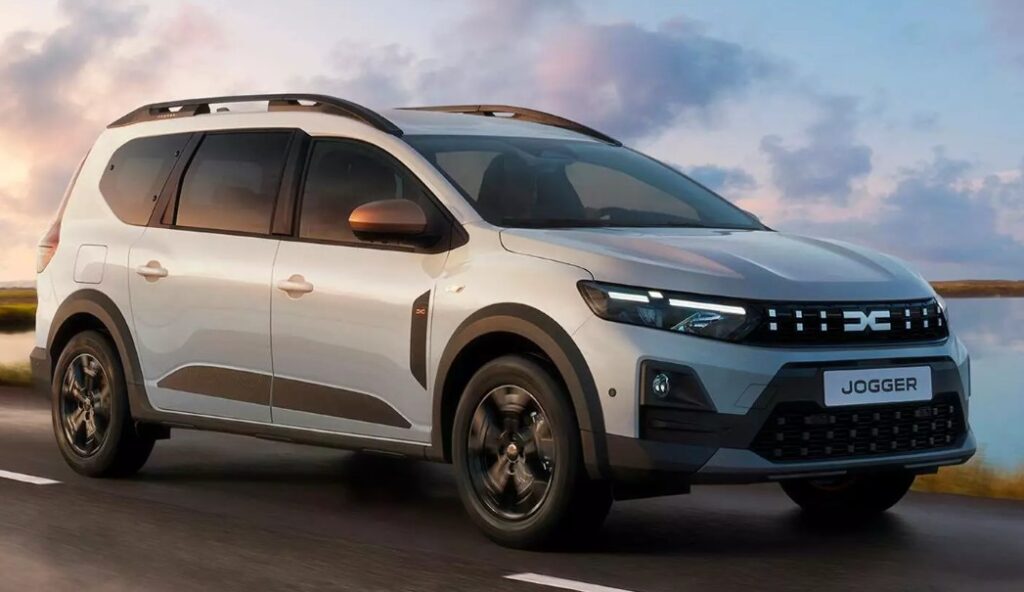
The Dacia Jogger arrived with a refreshingly simple promise: give families plenty of seats, generous luggage space, and SUV-inspired practicality without charging luxury-car money. On paper, it sounds almost suspiciously sensible. But low prices often raise an uncomfortable question: does affordability come at the expense of reliability?
When we examine Dacia Jogger reliability, the picture is more encouraging than many buyers might expect. The Jogger is not loaded with experimental technology, highly stressed performance engines, or complicated suspension systems. Instead, it uses familiar Renault Group components, relatively straightforward mechanical engineering, and an interior designed to cope with real family life.
That does not mean it is flawless. Owners may encounter infotainment glitches, minor trim problems, battery-related warnings, clutch wear, or occasional electrical oddities. The hybrid model also introduces more complexity than the conventional petrol versions. Still, the Jogger’s basic construction gives it a solid chance of ageing well when maintained correctly.
Let’s look beneath the practical bodywork and find out whether the Dacia Jogger is genuinely dependable or simply inexpensive to buy.
Content in this publication
- How Reliable Is the Dacia Jogger Overall?
- Is the Dacia Jogger More Reliable Than Other Dacia Models?
- Dacia Jogger Engine Reliability
- Dacia Jogger Gearbox Reliability
- Common Dacia Jogger Problems
- Suspension and Steering Reliability
- Brake Reliability and Wear
- Dacia Jogger Body and Rust Resistance
- Interior Durability
- How Long Can a Dacia Jogger Last?
- Dacia Jogger Maintenance Costs
- Is the Dacia Jogger Good for High-Mileage Driving?
- Is the Dacia Jogger Reliable for Family Use?
- Dacia Jogger Reliability Compared With Rivals
- Dacia Jogger Warranty Coverage
- What to Check Before Buying a Used Dacia Jogger
- Red Flags That Should Make Us Walk Away
- How to Improve Dacia Jogger Reliability
- Who Should Buy a Dacia Jogger?
- Which Dacia Jogger Version Is Likely to Be Most Reliable?
- Final Verdict: Is the Dacia Jogger Reliable?
- Frequently Asked Questions
How Reliable Is the Dacia Jogger Overall?
The Dacia Jogger appears to be a reasonably reliable family vehicle, particularly when compared with more complex seven-seat SUVs and MPVs. Its mechanical components are shared with other Renault and Dacia models, which means most of the technology has already spent time on the road.
That matters because proven engineering is often better than dazzling innovation when long-term dependability is the goal. A new feature may look exciting in a showroom, but every additional sensor, motor, control module, and software layer creates another possible failure point.
The Jogger keeps things relatively restrained. Most versions use a compact turbocharged petrol engine, a manual gearbox, conventional front-wheel drive, and familiar suspension hardware. It is not mechanically prehistoric, but it avoids turning every basic function into a digital science experiment.
For buyers seeking affordable transport, that simplicity is reassuring.
A Simple Design Can Be a Reliable Design
Dacia has built its reputation around value rather than complexity. The Jogger does not try to compete with premium SUVs through adaptive air suspension, power-folding third-row seats, electrically operated doors, or enormous curved screens.
Instead, we get:
- Conventional suspension
- Familiar engine technology
- A relatively uncomplicated manual transmission
- Durable cabin materials
- Fewer luxury electronics
- Widely available Renault Group components
This approach can make repairs easier and ownership costs more predictable. It is rather like choosing a sturdy toolbox instead of a delicate display cabinet. The toolbox may not impress everyone, but it usually handles daily abuse better.
Is the Dacia Jogger More Reliable Than Other Dacia Models?
The Jogger shares its basic platform and several mechanical components with other modern Dacia vehicles, including the Sandero and Logan family. Therefore, it benefits from parts that are already used across a large number of vehicles.
However, the Jogger is heavier and may regularly carry more passengers or luggage than a Sandero. That additional workload can affect wear items such as:
- Brakes
- Clutches
- Tyres
- Suspension bushes
- Rear shock absorbers
A Jogger used mostly for school runs with two occupants will experience a very different life from one regularly carrying seven people, roof luggage, bicycles, and camping equipment.
The underlying vehicle may be dependable, but how it is used matters enormously.
Dacia Jogger Engine Reliability
The engine is naturally one of the biggest concerns for any used-car buyer. Most non-hybrid Jogger models use a small turbocharged three-cylinder petrol engine. Depending on the market and model year, buyers may also find LPG-compatible versions and hybrid powertrains.
Reliability of the 1.0-Litre TCe Petrol Engine
The turbocharged 1.0-litre petrol engine provides enough performance for everyday driving, although it works harder when the vehicle is fully loaded. Small turbo engines can be reliable, but they depend heavily on correct servicing.
Oil is the engine’s lifeblood. Delayed oil changes can encourage:
- Turbocharger wear
- Timing component deterioration
- Internal sludge formation
- Increased oil consumption
- Reduced engine efficiency
A three-cylinder engine may sound slightly rougher than a four-cylinder unit, especially when cold or accelerating at low speed. That characteristic does not automatically indicate a fault. However, persistent knocking, rattling, hesitation, smoke, or warning lights deserve investigation.
Is the Small Engine Too Weak for the Jogger?
The engine is not necessarily too weak, but expectations need to remain realistic. Around town and on ordinary roads, it performs adequately. With seven occupants and luggage, it may require more revs and more frequent gear changes.
A heavily loaded car places greater thermal and mechanical demand on the engine and turbocharger. Owners who regularly tow, climb steep roads, or carry maximum loads should be especially disciplined about servicing.
We should also allow the turbocharger to operate sensibly. Repeated full-throttle acceleration from a cold start is never kind to a turbocharged engine. Likewise, switching the engine off immediately after sustained hard driving may not be ideal.
Dacia Jogger LPG Engine Reliability
Some Jogger versions can run on both petrol and LPG. This setup may reduce fuel costs, particularly for drivers covering high annual mileages. The LPG system is factory-integrated, which is generally preferable to an aftermarket conversion.
Still, dual-fuel vehicles introduce extra components, including:
- An additional fuel tank
- LPG injectors
- Fuel lines
- Valves
- Pressure-control equipment
- Electronic switching systems
More components do not guarantee more problems, but they create additional maintenance considerations. Owners should use both fuel systems periodically and follow the specified servicing schedule.
An LPG Jogger may be a clever option for high-mileage users, provided qualified technicians are available locally.
Dacia Jogger Hybrid Reliability
The Jogger Hybrid offers smoother urban driving and improved fuel efficiency, but it is mechanically more complicated than the manual petrol version. It combines a petrol engine, electric motors, a traction battery, power electronics, and an automatic multi-mode transmission.
The hybrid system benefits from technology used elsewhere within the Renault Group. That shared development is positive because the Jogger is not acting as a completely isolated experiment.
Nevertheless, long-term reliability data for newer hybrid configurations naturally develops over time. Potential areas to monitor include:
- Hybrid warning messages
- Software behaviour
- Transmission calibration
- Battery cooling
- Charging-system faults
- Sensors and control modules
The traction battery is designed to last far longer than an ordinary 12-volt battery, but eventual replacement would be more expensive than replacing a conventional starter battery.
For buyers prioritising maximum simplicity, the manual petrol model remains the less complicated choice. For drivers spending much of their time in urban traffic, the hybrid’s fuel-saving benefits may justify the additional technology.
Dacia Jogger Gearbox Reliability
Most petrol Joggers use a manual gearbox. A conventional manual transmission is usually cheaper and simpler to repair than many modern dual-clutch or continuously variable automatic systems.
Manual Gearbox Durability
The manual gearbox should generally provide dependable service when driven correctly. Potential complaints may include:
- A notchy shift when cold
- Difficulty selecting a gear
- Gear-lever vibration
- Clutch judder
- Whining under acceleration
- Premature clutch wear
Some shift stiffness can be normal when the car is cold. However, crunching noises, gears jumping out, or increasing difficulty engaging first or reverse should not be ignored.
Clutch Wear in Heavily Loaded Cars
The clutch may become one of the Jogger’s more vulnerable wear items, particularly in vehicles frequently driven with seven occupants or used on steep roads.
Warning signs include:
- A high clutch biting point
- Engine revs rising without matching acceleration
- A burning smell
- Shuddering when moving away
- Difficulty changing gear
- Rattling from the clutch area
Drivers can extend clutch life by avoiding unnecessary slipping, holding the car on hills with the clutch, or resting a foot on the pedal.
Hybrid Transmission Reliability
The hybrid model uses an automatic transmission that behaves differently from a conventional torque-converter automatic. Drivers may notice the engine speed changing independently of road speed or the system switching between electric and petrol power.
Unusual behaviour is not always a fault. Still, harsh engagement, repeated warning messages, loss of drive, or severe hesitation should prompt a diagnostic inspection.
Software updates can sometimes improve hybrid transmission behaviour. Therefore, checking whether all manufacturer campaigns and updates have been completed is sensible when buying used.
Common Dacia Jogger Problems
The Jogger has not established a reputation as a fundamentally fragile vehicle, but several types of issue may appear during ownership.
Infotainment Freezing or Disconnecting
The infotainment system may occasionally freeze, reboot, lose Bluetooth connectivity, or disconnect from smartphone integration.
Possible remedies include:
- Restarting the system
- Re-pairing the phone
- Updating the phone software
- Checking the cable
- Installing available vehicle software updates
- Resetting the multimedia unit
These problems are inconvenient rather than mechanically serious. Even so, repeated screen failure can become frustrating, especially when navigation or audio controls depend on the display.
You may be interested in reading Dacia Jogger Service Intervals: Complete Maintenance Guide
Electrical Warning Messages
Modern vehicles can display dramatic-looking warnings because of something as ordinary as low voltage from the 12-volt battery. A weak battery may cause multiple systems to complain at once.
Possible symptoms include:
- Stop-start becoming unavailable
- Dashboard warning lights
- Keyless-entry problems
- Slow engine cranking
- Infotainment resets
- Parking-sensor faults
- Hybrid-system warnings
Before assuming several components have failed simultaneously, the battery and charging system should be tested.
Interior Trim Noises
The Jogger uses hard, affordable plastics rather than heavily padded premium materials. These surfaces are practical and easy to clean, but they may develop squeaks or rattles as the vehicle ages.
Noise may come from:
- Door panels
- Seat mechanisms
- Rear luggage covers
- Dashboard trim
- Third-row seat mountings
- Loose items beneath the boot floor
A rattle does not necessarily indicate structural weakness. In many cases, felt tape, adjusted latches, tightened fixings, or better-organised luggage can solve the problem.
Door-Seal and Wind-Noise Complaints
Some drivers may notice wind noise at motorway speeds. Large mirrors, upright bodywork, roof bars, and practical aerodynamics can all contribute.
If the noise appears suddenly, owners should inspect:
- Door alignment
- Window seals
- Roof-bar fittings
- Damaged weather stripping
- Poorly closed windows
- Aftermarket accessories
Water entering the cabin is more serious than normal wind noise and should be investigated immediately.
Air-Conditioning Performance
Weak air-conditioning may result from low refrigerant, a leaking seal, a faulty pressure sensor, a compressor problem, or a blocked cabin filter.
In a seven-seat vehicle, cooling the entire interior can take time, especially during hot weather. That does not mean the system is defective. However, air from the vents should become noticeably cold after the system has operated for a reasonable period.
Suspension and Steering Reliability
The Jogger uses a practical suspension setup designed for comfort and durability rather than sharp sports-car handling. It copes well with imperfect roads, but rough use can eventually affect bushes, links, dampers, and wheel bearings.
Suspension Noises to Watch For
Potential warning sounds include:
- Knocking over small bumps
- Clunking during direction changes
- Creaking at low speed
- Humming that increases with road speed
- Metallic rattling on rough surfaces
A light knock may come from an anti-roll-bar link or bush rather than an expensive major component. Accurate diagnosis is important because several worn parts can create similar noises.
Does Carrying Seven People Damage the Suspension?
Using all seven seats does not automatically damage the suspension. The Jogger is designed to carry passengers within its approved weight limits.
Problems arise when owners exceed the vehicle’s payload or repeatedly strike potholes while heavily loaded. Seven passengers, luggage, roof cargo, and accessories can add weight surprisingly quickly.
We should check the permitted payload rather than assuming that every empty corner can be filled without consequence.
Brake Reliability and Wear
The Jogger’s braking system is conventional, but wear rates depend on driving conditions and vehicle load. Urban traffic, hills, towing, and frequent heavy loads will shorten pad and disc life.
Signs of brake trouble include:
- Squealing or grinding
- Steering-wheel vibration
- A pulsing brake pedal
- The vehicle pulling to one side
- Reduced braking performance
- A brake warning light
Hybrid models may use regenerative braking to reduce friction-brake use in some situations. Although this can extend pad life, lightly used brakes can sometimes develop corrosion, particularly if the vehicle sits for extended periods.
Dacia Jogger Body and Rust Resistance
Modern corrosion protection is far better than it was on budget cars from decades ago. The Jogger should not simply dissolve at the sight of winter rain.
Even so, owners should inspect vulnerable areas, especially if the vehicle is driven where roads are salted.
Important inspection points include:
- Wheel arches
- Sills
- Door bottoms
- Tailgate edges
- Suspension mounting points
- Underbody seams
- Areas damaged by stone chips
Paint chips should be repaired before corrosion spreads beneath the finish. Regular underbody washing is also useful in regions where salt and mud accumulate.
Interior Durability
The Jogger’s cabin is designed around function. Materials may feel basic, but basic does not necessarily mean weak. Hard plastics can resist muddy shoes, spilled drinks, pet hair, and children armed with sticky snacks.
Seat and Trim Wear
Vehicles used intensively as family transport may show wear on:
- Driver’s seat bolsters
- Steering-wheel surfaces
- Gear-lever trim
- Second-row seat mechanisms
- Third-row seat latches
- Boot plastics
When inspecting a used Jogger, operate every folding seat and latch. A seven-seat vehicle depends heavily on moving interior components, and damaged mechanisms can reduce its practicality.
Third-Row Seat Reliability
The removable or foldable rear seats are one of the Jogger’s defining features. Check that each seat:
- Locks securely into place
- Releases without excessive force
- Folds correctly
- Has functioning seat belts
- Shows no damaged mounting points
A seat that appears slightly loose can become noisy and may not be safe in a collision.
How Long Can a Dacia Jogger Last?
A carefully maintained Jogger should be capable of covering a substantial mileage. There is no single guaranteed lifespan because durability depends on servicing, driving style, climate, road quality, and accident history.
A vehicle driven 20,000 motorway miles per year may remain mechanically healthier than one covering half that distance through short, cold urban journeys. Mileage alone rarely tells the full story.
With timely maintenance, sympathetic driving, and prompt repairs, a Jogger could reasonably remain useful well beyond the period of an ordinary finance agreement.
The bigger question is not simply, “How many miles can it reach?” It is, “How economically can it reach them?”
Dacia Jogger Maintenance Costs
One of the Jogger’s strongest ownership advantages is affordability. Parts availability should generally be good because many components are shared across Renault Group vehicles.
Common service items such as filters, brake pads, tyres, batteries, and spark plugs should not be unusually expensive. Independent workshops familiar with Renault and Dacia vehicles may also help reduce labour costs once the warranty period ends.
Essential Maintenance Tasks
To protect reliability, owners should prioritise:
- Correct engine-oil changes
- Oil-filter replacement
- Coolant checks
- Brake-fluid changes
- Spark-plug replacement
- Air-filter replacement
- Cabin-filter replacement
- Tyre-pressure checks
- Software updates
- Battery testing
- Timing-system inspection where applicable
Maintenance schedules can differ by engine, model year, and country. Therefore, the handbook and official service information should always take priority over generic advice.
Why Oil Quality Matters
Small turbocharged engines operate under significant heat and pressure. Using an incorrect oil specification is a false economy.
The wrong oil can affect:
- Turbo lubrication
- Cold-start protection
- Fuel economy
- Emissions equipment
- Timing components
- Internal engine cleanliness
A cheap oil change using the wrong product may save a little today and create a much larger bill tomorrow.
Is the Dacia Jogger Good for High-Mileage Driving?
The Jogger can suit high-mileage drivers because it offers strong practicality without premium running costs. The LPG version may be particularly attractive where LPG is widely available and competitively priced.
For regular motorway driving, consider:
- Seat comfort
- Cabin noise
- Fuel availability
- Engine performance when loaded
- Service intervals
- Tyre quality
- Breakdown coverage
The Jogger is not as quiet or refined as a more expensive large SUV. Wind and road noise may become more noticeable during long journeys. Nevertheless, many owners may gladly accept extra noise in exchange for lower monthly payments and greater interior flexibility.
Is the Dacia Jogger Reliable for Family Use?
Family cars live difficult lives. They face dropped food, slammed doors, rushed school runs, overloaded boots, sports equipment, muddy footwear, and occasional neglect.
You may be interested in readingDacia Jogger Service Intervals: Complete Maintenance GuideYou may be interested in reading
 Toyota Corolla AE86 Engine Swap – The Ultimate Guide
The Jogger’s simple materials and flexible interior make it well suited to that environment. Owners do not have to treat every door panel like museum furniture.
Its main family-use strengths include:
- Up to seven seats
- Straightforward controls
- Easy-clean interior surfaces
- Flexible luggage space
- Modest running costs
- Familiar mechanical components
However, families should test whether the third row provides enough space for their intended passengers. Child-seat compatibility, access, luggage capacity with all seats raised, and rear ventilation also deserve consideration.
Dacia Jogger Reliability Compared With Rivals
The Jogger occupies an unusual market position. Direct alternatives may include used MPVs, compact seven-seat SUVs, estate cars, and commercial-vehicle-based passenger models.
Compared with a more expensive SUV, the Jogger may have:
- Fewer sophisticated electronics
- Cheaper cabin materials
- Less powerful engines
- Lower repair costs
- Fewer luxury features to fail
Compared with an older used MPV, a newer Jogger may provide:
- A fresher warranty
- Lower mileage
- Newer safety systems
- Better fuel efficiency
- Less age-related deterioration
Reliability comparisons should consider vehicle age and condition, not just brand reputation. A well-maintained Jogger is usually a safer ownership bet than a neglected premium SUV filled with ageing electronics.
Dacia Jogger Warranty Coverage
Warranty terms vary by country, registration date, and any promotional coverage offered at the time of purchase. Buyers should confirm the exact duration and mileage limit rather than relying on assumptions.
A valid warranty may cover many unexpected manufacturing faults, but it generally will not cover normal wear, damage, neglect, incorrect servicing, or unauthorised modifications.
To protect coverage:
- Follow the official service schedule.
- Keep invoices and service records.
- Use parts and fluids meeting the required specifications.
- Report problems promptly.
- Complete recall or service-campaign work.
Good paperwork can be almost as valuable as good mechanical condition when selling the vehicle later.
What to Check Before Buying a Used Dacia Jogger
A used Jogger deserves the same careful inspection as any other vehicle.
Service History
Look for evidence of regular maintenance. A stamped book is useful, but invoices provide greater detail.
Check whether the records show:
- Correct oil specification
- Consistent service intervals
- Brake work
- Tyre replacement
- Battery replacement
- Software updates
- Recall completion
Cold Start
Ask to start the engine from cold. A seller who warms the car before every viewing may be hiding difficult starting, smoke, rattling, or poor idle quality.
Listen for:
- Persistent metallic rattling
- Excessive tapping
- Uneven idle
- Whistling
- Knocking
- Abnormal exhaust noise
Test Drive
During the drive, check:
- Clutch operation
- Gear selection
- Steering response
- Brake performance
- Suspension noises
- Turbo acceleration
- Warning lights
- Infotainment stability
- Air-conditioning function
Drive at both low and higher speeds where legally possible. Some faults only become obvious during motorway-speed driving.
Interior and Seating Systems
Fold, remove, adjust, and reinstall the rear seats. Check every belt, head restraint, door lock, window, USB port, and storage compartment.
A family vehicle can look tidy from the driver’s seat while hiding damaged mechanisms in the rear.
Tyres and Alignment
Uneven tyre wear may suggest:
- Incorrect pressure
- Poor wheel alignment
- Worn suspension
- Accident damage
- Frequent overloading
Budget tyres are not automatically unsafe, but a mismatched collection of cheap tyres can indicate cost-cutting maintenance.
Red Flags That Should Make Us Walk Away
Some imperfections are normal in a used budget car. Others indicate that the vehicle may become a financial headache.
Be cautious when you find:
- Missing service history
- Persistent engine warnings
- Coolant loss
- Blue or white exhaust smoke
- Slipping clutch
- Harsh hybrid-system operation
- Multiple electrical faults
- Signs of flood damage
- Structural accident repairs
- Severe underbody corrosion
- Oil mixed with coolant
- A seller refusing an independent inspection
A low purchase price can become expensive astonishingly quickly when several faults arrive together.
How to Improve Dacia Jogger Reliability
Good ownership habits can make a meaningful difference.
Follow a Preventive Routine
We can improve durability by:
- Checking oil monthly
- Monitoring coolant level
- Maintaining correct tyre pressures
- Allowing the engine to warm gradually
- Avoiding overloading
- Fixing warning lights early
- Keeping drainage channels clear
- Washing salt from the underbody
- Using quality fuel from reputable stations
- Replacing a weak battery before it causes secondary issues
Do Not Ignore Small Changes
Cars often whisper before they shout. A faint knock, slower start, unusual smell, or occasional warning message may be the first clue to a developing problem.
Investigating early is usually cheaper than waiting until the car stops beside the road with seven passengers and a boot full of holiday luggage.
Who Should Buy a Dacia Jogger?
The Jogger makes sense for buyers who value:
- Space over prestige
- Practicality over luxury
- Low purchase cost
- Straightforward engineering
- Flexible seating
- Affordable family transport
It may be less suitable for buyers expecting:
- Premium sound insulation
- Powerful acceleration
- Plush interior materials
- Advanced luxury technology
- Effortless performance when fully loaded
- A sophisticated automatic gearbox in every version
Understanding what the Jogger is—and what it is not—prevents disappointment.
Which Dacia Jogger Version Is Likely to Be Most Reliable?
For maximum mechanical simplicity, a manual petrol version is likely to appeal most strongly. It has fewer major powertrain components than the hybrid and avoids the additional fuel equipment used by the LPG version.
However, the “most reliable” choice is not always the “best” choice.
An urban driver may save enough fuel with the hybrid to justify its complexity. A high-mileage driver may find the LPG model significantly cheaper to operate. A conventional petrol model may suit lower-mileage users who want simple ownership.
Condition and maintenance history matter more than small differences between versions. A carefully serviced hybrid is preferable to an abused petrol car with missing records.
Final Verdict: Is the Dacia Jogger Reliable?
The Dacia Jogger is not perfect, but it offers a sensible reliability proposition. Its affordable price does not come from using mysterious bargain-basement engineering. Much of its mechanical hardware belongs to the wider Renault Group ecosystem, while the vehicle’s uncomplicated design reduces the number of expensive features that can fail.
The conventional petrol version is likely to be the easiest to understand and maintain. The LPG model adds useful fuel flexibility, while the hybrid offers better urban efficiency at the cost of greater technical complexity.
Minor electrical glitches, infotainment problems, trim rattles, clutch wear, and battery-related warnings may occur. Yet these concerns do not automatically make the Jogger unreliable. Most are manageable when the vehicle is serviced properly and inspected carefully before purchase.
Ultimately, the Jogger feels like a dependable pair of work boots rather than polished designer shoes. It may not turn every head, but it is built to carry people, luggage, pets, shopping, and family chaos without demanding a premium-car budget.
For buyers who maintain it correctly and keep their expectations realistic, the Dacia Jogger can be a reliable, practical, and remarkably sensible long-term companion.
Frequently Asked Questions
1. Is the Dacia Jogger reliable for long journeys?
Yes, the Dacia Jogger can be reliable for long journeys when properly serviced. Before travelling, check the oil, coolant, tyres, brakes, battery, and spare-wheel equipment. Fully loaded vehicles should also remain within the permitted payload.
2. Does the Dacia Jogger have engine problems?
The Jogger is not generally known for widespread catastrophic engine failure, but individual vehicles may experience warning lights, sensor faults, oil leaks, turbo-related issues, or poor running. Correct oil changes are especially important for turbocharged petrol engines.
3. Is the Dacia Jogger Hybrid reliable?
The hybrid system uses Renault Group technology and should provide dependable service when maintained correctly. However, it is more complicated than the manual petrol version, so software, battery, electrical, or transmission-related repairs could be more specialised.
You may be interested in readingDacia Jogger Service Intervals: Complete Maintenance GuideYou may be interested in reading
Toyota Corolla AE86 Engine Swap – The Ultimate GuideYou may be interested in reading
 Does the Toyota Camry Have CVT Transmission?
4. How many miles can a Dacia Jogger last?
There is no fixed maximum mileage. A well-maintained Jogger could provide many years of service and cover a high mileage. Service history, driving conditions, load, climate, and maintenance quality are more important than the odometer alone.
5. Is a used Dacia Jogger worth buying?
A used Jogger can be a strong purchase for families needing affordable space. Choose one with a documented service history, no persistent warning lights, smooth clutch and gearbox operation, undamaged seat mechanisms, and evidence of responsible ownership.
If you want to know other articles similar to Dacia Jogger Reliability: Is This Budget Family Car Built to Last? you can visit the category Blog.
Is Vauxhall Meriva a Good Car? An Honest Used-Car Guide
Are Vauxhall Meriva Reliable? A Complete Used-Car Guide
Vauxhall Meriva Insurance Group UK: Costs, Ratings and Savings

Is Hyundai i40 a Good Car? An Honest Used-Car Review
Hyundai i40 Years to Avoid: The Complete Used-Car Guide
Hyundai i40 Reliability: Common Problems, Lifespan, and Buying Advice
Leave a Reply
More content of your interest