

Dacia Jogger Problems: Reliability, Faults, and Owner Advice

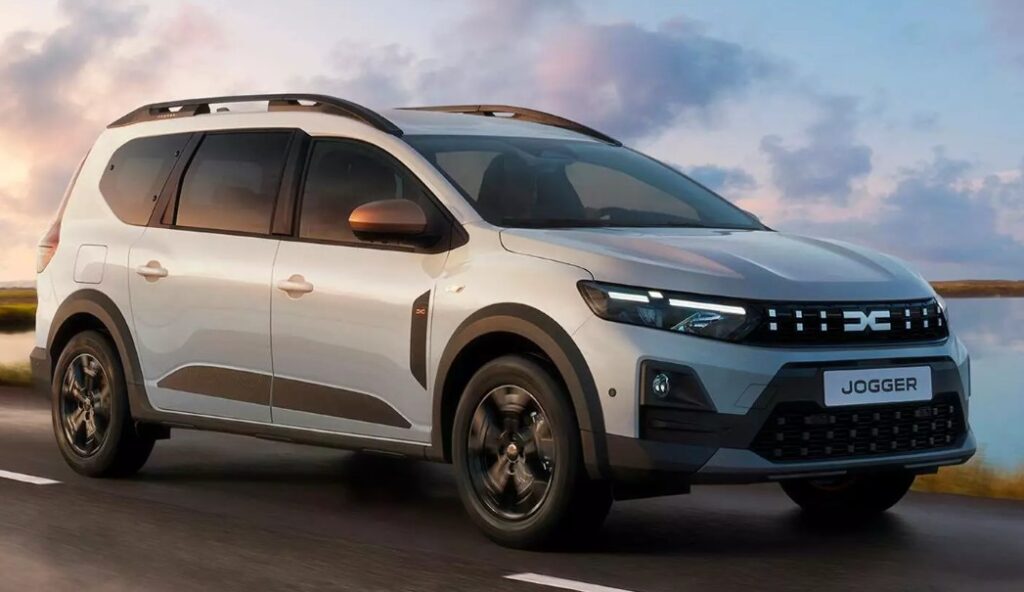
The Dacia Jogger has carved out a rather unusual corner of the family-car market. It offers up to seven seats, a flexible interior, SUV-inspired styling, and a price that often makes traditional MPVs and large crossovers look unnecessarily expensive. On paper, it is the automotive equivalent of a large suitcase bought in a sale: spacious, practical, and surprisingly useful.
However, affordability naturally raises questions. Are there serious Dacia Jogger problems hiding beneath that sensible exterior? Does its low price mean owners must tolerate constant warning lights, cheap interior materials, or expensive mechanical failures?
The reassuring answer is that the Jogger is not generally viewed as a mechanical disaster. It uses many components shared with established Dacia and Renault models, while its relatively straightforward construction removes some of the complexity found in more expensive rivals. Nevertheless, no family car is flawless, and the Jogger has developed a collection of recurring complaints that prospective buyers should understand.
Some issues involve the infotainment system. Others concern interior rattles, minor electrical faults, engine hesitation, battery warnings, hybrid behaviour, and the compromises created by cost-conscious materials. There is also an important distinction between an irritating characteristic and an actual defect.
In this guide, we will explore the most commonly discussed Dacia Jogger faults, explain which symptoms deserve urgent attention, and show how owners can reduce the chance of an unpleasant repair bill.
Content in this publication
- Is the Dacia Jogger a Reliable Car?
- The Most Common Dacia Jogger Problems
- Dacia Jogger Infotainment Problems
- Battery and Stop-Start Warning Problems
- Dacia Jogger Engine Hesitation
- Cold-Start and Rough-Idle Complaints
- Manual Gearbox Problems
- Dacia Jogger Hybrid Problems
- Parking Sensor and Reversing-Camera Faults
- Dashboard Warning Lights
- Tyre-Pressure Monitoring Problems
- Air-Conditioning Problems
- Interior Rattles and Trim Quality
- Third-Row Seat Problems and Practical Limitations
- Water Leaks and Condensation
- Suspension Noise and Ride Complaints
- Road Noise and Wind Noise
- Fuel-Economy Complaints
- Rust and Underbody Protection
- Safety Concerns and the Euro NCAP Rating
- Are There Dacia Jogger Recalls?
- Dacia Jogger Problems by Powertrain
- Which Dacia Jogger Problems Are Most Expensive?
- What to Check Before Buying a Used Dacia Jogger
- How to Prevent Common Dacia Jogger Problems
- Should You Avoid the Dacia Jogger?
- Final Verdict on Dacia Jogger Problems
- Frequently Asked Questions
Is the Dacia Jogger a Reliable Car?
Overall, the Dacia Jogger appears to be a reasonably dependable family vehicle when serviced correctly. Its petrol engine, manual gearbox, chassis components, and electrical architecture are largely based on technology already used elsewhere within the Renault Group.
That matters because the Jogger was not created from an entirely experimental collection of components. Much of its engineering had already accumulated real-world mileage before the model reached customers.
Still, reliability depends heavily on three factors:
- The engine or powertrain selected
- The quality and frequency of maintenance
- Whether early software updates and minor faults have been addressed
The standard TCe petrol versions are mechanically simpler than the full-hybrid model. Simplicity does not guarantee perfection, but fewer complex systems generally mean fewer possible failure points as a vehicle ages.
The hybrid introduces an electric motor, traction battery, power electronics, a more complicated transmission arrangement, and additional software. These systems can improve fuel economy, yet they also make diagnosis more specialised.
We should not interpret every unusual sound or driving sensation as evidence of imminent failure. The Jogger is designed and built as a value-oriented car. That means it may sound noisier, feel less polished, and use firmer or cheaper materials than a premium vehicle without being mechanically defective.
The Most Common Dacia Jogger Problems
Although experiences vary between vehicles, the most frequently discussed complaints tend to fall into several broad groups:
- Infotainment freezing or disconnecting
- Battery and stop-start warnings
- Interior rattles and trim noises
- Engine hesitation or uneven cold running
- Manual gearbox stiffness
- Hybrid transmission hesitation
- Parking sensor and camera glitches
- Warning lights caused by software or sensor faults
- Air-conditioning performance complaints
- Premature wear of inexpensive interior materials
Many of these issues are annoying rather than catastrophic. Even so, persistent symptoms should never be ignored simply because the vehicle continues to drive.
Dacia Jogger Infotainment Problems
The multimedia system is one of the most common sources of owner frustration. Depending on the trim level, the Jogger may use a basic smartphone-based setup or a built-in touchscreen system with phone connectivity.
Typical complaints include:
- A frozen or black display
- Slow responses after starting the car
- Bluetooth connections dropping unexpectedly
- Apple CarPlay or Android Auto disconnecting
- Radio presets disappearing
- Navigation or media functions restarting
- Poor microphone quality during calls
- The reversing-camera image failing to appear
These faults can feel dramatic because the screen controls several everyday functions. Fortunately, they are often caused by software, compatibility, cabling, or temporary communication errors rather than complete hardware failure.
Why Apple CarPlay or Android Auto Disconnects
A damaged or low-quality USB cable is one of the simplest explanations. Modern phone-integration systems transfer data as well as electrical power, so a cable that charges correctly may still fail to maintain a stable data connection.
Phone updates can also introduce compatibility problems. When a smartphone operating system changes but the vehicle software remains unchanged, the two systems may behave like dance partners following different music.
Before assuming the head unit is defective, we should:
- Try an original or certified USB cable
- Clean the phone’s charging port carefully
- Restart the phone and multimedia system
- Delete and reconnect the paired device
- Test another compatible smartphone
- Ask a Dacia dealer about software updates
If several phones experience the same fault, the problem is more likely to be within the vehicle.
What to Do When the Screen Freezes
A temporary system reboot may restore normal operation. The precise procedure can vary by multimedia version, so owners should follow the instructions in the handbook rather than pressing random button combinations.
If the screen repeatedly goes black, record the date, outside temperature, phone model, and circumstances. Intermittent electrical faults are notoriously difficult to reproduce in a workshop. A short video can provide useful evidence.
Battery and Stop-Start Warning Problems
Modern vehicles place far greater demands on their 12-volt batteries than older cars did. Even when the engine is switched off, modules may continue monitoring security, connectivity, key detection, and vehicle status.
The Dacia Jogger can display stop-start unavailable messages or electrical warnings when battery voltage becomes weak. This does not always mean the stop-start system itself is broken.
Symptoms of a Weak 12-Volt Battery
A declining battery may cause:
- Slow engine cranking
- Stop-start becoming unavailable
- Random warning messages
- The central locking behaving inconsistently
- Interior lights dimming
- The infotainment system rebooting
- Multiple warning lights appearing together
- Clicking when attempting to start
This can be confusing because low voltage sometimes triggers warnings from systems that are not actually faulty. The car’s control units require stable voltage, rather like computers needing a clean power supply.
Why Short Journeys Make the Problem Worse
Frequent short trips may not allow the alternator to replace the energy used during starting. Heated screens, lights, ventilation fans, phone charging, and multimedia equipment increase the load further.
A battery can therefore weaken even when the car is relatively new, particularly if it remains parked for long periods.
A proper battery test should assess its state of charge and its ability to deliver current under load. Measuring voltage alone does not always reveal the full picture.
Dacia Jogger Engine Hesitation
Some owners may notice hesitation, uneven acceleration, or a slightly rough idle, especially when the engine is cold. In certain situations, this is a characteristic of a small turbocharged engine rather than evidence of severe internal damage.
The Jogger’s petrol engine must balance emissions, economy, turbo response, and drivability. At low engine speeds, it may not deliver the immediate pull expected from a larger naturally aspirated engine.
However, persistent hesitation deserves investigation.
Possible Causes of Hesitation
Potential explanations include:
- Outdated engine-management software
- Contaminated or poor-quality fuel
- Worn or defective spark plugs
- A failing ignition coil
- A dirty sensor
- An intake or boost leak
- Incorrect air-fuel readings
- Low battery voltage affecting control systems
- A developing fuel-delivery problem
The presence of an engine warning light makes diagnosis more urgent. A workshop should retrieve the stored diagnostic codes before clearing them. Erasing codes without recording the information is like throwing away a map before beginning the journey.
Normal Turbo Lag Versus a Real Fault
A small delay after pressing the accelerator at low revolutions may be normal. Violent jerking, repeated misfires, major power loss, or hesitation accompanied by warning lights is not.
Drivers can reduce strain by avoiding high throttle in an excessively high gear. Asking a small turbo engine to accelerate hard from very low revolutions is similar to asking someone to sprint immediately after waking up.
Cold-Start and Rough-Idle Complaints
A slightly raised idle immediately after a cold start can be normal because the engine-management system is warming the engine and emissions equipment. The idle should settle as the engine reaches its normal operating condition.
We should arrange an inspection when the car:
- Shakes heavily after starting
- Regularly stalls
- Produces a strong fuel smell
- Displays an engine warning
- Misfires after warming up
- Emits unusual smoke
- Requires several attempts to start
Occasional unevenness on a very cold morning may be minor. Repeated rough running in ordinary weather points toward a fault requiring diagnosis.
Manual Gearbox Problems
The manual gearbox is generally straightforward, but some drivers report that the shift can feel notchy or stiff, particularly when the vehicle is cold.
First and reverse gears may require a more deliberate movement than expected. Reverse usually lacks the same synchronisation found on forward gears, so it can resist engagement if the vehicle has not completely stopped.
When Gear Selection Becomes Abnormal
A gearbox inspection is sensible if we experience:
- Grinding during normal changes
- The lever jumping out of gear
- Severe resistance when selecting several gears
- Difficulty engaging first gear after warming up
- Gearbox oil leaking beneath the vehicle
- Whining that changes with road speed
- Clutch slip under acceleration
Minor stiffness may improve as the gearbox oil warms. Grinding, slipping, or repeated failure to engage is not a character trait; it is a warning.
Clutch Judder and High Bite Point
A small amount of clutch sensitivity is possible in any lightly built manual car. However, strong vibration when moving away may indicate clutch contamination, uneven wear, engine-mount movement, or a pressure-plate issue.
A high bite point does not automatically mean the clutch is worn. What matters is whether engine speed rises without a matching increase in road speed, particularly during hard acceleration in a higher gear.
Dacia Jogger Hybrid Problems
The hybrid version changes the character of the Jogger significantly. It can move using electrical power, petrol power, or a combination of both. Transitions between these modes may sometimes feel unusual to drivers accustomed to conventional automatic gearboxes.
The system does not always increase engine speed in direct proportion to road speed. As a result, the engine may sound busy while the car manages battery charging or selects the most efficient operating mode.
That sensation may be unfamiliar without being defective.
Hybrid Hesitation and Transmission Behaviour
Some drivers may notice:
- A pause before moving away
- Engine speed rising unexpectedly
- Noticeable changes between operating modes
- Slight surging at low speeds
- Reduced electric-only operation in cold weather
- The petrol engine starting when the battery display appears adequate
Temperature, battery condition, heating demand, acceleration, and system calibration all influence hybrid behaviour.
The petrol engine may start to warm the cabin, maintain the battery, protect components, or prepare the emissions system. Electric driving is not guaranteed simply because some charge remains.
When Hybrid Behaviour Needs Inspection
Owners should seek professional diagnosis if the vehicle displays a hybrid-system warning, refuses to select drive, loses substantial power, makes harsh mechanical noises, or repeatedly enters a reduced-performance mode.
Hybrid systems contain high-voltage components that should never be dismantled by an untrained owner. Orange cables and traction-battery components are not suitable areas for home experimentation.
Parking Sensor and Reversing-Camera Faults
The Jogger is a relatively long family vehicle, so parking assistance can be extremely useful. Unfortunately, sensors and cameras are exposed to dirt, moisture, road salt, and minor impacts.
Common symptoms include:
- Continuous beeping when nothing is nearby
- No warning sound at all
- An intermittent camera image
- A dark or distorted display
- Sensors failing after heavy rain
- Delayed activation after selecting reverse
Before booking a repair, clean the sensors and camera lens with a soft cloth. Mud, wax, ice, and water droplets can interfere with their operation.
A tow bar, bicycle rack, or accessory mounted near the rear bumper may also confuse the sensors.
Why Intermittent Camera Problems Matter
A camera that fails occasionally may have a loose connector, damaged wiring, moisture intrusion, or software instability. Because the fault can disappear before reaching a workshop, video evidence is valuable.
We should never rely entirely on the camera. It is an aid, not a substitute for mirrors, observation, and common sense.
Dashboard Warning Lights
A modern dashboard can light up like a Christmas tree when one underlying fault disrupts communication between several modules.
For example, a weak battery or wheel-speed sensor fault may affect stability control, tyre-pressure monitoring, hill-start assistance, and other systems simultaneously. That does not necessarily mean every listed system has failed independently.
The official Jogger handbook explains the vehicle’s warning lights and distinguishes between information messages, faults requiring attention, and warnings that demand an immediate stop. Owners should consult the correct manual for their specific vehicle and equipment level.
Red Warning Lights
A red warning usually indicates a potentially serious condition. Depending on the symbol, it may relate to:
- Engine oil pressure
- Brake-system operation
- Engine temperature
- Electrical charging
- Occupant restraint systems
- A critical vehicle fault
When a red stop warning appears, we should pull over safely as soon as conditions permit, switch off the engine, and follow the handbook’s instructions.
Continuing to drive with no oil pressure or severe overheating can transform a manageable problem into complete engine failure within minutes.
Amber Warning Lights
An amber light generally means the vehicle requires attention but may not demand an immediate stop. However, an amber engine light that flashes can indicate active misfiring, which may damage the catalytic converter.
Any warning combined with power loss, overheating, smoke, a fuel smell, or abnormal noise deserves urgent investigation.
Tyre-Pressure Monitoring Problems
The tyre-pressure monitoring system may warn the driver after a pressure change, tyre replacement, puncture repair, seasonal temperature shift, or system reset issue.
Tyre pressure naturally falls as ambient temperature decreases. A tyre that was correctly inflated during warm weather can trigger a warning after a cold night.
How to Respond to a Pressure Warning
We should:
- Stop safely and inspect all tyres.
- Check pressures when the tyres are cold.
- Inflate them to the specification shown on the vehicle label.
- Look for nails, cuts, bulges, or rim damage.
- Reset or recalibrate the system correctly if required.
- Recheck the tyres if the warning returns.
Never assume the warning is merely electronic. A slow puncture can look harmless while gradually creating heat and internal tyre damage.
Air-Conditioning Problems
Some owners may feel that the Jogger’s air conditioning struggles to cool the large cabin quickly, especially when all seven seats are occupied. A long interior, large glass area, and no luxury-grade rear climate system create a demanding environment.
That does not necessarily mean the system is defective.
Signs of an Actual Air-Conditioning Fault
Possible fault symptoms include:
- Air never becoming cold
- Cooling disappearing after several minutes
- A clicking or grinding compressor noise
- A damp or unpleasant smell
- Weak airflow on every fan speed
- Water entering the passenger compartment
- Mist that cannot be cleared effectively
Poor cooling can result from low refrigerant, a leak, sensor failure, compressor trouble, condenser damage, or an electrical fault.
Refrigerant does not normally vanish simply because a system is old. If the level is low, there is usually a leak that should be located rather than repeatedly hidden with a recharge.
Improving Cabin Cooling
On very hot days, opening the doors briefly allows trapped heat to escape. Start with recirculation enabled and a strong fan setting, then reduce the fan once the cabin cools.
Keeping the cabin filter clean also helps maintain airflow. A blocked filter can make a healthy system feel weak.
Interior Rattles and Trim Quality
Interior noise is among the most predictable Dacia Jogger complaints. The car’s attractive price depends partly on the use of hard plastics, straightforward fittings, limited sound insulation, and lightweight trim.
Owners may hear rattles from:
- Door panels
- Dashboard sections
- Seat mechanisms
- Removable third-row seats
- Luggage-compartment trim
- Roof-bar components
- Seat-belt buckles
- Items stored beneath the boot floor
A rattle does not normally threaten reliability, but it can slowly drain the joy from a family journey like a dripping tap in a silent room.
Finding the Source of a Rattle
Remove loose objects before blaming the car. Child seats, charging cables, tools, parcel shelves, buckles, and luggage can produce surprisingly convincing noises.
Have a passenger apply light pressure to suspected panels while driving over the road surface that triggers the sound. Do not allow anyone to remove trim or move around the cabin while the vehicle is in motion.
Felt tape, correctly fitted clips, and dealer adjustments can often eliminate persistent noises.
Third-Row Seat Problems and Practical Limitations
The Jogger’s third row is one of its greatest strengths, but the removable-seat design introduces a few compromises.
The seats are practical rather than luxurious. They may feel heavy to remove, and incorrect installation can create movement or rattling. Owners should ensure each seat is fully locked into position before carrying passengers.
Potential complaints include:
- Stiff folding mechanisms
- Seat latches requiring firm operation
- Rattles from an incompletely secured seat
- Limited luggage room with all seats in use
- Awkward access for larger adults
- Seat belts twisting during repeated folding
Regularly cleaning dirt from the latch areas can help. We should never lubricate safety-critical seat components unless the manufacturer specifically recommends an appropriate product.
Water Leaks and Condensation
Widespread severe water leakage is not a defining characteristic of the Jogger, but any vehicle can develop seal, drain, or body-fitting problems.
Signs include damp carpets, condensation that returns quickly, a musty smell, water in the spare-wheel area, or moisture around doors and windows.
Possible causes include:
- Blocked drainage channels
- A poorly seated door seal
- Tailgate-seal problems
- Air-conditioning drain issues
- Water entering after body repair
- Moisture from wet clothing and passengers
A seven-seat family car naturally carries plenty of moisture during rainy weather. Wet coats, muddy shoes, and breathing passengers can create significant condensation.
Persistent wet carpets, however, should be investigated quickly. Hidden moisture can cause odours, corrosion, electrical problems, and mould.
Suspension Noise and Ride Complaints
The Jogger is designed to carry passengers and luggage while remaining affordable. Its suspension may feel firm or slightly unsettled over sharp bumps, particularly when the vehicle is lightly loaded.
A dull thump over a pothole does not always indicate failure. Repeated knocking, metallic clunks, uneven tyre wear, or loose steering deserves inspection.
Possible sources include:
- Anti-roll-bar links
- Suspension bushes
- Shock-absorber mounts
- Loose underbody panels
- Exhaust brackets
- Items moving in the boot
- Incorrect tyre pressure
Before replacing suspension components, make sure removable seats, tools, roof bars, and cargo are properly secured. Family cars are excellent ventriloquists; a noise from the boot can sound as though it comes from beneath the front axle.
Road Noise and Wind Noise
The Jogger is not heavily insulated. Tyre roar, engine noise, and wind noise may therefore be more noticeable than in a more expensive crossover.
Wind noise around the doors can become more obvious at motorway speeds. Normal airflow noise should remain consistent. A sudden whistle or noise concentrated around one corner may indicate a misaligned seal, damaged trim, or poorly fitted accessory.
Tyre choice also matters. Some replacement tyres are quieter than others, while aggressive tread patterns can make the cabin sound like a distant aircraft hangar.
Fuel-Economy Complaints
Official fuel-consumption figures are measured under controlled conditions. Real-world economy changes with speed, temperature, traffic, load, tyre pressure, heating, and driving style.
The Jogger is spacious but not weightless. Seven passengers, luggage, roof boxes, and motorway speeds all increase fuel use.
Why Economy May Suddenly Fall
A noticeable drop can result from:
- Cold weather
- Frequent short journeys
- Low tyre pressure
- Roof-mounted equipment
- Heavy loads
- Increased idling
- A blocked air filter
- Brake drag
- Sensor or engine-management faults
- Hybrid battery temperature and heating demand
Compare consumption over several full tanks rather than relying on a single short trip. Dashboard estimates are useful, but fuel added at the pump provides a better long-term comparison.
Rust and Underbody Protection
The Jogger is still too young in many markets for its long-term corrosion performance to be fully established across every climate. Nevertheless, road salt, stone chips, blocked drainage points, and neglected underbody damage can affect any vehicle.
Owners in coastal regions or areas with salted winter roads should inspect:
- Suspension mounting points
- Brake pipes
- Subframes
- Door edges
- Tailgate seams
- Wheel arches
- Areas damaged by stones or improper lifting
Surface discolouration on certain untreated components may not be structurally significant. Flaking metal, swollen seams, or corrosion near mounting points requires closer attention.
Safety Concerns and the Euro NCAP Rating
The Dacia Jogger received a one-star Euro NCAP rating when assessed in 2022 under the organisation’s applicable protocols. Euro NCAP explained that the Jogger shares much of its structure with the Sandero Stepway and lost additional points because the seven-seat version lacked a seat-belt reminder for the third row.
This result deserves context. A low rating does not automatically mean the vehicle will collapse in every collision. Euro NCAP assessments also consider crash-avoidance technology, occupant monitoring, vulnerable-road-user protection, and the availability of safety equipment.
Nevertheless, buyers should not dismiss the score. Families comparing the Jogger with newer rivals should examine the detailed category results and consider which driver-assistance features are standard on the exact model being purchased.
Safety specifications can change by trim level, model year, and country. Dacia’s current Jogger materials advertise a growing list of safety equipment, but buyers should verify the specification of the individual vehicle rather than assuming every version is identical.
Are There Dacia Jogger Recalls?
Recall status varies by country, production date, engine, and vehicle identification number. A general list found online cannot confirm whether one particular Jogger requires work.
The safest approach is to enter the registration or vehicle identification details into the relevant official recall database and contact an authorised Dacia dealer. Official recall repairs should normally be completed without charge to the owner.
We should also distinguish between:
- A formal safety recall
- A service campaign
- A software update
- A technical service instruction
- A routine warranty repair
A vehicle can require an update without being subject to a public safety recall.
Dacia Jogger Problems by Powertrain
TCe Petrol Versions
The petrol version is likely to appeal to buyers who value mechanical simplicity and predictable long-distance behaviour.
Potential concerns include:
- Hesitation at low engine speed
- Ignition-related misfires
- Turbo or intake leaks as mileage increases
- Stop-start limitations caused by battery condition
- Clutch wear in heavily used vehicles
- Oil consumption that goes unnoticed between services
Regular oil-level checks remain important even when no warning appears.
ECO-G LPG Versions
Where offered, the factory LPG version can reduce fuel costs, but it adds another fuel system and additional maintenance considerations.
Owners should watch for:
- Difficulty switching between petrol and LPG
- Poor running on one fuel but not the other
- LPG injector or pressure faults
- Reduced filling capacity in hot conditions
- Incorrect servicing by workshops unfamiliar with factory LPG systems
LPG components should be inspected and repaired by appropriately trained technicians.
Hybrid Versions
The hybrid can deliver smoother urban driving and lower fuel consumption, but it depends more heavily on software, battery management, and specialised diagnosis.
A used hybrid should be checked for warning history, incomplete software updates, accident damage around high-voltage components, and evidence that the correct maintenance schedule has been followed.
Which Dacia Jogger Problems Are Most Expensive?
Minor infotainment and trim problems are rarely financially devastating. The greater potential costs come from major mechanical or electronic components.
The most expensive possibilities may include:
- Hybrid battery or power-electronics failure outside warranty
- Transmission or clutch replacement
- Turbocharger failure
- Catalytic-converter damage after prolonged misfiring
- Air-conditioning compressor replacement
- Multimedia unit replacement
- Accident-related sensor calibration
- Major engine damage caused by oil loss or overheating
These are possible repair categories, not predictions that every Jogger will suffer them.
Preventive maintenance usually costs far less than waiting for a minor symptom to become a major failure.
What to Check Before Buying a Used Dacia Jogger
A careful inspection is particularly important because the Jogger is often purchased as a hard-working family vehicle. Seven-seat cars may experience intensive use, short journeys, spilled drinks, kerbed wheels, and heavy luggage.
Exterior Inspection
Check for:
- Inconsistent paint colour
- Uneven gaps between body panels
- Cracked lamps
- Damaged parking sensors
- Poorly repaired bumpers
- Roof-bar damage
- Uneven tyre wear
- Corrosion beneath the car
- Signs of incorrect jacking
Interior Inspection
Test every seat mechanism, belt, door lock, window, USB port, light, ventilation control, and storage compartment.
Fold and remove the third-row seats where applicable. Make sure the mounting points are not bent and the seats lock securely.
Electrical Inspection
Switch the ignition on and confirm that warning lights illuminate and then extinguish as expected. A warning light that never illuminates may have been concealed rather than repaired.
Connect a phone, test the touchscreen, select reverse, and operate the parking sensors. Do not let a seller rush this process.
Road-Test Inspection
During the test drive, assess:
- Cold starting
- Clutch operation
- Gear selection
- Straight-line stability
- Braking
- Engine response
- Suspension noise
- Steering feel
- Hybrid transitions
- Warning messages
- Heating and air conditioning
Drive on urban roads and at higher speed where legal. A five-minute loop around a dealership cannot reveal motorway wind noise or a vibration that appears only after warming up.
How to Prevent Common Dacia Jogger Problems
No maintenance routine can guarantee a fault-free vehicle, but sensible habits improve the odds considerably.
We should:
- Follow the correct service schedule
- Use the specified engine oil
- Check the oil level between services
- Maintain tyre pressures
- Avoid ignoring warning lights
- Keep software updated
- Use good-quality fuel
- Replace a weak battery before it causes secondary faults
- Keep drainage channels clean
- Investigate leaks promptly
- Allow the engine to warm through regular longer journeys
- Keep records of intermittent faults
The service schedule should be based on time as well as mileage. A low-mileage car that performs repeated short journeys may have an easier-looking odometer but a demanding operating life.
Should You Avoid the Dacia Jogger?
For many families, no. The Jogger remains one of the most practical ways to obtain seven usable seats without paying premium-SUV money. Dacia currently promotes it as a flexible five- or seven-seat family model with up to 2,094 litres of total loading capacity under its stated measurement conditions.
Its weaknesses are closely connected to its mission. The interior materials are inexpensive because the car is inexpensive. Sound insulation is limited because weight and cost have been controlled. Some technology is less polished than systems found in more expensive rivals.
The key is to buy it for what it is.
Anyone expecting limousine refinement, cutting-edge driver assistance, silent motorway travel, and flawless luxury-grade software may be disappointed. Anyone seeking uncomplicated transport, huge practicality, and manageable ownership costs may find the Jogger refreshingly honest.
Final Verdict on Dacia Jogger Problems
The Dacia Jogger is not problem-free, but neither is it a fragile bargain waiting to collapse. Its most common complaints involve infotainment glitches, weak-battery symptoms, trim rattles, occasional sensor warnings, modest refinement, and powertrain behaviour that some drivers find unfamiliar.
Petrol versions benefit from relative mechanical simplicity. Hybrid versions offer appealing urban economy but introduce more complex electronics and operating characteristics. In either case, maintenance history matters more than a shiny dashboard or freshly polished paint.
We should treat red warning lights, overheating, misfires, severe power loss, brake warnings, and hybrid-system faults seriously. Minor rattles and temporary phone-connection issues are less urgent, though they still deserve attention while the vehicle remains under warranty.
Ultimately, the Jogger is like a sturdy multipurpose tool. It may not feel beautifully finished in the hand, but it can perform an impressive number of jobs. Buy a well-maintained example, understand its compromises, and deal with small faults early. Do that, and the Dacia Jogger can remain a practical family companion rather than a recurring workshop appointment.
Frequently Asked Questions
1. What are the most common Dacia Jogger problems?
The most frequently reported concerns include infotainment freezing, smartphone disconnections, battery-related warnings, stop-start becoming unavailable, interior rattles, parking-sensor glitches, engine hesitation, and stiff manual gear selection. Hybrid models may also display operating behaviour that feels unusual compared with a conventional automatic.
2. Does the Dacia Jogger have serious engine problems?
There is no clear basis for describing every Jogger engine as fundamentally unreliable. However, owners should investigate persistent misfires, heavy oil consumption, turbo-related power loss, severe hesitation, overheating, or warning lights. Regular servicing and oil-level checks are essential.
3. Is the Dacia Jogger Hybrid reliable?
The hybrid uses established Renault Group technology, but it is more complex than the manual petrol version. Some changes in engine speed and electric operation are normal. Hybrid warnings, failure to select drive, harsh noises, or repeated loss of power require specialist diagnosis.
4. Why does my Dacia Jogger show several warnings at once?
Low 12-volt battery voltage, a faulty wheel-speed sensor, software communication errors, or another shared input can trigger several warnings simultaneously. A diagnostic scan and battery test should be performed before replacing multiple components.
5. Is a used Dacia Jogger worth buying?
A used Jogger can be a strong-value purchase when it has a complete service history, no unresolved warning lights, properly operating seats, healthy tyres, stable infotainment, and no evidence of accident damage. A thorough cold-start test drive and independent inspection are advisable.
If you want to know other articles similar to Dacia Jogger Problems: Reliability, Faults, and Owner Advice you can visit the category Common Problems.
Volvo XC40 Sound Not Working? Complete Troubleshooting Guide

Mazda Diesel Engine Problems: Common Faults and Fixes
Volkswagen Key Not Detected or No Key Error: Causes and Fixes

Volvo S90 Common Problems: Reliability & Repair Guide
Volvo S90 No Sound: Causes, Fixes and Solutions

Nissan Rogue Smells Like Gas: Causes and Fixes
Leave a Reply
More content of your interest