
Dacia Jogger Towing Capacity: Complete Practical Guide

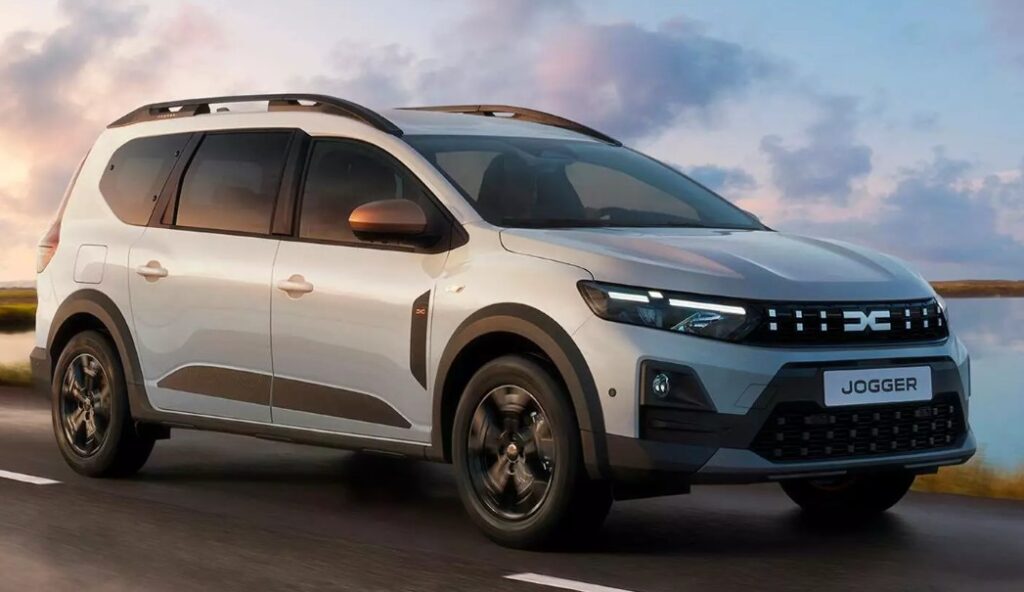
The Dacia Jogger looks like the sort of family car that is always ready for another job. One morning, it carries children and school bags. By lunchtime, it is swallowing flat-pack furniture. At the weekend, we might expect it to pull a trailer, a small caravan, or a pair of motorcycles.
But how much can a Dacia Jogger actually tow?
For the current UK-specification Dacia Jogger TCe 110, the official maximum towing capacity is 1,200 kg for a braked trailer and 645 kg for an unbraked trailer. Dacia also lists a gross train weight of 3,055 kg for this version.
Those figures give us the headline answer, but they do not tell the whole story. Towing capacity depends on the engine, transmission, model year, market, vehicle loading, trailer brakes, and the exact limits shown on the car’s identification plate. A Jogger that is technically allowed to pull 1,200 kg may not always be comfortable doing so when seven seats are occupied and the boot is packed like a moving van.
In this guide, we will unpack the numbers, explain the jargon, calculate realistic loads, and decide whether the Jogger is a sensible tow car for your trailer, boat, or caravan.
Content in this publication
- What Is the Dacia Jogger Towing Capacity?
- Braked Versus Unbraked Towing Capacity
- Does Every Dacia Jogger Tow 1,200 kg?
- Understanding Gross Train Weight
- Payload Matters More Than Many Owners Realise
- Can the Dacia Jogger Tow a Caravan?
- The 85% Caravan Guideline Explained
- Can the Dacia Jogger Tow a Trailer?
- Can the Dacia Jogger Tow a Boat?
- How Well Does the TCe 110 Engine Tow?
- What About the Dacia Jogger Hybrid?
- Dacia Jogger Towing Capacity in Pounds
- Choosing the Correct Towbar
- Nose Weight and Trailer Balance
- Tyres, Pressures, and Towing Safety
- How Towing Affects Fuel Economy
- Driving the Jogger Safely While Towing
- Is the Dacia Jogger a Good Tow Car?
- Common Dacia Jogger Towing Mistakes
- A Simple Dacia Jogger Towing Checklist
- Final Verdict: How Much Should the Jogger Tow?
- Frequently Asked Questions
What Is the Dacia Jogger Towing Capacity?
The current Dacia Jogger TCe 110 has the following official UK towing figures:
| Specification | Maximum figure |
|---|---|
| Braked towing capacity | 1,200 kg |
| Unbraked towing capacity | 645 kg |
| Gross train weight | 3,055 kg |
| Gross vehicle weight | 1,855 kg |
| Kerb weight excluding driver | 1,221 kg |
| Maximum payload including driver | Up to 634 kg |
| Engine torque | 200 Nm |
| Drivetrain | Front-wheel drive |
| Transmission | Six-speed manual |
These figures apply to the version shown in Dacia UK’s current technical data. Dacia lists the TCe 110 as a 1.0-litre, three-cylinder turbocharged petrol engine producing 110 hp and 200 Nm of torque.
The most important number for many owners is 1,200 kg. That is the maximum permitted weight of a trailer equipped with its own braking system.
Dacia’s official Jogger accessory brochure also states a maximum braked towing capacity of 1,200 kg and offers approved towbar equipment intended for trailers, boats, caravans, and towbar-mounted bicycle carriers.
However, we should treat 1,200 kg as a ceiling, not a target. It is the red line on the dial, not necessarily the sweet spot.
Braked Versus Unbraked Towing Capacity
Understanding the difference between braked and unbraked trailers is essential. Without it, the numbers can feel like road-sign soup.
Braked Trailer Capacity: 1,200 kg
A braked trailer has its own braking system. When the Jogger slows down, the trailer brakes help control the trailer’s momentum instead of leaving the car’s brakes to do all the work.
The Dacia Jogger can tow a braked trailer with a maximum authorised weight of up to 1,200 kg, subject to the exact specification of the vehicle.
This category can include:
- Small and lightweight caravans
- Compact camping trailers
- Many general-purpose cargo trailers
- Small horse trailers when lightly loaded, although careful weight calculations are essential
- Motorcycle trailers
- Jet-ski trailers
- Small boat trailers
- Braked plant or equipment trailers
The trailer’s actual loaded weight must remain within the permitted limit. An empty trailer weighing 500 kg may appear harmless, but add camping equipment, water, gas bottles, an awning, bicycles, food, and luggage, and it can quickly become a much heavier animal.
Unbraked Trailer Capacity: 645 kg
An unbraked trailer does not have its own effective braking system. The Jogger must therefore slow both itself and the trailer using the car’s brakes.
The official maximum unbraked towing capacity for the current TCe 110 is 645 kg.
Typical unbraked trailers include:
- Small garden trailers
- Lightweight box trailers
- Compact utility trailers
- Some small watercraft trailers
- Lightweight camping trailers
- Small motorcycle trailers
A trailer weighing 645 kg when fully loaded is right at the Jogger’s published unbraked limit. For easier handling and a greater operating margin, we would generally prefer to stay below the maximum, especially on long trips or hilly roads.
Does Every Dacia Jogger Tow 1,200 kg?
Not necessarily.
Towing limits can vary according to:
- Engine
- Gearbox
- Hybrid or petrol powertrain
- Five-seat or seven-seat configuration
- Manufacturing date
- Country of registration
- Vehicle homologation
- Optional equipment
- Exact kerb and gross weights
The current UK technical page prominently displays the TCe 110 version with a 1,200 kg braked limit. Earlier Joggers, LPG-powered versions, hybrids, and cars sold in other markets may carry different certified figures.
This is why we should never rely exclusively on a general internet article—even this one—when connecting a trailer.
The legally relevant figure for your car is the one attached to its exact specification.
Where to Find Your Jogger’s Exact Limit
Check the following sources:
- The vehicle identification or weight plate
- The owner’s manual
- The Certificate of Conformity
- The registration document, where applicable
- Dacia’s technical documentation for the exact model
- A Dacia dealer using the vehicle identification number
The vehicle plate normally includes several weight figures. The precise layout varies, but it commonly identifies the maximum authorised mass of the car and the maximum authorised mass of the complete car-and-trailer combination.
Subtracting the vehicle’s gross permitted weight from the gross train weight often reveals the maximum trailer allowance.
For the current UK TCe 110 figures:
3,055 kg gross train weight − 1,855 kg gross vehicle weight = 1,200 kg
That calculation matches Dacia’s published braked towing capacity.
Understanding Gross Train Weight
Gross train weight is one of the most important—and most misunderstood—figures in towing.
It represents the maximum permitted combined weight of:
- The Jogger
- Driver
- Passengers
- Luggage
- Accessories
- Towbar load
- Trailer
- Everything carried inside the trailer
For the current TCe 110, Dacia lists a gross train weight of 3,055 kg.
Imagine that the car and trailer are standing together on a giant weighbridge. The gross train weight is the maximum total that the scale should display.
Why Maximum Towing Capacity Is Not the Only Limit
Suppose the Jogger is loaded to its full gross vehicle weight of 1,855 kg. It can then use the complete 1,200 kg trailer allowance:
1,855 kg + 1,200 kg = 3,055 kg
That fits exactly within the published gross train weight.
However, we must still ensure that:
- The trailer does not exceed 1,200 kg
- The car does not exceed its gross vehicle weight
- Neither axle exceeds its individual limit
- The towbar nose-weight limit is respected
- The trailer itself is legally rated for the load
- Tyres are suitable and correctly inflated
Towing is a chain of limits. The weakest link sets the real maximum.
Payload Matters More Than Many Owners Realise
Payload is the difference between the car’s basic weight and its maximum permitted loaded weight.
Dacia’s current technical information lists a kerb weight excluding the driver of 1,221 kg and a gross vehicle weight of 1,855 kg for the TCe 110 version. Depending on the exact configuration and the way the figure is presented, Dacia lists a maximum payload including the driver of up to 634 kg on its technical page.
Payload can be consumed by:
- Driver
- Adult passengers
- Children
- Luggage
- Roof boxes
- Towbar
- Towball load
- Dog crates
- Camping equipment
- Aftermarket accessories
- Food and drinks
- Child seats
- Anything permanently carried in the car
A seven-seat cabin can encourage us to load the Jogger enthusiastically. Yet passengers have mass, even when they insist they packed lightly.
A Realistic Family Loading Example
Consider this approximate load:
| Item | Example weight |
| Driver | 80 kg |
| Adult passenger | 70 kg |
| Three children | 120 kg |
| Luggage | 100 kg |
| Towball load | 65 kg |
| Accessories and loose items | 30 kg |
| Total added load | 465 kg |
That may fit within the Jogger’s payload, but it leaves a smaller margin for extra passengers, bicycles, roof luggage, or heavier holiday equipment.
Place seven adults in the car and the picture changes dramatically. Even before loading suitcases, the passenger weight could consume most of the available payload.
The Jogger offers up to seven seats, but seven-seat capacity does not automatically mean seven people plus a fully loaded caravan plus a roof box. Weight arithmetic has no sense of adventure; it simply adds everything together.
Can the Dacia Jogger Tow a Caravan?
Yes, the Dacia Jogger can tow a caravan, provided the caravan’s relevant weight does not exceed the car’s limits.
A caravan with a maximum authorised mass below 1,200 kg may be legally compatible with the TCe 110’s published braked towing limit. However, legal compatibility and pleasant towing are not always identical.
What Size Caravan Suits the Jogger?
The Jogger is better suited to:
- Lightweight two-berth caravans
- Compact family caravans
- Pop-top caravans
- Folding campers
- Teardrop trailers
- Small touring caravans
- Lightweight trailer tents
It is less suitable for:
- Large twin-axle caravans
- Heavy luxury tourers
- Caravans approaching or exceeding 1,200 kg
- Trailers with poor weight distribution
- Large high-sided trailers used regularly in exposed conditions
A caravan is not just heavy; it is also tall and broad. At motorway speeds, its large body behaves like a sail. Crosswinds, overtaking lorries, downhill sections, and sudden steering inputs can all test the stability of the outfit.
The Jogger’s relatively long 2,898 mm wheelbase can help it feel more settled than a very short car, but its modest kerb weight remains an important consideration. Dacia lists the current TCe 110 at 1,221 kg excluding the driver.
A caravan loaded to the full 1,200 kg limit would therefore be close to the car’s own basic weight. Experienced drivers may be comfortable with a carefully matched combination, but beginners may prefer a lighter trailer.
The 85% Caravan Guideline Explained
In caravan circles, we often hear that a beginner should aim for a loaded caravan weight of no more than roughly 85% of the tow car’s kerb weight.
This is a practical guideline rather than a substitute for the manufacturer’s legal limits.
Using the published 1,221 kg kerb weight:
1,221 kg × 0.85 = approximately 1,038 kg
That suggests a caravan weighing around 1,000 to 1,040 kg when fully loaded could represent a more conservative match than one weighing the full 1,200 kg.
The calculation is not a universal law. Actual stability also depends on:
- Trailer design
- Tyre condition
- Suspension
- Weight distribution
- Nose weight
- Road speed
- Crosswinds
- Driver experience
- Electronic stability systems
- Whether the trailer begins to sway
Still, it gives us a useful starting point. The difference between “permitted” and “comfortable” can be hundreds of kilograms.
Can the Dacia Jogger Tow a Trailer?
Yes. In fact, a conventional low-profile trailer may suit the Jogger better than a tall caravan of the same weight.
A trailer carrying garden waste, building materials, motorcycles, furniture, or camping gear usually presents less aerodynamic resistance than a caravan. That can reduce the strain at higher speeds.
However, we must calculate the trailer’s total operating weight.
How to Calculate Loaded Trailer Weight
Use this simple formula:
Empty trailer weight + cargo + accessories = actual loaded trailer weight
For example:
- Empty trailer: 400 kg
- Two motorcycles: 420 kg
- Ramps and straps: 35 kg
- Tools and riding equipment: 45 kg
Total: 900 kg
A 900 kg braked trailer falls below the Jogger TCe 110’s published 1,200 kg limit.
Now consider another example:
- Empty trailer: 500 kg
- Compact car being transported: 1,050 kg
- Equipment: 50 kg
Total: 1,600 kg
That combination is far beyond the Jogger’s permitted towing capacity.
We should use measured or certified weights rather than optimistic guesses. People often underestimate trailer loads because tools, water, fuel, batteries, gas cylinders, and accessories seem individually small. Together, they pile up like coins in a jar.
Can the Dacia Jogger Tow a Boat?
The Jogger can tow many small boats, dinghies, personal watercraft, and lightweight fishing boats, provided the combined boat-and-trailer weight remains within the permitted figure.
Remember to include:
- Boat
- Trailer
- Outboard motor
- Fuel
- Battery
- Anchor
- Safety equipment
- Fishing gear
- Covers
- Spare wheel
- Water stored onboard
A boat advertised as weighing 650 kg may exceed 900 kg once the engine, trailer, fuel, and equipment are included.
Boat-Ramp Considerations
Launching a boat introduces challenges that ordinary road towing does not.
Wet or slippery ramps can reduce traction. The Jogger is front-wheel drive, so its driven wheels remain on the front axle while the rear of the vehicle carries the towball load. On a steep, algae-covered ramp, that combination can make pulling a heavy boat out of the water more difficult.
For modest boats on well-maintained ramps, the Jogger may perform perfectly well. For frequent launches involving steep gradients, loose surfaces, or loads near 1,200 kg, a heavier four-wheel-drive tow car could offer greater confidence.
How Well Does the TCe 110 Engine Tow?
The TCe 110 produces 200 Nm of torque and uses a six-speed manual gearbox.
On paper, 200 Nm is respectable for a small turbocharged petrol engine. It should be capable of pulling a sensibly matched trailer without feeling helpless.
However, we should keep expectations realistic. This is a 1.0-litre family-car engine, not a large diesel locomotive.
What to Expect on the Road
When towing, drivers may notice:
- Slower acceleration
- More frequent downshifts
- Higher engine speeds on hills
- Reduced fuel economy
- Longer overtaking distances
- Greater sensitivity to headwinds
- More clutch work during hill starts
- Increased braking distances
The six-speed manual gearbox allows us to choose a lower gear early and keep the engine within a useful power range. Letting the engine struggle in a high gear is rarely helpful. A timely downshift is kinder than pressing the accelerator harder while the engine labours.
On steep climbs, we should accept a lower speed rather than chase normal solo-car performance.
What About the Dacia Jogger Hybrid?
Hybrid Jogger versions may have towing figures that differ from the TCe 110.
The hybrid system adds components and weight, while its transmission, cooling requirements, and homologation are different. Consequently, we should not assume that the petrol and hybrid models share identical limits merely because the body looks the same.
Specifications can also change between model years. Dacia’s published pages note that continuous product development may affect specifications and advise customers to confirm the latest data with a retailer.
Before towing with a Jogger Hybrid:
- Read the weight plate
- Check the owner’s manual
- Confirm the approved towbar
- Verify the braked and unbraked limits
- Check whether restrictions apply to specific trailer types
- Confirm the maximum permitted nose weight
The vehicle-specific plate always outranks a generic figure found online.
Dacia Jogger Towing Capacity in Pounds
For readers who prefer imperial measurements:
- 1,200 kg equals approximately 2,646 lb
- 645 kg equals approximately 1,422 lb
- 3,055 kg equals approximately 6,735 lb
- 1,855 kg equals approximately 4,090 lb
- 1,221 kg equals approximately 2,692 lb
Therefore, the current TCe 110 can tow roughly:
- 2,646 lb with trailer brakes
- 1,422 lb without trailer brakes
These conversions are rounded. When assessing legal compliance, use the kilogram figures printed in the official vehicle and trailer documentation rather than relying on rounded conversions.
Choosing the Correct Towbar
A towbar should be approved for the exact Jogger variant and professionally installed.
Dacia offers both swan-neck and removable 13-pin towbar arrangements for the Jogger. Its accessory documentation describes them as suitable for towing a trailer, boat, or caravan, as well as carrying towbar-mounted bicycles.
Why Vehicle-Specific Wiring Matters
A modern towbar installation is more than a steel bar bolted beneath the bumper.
Vehicle-specific wiring can help the car communicate correctly with the trailer’s lighting system. Depending on specification, correct integration may also support towing-related functions within the car’s electronic stability and parking systems.
A professional installation helps ensure:
- Correct mounting points are used
- Bolts are tightened to specification
- Electrical connections are protected
- Trailer lights operate correctly
- Parking sensors behave appropriately
- The towbar is compatible with the vehicle
- The installation does not compromise safety systems
A bargain towbar fitted poorly can become the most expensive cheap accessory we ever buy.
Seven-Pin or 13-Pin Electrics?
A seven-pin connection is commonly associated with basic trailer lighting.
A 13-pin connection can support additional circuits required by many modern caravans and provides a more secure, weather-resistant connection. Dacia’s current accessory brochure lists 13-pin towbar equipment for the Jogger.
For regular caravan use, 13-pin electrics are generally the more practical choice.
Nose Weight and Trailer Balance
Nose weight is the downward force the trailer applies to the towball.
Too little nose weight can make a trailer unstable. Too much can overload the towbar, rear suspension, tyres, or rear axle.
The correct maximum must be confirmed from:
- The vehicle documentation
- Towbar rating
- Trailer documentation
Always obey the lowest applicable figure.
How to Load a Trailer Properly
Good loading practice includes:
- Put heavy objects low down
- Keep weight close to the trailer axle
- Secure every item
- Avoid placing heavy cargo at the extreme rear
- Do not exceed the trailer’s maximum authorised mass
- Check nose weight with a suitable gauge
- Recheck the load after the first few miles
A trailer loaded heavily behind its axle can behave like a pendulum. At first, the outfit may feel fine. Then a gust of wind or abrupt steering input begins the sway, and the trailer starts trying to steer the car.
Correct weight distribution is not a minor detail. It is one of the foundations of stable towing.
Tyres, Pressures, and Towing Safety
Tyres carry every load, transmit every braking force, and make every steering correction. Yet they are often checked last.
Before towing, inspect the Jogger and trailer tyres for:
- Correct pressure
- Cuts or cracking
- Bulges
- Uneven wear
- Sufficient tread
- Appropriate load rating
- Correct age and condition
- Secure valve caps
Use the towing or fully loaded tyre pressures specified for your exact vehicle. These may differ from the pressures used during light daily driving.
Do not inflate the tyres based on a random figure from another Jogger. Wheel size, engine, load, and tyre specification can affect the correct pressure.
Do Not Forget the Trailer Tyres
Trailer tyres may look healthy because their tread is barely worn. However, trailers often spend long periods parked, allowing tyres to age, crack, and deform.
Check the trailer spare wheel as well. A spare with no air is merely circular luggage.
How Towing Affects Fuel Economy
Dacia lists a configured combined figure of around 47 mpg for the current TCe 110 under official test conditions. Real-world results vary with load, weather, driving style, and accessories.
Towing will normally increase fuel consumption because the engine must overcome:
- Additional mass
- Greater aerodynamic drag
- Rolling resistance
- More frequent acceleration
- Steeper effective loads on hills
A low utility trailer may produce a moderate penalty. A tall caravan can reduce economy much more dramatically because it pushes a large wall of air.
Ways to Reduce Towing Fuel Consumption
We can improve efficiency by:
- Keeping speed steady
- Accelerating progressively
- Looking far ahead
- Avoiding unnecessary braking
- Using the correct gear
- Maintaining tyre pressures
- Removing unnecessary cargo
- Avoiding excessive roof loads
- Planning routes around severe gradients where practical
- Leaving extra time instead of rushing
Aerodynamic drag rises sharply with speed. Slowing down slightly can make the outfit calmer, quieter, and more economical.
Driving the Jogger Safely While Towing
Towing changes the behaviour of the car. Steering responses become slower, stopping distances grow, and the trailer follows a tighter path around corners.
Before Setting Off
Complete a basic walk-around:
- Check the coupling is locked
- Attach the breakaway cable correctly
- Connect the electrical plug
- Test indicators and brake lights
- Raise and secure the jockey wheel
- Check stabilisers are retracted
- Confirm doors and hatches are closed
- Inspect tyre pressures
- Adjust mirrors
- Verify the load is secured
- Remove wheel chocks
- Check the registration plate is visible
This routine takes only a few minutes. It can prevent hours of trouble.
On Hills
Use a lower gear before the engine begins to struggle. Maintain a steady speed and avoid holding the car on the clutch.
When descending:
- Select an appropriate lower gear
- Use engine braking
- Avoid riding the brakes continuously
- Leave a large gap
- Reduce speed before bends
Long downhill braking can build heat in both the car and trailer brakes.
In Crosswinds
Crosswinds can move a caravan sideways, especially when emerging from behind trees, bridges, buildings, or large vehicles.
Keep both hands on the wheel, reduce speed smoothly, and avoid sudden steering.
If the trailer begins to sway:
- Stay calm
- Ease off the accelerator
- Keep the steering controlled
- Avoid abrupt braking unless necessary
- Allow the outfit to slow progressively
Aggressive steering corrections can feed energy into the sway rather than stop it.
Is the Dacia Jogger a Good Tow Car?
The Jogger can be a good tow car for buyers who understand its role.
It offers several useful qualities:
- Up to 1,200 kg braked towing capacity
- Long wheelbase
- Practical cabin
- Seven-seat availability
- Large luggage area
- 200 Nm of torque from the TCe 110
- Affordable positioning
- Official towbar options
- Useful family versatility
Dacia also gives the Jogger a maximum boot volume exceeding 2,000 litres when configured for cargo, underlining how strongly the vehicle is focused on flexibility.
However, the Jogger is not designed to replace a large diesel SUV or pickup truck.
The Jogger Is a Strong Choice For
- Lightweight caravans
- Trailer tents
- Camping trailers
- Small boats
- Motorcycle trailers
- Occasional utility towing
- Family holidays with moderate loads
- Buyers who want seven seats without a large-SUV price
Consider a Heavier Tow Car For
- Large caravans
- Regular towing near 1,200 kg
- Frequent mountain routes
- Heavy commercial use
- Large horse trailers
- Difficult boat ramps
- High annual towing mileage
- Drivers wanting a large stability margin
In other words, the Jogger is a capable middle-distance runner, not a heavyweight powerlifter.
Common Dacia Jogger Towing Mistakes
Even experienced drivers can make simple mistakes. The most common include:
Using Empty Trailer Weight
The trailer’s empty weight is not the number that matters once it is loaded. We need to consider its actual loaded weight and its maximum authorised mass.
Ignoring Passenger Weight
Seven seats can disappear beneath seven people, but their weight remains very real. Passengers count toward the vehicle payload.
Loading Too Much in the Rear
Heavy luggage behind the rear axle can increase rear-axle loading and affect stability.
Assuming Every Jogger Has the Same Limit
Different engines, years, and markets may have different ratings.
Towing at the Maximum Without Experience
A legal maximum does not guarantee an easy or comfortable match.
Forgetting Towbar Load
The trailer’s nose weight becomes part of the load carried by the car.
Buying a Caravan Before Checking the Plate
The best time to calculate compatibility is before paying a deposit, not while standing in a campsite with an overloaded outfit.
A Simple Dacia Jogger Towing Checklist
Before buying or towing a trailer, confirm:
- Exact Jogger model and engine
- Maximum braked trailer weight
- Maximum unbraked trailer weight
- Gross vehicle weight
- Gross train weight
- Front and rear axle limits
- Maximum towball load
- Towbar rating
- Trailer maximum authorised mass
- Actual loaded trailer weight
- Vehicle payload
- Licence and local legal requirements
- Correct tyres and pressures
- Suitable towing mirrors
- Insurance coverage
When every figure fits, towing becomes far less mysterious.
Final Verdict: How Much Should the Jogger Tow?
The official answer is straightforward: the current UK-specification Dacia Jogger TCe 110 can tow up to 1,200 kg with a braked trailer and 645 kg with an unbraked trailer. Its gross train weight is listed as 3,055 kg.
The practical answer is more nuanced.
For general trailers, small boats, trailer tents, and lightweight caravans, the Jogger can be a useful and affordable towing companion. Its long body, practical interior, six-speed gearbox, and 200 Nm of torque make it more capable than its small engine capacity might initially suggest.
Nevertheless, towing at the full 1,200 kg limit leaves less room for poor loading, difficult weather, steep gradients, or driver inexperience. A trailer closer to 900–1,050 kg may create a more relaxed combination, particularly for caravan beginners.
We should remember three golden rules:
- Check the exact vehicle plate.
- Count every kilogram.
- Treat the maximum as a limit, not a recommendation.
Follow those principles, and the Jogger can pull family adventures without turning the journey into a white-knuckle wrestling match.
Frequently Asked Questions
1. What is the maximum Dacia Jogger towing capacity?
The current UK-specification Dacia Jogger TCe 110 has a maximum braked towing capacity of 1,200 kg and a maximum unbraked towing capacity of 645 kg. Always confirm the figures for your exact model using its weight plate and official documentation.
2. Can a Dacia Jogger tow a 1,200 kg caravan?
A TCe 110 may legally tow a caravan rated at 1,200 kg if all vehicle, trailer, axle, towbar, and gross train weight restrictions are satisfied. However, a caravan at the maximum limit may not be the most comfortable match, especially for an inexperienced driver.
3. Can the Dacia Jogger tow an unbraked trailer?
Yes. The current TCe 110 has a published maximum unbraked towing capacity of 645 kg. The trailer and everything carried inside it must remain within that limit.
4. Is the Dacia Jogger suitable for towing a boat?
The Jogger can tow small boats, dinghies, jet skis, and lightweight fishing boats when the total weight of the boat, engine, fuel, equipment, and trailer stays within the vehicle’s certified limit. Extra care is required on steep or slippery launching ramps.
5. Does the Dacia Jogger Hybrid have the same towing capacity?
Not necessarily. Hybrid, petrol, and LPG versions can have different certified weights. Model-year and market variations may also apply, so owners should check the vehicle plate, manual, Certificate of Conformity, or a Dacia dealer before towing.
If you want to know other articles similar to Dacia Jogger Towing Capacity: Complete Practical Guide you can visit the category Service and Parts.
Volvo S90 Engine Oil: Type, Capacity & Change Guide
Volvo S90 Boot Space: Size, Capacity and Practicality
SEO Title: Volvo S90 Oil Capacity: Complete Guide by Engine

Kia Sorento Oil Type: Complete Guide by Year & Engine
Kia Sorento Engine Capacity: Complete Guide by Year
Peugeot 308 Clutch Replacement Cost: Complete UK Guide for 2026
Leave a Reply
More content of your interest