
Vauxhall Meriva Gearbox Problems: Symptoms, Causes, Repairs, and Costs

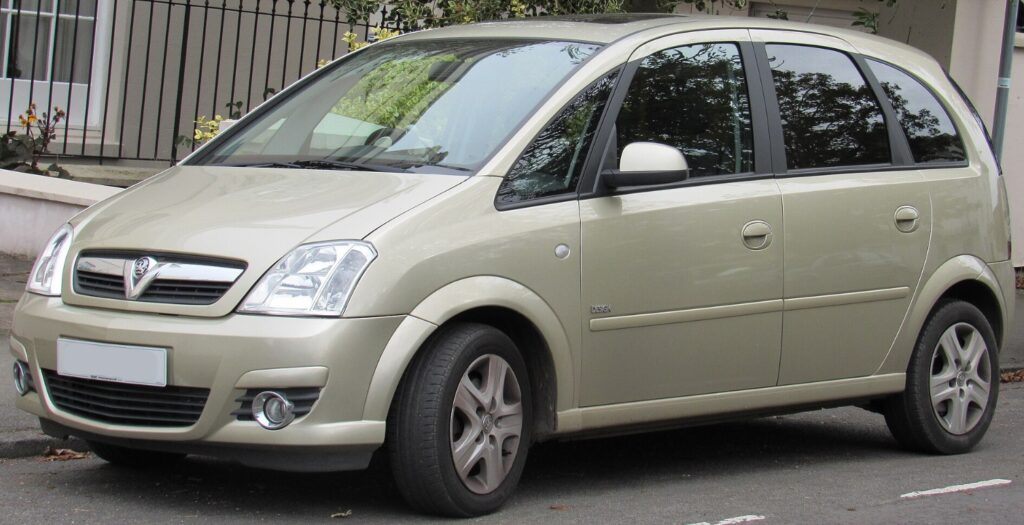
Vauxhall Meriva gearbox problems can turn an otherwise practical family car into a source of daily frustration. One morning, everything feels normal. The next, the gear lever refuses to cooperate, the transmission hesitates before moving, or a warning light appears like an uninvited guest at the worst possible moment.
The difficult part is that gearbox trouble rarely has one universal cause. A stiff manual transmission might simply need fresh fluid or a clutch adjustment, while an automatic gearbox that jerks between ratios could be suffering from low voltage, worn internal components, contaminated oil, or an electronic control fault.
That does not mean every strange shift signals a ruined gearbox. In many cases, the transmission itself is blamed for problems caused by the clutch, gear linkage, engine mounts, battery, sensors, or hydraulic system. Before we assume the worst, we need to understand exactly what the car is doing.
In this guide, we will explore the most common Vauxhall Meriva gearbox problems, the warning signs to watch for, likely causes, diagnostic steps, repair options, and typical expenses. We will also look at both manual and automatic models, including Easytronic-equipped versions.
Content in this publication
- Are Gearbox Problems Common on the Vauxhall Meriva?
- Which Gearboxes Were Used in the Vauxhall Meriva?
- Most Common Vauxhall Meriva Gearbox Problems
- Difficulty Selecting First Gear
- Reverse Gear Crunching or Refusing to Engage
- Gear Lever Feels Stiff
- Gear Lever Feels Loose or Vague
- Gearbox Crunching During Changes
- Gearbox Whining Noise
- Gearbox Oil Leaks
- Car Jumps Out of Gear
- Clutch Judder That Feels Like a Gearbox Fault
- Easytronic Gearbox Problems
- Jerky or Hesitant Gear Changes
- Easytronic “F” Warning on the Display
- Easytronic Will Not Select a Gear
- Easytronic Clutch Actuator Failure
- Automatic Gearbox Problems
- Delayed Engagement of Drive or Reverse
- Automatic Gearbox Jerking Between Gears
- Automatic Gearbox Slipping
- Gearbox Warning Light and Limp Mode
- What Causes Vauxhall Meriva Gearbox Problems?
- How to Diagnose a Vauxhall Meriva Gearbox Problem
- Step 1: Identify When the Problem Happens
- Step 2: Check Battery and Charging Voltage
- Step 3: Scan for Fault Codes
- Step 4: Inspect the Clutch System
- Step 5: Check Gearbox Oil
- Step 6: Examine Linkages and Mounts
- Can We Keep Driving With a Gearbox Problem?
- Vauxhall Meriva Gearbox Repair Costs
- How to Prevent Future Gearbox Trouble
- Vauxhall Meriva Gearbox Problems When Buying Used
- When Should the Gearbox Be Rebuilt or Replaced?
- Should We Buy a Vauxhall Meriva With a Gearbox Fault?
- Final Thoughts on Vauxhall Meriva Gearbox Problems
- Frequently Asked Questions
Are Gearbox Problems Common on the Vauxhall Meriva?
The Vauxhall Meriva is not universally regarded as a car with a hopeless transmission. Plenty of examples cover high mileages without major gearbox failure. However, certain age-related and model-specific issues appear regularly, particularly on cars that have experienced heavy urban driving, delayed servicing, weak batteries, clutch wear, or poor previous repairs.
The Meriva was designed as a compact and practical people carrier. Many were used for school runs, shopping trips, stop-start commuting, and short journeys. That kind of use can be harder on a transmission than steady motorway travel.
Frequent clutch operation wears manual components. Constant low-speed shifting places extra strain on automated manual systems. Short trips may also prevent fluids from reaching stable operating temperatures.
The most frequently reported complaints include:
- Difficulty selecting first gear or reverse
- A stiff or loose gear lever
- Crunching during gear changes
- Clutch judder
- Gearbox whining or humming
- Transmission warning lights
- Automatic or Easytronic hesitation
- Jerky gear changes
- The gearbox becoming stuck in one gear
- The car dropping into limp mode
- A failure to engage drive or reverse
- Oil leaks from the gearbox casing or seals
The seriousness depends on when the symptom occurs, how often it happens, and whether it is becoming progressively worse.
Which Gearboxes Were Used in the Vauxhall Meriva?
Understanding the transmission fitted to the car helps us narrow down the fault. The Meriva was available with different manual and automated transmissions depending on the engine, model year, and trim level.
Manual Gearboxes
Most Vauxhall Merivas use a conventional manual gearbox. These are mechanically straightforward compared with fully automatic units, but they still rely on several connected systems:
- Clutch disc
- Pressure plate
- Release bearing
- Clutch hydraulic system
- Gear selector cables or linkage
- Internal bearings
- Synchromesh rings
- Differential
- Gearbox oil
- Engine and gearbox mounts
A fault in any of these parts may feel like a gearbox failure even when the internal gears remain healthy.
Easytronic Automated Manual Gearbox
Some Meriva models were equipped with Vauxhall’s Easytronic transmission. This is not a traditional torque-converter automatic. Mechanically, it is closer to a manual gearbox with electronically controlled actuators operating the clutch and gear selection.
This design can provide reasonable fuel economy, but it may feel less smooth than a conventional automatic. It can also develop problems involving:
- Clutch actuator wear
- Gear selector actuator faults
- Control module errors
- Clutch adaptation issues
- Weak battery voltage
- Wiring faults
- Worn clutch components
Because the system depends heavily on electronics and calibration, replacing parts without programming or adaptation may not solve the problem.
Conventional Automatic Transmissions
Depending on the market, engine, and generation, some Meriva models were available with a conventional automatic transmission. These units require correct fluid condition, stable operating temperature, healthy electrical signals, and proper hydraulic pressure.
Automatic gearbox problems may arise from worn solenoids, contaminated fluid, valve body issues, sensor failures, internal clutch wear, or cooling problems.
Most Common Vauxhall Meriva Gearbox Problems
Let us examine the symptoms owners are most likely to experience.
Difficulty Selecting First Gear
A Meriva that resists first gear can be annoying in traffic and worrying at junctions. The lever may feel blocked, stiff, or reluctant to enter the gate.
Possible causes include:
- The clutch not fully disengaging
- Worn clutch components
- Air in the clutch hydraulic system
- Low clutch fluid
- Worn synchromesh
- Misadjusted selector cables
- Deteriorated gearbox oil
- Damaged engine or gearbox mounts
A useful test is to switch off the engine and try selecting first gear. If the gear engages easily with the engine off but becomes difficult when the engine is running, the clutch may not be releasing properly.
If the gear remains difficult with the engine off, the selector mechanism or gearbox internals may deserve more attention.
Why First Gear Can Feel Worse When Cold
Cold gearbox oil is thicker. On a worn or poorly maintained transmission, the lever may feel stiff during the first few minutes of driving and then improve as the oil warms.
Some resistance can be normal on an older vehicle, but severe stiffness, crunching, or the need to force the lever is not.
Reverse Gear Crunching or Refusing to Engage
Reverse gear often exposes clutch problems before the forward gears do. Unlike many forward gears, reverse may not have the same type of synchromesh assistance. If the clutch drags even slightly, the gears can continue spinning and produce a crunch.
Common causes include:
- Incomplete clutch disengagement
- Clutch hydraulic faults
- A worn clutch disc
- A damaged release bearing
- Selector cable misalignment
- Incorrect gearbox oil
- Internal selector damage
Before selecting reverse, press the clutch fully and wait two or three seconds. Selecting a forward gear briefly before moving into reverse can also stop the internal shafts from spinning.
If reverse repeatedly grinds despite careful operation, inspection is needed.
Gear Lever Feels Stiff
A stiff gear lever does not automatically mean the gearbox needs rebuilding. The resistance may come from outside the transmission.
The most likely causes are:
- Dry or corroded linkage joints
- Worn selector cables
- Damaged cable bushes
- Old gearbox oil
- A clutch that drags
- Internal selector fork wear
- Cold temperatures
- Misaligned drivetrain mounts
The problem may affect every gear or only certain positions. If the lever is particularly stiff moving sideways across the neutral gate, the selector linkage or cables may be more suspicious than the internal gears.
When Lubrication May Help
External linkage points sometimes become dry or contaminated. Cleaning and correctly lubricating these parts may restore smoother operation.
However, spraying lubricant blindly around the engine bay is not a proper diagnosis. Some bushes require replacement rather than temporary lubrication.
Gear Lever Feels Loose or Vague
A gear lever that feels like a spoon moving around an empty bowl usually points toward wear in the linkage, cables, or bushes.
Symptoms may include:
- Excessive side-to-side movement
- Difficulty finding the correct gear
- Selecting third instead of first
- A lever that does not centre properly
- Gears engaging only after repeated attempts
Worn bushes are often less expensive to repair than internal gearbox damage. Still, ignoring the problem can eventually make gear selection unpredictable.
Gearbox Crunching During Changes
Crunching indicates that rotating components are not matching speed smoothly before engagement.
Possible causes include:
- Worn synchromesh rings
- Clutch drag
- Low gearbox oil
- Incorrect oil grade
- Aggressive shifting
- Damaged selector components
- Internal bearing wear
If only one gear crunches, such as second gear, the synchromesh for that ratio may be worn. If several gears crunch, the clutch may not be disengaging fully.
Does Double-Clutching Reduce the Crunch?
If double-clutching or shifting very slowly reduces the noise, worn synchromesh becomes more likely. This technique manually helps match gearbox speeds, but it is only a temporary driving workaround, not a repair.
Gearbox Whining Noise
A whining sound that changes with road speed or gear selection can suggest internal bearing wear, low oil, damaged gears, or differential trouble.
The noise may behave differently depending on the cause:
- A whine in every gear may indicate bearings or final-drive wear.
- A whine in one specific gear may suggest damage to that gear pair.
- A noise that changes when the clutch is pressed may involve the input shaft or release bearing.
- A hum that rises with vehicle speed may come from the differential or even a wheel bearing.
Sound can travel through the body of the car, so diagnosis by noise alone is risky.
Why Low Gearbox Oil Is Dangerous
Gearbox oil protects gears, bearings, and synchronisers. If the level falls because of a leaking seal, lubrication becomes inadequate.
The transmission may then overheat, whine, shift poorly, and wear rapidly. Driving with low oil is like running in tight shoes filled with sand: the damage builds with every mile.
Gearbox Oil Leaks
Transmission oil can leak from:
- Driveshaft seals
- Input shaft seals
- Selector shaft seals
- Drain or filler plugs
- Gearbox casing joints
- Cracks caused by impact damage
Gearbox oil often has a strong, distinctive smell and may appear beneath the front section of the car.
A small stain should not be ignored. Gearboxes do not normally consume oil, so any significant loss usually indicates a leak.
Repairing a seal early may prevent a far more expensive internal failure.
Car Jumps Out of Gear
A Meriva that slips out of gear while driving requires prompt attention. The lever may return to neutral during acceleration, deceleration, or when travelling over bumps.
Possible causes include:
- Worn selector forks
- Damaged gear engagement teeth
- Excessive internal shaft movement
- Worn bearings
- Misadjusted linkage
- Broken engine or gearbox mounts
- Incomplete gear engagement
A worn mount can allow the drivetrain to move excessively, pulling against the selector mechanism. Internal wear is more serious and may require gearbox removal.
Do not hold the gear lever in place by hand as a permanent solution. That pressure can accelerate wear in the selector components.
Clutch Judder That Feels Like a Gearbox Fault
Judder when moving away may feel as though the gearbox is shaking itself apart. Often, the real cause is the clutch or mounting system.
Potential causes include:
- A contaminated clutch disc
- Uneven pressure plate wear
- A worn flywheel
- Damaged engine mounts
- Damaged gearbox mounts
- Clutch overheating
- Poor clutch installation
- Oil leaking onto the clutch
Judder may be worse when reversing uphill, carrying passengers, or moving away from a stop after extended traffic driving.
Can a Dual-Mass Flywheel Cause Similar Symptoms?
On Meriva models fitted with a dual-mass flywheel, wear can cause rattling, vibration, judder, or clunking.
A failing dual-mass flywheel may also produce noise when starting or stopping the engine. Because clutch and flywheel replacement involve similar labour, garages often inspect both together.
Easytronic Gearbox Problems
Easytronic faults deserve special attention because the system combines mechanical components with electronic actuators.
Jerky or Hesitant Gear Changes
Some hesitation is part of the character of an automated manual gearbox. The system must release the clutch, change gear, and re-engage the clutch without the smooth fluid coupling of a conventional automatic.
However, excessive jerking may indicate:
- Clutch wear
- Incorrect clutch adaptation
- Weak battery voltage
- A failing actuator
- Faulty sensor signals
- Engine management problems
- Contaminated electrical connections
Driving style also makes a difference. Slightly easing the accelerator during an upshift can help the system change more smoothly.
That said, severe banging, long delays, or repeated loss of drive is not normal.
Easytronic “F” Warning on the Display
An “F” symbol or transmission warning may appear when the control system detects a fault serious enough to interrupt normal operation.
Possible triggers include:
- Clutch actuator malfunction
- Gear selection actuator fault
- Control unit problem
- Wiring damage
- Low battery voltage
- Brake switch failure
- Incorrect clutch position data
- Adaptation or calibration errors
The car may refuse to start, remain in neutral, or become stuck in one gear.
Why Battery Condition Matters
Easytronic systems need stable voltage. A tired battery may still crank the engine but produce enough voltage fluctuation to confuse the gearbox electronics.
Before replacing expensive actuators, a technician should test:
- Battery resting voltage
- Cranking voltage
- Alternator output
- Earth connections
- Main power connections
A weak electrical supply can imitate a major transmission fault.
Easytronic Will Not Select a Gear
If the display shows neutral but drive or reverse will not engage, the system may be unable to operate the clutch or selector.
Possible causes include:
- Actuator failure
- Clutch wear beyond adaptation limits
- Failed calibration
- Brake pedal switch fault
- Damaged wiring
- Control module failure
- Low system voltage
Many automated transmissions require a valid brake pedal signal before selecting a gear. A faulty brake light switch can therefore cause surprising transmission behaviour.
Easytronic Clutch Actuator Failure
The clutch actuator performs the job normally handled by the driver’s left foot. As it wears, the car may shift roughly, refuse gears, display warnings, or become immobilised.
Actuator replacement may require:
- Fault-code diagnosis
- Mechanical inspection
- Installation of the correct unit
- Software programming
- Clutch adaptation or relearn
- Road testing
Simply fitting a used part may not work unless it is compatible and properly calibrated.
Automatic Gearbox Problems
Conventional automatic Merivas can suffer from a different collection of symptoms.
Delayed Engagement of Drive or Reverse
A noticeable pause after selecting drive or reverse may indicate:
- Low automatic transmission fluid
- Degraded fluid
- Internal seal leakage
- Valve body wear
- Solenoid trouble
- Low hydraulic pressure
- Internal clutch wear
A brief, almost imperceptible pause may be normal. A delay lasting several seconds, especially when followed by a thump, deserves investigation.
Automatic Gearbox Jerking Between Gears
Harsh shifting may come from mechanical, hydraulic, electrical, or engine-related faults.
Possible causes include:
- Worn transmission fluid
- Faulty shift solenoids
- Valve body contamination
- Incorrect adaptation values
- Engine misfires
- Faulty speed sensors
- Damaged mounts
- Internal clutch wear
The engine and gearbox communicate constantly. If the engine delivers uneven torque because of a misfire or airflow fault, the transmission may appear to be changing badly even when it is reacting correctly.
Automatic Gearbox Slipping
Slipping occurs when engine speed rises without a matching increase in road speed.
This may indicate:
- Low transmission fluid
- Worn clutch packs
- Hydraulic pressure loss
- Solenoid failure
- Internal seal wear
- Severe fluid contamination
Transmission slipping should not be ignored. Continued driving generates heat, and heat is the enemy of automatic gearbox components.
Gearbox Warning Light and Limp Mode
When the transmission control unit detects a serious fault, it may limit operation to protect the system. The car might remain in one gear, accelerate slowly, or refuse manual shift commands.
Limp mode can be triggered by:
- Speed sensor faults
- Solenoid problems
- Electrical supply issues
- Excessive clutch slip
- Overheating
- Communication faults between control modules
- Internal pressure problems
Turning the ignition off and restarting may temporarily clear the symptom, but it does not repair the underlying issue.
What Causes Vauxhall Meriva Gearbox Problems?
Several root causes appear repeatedly across manual, Easytronic, and automatic versions.
Poor or Delayed Maintenance
Many owners think gearbox oil lasts forever. In reality, oil ages, becomes contaminated, and may leak.
Even where no short service interval is specified, checking fluid condition and level is sensible, especially on older or high-mileage cars.
Clutch Wear
A worn clutch can cause:
- Difficult gear selection
- Reverse crunching
- Slipping
- Judder
- High biting point
- Burning smells
- Poor Easytronic operation
Because the clutch sits between the engine and gearbox, its symptoms often overlap with transmission failure.
Weak Battery or Charging Problems
Modern gearboxes rely on control modules, actuators, sensors, and solenoids. Low voltage can produce:
- Warning lights
- Intermittent faults
- Failed gear selection
- Lost adaptation data
- Limp mode
- No-start conditions
Electrical testing should be part of any proper diagnosis.
Worn Mounts
Engine and gearbox mounts control drivetrain movement. When a mount fails, the car may produce clunks, vibration, gear lever movement, or shifting problems.
Replacing a worn mount can sometimes cure a symptom that initially sounded expensive.
Selector Cable or Linkage Wear
External gear-selection components suffer from age, heat, dirt, and repeated use.
Symptoms may include stiffness, looseness, incorrect gear engagement, or an inability to select certain ratios.
Internal Bearing or Synchromesh Wear
Bearings and synchromesh rings gradually wear with mileage. Poor lubrication, aggressive driving, towing, and previous clutch problems may accelerate the process.
Internal wear often requires gearbox removal and specialist repair.
How to Diagnose a Vauxhall Meriva Gearbox Problem
Guessing is expensive. A systematic diagnosis helps prevent unnecessary replacement of good parts.
Step 1: Identify When the Problem Happens
Ask the following questions:
- Does it happen when the car is cold or hot?
- Does it affect one gear or every gear?
- Is the engine running or switched off?
- Does pressing the clutch change the noise?
- Does the problem occur under acceleration or deceleration?
- Is there a warning message?
- Does restarting the car temporarily help?
- Has the symptom appeared suddenly or gradually?
These details can reveal more than a vague statement such as “the gearbox feels bad.”
Step 2: Check Battery and Charging Voltage
This is especially important for Easytronic and automatic models.
A garage should inspect:
- Battery health
- Alternator charging rate
- Voltage drop during cranking
- Earth straps
- Corroded terminals
- Loose power connections
Electrical stability is the foundation on which electronic transmission control sits.
Step 3: Scan for Fault Codes
A generic code reader may identify basic faults, but a Vauxhall-compatible diagnostic tool can provide more detailed information.
Useful data may include:
- Clutch position
- Gear selection position
- Input and output speed
- Solenoid operation
- Adaptation status
- Transmission temperature
- Communication errors
- Actuator faults
A stored fault code is a clue, not a complete diagnosis. Components should still be tested before replacement.
Step 4: Inspect the Clutch System
On manual models, inspect:
- Pedal feel
- Fluid level
- Hydraulic leaks
- Bite point
- Clutch slip
- Release bearing noise
- Drag when selecting reverse
- Flywheel condition
On Easytronic cars, clutch wear values and adaptation limits may also be checked electronically.
Step 5: Check Gearbox Oil
The correct level and specification matter. Overfilling, underfilling, or using the wrong lubricant can cause shifting problems.
Oil containing metallic particles may indicate internal wear. A burnt smell or severe discoloration can also point toward overheating or deterioration.
Step 6: Examine Linkages and Mounts
Before condemning the gearbox, inspect the external selector system and drivetrain mounts.
This step is often overlooked, yet it can reveal:
- Split bushes
- Stretched cables
- Corroded pivots
- Loose brackets
- Broken mounts
- Excessive engine movement
Can We Keep Driving With a Gearbox Problem?
That depends on the symptom.
Driving may be relatively low risk for a short period if the gear lever is slightly stiff but all gears engage cleanly and there are no unusual noises or leaks.
Stop driving and seek assistance if:
- The car jumps out of gear
- The gearbox loses drive
- There is a loud grinding or knocking sound
- Oil is leaking heavily
- The transmission slips badly
- A burning smell appears
- The car becomes stuck in one gear
- The warning display shows a serious fault
- Gear selection becomes unpredictable
- The clutch pedal suddenly loses pressure
Continuing to drive can transform a modest repair into a complete gearbox replacement.
Vauxhall Meriva Gearbox Repair Costs
Costs vary by country, labour rate, model year, engine, gearbox type, and the condition of surrounding components.
Approximate repair categories include:
- Diagnostic scan: relatively inexpensive
- Gear linkage adjustment: low to moderate cost
- Selector cable replacement: moderate cost
- Gearbox oil change: low to moderate cost
- Mount replacement: moderate cost
- Clutch hydraulic repair: moderate cost
- Clutch replacement: significant cost
- Clutch and flywheel replacement: high cost
- Easytronic actuator repair or replacement: moderate to high cost
- Gearbox bearing or synchromesh rebuild: high cost
- Used gearbox installation: high cost
- Reconditioned gearbox installation: very high cost
- Automatic valve body or solenoid repair: high cost
- Complete automatic transmission replacement: potentially very high cost
The cheapest quote is not always the cheapest outcome. A poorly fitted clutch, uncalibrated actuator, or unknown used gearbox may bring the same problem back.
Used vs Reconditioned Gearbox
A used gearbox usually costs less upfront, but its history may be unknown. Mileage claims, storage conditions, and previous maintenance are difficult to verify.
A reconditioned gearbox should have worn parts inspected or replaced, though the quality depends heavily on the rebuilder.
Ask what the warranty covers:
- Parts only or parts and labour
- Mileage limit
- Warranty duration
- Oil leaks
- Internal noise
- Consequential damage
- Removal and refitting costs
How to Prevent Future Gearbox Trouble
No maintenance plan can eliminate every mechanical failure, but sensible habits can reduce risk.
For Manual Merivas
- Press the clutch fully during gear changes.
- Avoid resting your foot on the clutch pedal.
- Do not hold the car on a hill using clutch slip.
- Avoid resting your hand heavily on the gear lever.
- Investigate oil leaks promptly.
- Replace worn mounts and linkage parts.
- Use the correct gearbox oil.
- Do not force a reluctant gear.
For Easytronic Models
- Maintain a healthy battery.
- Avoid constant creeping in heavy traffic.
- Use the brake rather than balancing the car on the clutch.
- Allow the system to complete shifts.
- Address warning lights quickly.
- Ensure clutch adaptation is performed after relevant repairs.
- Use technicians familiar with automated manual systems.
For Automatic Models
- Check for leaks.
- Use the specified transmission fluid.
- Avoid overheating the transmission.
- Service the fluid where appropriate.
- Do not shift between drive and reverse while the car is still moving.
- Repair engine faults that affect torque delivery.
- Investigate harsh shifts before internal damage spreads.
Vauxhall Meriva Gearbox Problems When Buying Used
A careful test drive can expose expensive issues before money changes hands.
Manual Gearbox Checks
During the test drive:
- Select every gear with the engine off.
- Start the engine and check first and reverse.
- Listen for crunching.
- Accelerate in a high gear to test clutch slip.
- Check whether the lever moves under load.
- Listen for whining at different speeds.
- Inspect underneath for oil leaks.
- Test the clutch bite point.
- Reverse slowly to check for judder.
- Ask for clutch and gearbox repair invoices.
Easytronic Checks
Confirm that:
- The gearbox engages promptly.
- The display shows gears correctly.
- No “F” warning appears.
- The car starts reliably.
- Gear changes are not violently harsh.
- Reverse engages consistently.
- The battery is healthy.
- There is evidence of actuator or clutch calibration after repairs.
Automatic Gearbox Checks
Look for:
- Delayed engagement
- Slipping
- Harsh shifts
- Fluid leaks
- Warning lights
- Hesitation when warm
- Shudder during acceleration
- A burnt smell
- Poor kickdown response
Test the car from cold if possible. Sellers may warm up a vehicle before viewing because certain faults become less noticeable after the oil heats.
When Should the Gearbox Be Rebuilt or Replaced?
A rebuild may make sense when:
- The casing is undamaged.
- Replacement internal parts are available.
- A reputable specialist offers a warranty.
- The vehicle is otherwise in good condition.
- The rebuild cost is reasonable compared with replacement.
Replacement may be preferable when:
- The original gearbox has severe internal damage.
- The casing is cracked.
- Multiple major components have failed.
- A quality reconditioned unit is available.
- Repair labour would exceed the cost of replacement.
The decision should consider the car’s overall value, mileage, corrosion, engine condition, and expected future use.
Should We Buy a Vauxhall Meriva With a Gearbox Fault?
A Meriva with a known transmission problem can appear tempting when the price is low. However, gearbox faults are rarely suitable for guesswork.
Before purchasing, obtain:
- A professional diagnostic report
- Written repair estimates
- Exact gearbox identification
- Fault-code information
- Confirmation of clutch condition
- A battery and charging-system test
- Details of previous transmission work
A seller saying “it probably only needs a sensor” is not evidence. If the repair were definitely cheap and simple, it would likely have been completed already.
Final Thoughts on Vauxhall Meriva Gearbox Problems
Vauxhall Meriva gearbox problems range from minor linkage wear to serious internal transmission failure. The key is not to panic, but not to delay either.
A stiff lever may come from a worn cable. Crunching reverse may indicate clutch drag. Jerky Easytronic changes may result from poor adaptation or low battery voltage. A whining manual gearbox may be warning us that its oil level is low or its bearings are wearing.
Good diagnosis follows a logical path: inspect the battery, scan the modules, check the clutch, examine the linkage, inspect the mounts, verify the oil, and only then consider internal gearbox repairs.
The transmission is the bridge between engine power and road movement. When that bridge begins to creak, listening early is far cheaper than waiting for it to collapse.
Frequently Asked Questions
1. What is the most common Vauxhall Meriva gearbox problem?
Common problems include difficult first or reverse gear selection, worn selector cables, clutch drag, gearbox whining, Easytronic actuator faults, and jerky automated gear changes. The exact issue depends on the gearbox type and vehicle age.
2. Why does my Vauxhall Meriva crunch when selecting reverse?
Reverse crunching commonly occurs when the clutch does not disengage fully. Possible causes include clutch wear, hydraulic problems, air in the system, a faulty release mechanism, or selector misalignment.
3. Can a weak battery cause Easytronic gearbox problems?
Yes. Easytronic gearboxes rely on electronic actuators and stable voltage. A weak battery, poor earth connection, or failing alternator can cause warning lights, failed gear selection, erratic shifting, or an “F” symbol.
4. Is it worth repairing a Vauxhall Meriva gearbox?
Repair may be worthwhile when the vehicle is otherwise reliable and the fault is limited to a clutch, linkage, actuator, bearing, or repairable internal component. Compare the total repair cost with the car’s condition and market value.
5. How do I know whether the clutch or gearbox is faulty?
If gears engage easily with the engine switched off but become difficult while it is running, clutch drag is likely. If one gear consistently crunches or the gearbox whines in specific ratios, internal transmission wear may be more likely. A professional inspection is the safest way to confirm the cause.
If you want to know other articles similar to Vauxhall Meriva Gearbox Problems: Symptoms, Causes, Repairs, and Costs you can visit the category Common Problems.
Volvo S90 Common Problems: Reliability & Repair Guide
Volvo S90 No Sound: Causes, Fixes and Solutions

Nissan Rogue Smells Like Gas: Causes and Fixes
Vauxhall Agila Problems: Common Faults & Fixes

Kia Sorento Jerking When Accelerating: Causes & Fixes

Jaguar F-Pace Low Battery: Causes, Warning Signs, and How to Fix It
Leave a Reply
More content of your interest