

Vauxhall Meriva Head Gasket Replacement Cost UK: Complete Price Guide

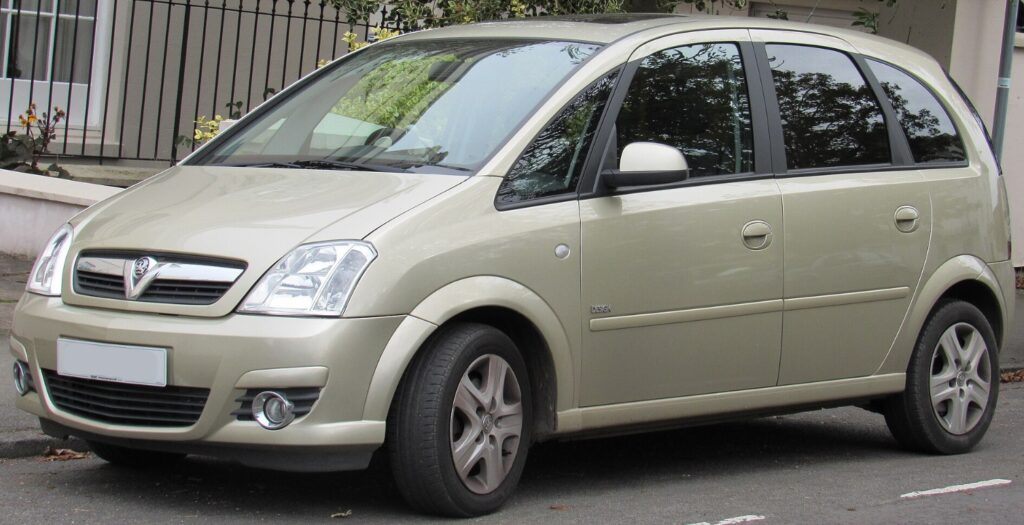
A failed head gasket is one of those phrases no Vauxhall Meriva owner wants to hear. It sounds expensive, serious, and slightly mysterious—rather like a doctor mentioning “major surgery” before explaining what is actually wrong.
So, how much does a Vauxhall Meriva head gasket replacement cost in the UK?
As a realistic working estimate, we should budget approximately £650 to £1,500 for a standard head gasket replacement on a Vauxhall Meriva. A relatively straightforward repair at an independent garage may sit near the lower end of that range. However, the total can climb to £1,500–£2,500 or more when overheating has warped the cylinder head, damaged other engine components, or created additional cooling-system problems.
Published UK figures vary considerably. ClickMechanic lists an average Vauxhall Meriva head gasket repair cost of around £583, while broader UK estimates commonly run from approximately £500 to beyond £1,800, depending on the vehicle and the damage discovered. The RAC places the average replacement cost at about £721, although this is not specific to every Meriva engine.
Why is the price range so wide? The gasket itself may cost less than a family meal, yet reaching it requires hours of careful dismantling. In other words, we are not paying heavily for the thin piece of material. We are paying for the mechanical expedition required to reach it.
Let us break down the costs, symptoms, labour, engine differences and difficult repair-or-replace decision.
Content in this publication
- How Much Does a Vauxhall Meriva Head Gasket Replacement Cost?
- Why Is Head Gasket Replacement So Expensive?
- What Is a Head Gasket and What Does It Do?
- Common Symptoms of Vauxhall Meriva Head Gasket Failure
- How Garages Confirm a Blown Head Gasket
- Cost Breakdown for a Proper Meriva Head Gasket Repair
- Does the Meriva Engine Size Affect the Cost?
- What Can Increase the Final Repair Cost?
- Should We Drive a Meriva With a Suspected Blown Head Gasket?
- Is Head Gasket Sealant a Real Repair?
- Is It Worth Replacing the Head Gasket?
- Head Gasket Replacement Versus Replacement Engine
- How to Get an Accurate Garage Quote
- How to Reduce the Vauxhall Meriva Head Gasket Replacement Cost
- How Long Does the Repair Take?
- How Long Should a Replacement Head Gasket Last?
- How to Prevent Future Head Gasket Failure
- Final Verdict on Vauxhall Meriva Head Gasket Replacement Cost UK
- Frequently Asked Questions
- 1. How much does a Vauxhall Meriva head gasket cost to replace in the UK?
- 2. Can I drive my Vauxhall Meriva with a blown head gasket?
- 3. Is a head gasket worth replacing on an old Meriva?
- 4. Does the quoted price include cylinder-head skimming?
- 5. Can head gasket sealant permanently fix a Vauxhall Meriva?
How Much Does a Vauxhall Meriva Head Gasket Replacement Cost?
For most UK owners, these are sensible estimates:
| Repair situation | Estimated UK cost |
|---|---|
| Diagnostic testing only | £50–£150 |
| Basic head gasket replacement | £650–£1,000 |
| Replacement with cylinder-head skimming | £850–£1,400 |
| Replacement with timing and cooling components | £1,100–£1,700 |
| Warped or cracked cylinder-head repair | £1,300–£2,200 |
| Severe internal engine damage | £2,000–£3,500+ |
| Used replacement engine fitted | £1,500–£3,000+ |
These numbers should be treated as planning figures rather than fixed menu prices. No trustworthy garage can guarantee the final amount without identifying the engine, inspecting the cooling system and determining how badly the car overheated.
A quote around £700–£1,100 may be reasonable when the problem is caught early and the cylinder head remains repairable. A figure closer to £1,500 is not automatically excessive if it includes machining, pressure testing, replacement bolts, fresh oil, coolant, filters and associated components.
Industry estimates also differ because some quotations describe a gasket-only job while others include the complete procedure needed to repair the engine properly. UK guides place general head gasket work anywhere from roughly £400 to more than £2,000.
Typical Independent Garage Price
An independent garage will usually be the most economical professional option. Depending on location and engine type, we might pay approximately:
- £650–£1,100 for a petrol Meriva with limited damage
- £850–£1,500 for a diesel or more complicated engine
- £1,200–£2,000 if the cylinder head needs substantial machine work
- More when the turbocharger, cooling system or engine internals have suffered
Independent specialists often charge less per hour than main dealers while still having extensive Vauxhall experience.
The cheapest garage is not necessarily the best choice, though. A poor head gasket repair can fail again surprisingly quickly. We should be looking for clear diagnostics, an itemised quotation and a written warranty—not simply the smallest number.
Typical Vauxhall Dealer Price
A franchised Vauxhall workshop will generally charge more because its labour rates are higher. A main-dealer bill could fall between £1,200 and £2,500, depending on the engine and the work required.
Older Merivas may not be economically sensible to repair at dealer rates. That does not mean dealer work is bad. It simply means the price of the repair may approach or exceed the car’s market value.
For an ageing Meriva, a reputable independent Vauxhall specialist can often provide the best balance between price and expertise.
Why Is Head Gasket Replacement So Expensive?
Looking at the gasket alone can make the quotation seem absurd. Replacement Meriva head gaskets may be advertised for only a few dozen pounds, depending on the engine and brand.
But buying the gasket is like buying one roof tile when the entire roof must be dismantled to install it.
The mechanic may need to remove or disconnect:
- The inlet manifold
- Exhaust components
- Fuel-system components
- Cooling hoses
- Electrical connectors
- Camshaft or valve-cover components
- Timing chain or timing belt parts
- The cylinder head itself
- Old fluids and contaminated oil
- Multiple seals, bolts and gaskets
Once the cylinder head is removed, it must be inspected for distortion, cracks and heat damage. The surfaces need to be cleaned meticulously. The engine must then be reassembled using the correct tightening sequence and torque specifications.
There is little room for improvisation. One contaminated surface, reused stretch bolt or incorrect torque angle can bring the whole problem back.
Labour Is the Largest Part of the Bill
A head gasket replacement commonly involves many hours of labour. The exact workshop time depends on the Meriva generation, engine, access and level of damage.
Labour may include:
- Confirming head gasket failure
- Draining the coolant and engine oil
- Removing upper-engine components
- Disconnecting timing components
- Removing the cylinder head
- Inspecting the head and engine block
- Sending the head for pressure testing or machining
- Cleaning mating surfaces
- Installing the replacement gasket
- Reassembling and retiming the engine
- Refilling fluids
- Bleeding the cooling system
- Testing for leaks and correct operation
This is why we should be cautious when someone offers to complete the entire repair for an implausibly low price. Properly stripping, checking, rebuilding and testing an engine cannot be rushed like an oil change.
Hourly Labour Rates Across the UK
Garage labour rates vary by region. A small independent workshop in a rural area may charge considerably less than a specialist in London or another major city.
As a broad guide, we may encounter:
- Independent garages: roughly £60–£100 per hour
- Specialist workshops: roughly £80–£130 per hour
- Franchised dealers: roughly £120–£200 per hour
The total labour cost can therefore change dramatically even when two garages estimate the same number of hours.
What Is a Head Gasket and What Does It Do?
The head gasket sits between the engine block and cylinder head. It seals several things simultaneously:
- Combustion pressure inside the cylinders
- Coolant channels running through the engine
- Engine-oil passages
- The joining surfaces of the block and cylinder head
Think of it as a border guard working at three checkpoints at once. When it fails, gases, coolant and oil may begin travelling where they do not belong.
A small leak may initially cause occasional overheating or coolant loss. A serious failure can mix oil with coolant, reduce compression, pressurise the cooling system and cause major engine damage.
Common Symptoms of Vauxhall Meriva Head Gasket Failure
Head gasket symptoms can overlap with faults involving the thermostat, water pump, radiator, expansion tank, oil cooler or cooling fan. We should therefore avoid diagnosing the gasket from one symptom alone.
Persistent Engine Overheating
Repeated overheating is one of the clearest warnings. The temperature may rise during traffic, motorway driving, climbing hills or shortly after starting.
Overheating can be both a cause and a consequence of gasket failure. A failed thermostat or leaking cooling system may initially overheat the engine and damage the gasket. Once the gasket fails, combustion gases can enter the cooling system and make the overheating worse.
It becomes a destructive loop—rather like a small roof leak that eventually collapses the ceiling beneath it.
Coolant Disappearing Without an Obvious Leak
If the coolant level keeps dropping but there is no puddle beneath the car, coolant may be entering the cylinders or oil system.
We should never repeatedly top up the reservoir without finding the cause. Coolant does not normally vanish. It is either leaking externally, escaping as vapour or entering another part of the engine.
White Exhaust Smoke or Steam
Thick white smoke from a warm engine can indicate that coolant is being burned inside the combustion chambers.
A little vapour on a cold morning is normal. Dense, persistent white exhaust smoke accompanied by coolant loss is not.
It may have a slightly sweet smell because of the antifreeze in the cooling system.
Creamy Deposits Under the Oil Filler Cap
A beige or mayonnaise-like substance under the oil cap is commonly associated with coolant mixing with oil.
However, we should not condemn the head gasket based solely on a small amount of residue. Short journeys and cold weather can cause condensation under the cap, especially when the engine rarely reaches full operating temperature.
The garage should inspect the dipstick, oil condition, coolant reservoir and test results before reaching a conclusion.
Bubbles in the Coolant Reservoir
Constant bubbling in the expansion tank may indicate combustion gases entering the cooling system.
Occasional movement as the system warms up is not automatically abnormal. Aggressive bubbling, rapidly hardening coolant hoses or coolant being forced from the tank requires immediate investigation.
Never remove the coolant cap while the engine is hot. Pressurised coolant can cause severe burns.
Loss of Power and Rough Running
A damaged gasket can reduce cylinder compression. The Meriva may then:
- Misfire
- Idle roughly
- Struggle to accelerate
- Become difficult to start
- Use more fuel
- Trigger the engine warning light
A compression leak between adjacent cylinders can make the engine feel as though it has lost its rhythm.
Oil or Coolant Contamination
Oil floating in the coolant reservoir, coolant on the dipstick or milky engine oil may point towards internal mixing.
Contaminated oil is especially dangerous because it cannot lubricate the bearings properly. Driving with diluted oil can turn a repairable gasket problem into a ruined engine.
How Garages Confirm a Blown Head Gasket
A professional diagnosis is worth paying for. Replacing a head gasket based on guesswork is an expensive gamble.
Cooling-System Pressure Test
The garage pressurises the cooling system and watches for pressure loss. This can reveal external leaks and sometimes internal coolant loss.
Combustion-Gas or Block Test
A chemical test checks for combustion gases in the coolant. If exhaust gases are entering the cooling system, the test fluid typically changes colour.
It is useful, although no single test is perfect in every situation.
Compression Test
A compression test compares cylinder pressure. One or more unusually low readings may indicate a sealing problem.
Cylinder Leak-Down Test
Compressed air is introduced into each cylinder while the engine is positioned correctly. The mechanic then observes where the air escapes.
Bubbles appearing in the expansion tank can support a diagnosis of cylinder-to-coolant leakage.
Inspection of Oil and Coolant
The technician will look for cross-contamination, unusual deposits, oil levels, coolant condition and signs of previous overheating.
Why Several Tests May Be Necessary
A leaking oil cooler can sometimes mimic head gasket trouble by allowing oil and coolant to mix. A failed thermostat or water pump may cause overheating without any gasket failure.
That is why we should ask the garage what evidence supports its diagnosis. “It looks like the gasket” is not as reassuring as documented pressure, gas, compression or leak-down test results.
Cost Breakdown for a Proper Meriva Head Gasket Repair
A complete quotation may include much more than the gasket.
| Item | Approximate cost |
| Head gasket or complete gasket set | £30–£150 |
| New cylinder-head bolts | £25–£80 |
| Cylinder-head pressure test | £50–£120 |
| Cylinder-head skimming | £60–£150 |
| Engine oil and filter | £50–£100 |
| Fresh coolant | £30–£70 |
| Timing components, if required | £150–£500 |
| Water pump or thermostat | £80–£300 |
| Labour | £450–£1,500+ |
The exact parts depend on the engine. Some garages use a complete upper-engine gasket set rather than replacing only the main gasket. This is often sensible because several seals are disturbed during dismantling.
Cylinder-Head Skimming
Overheating can distort the aluminium cylinder head. Skimming involves machining the surface so that it is flat enough to seal correctly against the engine block.
We should not insist on skimming automatically, nor should we demand that it be skipped to save money. The head must first be measured and assessed.
Installing a fresh gasket beneath a warped cylinder head is like fitting a new seal to a bent door. It may look repaired, but it cannot close properly.
Pressure Testing the Cylinder Head
A machine shop may pressure-test the head to detect cracks that are difficult to see.
This additional cost can prevent the garage from rebuilding the engine around a damaged component. Paying for a test is far cheaper than paying for the same dismantling work twice.
New Cylinder-Head Bolts
Many engines use torque-to-yield or stretch-type head bolts. These are designed to elongate slightly during installation and should generally not be reused.
A quotation that includes new bolts is usually a sign that the garage intends to follow a complete repair procedure.
Oil, Filter and Coolant
The oil and coolant normally need replacing. If contamination is heavy, the system may require additional flushing.
These fluids should be shown clearly on the estimate so that we know the advertised headline price represents a running, tested vehicle rather than a partially assembled repair.
Does the Meriva Engine Size Affect the Cost?
Yes. The Vauxhall Meriva was offered with several petrol and diesel engines across two main generations, and not every version takes the same amount of time to dismantle.
Vauxhall Meriva Petrol Head Gasket Cost
Petrol versions may include 1.4, 1.6 and 1.8-litre engines, depending on the year and generation.
A petrol Meriva may cost approximately £650–£1,400 to repair when the cylinder head remains serviceable. Turbocharged versions can become more expensive because access and associated systems may be more complicated.
A naturally aspirated petrol engine is not automatically cheap, though. Age, corrosion, seized fasteners and previous repairs can add labour.
Vauxhall Meriva Diesel Head Gasket Cost
Diesel Merivas may use 1.3, 1.6 or 1.7-litre engines, among others. A diesel head gasket repair could cost around £850–£1,700, with severe cases running higher.
Diesel engines operate with high compression, and the job may involve additional fuel, turbocharging, emissions and timing components.
If overheating has affected the turbocharger or diesel particulate filter operation, the final invoice may grow rapidly.
Meriva A Versus Meriva B Repair Costs
The first-generation Meriva A is generally older and may be worth less. It can sometimes be simpler to work on, but age-related complications can offset that advantage.
The Meriva B is newer and may justify a more expensive repair, especially when it has good service history and moderate mileage. However, its engine and supporting systems may be more complex.
The car’s value matters almost as much as its mechanical layout.
What Can Increase the Final Repair Cost?
The original quotation often assumes the engine can be repaired normally. Once dismantling begins, the garage may discover additional damage.
A Warped or Cracked Cylinder Head
Serious overheating can distort or crack the head. A minor distortion may be corrected through machining. A cracked head may need specialist welding or replacement.
Damage to the Engine Block
Block damage is less common but far more serious. If the sealing surface is warped, cracked or badly corroded, an ordinary gasket replacement may not solve the problem.
Timing Chain or Belt Components
The timing system may need to be disturbed during the job. Reusing visibly worn components can be false economy.
When the timing chain, belt, guides, tensioners or water pump are already approaching replacement age, doing them during the head gasket repair may save future labour.
Cooling-System Faults
A responsible garage should identify why the gasket failed. Possible causes include:
- A sticking thermostat
- Failed water pump
- Blocked radiator
- Cooling-fan fault
- Leaking expansion tank
- Damaged reservoir cap
- Split hose
- Low coolant
- Poor previous repair
Replacing the gasket without correcting the original overheating fault is like replacing a fuse without fixing the short circuit.
Seized or Broken Components
Older bolts, exhaust fittings and connectors may seize or break during dismantling. Corrosion can turn a planned job into a battle of patience and penetrating fluid.
Continued Driving After Overheating
The longer we drive, the higher the risk.
A vehicle stopped promptly may need a head gasket, machining and fresh fluids. A vehicle driven until it loses power may need pistons, bearings, a cylinder head or an entire engine.
Should We Drive a Meriva With a Suspected Blown Head Gasket?
No. Continuing to drive can transform a manageable repair into complete engine failure.
Stop the vehicle when:
- The temperature warning appears
- The gauge enters the hot zone
- Coolant is expelled from the reservoir
- Thick white smoke develops
- The engine begins knocking
- The oil warning light comes on
- The engine loses significant power
Turn off the engine safely and arrange recovery.
Do not pour cold water into a severely overheated engine. Sudden temperature changes can damage hot metal components. We should also avoid opening a pressurised expansion tank.
Is Head Gasket Sealant a Real Repair?
Pour-in head gasket sealers are marketed as inexpensive alternatives to mechanical replacement. They may temporarily reduce a small leak, but they are not equivalent to removing the cylinder head and restoring the sealing surfaces.
Sealants may also:
- Block narrow coolant passages
- Contaminate the heater matrix
- Restrict the radiator
- Complicate later repairs
- Conceal the problem temporarily
- Fail without warning
Comparison services similarly warn that sealant-based head gasket repairs are generally temporary rather than substitutes for full replacement.
For an old car that is already near the end of its useful life, an owner may view sealant as a last attempt rather than a permanent fix. However, we should not rely on it when we need dependable transport.
Is It Worth Replacing the Head Gasket?
This is often the hardest question.
We should compare the repair cost with the Meriva’s value, condition and expected life—not merely its age.
When Repairing Usually Makes Sense
Repair may be worthwhile when:
- The body and chassis are in good condition
- The gearbox works properly
- The car has a strong service history
- Tyres, brakes and suspension are healthy
- Mileage is reasonable
- We know the vehicle’s history
- The repair includes a warranty
- Replacing the car would cost considerably more
A £1,200 repair can feel painful, but buying another used vehicle with unknown problems may cost several times that amount.
When Walking Away May Be Smarter
Replacement may be more sensible when:
- The repair exceeds the car’s value
- The engine has severe internal damage
- The gearbox also needs major work
- The car has extensive corrosion
- MOT repairs are approaching
- Several warning lights are present
- The vehicle has repeated overheating history
- The garage cannot provide confidence in the outcome
We should calculate the total likely investment, not only the gasket bill. A £900 repair on a car that immediately needs £800 of suspension, tyres and MOT work is really a £1,700 decision.
A Simple Repair Decision Formula
Consider:
Current vehicle value – unresolved faults – repair cost = economic position
Then compare that result with the deposit or full cost required to purchase a dependable replacement car.
Numbers matter, but so does risk. We already know the weaknesses of our current Meriva. Another inexpensive used car may arrive carrying a suitcase full of secrets.
Head Gasket Replacement Versus Replacement Engine
When the cylinder head or lower engine is badly damaged, fitting a used or reconditioned engine may be suggested.
Repairing the Existing Engine
Advantages include:
- We retain the original engine
- The garage can inspect known components
- The new gasket and associated parts are documented
- The repair may be cheaper if damage is limited
Disadvantages include:
- Further damage may appear after dismantling
- Machine work may delay the job
- Severe overheating may have affected the lower engine
Installing a Used Engine
Advantages include:
- It may be quicker than rebuilding a badly damaged engine
- It can be cheaper than extensive internal repairs
- A low-mileage unit may extend the car’s life
Disadvantages include:
- The donor engine’s history may be unclear
- Labour and timing components still add cost
- The replacement could have its own problems
- Warranty coverage may be limited
A replacement engine should come with identification, mileage information where available, written warranty terms and clarity about what labour is covered if it fails.
How to Get an Accurate Garage Quote
Before authorising work, ask for an itemised estimate.
It should explain:
- Diagnostic tests performed
- Labour hours or fixed labour price
- Gasket-set brand
- Whether new head bolts are included
- Whether the head will be pressure-tested
- Whether skimming is included or charged separately
- Which fluids and filters will be replaced
- Whether timing components are included
- Whether the thermostat or water pump needs replacement
- What happens if the cylinder head is cracked
- VAT status
- Repair warranty
Questions Worth Asking the Mechanic
We can ask:
- What test confirmed the head gasket has failed?
- What caused the failure?
- Is the quotation fixed or provisional?
- Does it include cylinder-head machining?
- Will you use new cylinder-head bolts?
- Which additional parts might be required?
- How long is the repair guaranteed?
- What is the maximum likely cost if more damage is found?
- Will you contact me before exceeding the agreed amount?
- Is engine replacement a more economical option?
A good mechanic should not be irritated by reasonable questions. Major repairs deserve clear explanations.
How to Reduce the Vauxhall Meriva Head Gasket Replacement Cost
We cannot make the job simple, but we can avoid unnecessary expense.
Compare Like-for-Like Quotes
One garage may quote £700 for the basic strip and rebuild, while another quotes £1,050 including machining, bolts, coolant, oil and testing.
The cheaper figure may become the more expensive bill once essential extras are added.
Use an Independent Vauxhall Specialist
A specialist may complete the work more efficiently because the technicians already know the engine layout and common failure points.
Stop Driving Immediately
This is the most important money-saving step. Early recovery may save the cylinder head, turbocharger, bearings and catalytic converter.
Combine Sensible Maintenance Jobs
If timing components or the water pump are due soon and must already be removed, replacing them during the gasket job may reduce future labour.
We should avoid replacing perfectly serviceable parts without reason, but we should also avoid paying twice for the same dismantling.
Tell the garage not to exceed an agreed figure without contacting us. This prevents a £900 estimate from quietly becoming a £1,800 surprise.
How Long Does the Repair Take?
The physical workshop labour may take one or more working days, but the car can remain at the garage longer.
Delays may occur because:
- The cylinder head must go to a machine shop
- Parts need ordering
- Cracks require further assessment
- The cooling system needs repeated flushing
- The garage must investigate the original cause
- Reassembly and road testing take time
A realistic turnaround may be two to five working days, although complicated repairs can take longer.
We should not pressure the garage to rush the machining or testing stages. An extra day without the car is less frustrating than repeating the entire job.
How Long Should a Replacement Head Gasket Last?
A properly installed quality gasket should last for many years, provided the engine and cooling system are healthy.
Premature repeat failure may result from:
- An uncorrected overheating problem
- A warped head that was not measured
- Cracks missed during inspection
- Incorrect bolt torque
- Reused stretch bolts
- Poor surface preparation
- Incorrect gasket specification
- Air trapped in the cooling system
- Persistent coolant leaks
After collecting the vehicle, we should monitor coolant level, temperature, oil condition and heater performance.
A small coolant-level change after the first heat cycles may result from remaining air leaving the system, but continuing coolant loss requires immediate attention.
How to Prevent Future Head Gasket Failure
We cannot eliminate every risk, but we can greatly improve the odds.
Check Coolant Regularly
Inspect the expansion tank only when the engine is cold. A gradual drop can reveal a leak before overheating begins.
Use the Correct Coolant
Mixing incompatible coolant types or repeatedly topping up with plain water can reduce corrosion protection and alter freezing or boiling performance.
Never Ignore Temperature Warnings
A temperature warning is not a suggestion. Pull over safely and switch off the engine.
Repair Small Leaks Early
A leaking hose, radiator or expansion tank can eventually lower the coolant enough to overheat the engine.
Investigate Weak Cabin Heating
A heater that suddenly blows cold while the engine is hot may indicate low coolant or poor circulation. That can be an early warning rather than a minor comfort issue.
Maintain the Cooling System
Thermostats, water pumps, radiator fans and coolant caps are modestly priced compared with cylinder-head work. Preventive maintenance is the umbrella we appreciate before the storm begins.
Final Verdict on Vauxhall Meriva Head Gasket Replacement Cost UK
A realistic Vauxhall Meriva head gasket replacement cost in the UK is usually around £650–£1,500, although simple cases may cost less and severe overheating damage can push the bill beyond £2,000.
The final price depends on the engine, labour rate, vehicle location and—most importantly—the amount of damage hidden beneath the cylinder head.
We should not focus only on the gasket’s price. A proper repair may require diagnosis, dismantling, machining, pressure testing, bolts, fluids, filters, cooling-system parts and many hours of skilled labour.
Before agreeing to the repair, obtain an itemised quotation, ask how the failure was confirmed and compare the cost with the Meriva’s overall condition. When the vehicle is otherwise sound, repairing it may be far more sensible than purchasing another used car with an unknown history.
However, if overheating has damaged the cylinder head, engine block and lower engine while the car also needs other major work, walking away may be the financially healthier decision.
The crucial move is simple: stop driving as soon as the engine overheats. Acting early can be the difference between a manageable gasket repair and an engine bill that lands like a piano falling from a window.
Frequently Asked Questions
1. How much does a Vauxhall Meriva head gasket cost to replace in the UK?
Most owners should budget approximately £650–£1,500. The cost can exceed £2,000 if the cylinder head is cracked, badly warped or accompanied by other engine damage.
2. Can I drive my Vauxhall Meriva with a blown head gasket?
We should not drive it. Continued use can cause severe overheating, contaminated oil, damaged bearings, warped components or complete engine failure. Arrange recovery instead.
3. Is a head gasket worth replacing on an old Meriva?
It can be worthwhile when the car is otherwise reliable, structurally sound and worth considerably more than the repair. It may not make financial sense when several other major faults are present.
4. Does the quoted price include cylinder-head skimming?
Not always. Some garages include machining in the quotation, while others list it as an additional cost after removing and measuring the head. Ask for written clarification before authorising the job.
5. Can head gasket sealant permanently fix a Vauxhall Meriva?
Sealant should not be considered a dependable permanent repair. It may temporarily reduce a small leak, but it cannot straighten warped metal, repair serious cracks or restore damaged engine components.
If you want to know other articles similar to Vauxhall Meriva Head Gasket Replacement Cost UK: Complete Price Guide you can visit the category Service and Parts.
Volvo S90 Engine Oil: Type, Capacity & Change Guide
Volvo S90 Boot Space: Size, Capacity and Practicality
SEO Title: Volvo S90 Oil Capacity: Complete Guide by Engine

Kia Sorento Oil Type: Complete Guide by Year & Engine
Kia Sorento Engine Capacity: Complete Guide by Year
Peugeot 308 Clutch Replacement Cost: Complete UK Guide for 2026
Leave a Reply
More content of your interest