

Vauxhall Meriva Code 59 and 60: Causes, Reset Steps, and Solutions

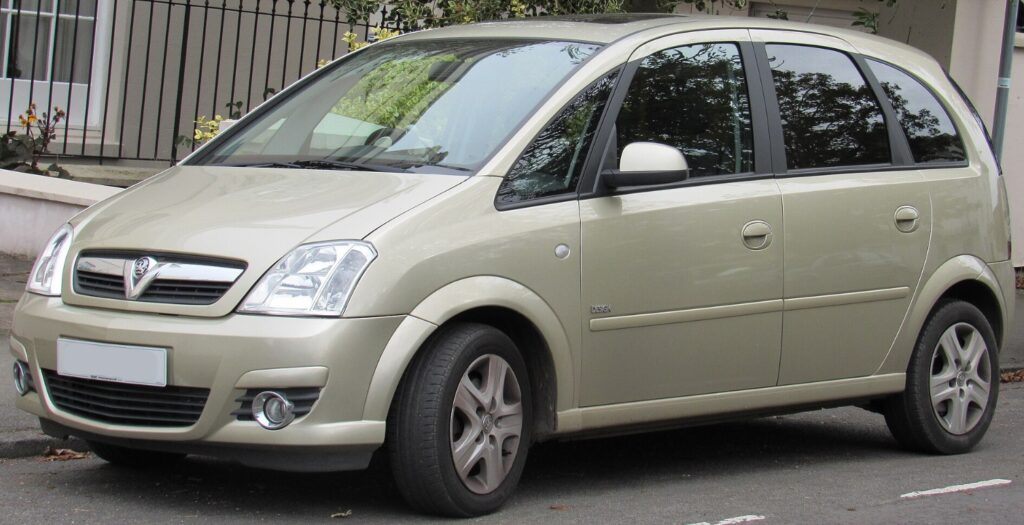
Seeing Vauxhall Meriva code 59 and 60 on the dashboard can feel unsettling, especially when the messages appear shortly after starting the car. Dashboard numbers often look like serious fault codes, and our minds immediately jump to expensive repairs, electronic failures, or a vehicle that may leave us stranded.
Fortunately, codes 59 and 60 are usually far less dramatic than they appear.
On many Vauxhall Meriva models, these messages are connected to the electric-window system. They commonly appear after the battery has been disconnected, replaced, discharged, or temporarily lost voltage. In most cases, the car simply needs to relearn the fully open and fully closed positions of its front windows.
Think of it as the windows forgetting where the top and bottom of their travel are. The motors still work, the switches still respond, and the glass has not suddenly developed a personality of its own. The system just needs a quick reminder.
In this detailed guide, we will explain what Vauxhall Meriva codes 59 and 60 mean, why they appear, how to reset them, what to do when they refuse to disappear, and how to recognise signs of a genuine electrical or mechanical window fault.
Content in this publication
- What Does Vauxhall Meriva Code 59 Mean?
- What Does Vauxhall Meriva Code 60 Mean?
- The Most Common Cause: A Battery Disconnection
- How to Reset Vauxhall Meriva Code 59
- How to Reset Vauxhall Meriva Code 60
- How to Reset Codes 59 and 60 Together
- Should the Engine Be Running During the Reset?
- What Happens to the One-Touch Window Function?
- Why Battery Voltage Matters
- Can a Faulty Alternator Trigger Codes 59 and 60?
- What If Code 59 Will Not Clear?
- What If Code 60 Will Not Clear?
- Check That Every Door Is Fully Closed
- Inspect the Window Channels
- The Role of the Anti-Trap Safety System
- Could a Blown Fuse Cause Code 59 or 60?
- Could the Window Switch Be Faulty?
- Window Regulator Problems on the Vauxhall Meriva
- Wiring Damage Between the Door and Body
- Do We Need a Diagnostic Scanner?
- Difference Between Dashboard Codes and OBD Fault Codes
- Can We Continue Driving With Codes 59 and 60?
- Will Disconnecting the Battery Again Clear the Codes?
- How Long Should the Reset Take?
- Why the Codes May Return After the Reset
- Battery Terminal Checks
- When Codes 59 and 60 Appear After Battery Replacement
- When to Visit a Garage
- How Much Might a Repair Cost?
- How to Prevent Codes 59 and 60
- A Quick Troubleshooting Checklist
- Common Mistakes During the Reset
- Is the Reset Procedure the Same for Every Meriva?
- Final Thoughts on Vauxhall Meriva Code 59 and 60
- Frequently Asked Questions
What Does Vauxhall Meriva Code 59 Mean?
On many Vauxhall Meriva vehicles, code 59 usually means that the driver-side front electric window needs to be opened and closed to restore its automatic function.
The exact wording may vary depending on the model year, instrument display, market, and software version. The dashboard may show only the number 59, or the owner’s manual may describe it as an instruction to initialise the driver’s window.
The message normally appears because the vehicle’s body-control system has lost the stored window position.
The window-control module needs to know:
- When the glass is fully open
- When the glass is fully closed
- How long the motor normally runs
- When to stop applying power
- When the anti-trap safety function should activate
If the memory is interrupted, the automatic one-touch window function may stop working. The dashboard then displays code 59 as a prompt to recalibrate the system.
Is Code 59 an Engine Fault?
No. Code 59 is generally not related to the engine, gearbox, emissions system, turbocharger, fuel system, or cooling system.
It is also different from an OBD-II diagnostic trouble code such as P0597 or P0059. Those codes are read using a diagnostic scanner and usually begin with a letter. The number displayed on the Meriva’s information screen is typically a vehicle message rather than a conventional engine fault code.
This distinction matters. A simple dashboard message can look like a workshop-level diagnostic code, but the two systems speak different languages.
What Does Vauxhall Meriva Code 60 Mean?
Code 60 commonly indicates that the front passenger-side electric window requires initialisation.
Just like code 59, it often appears after the battery voltage has been interrupted. The control unit can no longer confirm the window’s end positions, so it asks us to operate the window manually through a full cycle.
In everyday terms:
- Code 59 usually relates to the driver’s front window.
- Code 60 usually relates to the front passenger window.
When both codes appear together, the most likely explanation is that both front-window memories have been lost.
Why Do Codes 59 and 60 Often Appear Together?
The two codes frequently arrive as a pair because both front windows depend on stored position data.
A single battery disconnection can erase both sets of learned values. That is why a Meriva may start normally after a battery replacement but immediately display code 59, followed by code 60.
It is rather like resetting a home router. The internet connection may return, but certain connected devices still need to re-establish their settings.
The Most Common Cause: A Battery Disconnection
A disconnected or discharged battery is the most frequent trigger for Vauxhall Meriva codes 59 and 60.
The messages may appear after:
- Installing a new battery
- Jump-starting the vehicle
- Charging a flat battery
- Disconnecting the battery for maintenance
- Carrying out electrical repairs
- Experiencing a weak-battery condition
- Removing a battery terminal to reset another system
- Suffering a temporary voltage drop during starting
The electric-window system uses electronic memory to retain its calibrated positions. When power disappears, that memory can be lost.
The good news is that recalibration normally takes less than a minute per window.
How to Reset Vauxhall Meriva Code 59
The usual reset process involves lowering and raising the driver’s window fully while holding the switch.
Basic Code 59 Reset Procedure
Follow these steps:
- Sit inside the vehicle and close all doors.
- Switch on the ignition.
- Start the engine if the battery is weak, although this is not always necessary.
- Use the driver’s window switch to lower the driver-side front window completely.
- Continue holding the switch down for approximately two to five seconds after the glass reaches the bottom.
- Pull the switch upward to close the window fully.
- Continue holding the switch up for approximately two to five seconds after the window reaches the top.
- Release the switch.
- Switch the ignition off and back on.
- Check whether code 59 has disappeared.
On some vehicles, one complete open-and-close cycle is enough. Others may require the procedure to be repeated.
Why We Must Hold the Switch After the Window Stops
Holding the switch briefly after the glass reaches its limit allows the window-control module to register the end position.
Simply tapping the switch and releasing it as soon as the window stops may not complete the learning process.
That small pause is the handshake between the motor and the control unit. Without it, the system may remain unsure whether the window genuinely reached its limit or stopped because of an obstruction.
How to Reset Vauxhall Meriva Code 60
The reset method for code 60 is almost identical, but we must operate the front passenger window.
Basic Code 60 Reset Procedure
- Switch on the ignition.
- Close the front passenger door properly.
- Lower the front passenger window completely.
- Keep holding the switch down for two to five seconds.
- Raise the window until it is fully closed.
- Continue holding the switch up for two to five seconds.
- Release the switch.
- Cycle the ignition.
- Check the display.
Depending on the Meriva version, it may be better to use the switch on the passenger door rather than the master switch on the driver’s door. If the first attempt fails, repeat the process using the other switch.
How to Reset Codes 59 and 60 Together
When both messages appear, initialise both front windows one after the other.
A simple combined procedure is:
- Turn on the ignition.
- Fully lower the driver’s window.
- Hold the switch down for several seconds.
- Fully raise the driver’s window.
- Hold the switch up for several seconds.
- Repeat the same procedure with the front passenger window.
- Turn off the ignition.
- Wait about 30 seconds.
- Restart the vehicle.
The codes may disappear immediately after the windows are calibrated. On some vehicles, the messages clear only after the ignition has been restarted.
Should the Engine Be Running During the Reset?
The reset can often be completed with the ignition switched on and the engine off. However, running the engine may help if the battery voltage is low.
Electric-window motors draw a noticeable amount of current. If the battery is weak, the voltage may drop while the glass moves. The control module may then fail to store the position correctly.
We should only run the engine in a well-ventilated outdoor area. Never leave a vehicle running inside a closed garage.
What Happens to the One-Touch Window Function?
After a battery disconnection, we may notice that the one-touch function no longer works.
Normally, a firm press or pull of the switch allows the window to travel automatically without holding the control. When the calibration is lost, the glass may move only while the switch remains pressed.
Once the reset is successful, the one-touch operation should return.
Signs That the Window Has Been Reinitialised Correctly
A successful reset usually produces several changes:
- Code 59 or 60 disappears.
- One-touch opening works again.
- One-touch closing works again.
- The window stops correctly at the top.
- The anti-trap function behaves normally.
- The glass moves without hesitation.
If the warning disappears but automatic operation does not return, repeat the learning procedure.
Why Battery Voltage Matters
The Meriva contains several control modules that depend on stable voltage. A battery does not have to be completely dead to create unusual warning messages.
A weak battery may still start the engine, yet its voltage can fall sharply during cranking. That brief electrical dip can confuse window modules, steering systems, central locking, or other body electronics.
Codes 59 and 60 can therefore serve as small clues that the battery is ageing.
Common Signs of a Weak Meriva Battery
Look for:
- Slow engine cranking
- Interior lights dimming during startup
- Repeated dashboard warnings
- The clock or radio losing settings
- Stop-start becoming unavailable
- Central locking behaving inconsistently
- Windows moving more slowly than usual
- Clicking sounds when attempting to start
- Warning messages appearing after cold nights
A healthy battery reset should solve the issue permanently. If codes 59 and 60 return repeatedly without any deliberate battery disconnection, battery testing is sensible.
Can a Faulty Alternator Trigger Codes 59 and 60?
Yes, indirectly.
The alternator supplies electricity while the engine is running and recharges the battery. If it undercharges or produces unstable voltage, electronic modules may lose or corrupt stored data.
A faulty alternator is not the usual explanation for a one-time appearance of codes 59 and 60. However, it becomes more likely if we also notice:
- A battery warning light
- Headlights changing brightness
- Frequent flat batteries
- Electrical accessories slowing down
- Burning smells near the engine
- Unusual alternator noise
- Voltage-related fault codes
- The engine cutting out after jump-starting
With the engine running, charging voltage is commonly expected to sit somewhere around the mid-13-volt to mid-14-volt range, although exact figures vary with temperature, battery condition, intelligent-charging strategy, and electrical load.
A workshop can test the battery and charging system in a few minutes.
What If Code 59 Will Not Clear?
If code 59 remains after several careful attempts, we should not keep flicking the switch endlessly. The failed reset may indicate that the driver’s window is not reaching one of its physical limits or that the module is not detecting the movement correctly.
Possible causes include:
- A weak battery
- A faulty driver’s window switch
- A sticking window regulator
- A tired window motor
- Damaged wiring in the door hinge area
- Dirty window channels
- Excessive resistance in the glass mechanism
- A faulty anti-trap sensor
- A damaged door-control module
- An incorrectly fitted window regulator
First, confirm that the glass travels smoothly from fully open to fully closed.
If it slows down, tilts, judders, or stops before reaching the top, recalibration may be impossible until the mechanical problem is repaired.
What If Code 60 Will Not Clear?
Persistent code 60 points us toward the front passenger window circuit.
Try the reset from both control locations:
- The passenger-door switch
- The driver’s master switch
If one switch works and the other does not, the problem may be isolated to the faulty switch or its wiring.
If neither switch operates the window, check the relevant fuse before assuming that the motor has failed.
Check That Every Door Is Fully Closed
Some window-learning procedures may fail if a door is open or the door-latch sensor does not recognise that the door is closed.
Before repeating the reset:
- Close all doors firmly.
- Remove any object obstructing the door seal.
- Check whether the interior light turns off.
- Look for an open-door warning on the dashboard.
- Listen for unusual noises from the door latch.
A faulty latch microswitch can occasionally confuse several body functions at once.
Inspect the Window Channels
The glass runs through rubber channels inside the door frame. Dirt, tree sap, ice, damaged seals, or dried rubber can create enough resistance to trigger the anti-trap function.
When the system detects excessive resistance, it may assume that something is trapped in the window and reverse the glass.
Safe Window-Channel Cleaning
We can:
- Lower the window.
- Wipe visible dirt from the channels with a clean cloth.
- Remove leaves or debris.
- Inspect the rubber for folds or damage.
- Use a suitable silicone-based rubber lubricant sparingly if required.
- Avoid thick grease, which attracts dirt.
Never force the glass upward by hand while operating the motor. The regulator mechanism can bend or the glass can shatter.
The Role of the Anti-Trap Safety System
Modern electric windows often include anti-trap protection. If the glass detects resistance while closing, the system stops or reverses the window to reduce the risk of injury.
For this feature to work properly, the module needs accurate information about the window’s position and normal motor load. That is one reason calibration matters.
A lost calibration does not necessarily mean the safety system is defective. It may simply mean automatic closing is disabled until the window positions are relearned.
Never Ignore Abnormal Window Movement
Stop using the automatic closing function if:
- The window closes with excessive force.
- The glass repeatedly reverses.
- The regulator makes grinding noises.
- The glass sits crooked in the frame.
- The motor continues running after the glass stops.
- The switch becomes hot.
- The window drops unexpectedly into the door.
These symptoms suggest a mechanical or electrical defect rather than a simple memory reset.
Could a Blown Fuse Cause Code 59 or 60?
A blown fuse can stop a window from operating, which prevents the calibration process from being completed.
However, if both windows still move normally, the fuse is probably not the problem.
Fuse layouts vary between Meriva generations, model years, and equipment levels. We should check the vehicle handbook or fuse-box diagram before removing anything.
How to Check a Window Fuse Safely
- Switch off the ignition.
- Remove the key.
- Locate the correct fuse box.
- Identify the electric-window fuse using the handbook.
- Remove the fuse with the proper puller.
- Inspect the metal strip inside.
- Replace it only with a fuse of the same rating.
Never fit a higher-rated fuse. A fuse is a safety device, not an obstacle to be defeated.
If a replacement fuse blows again, there is likely a short circuit or a motor drawing excessive current.
Could the Window Switch Be Faulty?
Yes. Window switches endure thousands of presses, dust, moisture, and accidental spills. Their internal contacts can wear or oxidise.
A faulty switch may cause:
- Intermittent window movement
- Movement in only one direction
- No response from one control point
- A window that works from the driver’s panel but not the passenger switch
- A sticky or loose switch
- Delayed operation
Sometimes cleaning electrical contacts helps, but replacement is often more reliable when the switch assembly is worn.
Window Regulator Problems on the Vauxhall Meriva
The regulator is the mechanical assembly that raises and lowers the glass. It may use cables, guides, pulleys, or scissor-type components depending on the design.
A worn regulator can prevent the window from reaching its full travel, making codes 59 and 60 difficult to clear.
Symptoms of a Failing Window Regulator
Watch for:
- Crunching inside the door
- A cable-like scraping sound
- Glass moving unevenly
- The window dropping suddenly
- Slow operation
- The window stopping halfway
- The motor running while the glass stays still
- A clunk when the window reaches the top
- Excessive movement when the glass is pushed
A regulator problem should be addressed promptly. A window that suddenly falls into the door can leave the vehicle exposed to rain or theft.
Wiring Damage Between the Door and Body
The wiring loom passes through a flexible rubber boot between the door and the vehicle body. Every time the door opens, the wires bend slightly.
After years of movement, individual wires can crack internally or break completely.
This may affect:
- Electric windows
- Central locking
- Door speakers
- Mirror controls
- Courtesy lights
- Door-open sensors
If several door functions fail at the same time, loom damage becomes a strong possibility.
Testing these wires often requires a multimeter and access to wiring diagrams. Unless we are comfortable with automotive electrical work, a qualified technician is the safer choice.
Do We Need a Diagnostic Scanner?
Usually, no.
Codes 59 and 60 are commonly cleared through window initialisation without any scan tool. Nevertheless, a scanner becomes useful when:
- The messages return repeatedly.
- The window will not move.
- Several electrical warnings appear.
- Battery and alternator tests are normal.
- A door module may be faulty.
- There are communication errors between modules.
- The vehicle has recently suffered water damage.
- Previous repairs have altered the wiring.
A basic engine-code reader may not access the body-control or door modules. A more capable diagnostic tool with Vauxhall-compatible software may be required.
Difference Between Dashboard Codes and OBD Fault Codes
This point causes plenty of confusion.
Dashboard Vehicle Messages
Codes 59 and 60 displayed in the information centre are generally instructional or status messages. They guide us toward a vehicle function that needs attention.
OBD Diagnostic Trouble Codes
OBD codes usually follow formats such as:
- Pxxxx for powertrain faults
- Bxxxx for body faults
- Cxxxx for chassis faults
- Uxxxx for network communication faults
An OBD code contains a letter and four digits. Therefore, dashboard code 59 should not automatically be interpreted as P0059, and code 60 should not be treated as P0060.
They are entirely different messages.
Can We Continue Driving With Codes 59 and 60?
In most cases, yes.
If the windows operate and the only issue is lost automatic functionality, the vehicle is generally still driveable. The messages do not normally indicate an engine or braking problem.
However, we should be cautious if:
- A window cannot close.
- The glass is loose.
- The window reverses unexpectedly.
- Rain can enter the cabin.
- The battery warning light is illuminated.
- Several electrical systems are failing.
- The vehicle is struggling to start.
The numbers themselves may be minor, but the cause behind them can occasionally reveal a broader voltage problem.
Will Disconnecting the Battery Again Clear the Codes?
Usually not.
Disconnecting the battery may erase temporary data, but it can also recreate the very condition that triggered codes 59 and 60. Once power is restored, the windows may still require calibration.
Repeatedly disconnecting the battery is therefore not the best first step.
It may also reset:
- Clock settings
- Radio presets
- Trip information
- Stop-start learning
- Steering-angle data on some vehicles
- Other comfort-system memories
A proper window reset is simpler and less disruptive.
How Long Should the Reset Take?
A normal reset takes only a few minutes.
Each window usually needs one complete downward and upward cycle, followed by a short hold at each end. If the procedure takes many attempts, there may be another issue.
Do not continue operating a window motor repeatedly for long periods. Motors can overheat and temporarily shut down.
Allow the system to cool if the window becomes slower after repeated use.
Why the Codes May Return After the Reset
When codes 59 and 60 return after apparently successful calibration, the stored positions may be getting lost again.
Common reasons include:
- Battery terminals are loose.
- The battery is near the end of its life.
- Charging voltage is unstable.
- A window motor draws excessive current.
- The regulator binds.
- A control module has an internal fault.
- The vehicle has a parasitic battery drain.
- Wiring connections are corroded.
- Moisture has entered a switch or module.
At that stage, we should move beyond the basic reset and investigate the electrical supply and window mechanism.
Battery Terminal Checks
Loose or corroded battery terminals can cause momentary power interruptions.
Inspect the terminals for:
- White or green corrosion
- Loose clamps
- Damaged cables
- Frayed strands
- Heat marks
- Cracked terminal connectors
The clamps should be secure and should not rotate by hand.
Battery work can create sparks, and modern vehicles contain sensitive electronics. Anyone unsure of the correct procedure should use a professional garage.
When Codes 59 and 60 Appear After Battery Replacement
This is the classic scenario.
The old battery is removed, the new battery is installed, the engine starts perfectly, and then codes 59 and 60 appear. Nothing has necessarily been damaged.
The battery replacement simply interrupted the window memory.
We should:
- Confirm the new battery is correctly installed.
- Check that the terminals are tight.
- Switch on the ignition.
- Initialise both front windows.
- Restart the car.
- Verify one-touch operation.
If the codes clear and do not return, no further repair is normally required.
When to Visit a Garage
Professional diagnosis is sensible when:
- The reset fails repeatedly.
- A window does not move.
- The glass is crooked or loose.
- A fuse keeps blowing.
- There are grinding or snapping noises.
- The battery keeps going flat.
- The charging warning light appears.
- Several dashboard messages appear together.
- The car has suffered water ingress.
- Door wiring has visible damage.
- The window closes with abnormal force.
A technician may test battery condition, alternator output, motor current draw, switch signals, module communication, and regulator movement.
How Much Might a Repair Cost?
The cost depends entirely on the underlying cause.
A simple reset costs nothing when performed at home. Other possible expenses include:
- Battery testing
- A replacement battery
- A new window switch
- Wiring repair
- A replacement regulator
- A new window motor
- Diagnostic labour
- Door-control module replacement and programming
Before approving an expensive module replacement, ask the garage to confirm the power supply, ground connections, wiring, and mechanical regulator condition. Modules are often blamed when the real villain is a tired wire hiding inside a rubber door boot.
How to Prevent Codes 59 and 60
We cannot prevent every battery-related reset, but we can reduce the chances of repeated warnings.
Practical Prevention Tips
- Keep the battery properly charged.
- Replace an ageing battery before it fails completely.
- Tighten battery terminals correctly.
- Avoid leaving lights or accessories switched on.
- Drive the vehicle regularly.
- Use a suitable battery maintainer during long storage.
- Keep window channels clean.
- Repair slow or noisy windows promptly.
- Do not repeatedly operate frozen windows.
- Protect door switches from spilled drinks.
- Investigate recurring voltage warnings early.
Be Careful With Frozen Windows
In cold weather, glass can freeze to the rubber seals. Operating the motor against ice puts enormous strain on the regulator.
The motor may detect resistance, the anti-trap system may react, or the regulator cable may fail.
Clear the ice and allow the seals to release before using the switch. A few minutes of patience can save a door-panel repair.
A Quick Troubleshooting Checklist
When Vauxhall Meriva code 59 and 60 appear, work through this order:
- Check whether the battery was recently disconnected or flat.
- Confirm that both front windows move.
- Turn on the ignition.
- Lower the driver’s window fully.
- Hold the switch for several seconds.
- Raise it fully and hold again.
- Repeat with the front passenger window.
- Restart the ignition.
- Test one-touch operation.
- Check battery condition if the codes return.
- Inspect fuses, switches, channels, and wiring if a window does not move.
- Seek diagnostic help if the reset repeatedly fails.
This sequence keeps us from diving into complicated repairs before trying the simple solution.
Common Mistakes During the Reset
The procedure is straightforward, yet a few details often trip us up.
Releasing the Switch Too Early
The window reaches the top, and we release the switch immediately. The module may not register the final position.
Hold it for a few seconds.
Using One-Touch Mode During Relearning
For the reset, it is often better to hold the switch continuously rather than rely on automatic movement.
Resetting Only One Window
If both codes appear, initialise both windows.
Attempting the Reset With Low Voltage
A nearly flat battery may not supply stable power to the motor or module.
Ignoring Mechanical Resistance
A struggling regulator cannot always be calibrated successfully.
Assuming Every Number Is an Engine Code
Codes 59 and 60 are usually window-related vehicle messages, not engine-management faults.
Is the Reset Procedure the Same for Every Meriva?
Not necessarily.
The Vauxhall Meriva was produced in different generations, specifications, and regional versions. Switch design and control logic may vary.
Some vehicles respond after one cycle. Others require:
- The engine to be running
- The door to be closed
- The switch to be held longer
- The process to be repeated
- The passenger switch to be used directly
- The ignition to be cycled afterward
The owner’s manual for the specific model year remains the best reference when available.
Final Thoughts on Vauxhall Meriva Code 59 and 60
Vauxhall Meriva code 59 and 60 may look mysterious, but they usually point to a simple electric-window calibration issue.
Code 59 generally relates to the driver’s front window, while code 60 normally concerns the front passenger window. Both messages commonly appear after a battery replacement, disconnection, jump-start, or low-voltage event.
In most cases, the solution is refreshingly simple: lower each affected window completely, hold the switch for a few seconds, raise it fully, and hold the switch again. Once the control module relearns the upper and lower positions, the warning should disappear and one-touch operation should return.
If the codes persist, the window may not be reaching its limits correctly. At that point, we should consider battery health, charging voltage, switches, fuses, window channels, wiring, regulators, motors, and control modules.
The important thing is not to panic. These messages are usually the electronic equivalent of a forgotten password, not a mechanical disaster waiting around the corner.
Frequently Asked Questions
1. What do codes 59 and 60 mean on a Vauxhall Meriva?
Code 59 usually asks us to initialise the driver’s front electric window, while code 60 normally refers to the front passenger window. They commonly appear after battery power has been interrupted.
2. How do we clear Vauxhall Meriva code 59?
Turn on the ignition, lower the driver’s window fully, hold the switch down for a few seconds, raise the window completely, and hold the switch up for another few seconds. Then restart the ignition.
3. How do we clear Vauxhall Meriva code 60?
Repeat the same window-learning procedure on the front passenger window. If it does not work from the driver’s master control, try using the switch on the passenger door.
4. Are codes 59 and 60 dangerous?
They are not normally dangerous and usually do not indicate an engine fault. However, we should investigate further if a window will not close, moves unevenly, or the messages repeatedly return.
5. Why do codes 59 and 60 keep coming back?
Recurring messages may be caused by a weak battery, loose battery terminals, unstable alternator output, a sticking window regulator, damaged wiring, a faulty switch, or a problem within the door-control system.
If you want to know other articles similar to Vauxhall Meriva Code 59 and 60: Causes, Reset Steps, and Solutions you can visit the category Service and Parts.
Vauxhall Mokka Tyre Pressure Reset: Complete Guide

How to Reset the Tire Pressure System on Your Hyundai Tucson

Hyundai Kona Tire Pressure: Complete PSI Guide

Vauxhall Corsa Timing Belt Replacement Cost UK 2026

Mazda CX-5 Tire Size Chart: 2013–2026 Guide

How to Reset a Honda Civic: Complete Step-by-Step Guide
Leave a Reply
More content of your interest