

Vauxhall Meriva Door With Key Symbol: Meaning, Causes, and Fixes

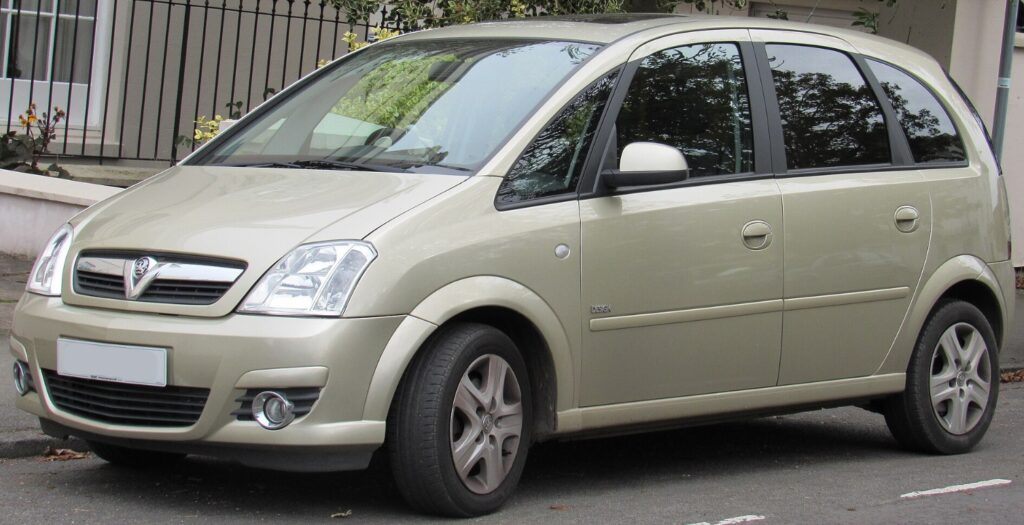
Seeing the Vauxhall Meriva door with key symbol appear on the dashboard can be confusing, especially when it flashes red or arrives with a persistent warning chime. At first glance, we might assume the car simply cannot detect the key. However, on many Vauxhall Meriva B models, this symbol is commonly connected to the door-locking system, particularly the electronically controlled rear-door locks and child-safety function.
The warning deserves attention, but it does not automatically mean the engine is about to fail. Think of it as the car raising its hand and saying, “Something in the door-security system is not behaving as expected.” We may still be able to drive, but we should check the doors carefully and arrange a proper diagnosis if the warning remains illuminated.
In this guide, we explain what the symbol means, why it appears, how to investigate it and which repairs may solve the problem.
Content in this publication
- What Does the Door With Key Symbol Mean?
- Why Does the Meriva Have a Special Door Warning?
- Most Common Causes of the Warning Symbol
- Can We Continue Driving?
- How to Diagnose the Vauxhall Meriva Door With Key Symbol
- Possible Repairs
- How Much Might the Repair Cost?
- How to Prevent the Warning From Returning
- Conclusion
- Frequently Asked Questions
What Does the Door With Key Symbol Mean?
The door-and-key warning symbol generally indicates that the Meriva has detected a fault involving its powered door-locking or security system. On Meriva B models, the problem often concerns one of the rear-door lock mechanisms, its position sensor, the electrical wiring or the electronic child-lock feature.
This is different from the familiar car with a spanner symbol, which usually points toward an engine, transmission or vehicle-electronics fault. Drivers sometimes confuse the two because both icons can appear to include a key-shaped or tool-shaped object.
The exact appearance matters. A red image resembling a door, a key and sometimes an exclamation mark is more likely to concern the door-lock system than the engine.
The official Meriva owner’s manual advises drivers to pay attention to warning lights and to seek workshop assistance when a system fault persists. The precise warning display can differ according to the vehicle’s year, equipment and instrument panel.
Why Does the Meriva Have a Special Door Warning?
The second-generation Meriva uses unusual rear-hinged rear doors, marketed as FlexDoors. These doors open in the opposite direction to conventional rear doors and are equipped with electronic safety controls.
Because of this design, the vehicle must know whether each door is:
- Fully closed
- Correctly latched
- Locked or unlocked
- Safe to open
- Responding to the child-lock command
A small failure inside a lock assembly can therefore produce a large reaction on the dashboard. The system may sound repeated warning chimes because an incorrectly detected rear door could present a genuine safety risk, particularly when passengers or children are seated in the back.
Most Common Causes of the Warning Symbol
1. Faulty Rear-Door Lock Actuator
A defective lock actuator is among the most widely reported causes. The actuator is the electrical component that moves the locking mechanism when we press the remote-control button or the central-locking switch.
As it wears, the door may still appear to lock normally while the internal sensor reports an incorrect position. The control module sees a contradiction and switches on the warning.
Typical symptoms include:
- One rear door failing to lock consistently
- A door immediately unlocking after being locked
- Repeated clicking from the lock
- Warning chimes after starting
- The child lock failing on one side
- A red door-and-key symbol that appears intermittently
Owners and repair discussions frequently associate the flashing red symbol and continuous beeping with rear-door lock or child-lock faults.
2. Defective Door-Latch Position Sensor
The latch contains switches or sensors that tell the vehicle whether the door is open, closed and secured. If a sensor sticks, wears out or becomes contaminated, the dashboard may show a warning even though the door looks properly shut.
We might notice that the interior light remains on, the doors refuse to lock or the open-door message appears while driving.
Why Slamming the Door Is Not a Real Fix
Slamming the door may temporarily change the sensor reading, but it can worsen the latch or damage its alignment. A firm but normal closing action is enough. If the warning repeatedly disappears after the door is reopened and closed, that strongly suggests a latch, sensor or alignment issue requiring inspection.
3. Wiring Damage Near the Door
Electrical wires pass between the body and each door through a flexible rubber sleeve. Every time we open and close the door, those wires bend. After years of movement, a conductor may weaken or break inside its insulation.
This can interrupt communication between the lock and the vehicle’s control module. The fault may appear only when the door is positioned at a certain angle, making diagnosis feel like chasing a shadow.
Signs of wiring trouble can include:
- Intermittent central locking
- Electric-window problems
- Speakers cutting out
- Warning lights changing as the door moves
- More than one electrical function failing in the same door
4. Electronic Child-Lock Malfunction
Many Meriva B versions have an electronically operated child-lock system. If the control unit cannot confirm that the lock has engaged or disengaged correctly, it may trigger the door-with-key warning.
Try operating the child-lock button while the vehicle is stationary. Check whether both rear doors respond in the same way. If one door behaves differently, its lock assembly or wiring becomes the prime suspect.
5. Weak Battery or Low System Voltage
A weak 12-volt battery can cause apparently unrelated electronic warnings. Central-locking modules and sensors depend on stable voltage, so a tired battery may create communication errors during startup.
This is more likely when:
- The engine turns over slowly
- Several warning lights appear together
- The clock or radio resets
- The problem is worse in cold weather
- The battery is several years old
A battery test is sensible, but we should not replace it blindly. If the vehicle starts strongly and the same door warning returns consistently, a local door fault is more probable.
6. Key-Fob or Key-Recognition Problem
Although the symbol often concerns the locks, the key itself should not be ignored. A weak remote battery can reduce locking range or produce inconsistent commands.
Try the spare key where available. If both keys produce the same warning, the fault probably lies inside the vehicle. If only one key causes trouble, replacing its battery or testing the fob may solve the issue.
Can We Continue Driving?
In many cases, the Meriva will continue to drive normally because the warning does not directly indicate an engine or braking failure. Nevertheless, we should not treat it as decoration.
Before moving, check every door physically. Confirm that each door is closed and cannot be pulled open. Rear passengers should avoid leaning against a suspect door, and children should not sit beside a door whose locking status is uncertain.
Stop using the vehicle and seek help when:
- A door will not remain latched
- A rear door can open unexpectedly
- The warning is accompanied by smoke or a burning smell
- Central locking operates repeatedly by itself
- The battery begins discharging
- Other red safety warnings appear
How to Diagnose the Vauxhall Meriva Door With Key Symbol
Step 1: Check Every Door
Open and close the front doors, rear doors and tailgate individually. Look for seatbelts, clothing or debris obstructing the latch.
After closing each door, lock the vehicle and gently test the exterior handle.
Step 2: Compare the Rear Locks
Operate the central locking several times while listening to both rear doors. One side may sound weaker, slower or completely silent.
Then test the electronic child lock. Unequal behaviour helps identify which door needs attention.
Step 3: Inspect the Wiring Boots
Look at the rubber conduit between the door and body. Do not pull aggressively on the wires. Visible cracking, previous repairs or green corrosion indicates that professional electrical testing may be necessary.
Step 4: Test the Battery
Measure battery voltage or request a load test. Voltage alone does not reveal the battery’s full condition, so a proper test is preferable.
Step 5: Scan the Body-Control System
A basic engine-code reader may report no faults because the problem belongs to the body-control or door-control system. We need diagnostic equipment capable of communicating with Vauxhall body modules.
Possible door-lock-related codes can guide the technician toward the affected circuit. For example, repair reports sometimes associate code B2524-59 with Meriva rear-door lock operation, although the code must be interpreted using the vehicle’s exact configuration and diagnostic data.
Possible Repairs
Cleaning and Adjusting the Latch
If dirt or minor misalignment prevents the door from registering correctly, cleaning and adjustment may restore normal operation. Only suitable latch lubricant should be used; soaking electrical connectors with general-purpose oil is not advisable.
Repairing Broken Wiring
A technician may repair damaged conductors using automotive-grade wire, sealed joints and proper strain relief. Simply twisting wires together is unreliable because the door area moves constantly and is exposed to moisture.
Replacing the Lock Assembly
When the actuator or internal sensor has failed, replacing the complete lock assembly is often more practical than attempting to rebuild it. The correct part must match the vehicle, door position and equipment.
After replacement, the system may require fault-code clearing or functional testing with diagnostic equipment.
Replacing the Key-Fob Battery
This is inexpensive and easy, but it should only be considered the main fix when remote operation is weak or inconsistent. It will not repair a defective rear-door actuator.
How Much Might the Repair Cost?
The final cost depends on the faulty component, labour rate and whether new, used or aftermarket parts are installed.
A key-fob battery or latch adjustment may be inexpensive. Wiring diagnosis can cost more because locating an intermittent break takes time. Replacing a rear-door lock assembly generally costs considerably more than a simple battery change, particularly when diagnostic labour and programming checks are included.
Before authorising repairs, ask the workshop to identify:
- The stored fault code
- The affected door or circuit
- The test confirming the component has failed
- Whether the replacement part is new or used
- Whether labour, coding and taxes are included
How to Prevent the Warning From Returning
Not every failure is preventable, but sensible habits can reduce stress on the system:
- Close the doors normally rather than slamming them.
- Keep latch areas clean.
- Avoid directing high-pressure water into locks and wiring sleeves.
- Investigate intermittent locking before it becomes a permanent fault.
- Maintain a healthy vehicle battery.
- Do not ignore damaged rubber wiring boots.
- Test the child locks periodically.
Conclusion
The Vauxhall Meriva door with key symbol usually points toward a fault in the door-locking, latch-sensing or electronic child-lock system, especially on Meriva B models. A failing rear-door lock actuator is a common suspect, but broken wiring, low battery voltage, latch misalignment and key-fob problems can create similar symptoms.
We should begin with simple checks: close every door, test the central locking, compare both rear locks and try the spare key. If the symbol returns, the smartest next step is a body-system diagnostic scan rather than replacing parts through guesswork.
The warning may look like a tiny red hieroglyph, but its message is straightforward: the car cannot fully trust the status of one of its doors. Until the cause is confirmed, neither should we.
Frequently Asked Questions
What does the red door and key symbol mean on a Vauxhall Meriva?
It normally indicates a malfunction involving the central-locking system, a door-latch sensor, the electronic child lock or one of the rear-door lock actuators.
Why does my Meriva beep with the door-and-key light flashing?
The vehicle may be unable to confirm that a rear door is correctly locked or that the child-lock mechanism has operated successfully. A diagnostic scan can identify the affected circuit.
Can a weak battery cause the door warning?
Yes. Low voltage can disturb electronic modules and create warning messages. However, a warning consistently linked to one door more strongly suggests a local lock, latch or wiring problem.
Will replacing the key-fob battery clear the symbol?
Only when the remote battery or key communication is the actual cause. It will not fix a failed door actuator or damaged wiring.
Can we reset the Vauxhall Meriva door warning ourselves?
Cycling the ignition or locking the car may temporarily remove the display, but the warning will return if the underlying fault remains. Stored body-control codes should be read and the actual problem repaired.
If you want to know other articles similar to Vauxhall Meriva Door With Key Symbol: Meaning, Causes, and Fixes you can visit the category Service and Parts.
Vauxhall Mokka Tyre Pressure Reset: Complete Guide

How to Reset the Tire Pressure System on Your Hyundai Tucson

Hyundai Kona Tire Pressure: Complete PSI Guide

Vauxhall Corsa Timing Belt Replacement Cost UK 2026

Mazda CX-5 Tire Size Chart: 2013–2026 Guide

How to Reset a Honda Civic: Complete Step-by-Step Guide
Leave a Reply
More content of your interest