

Vauxhall Meriva Immobiliser Reset: Complete Troubleshooting Guide

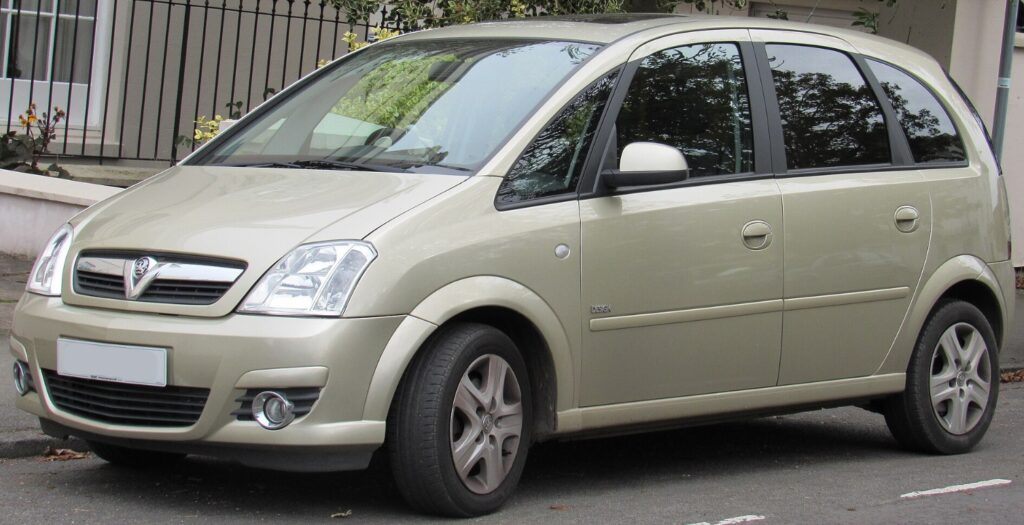
A Vauxhall Meriva that refuses to start can turn an ordinary morning into a frustrating puzzle. The dashboard lights appear, the radio may work, and the starter might even turn—but the engine simply will not fire. In many cases, the immobiliser warning light begins flashing as if the car is quietly saying, “I do not recognise this key.”
Naturally, the first thing many of us search for is a Vauxhall Meriva immobiliser reset. However, the immobiliser is not usually reset through one magical button combination. It is an electronic security system involving the key transponder, ignition receiver, body control module, engine control unit, wiring, and vehicle battery.
Sometimes, switching the ignition off and trying again clears a temporary communication error. At other times, we may need the spare key, a stronger battery, key reprogramming, or professional diagnostic equipment.
In this guide, we will explain how the system works, which reset methods are worth attempting, what the warning lights mean, and when it is time to stop experimenting and call an auto locksmith or Vauxhall specialist.
Content in this publication
- What Is the Vauxhall Meriva Immobiliser?
- Common Signs of a Vauxhall Meriva Immobiliser Problem
- Before Attempting an Immobiliser Reset
- How to Perform a Basic Vauxhall Meriva Immobiliser Reset
- Try the Spare Key
- Does Replacing the Key-Fob Battery Reset the Immobiliser?
- Can Disconnecting the Battery Reset the Immobiliser?
- Vauxhall Meriva Key Reprogramming
- Differences Between Meriva A and Meriva B
- Ignition Barrel and Immobiliser Reader Problems
- Body Control Module and ECU Communication Faults
- Check the Fuses and Electrical Connections
- Diagnostic Trouble Codes That May Appear
- What Not to Do When the Meriva Is Immobilised
- When to Call an Auto Locksmith
- When to Visit a Vauxhall Specialist
- Approximate Repair Paths
- A Practical Vauxhall Meriva Immobiliser Checklist
- Can an Immobiliser Fault Clear by Itself?
- How to Prevent Future Immobiliser Problems
- Conclusion
- Frequently Asked Questions
What Is the Vauxhall Meriva Immobiliser?
The immobiliser is an electronic anti-theft system built into the vehicle. Its job is simple: prevent the engine from starting unless the car detects an authorised key.
Inside the key is a small transponder chip. When we insert the key and switch on the ignition, a receiver around the ignition barrel reads the chip. The vehicle then compares the key’s identification code with the code stored in its security system.
When the codes match, the engine control system authorises starting. When they do not match—or communication fails—the immobiliser may block the engine.
Vauxhall’s Meriva owner manuals explain that the immobiliser forms part of the ignition system and automatically activates after the key is removed. They also state that a flashing immobiliser indicator with the ignition on means the system has detected a fault and the engine may not start.
Does the Immobiliser Control the Door Locks?
Not directly.
The immobiliser and central locking system work alongside one another, but they perform different jobs. The immobiliser prevents unauthorised engine starting, while the central locking and alarm systems protect access to the vehicle.
This distinction matters because a key can successfully unlock the doors yet still fail to deactivate the immobiliser. Likewise, a remote-control battery can be flat while the transponder chip remains perfectly capable of authorising the engine.
Vauxhall specifically notes that the immobiliser itself does not lock the doors, so we must still lock the vehicle normally and use the anti-theft alarm where fitted.
Common Signs of a Vauxhall Meriva Immobiliser Problem
Immobiliser faults do not always appear in exactly the same way. The symptoms can vary depending on the model year, battery condition, key type, and failed component.
Typical warning signs include:
- The engine cranks but does not start.
- The starter does not operate normally.
- An immobiliser or car-and-spanner warning light flashes.
- A key-related message appears on the display.
- The vehicle starts with the spare key but not the main key.
- The engine starts and immediately stops.
- The fault appears after disconnecting or replacing the battery.
- The remote unlocks the doors, but the car will not start.
- The problem comes and goes without an obvious pattern.
- The car starts after several ignition cycles.
A flashing security indicator is more significant than a light that appears briefly and then goes out. Dashboard warning lights normally illuminate during the system check when we switch on the ignition. The concern begins when the relevant light remains illuminated or continues flashing.
Immobiliser Light Flashing When the Ignition Is On
According to official Meriva guidance, if the immobiliser indicator flashes while the ignition is switched on, the system has detected a fault and the engine cannot be started normally. The recommended first response is to switch off the ignition and repeat the starting attempt. If the light continues flashing, Vauxhall advises trying the spare key and seeking workshop assistance.
That official procedure gives us an important clue: there is no universal dashboard-button reset that permanently cures every immobiliser fault.
The first “reset” is essentially a controlled restart of the recognition process.
Before Attempting an Immobiliser Reset
It is tempting to turn the key repeatedly, disconnect the battery, press random buttons, and hope the car changes its mind. That approach can make diagnosis harder.
Before attempting anything, we should check a few basic details.
Confirm That We Are Using the Correct Key
This sounds obvious, but households with several Vauxhall keys can easily mix them up. A mechanically similar key may enter or turn the ignition barrel without containing the correct programmed transponder.
Inspect the key for:
- Cracks around the plastic housing
- Water damage
- A loose folding section
- Missing internal components
- Recent key-shell replacement
- Damage from being dropped
- A worn or bent blade
A replacement plastic shell can also create problems when the original transponder chip has not been transferred into the new casing. The buttons may work because the remote circuit board is present, while the engine remains immobilised because the tiny chip is missing.
Check the Vehicle Battery
A weak vehicle battery can create a carnival of misleading electrical symptoms. The dashboard may illuminate, yet the voltage can collapse when the starter is operated.
Low voltage can disrupt communication between control modules, particularly during cold weather or after the vehicle has been parked for a long period.
Warning signs of a weak battery include:
- Slow cranking
- Rapid clicking from the starter area
- Dashboard lights dimming sharply
- Clock or radio settings resetting
- Central locking behaving inconsistently
- Multiple unrelated warning lights
- The problem appearing after several short journeys
Ideally, we should test the battery with a multimeter or battery tester rather than judging it only by whether the lights switch on.
Move Other Electronic Devices Away From the Key
Electronic interference is not the most common cause, but it is easy to eliminate.
Remove the Meriva key from a key ring containing:
- Other transponder keys
- Building-access fobs
- Contactless cards
- Electronic tags
- Large metal accessories
Then retry using only the vehicle key. The immobiliser reader needs to communicate with the correct transponder, and simplifying the environment costs us nothing.
How to Perform a Basic Vauxhall Meriva Immobiliser Reset
The following procedure is a safe first step for a temporary recognition fault. It does not reprogram a lost key, erase fault codes, or repair defective hardware.
Step 1: Switch Everything Off
Turn off the headlights, climate control, heated windows, radio, phone chargers, and other electrical accessories.
Place the gear lever in neutral or park, apply the handbrake, and ensure the vehicle is secure.
Step 2: Remove the Key
Switch the ignition fully off and remove the key.
Wait approximately 30 to 60 seconds. This pause gives the vehicle’s electronic systems time to end the failed authentication attempt.
Step 3: Lock and Unlock the Car
Using the remote, lock the vehicle and then unlock it.
This does not directly reprogram the immobiliser, but it may help re-establish normal communication between related security and body-control systems after a temporary glitch.
If the remote is not working, unlock the vehicle mechanically with the key and continue.
Step 4: Insert the Key Carefully
Insert the key fully into the ignition barrel.
Avoid turning it aggressively. A worn key blade or ignition barrel may not sit in the correct position when handled roughly.
Step 5: Switch the Ignition On
Turn the key to the ignition-on position without immediately cranking the engine.
Watch the dashboard. Allow several seconds for the warning lights to complete their normal check.
If the immobiliser indicator goes out, attempt to start the engine.
Step 6: Repeat the Attempt Once
When the indicator continues flashing, switch the ignition off, remove the key, wait briefly, and perform one more controlled attempt.
The Meriva owner manual specifically recommends switching the ignition off and repeating the starting attempt when the immobiliser indicator flashes.
Do not repeat the process dozens of times. Persistent failure points to a genuine key, voltage, wiring, receiver, or control-module problem.
Try the Spare Key
The spare key is not merely an emergency convenience. It is one of our most useful diagnostic tools.
If the Meriva starts immediately with the spare key, the main key is probably the source of the problem. Possibilities include:
- A damaged transponder
- A missing chip
- A corrupted or lost key registration
- Internal impact damage
- Water contamination
- A poorly assembled replacement case
If neither key works, the fault is more likely to involve the vehicle battery, ignition receiver, wiring, body control module, engine control module, or security synchronisation.
Vauxhall advises attempting to start the vehicle with the spare key if the immobiliser indicator continues flashing.
What If the Spare Key Has Never Been Used?
A properly programmed transponder key does not normally forget the car simply because it has been sitting in a drawer. However, the remote-control battery may be flat, and the key may have developed physical damage or corrosion during storage.
Remember that remote locking and immobiliser recognition are separate functions. A spare key with a flat remote battery may still start the engine because the immobiliser transponder is commonly passive and energised by the reader around the ignition.
Does Replacing the Key-Fob Battery Reset the Immobiliser?
Usually, no.
The small battery inside the remote mainly powers the lock and unlock buttons. The immobiliser transponder generally operates separately.
Replacing the key-fob battery may restore remote locking, but it will not repair:
- A missing transponder
- A damaged immobiliser chip
- An unprogrammed replacement key
- A failed ignition reader
- Corrupted vehicle security data
- Broken wiring
- A defective control module
Nevertheless, changing an old remote battery is sensible when the buttons operate intermittently. It removes one variable from the diagnosis and may prevent us from confusing a remote-control fault with an immobiliser fault.
Remote Resynchronisation Versus Immobiliser Programming
These terms are often mixed together online.
Remote resynchronisation reconnects the lock and unlock buttons with the vehicle’s central locking system. Immobiliser programming registers the transponder as an authorised engine-starting key.
One process does not automatically perform the other.
A key can therefore:
- Unlock the doors but fail to start the engine.
- Start the engine but fail to operate the remote locks.
- Work intermittently because one part is damaged.
- Require remote resynchronisation but not immobiliser programming.
- Require immobiliser programming even though the blade fits perfectly.
Can Disconnecting the Battery Reset the Immobiliser?
Battery disconnection is widely presented as a cure for almost every electronic vehicle problem. In reality, it is not a dependable immobiliser reset.
Disconnecting the battery may reboot certain modules and temporarily clear a communication glitch. It will not normally teach the vehicle a new transponder code or repair failed security components.
It can also create additional inconvenience by resetting:
- Clock settings
- Radio settings
- Electric window memory
- Steering-angle information
- Idle adaptations
- Stored diagnostic information
On some vehicles, improper disconnection may also trigger alarm behaviour or additional warning messages.
When a Battery Disconnect Might Help
A controlled battery disconnect may be considered when:
- The battery has recently been replaced.
- Several modules appear frozen.
- The fault began after a voltage event.
- A technician has recommended a power reset.
- We understand the correct disconnection procedure.
When We Should Avoid It
Avoid experimenting with battery disconnection when:
- We do not know the radio or security requirements.
- The battery terminals are damaged.
- The car has complex aftermarket electrical equipment.
- The alarm system is behaving unpredictably.
- We lack the correct tools.
- The vehicle is parked somewhere unsafe.
- Diagnostic fault codes have not yet been read.
Reading the codes before disconnecting the battery is often more useful. Codes are footprints in the snow: erase them too early, and we may lose the trail.
Vauxhall Meriva Key Reprogramming
When the key has lost authorisation or a replacement key has never been registered, it must be programmed with suitable diagnostic equipment.
This is different from inserting the key and waiting for a few minutes. Genuine immobiliser programming usually requires access to security information associated with the vehicle.
Vauxhall documentation explains that the key number is linked to the immobiliser system and is recorded on the Car Pass or an associated tag, depending on the vehicle’s age and documentation.
Programming may be performed by:
- A Vauxhall dealership
- A qualified independent Vauxhall specialist
- A reputable auto locksmith
- An automotive electronics specialist
The technician may need the vehicle identification number, proof of ownership, identification, the existing keys, and security data.
Can We Program a Meriva Key at Home?
Simple remote-button synchronisation may be possible on certain versions, but immobiliser transponder programming generally requires compatible diagnostic equipment and the correct security credentials.
Online instructions claiming that every Meriva key can be programmed by opening the door, pressing the brake pedal, and turning the ignition several times should be treated cautiously.
Model years and electronic architectures differ. A procedure for another Vauxhall may not apply to the Meriva, while instructions for remote locking may be incorrectly described as immobiliser programming.
Differences Between Meriva A and Meriva B
The Vauxhall Meriva was produced in two main generations:
- Meriva A: the original generation
- Meriva B: the later generation with rear-hinged FlexDoors
Both use an electronic immobiliser, but their control modules, diagnostic systems, keys, wiring, dashboard symbols, and programming requirements can differ.
That means a reset procedure described for a 2004 Meriva may be irrelevant to a 2015 vehicle.
Before ordering a key or diagnostic service, confirm:
- Registration year
- Exact model generation
- Engine type
- Key design
- Vehicle identification number
- Whether the car has standard or aftermarket security equipment
Why the Exact Year Matters
Manufacturers often revise electronic systems during a model’s production life. Two cars that look almost identical may use different key frequencies, transponder types, module software, or programming procedures.
We should therefore avoid buying a replacement key based only on appearance. Two key fobs can look like twins while speaking entirely different electronic languages.
Ignition Barrel and Immobiliser Reader Problems
Around the ignition barrel is a transponder reader, sometimes called an aerial, antenna ring, or pickup coil. Its job is to communicate with the chip inside the key.
When this component or its wiring fails, the vehicle may behave as though every key is incorrect.
Possible symptoms include:
- Both keys failing
- Intermittent recognition
- Starting only after moving the key
- Immobiliser warning light flashing
- Faults appearing after steering-column work
- Problems after ignition-barrel replacement
- Starting becoming harder over time
An auto electrician can inspect the connector, power supply, ground, wiring continuity, and communication signals.
Could the Ignition Barrel Itself Be Jammed?
Yes, but a mechanical barrel fault is not identical to an immobiliser fault.
Older Meriva manuals mention that a lock cylinder can free-wheel if rotated forcefully or if the correct key is not fully inserted. The manual’s lock-cylinder reset involves turning the cylinder with the correct key until the slot is vertical, removing the key, reinserting it, and repeating after turning the key through 180 degrees if necessary.
That procedure applies to a free-wheeling mechanical lock cylinder. It should not be confused with electronic immobiliser reprogramming.
Body Control Module and ECU Communication Faults
The immobiliser does not work alone. It relies on electronic conversations between several modules.
Depending on the Meriva version, the starting authorisation process may involve:
- The key transponder
- The ignition receiver
- The body control module
- The instrument cluster
- The engine control unit
- The starter-control circuit
- The vehicle’s communication network
A failed connection between modules can produce the same symptom as an unrecognised key.
Common causes include:
- Low battery voltage
- Corroded connectors
- Water ingress
- Damaged wiring
- Blown fuses
- Poor ground connections
- Module replacement without programming
- Software or configuration errors
- Communication-network faults
This is where proper diagnostics become essential. Replacing the key blindly may waste money when the actual problem sits behind the dashboard.
Check the Fuses and Electrical Connections
A blown fuse can interrupt power to a module involved in immobiliser recognition. However, we should never replace a fuse with one of a higher rating.
Consult the fuse chart for the specific Meriva year and inspect circuits related to:
- Ignition
- Engine management
- Body control
- Instrument cluster
- Central locking
- Starter system
- Security system
When a replacement fuse blows again, stop. A repeated failure indicates a short circuit or overloaded component that requires investigation.
Look for Water Ingress
Water and vehicle electronics mix like rain and an open laptop.
Check for dampness around:
- Passenger footwells
- Dashboard fuse areas
- Windscreen edges
- Door wiring connectors
- Battery compartment
- Under-seat wiring
- Areas recently disturbed during repairs
Water ingress can produce intermittent immobiliser faults that disappear after the car dries out, only to return after the next storm.
Diagnostic Trouble Codes That May Appear
A basic engine-code reader may not access the body or immobiliser systems. We need a scanner capable of communicating with Vauxhall security, body, instrument, and engine modules.
Potential diagnostic findings may relate to:
- Incorrect transponder signal
- No key detected
- Invalid security code
- Lost communication with a control module
- Immobiliser and ECU mismatch
- Low system voltage
- Ignition-reader circuit fault
- Body control module configuration
- Starter-authorisation failure
The exact code matters far more than a generic description such as “immobiliser fault.”
A competent technician should read codes from all relevant modules, record them, inspect live data, and check whether the key is being detected before replacing parts.
What Not to Do When the Meriva Is Immobilised
Frustration can push us toward expensive mistakes. Avoid the following:
- Do not repeatedly crank the engine until the battery is flat.
- Do not strike the ignition barrel.
- Do not dismantle the key without protecting the transponder.
- Do not buy a used control module without checking programming requirements.
- Do not replace the ECU based only on an online guess.
- Do not fit a higher-rated fuse.
- Do not cut immobiliser wiring.
- Do not use unverified bypass devices.
- Do not assume remote unlocking proves the key is fully functional.
- Do not erase diagnostic codes before recording them.
Immobiliser bypass attempts can create safety, insurance, security, and legal complications. The correct solution is to restore authorised communication, not weaken the vehicle’s theft protection.
When to Call an Auto Locksmith
An automotive locksmith is often the most practical choice when:
- One key works and the other does not.
- All keys have been lost.
- The key case is broken.
- The transponder is missing.
- A replacement key needs cutting and programming.
- The vehicle is stranded away from home.
- The remote buttons and immobiliser require testing.
- We need a mobile service.
Choose someone with experience in Vauxhall security systems and ask whether they can diagnose the key before programming a replacement.
When to Visit a Vauxhall Specialist
A specialist workshop may be more suitable when:
- Neither key works.
- The fault follows ECU or body-module replacement.
- Several electrical systems are malfunctioning.
- Water ingress is suspected.
- Communication codes appear in multiple modules.
- The vehicle starts intermittently despite valid keys.
- Wiring or control-module faults require investigation.
- Security configuration needs to be restored.
A good specialist will diagnose before replacing components. The most expensive part is not always the guilty one.
Approximate Repair Paths
The final cost depends on the vehicle year, location, key type, parts availability, and diagnosis. The likely repair path may involve:
- Battery testing and charging
Appropriate when low voltage or slow cranking is present. - Trying or testing the spare key
Useful for separating a key fault from a vehicle fault. - Key-shell or transponder repair
Suitable when the key has been physically damaged. - Replacement key cutting and programming
Necessary when the chip is lost, defective, or unauthorised. - Ignition-reader replacement
Required when the antenna ring cannot detect valid keys. - Wiring or connector repair
Needed when power, ground, or communication is interrupted. - Module synchronisation or programming
Relevant after control-unit replacement or security mismatch. - Control-module repair or replacement
Considered only after testing confirms a module fault.
A Practical Vauxhall Meriva Immobiliser Checklist
When the Meriva will not start, follow this order:
- Confirm that the correct key is being used.
- Remove other electronic keys and tags.
- Check whether the immobiliser light is flashing.
- Switch off the ignition and wait briefly.
- Repeat one controlled starting attempt.
- Try the spare key.
- Check the vehicle battery condition.
- Inspect the key for physical damage.
- Check relevant fuses using the correct diagram.
- Look for recent water ingress or electrical work.
- Scan all relevant control modules.
- Record fault codes before clearing them.
- Contact an auto locksmith for a suspected key fault.
- Contact a specialist for wiring or module faults.
This sequence moves from simple and inexpensive checks toward more advanced diagnosis. It prevents us from firing the parts cannon at the car and hoping something sticks.
Can an Immobiliser Fault Clear by Itself?
A temporary fault can disappear, especially when caused by low voltage, electrical interference, or a brief communication error.
However, an intermittent problem should not be ignored. Electronics rarely develop stage fright for no reason.
When the fault clears, consider:
- Testing the battery
- Scanning for stored codes
- Inspecting both keys
- Checking for dampness
- Recording when the problem occurred
- Noting weather and temperature conditions
- Watching for other electrical symptoms
Intermittent faults are easier to solve when we build a pattern rather than waiting for the vehicle to become permanently immobilised.
How to Prevent Future Immobiliser Problems
We cannot prevent every electronic failure, but we can reduce the risk.
Protect the Keys
Avoid dropping the key, exposing it to water, or carrying it where the casing is constantly twisted.
When replacing the shell, make sure the original transponder chip is transferred correctly.
Maintain the Vehicle Battery
Test an ageing battery before winter and investigate slow cranking quickly. Stable voltage helps every electronic module communicate correctly.
Keep a Working Spare Key
Test the spare key several times a year. Store it somewhere dry and secure—not inside the vehicle.
Address Water Leaks Early
A damp footwell is not merely an upholstery problem. Moisture can travel into connectors and control units, creating electrical faults weeks or months later.
Use Qualified Technicians
Immobiliser systems require correct diagnosis, security access, and compatible equipment. Cheap guesswork can become expensive surprisingly fast.
Conclusion
A Vauxhall Meriva immobiliser reset usually begins with something simple: switch off the ignition, remove the key, wait briefly, and try again. When the warning light continues flashing, the official next step is to try the spare key and seek professional assistance.
That simple sequence helps separate a temporary recognition problem from a persistent fault. If the spare key works, the main key deserves attention. If neither key works, we should investigate the vehicle battery, ignition reader, fuses, wiring, communication network, and control modules.
Most importantly, we should remember that remote locking and immobiliser authorisation are not the same thing. Replacing a fob battery, disconnecting the vehicle battery, or resynchronising the remote may help related symptoms, but these actions do not automatically program a transponder.
Work methodically. Start with the key and battery, read the warning light, scan the correct modules, and resist replacing expensive components without evidence. An immobilised Meriva may feel like a locked vault, but with the right sequence of checks, we can usually find which part has misplaced the combination.
Frequently Asked Questions
1. How do I reset the immobiliser on a Vauxhall Meriva?
Switch off the ignition, remove the key, wait approximately 30 to 60 seconds, and repeat the starting attempt. If the immobiliser indicator continues flashing, try the spare key. Persistent failure normally requires diagnostic testing rather than another manual reset.
2. Why does my Vauxhall Meriva crank but not start?
Possible causes include an unrecognised key, weak battery, damaged transponder, ignition-reader fault, blown fuse, fuel or ignition problem, wiring damage, or communication failure between control modules. A flashing immobiliser indicator makes a security-system fault more likely.
3. Will changing the key-fob battery fix the immobiliser?
Usually not. The fob battery powers the remote-locking buttons, while the immobiliser transponder generally works separately. Replacing the battery may restore central locking but will not fix a missing, damaged, or unprogrammed transponder.
4. Why does my spare key start the Meriva but the main key does not?
The main key may contain a damaged or missing transponder, particularly if its casing has been replaced or dropped. It may need repair, replacement, or immobiliser programming by an automotive locksmith or qualified specialist.
5. Can I bypass the Vauxhall Meriva immobiliser?
Bypassing the system is not a recommended repair. It may compromise vehicle security, affect insurance, create electrical problems, and raise legal concerns. The safer solution is to identify the failed key, reader, wiring connection, or control module and restore the original security system.
If you want to know other articles similar to Vauxhall Meriva Immobiliser Reset: Complete Troubleshooting Guide you can visit the category Service and Parts.
Vauxhall Mokka Tyre Pressure Reset: Complete Guide
How to Reset the Tire Pressure System on Your Hyundai Tucson

Hyundai Kona Tire Pressure: Complete PSI Guide

Vauxhall Corsa Timing Belt Replacement Cost UK 2026

Mazda CX-5 Tire Size Chart: 2013–2026 Guide

How to Reset a Honda Civic: Complete Step-by-Step Guide
Leave a Reply
More content of your interest