

Vauxhall Meriva Petrol Cap Won’t Open: Causes, Quick Fixes, and Repairs

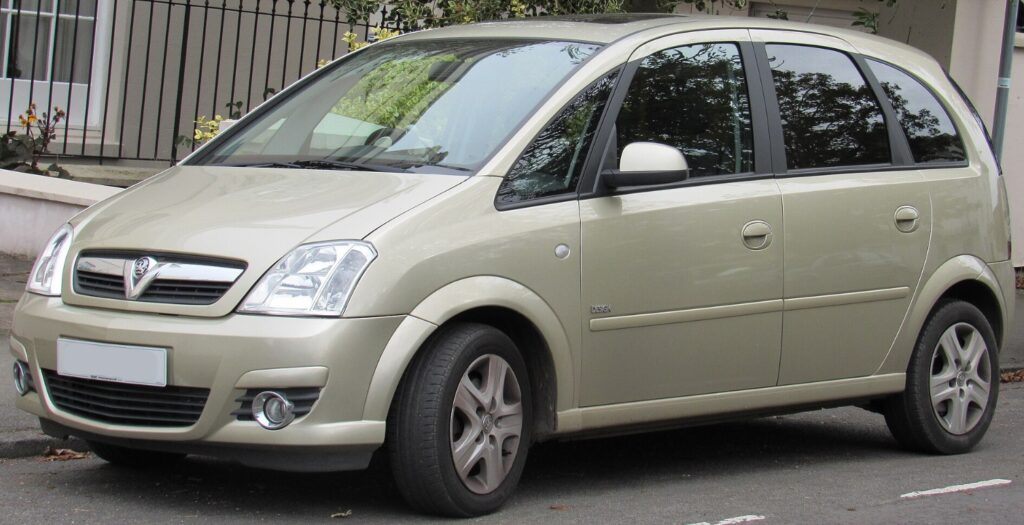
Few motoring problems feel quite as ridiculous as arriving at a petrol station, parking beside the pump, and discovering that the fuel flap refuses to open. The car may be running perfectly. The central locking may appear normal. Yet the small door standing between us and the fuel tank behaves like a bank vault.
When a Vauxhall Meriva petrol cap won’t open, the problem usually involves the outer fuel filler flap rather than the screw-in petrol cap itself. Depending on the Meriva generation, the flap may be connected to the vehicle’s central locking through a small actuator, locking pin, spring-loaded catch, or combination of these components.
The good news is that we can often open a stuck flap without damaging the paintwork. The bad news? Pulling harder is rarely the answer. A fuel flap may look simple, but forcing it with a screwdriver can turn a minor actuator fault into a bent flap, broken hinge, and expensive paint repair.
Let’s work through the problem logically, beginning with the safest roadside checks and moving toward the mechanical and electrical causes that may require a proper repair.
Content in this publication
- How the Vauxhall Meriva Fuel Flap Normally Works
- First, Identify What Is Actually Stuck
- Quick Checks Before Reaching for Any Tools
- The Safest Roadside Opening Method
- Cold Weather: Could the Fuel Flap Be Frozen?
- Dirt, Road Salt, and Debris Around the Flap
- A Failed Fuel-Flap Locking Actuator
- Can We Open It Manually from the Boot?
- Could a Fuse Be Responsible?
- Weak Battery Voltage and Intermittent Locking
- The Locking Pin May Be Seized Rather Than Electrically Dead
- Broken Hinge, Catch, or Return Spring
- Using a Suction Cup Without Damaging the Paint
- What Not to Do When the Petrol Flap Is Stuck
- What If the Outer Flap Opens but the Petrol Cap Will Not Turn?
- Diagnosing the Fault Step by Step
- Replacing the Fuel-Flap Actuator
- DIY Repair or Garage Job?
- How Much Could the Repair Cost?
- Preventing the Fuel Flap from Sticking Again
- Is It Safe to Drive with the Fuel Flap Stuck?
- A Practical Emergency Plan at the Petrol Station
- Conclusion: Fix the Lock, Not Just the Symptom
- Frequently Asked Questions
- Why won’t my Vauxhall Meriva petrol flap open even though the doors unlock?
- Does the Vauxhall Meriva have an emergency fuel-flap release?
- Can I force the Meriva petrol flap open with a screwdriver?
- Why does my petrol flap open only after locking and unlocking several times?
- What should I do if the flap opens but the petrol cap is stuck?
How the Vauxhall Meriva Fuel Flap Normally Works
Before trying to fix anything, it helps to understand what should happen.
The Vauxhall Meriva’s fuel filler flap is positioned on the right-hand rear side of the vehicle. On many versions, it locks and unlocks together with the doors. The official Meriva B owner’s manual states that the fuel filler flap can only be opened while the vehicle is unlocked. Once unlocked, the driver pulls the flap from its recessed edge.
Earlier Meriva documentation describes a similar arrangement: the tank flap is locked together with the doors.
In normal use, the sequence is straightforward:
- Unlock the vehicle.
- Walk to the right rear quarter panel.
- Pull or press the fuel flap, depending on the model.
- Unscrew the petrol cap.
- Refuel the vehicle.
- Refit the cap until it clicks securely.
- Close the outer flap.
When the car is locked, a small pin or actuator prevents the flap from opening. When the vehicle is unlocked, that pin should retract. If it remains extended, the fuel door stays trapped even though the rest of the car has unlocked.
First, Identify What Is Actually Stuck
People often use “petrol cap” and “fuel flap” to describe the same area, but they are two separate parts.
The Outer Fuel Filler Flap
This is the painted door that sits flush with the bodywork. If it will not move at all, we are probably dealing with:
- A central-locking actuator fault
- A seized locking pin
- A jammed latch
- Ice, dirt, or corrosion
- A damaged hinge or return spring
- Misalignment after bodywork or impact damage
The Screw-In Petrol Cap
This sits behind the outer flap and seals the fuel filler neck. If the flap opens but the cap will not unscrew, possible causes include:
- The cap has been overtightened
- The threads are dirty or crossed
- The cap seal has stuck
- The ratchet mechanism has failed
- The plastic cap has become distorted
Most cases involving a Vauxhall Meriva petrol cap that won’t open are actually locked-flap problems. We will focus primarily on that scenario while also covering a jammed screw cap later.
Quick Checks Before Reaching for Any Tools
A stuck fuel flap can make us impatient, especially when the low-fuel warning is already glowing. Still, a calm two-minute inspection can prevent unnecessary damage.
Unlock the Car Again
Press the unlock button on the remote once, wait a second, and press it again. Some locking configurations unlock only the driver’s door with the first press and the remaining locks with the second.
Even if all passenger doors seem unlocked, cycle the locks again:
- Lock the vehicle completely.
- Wait five to ten seconds.
- Unlock it.
- Listen near the fuel flap.
- Try opening it immediately.
A weak or sticky actuator may respond after several locking cycles, although repeated operation is only a temporary workaround.
Try the Spare Key
A weak key-fob battery may produce inconsistent locking behaviour. The driver’s door might unlock mechanically while the electrical system fails to release every actuator correctly.
Try the spare remote key if one is available. Also observe whether the indicators flash normally and whether all doors respond.
Check Every Door and the Tailgate
If one or more doors remain locked, the problem may not be isolated to the petrol flap. Possible causes include:
- Weak vehicle battery voltage
- Central-locking fuse problems
- Wiring faults
- Body control module issues
- A faulty door-lock circuit
If every door unlocks except the fuel flap, the local flap actuator or locking pin becomes the leading suspect.
Listen for the Fuel-Flap Actuator
Stand near the right rear wing while another person locks and unlocks the car.
A working actuator often produces a faint click or short mechanical buzz. Silence may suggest that the actuator is not receiving power or has failed internally. A click without movement may indicate that the motor is operating but the pin is seized, obstructed, or disconnected.
The Safest Roadside Opening Method
When the flap remains closed, begin with gentle pressure rather than leverage.
Apply Light Inward Pressure While Unlocking
Place the flat of your hand against the fuel flap and press it inward gently. While maintaining light pressure, ask someone to unlock the car.
Then release the pressure and try opening the flap.
Why can this work? A slightly misaligned flap may be pushing sideways against the locking pin. Pressing inward briefly removes that load, allowing the pin to retract. General stuck-fuel-door guidance also recommends applying slight pressure to the flap while unlocking the vehicle.
Do not strike the flap or push hard enough to dent it.
Try Gentle Pulling at the Recess
Once the vehicle is definitely unlocked, pull at the intended finger recess. Do not pull from the hinge side.
If the flap moves a millimetre or two but springs back, the locking pin may be partially retracted. Repeat the lock-and-unlock procedure while applying very light outward tension.
Use Two People When Possible
The technique is easier with one person operating the remote and another controlling the flap. Timing matters because a weak actuator may retract only momentarily before sticking again.
Cold Weather: Could the Fuel Flap Be Frozen?
In winter, a flap may be mechanically unlocked but held closed by ice. Water can collect around its edge, freeze overnight, and form a thin seal that behaves like glue.
Signs of a Frozen Fuel Flap
A frozen flap often behaves differently from a locked one:
- The actuator can be heard moving.
- The flap flexes slightly.
- Other locks work normally.
- The problem appeared after frost, snow, or washing the car.
- The flap opens later when temperatures rise.
How to Thaw It Safely
Use one of these gentle methods:
- Press a warm cloth around the flap’s perimeter.
- Move the car into a warmer garage.
- Use a vehicle-safe de-icer around the outer seam.
- Warm the area gradually with your hands.
Avoid pouring boiling water over the bodywork. The sudden temperature change can affect paint, plastic, and seals. The water may also refreeze inside the mechanism, turning today’s quick solution into tomorrow’s larger problem.
A hairdryer can help when a safe power supply is available, but keep it moving and maintain plenty of distance from the paint and plastic.
Dirt, Road Salt, and Debris Around the Flap
Fuel doors live in a hostile location. They collect road spray, dust, wax, salt, and fine grit. Over time, contamination can restrict the hinge, spring, or locking pin.
Inspect the gap around the flap with a torch. Look for:
- Hardened polish or wax
- Mud packed into the lower edge
- Leaves or small debris
- Corrosion around the hinge
- A distorted rubber stop
- Foreign objects inside the recess
Clean visible contamination with warm soapy water and a soft detailing brush. Never insert a metal blade around the painted edge.
Once the flap is open, clean the hinge and locking-pin area more thoroughly.
A Failed Fuel-Flap Locking Actuator
The actuator is one of the most common suspects when the central locking works but the fuel flap remains locked.
It is a small electrically operated unit positioned behind the flap area. When the vehicle locks, the actuator extends a pin. When the vehicle unlocks, it retracts that pin.
Typical Symptoms of a Faulty Actuator
We may notice:
- No clicking sound near the flap
- The flap stays locked while all doors unlock
- Intermittent operation
- The flap opens after repeated lock cycles
- The locking pin moves slowly
- The flap remains permanently unlocked
- The actuator buzzes but does not retract
A Meriva B repair demonstration places the tank-flap actuator behind the right rear area and shows access through the interior trim.
Why the Actuator Fails
The internal electric motor or gears may wear out. Moisture can reach the connector, the locking rod can become stiff, or the actuator housing may crack. Sometimes the electrical part works, but the mechanical pin binds in its guide.
An actuator that works occasionally is not necessarily healthy. Intermittent behaviour often signals that failure is approaching.
Can We Open It Manually from the Boot?
Some vehicles have a clearly marked emergency fuel-flap release cable behind the boot trim. However, the exact arrangement differs between model years and trim levels, and Meriva owners often report that access is less obvious than expected.
On the Meriva B, the right-side boot area may contain equipment or trim that blocks direct access. Some owners have reported difficulty reaching the mechanism from inside the luggage compartment.
Check the Owner’s Manual First
Before removing anything, consult the handbook supplied with the vehicle. Do not assume that every Meriva has an obvious pull cord.
Look behind the right-hand luggage-compartment trim for:
- A removable service panel
- A small access cover
- A pull cable or plastic loop
- The rear of the actuator
- A movable locking rod
Removing the Boot Trim
If there is no access hatch, partial trim removal may be necessary. Typically, this can involve:
- Emptying the boot.
- Removing the boot floor.
- Moving or removing the tyre-inflation kit.
- Identifying trim clips or fasteners.
- Carefully releasing the right-side trim.
- Locating the fuel-flap actuator.
- Retracting the locking rod manually.
Interior trim clips become brittle with age. Use plastic trim tools rather than a screwdriver, and do not pull blindly. Wiring, sockets, storage units, and safety-related components may sit behind the panel.
A Warning About Improvised Access
Some online procedures involve reaching through the rear wheel-arch liner to pull the latch from behind. A Meriva B tutorial describes gaining access through the inner wheel-arch area.
That may work in an emergency, but it carries additional risks:
- The vehicle may need to be raised.
- Wheel-arch fasteners can break.
- The liner can be damaged.
- Sharp body edges may injure your hands.
- Incorrect lifting can cause serious injury.
Never crawl beneath a vehicle supported only by its factory jack. For most drivers, interior trim access or professional roadside assistance is safer.
Could a Fuse Be Responsible?
Possibly, but a blown fuse is less likely when every other part of the central locking operates normally.
The fuel-flap actuator may share a circuit with other locking components. Therefore, a fuse failure often causes more than one symptom.
When to Inspect the Fuses
Check the relevant fuse information when:
- Several locks are not working
- The remote produces no response
- Central locking has failed completely
- The issue began after electrical work
- The vehicle battery was recently replaced
- A fuse has blown more than once
Use the fuse chart for the exact year and specification of the vehicle. Fuse assignments can vary. Never replace a fuse with one of a higher amperage.
A replacement fuse that blows again indicates an electrical fault, not a “bad fuse.” The circuit should be diagnosed before more fuses are installed.
Weak Battery Voltage and Intermittent Locking
A tired vehicle battery can create strange electrical symptoms long before the engine refuses to start.
Lock motors and actuators require adequate voltage. If the battery is weak, the larger door locks may still move while a sticky fuel-flap actuator fails to retract fully.
Other clues include:
- Slow engine cranking
- Interior lights dimming
- Dashboard warnings appearing temporarily
- Stop-start becoming unavailable
- Remote locking behaving inconsistently
- The clock or radio resetting
Measure battery voltage with an appropriate tester or have it checked professionally. Replacing the flap actuator will not solve the problem if poor system voltage is the real cause.
The Locking Pin May Be Seized Rather Than Electrically Dead
Suppose we can hear the actuator, but the flap remains stuck. The pin may be dry, dirty, bent, or loaded sideways by the flap.
Once the flap has been opened manually, examine the locking pin while operating the central locking. It should move smoothly and completely.
Cleaning the Locking Pin
Use a clean cloth and a small brush to remove contamination. A modest amount of plastic-compatible lubricant may then be applied to the moving guide.
Avoid soaking the area with thick grease. Heavy grease attracts grit and can become stiff in cold weather.
A dry PTFE or silicone-based product is often more suitable for exposed plastic mechanisms, provided it is compatible with the materials involved.
Check the Pin Alignment
Close the flap slowly while watching where the pin meets the receiving hole. If the flap has dropped on its hinge, the pin may strike the edge rather than entering cleanly.
Misalignment may result from:
- A loose hinge
- Previous body repairs
- Someone leaning against the flap
- A broken plastic stop
- A distorted flap panel
- A replacement actuator fitted incorrectly
Broken Hinge, Catch, or Return Spring
Not every stuck fuel door is locked. Sometimes it has unlocked correctly but fails to pop outward.
The flap may depend on spring tension, a flexible plastic tab, or a push-release mechanism. If this component breaks, pressing the flap does nothing because there is no force pushing it back out.
How to Recognise a Spring or Hinge Problem
The actuator can be heard retracting, but:
- The flap remains flush with the body
- It opens when a suction cup is used gently
- Light outward tension allows it to open
- It feels loose once opened
- It does not stay aligned when closed
A broken spring is usually a mechanical repair rather than an electrical one. The hinge assembly or flap housing may need replacement.
Using a Suction Cup Without Damaging the Paint
When we are confident that the flap is unlocked but the spring has failed, a small clean suction cup can provide gentle outward force.
Clean the flap first so grit does not scratch the paint. Attach the suction cup near the centre, unlock the vehicle, and pull lightly.
This method should not be used to overpower a locked pin. If the flap resists firmly, stop. We are trying to replace the missing spring action, not tear the hinge from the body.
What Not to Do When the Petrol Flap Is Stuck
Frustration makes bad tools look tempting. A screwdriver may seem like the fastest route to the filler neck, but it can create several new problems in seconds.
Do not:
- Pry the flap open with a metal screwdriver
- Force plastic trim with sharp tools
- Pour boiling water over a frozen flap
- Strike the flap with your fist
- Pull hard enough to bend the hinge
- Drill the locking pin
- Disconnect random wiring
- Replace fuses with higher-rated ones
- Work beneath an incorrectly supported vehicle
- Spray large amounts of flammable lubricant near the filler neck
The flap sits beside fuel vapour and painted bodywork. Gentle diagnosis beats brute force every time.
What If the Outer Flap Opens but the Petrol Cap Will Not Turn?
A jammed screw cap requires a different approach.
First, make sure we are turning it anticlockwise. Grip it firmly and apply steady pressure rather than sudden force.
Push Inward Before Turning
Press the cap lightly toward the filler neck while turning it anticlockwise. This can reduce pressure on crossed or loaded threads.
Improve Your Grip
Wear dry rubber gloves or use a clean rubber grip mat. Avoid adjustable pliers because they can crack or deform the plastic cap.
Check for a Free-Spinning Ratchet
Some caps use an internal ratchet. If the outer section spins continuously without loosening, the cap mechanism may have failed internally.
A garage can usually remove the damaged cap without harming the filler neck. Replace it with a correct-quality cap that matches the vehicle’s sealing and ventilation requirements.
Diagnosing the Fault Step by Step
Instead of replacing parts at random, use a simple decision process.
Step 1: Confirm the Vehicle Is Fully Unlocked
Press unlock twice and test all doors.
Step 2: Listen at the Fuel Flap
No noise suggests an electrical supply or actuator problem. Noise without opening suggests a seized or misaligned mechanism.
Step 3: Apply Gentle Pressure
Press inward while unlocking, then release and pull at the recess.
Step 4: Consider Temperature and Contamination
If the weather is freezing or the car was recently washed, thaw the area gradually. Remove visible dirt.
Step 5: Test Battery Condition
Consider battery voltage if other electrical symptoms are present.
Step 6: Access the Mechanism Safely
Consult the handbook and inspect the right-side boot trim for an access point.
Step 7: Observe the Actuator
Once accessible, operate the locks and watch the rod or pin.
Step 8: Repair the Cause
Clean and lubricate a sticky pin, correct alignment, repair wiring, or replace the actuator as required.
Replacing the Fuel-Flap Actuator
When the actuator receives power but fails to move reliably, replacement is usually the sensible repair.
The broad process may involve:
- Disconnecting the battery when required
- Removing or loosening the right boot trim
- Unplugging the actuator connector
- Releasing the actuator fasteners
- Detaching the locking rod or pin assembly
- Installing the replacement
- Testing it before refitting the trim
- Checking flap alignment
Exact access and fastener arrangements depend on the Meriva generation and production year.
Choosing the Correct Replacement Part
Do not order solely from a listing that says “fits Vauxhall Meriva.” Match:
- Vehicle registration details
- Model generation
- Production year
- Original part number
- Electrical connector shape
- Actuator housing design
- Locking-rod length and orientation
Used actuators may be cheaper, but they can carry the same age-related wear as the failed component. A reputable new or quality remanufactured unit may offer better value.
DIY Repair or Garage Job?
A careful home mechanic may be comfortable removing trim, checking the actuator connector, and replacing the mechanism. However, professional assistance makes sense when:
- The tank is nearly empty and the flap must be opened urgently
- The vehicle needs to be raised
- The locking rod cannot be reached safely
- Electrical testing is required
- Bodywork is misaligned
- The flap has already been damaged
- The central locking has multiple faults
- You are unsure which component is moving
Roadside assistance may be able to open the flap without damaging it, allowing the vehicle to be refuelled before a permanent repair is arranged.
How Much Could the Repair Cost?
The price depends on the exact fault.
A simple clean and lubrication may cost very little. Replacing a damaged hinge, painted flap, or actuator costs more because parts and trim-removal labour are involved.
The final bill may include:
- Diagnostic time
- Replacement actuator
- Trim clips
- Hinge or flap housing
- Paintwork
- Wiring repair
- Central-locking diagnosis
Ask the repairer to confirm whether the actuator is receiving power before authorising replacement. That simple test helps distinguish a failed motor from a wiring or control problem.
Preventing the Fuel Flap from Sticking Again
Once the flap is working, a little maintenance can keep it from staging another rebellion at the petrol station.
Clean the Recess Regularly
During washing, open the flap and remove dirt from the hinge, drainage area, rubber stops, and locking-pin opening.
Lubricate Sparingly
Apply a small quantity of suitable lubricant to the hinge and locking pin. More is not better. Excess product attracts dust.
Avoid Slamming the Flap
Close it with gentle, even pressure. Slamming can damage the hinge, distort the panel, or stress the locking mechanism.
Deal with Intermittent Operation Early
A flap that opens only after three attempts is already warning us. Repairing a sticky pin or tired actuator at home is far easier than discovering the fault with an empty tank miles away.
Protect It During Winter
Dry the flap area after washing in freezing weather. A light application of rubber-safe treatment around appropriate seals may reduce water adhesion, but keep products away from the fuel filler opening itself.
Is It Safe to Drive with the Fuel Flap Stuck?
A flap stuck closed does not usually affect engine operation, but it becomes urgent when fuel is low. Continuing to drive in the hope that it will magically free itself risks running out of petrol.
A flap stuck open is also undesirable. Although the screw cap seals the tank, the outer door protects the area from dirt, weather, and tampering.
If the screw-in cap itself is missing, cracked, or unable to seal, replace it promptly. A poor seal may trigger an emissions-related warning on some vehicles and can allow fuel vapour to escape.
A Practical Emergency Plan at the Petrol Station
When the Vauxhall Meriva arrives at the pump and the fuel flap refuses to open, follow this order:
- Move away from the pump if other drivers are waiting.
- Switch off the engine.
- Unlock the vehicle twice.
- Check that every door has unlocked.
- Lock and unlock it again while listening near the flap.
- Apply gentle inward pressure as the car unlocks.
- Inspect the flap edge for ice or debris.
- Try the spare key if available.
- Consult the owner’s manual for emergency access.
- Call roadside assistance rather than forcing the flap.
That final step can feel inconvenient, but it is often cheaper than repairing a bent quarter panel or damaged fuel door.
Conclusion: Fix the Lock, Not Just the Symptom
When a Vauxhall Meriva petrol cap won’t open, the central-locking actuator is a prime suspect, but it is not the only possibility. Ice, dirt, a seized locking pin, weak battery voltage, damaged wiring, a broken spring, or simple misalignment can produce almost identical symptoms.
We should begin with the easiest checks: fully unlock the vehicle, listen for actuator movement, apply gentle pressure, and inspect for contamination. If those steps fail, the mechanism may need to be accessed from behind the right-side boot trim or, in some cases, through the wheel-arch area.
The golden rule is simple: do not pry the flap open. What begins as a small locking fault can quickly become scratched paint, broken trim, and a distorted hinge. Treat the mechanism like a stubborn zip rather than a sealed bunker—reduce the pressure, find the obstruction, and work methodically.
Frequently Asked Questions
Why won’t my Vauxhall Meriva petrol flap open even though the doors unlock?
The fuel-flap actuator or locking pin may be seized, misaligned, disconnected, or electrically faulty. Listen for a click beside the flap when operating the central locking. No noise may indicate an actuator or power-supply problem, while a click without movement often points to mechanical binding.
Does the Vauxhall Meriva have an emergency fuel-flap release?
The arrangement varies by generation and specification. Some mechanisms can be accessed behind the right-hand boot trim, but an obvious emergency pull cable may not be present on every vehicle. Check the handbook before dismantling trim or attempting wheel-arch access.
Can I force the Meriva petrol flap open with a screwdriver?
No. A screwdriver can chip the paint, bend the flap, break the hinge, and damage the locking mechanism. Try unlocking while applying gentle inward pressure, or access the actuator from behind the trim.
Why does my petrol flap open only after locking and unlocking several times?
The actuator motor may be weakening, the locking pin may be dirty, or the mechanism may be under sideways pressure because of poor alignment. Repeated cycling may release it temporarily, but the underlying fault should be repaired before the flap stops opening completely.
What should I do if the flap opens but the petrol cap is stuck?
Press the cap inward slightly while turning it anticlockwise and use rubber gloves for extra grip. Do not crush it with pliers. If the outer section spins without releasing, the internal ratchet may have failed and the cap may need professional removal and replacement.
If you want to know other articles similar to Vauxhall Meriva Petrol Cap Won’t Open: Causes, Quick Fixes, and Repairs you can visit the category Common Problems.
Volvo S90 Common Problems: Reliability & Repair Guide
Volvo S90 No Sound: Causes, Fixes and Solutions

Nissan Rogue Smells Like Gas: Causes and Fixes
Vauxhall Agila Problems: Common Faults & Fixes

Kia Sorento Jerking When Accelerating: Causes & Fixes

Jaguar F-Pace Low Battery: Causes, Warning Signs, and How to Fix It
Leave a Reply
More content of your interest