

Vauxhall Meriva Key Stuck in Ignition: Causes and Fixes

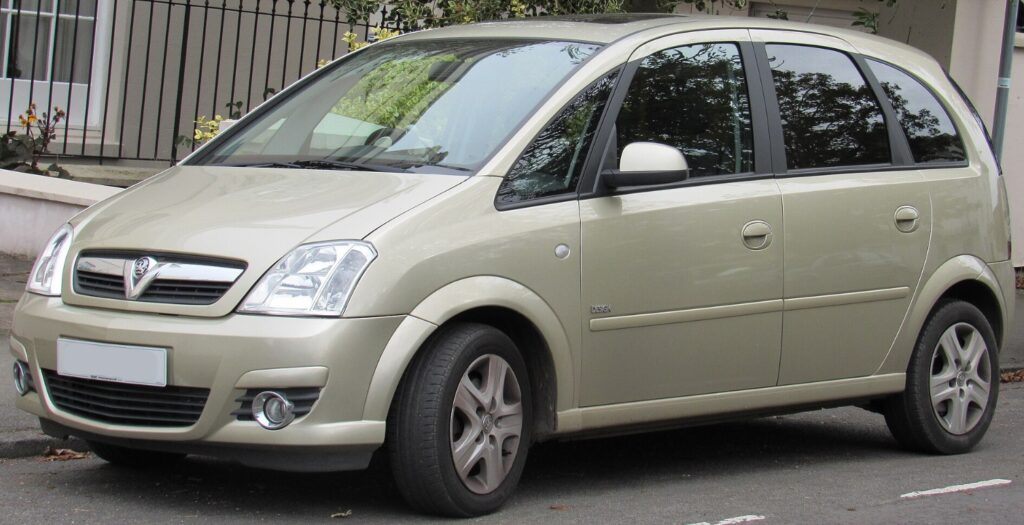
A Vauxhall Meriva key stuck in ignition can turn an ordinary journey into a surprisingly stressful experience. You arrive home, switch off the engine, grab your belongings, and try to remove the key—only to find that it refuses to move. It feels as though the ignition has swallowed it.
Before we start pulling, twisting, or blaming the car, we need to slow down. In many cases, the key is trapped by a simple safety mechanism rather than a major mechanical failure. The steering lock may be under pressure, the automatic transmission may not fully recognise Park, or the battery voltage may be too low for the ignition system to release the key.
Other cases involve wear inside the ignition barrel, a damaged key, a faulty gear selector switch, or an electrical fault. The trick is identifying which situation we are dealing with before we accidentally make it worse.
In this guide, we will explore the most common reasons a Vauxhall Meriva key becomes stuck, the safest ways to release it, the mistakes we should avoid, and the signs that professional repair is necessary.
Content in this publication
- Why Is My Vauxhall Meriva Key Stuck in the Ignition?
- First, Do Not Force the Key
- Check Whether the Steering Lock Is Jammed
- Make Sure the Key Is Fully in the Off Position
- Check the Gear Selector on Automatic Models
- Could a Weak Battery Trap the Key?
- Inspect the Key for Damage or Wear
- Could Dirt Inside the Ignition Barrel Be the Cause?
- Worn Ignition Barrel Symptoms
- Key-Release Solenoid Failure
- Is There a Manual Key-Release Method?
- Vauxhall Meriva A Versus Meriva B Ignition Problems
- What to Do If the Engine Is Still Running
- What to Do If the Key Is Stuck but the Car Is Off
- Can Temperature Make the Key Stick?
- Mistakes That Can Make the Problem Worse
- When Should We Call an Automotive Locksmith?
- When Is a Garage or Auto Electrician Better?
- How Much Can the Repair Cost?
- Can We Drive With an Ignition-Key Fault?
- How to Prevent the Key From Sticking Again
- Quick Troubleshooting Checklist
- Conclusion
- Frequently Asked Questions
- 1. Why will my Vauxhall Meriva key not come out of the ignition?
- 2. Can a flat battery cause the ignition key to become stuck?
- 3. Should I spray WD-40 into a Vauxhall Meriva ignition barrel?
- 4. Why does the key come out only when I push the gear lever forward?
- 5. Who should repair a stuck Vauxhall Meriva ignition key?
Why Is My Vauxhall Meriva Key Stuck in the Ignition?
A key does not normally become trapped without a reason. The ignition system works alongside the steering lock, immobiliser, battery, gear selector, and several safety switches. If one part does not reach the expected position, the key-release mechanism may remain locked.
The most common causes include:
- The steering wheel is pressing against the steering lock.
- The automatic gearbox is not fully in Park.
- The clutch pedal or selector switch is not being recognised.
- The vehicle battery is weak or completely flat.
- The ignition barrel is worn or contaminated.
- The key blade is bent, damaged, or badly worn.
- The key-release solenoid has failed.
- The gear selector mechanism is misaligned.
- The ignition switch has developed an internal fault.
- The key has not been turned completely to the removal position.
Some causes can be corrected in seconds. Others require dismantling parts of the steering column or centre console.
First, Do Not Force the Key
When a key refuses to come out, our natural reaction is to pull harder. Unfortunately, force is usually the quickest route from a small inconvenience to an expensive repair.
A key blade can snap inside the ignition barrel. The barrel itself can also become damaged, especially if its internal wafers are already worn. Once that happens, removing the broken section may require a locksmith, specialist extraction tools, or complete ignition-barrel replacement.
Instead of pulling, keep the pressure gentle and controlled. We want to release whatever is holding the key, not wrestle the ignition into submission.
What Happens If the Key Breaks Inside?
A broken key creates two separate problems. First, the trapped section must be extracted without damaging the ignition barrel. Second, the replacement key may need to be cut and programmed to the vehicle’s immobiliser system.
Although the metal blade opens and turns the lock, the transponder chip inside the key allows the engine to start. A basic metal copy may rotate the ignition but still leave the immobiliser active.
That is why prevention matters. A few minutes of careful troubleshooting can save us from dealing with broken-key extraction and electronic programming.
Check Whether the Steering Lock Is Jammed
One of the most common causes of a stuck ignition key is pressure on the steering lock.
When the steering wheel is turned after the engine has been switched off, the locking pin may engage. If the front wheels are resting against a kerb, parked on a slope, or turned sharply, the steering system can place significant pressure on that pin.
The ignition key then feels trapped because the lock cannot move freely.
How to Release Steering-Lock Pressure
Try the following steps:
- Keep the vehicle stationary and apply the parking brake.
- Place one hand on the steering wheel.
- Gently turn the wheel left and right.
- Notice which direction allows a small amount of movement.
- Hold the wheel lightly in that direction.
- At the same time, turn the key toward the normal removal position.
- Pull the key out gently.
We should not jerk the steering wheel or use excessive force on the key. A steady combination of wheel movement and light key pressure is usually enough.
Why the Steering Wheel Feels Solid
When the lock is loaded, the steering wheel may feel almost completely rigid in one direction. It should normally move slightly in the opposite direction.
That tiny movement is the clue. By turning the wheel toward the side with a little play, we reduce pressure on the locking pin and allow the ignition barrel to rotate.
Make Sure the Key Is Fully in the Off Position
Sometimes the key appears to be switched off but has stopped just before the final removal position.
This can happen because the ignition barrel is worn, the driver releases the key too early, or an electrical interlock prevents the barrel from completing its movement.
Push the key inward very gently, rotate it slightly toward the ignition-on position, and then turn it back to Off. Avoid cycling the starter unnecessarily.
The movement should feel smooth. Grinding, catching, or unusual looseness may indicate internal wear.
Try a Gentle Push-and-Turn Movement
Some ignition barrels respond better when the key is pushed inward before being rotated. This movement helps the key align with the internal wafers.
Use only light finger pressure. We are trying to help the mechanism align, not compress it like a stubborn bolt.
If the key turns normally but still cannot be removed, the problem may be related to an interlock rather than the barrel itself.
Check the Gear Selector on Automatic Models
On automatic Vauxhall Meriva models, the key-release system may depend on the transmission being fully recognised as being in Park.
The gear lever can look as though it is in the correct position while the selector switch remains slightly misaligned. When that happens, the vehicle does not receive the electrical signal required to release the key.
Move the Selector Out of Park and Back Again
With your foot firmly on the brake:
- Switch the ignition on if possible.
- Move the gear selector from Park to Neutral.
- Move it slowly through the available positions.
- Return it firmly to Park.
- Apply the parking brake.
- Switch the ignition off.
- Try to remove the key.
Do not rush the selector through the positions. A slow movement can help a worn switch or cable settle into the correct position.
Push the Gear Lever Firmly Forward
After selecting Park, place gentle forward pressure on the gear lever while turning the key to Off.
If the key suddenly releases, the gear selector mechanism, cable adjustment, or Park-position switch may be worn. The temporary method may get the key out, but it does not repair the underlying fault.
Signs of a Park-Position Switch Problem
Possible clues include:
- The dashboard does not consistently display “P.”
- The key releases only when the lever is pushed forward.
- The engine occasionally refuses to start in Park.
- The vehicle starts more reliably in Neutral.
- The selector feels loose or imprecise.
- The fault appears intermittently.
A technician may need to inspect the selector switch, linkage, cable, or key-interlock circuit.
Could a Weak Battery Trap the Key?
Yes. A weak or flat battery can sometimes prevent an electronically controlled key-release mechanism from operating correctly.
Modern ignition systems are not purely mechanical. Solenoids and control modules may require stable voltage before they allow the key to return to the removal position.
A battery can still power a few dashboard lights while being too weak to operate other electrical components reliably.
Symptoms of Low Battery Voltage
Look for additional signs such as:
- Slow or weak engine cranking.
- Clicking when trying to start.
- Flickering dashboard lights.
- Central locking behaving unpredictably.
- Interior lights appearing dim.
- Warning messages appearing together.
- Electrical systems resetting unexpectedly.
- The clock losing its settings.
If several electrical symptoms appear at the same time, the battery deserves immediate attention.
How to Test the Battery
A multimeter can provide a useful initial check. With the engine switched off and the vehicle allowed to rest, a healthy fully charged battery is typically close to 12.6 volts. A reading around 12.2 volts indicates a significantly discharged battery, while a reading below 12 volts suggests a serious state of discharge or battery deterioration.
Voltage alone does not reveal the entire condition of a battery. A battery may show an acceptable resting voltage but collapse when placed under load. A proper battery test checks both voltage and cranking performance.
Try a Safe Jump-Start
If the battery is clearly flat, a correct jump-start may restore enough power for the key-release system to operate.
Follow the vehicle handbook and standard jump-start safety procedures. Incorrect cable placement can damage sensitive electronics.
Once power has been restored:
- Move the gear selector firmly into Park.
- Turn the ignition on and off.
- Gently operate the steering wheel.
- Try removing the key.
If the key releases after external power is connected, the battery or charging system should be tested rather than ignored.
Inspect the Key for Damage or Wear
The problem may be sitting in our hand rather than inside the car.
Over time, a metal key blade develops rounded edges, scratches, twists, and worn grooves. The ignition barrel relies on the blade’s shape to position small internal wafers. A badly worn key may turn inconsistently or fail to return cleanly to the removal position.
Look for These Key Problems
Inspect the blade under good lighting and check for:
- A visible bend.
- A crack near the plastic housing.
- Rounded or badly polished edges.
- Deep scratches.
- Twisting along the blade.
- Damage caused by dropping the key.
- Glue from an earlier repair.
- Dirt or sticky residue.
A heavy bundle of keys can also accelerate ignition wear. Every bump in the road makes the bundle swing, placing constant sideways pressure on the barrel.
Try the Spare Key
A spare key is one of the best diagnostic tools available.
If the spare key enters, turns, and releases normally, the main key is probably worn or damaged. If both keys become stuck in the same way, the ignition barrel or interlock system is more likely to be responsible.
Do not repeatedly use a visibly damaged key simply because it still works occasionally. Intermittent operation is often a warning that complete failure is approaching.
Could Dirt Inside the Ignition Barrel Be the Cause?
Dust, metal particles, pocket lint, and old lubricant can collect inside the ignition barrel. Over time, that contamination may prevent the internal components from moving smoothly.
The key may feel rough as it enters or exits, or it may need to be wiggled before the barrel turns.
Should We Spray Lubricant Into the Ignition?
We need to be careful here. Thick oil, general-purpose grease, and water-displacing sprays can attract dust and create a sticky paste inside the lock.
A lock-specific dry lubricant may be appropriate in some mechanical barrels, but the product must be suitable for automotive ignition locks and used sparingly. Flooding the ignition is not a repair.
If the barrel has electronic components or severe internal wear, lubricant may mask the symptoms briefly without solving the fault.
Why Household Oil Is a Bad Idea
Household oils may initially make the mechanism feel smoother. Later, they collect dirt and thicken. The result can be worse than the original problem—like pouring syrup into a wristwatch.
When in doubt, let an automotive locksmith inspect and clean the barrel.
Worn Ignition Barrel Symptoms
An ignition barrel usually deteriorates gradually. We may notice several small warning signs before the key finally becomes trapped.
Common symptoms include:
- The key is difficult to insert.
- The key must be moved or wiggled before turning.
- The ignition feels notchy.
- The key becomes unusually hot.
- The barrel feels loose.
- The key can be removed in the wrong position.
- The engine cuts out when the key is touched.
- The key works better when turned at a particular angle.
- Both the main and spare keys behave badly.
If the key can be removed while the engine is running, or the ignition cuts out while driving, the vehicle should not be used until the fault has been repaired.
Ignition Barrel Versus Ignition Switch
The barrel and the electrical ignition switch are related but not identical.
The barrel is the mechanical lock into which the key is inserted. The ignition switch is the electrical component that sends power to the vehicle’s circuits when the key turns.
A worn barrel may physically trap the key. A faulty ignition switch may cause intermittent electrical power, starting problems, or failure to recognise the correct key position.
A technician must determine which component has failed rather than replacing parts blindly.
Key-Release Solenoid Failure
Some automatic models use a solenoid to prevent the key from being removed unless the transmission is in Park. When the system receives the correct signal, the solenoid moves and allows the ignition barrel to reach the release position.
If the solenoid sticks or loses power, the key may remain trapped even though the gear lever is correctly positioned.
Clues That the Solenoid Is Faulty
A solenoid or interlock fault is more likely when:
- The steering wheel is not locked.
- The gear selector is clearly in Park.
- Battery voltage is healthy.
- The key turns smoothly but stops before release.
- The problem occurs intermittently.
- A faint click is sometimes heard near the ignition.
- Moving the gear lever affects the fault.
- The key releases after tapping or moving surrounding trim.
We should not repeatedly strike the steering column. Even if tapping seems to work, it only confirms that a component may be sticking.
Is There a Manual Key-Release Method?
Some vehicles include an emergency key-release access point near the ignition barrel or gear selector. Its purpose is to allow the key to be removed when the electrical interlock fails.
However, the exact design can differ by Meriva generation, model year, transmission, and regional specification. We should consult the owner’s handbook before removing trim or pressing hidden openings.
Do Not Probe Random Holes
Pushing a screwdriver, wire, or metal pick into an unidentified opening can damage the lock, deploy a trim clip, short electrical wiring, or interfere with the steering-column mechanism.
If the handbook does not clearly identify a manual release, an automotive locksmith or Vauxhall specialist is the safer option.
Vauxhall Meriva A Versus Meriva B Ignition Problems
The Meriva name covers different vehicle generations, and their ignition arrangements are not identical.
The first-generation Meriva, commonly called the Meriva A, uses a more conventional cabin and steering-column design. The later Meriva B has different electronics, interior controls, and transmission arrangements.
The general diagnostic principles remain similar:
- Remove steering-lock pressure.
- Confirm the correct transmission position.
- Check battery voltage.
- Test the spare key.
- Inspect the barrel and interlock.
However, trim-removal procedures, wiring, component positions, and replacement requirements can differ significantly. A repair video or instruction for one generation should not automatically be applied to another.
What to Do If the Engine Is Still Running
A particularly worrying situation occurs when the key is stuck and the engine will not switch off.
First, remain calm and keep the vehicle stationary. Select Park on an automatic or Neutral on a manual, apply the parking brake, and keep the vehicle away from enclosed spaces because of exhaust fumes.
Do not attempt risky methods such as stalling the engine in traffic, disconnecting random electrical connectors, or removing battery terminals while the engine is running.
Electrical spikes can damage the alternator, engine-control modules, and other sensitive systems.
When the Ignition Will Not Turn Off
If the key cannot rotate to the Off position, possible causes include:
- A mechanically jammed ignition barrel.
- A damaged key.
- Internal ignition-switch failure.
- Steering-lock pressure.
- Selector-interlock failure.
- Misalignment inside the lock assembly.
Roadside assistance is often the safest solution, especially when the vehicle cannot be secured.
What to Do If the Key Is Stuck but the Car Is Off
If the engine is already off, work through this order:
- Apply the parking brake.
- Check that the gear selector is firmly in Park.
- Move the selector out of Park and back again.
- Relieve pressure on the steering wheel.
- Push the key inward gently.
- Turn it fully to Off.
- Test the battery condition.
- Try the spare key if the original key can be removed.
- Stop if the key begins to bend or the barrel feels damaged.
This sequence addresses the most common causes without unnecessary dismantling.
Can Temperature Make the Key Stick?
Cold temperatures can make existing ignition wear more noticeable. Metal contracts slightly, old lubricant thickens, and battery performance decreases. A weak battery that seems acceptable in warm weather may struggle during a cold morning.
Extreme heat can also affect plastic housings, electrical connectors, and worn lock components.
Temperature is rarely the only cause. It usually exposes a problem that was already developing.
Avoid Heating the Key With a Flame
Never heat the key with a lighter or open flame. Modern keys may contain plastic housings, batteries, adhesives, and transponder chips. Excessive heat can damage the key or create a fire risk.
A proper lock de-icer designed for automotive use is safer when freezing moisture is genuinely suspected.
Mistakes That Can Make the Problem Worse
Certain quick fixes are more dangerous than useful.
Avoid:
- Pulling the key with pliers.
- Twisting the key aggressively.
- Hammering the ignition barrel.
- Spraying large amounts of oil into the lock.
- Dismantling the steering column without disconnecting systems safely.
- Forcing the gear selector.
- Inserting metal objects into unknown release holes.
- Disconnecting the battery while the engine is running.
- Continuing to use a cracked or bent key.
- Assuming the immobiliser is the cause without diagnosis.
The immobiliser usually prevents the engine from starting; it does not commonly trap the physical key by itself.
When Should We Call an Automotive Locksmith?
An automotive locksmith is often the best choice when the fault involves the key blade, ignition barrel, broken-key extraction, lock decoding, or replacement-key cutting.
Call a locksmith when:
- The key is bending.
- Part of the key has broken off.
- The spare key also sticks.
- The ignition barrel feels rough or loose.
- The key will not rotate.
- The vehicle is stranded away from home.
- A replacement key is required.
- The key needs transponder programming.
A skilled automotive locksmith may be able to repair or rebuild the barrel rather than replace every related component.
When Is a Garage or Auto Electrician Better?
A garage or auto electrician may be more suitable when the problem involves the battery, transmission selector, wiring, ignition switch, control module, or key-release solenoid.
Electronic diagnosis may be required if warning messages, selector-position errors, or intermittent voltage faults are present.
A diagnostic scan can reveal whether the vehicle is correctly recognising Park, ignition status, immobiliser authorisation, and battery voltage.
Information to Give the Technician
To speed up diagnosis, explain:
- Whether the engine starts normally.
- Whether the engine switches off.
- Whether the steering wheel is locked.
- Whether the vehicle is manual or automatic.
- Whether the dashboard displays Park.
- Whether the spare key behaves differently.
- Whether the battery has recently gone flat.
- Whether the problem is constant or intermittent.
- Whether moving the gear lever releases the key.
- Whether the ignition feels rough or smooth.
These details can point the technician toward the correct system before parts are removed.
How Much Can the Repair Cost?
Repair cost depends heavily on the failed component.
A simple battery recharge or minor selector adjustment may be relatively inexpensive. A new battery, replacement key, interlock solenoid, ignition switch, or rebuilt barrel will cost more. Complete lock-set replacement and key programming can be considerably more expensive.
The final bill may include:
- Diagnostic labour.
- Steering-column trim removal.
- Ignition-barrel repair.
- A replacement ignition switch.
- Key cutting.
- Transponder programming.
- Gear-selector adjustment.
- Solenoid replacement.
- Battery or alternator testing.
- Recovery or roadside assistance.
Before approving a complete ignition replacement, ask whether the barrel can be repaired and whether the existing immobiliser coding can be retained.
Can We Drive With an Ignition-Key Fault?
If the key occasionally sticks but the vehicle otherwise starts and switches off normally, we may be tempted to ignore it. That is risky.
A gradually failing ignition barrel can eventually prevent the engine from starting, stop the vehicle from switching off, or trap the key when we are far from home. An intermittent selector switch can also cause starting problems or prevent the car from recognising Park.
We should avoid driving when:
- The key can be removed while driving.
- The engine cuts out when the key is touched.
- The ignition feels extremely loose.
- The key is cracked or visibly bent.
- The steering lock behaves unpredictably.
- The vehicle does not reliably recognise Park.
- Electrical power disappears intermittently.
These symptoms move the problem from inconvenient to potentially unsafe.
How to Prevent the Key From Sticking Again
Prevention is often simple.
Use a Light Keyring
A large collection of keys, ornaments, and metal accessories adds constant weight to the ignition barrel. Over thousands of journeys, that swinging weight can contribute to wear.
Keep the vehicle key on a light ring wherever possible.
Replace Worn Keys Early
A worn key can damage the internal wafers inside the ignition barrel. Replacing it before it becomes severely worn may protect the lock and reduce the risk of sudden failure.
Maintain the Vehicle Battery
Have the battery tested when starting becomes slow or electrical systems behave strangely. Battery life varies according to climate, driving pattern, vehicle use, and battery quality.
Short journeys can prevent the battery from fully recharging, especially when lights, heating, and other electrical systems are used frequently.
Park With the Wheels Relaxed
When possible, straighten the wheels before switching off the engine. Avoid leaving the tyres pressed heavily against a kerb.
If the vehicle is parked on a slope, apply the parking brake securely before releasing the brake pedal or placing the full vehicle load on the transmission.
Address Intermittent Selector Problems
If the key releases only after moving the gear lever, do not treat that trick as a permanent solution. Intermittent faults usually become more frequent over time.
Early adjustment or switch replacement may prevent the vehicle from becoming completely immobilised.
Quick Troubleshooting Checklist
When dealing with a Vauxhall Meriva key stuck in ignition, use this checklist:
- Confirm the engine is fully switched off.
- Apply the parking brake.
- Place an automatic transmission firmly in Park.
- Move the selector out of Park and back again.
- Check whether the dashboard displays Park.
- Turn the steering wheel gently while rotating the key.
- Push the key inward before turning it to Off.
- Look for signs of a weak battery.
- Inspect the key for bending or wear.
- Avoid excessive force.
- Consult the handbook for an emergency release.
- Contact a locksmith or garage if the key remains trapped.
Conclusion
A Vauxhall Meriva key stuck in ignition does not automatically mean the entire ignition system has failed. The cause may be as simple as steering-lock pressure, an incompletely selected Park position, a weak battery, or a worn key.
We should begin with gentle, logical checks. Release the steering pressure, confirm the gear position, turn the key fully to Off, and consider the battery’s condition. If the key feels rough, bends under light pressure, or refuses to release after these checks, forcing it is the wrong move.
The ignition system is like a row of dominoes: the steering lock, selector switch, battery, solenoid, barrel, and key must all fall into the correct position. When one piece stays upright, the key remains trapped.
Careful diagnosis protects the key, the ignition barrel, and our wallet. More importantly, it prevents a minor fault from leaving the Meriva stranded at the worst possible moment.
Frequently Asked Questions
1. Why will my Vauxhall Meriva key not come out of the ignition?
The most likely causes are steering-lock pressure, the automatic gearbox not being fully recognised in Park, low battery voltage, a worn key, or a damaged ignition barrel. Start by applying the parking brake, moving the selector firmly into Park, and gently turning the steering wheel while rotating the key to Off.
2. Can a flat battery cause the ignition key to become stuck?
Yes. If the key-release system uses an electrical solenoid, low battery voltage may prevent it from operating. Restoring power through proper battery charging or a safe jump-start may allow the key to be released. The battery and charging system should then be tested.
3. Should I spray WD-40 into a Vauxhall Meriva ignition barrel?
It is generally better not to flood the barrel with general-purpose sprays. Wet lubricants can collect dirt and create sticky deposits. A suitable lock-specific dry lubricant may sometimes help, but a rough or worn ignition should be inspected by an automotive locksmith.
4. Why does the key come out only when I push the gear lever forward?
This usually suggests that the vehicle is not consistently detecting the Park position. The gear-selector switch, linkage, cable adjustment, or key-interlock system may be worn or misaligned. Pushing the lever forward is a temporary workaround, not a permanent repair.
5. Who should repair a stuck Vauxhall Meriva ignition key?
An automotive locksmith is usually ideal for worn keys, damaged barrels, broken-key extraction, and key programming. A garage or auto electrician may be more suitable for battery problems, gear-selector faults, wiring issues, ignition-switch failures, or key-release solenoid problems.
If you want to know other articles similar to Vauxhall Meriva Key Stuck in Ignition: Causes and Fixes you can visit the category Common Problems.
Volvo S90 Common Problems: Reliability & Repair Guide
Volvo S90 No Sound: Causes, Fixes and Solutions

Nissan Rogue Smells Like Gas: Causes and Fixes
Vauxhall Agila Problems: Common Faults & Fixes

Kia Sorento Jerking When Accelerating: Causes & Fixes

Jaguar F-Pace Low Battery: Causes, Warning Signs, and How to Fix It
Leave a Reply
More content of your interest