

Vauxhall Meriva Fault Codes: Meanings, Causes, and Fixes

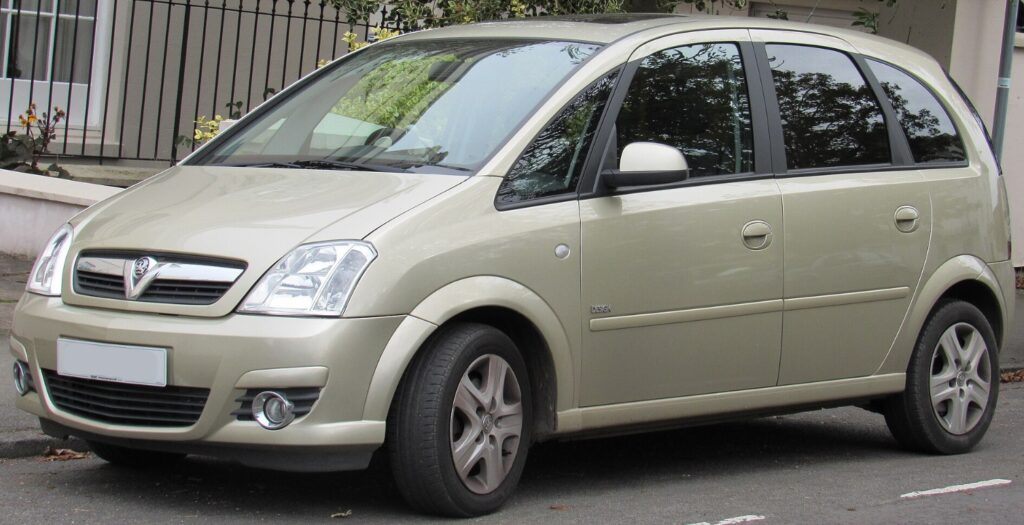
When a warning message or mysterious code appears on the dashboard, the Vauxhall Meriva can suddenly feel less like a practical family car and more like a puzzle box on wheels. One moment everything seems normal; the next, we are staring at a number such as Code 82, Code 59, or an engine warning light that refuses to disappear.
The good news is that many Vauxhall Meriva fault codes are not signs of catastrophic failure. Some are simple maintenance reminders. Others point to a window that needs recalibrating, a weak battery, a faulty sensor, or a temporary communication issue between electronic control modules.
However, we should never assume every warning is harmless. A fault code is the car’s way of raising its hand and saying, “Something needs attention.” The real challenge is understanding how urgent that message is, what may have caused it, and whether we can deal with it ourselves or need professional diagnostic equipment.
In this guide, we will explain common Vauxhall Meriva fault codes, dashboard messages, OBD-II codes, likely causes, sensible checks, and the warning signs that should not be ignored.
Content in this publication
- What Are Vauxhall Meriva Fault Codes?
- Common Vauxhall Meriva Dashboard Fault Codes
- Vauxhall Meriva Code 16
- Vauxhall Meriva Code 18
- Vauxhall Meriva Code 20
- Vauxhall Meriva Code 21
- Vauxhall Meriva Code 22
- Vauxhall Meriva Code 24
- Vauxhall Meriva Code 35
- Vauxhall Meriva Code 59
- Vauxhall Meriva Code 60
- Vauxhall Meriva Code 65
- Vauxhall Meriva Code 68
- Vauxhall Meriva Code 82
- Vauxhall Meriva Code 84
- Vauxhall Meriva Code 89
- Common Vauxhall Meriva OBD-II Fault Codes
- P0100 to P0104: Mass Airflow Sensor Faults
- P0115 to P0119: Coolant Temperature Sensor Faults
- P0171: System Too Lean
- P0300: Random or Multiple Cylinder Misfire
- P0301, P0302, P0303, and P0304
- P0400 to P0409: EGR System Faults
- P0420: Catalyst Efficiency Below Threshold
- P0562: System Voltage Low
- P0700: Transmission Control System Fault
- P1101: Intake Airflow Performance
- Diesel-Specific Vauxhall Meriva Fault Codes
- Why Vauxhall Meriva Fault Codes Appear After Battery Problems
- How to Read Vauxhall Meriva Fault Codes
- How to Diagnose a Fault Code Properly
- Can We Clear Vauxhall Meriva Fault Codes Ourselves?
- When a Vauxhall Meriva Fault Code Is Urgent
- Common Mistakes When Dealing With Meriva Fault Codes
- How Much Does It Cost to Diagnose Vauxhall Meriva Fault Codes?
- How to Reduce Future Fault Codes
- Final Thoughts on Vauxhall Meriva Fault Codes
- Frequently Asked Questions
What Are Vauxhall Meriva Fault Codes?
Vauxhall Meriva fault codes are messages generated when the vehicle detects a problem, maintenance requirement, or abnormal operating condition. Depending on the issue, the information may appear as:
- A numbered dashboard message
- A warning symbol
- A written message on the driver information display
- An OBD-II diagnostic trouble code
- A flashing or permanently illuminated warning light
Not every dashboard number is an engine fault. This distinction matters.
A message such as Code 82 is generally associated with an oil service reminder, while an OBD-II code such as P0301 relates to an engine misfire. They may both be called “fault codes” in everyday conversation, but they come from different systems and require different responses.
Dashboard Codes Versus OBD-II Codes
Dashboard codes are usually short numeric alerts displayed directly to the driver. They often relate to maintenance, windows, lighting, tyre pressure, keys, or convenience features.
OBD-II codes are retrieved with a diagnostic scanner connected to the vehicle’s diagnostic port. They usually begin with a letter followed by four numbers, such as:
- P0171
- P0300
- P0400
- P0420
- P0562
The first letter indicates the affected system:
- P means powertrain
- B means body
- C means chassis
- U means network communication
Why the Difference Matters
A dashboard code may disappear after a simple reset procedure. An OBD-II code may require deeper investigation involving sensors, wiring, fuel pressure, emissions equipment, or mechanical components.
Clearing a code without fixing its cause is like switching off a smoke alarm while the toast is still burning. The noise stops, but the underlying problem remains.
Common Vauxhall Meriva Dashboard Fault Codes
The exact meaning of a dashboard code can vary by Meriva generation, model year, equipment level, and market. The owner’s manual should therefore remain our first reference.
Still, several codes are commonly reported across Vauxhall and Opel models.
Vauxhall Meriva Code 16
Code 16 is commonly associated with a brake light failure.
Check the rear brake light bulbs, bulb holders, electrical contacts, and wiring. It is sensible to ask another person to press the brake pedal while we inspect the lights from behind the vehicle.
A bulb may appear visually intact but still fail under load, so replacement is often the fastest test.
Vauxhall Meriva Code 18
Code 18 commonly points to a problem with the left low-beam headlamp.
The likely causes include:
- Failed headlamp bulb
- Loose bulb connector
- Corroded contact
- Damaged wiring
- Incorrect replacement bulb
- Moisture inside the headlamp assembly
Replacing the bulb may solve the issue, but if the code returns, the connector and wiring deserve closer inspection.
Vauxhall Meriva Code 20
Code 20 is often associated with the right low-beam headlamp.
The diagnostic approach is similar to Code 18. We should compare both headlights and inspect whether one side is dimmer, flickering, or completely inactive.
Vauxhall Meriva Code 21
Code 21 commonly indicates a fault with the left front position light or side light.
A small bulb can trigger a surprisingly persistent dashboard warning. Before replacing components, check whether an LED replacement has been installed, as some aftermarket bulbs draw less current and may confuse the vehicle’s bulb-monitoring system.
Vauxhall Meriva Code 22
Code 22 usually refers to the right front position light or side light.
Once again, inspect the bulb, socket, connector, and wiring. If the warning appeared after fitting aftermarket lighting, compatibility may be the problem rather than a wiring failure.
Vauxhall Meriva Code 24
Code 24 is commonly linked to number plate illumination.
Check both number plate bulbs. Dirt, corrosion, water entry, and damaged bulb holders are common causes, especially on older vehicles exposed to wet weather and road salt.
Vauxhall Meriva Code 35
Code 35 is often associated with replacing the remote-control battery.
A weak key-fob battery may cause:
- Reduced locking range
- Intermittent central locking
- Key-not-detected messages
- Multiple button presses before the car responds
- Inconsistent starting recognition on some versions
Replacing the coin-cell battery is usually inexpensive. Make sure the replacement is fitted with the correct polarity and avoid touching both flat surfaces excessively with bare fingers.
Vauxhall Meriva Code 59
Code 59 commonly appears when the driver’s window needs recalibration.
This often happens after:
- Battery disconnection
- A flat battery
- Battery replacement
- Electrical interruption
- Window motor or switch work
To relearn the window position, switch on the ignition, fully lower the affected window, then fully raise it and continue holding the switch briefly after it closes. The exact procedure can vary, so the owner’s manual should be checked.
Vauxhall Meriva Code 60
Code 60 commonly means the front passenger window needs recalibration.
The reset process is usually similar to Code 59. Fully open the window, then close it and keep the switch held for a few seconds.
If the code remains, possible causes include a faulty switch, worn regulator, motor problem, trapped glass, or wiring issue.
Vauxhall Meriva Code 65
Code 65 is commonly related to an attempted theft or security-system event.
This message may appear after unusual locking activity, alarm activation, battery voltage problems, or interference with a door, bonnet, or tailgate sensor.
If the car starts and operates normally, the code may simply be recording a previous alarm trigger. If the immobiliser light remains illuminated or the engine will not start, key recognition and security-system diagnosis may be necessary.
Vauxhall Meriva Code 68
Code 68 is often linked to power steering service requirements.
This warning deserves more attention than a simple bulb message. Depending on the fault, steering assistance may be reduced or temporarily unavailable.
Possible causes include:
- Weak battery
- Low system voltage
- Charging-system fault
- Steering angle sensor issue
- Electric power steering motor fault
- Control module problem
- Damaged wiring or connectors
If the steering suddenly feels heavy, we should reduce speed, avoid unnecessary driving, and arrange an inspection.
Vauxhall Meriva Code 82
Code 82 is one of the most familiar Vauxhall service messages. It generally means the engine oil life has reached a low percentage and an oil change is due.
It does not usually mean the oil level is dangerously low, although checking the dipstick is still sensible.
The correct response is to:
- Check the engine oil level.
- Confirm when the oil and filter were last changed.
- Use oil that meets the required specification.
- Replace the oil filter.
- Reset the oil-life monitor only after servicing.
Resetting the reminder without changing the oil is not maintenance. It is merely hiding the calendar.
Vauxhall Meriva Code 84
Code 84 typically indicates reduced engine power.
The engine control system may limit performance to protect the vehicle from further damage. Drivers often describe this as limp mode.
Possible causes include:
- Throttle body fault
- Accelerator pedal sensor problem
- Turbocharger control issue
- Boost leak
- EGR valve malfunction
- Airflow sensor fault
- Fuel pressure issue
- Overheating
- Electrical voltage problem
The car may still move, but hard acceleration should be avoided. A diagnostic scan is strongly recommended.
Vauxhall Meriva Code 89
Code 89 commonly means “service vehicle soon,” but it should not be confused with a routine oil-change reminder.
This message may be triggered by a wide range of faults, including:
- Thermostat problems
- Glow plug issues on diesel models
- Sensor faults
- Cooling-system problems
- Emissions-related faults
- Electrical communication errors
Because Code 89 is broad, guessing can become expensive. Reading stored diagnostic trouble codes is the best next step.
Common Vauxhall Meriva OBD-II Fault Codes
An OBD-II scanner reveals more detailed information than dashboard numbers alone. The following codes are frequently encountered on modern petrol and diesel vehicles, including the Meriva.
P0100 to P0104: Mass Airflow Sensor Faults
These codes relate to the mass airflow sensor circuit.
The sensor measures how much air enters the engine. The engine control unit uses this information to calculate fuel delivery.
Common symptoms include:
- Hesitation
- Poor acceleration
- Rough idle
- Increased fuel consumption
- Engine warning light
- Reduced power
Possible causes include a dirty sensor, intake leak, damaged wiring, loose connector, contaminated air filter, or failing sensor.
Cleaning the sensor may help in some cases, but only a dedicated airflow-sensor cleaner should be used. Touching the delicate sensing element can ruin it.
P0115 to P0119: Coolant Temperature Sensor Faults
These codes relate to the engine coolant temperature sensor circuit.
A faulty temperature signal can affect:
- Cold starting
- Cooling-fan operation
- Fuel mixture
- Idle speed
- Temperature gauge readings
- Engine protection strategies
The problem may come from the sensor itself, damaged wiring, corrosion, low coolant, or an air pocket in the cooling system.
Do Not Ignore Overheating Symptoms
If the temperature warning appears, steam is visible, or coolant is escaping, stop the engine as soon as it is safe. Continuing to drive an overheating Meriva can turn a modest cooling fault into major engine damage.
P0171: System Too Lean
P0171 means the engine control unit has detected a lean fuel mixture, usually on bank one.
In simple terms, the engine sees too much air or too little fuel.
Possible causes include:
- Vacuum leak
- Split intake hose
- Dirty mass airflow sensor
- Weak fuel pump
- Blocked injector
- Low fuel pressure
- Exhaust leak near an oxygen sensor
- Faulty oxygen sensor
Replacing the oxygen sensor immediately is a common mistake. The sensor may simply be reporting a mixture problem created elsewhere.
P0300: Random or Multiple Cylinder Misfire
P0300 indicates misfires across more than one cylinder or a misfire pattern that cannot be assigned to a single cylinder.
Symptoms may include:
- Shaking engine
- Rough idle
- Hesitation
- Flashing engine light
- Fuel smell
- Poor acceleration
Likely causes include ignition coil faults, worn spark plugs, injector problems, air leaks, low compression, incorrect fuel pressure, or timing issues.
A flashing engine warning light often indicates a severe misfire that can damage the catalytic converter. Driving should be kept to an absolute minimum.
P0301, P0302, P0303, and P0304
These codes identify a misfire on a specific cylinder:
- P0301: Cylinder 1 misfire
- P0302: Cylinder 2 misfire
- P0303: Cylinder 3 misfire
- P0304: Cylinder 4 misfire
A practical diagnostic method is to compare spark plugs and, where suitable, swap ignition coils between cylinders. If the fault moves with the coil, the coil is a strong suspect.
However, repeated misfires can also result from compression loss, injector faults, coolant leakage, or valve problems.
P0400 to P0409: EGR System Faults
These codes concern the exhaust gas recirculation system.
The EGR system reduces certain exhaust emissions by recirculating controlled amounts of exhaust gas into the intake.
Carbon buildup can cause the valve to stick, particularly on diesel vehicles used mainly for short journeys.
Common symptoms include:
- Reduced power
- Rough running
- Black smoke
- Poor fuel economy
- Hesitation
- Limp mode
- Engine warning light
Cleaning may help when deposits are the issue, but electrical, vacuum, or position-sensor faults may require component replacement.
P0420: Catalyst Efficiency Below Threshold
P0420 suggests the catalytic converter is not operating as efficiently as expected.
Possible causes include:
- Worn catalytic converter
- Faulty oxygen sensor
- Exhaust leak
- Repeated engine misfires
- Oil consumption
- Rich fuel mixture
- Contamination from coolant or fuel
We should diagnose the cause before replacing the catalytic converter. A new converter can fail again if the engine continues to misfire or burn oil.
P0562: System Voltage Low
P0562 indicates that vehicle voltage has fallen below the expected level.
This code can create a chain reaction. Modern vehicles depend on stable voltage, and when voltage drops, several control modules may produce warnings at once.
Possible causes include:
- Weak battery
- Failing alternator
- Loose battery terminals
- Corroded earth connection
- Damaged charging cable
- Excessive electrical load
A battery and charging-system test should be one of the first checks when multiple unrelated warnings appear simultaneously.
P0700: Transmission Control System Fault
P0700 means the engine control module has received a request from the transmission control module to illuminate the warning light.
It does not identify the exact transmission fault. A scanner capable of reading manufacturer-specific transmission codes is usually needed.
Possible symptoms include:
- Harsh shifting
- Delayed gear engagement
- Gearbox warning message
- Limp mode
- Failure to select a gear
- Transmission stuck in one gear
P1101: Intake Airflow Performance
P1101 may be associated with airflow performance outside the expected range.
Possible causes include:
- Air leak
- Dirty throttle body
- Faulty mass airflow sensor
- Split breather hose
- Intake restriction
- Incorrect sensor readings
- Crankcase ventilation problem
Because airflow faults overlap, live diagnostic data is often more useful than replacing parts based on the code alone.
Diesel-Specific Vauxhall Meriva Fault Codes
Diesel Meriva models may experience faults linked to the diesel particulate filter, glow plugs, EGR system, turbocharger, and fuel-pressure system.
Common DPF-related codes may include:
- P2002: DPF efficiency below threshold
- P242F: DPF restriction or ash accumulation
- P2452: DPF pressure sensor circuit
- P2453: DPF pressure sensor performance
- P2463: DPF soot accumulation
A blocked DPF can cause reduced power, high fuel consumption, frequent cooling-fan operation, poor throttle response, and limp mode.
Why Short Journeys Cause Trouble
A diesel particulate filter needs sufficient exhaust temperature to burn off accumulated soot. Repeated short, slow journeys may interrupt regeneration.
However, we should not assume every DPF code means the filter itself is ruined. A faulty pressure sensor, split sensor hose, thermostat problem, injector issue, or EGR fault may prevent successful regeneration.
Glow Plug Fault Codes
Glow plug codes may include P0380 or cylinder-specific glow plug circuit codes.
Symptoms can include:
- Difficult cold starting
- Rough running after startup
- White smoke
- Increased cranking time
- Service vehicle message
A glow plug fault may involve the plug, relay, control module, fuse, or wiring. Testing the circuit is better than replacing all parts blindly.
Why Vauxhall Meriva Fault Codes Appear After Battery Problems
A weak or disconnected battery can trigger what feels like an electronic thunderstorm.
After voltage loss, we may see:
- Window calibration codes
- Steering warnings
- ABS warnings
- Stability-control warnings
- Key recognition problems
- Clock and radio resets
- Communication fault codes
This does not automatically mean every system has failed. Electronic modules may simply have lost stored positions or experienced low voltage during startup.
Start With the Battery
Before chasing multiple unrelated codes, check:
- Battery condition
- Battery terminal tightness
- Earth connections
- Alternator output
- Voltage during cranking
A battery may show reasonable voltage at rest but collapse under starter load. A proper load test provides a clearer answer.
How to Read Vauxhall Meriva Fault Codes
The simplest method is to use an OBD-II scanner.
Using an OBD-II Scanner
The diagnostic socket is normally located beneath the dashboard area. With the ignition off, plug in the scanner, switch on the ignition, and follow the device instructions.
A useful scan should include:
- Stored codes
- Pending codes
- Permanent codes
- Freeze-frame data
- Live sensor data
- Module-specific codes
Basic readers may only access engine codes. More advanced tools can communicate with the ABS, airbag, steering, body, transmission, and immobiliser systems.
Why Freeze-Frame Data Matters
Freeze-frame data records operating conditions when a fault was detected.
It may show:
- Engine speed
- Coolant temperature
- Vehicle speed
- Fuel trim
- Engine load
- Intake temperature
This information helps distinguish between a cold-start fault, motorway-load problem, idle issue, or intermittent electrical failure.
How to Diagnose a Fault Code Properly
The code is the beginning of diagnosis, not the final verdict.
Step 1: Record Every Code
Write down all codes before clearing anything. Include whether they are stored, pending, or permanent.
Ask practical questions:
- Is the engine difficult to start?
- Does it idle roughly?
- Is power reduced?
- Are several warning lights present?
- Did the fault begin after battery work?
- Is the vehicle overheating?
- Is fuel consumption higher?
- Has a bulb recently been replaced?
Step 3: Inspect the Basics
Before ordering expensive components, inspect:
- Battery terminals
- Fuses
- Connectors
- Vacuum hoses
- Intake pipes
- Fluid levels
- Bulbs
- Earth straps
- Visible wiring damage
Many fault codes begin with something ordinary: a cracked hose, loose plug, corroded terminal, or tired battery.
Step 4: Use Live Data
Live data allows us to compare sensor values with expected operating conditions.
For example, a coolant temperature reading of extremely low temperature on a warm engine may indicate an open circuit. A mass airflow reading that barely changes with engine speed may point to a sensor or airflow problem.
Step 5: Test Before Replacing
A code mentioning a sensor does not prove the sensor itself is defective. The wiring, power supply, earth, connector, hose, or related mechanical system may be responsible.
Parts swapping can become a very expensive guessing game.
Can We Clear Vauxhall Meriva Fault Codes Ourselves?
Yes, many OBD-II scanners can clear engine fault codes. Some dashboard messages can also be reset using vehicle controls.
But clearing should normally happen after:
- Recording the codes
- Repairing the cause
- Completing any required relearn
- Confirming the system operates correctly
A code that returns immediately is usually a hard fault. A code that returns after several journeys may depend on specific operating conditions.
Why Some Codes Do Not Clear
A code may remain because:
- The fault is still present
- The wrong module was scanned
- A permanent emissions code requires successful drive cycles
- The system needs calibration
- The scanner lacks manufacturer-level access
- The control module has a communication problem
When a Vauxhall Meriva Fault Code Is Urgent
Some messages can wait for a planned inspection. Others demand immediate action.
Stop Driving When You Notice
- Red oil-pressure warning
- Severe overheating
- Flashing engine warning light
- Sudden loss of steering assistance
- Brake-system warning with poor braking
- Strong fuel smell
- Heavy smoke
- Loud mechanical knocking
- Rapid coolant loss
- Transmission unable to engage correctly
Use Common Sense, Not Hope
A car that feels unsafe probably is unsafe. Warning lights are not decorative. If steering, braking, temperature, oil pressure, or engine operation changes dramatically, stopping early may prevent both danger and expensive damage.
Common Mistakes When Dealing With Meriva Fault Codes
Replacing the Named Sensor Immediately
A code identifies a circuit or operating condition, not always a failed component.
Clearing Codes Before Recording Them
Once cleared, useful evidence such as freeze-frame data may disappear.
Ignoring Battery Voltage
Low voltage can imitate several unrelated faults.
Using Cheap Incompatible Bulbs
Incorrect LED bulbs can trigger lamp-monitoring warnings even when they illuminate.
Resetting Code 82 Without Servicing
The reminder disappears, but the old oil stays inside the engine.
Forcing a DPF Regeneration Without Diagnosis
If a sensor, thermostat, EGR valve, injector, or turbo fault exists, forced regeneration may not solve the problem and can create additional risk.
How Much Does It Cost to Diagnose Vauxhall Meriva Fault Codes?
Diagnostic cost varies according to the type of fault, labour rate, equipment required, and time spent testing.
A basic code scan is usually cheaper than a full electrical diagnosis. However, a code scan alone may not reveal the root cause.
The final repair could be inexpensive, such as:
- Replacing a bulb
- Installing a key-fob battery
- Cleaning a connector
- Recalibrating a window
- Tightening a battery terminal
Or it may involve:
- Alternator replacement
- EGR repair
- DPF cleaning
- Turbocharger diagnosis
- Steering-system repair
- Transmission work
- Wiring repair
- Control module programming
Paying for accurate diagnosis often saves money because it prevents unnecessary parts replacement.
How to Reduce Future Fault Codes
We cannot prevent every warning, but regular care improves reliability.
Maintain the Battery and Charging System
A healthy battery is the foundation beneath the Meriva’s electronic systems.
Use the Correct Engine Oil
Correct oil specification matters for lubrication, turbocharger protection, emissions systems, and service intervals.
Avoid Ignoring Small Symptoms
A slight misfire can damage the catalytic converter. A small coolant leak can become an overheating event. A weak battery can leave us stranded.
Give Diesel Models Suitable Journeys
Diesel vehicles benefit from operating conditions that allow the engine and exhaust system to reach normal temperature.
Inspect Wiring and Connectors
Age, moisture, vibration, and heat can weaken electrical connections. Early repair may prevent intermittent faults from spreading.
Final Thoughts on Vauxhall Meriva Fault Codes
Vauxhall Meriva fault codes can look intimidating, but they become far less mysterious once we separate dashboard service messages from true diagnostic trouble codes.
Some warnings, such as window calibration or key-battery messages, may have simple solutions. Others, including reduced engine power, steering faults, misfires, overheating warnings, and transmission codes, deserve prompt investigation.
The smartest approach is methodical. Record the code, observe the symptoms, check the basics, scan the correct module, inspect live data, and test components before replacing them.
In other words, we should treat a fault code like a clue rather than a conviction. The code points us toward the neighbourhood, but proper diagnosis finds the exact address.
Frequently Asked Questions
What does Code 82 mean on a Vauxhall Meriva?
Code 82 generally means the engine oil life is low and an oil change is due. Check the oil level, replace the oil and filter using the correct specification, and reset the service reminder afterward.
Can a weak battery cause several Vauxhall Meriva fault codes?
Yes. Low battery voltage can trigger steering, ABS, stability-control, window, key, and communication warnings. Test the battery, terminals, earth connections, and alternator before assuming several systems have failed.
What does Code 89 mean on a Vauxhall Meriva?
Code 89 usually means the vehicle requires servicing because a fault has been detected. It is broader than a routine oil reminder and may involve cooling, emissions, sensors, glow plugs, or electrical systems. An OBD scan is recommended.
Why does my Vauxhall Meriva show Code 59 or Code 60?
Code 59 commonly relates to the driver’s window, while Code 60 commonly relates to the passenger window. The windows may need recalibration after battery disconnection or voltage loss.
Is it safe to drive with a Vauxhall Meriva engine warning light?
It depends on the warning and symptoms. A steady light with normal performance may allow cautious driving to a repair facility. A flashing light, severe misfire, overheating, smoke, reduced steering, or major power loss requires immediate attention.
If you want to know other articles similar to Vauxhall Meriva Fault Codes: Meanings, Causes, and Fixes you can visit the category Service and Parts.
Volvo S90 Engine Oil: Type, Capacity & Change Guide
Volvo S90 Boot Space: Size, Capacity and Practicality
SEO Title: Volvo S90 Oil Capacity: Complete Guide by Engine

Kia Sorento Oil Type: Complete Guide by Year & Engine
Kia Sorento Engine Capacity: Complete Guide by Year

Peugeot 308 Clutch Replacement Cost: Complete UK Guide for 2026
Leave a Reply
More content of your interest