
GMC Sierra Tire Size: Complete Buyer’s Guide

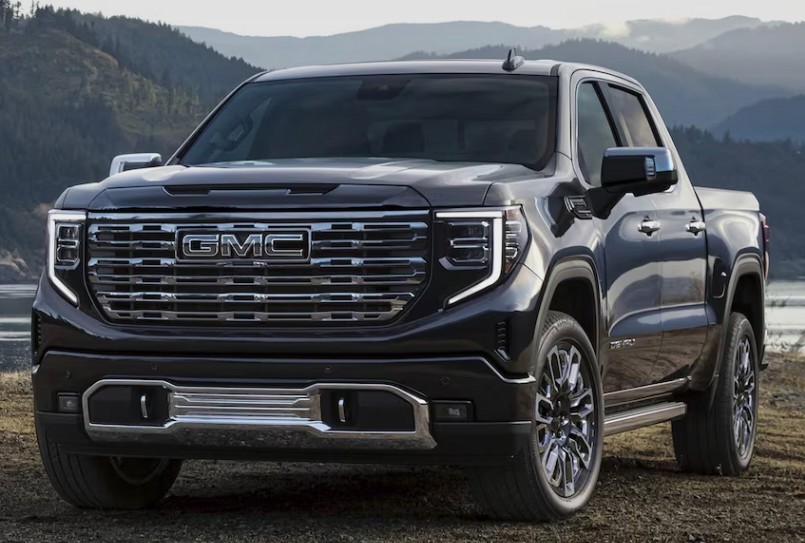
Choosing the right GMC Sierra tire size sounds simple until we start shopping. Then the numbers pile up: 17-inch wheels, 20-inch wheels, LT tires, load ranges, aspect ratios, speed ratings, and enough trim-specific variations to make our heads spin.
The GMC Sierra has never used one universal tire size. A work-focused regular-cab Sierra 1500 may leave the factory on modest 17-inch wheels, while a Denali can wear polished 22-inch wheels with much lower-profile rubber. Move into Sierra 2500HD and 3500HD territory, and tire construction, load capacity, wheel position, and towing demands become even more important.
That means we cannot choose tires by seeing “GMC Sierra” in an online listing and clicking the first result. We need the truck’s year, model, trim, drivetrain, wheel diameter, and original equipment label.
This guide covers the major generations of the GMC Sierra 1500, 2500HD, and 3500HD, including common factory sizes, tire-code meanings, replacement options, upsizing considerations, towing requirements, and practical shopping advice.
Think of the tires as the truck’s hiking boots. The wrong pair may technically fit, but they can make every mile less comfortable, less efficient, and potentially less safe.
Content in this publication
- Why GMC Sierra Tire Sizes Vary So Much
- How to Find the Correct GMC Sierra Tire Size
- Understanding a GMC Sierra Tire-Size Code
- Common GMC Sierra 1500 Tire Sizes
- GMC Sierra 1500 Tire Sizes by Generation
- Common GMC Sierra 2500HD Tire Sizes
- Common GMC Sierra 3500HD Tire Sizes
- GMC Sierra Tire-Size Quick Reference
- Which GMC Sierra Tire Size Is Best?
- 17-Inch vs 18-Inch vs 20-Inch vs 22-Inch Tires
- Can We Install Larger Tires on a GMC Sierra?
- Do Leveling Kits Change GMC Sierra Tire Fitment?
- How Tire Size Affects Towing and Payload
- P-Metric vs LT Tires for a GMC Sierra 1500
- Best Tire Type for Different Sierra Drivers
- How Tire Size Affects Fuel Economy
- How Tire Size Affects Ride Quality
- GMC Sierra Tire Pressure and Size Changes
- Will a New Tire Size Affect the TPMS?
- Should All Four GMC Sierra Tires Match?
- Common GMC Sierra Tire-Buying Mistakes
- A Smart GMC Sierra Tire Shopping Checklist
- How to Compare Alternative Tire Sizes
- When to Replace GMC Sierra Tires
- Final Thoughts on GMC Sierra Tire Size
- Frequently Asked Questions
Why GMC Sierra Tire Sizes Vary So Much
The Sierra lineup stretches from everyday half-ton pickups to heavy-duty trucks built for commercial trailers, fifth wheels, and demanding job sites. Naturally, those trucks do not all need the same footwear.
Tire size can change according to:
- Model year
- Sierra generation
- 1500, 2500HD, or 3500HD classification
- Two-wheel drive or four-wheel drive
- Regular, Double, Extended, or Crew Cab body
- Standard or long cargo bed
- Trim level
- Factory suspension package
- Single or dual rear wheels
- Original wheel package
- Off-road packages such as AT4 or AT4X
Even two Sierra trucks built during the same year can use different factory tires. Tire Rack, for example, lists 265/70R17, 275/60R20, and 285/45R22 among the popular Sierra 1500 sizes, but actual fitment still depends on year and configuration.
That is why the driver’s-door certification label remains more trustworthy than a generic online chart.
How to Find the Correct GMC Sierra Tire Size
Before ordering replacement tires, we should verify the existing specification through more than one source.
Check the Driver’s-Door Label
Open the driver’s door and look along the door jamb or pillar. The tire and loading information label normally shows:
- Original front tire size
- Original rear tire size
- Spare-tire specification
- Recommended cold inflation pressure
- Seating and load information
On a standard Sierra 1500, the front and rear sizes are usually identical. A dual-rear-wheel Sierra 3500HD may require more attention because wheel position, approved rim width, load limits, and rear-dual spacing matter.
Read the Tire Sidewall
The size is printed directly on each tire. It may appear as:
P265/70R17
or:
LT275/70R18
Do not assume the tires currently installed are original. A previous owner may have changed the wheels, installed a lift, or fitted an alternative size.
Review the Owner’s Manual
The owner’s manual explains tire pressures, loading, rotation, replacement standards, and warning systems. It can also help us understand why matching the original load and speed ratings matters.
However, manuals often cover multiple configurations. The door label identifies the specification assigned to the individual truck more precisely.
Use the VIN When Shopping
A tire shop or GMC dealer can use the vehicle identification number to narrow down the factory equipment. This is especially helpful when buying tires for a used Sierra with non-original wheels.
Understanding a GMC Sierra Tire-Size Code
A tire code looks cryptic, but it becomes easy once we break it apart.
Let us use LT275/70R18 125/122S as an example.
LT: Tire Type
“LT” means light-truck tire. These tires are designed for heavier loads and tougher use than typical passenger-car tires.
A “P” prefix identifies a passenger-metric tire. Some half-ton Sierra models have used P-metric tires, while many off-road or heavy-duty configurations use LT-metric tires.
No prefix may indicate a Euro-metric size. We should never assume that two tires with the same dimensions have the same load capacity simply because the visible size numbers match.
275: Section Width
The tire is approximately 275 millimetres wide at its nominal section.
A wider tire can provide a larger footprint and a more muscular look, but it can also increase:
- Steering effort
- Road noise
- Rolling resistance
- Hydroplaning sensitivity
- Risk of rubbing
Width alone does not tell us the tire’s total height.
70: Aspect Ratio
The sidewall height equals 70% of the tire’s nominal width.
A larger aspect ratio generally means more sidewall. That extra rubber can soften impacts and protect the wheel on rough roads. A lower ratio creates a shorter sidewall, which may sharpen steering response but often produces a firmer ride.
R: Radial Construction
Nearly all modern Sierra tires use radial construction. The “R” is not a rim designation; it describes the internal arrangement of the tire’s cords.
18: Wheel Diameter
The tire is designed for an 18-inch wheel.
An 18-inch tire cannot be safely mounted on a 17-inch or 20-inch wheel, even when the overall outside diameter looks similar.
125/122: Load Index
LT tires may show two load-index numbers. The first generally applies when the tire is used in a single-wheel position, while the second applies in a dual-wheel position.
This becomes critical on a Sierra 3500HD dually. Buying a tire that physically fits but lacks sufficient load capacity is like building a bridge from cardboard: it may look acceptable until real weight arrives.
S: Speed Rating
The final letter indicates the tire’s rated maximum speed under specified conditions. Replacement tires should meet the vehicle manufacturer’s requirements.
For most truck buyers, load capacity, construction, heat resistance, and intended use matter more than chasing an unusually high speed rating.
Common GMC Sierra 1500 Tire Sizes
The Sierra 1500 has used many factory combinations since the modern nameplate arrived for the 1999 model year. Exact availability varies by trim, cab, drivetrain, market, and optional wheel package.
Common Sierra 1500 sizes across different generations include:
| Wheel diameter | Common Sierra 1500 tire sizes |
|---|---|
| 16 inches | 235/75R16, 245/75R16, 265/75R16 |
| 17 inches | 245/70R17, 255/70R17, 265/70R17 |
| 18 inches | 265/65R18, 275/65R18, LT275/70R18 |
| 20 inches | 275/55R20, 275/60R20 |
| 22 inches | 275/50R22, 285/45R22 |
These are common examples rather than a universal fitment list. First-generation modern Sierra 1500 trucks generally used wheels ranging from 16 to 18 inches, while the 2007–2013 generation moved away from 16-inch applications and introduced factory 20-inch options.
Newer Sierra generations expanded the use of 20- and 22-inch wheels, particularly on appearance-focused and luxury trims.
GMC Sierra 1500 Tire Sizes by Generation
1999–2006 GMC Sierra 1500
The 1999–2006 Sierra 1500 was commonly equipped with 16-inch wheels, although certain configurations used 17- or 18-inch packages.
Frequently encountered sizes include:
- 235/75R16
- 245/75R16
- 255/70R16
- 265/75R16
- 245/70R17
- 265/70R17
- 265/65R18
These trucks are popular candidates for all-terrain upgrades because their relatively generous sidewalls suit gravel roads, construction sites, snow, and mild trail use.
When buying tires for an older Sierra, inspect the wheels carefully. Two decades of ownership can bring aftermarket rims, spacers, suspension modifications, or mismatched replacements.
What Buyers Should Watch For
We should verify:
- Whether the wheels are original
- The wheel width and offset
- Tire age
- Uneven shoulder wear
- Suspension sag
- Previous leveling or lift work
- Full-lock clearance
A size that works on one 2004 Sierra may rub on another because the trucks no longer share the same suspension height or wheel offset.
2007–2013 GMC Sierra 1500
The 2007 redesign brought a broader modern selection of wheel sizes. Common examples include:
- 245/70R17
- 265/70R17
- 265/65R18
- 275/55R20
This generation commonly used wheels from 17 to 20 inches, depending on configuration.
For many drivers, 17- and 18-inch setups offer the best blend of comfort, replacement cost, and durability. The 20-inch package looks sharper, but its shorter sidewall leaves less cushion between the wheel and a pothole.
2014–2018 GMC Sierra 1500
The 2014–2018 generation offered substantial variation by trim and body style. Published fitment references for this generation include sizes such as:
- 255/70R17
- 265/70R17
- 265/65R18
- 275/55R20
- 285/45R22
The exact selection depends on configuration; even a 2WD Crew Cab could be offered with several wheel-and-tire combinations.
This is where tire buying becomes less about the model name and more about the specific truck. A base Sierra and a Denali may share sheet metal, yet their tires live in different worlds.
2019–2026 GMC Sierra 1500
Recent Sierra 1500 trucks use an especially wide assortment of factory sizes. Common examples include:
- 255/70R17
- 265/70R17
- 265/65R18
- 275/60R20
- 275/50R22
- 285/45R22
- LT275/65R18
- LT275/70R18
Off-road-oriented configurations may use LT tires with taller sidewalls, while luxury versions tend to feature large wheels and lower-profile tires.
Current fitment listings continue to show 265/70R17, 275/60R20, and 285/45R22 among frequently encountered Sierra 1500 sizes.
Common GMC Sierra 2500HD Tire Sizes
The Sierra 2500HD requires tires capable of handling greater axle loads, payloads, and trailer tongue weight than a typical half-ton.
Common factory and replacement sizes found across Sierra 2500HD generations include:
- LT245/75R16
- LT265/75R16
- LT245/70R17
- LT265/70R17
- LT275/70R18
- LT275/65R20
Some newer off-road configurations may use larger LT tires, but trim, suspension package, wheel dimensions, and certification requirements must be confirmed.
Heavy-duty tire listings document multiple factory applications across the 2007–2019 period rather than one shared 2500HD specification.
Why Load Range Matters on a Sierra 2500HD
A 2500HD owner may tow a large travel trailer one weekend and haul tools or building materials on Monday. That workload generates heat and stress.
The replacement tire must support the truck’s rated axle loads at the specified pressure. We should compare:
- Tire load index
- Load range
- Maximum load
- Approved rim width
- Inflation table
- Axle rating
- Intended towing weight
“E-rated” is often treated as shorthand for a serious truck tire, but load range alone does not tell the whole story. Modern LT tires can use different load indexes and pressure limits within the broader category. The actual sidewall data and manufacturer load table deserve attention.
Common GMC Sierra 3500HD Tire Sizes
The Sierra 3500HD is available in single-rear-wheel and dual-rear-wheel configurations. That distinction changes how we shop.
Common sizes across different years and setups include:
- LT215/85R16
- LT235/80R17
- LT245/75R17
- LT265/70R18
- LT275/70R18
- LT275/65R20
Not every size applies to every axle or wheel layout.
Single-Rear-Wheel Sierra 3500HD
A single-rear-wheel truck may use larger, wider tires similar in appearance to those on a 2500HD. Buyers still need to maintain adequate load capacity for payload and towing.
Dual-Rear-Wheel Sierra 3500HD
A dually uses two rear tires on each side. Rear-dual fitment must preserve sufficient spacing between the tire sidewalls.
Installing tires that are too wide can cause the paired rear tires to touch under load. Contact creates friction and heat, which can damage both tires.
Dually Replacement Checklist
Before purchasing dually tires, confirm:
- Exact front and rear specifications
- Single and dual load indexes
- Wheel width
- Dual-wheel spacing
- Valve-stem access
- Rotation limitations
- Tire diameter match
- Load capacity at recommended pressure
All six tires should have closely matched dimensions. Mixing heavily worn and brand-new tires on the same dual pair can create unequal rolling circumferences and load distribution.
GMC Sierra Tire-Size Quick Reference
The following table provides a practical overview of commonly encountered sizes. It is a shopping starting point, not a replacement for the truck’s label.
| Sierra category | Common wheel sizes | Common tire examples |
|---|---|---|
| Older Sierra 1500 | 16–18 inches | 245/75R16, 265/75R16, 265/70R17 |
| 2007–2013 Sierra 1500 | 17–20 inches | 245/70R17, 265/65R18, 275/55R20 |
| 2014–2018 Sierra 1500 | 17–22 inches | 255/70R17, 265/65R18, 275/55R20, 285/45R22 |
| Recent Sierra 1500 | 17–22 inches | 265/70R17, 275/60R20, 275/50R22 |
| Sierra 2500HD | 16–20 inches | LT245/75R16, LT265/70R17, LT275/70R18 |
| Sierra 3500HD SRW | 17–20 inches | LT265/70R18, LT275/70R18, LT275/65R20 |
| Sierra 3500HD DRW | 16–18 inches commonly | LT215/85R16, LT235/80R17, LT275/70R18 on applicable newer setups |
General Motors’ technical documentation demonstrates how tire data is tied to specific tire RPO codes, wheel dimensions, offsets, tracks, and weight ratings rather than only to the vehicle name.
Which GMC Sierra Tire Size Is Best?
The best size is usually the factory size unless we have a specific reason to change it.
Factory engineers balance:
- Brake clearance
- Steering geometry
- Ride quality
- Payload capacity
- Speedometer calibration
- Fuel consumption
- Noise
- Handling
- Stability-control programming
- Fender clearance
Changing tire size can improve one characteristic while weakening another. A taller tire may improve ground clearance but reduce effective gearing. A wider tire may look tougher but follow road grooves more aggressively.
There is no magical upgrade without a trade-off.
17-Inch vs 18-Inch vs 20-Inch vs 22-Inch Tires
17-Inch Wheels
Seventeen-inch wheels usually provide plenty of sidewall.
Advantages include:
- Better impact absorption
- Lower replacement cost in many sizes
- Strong selection of work and all-terrain tires
- Greater wheel protection
- Comfortable ride
Potential disadvantages include less dramatic styling and possible brake-clearance limitations when converting from a larger factory wheel.
18-Inch Wheels
An 18-inch setup often feels like the Sierra sweet spot. It provides enough sidewall for real truck use without looking undersized.
It works well for:
- Daily driving
- Towing
- Winter conditions
- Gravel roads
- Moderate off-roading
- Long-distance travel
20-Inch Wheels
Twenty-inch wheels create a bolder stance and remain extremely common on newer Sierra trims.
They can provide responsive on-road handling, but the tires generally cost more and offer less sidewall than an equivalent-diameter 17- or 18-inch setup.
22-Inch Wheels
Twenty-two-inch wheels emphasize appearance and steering response. They suit drivers who spend most of their time on smooth pavement and value the Sierra’s upscale personality.
The trade-offs may include:
- Firmer impacts
- Greater wheel-damage risk
- Higher tire prices
- Less forgiving off-road performance
- Limited snow-chain clearance
- Reduced sidewall flex
A 22-inch tire can be perfectly appropriate when it is the approved factory fitment. It simply serves a different mission than an LT tire on an 18-inch wheel.
Can We Install Larger Tires on a GMC Sierra?
Often, yes—but “fits” has several meanings.
A tire may fit while the truck is parked but rub when:
- The steering reaches full lock
- The suspension compresses
- The truck carries cargo
- The front wheel enters a driveway at an angle
- Snow or mud builds inside the wheel well
Larger tires can interfere with liners, mud flaps, control arms, bumpers, or suspension components.
How Much Size Difference Is Reasonable?
A common rule is to keep replacement tire diameter close to the original, often within roughly 3%. This helps limit changes in speedometer reading, gearing, and electronic-system behaviour.
However, the 3% figure is a general guideline, not automatic approval. Clearance, wheel width, offset, load rating, and manufacturer guidance still matter.
What Happens When Tires Get Taller?
A taller tire travels farther during each revolution. Possible effects include:
- Speedometer reading lower than actual speed
- Slower acceleration
- Reduced engine braking
- Changed transmission shift behaviour
- Increased ground clearance
- Heavier steering feel
- Greater rotational weight
- Lower effective axle ratio
The truck may look ready to climb a mountain, yet feel sleepier leaving a traffic light.
What Happens When Tires Get Wider?
Wider tires may increase dry-road grip and visual presence, but they can also:
- Rub suspension or body components
- Reduce dual-wheel spacing
- Increase spray
- Add rolling resistance
- Feel less stable in deep snow
- Require wider wheels
- Increase tramlining
We should not install a wider tire without confirming that its approved rim-width range includes our wheel.
Do Leveling Kits Change GMC Sierra Tire Fitment?
A leveling kit raises the front of the truck, reducing the factory nose-down stance. It may create space for a taller tire, but it does not solve every clearance issue.
The tire can still contact:
- Upper control arms
- Wheel-well liners
- Mud flaps
- Front bumper edges
- Body mounts
Wheel offset becomes especially important. Pushing the wheel outward may clear a suspension component while creating a new rubbing point at the bumper or fender.
A leveling kit also changes suspension geometry. After installation, the truck needs a proper alignment, and we should inspect ball-joint and control-arm angles.
How Tire Size Affects Towing and Payload
Towing is not the moment to choose a tire based only on appearance.
The tire must carry its share of:
- Truck weight
- Passengers
- Cargo
- Accessories
- Trailer tongue or pin weight
A taller tire can reduce the mechanical advantage provided by the axle ratio. That may lead to more frequent transmission shifting, especially on hills.
A softer passenger-oriented tire may feel comfortable when empty but flex more under a heavy trailer. An LT tire can deliver firmer sidewalls and stronger load capability, although it may also ride more harshly.
Never Exceed the Lowest Rating
The usable capacity is limited by the weakest component, which may be:
- Tire
- Wheel
- Axle
- Suspension
- Hitch
- Truck payload rating
- Gross vehicle weight rating
- Gross combined weight rating
Installing higher-capacity tires does not increase the Sierra’s official payload or towing rating.
P-Metric vs LT Tires for a GMC Sierra 1500
Many Sierra 1500 buyers wonder whether they should switch from P-metric to LT tires.
Choose P-Metric Tires When We Prioritize
- Smooth ride
- Quiet highway travel
- Lower rolling resistance
- Everyday commuting
- Light recreational use
- Lower unsprung weight
Consider LT Tires When We Regularly Face
- Heavy trailers
- High payloads
- Sharp gravel
- Construction sites
- Rocky trails
- Repeated off-road travel
- Tough winter roads
An LT tire is not automatically better. It is usually heavier and stiffer. On an unloaded half-ton, it can make the truck feel as if someone replaced its sneakers with work boots.
When changing tire category, we must calculate load capacity correctly. P-metric and LT-metric ratings are not compared casually by size alone.
Best Tire Type for Different Sierra Drivers
Highway-Terrain Tires
Highway-terrain tires suit drivers who spend most of their time on pavement.
They generally offer:
- Quiet operation
- Predictable handling
- Good tread life
- Comfortable ride
- Efficient rolling behaviour
They are a sensible choice for commuting, highway towing, and family travel.
All-Terrain Tires
All-terrain tires split the difference between highway comfort and off-road traction.
They work well for:
- Gravel roads
- Farms
- Campsites
- Snow
- Light mud
- Job sites
Modern all-terrain tires can be surprisingly civilised, although aggressive tread patterns still tend to produce more noise and weight than highway tires.
Mud-Terrain Tires
Mud-terrain tires use large tread blocks and open voids to clear mud and grab loose surfaces.
They look dramatic, but daily drivers may notice:
- More road noise
- Faster irregular wear
- Reduced wet-pavement refinement
- Heavier steering
- Lower fuel economy
- Firmer ride
We should buy mud tires because we need their capability, not merely because they photograph well.
Winter Tires
Dedicated winter tires remain the strongest choice for recurring snow, ice, and freezing temperatures.
A narrower winter tire can sometimes cut through loose snow more effectively than an oversized wide tire. The correct winter setup must still meet load requirements and clear the Sierra’s brakes.
How Tire Size Affects Fuel Economy
Larger tires can reduce fuel economy through several mechanisms:
- Added weight
- Increased rolling resistance
- Greater aerodynamic drag
- Taller effective gearing
- More aggressive tread
- Wider contact patch
The difference may be small during steady highway travel but more noticeable in urban driving, where the truck repeatedly accelerates heavy wheels and tires.
A large all-terrain tire is like a heavy backpack. We may enjoy the capability, but we carry its weight on every trip—even when the road is smooth.
How Tire Size Affects Ride Quality
Sidewall height acts as part of the suspension.
A taller sidewall can absorb:
- Expansion joints
- Broken pavement
- Gravel impacts
- Pothole edges
- Trail chatter
A lower-profile tire generally responds more directly to steering input but transmits sharper impacts into the cabin.
Air pressure matters just as much. An LT tire inflated to its maximum sidewall pressure on an unloaded Sierra may ride unnecessarily hard. We should follow the truck manufacturer’s pressure recommendation unless a qualified tire professional calculates a different requirement for an approved alternative setup.
GMC Sierra Tire Pressure and Size Changes
The pressure printed on the tire sidewall is normally the tire’s maximum pressure associated with a stated load—not the everyday inflation target for every truck.
Use the door-label pressure for the original tire specification.
When changing to another approved size or construction, the replacement tire may need a different pressure to carry the same load. A competent tire shop can consult load-and-inflation tables rather than guessing.
Heavy-duty Sierra trucks may specify substantially different front and rear pressures. Those values can reflect axle loading and intended capacity.
Check pressure when the tires are cold, before driving or after the truck has been parked long enough to cool.
Will a New Tire Size Affect the TPMS?
Changing tire dimensions does not necessarily require different tire-pressure monitoring sensors, but changing wheels often does.
Potential concerns include:
- Sensor compatibility
- Sensor frequency
- Valve-stem design
- Sensor relearn procedure
- Pressure thresholds
- Damaged or expired sensor batteries
The TPMS measures pressure; it does not automatically confirm that a tire has sufficient load capacity or correct physical clearance.
After a wheel-and-tire change, verify that each sensor is assigned to the correct wheel position.
Should All Four GMC Sierra Tires Match?
Ideally, yes.
For predictable handling, all tires should match in:
- Size
- Construction
- Load rating
- Speed rating
- Tread pattern
- Approximate tread depth
On four-wheel-drive trucks, large differences in circumference can create unnecessary drivetrain stress.
If replacing only two tires, follow GMC and tire-manufacturer guidance about axle placement. Many safety recommendations favour installing the tires with the greatest traction on the rear axle to reduce oversteer risk, but truck-specific rotation and replacement procedures still matter.
For dual-rear-wheel models, diameter matching within each dual pair deserves special care.
Common GMC Sierra Tire-Buying Mistakes
Buying by Wheel Diameter Alone
A “20-inch Sierra tire” is not a complete size. Several widths and aspect ratios fit 20-inch wheels, and many are not interchangeable.
Ignoring the Load Index
This is particularly risky on 2500HD and 3500HD trucks. A tire can fit the wheel but remain unsuitable for the axle load.
Assuming the Current Tire Is Original
Used trucks often wear aftermarket combinations. Compare the current sidewall with the door label.
Choosing Looks Over Clearance
A wider stance may look impressive until the tires grind against the liners every time we park.
Forgetting the Spare
If the spare tire’s diameter differs too much from the road tires, temporary use can affect handling and driveline operation.
Mixing Tire Types
Combining highway, all-terrain, and mud-terrain tires can create inconsistent traction, especially in rain or emergency manoeuvres.
Using Maximum Sidewall Pressure Daily
The maximum is not automatically the correct operating pressure for the truck.
A Smart GMC Sierra Tire Shopping Checklist
Before placing an order, collect the following information:
- Sierra model year
- 1500, 2500HD, or 3500HD designation
- Trim level
- Two-wheel drive or four-wheel drive
- Single or dual rear wheels
- Factory door-label tire size
- Current wheel diameter and width
- Current tire size
- Load index and load range
- Typical payload
- Trailer type and tongue or pin weight
- Driving conditions
- Desired noise level
- Winter requirements
- Suspension or wheel modifications
Then ask the tire seller to confirm:
- Vehicle fitment
- Wheel compatibility
- Load capacity
- Clearance
- TPMS compatibility
- Warranty terms
- Rotation pattern
- Inflation recommendation
That conversation takes a few minutes and can prevent an expensive mistake.
How to Compare Alternative Tire Sizes
When considering an alternative, compare more than the numbers printed on the sidewall.
We need to calculate:
- Overall diameter
- Circumference
- Revolutions per mile or kilometre
- Section width
- Sidewall height
- Wheel-width range
- Load capacity
- Speed rating
A tire calculator can estimate dimensional differences, but it cannot see the truck. It does not know whether our Sierra has aftermarket wheels, worn suspension, mud flaps, a snowplow package, or a non-standard alignment.
Use the calculator as a measuring tape, not as final permission.
When to Replace GMC Sierra Tires
Tire size matters, but condition matters more.
Replace or professionally inspect tires showing:
- Exposed cords
- Sidewall bulges
- Deep cuts
- Cracking
- Repeated pressure loss
- Severe uneven wear
- Impact damage
- Tread separation
- Insufficient tread depth
Age also matters because rubber hardens over time. Find the tire identification date code on the sidewall and seek professional guidance for older tires, even when the tread still looks healthy.
A truck that tows or carries heavy loads should receive especially frequent inspections. Heat, pressure, and weight can turn a small defect into a serious failure.
Final Thoughts on GMC Sierra Tire Size
The correct GMC Sierra tire size is not simply the biggest tire that fits under the fender. It is the size that matches the truck’s wheel, load requirements, suspension, intended use, and operating conditions.
For most owners, replacing the original size with a high-quality tire of equal or better specifications is the safest and easiest route. Drivers seeking larger tires should evaluate diameter, width, offset, gearing, clearance, payload, towing, and calibration before buying.
The Sierra family covers everything from comfortable daily drivers to hard-working dual-rear-wheel machines. Their tires must be chosen with the same sense of purpose.
Start with the driver’s-door label. Confirm the wheel. Match the load rating. Then choose the tread pattern that fits real life—not an imaginary weekend in the wilderness.
Get those details right, and the tires will quietly do their job mile after mile, like dependable boots that never complain about the weather.
Frequently Asked Questions
What Is the Most Common GMC Sierra 1500 Tire Size?
There is no single size for every Sierra 1500, but 265/70R17, 275/60R20, and 285/45R22 are among the frequently listed sizes for modern applications. Always confirm the exact specification on the driver’s-door label because year, trim, drivetrain, and wheel package can change the requirement.
Can We Put 33-Inch Tires on a Stock GMC Sierra?
Some Sierra configurations can accommodate tires measuring roughly 33 inches in overall diameter, but clearance is not guaranteed across all years and trims. Wheel offset, suspension height, tire width, mud flaps, and liner shape all affect fitment. Test clearance through full steering and suspension movement before considering the setup approved.
Can We Replace 275/60R20 Tires With 275/65R20 Tires?
The 275/65R20 is taller than the 275/60R20. It can alter speedometer accuracy, gearing, clearance, and handling. It should only be used after confirming wheel compatibility, load rating, physical clearance, and acceptable diameter change for the specific Sierra.
Do Sierra 2500HD Tires Need to Be Load Range E?
Many Sierra 2500HD applications use heavy-duty LT tires, often associated with Load Range E, but buyers should follow the exact load index, pressure, and capacity requirements listed for their truck. Do not select a replacement based on the load-range letter alone.
Where Can We Find the Exact Tire Size for a GMC Sierra?
The most reliable starting point is the tire and loading information label inside the driver’s door. Compare it with the owner’s manual, the current tire sidewall, and the truck’s VIN-based equipment information. For modified trucks, confirm wheel dimensions, suspension changes, and clearances with a qualified tire professional.
If you want to know other articles similar to GMC Sierra Tire Size: Complete Buyer’s Guide you can visit the category Service and Parts.
Toyota Hilux Payload Capacity: How Much Can a Hilux Really Carry?
Toyota Hilux Engine Oil: Complete Guide to Oil Types, Grades, Changes, and Maintenance
Toyota Hilux Tyre Pressure: The Complete PSI Guide
Toyota Hilux Weight: Kerb Weight, GVM, Payload and More
Toyota Hilux Towing Capacity: Complete Towing Guide

BMW M2 Oil Change Cost: What Owners Should Expect
Leave a Reply
More content of your interest