
GMC Sierra Weight: Complete Guide by Model and Generation

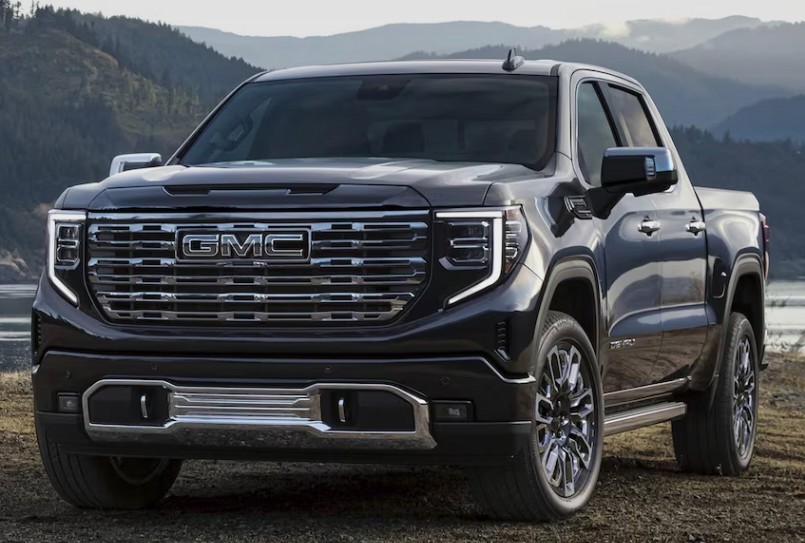
The GMC Sierra weight is not represented by one neat number. Depending on the model, cab, engine, drivetrain, bed length, trim, and optional equipment, one Sierra can weigh thousands of pounds more than another.
A basic two-wheel-drive Sierra 1500 work truck may feel relatively lean for a full-size pickup. Move up to a crew-cab Sierra 3500HD diesel dually, and we are dealing with a much heavier machine. Choose a battery-powered Sierra EV, and the truck may weigh more than some conventional heavy-duty pickups.
Why should we care?
Vehicle weight influences payload, towing calculations, fuel consumption, handling, braking, tire selection, licensing requirements, and even where we can safely park. It also helps us avoid one of the most common pickup-truck mistakes: assuming that a large truck can carry anything simply because it looks strong.
In this guide, we will explain how much GMC Sierra trucks weigh, how that figure has changed through the generations, and how to find the exact rating for a particular vehicle.
Content in this publication
- How Much Does a GMC Sierra Weigh?
- What Does GMC Sierra Curb Weight Mean?
- Curb Weight vs GVWR: What Is the Difference?
- GMC Sierra Weight by Model
- GMC Sierra 1500 Weight
- GMC Sierra 2500HD Weight
- GMC Sierra 3500HD Weight
- GMC Sierra EV Weight
- GMC Sierra Weight by Generation
- Early GMC Sierra and C/K Trucks: Before 1988
- 1988–1998 GMC C/K and Sierra-Era Weight
- 1999–2006 GMC Sierra Weight
- 2007–2013 GMC Sierra Weight
- 2014–2018 GMC Sierra Weight
- 2019–Present GMC Sierra 1500 Weight
- 2020–Present GMC Sierra HD Weight
- How Cab Size Affects GMC Sierra Weight
- How Bed Length Changes Sierra Weight
- How Engine Choice Affects GMC Sierra Weight
- How Trim Level Changes GMC Sierra Weight
- How GMC Sierra Weight Affects Payload
- How Sierra Weight Affects Towing
- How Sierra Weight Affects Fuel Economy
- How to Find the Exact Weight of Your GMC Sierra
- Common Mistakes When Calculating GMC Sierra Weight
- Which GMC Sierra Is the Lightest?
- Which GMC Sierra Is the Heaviest?
- Final Thoughts on GMC Sierra Weight
- Frequently Asked Questions
How Much Does a GMC Sierra Weigh?
Most gasoline- and diesel-powered GMC Sierra trucks weigh approximately 4,300 to more than 8,000 pounds, or around 1,950 to 3,630 kilograms, when empty.
The Sierra EV can be even heavier. Early Sierra EV Denali configurations have been reported at approximately 8,600 to nearly 9,000 pounds, depending on battery and equipment.
Here is a practical overview:
| GMC Sierra model | Approximate curb-weight range |
|---|---|
| Sierra 1500 | 4,300–5,700 lb |
| Sierra 2500HD | 6,100–7,700 lb |
| Sierra 3500HD single rear wheel | 6,400–8,000 lb |
| Sierra 3500HD dual rear wheel | 7,000–8,500+ lb |
| Sierra EV | 8,500–9,000+ lb |
| Older Sierra/C/K configurations | 3,700–6,500+ lb |
These are general ranges rather than universal specifications. A truck’s exact curb weight can change with:
- Regular, double, extended, or crew cab
- Short, standard, or long cargo bed
- Two-wheel drive or four-wheel drive
- Gasoline, diesel, or electric power
- Single or dual rear wheels
- Off-road equipment
- Luxury features
- Trailering packages
- Larger wheels and tires
- Snowplows, toolboxes, steps, and accessories
That is why two trucks wearing the same “Sierra 1500” badge may not weigh the same.
What Does GMC Sierra Curb Weight Mean?
Curb weight is the weight of the truck in operating condition with standard equipment and required fluids, but without passengers or cargo.
GMC describes curb weight as the weight of an empty vehicle with standard equipment, fuel, coolant, and oil, but without payload or a driver.
Think of curb weight as the truck standing ready in the driveway. It has its engine fluids and fuel, but nobody has climbed aboard and nothing has been loaded into the bed.
Curb weight generally includes:
- Factory-installed equipment
- Engine oil
- Coolant
- Brake fluid
- Transmission fluid
- Fuel under the manufacturer’s measurement standard
It generally does not include:
- Driver
- Passengers
- Bed cargo
- Trailer tongue weight
- Dealer-installed accessories
- Aftermarket equipment
This distinction matters because every person, suitcase, toolbox, hitch, and accessory consumes part of the truck’s payload capacity.
Curb Weight vs GVWR: What Is the Difference?
Curb weight and Gross Vehicle Weight Rating are related, but they are not interchangeable.
Curb Weight
Curb weight tells us approximately how much the unloaded truck weighs.
Gross Vehicle Weight Rating
GVWR is the maximum permitted weight of the loaded truck. It includes:
- The truck itself
- Driver and passengers
- Cargo
- Accessories
- Trailer tongue or pin weight
Suppose a Sierra has:
- Curb weight: 4,800 pounds
- GVWR: 7,000 pounds
The theoretical difference is 2,200 pounds. That difference represents the approximate payload available before accounting for configuration-specific adjustments.
GMC’s current configuration tools illustrate this relationship clearly. One 2026 Sierra 1500 configuration lists a base curb weight of 4,611 pounds, a GVWR of 6,800 pounds, and a base payload rating of 2,189 pounds.
Another configuration weighs 4,883 pounds and carries a 7,000-pound GVWR, producing a lower listed payload of 2,117 pounds.
The lesson is simple: as truck weight rises, available payload often falls unless the manufacturer also raises the GVWR.
GMC Sierra Weight by Model
The Sierra family stretches from everyday half-ton pickups to commercial-grade heavy-duty trucks and electric luxury models. Let us separate them before the numbers turn into alphabet soup.
GMC Sierra 1500 Weight
The Sierra 1500 is the light-duty member of the conventional Sierra family. Modern versions generally weigh between approximately 4,300 and 5,700 pounds.
A relatively light regular-cab, two-wheel-drive work truck sits near the bottom of the range. A four-wheel-drive crew cab with a diesel engine, off-road hardware, luxury equipment, and a longer body sits much closer to the top.
A current Sierra 1500 configuration can begin around 4,357 pounds with a listed 6,800-pound GVWR and 2,443-pound payload capacity.
Approximate Sierra 1500 Weight by Cab
| Cab configuration | Typical weight tendency |
|---|---|
| Regular cab | 4,300–4,800 lb |
| Double cab | 4,600–5,200 lb |
| Crew cab | 4,800–5,700 lb |
The cab is only part of the equation. A crew cab adds doors, seating, glass, structural material, airbags, wiring, trim, and interior equipment. It is essentially carrying an extra room everywhere it goes.
Two-Wheel Drive vs Four-Wheel Drive Weight
Four-wheel-drive Sierra trucks usually weigh more because they require extra hardware, including:
- Transfer case
- Front differential
- Front drive axles
- Additional driveshaft components
- Heavier suspension or protective equipment in some packages
The difference can easily reach a few hundred pounds.
That extra mass may improve traction and capability, but it does not arrive for free. It affects payload, efficiency, acceleration, and braking.
GMC Sierra 2500HD Weight
The Sierra 2500HD is built for heavier trailers, larger payloads, commercial use, and demanding recreational work. Its frame, suspension, axles, cooling system, wheels, brakes, and powertrain components are more substantial than those of the Sierra 1500.
Most modern Sierra 2500HD configurations weigh approximately 6,100 to 7,700 pounds.
A gasoline regular-cab work truck may remain near the lower end. A diesel crew-cab four-wheel-drive Denali or AT4 model can climb considerably higher.
What Makes the Sierra 2500HD Heavier?
The extra mass comes from components such as:
- Reinforced frame
- Larger axles
- Heavy-duty suspension
- Stronger brakes
- Larger wheels and tires
- Bigger cooling system
- Heavy-duty transmission
- Available diesel engine
- Four-wheel-drive components
- Larger cab and body structures
The Sierra HD is not merely a Sierra 1500 that spent more time at the gym. Beneath the sheet metal, it is engineered for a different workload.
GMC Sierra 3500HD Weight
The Sierra 3500HD is the heavyweight of GMC’s conventional pickup range. Depending on configuration, curb weight commonly falls between approximately 6,400 and more than 8,500 pounds.
Its weight varies dramatically because the lineup includes:
- Regular, double, and crew cabs
- Gasoline and diesel engines
- Two-wheel drive and four-wheel drive
- Single-rear-wheel models
- Dual-rear-wheel models
- Chassis-cab and pickup configurations
- Standard and long beds
Single-Rear-Wheel Sierra 3500HD Weight
Single-rear-wheel models often weigh roughly 6,400 to 8,000 pounds, depending on body and powertrain.
They provide substantial payload and trailering capability while remaining narrower and easier to use than a dually.
Dual-Rear-Wheel Sierra 3500HD Weight
Dual-rear-wheel trucks usually weigh more because they carry:
- Two additional rear tires
- Wider rear axle assemblies
- Larger rear fenders
- Heavier wheels and hubs
- Equipment designed for higher loads
A diesel crew-cab four-wheel-drive dually can exceed 8,000 pounds before passengers, cargo, a fifth-wheel hitch, or trailer pin weight enters the picture.
GMC Sierra EV Weight
The Sierra EV changes the conversation completely.
Instead of a gasoline or diesel engine, fuel tank, and conventional driveline, it carries a massive high-voltage battery pack and electric drive units. That battery creates an unexpectedly heavy truck.
A 2025 Sierra EV Denali specification lists a curb weight of approximately 8,620 pounds and a gross weight rating of 9,990 pounds. Other tested or differently equipped Sierra EV Denali examples have approached 8,800 to 9,000 pounds.
That means a Sierra EV may weigh more than a conventional Sierra 2500HD and can approach the empty weight of certain Sierra 3500HD configurations.
Why Is the Sierra EV So Heavy?
The main reasons include:
- Large battery pack
- Dual electric motors
- Substantial underbody protection
- Four-wheel steering hardware
- Large wheels and tires
- Reinforced body structure
- Luxury interior equipment
- Advanced electronics
- Midgate and powered cargo features
Electric motors are compact, but a long-range truck battery is like carrying a steel vault beneath the floor.
The weight improves stability and places mass low in the chassis, but it can also affect tire wear, braking forces, efficiency, payload, and road impact.
GMC Sierra Weight by Generation
Generation comparisons require care because the Sierra name has not always represented the same product structure.
Before the late 1990s, “Sierra” was widely used as a trim designation within GMC’s C/K truck family. The modern Sierra became a distinct model line for the 1999 model year.
Early GMC Sierra and C/K Trucks: Before 1988
GMC used the Sierra name on various pickup trims before it became the standalone nameplate we know today.
Depending on generation, cab, bed, drivetrain, and duty rating, older GMC C/K pickups could weigh from roughly 3,700 pounds to well above 6,000 pounds.
A basic two-wheel-drive half-ton regular cab was relatively light by modern standards. Heavy-duty three-quarter-ton, one-ton, crew-cab, four-wheel-drive, and dual-rear-wheel trucks were substantially heavier.
Exact figures must be checked by model year because older specifications were published differently, and options could significantly change the truck.
1988–1998 GMC C/K and Sierra-Era Weight
The GMT400 generation introduced more aerodynamic styling and a broad range of light- and heavy-duty configurations.
Approximate curb weights commonly ranged from:
- Half-ton regular cab: 3,700–4,500 lb
- Half-ton extended cab or 4WD: 4,200–5,000 lb
- Three-quarter-ton models: 4,500–5,800 lb
- One-ton and dually models: 5,000–6,500+ lb
Compared with modern trucks, many GMT400 pickups were lighter because they had:
- Simpler interiors
- Fewer airbags
- Less sound insulation
- Smaller wheels
- Less electronic equipment
- Fewer powered accessories
However, “lighter” does not automatically mean more capable. Modern trucks benefit from stronger structures, larger brakes, improved chassis control, and more sophisticated powertrains.
1999–2006 GMC Sierra Weight
The first modern standalone Sierra generation arrived for the 1999 model year on the GMT800 platform.
Typical weight ranges were approximately:
| Model | Approximate curb weight |
|---|---|
| Sierra 1500 | 3,900–5,200 lb |
| Sierra 2500/2500HD | 4,800–6,300 lb |
| Sierra 3500 | 5,200–6,800+ lb |
Regular-cab two-wheel-drive models remained relatively light, while crew cabs, diesel engines, four-wheel drive, and dual rear wheels pushed weight upward.
This generation helped establish the formula we still recognize: work-truck foundations combined with increasingly comfortable and upscale trim levels.
2007–2013 GMC Sierra Weight
The GMT900 generation became larger, safer, quieter, and more refined.
Approximate ranges included:
- Sierra 1500: 4,400–5,600 lb
- Sierra 2500HD: 5,700–7,000 lb
- Sierra 3500HD: 6,000–7,500+ lb
Why the increase?
More safety equipment, larger bodies, stronger frames, improved crash protection, quieter cabins, additional luxury features, and larger wheels all added weight.
A modern truck cabin is not simply a metal box with a bench seat. It is part office, part family room, and part mobile command center.
2014–2018 GMC Sierra Weight
The 2014 redesign introduced more refined styling, updated powertrains, improved aerodynamics, and expanded technology.
Typical curb-weight ranges were approximately:
| Model | Approximate curb weight |
|---|---|
| Sierra 1500 | 4,500–5,600 lb |
| Sierra 2500HD | 5,800–7,300 lb |
| Sierra 3500HD | 6,100–7,900+ lb |
Crew-cab luxury models became especially popular during this period. Denali trims added equipment such as premium seating, upgraded sound systems, larger wheels, power accessories, and additional sound insulation.
Each feature may seem minor, but together they add up like coins in a jar.
2019–Present GMC Sierra 1500 Weight
The current-generation Sierra 1500 debuted for 2019 with a larger body but extensive efforts to reduce unnecessary mass.
Aluminum was used for certain body panels, and GMC introduced the available CarbonPro carbon-fiber composite bed. Reports surrounding the redesign indicated that the new truck could be up to about 350 pounds lighter than its predecessor in comparable form, while the CarbonPro bed itself saved additional weight compared with a conventional steel bed.
Modern Sierra 1500 curb weight generally falls between approximately 4,300 and 5,700 pounds.
The range remains broad because today’s lineup includes:
- Pro
- SLE
- Elevation
- SLT
- AT4
- Denali
- AT4X
- Denali Ultimate
Off-road and luxury versions frequently weigh more than basic work trucks.
2020–Present GMC Sierra HD Weight
The current Sierra HD generation brought larger dimensions, stronger frames, advanced towing technology, and substantial powertrain capability.
Typical curb-weight ranges are approximately:
- Sierra 2500HD: 6,100–7,700 lb
- Sierra 3500HD single rear wheel: 6,400–8,000 lb
- Sierra 3500HD dually: 7,000–8,500+ lb
GMC currently markets the Sierra 2500HD and 3500HD as separate heavy-duty models with capability varying by configuration.
We should never choose an HD truck based on model badge alone. The door-jamb label and official trailering guide matter far more than broad internet ranges.
How Cab Size Affects GMC Sierra Weight
Cab size is one of the easiest ways to predict whether a Sierra will be lighter or heavier.
Regular Cab
A regular cab is generally the lightest choice because it has:
- Two main doors
- One seating row
- Less glass
- Shorter body structure
- Less interior trim
It is ideal for buyers who prioritize payload, simplicity, and commercial use.
Double or Extended Cab
The double cab adds rear seating and additional body length without becoming as large as a full crew cab.
Its weight normally sits between regular- and crew-cab configurations.
Crew Cab
The crew cab is usually the heaviest cab style. It provides generous rear-seat room but adds several hundred pounds compared with a basic regular cab.
For family use, that added mass may be worthwhile. For maximum payload, however, the lightest possible cab can leave more capacity available.
How Bed Length Changes Sierra Weight
Longer beds usually weigh more because they require:
- More sheet metal or composite material
- Longer frame sections
- Additional structural reinforcement
- Longer fuel, brake, wiring, and exhaust components
The difference may not be dramatic by itself, but it joins the cab, engine, drivetrain, and trim in shaping the final curb weight.
A crew-cab long-bed HD truck is the pickup equivalent of a freight train: long, stable, useful, and not especially interested in fitting into a compact parking space.
How Engine Choice Affects GMC Sierra Weight
Gasoline Engines
Gasoline engines are often lighter than comparable diesel powertrains. That can preserve payload and reduce front-axle weight.
Duramax Diesel Engines
A diesel-powered Sierra usually weighs more because of its:
- Heavy engine block and internal components
- Turbocharging equipment
- Larger cooling system
- Emissions-control hardware
- Diesel exhaust fluid system
- Heavy-duty transmission
- Larger batteries or electrical components
The added weight may reduce payload compared with a similar gasoline configuration, even when the diesel offers stronger torque and towing performance.
Electric Powertrain
The Sierra EV removes the combustion engine and fuel system, but its battery pack adds enormous mass. That is why its curb weight can approach 9,000 pounds.
How Trim Level Changes GMC Sierra Weight
A basic Pro work truck normally weighs less than a heavily equipped Denali Ultimate or AT4X.
Premium and off-road features can include:
- Larger wheels
- All-terrain tires
- Skid plates
- Steel bumpers
- Lifted suspension
- Power running boards
- Sunroof
- Premium seats
- Additional cameras
- Upgraded audio system
- Extra sound insulation
- Four-wheel-drive hardware
The AT4X AEV Edition is a useful example. Steel protective hardware, specialized bumpers, and off-road equipment improve durability but also add mass.
Luxury may feel light from the driver’s seat, but the scale tells another story.
How GMC Sierra Weight Affects Payload
Payload is not simply the amount of material placed in the bed. It includes every load added to the truck:
- Driver
- Passengers
- Luggage
- Tools
- Bed cargo
- Hitch equipment
- Accessories
- Trailer tongue weight
- Fifth-wheel or gooseneck pin weight
Suppose a Sierra has a payload rating of 1,800 pounds.
We then add:
- Four occupants: 700 pounds
- Toolbox and tools: 200 pounds
- Hitch: 100 pounds
- Trailer tongue weight: 800 pounds
The total is already 1,800 pounds. The bed may look nearly empty, yet the truck has reached its payload limit.
This is why curb weight and GVWR matter. Payload disappears quietly, one passenger and accessory at a time.
How Sierra Weight Affects Towing
A heavier truck may feel more stable while towing, but higher curb weight does not automatically mean higher towing capacity.
Towing ratings depend on:
- Engine
- Transmission
- Axle ratio
- Cooling system
- Frame
- Brakes
- Drivetrain
- Cab and bed configuration
- GVWR
- Gross Combined Weight Rating
- Trailer type
A heavy luxury configuration may have less payload available for trailer tongue weight than a lighter work-truck configuration.
For bumper-pull trailers, tongue weight commonly represents a meaningful portion of loaded trailer weight. Fifth-wheel and gooseneck trailers can place even more pin weight directly over the rear axle.
Therefore, the most important number is often not maximum advertised towing capacity. It is the truck’s available payload after occupants and equipment are included.
How Sierra Weight Affects Fuel Economy
Heavier vehicles require more energy to accelerate. They also place greater demands on tires, brakes, and suspension.
In everyday driving, added weight can contribute to:
- Higher fuel consumption
- Slower acceleration
- Longer braking distances
- Increased tire wear
- More stress on suspension components
Aerodynamics, gearing, engine technology, tire design, and driving conditions also matter. Weight is only one part of the puzzle, but it is a large piece.
The Sierra EV avoids gasoline consumption, yet weight still affects electrical efficiency. Moving nearly 9,000 pounds requires considerable energy, especially at highway speeds or in cold weather.
How to Find the Exact Weight of Your GMC Sierra
Broad online charts are helpful for comparison, but the exact truck should be verified directly.
Check the Driver-Door Label
Open the driver’s door and inspect the certification label on the door or door pillar.
It normally lists important ratings such as:
- GVWR
- Front GAWR
- Rear GAWR
- Tire size
- Recommended tire pressure
- Manufacturing information
Read the Tire and Loading Label
The tire and loading label often states the maximum combined weight of occupants and cargo.
This figure is more useful than a generic model estimate because it applies to the truck as manufactured.
Use the VIN and Manufacturer Information
A GMC dealer or official vehicle-information system may identify the truck’s original equipment by VIN.
Visit a Certified Vehicle Scale
For the most accurate real-world figure, weigh the truck.
Ideally, we should weigh it:
- With a full or typical fuel level
- With normal passengers
- With permanent accessories installed
- With normal tools and cargo
- With the trailer attached, when relevant
A certified public scale can reveal:
- Total truck weight
- Front-axle weight
- Rear-axle weight
- Combined truck-and-trailer weight
Nothing ends a guessing game faster than an actual scale ticket.
Common Mistakes When Calculating GMC Sierra Weight
Confusing Curb Weight With Payload
Curb weight is the truck’s empty operating weight. Payload is the amount that can be added within its GVWR.
Ignoring Passengers
People count as payload. A five-person crew can consume several hundred pounds before cargo is loaded.
Forgetting Trailer Tongue Weight
The trailer does not place all its weight on its own axles. Part of that weight presses down on the truck.
Using Another Truck’s Door Label
Two Sierras of the same model year and trim may carry different ratings because of equipment and configuration.
Assuming a Dually Cannot Be Overloaded
Dual rear wheels improve rear-axle capacity and stability, but every truck still has legal and mechanical limits.
Relying Only on Advertised Maximums
“Maximum towing” usually describes one carefully selected configuration, not every Sierra on the dealer lot.
Which GMC Sierra Is the Lightest?
The lightest modern Sierra is generally a Sierra 1500 Pro with:
- Regular cab
- Two-wheel drive
- Minimal optional equipment
- Gasoline engine
- Basic wheels and tires
A current configuration can weigh close to the low-4,000-pound range, with GMC listing one 2026 Sierra 1500 example at 4,357 pounds.
This type of truck can offer excellent payload because less of the GVWR is consumed by the vehicle itself.
Which GMC Sierra Is the Heaviest?
Among conventional pickups, a fully equipped Sierra 3500HD diesel crew-cab four-wheel-drive dually is usually one of the heaviest.
However, the Sierra EV can rival or exceed many HD configurations in curb weight because of its battery pack. Certain Sierra EV Denali examples weigh approximately 8,600 to nearly 9,000 pounds.
So, the heaviest Sierra is not necessarily the one with six tires and a diesel engine. The silent electric truck beside it may be carrying even more mass.
Final Thoughts on GMC Sierra Weight
The GMC Sierra is not one truck but a broad family of pickups built for very different jobs.
A light-duty Sierra 1500 may weigh around 4,300 pounds in basic form. A luxury or off-road crew cab can move well beyond 5,000 pounds. Sierra HD models commonly range from roughly 6,000 to more than 8,000 pounds, while the Sierra EV may approach 9,000 pounds because of its large battery.
The exact figure matters because weight influences payload, towing, braking, efficiency, tires, and legal compliance.
We should treat published ranges as a starting point, not the final answer. Before towing a large trailer or carrying a heavy load, check the driver-door labels, consult the model-specific trailering guide, and weigh the loaded truck when necessary.
The Sierra may look as solid as a mountain, but even mountains have measurable limits.
Frequently Asked Questions
1. How much does a GMC Sierra 1500 weigh?
A GMC Sierra 1500 generally weighs approximately 4,300 to 5,700 pounds. Regular-cab two-wheel-drive work trucks are usually the lightest, while diesel, crew-cab, four-wheel-drive, luxury, and off-road configurations weigh more.
2. How much does a GMC Sierra 2500HD weigh?
Most modern Sierra 2500HD trucks weigh around 6,100 to 7,700 pounds. Gasoline regular-cab models usually sit near the lower end, while diesel crew-cab four-wheel-drive models are heavier.
3. How much does a GMC Sierra 3500HD dually weigh?
A Sierra 3500HD dually commonly weighs between approximately 7,000 and more than 8,500 pounds. Cab size, drivetrain, diesel equipment, bed configuration, trim, and accessories determine the final figure.
4. Does GMC Sierra curb weight include passengers?
No. Curb weight generally includes standard equipment and required fluids but excludes the driver, passengers, cargo, and trailer tongue weight. Those loads count against the truck’s payload rating.
5. Where can I find my Sierra’s exact weight limit?
Check the certification and tire-loading labels inside the driver’s door area. They provide the truck’s GVWR, axle ratings, tire information, and occupant-and-cargo limit. For the actual loaded weight, use a certified vehicle scale.
If you want to know other articles similar to GMC Sierra Weight: Complete Guide by Model and Generation you can visit the category Service and Parts.
Toyota Yaris Cross Dashboard Symbols

BMW 3 Series Warning Lights: The Complete Guide to Understanding Every Dashboard Symbol
Nissan Qashqai Fuel Tank Capacity: Complete Guide

Suzuki Swift Fuel Tank Capacity: Complete Guide
Mazda CX-5 Weight (2013–2026): Complete Guide in Pounds and KG
Kia Sportage Dashboard Symbols and Warning Lights
Leave a Reply
More content of your interest