

Nissan Note Battery Replacement Cost: Complete 12V Guide

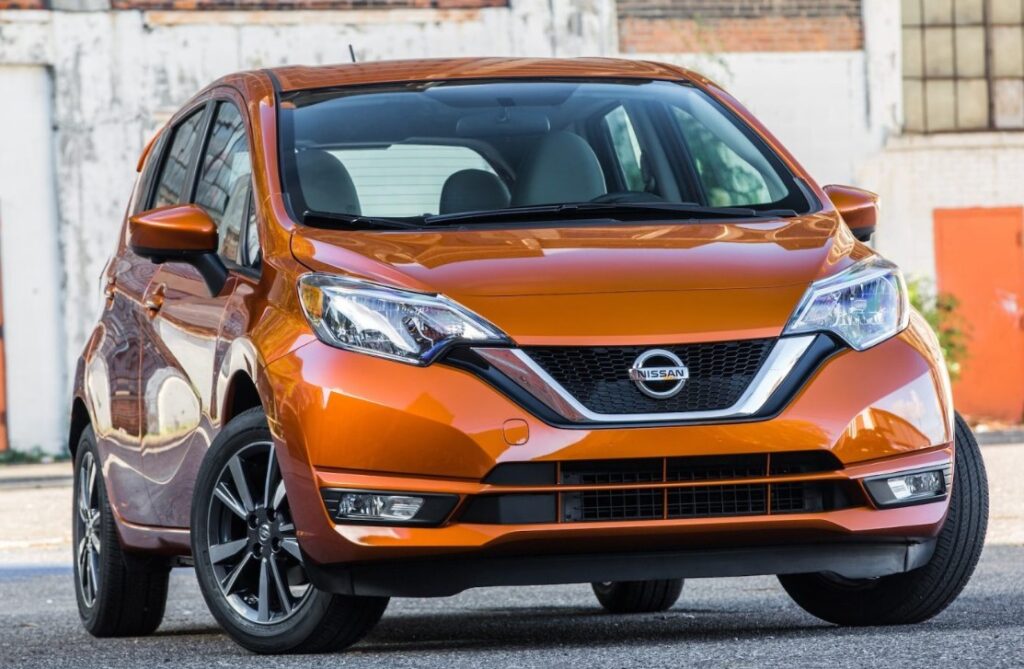
A weak battery can transform a dependable Nissan Note into a silent lump of metal at precisely the wrong moment. One day, the engine starts immediately; the next, the dashboard flickers, the starter clicks, and our morning plans disappear like steam from a kettle.
So, how much does a Nissan Note battery replacement cost?
For the conventional 12V starter or auxiliary battery, we can generally expect to spend the equivalent of €70 to €300 for the battery itself, depending on the country, battery technology, brand, capacity, and Nissan Note generation. Professional installation, testing, mobile service, disposal fees, and diagnostic work can push the total replacement bill to approximately €90 to €400 or more.
That range is intentionally broad. The Nissan Note has been sold across numerous markets in petrol, diesel, start-stop, hybrid, and e-POWER configurations. A basic flooded lead-acid battery for an early petrol Note is not priced like an EFB or AGM battery intended for a start-stop model.
This guide covers the cost of replacing the 12V battery, not the much larger high-voltage traction battery found in the Nissan Note e-POWER. We will examine typical prices across major markets, explain why quotes vary, identify the correct battery technology, and help us avoid paying for parts we do not need.
Content in this publication
- How Much Does a Nissan Note Battery Replacement Cost?
- Nissan Note 12V Battery Cost by Market
- Why Nissan Note Battery Replacement Prices Vary
- Nissan Note Generation and Engine
- Labor Cost for Nissan Note Battery Replacement
- Does a Nissan Note Need Battery Registration?
- Nissan Note e-POWER: 12V Battery Versus Hybrid Battery
- Signs the Nissan Note Battery Needs Replacing
- How Long Does a Nissan Note Battery Last?
- Can We Replace a Nissan Note Battery Ourselves?
- What Is Included in a Battery Replacement Quote?
- Additional Costs We Might Encounter
- How to Choose the Correct Nissan Note Battery
- How to Save Money on Nissan Note Battery Replacement
- Is a Cheap Nissan Note Battery Worth Buying?
- Should We Replace the Battery Before It Fails?
- Nissan Note Battery Replacement Cost: Final Verdict
- Frequently Asked Questions
How Much Does a Nissan Note Battery Replacement Cost?
The average total price depends on whether we buy the battery ourselves, use an independent garage, visit a Nissan dealer, or call a mobile fitting service.
Here is a practical global estimate:
| Replacement option | Typical total cost |
|---|---|
| Budget battery with DIY installation | €70–€140 equivalent |
| Premium conventional battery, DIY | €110–€200 equivalent |
| EFB start-stop battery, fitted | €140–€280 equivalent |
| AGM battery, fitted | €180–€400 equivalent |
| Independent garage replacement | €110–€300 equivalent |
| Nissan dealer replacement | €180–€450 equivalent |
| Mobile or emergency installation | €150–€450 equivalent |
These figures are general estimates rather than fixed manufacturer prices. Taxes, battery sizes, warranties, labor rates, and vehicle availability differ considerably between countries.
In the United Kingdom, model-specific replacement estimates published for older Nissan Note variants commonly place fitted costs around £67 to £167, depending on the engine, battery brand, and workshop type. The listed labor time is generally less than one hour.
European online listings demonstrate how start-stop technology changes the equation. For example, one Nissan Note E12-compatible 60Ah EFB battery was listed at approximately €125.99 before delivery and related charges, illustrating why an EFB-equipped Note usually costs more than a basic petrol model using a conventional flooded battery.
Nissan Note 12V Battery Cost by Market
Comparing international prices is not as simple as converting currencies. Import duties, local taxes, battery recycling systems, brand availability, and whether the Note was officially sold in that country all affect the final bill.
United Kingdom
The Nissan Note was widely sold in the UK, so replacement batteries are relatively easy to find. Competition among parts retailers, garages, dealerships, and mobile fitters helps keep prices reasonable.
Typical UK estimates are:
- Standard lead-acid battery: £55–£120
- Premium conventional battery: £85–£150
- EFB start-stop battery: £110–£190
- AGM battery: £150–£260
- Fitting charge: £15–£60
- Mobile fitting or emergency callout: £30–£100 or more
For many first-generation E11 models, a fitted replacement may land between £90 and £170. An E12 with start-stop technology could cost £140 to £250, especially when it requires an EFB or AGM unit.
UK retailer listings show Nissan Note-compatible conventional batteries starting around the mid-£80 range, while workshop estimates vary by engine and battery specification.
Should We Use a Nissan Dealer in the UK?
A Nissan dealership is likely to charge more than an independent garage, but the quote may include:
- A manufacturer-approved battery
- Battery and charging-system testing
- Installation
- Disposal of the old battery
- Warranty administration
- Electronic checks or resets where required
For a simple battery swap on an older Note, an independent battery specialist often offers better value. A dealer becomes more attractive when the car has persistent electrical issues, start-stop faults, warranty considerations, or an unusual imported specification.
United States
The Nissan Note was not marketed in the United States under the Note name in the same way it was in Europe and Japan. However, the closely related Nissan Versa Note was sold there, while Japanese-market Notes also arrive as private imports in some regions.
Typical US price ranges are:
- Standard replacement battery: $120–$220
- Premium battery: $180–$300
- AGM battery: $220–$380
- Installation: $20–$80
- Mobile service: $50–$150 additional
- Diagnostic testing: $40–$160 when charged separately
Some US parts listings show compatible batteries around $140, although the exact product depends on the vehicle year, engine, terminal layout, and whether the car is a Versa Note or a Japanese-market Note.
Imported Nissan Note e-POWER models can be more complicated. A workshop may not recognize the Japanese chassis code immediately, and ordinary catalog searches may produce incorrect matches. Shipping an uncommon Japanese Industrial Standard battery can also raise the total price.
Canada
Canadian pricing tends to resemble US pricing but may be influenced more heavily by cold-weather performance requirements.
A reasonable estimate is:
- Conventional battery: C$150–C$260
- Premium high-CCA battery: C$200–C$330
- EFB or AGM battery: C$250–C$450
- Installation and testing: C$30–C$120
- Mobile replacement: C$80–C$180 additional
In much of Canada, cold-cranking performance matters enormously. Buying the cheapest battery can be false economy if the car regularly faces temperatures far below freezing. A battery that appears adequate in autumn may fold like a paper chair during the first severe cold snap.
Australia
Japanese-import Nissan Notes, particularly e-POWER models, are increasingly visible in Australia. Because they are often grey imports rather than locally delivered Nissan models, battery availability may vary by city.
Australian listings for a 2018 Nissan Note petrol-hybrid show battery options beginning at approximately A$129, with an indicated average near A$219 for compatible products.
Typical Australian costs are:
- Basic compatible battery: A$130–A$220
- Premium conventional battery: A$180–A$300
- EFB or AGM battery: A$230–A$450
- Installation: A$30–A$100
- Mobile service: A$50–A$150 additional
Heat can be as hard on batteries as cold. High under-bonnet temperatures accelerate internal deterioration, particularly when a vehicle is repeatedly used for short journeys.
New Zealand
New Zealand has a substantial number of used Japanese imports, making the Nissan Note and Note e-POWER relatively familiar to battery specialists.
Typical estimates include:
- Standard Japanese-size battery: NZ$180–NZ$280
- Premium or high-performance unit: NZ$230–NZ$350
- EFB or AGM battery: NZ$280–NZ$500
- Installation: NZ$30–NZ$100
- Mobile fitting: NZ$60–NZ$150 additional
Availability is usually better in major urban areas. Rural owners may pay more for delivery or mobile service, especially when the original battery uses an uncommon case size or terminal arrangement.
Japan
In Japan, the Nissan Note is a mainstream vehicle, so correct-fit batteries are widely available.
Approximate prices may range from:
- Basic battery: ¥8,000–¥16,000
- Higher-capacity conventional battery: ¥12,000–¥25,000
- Idle-stop-compatible EFB battery: ¥18,000–¥35,000
- Premium AGM battery: ¥25,000–¥50,000
- Dealer fitting and inspection: ¥5,000–¥15,000 or more
Japanese battery codes can look unfamiliar to buyers in Europe or North America. Instead of relying only on a familiar group number, we may encounter JIS identifiers that communicate case dimensions, terminal orientation, and performance class.
Continental Europe
In countries such as Germany, France, Spain, Italy, and the Netherlands, the Note E11 and E12 remain supported by large aftermarket catalogs.
Typical continental European prices are:
- Conventional battery: €70–€140
- Premium flooded battery: €100–€180
- EFB battery: €120–€220
- AGM battery: €160–€300
- Installation: €20–€80
- Dealer replacement: €200–€400 or more
One European listing for a Nissan Note E12-compatible 60Ah EFB battery was approximately €126, excluding certain delivery-related charges.
Why Nissan Note Battery Replacement Prices Vary
Two Nissan Notes parked beside one another may require batteries with very different prices. Model year alone does not tell the full story.
Battery Technology
The technology inside the battery is one of the largest cost factors.
Flooded Lead-Acid Battery
A conventional flooded lead-acid battery is usually the least expensive choice. It suits many early petrol and diesel Nissan Note models without demanding start-stop systems.
Its advantages include:
- Low purchase price
- Wide availability
- Straightforward replacement
- Adequate performance for standard electrical loads
Its limitations include lower resistance to repeated deep discharge and frequent stop-start cycling.
Enhanced Flooded Battery
An EFB battery is a stronger version of a conventional flooded battery. It is designed to tolerate more frequent engine restarts and deeper cycling.
We commonly find EFB batteries in vehicles equipped with basic start-stop technology. They cost more than ordinary flooded batteries but generally provide better cycle durability.
Installing a basic flooded battery where Nissan specifies EFB may save money today while shortening battery life tomorrow. That bargain can become a revolving door of replacements.
Absorbent Glass Mat Battery
AGM batteries hold their electrolyte in glass-fiber mats. They support high electrical demand, rapid charge acceptance, and repeated cycling.
They are generally the most expensive common 12V option, but they may be necessary when the vehicle was designed around AGM technology.
An AGM battery should not automatically be fitted simply because it sounds superior. Correct specification matters more than buying the most expensive product on the shelf.
You may be interested in reading Nissan Note Brake Light Bulb Replacement: Complete DIY Guide
Nissan Note Generation and Engine
The Note has appeared in several forms:
- First-generation E11
- Second-generation E12
- Third-generation E13
- Petrol engines
- Diesel engines
- Start-stop variants
- Japanese domestic-market models
- Note e-POWER versions
An early 1.4-litre petrol Note may use a relatively modest conventional battery. A diesel engine may need greater cold-cranking capacity. A start-stop E12 may require EFB or AGM technology. A Japanese e-POWER model may use a smaller auxiliary battery with a specific JIS case and terminal layout.
Battery Capacity
Capacity is normally measured in amp-hours, or Ah. Depending on the model, Nissan Note batteries may sit in broadly different capacity classes.
A larger capacity is not automatically better. The replacement must:
- Fit the tray
- Match the hold-down system
- Use the correct terminal orientation
- Meet the required cold-cranking rating
- Work with the charging system
- Provide the specified battery technology
Buying by Ah alone is like choosing shoes based only on length while ignoring width, shape, and purpose.
Cold-Cranking Amps
Cold-cranking amps, commonly shortened to CCA, indicate how effectively the battery can supply starting current in low temperatures.
Diesel models and vehicles used in cold climates may require higher CCA ratings. A battery with insufficient starting performance may work during warm weather yet struggle when winter tightens its grip.
Battery Brand
Budget, mid-range, and premium batteries often differ in:
- Warranty duration
- Plate construction
- Vibration resistance
- Quality control
- Cold-cranking performance
- Cycle durability
- Retail support
A recognizable premium brand is not always necessary, but the cheapest anonymous unit deserves scrutiny. The real value lies in correct fitment, fresh stock, suitable specifications, and a useful warranty.
Labor Cost for Nissan Note Battery Replacement
Replacing the battery in many Nissan Note models is mechanically simple. The job often involves:
- Switching off the ignition
- Removing the negative terminal
- Removing the positive terminal
- Releasing the battery clamp
- Lifting out the old battery
- Cleaning the tray and terminals
- Installing and securing the new battery
- Reconnecting the positive terminal
- Reconnecting the negative terminal
- Testing charging voltage and starting performance
A technician may complete the physical replacement in 15 to 30 minutes. Published UK estimates typically assign no more than one labor hour to the job.
Labor becomes more expensive when access is restricted, corrosion is severe, the hold-down hardware is damaged, or electrical diagnosis is required.
Independent Garage Labor
An independent workshop may charge a modest fitting fee or install the battery free when we purchase it there.
Typical fitting charges range from the equivalent of €20 to €80.
Nissan Dealership Labor
Dealer labor rates are generally higher. The dealer may also carry out a broader vehicle inspection, use an original-equipment battery, or perform electrical procedures that a retail fitter does not include.
A dealer quote can exceed an independent quote by 30% to 100%, although the exact difference varies greatly by country.
Mobile Battery Fitting
Mobile replacement is convenient when the vehicle will not start. We pay not only for the battery and installation but also for the technician’s travel, immediate availability, and roadside service.
That convenience can add the equivalent of €40 to €150 to the bill.
Does a Nissan Note Need Battery Registration?
Battery registration is a process used by some modern vehicles to tell an energy-management computer that a new battery has been installed.
Not every Nissan Note requires formal battery registration. Many older Notes can accept a correctly specified replacement without specialized coding. However, newer start-stop and energy-managed versions may benefit from a reset, relearn, or diagnostic check.
The safest approach is to verify the procedure for the exact:
- Model year
- Chassis code
- Engine
- Market
- Start-stop system
- Battery technology
We should not let a workshop charge for “coding” merely because modern cars sometimes require it. Ask what procedure will be performed and why it applies to the specific Note.
Nissan Note e-POWER: 12V Battery Versus Hybrid Battery
This distinction is crucial.
The Nissan Note e-POWER contains a high-voltage lithium-ion traction battery that supports the electric drive system. It also uses a separate low-voltage battery for electronics, control systems, locks, computers, and vehicle startup functions.
This article covers the 12V auxiliary battery only.
How the 12V Battery Works in an e-POWER Note
The 12V battery does not propel the car. Instead, it powers the low-voltage systems and allows the vehicle’s computers and high-voltage contactors to activate.
A weak auxiliary battery can therefore prevent an e-POWER Note from entering its ready state, even when the traction battery has plenty of energy.
That situation can feel confusing. The car is technically a series hybrid, yet a relatively small 12V battery can bring the entire system to its knees.
Why e-POWER 12V Replacement May Cost More
The e-POWER model may use:
- A Japanese-market battery size
- Unfamiliar JIS specifications
- A battery located differently from conventional models
- Venting requirements
- Specific terminal positions
- Import-only parts
- More diagnostic time
The battery itself is not necessarily enormous or exceptionally expensive. The added cost often comes from sourcing the correct unit and finding a technician familiar with imported e-POWER vehicles.
Signs the Nissan Note Battery Needs Replacing
A battery rarely sends us a polite calendar invitation announcing its retirement. Instead, it whispers through small symptoms before failing completely.
Common warning signs include:
- Slow engine cranking
- Repeated clicking when starting
- Dim headlights before startup
- Flickering dashboard lights
- Start-stop system becoming unavailable
- Central locking behaving inconsistently
- Infotainment settings resetting
- Warning lights appearing together
- The car needing frequent jump-starts
- A battery test showing poor health
- Swelling, leakage, or a sulfur-like smell
Slow Starting
Slow cranking is one of the clearest signs on petrol and diesel models. The starter sounds labored, as though it is turning through syrup.
However, a slow start can also result from a failing starter motor, poor ground connection, corroded terminals, thick oil in cold weather, or an engine-related problem.
Electrical Warning Lights
Low battery voltage can trigger multiple warning lights. Modern control modules do not behave well when voltage drops below their expected range.
A dashboard suddenly glowing like a Christmas tree does not always mean five systems failed simultaneously. Sometimes the battery is simply too weak to keep the electronics stable.
Start-Stop No Longer Works
Start-stop systems may be disabled when battery charge or health drops. The vehicle protects its ability to restart by refusing to switch the engine off at traffic lights.
A disabled start-stop function is not proof of battery failure, but it is a useful clue.
How Long Does a Nissan Note Battery Last?
A typical 12V battery lasts around three to five years, although real-world life can be shorter or considerably longer.
Battery lifespan depends on:
- Climate
- Journey length
- Vehicle usage frequency
- Charging-system condition
- Electrical accessories
- Battery quality
- Start-stop activity
- Maintenance
- Storage conditions
- Accidental discharge
Extreme temperatures, repeated short journeys, and leaving electronics operating while the engine is off can shorten battery life.
Why Short Trips Damage Battery Health
Starting the engine consumes a burst of energy. A short journey may not give the charging system enough time to replace what was used.
If we repeat that pattern daily, the battery slowly falls behind. It is like withdrawing money every morning and depositing only half of it each evening.
How Climate Changes Battery Life
Cold temperatures reduce available starting power, while high temperatures accelerate internal chemical degradation.
That means a battery can suffer in both Canada and Australia, just for different reasons.
Can We Replace a Nissan Note Battery Ourselves?
For many conventional Nissan Note models, battery replacement is manageable for a competent DIY owner.
We need:
- The correct replacement battery
- Safety glasses
- Protective gloves
- The appropriate spanner or socket
- A terminal-cleaning brush
- A memory saver, if suitable
- A battery charger or tester, if available
DIY Replacement Advantages
Replacing the battery ourselves can:
You may be interested in readingNissan Note Brake Light Bulb Replacement: Complete DIY GuideYou may be interested in reading
 Ford Ranger Dashboard Symbols and Meanings: Complete Warning Light Guide
- Eliminate labor charges
- Let us choose the brand
- Make price comparison easier
- Provide immediate familiarity with the installation
- Save time when the procedure is simple
DIY Replacement Risks
Potential problems include:
- Reversing polarity
- Shorting a terminal against the body
- Damaging electronic systems
- Losing stored settings
- Installing the wrong battery type
- Failing to secure the battery
- Injuring ourselves while lifting it
- Ignoring an underlying alternator fault
A car battery is heavy, contains corrosive material, and can release explosive gas. Casual does not mean careless.
When DIY Replacement Makes Sense
DIY replacement is reasonable when:
- The battery is easily accessible
- We know the exact specification
- There is no major corrosion
- The car has no unresolved electrical fault
- We understand safe terminal removal
- No specialized reset is required
When Professional Installation Is Better
Professional help is preferable when:
- The Note is an unfamiliar import
- It is an e-POWER model
- The battery location is unusual
- The terminals are badly corroded
- Warning lights remain after a jump-start
- The battery repeatedly goes flat
- The alternator may be failing
- Electronic resets are needed
What Is Included in a Battery Replacement Quote?
A low advertised price may cover only the battery. A higher quote may include a complete service.
Before accepting, ask whether the price includes:
- Battery supply
- Sales tax or VAT
- Installation
- Battery testing
- Alternator testing
- Terminal cleaning
- Disposal or recycling
- Mobile callout
- Diagnostic scanning
- Warranty
- Electronic reset
This prevents an attractive headline price from growing tentacles at the checkout.
Additional Costs We Might Encounter
Battery Testing
Many retailers provide free battery checks. A garage may charge when testing forms part of a wider diagnostic investigation.
A proper test should examine more than open-circuit voltage. Battery conductance, state of charge, starting performance, and charging-system behavior can provide a clearer picture.
Alternator Replacement
A new battery will not solve a faulty charging system.
If the alternator is undercharging, the replacement battery may go flat. If it is overcharging, the battery may overheat and fail early.
Alternator replacement can cost several times more than a battery, depending on the engine and local labor rates.
Corroded Terminals or Cables
Light surface corrosion is usually easy to clean. Damaged clamps, cables, or ground straps add parts and labor.
Poor connections can imitate battery failure by restricting current flow.
Parasitic Drain Diagnosis
A parasitic drain occurs when an electrical component continues consuming power after the car is switched off.
Possible causes include:
- Interior lights
- Aftermarket stereos
- Dash cameras
- Faulty control modules
- Alarm systems
- Boot lights
- USB accessories
- Damaged wiring
Finding an intermittent drain can take hours, making diagnosis more expensive than the battery itself.
How to Choose the Correct Nissan Note Battery
Never purchase a battery solely because an online listing mentions “Nissan Note.”
Confirm:
- Vehicle registration or VIN
- Chassis code
- Model year
- Engine type
- Start-stop equipment
- Battery case dimensions
- Terminal orientation
- Hold-down style
- Capacity in Ah
- Cold-cranking rating
- Battery technology
- Venting arrangement
Check the Existing Battery Label
The old battery provides useful clues, including:
- Manufacturer
- Voltage
- Capacity
- CCA
- Battery technology
- Product code
- Manufacturing date
- Terminal arrangement
However, the old battery may itself be incorrect. We should compare its details with a trustworthy fitment catalog or manufacturer specification.
Use the VIN for Imported Notes
The VIN or Japanese chassis number is especially useful for imported vehicles. Registration-based catalogs may not contain a Japanese-market Note e-POWER, leading to false matches.
A specialist can cross-reference the chassis code with battery dimensions and JIS specifications.
How to Save Money on Nissan Note Battery Replacement
Saving money does not mean buying the weakest battery available.
Compare Total Installed Prices
Compare the complete cost, including:
- Delivery
- Installation
- Taxes
- Core charge
- Disposal
- Mobile callout
- Warranty
A battery that is €15 cheaper online may become more expensive after shipping and fitting.
Use Free Battery Testing
Have the battery tested before replacing it, particularly when it is less than three years old.
The actual problem could be:
- A loose terminal
- A discharged but recoverable battery
- A failing alternator
- A starter fault
- A parasitic drain
Return the Old Battery
Some markets apply a core charge that is refunded when the old battery is returned. Even where no refund applies, responsible recycling prevents lead and acid from entering the waste stream.
Avoid Unnecessary AGM Upgrades
An AGM battery can be excellent, but installing one where it offers no practical benefit may simply increase the bill.
Match the original technology unless an approved upgrade is recommended by a battery manufacturer or qualified technician.
Buy Fresh Stock
Battery age matters even before installation. Look for a clear manufacturing date and avoid a unit that has been sitting discharged on a warehouse shelf.
Is a Cheap Nissan Note Battery Worth Buying?
A budget battery can be a reasonable choice for an older Note used in mild conditions, especially when:
- The specification is correct
- The warranty is adequate
- The battery is fresh
- The retailer is reputable
- The vehicle has modest electrical demands
A premium battery is more appealing when:
- Winters are severe
- Summers are extremely hot
- The car uses start-stop technology
- We make frequent short journeys
- Reliability is critical
- The vehicle sits unused for long periods
- Electrical demand is high
Price alone is a poor compass. The best battery is the one that meets the car’s requirements and survives the way we actually use it.
Should We Replace the Battery Before It Fails?
Preventive replacement can make sense when the battery is approaching the end of its expected life and testing shows declining health.
Consider replacing it proactively when:
- It is more than four or five years old
- Starting has become slower
- Winter is approaching
- We are planning a long trip
- The car has needed a jump-start
- Reliability matters more than extracting every final month
Waiting until absolute failure may save a little battery life but can create towing, mobile fitting, missed-work, or travel costs.
Nissan Note Battery Replacement Cost: Final Verdict
For most Nissan Note owners, replacing the 12V battery is not an alarming repair.
A conventional battery with straightforward fitting may cost the equivalent of €90 to €200 in total. Start-stop models using EFB technology often land around €140 to €280, while AGM batteries, dealer labor, imported specifications, mobile fitting, and diagnostic work can move the bill toward €300 to €450 or more.
The most important step is identifying the exact battery specification. The words “Nissan Note” cover multiple generations, engines, electrical systems, and international versions. Guessing can lead to poor starting, reduced battery life, start-stop faults, or a battery that simply does not fit.
We should compare full installed prices, test the old battery and charging system, confirm whether the vehicle requires EFB or AGM technology, and treat imported e-POWER models with extra care.
A battery may be a plain black box hidden under a bonnet or floor panel, but it acts like the car’s morning coffee. When it is healthy, everything wakes up. When it is exhausted, nothing wants to move.
Frequently Asked Questions
1. What is the average Nissan Note battery replacement cost?
A typical 12V Nissan Note battery replacement costs the equivalent of approximately €90 to €300, including basic installation. A budget conventional battery may cost less, while an AGM unit, dealer service, mobile callout, or imported battery specification can raise the total beyond €400.
2. Does the Nissan Note e-POWER have a normal 12V battery?
Yes. The Nissan Note e-POWER has a low-voltage auxiliary battery in addition to its high-voltage traction battery. The 12V battery powers electronic controls and helps the vehicle activate its hybrid system. A weak 12V battery can prevent the car from entering its ready state.
3. Can we install a regular battery in a start-stop Nissan Note?
We should use the battery technology specified for the vehicle. When the Note was designed for EFB or AGM technology, replacing it with a basic flooded battery may reduce service life and cause poor start-stop performance. Always confirm the original specification.
4. How do we know whether the battery or alternator is faulty?
A battery and charging-system test is the safest method. A weak battery may fail to hold charge, while a faulty alternator may not recharge it correctly. Repeated flat batteries soon after replacement strongly suggest that further diagnosis is needed.
5. How long should a Nissan Note 12V battery last?
Most 12V batteries last around three to five years. Extreme temperatures, short journeys, long storage periods, start-stop operation, electrical drains, and charging-system faults can shorten that lifespan.
You may be interested in readingNissan Note Brake Light Bulb Replacement: Complete DIY GuideYou may be interested in reading
Ford Ranger Dashboard Symbols and Meanings: Complete Warning Light GuideYou may be interested in reading
Ford Ranger Fuel Tank Size: Complete Guide by GenerationIf you want to know other articles similar to Nissan Note Battery Replacement Cost: Complete 12V Guide you can visit the category Service and Parts.
Vauxhall Adam Code 82 Reset: Meaning, Procedure, and Troubleshooting
Vauxhall Adam Engine Management Light: Causes, Fixes, and What to Do Next
Vauxhall Adam Service Theft Deterrent System: Causes, Fixes, and Reset Guide
Vauxhall Adam Dashboard Symbols: Warning Lights Explained
Vauxhall Adam Fuel Tank Capacity: Complete Owner’s Guide
Vauxhall Adam Weight: Kerb Weight, Payload and Limits
Leave a Reply
More content of your interest