

Are Ford Ranger and VW Amarok the Same? A Complete Comparison

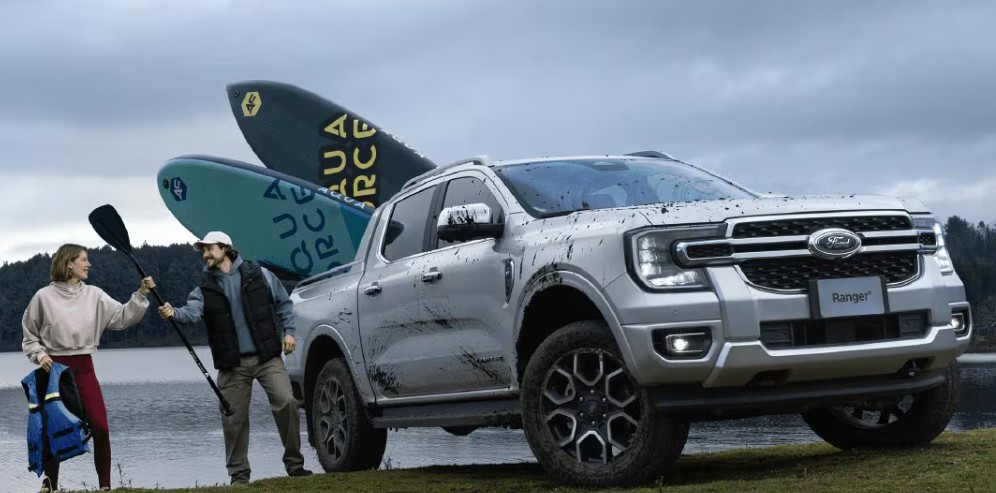
At first glance, the modern Ford Ranger and Volkswagen Amarok can look like two pickup trucks that simply happen to compete in the same market. Park them beside each other, however, and the family resemblance becomes difficult to ignore. Their overall proportions are similar, their engine specifications often overlap, and many of their controls seem strangely familiar.
So, are Ford Ranger and VW Amarok the same vehicle?
The straightforward answer is no—but the current-generation models are closely related beneath the surface.
The second-generation Volkswagen Amarok was developed through the commercial-vehicle partnership between Ford and Volkswagen. It uses the same fundamental platform as the current global Ford Ranger and shares several engines, transmissions, chassis components, electronics, and safety technologies.
Nevertheless, Volkswagen did not simply attach VW badges to a Ranger and send it to dealerships. The Amarok has distinctive exterior styling, a different cabin atmosphere, unique equipment combinations, brand-specific suspension tuning, separate trim levels, and its own pricing and ownership experience.
Think of the two trucks as siblings rather than identical twins. They share much of the same skeleton, but they dress differently, behave slightly differently, and appeal to different personalities.
Content in this publication
- Are Ford Ranger and VW Amarok Built on the Same Platform?
- Which Ford Ranger Generation Is Related to the Amarok?
- Where Are the Ford Ranger and VW Amarok Built?
- Do the Ford Ranger and VW Amarok Use the Same Engines?
- Do the Ranger and Amarok Use the Same Transmission?
- Is the Four-Wheel-Drive System the Same?
- Are the Ranger and Amarok the Same Size?
- Do the Ford Ranger and VW Amarok Have the Same Towing Capacity?
- Are Their Payload Ratings the Same?
- Do the Ranger and Amarok Have the Same Suspension?
- Are Their Interiors the Same?
- Do They Use the Same Infotainment System?
- Do the Ranger and Amarok Have the Same Safety Features?
- Do They Look the Same From the Outside?
- Are Ford Ranger and Amarok Parts Interchangeable?
- Can Ranger Accessories Fit the Amarok?
- Is the Amarok More Expensive Than the Ranger?
- Which One Has Better Resale Value?
- Which One Is Cheaper to Maintain?
- Is the Amarok More Reliable Than the Ranger?
- Does the Ranger Offer More Model Choices?
- Does Volkswagen Offer an Amarok Raptor?
- Does the Amarok Offer Anything the Ranger Does Not?
- Ford Ranger vs VW Amarok: Key Similarities
- Ford Ranger vs VW Amarok: Key Differences
- Which Should We Buy: Ford Ranger or VW Amarok?
- Are Ford Ranger and VW Amarok Basically the Same Underneath?
- Does It Matter That the Amarok Is Based on the Ranger?
- Common Misconceptions About the Ranger and Amarok
- What Should Used Buyers Check?
- Final Verdict: Are Ford Ranger and VW Amarok the Same?
- Frequently Asked Questions
Are Ford Ranger and VW Amarok Built on the Same Platform?
Yes. The latest global Ford Ranger and second-generation Volkswagen Amarok are built around the same basic ladder-frame architecture.
Their relationship grew from a strategic alliance between Ford and Volkswagen involving pickup trucks and commercial vehicles. Ford took the lead in developing the shared midsize pickup platform, while Volkswagen shaped the Amarok around its own design and market expectations.
This shared foundation includes many of the expensive components that buyers never see:
- Ladder-frame chassis architecture
- Suspension mounting points
- Core body structure
- Engine families
- Automatic transmissions
- Four-wheel-drive hardware
- Steering systems
- Electrical architecture
- Driver-assistance technology
- Infotainment foundations
- Numerous mechanical components
Sharing these systems helps both manufacturers reduce development costs. Creating a modern pickup truck from a blank sheet of paper requires enormous investment, especially once safety testing, emissions compliance, software development, towing validation, off-road durability, and global certification are considered.
Volkswagen therefore gained access to a thoroughly developed pickup platform, while Ford increased the production volume and commercial value of its Ranger engineering.
Does That Make the Amarok a Rebadged Ranger?
Calling the Amarok merely a rebadged Ranger is tempting, but it oversimplifies the relationship.
A traditional badge-engineered vehicle usually receives only minor changes. The manufacturer may replace the grille, steering-wheel emblem, wheel designs, and model badges while leaving nearly everything else untouched.
Volkswagen went considerably further with the Amarok.
The Amarok has its own:
- Front and rear exterior design
- Bonnet and body detailing
- Headlight signatures
- Grille architecture
- Wheel designs
- Interior trim combinations
- Steering-wheel styling
- Seats and upholstery choices
- Equipment packages
- Model names
- Suspension calibration
- Brand-specific software presentation
The doors, roofline, windscreen angle, cab proportions, and load-box structure reveal the shared origins more clearly. Yet the Amarok’s styling is convincing enough that most casual observers would not mistake it for a Ranger.
It is better described as a heavily differentiated platform-sharing model than a simple rebadge.
This question matters because not every Amarok is based on a Ranger.
The First-Generation Amarok Was a Volkswagen Design
The original Volkswagen Amarok, introduced in 2010, was independently developed by Volkswagen. It used Volkswagen engines, Volkswagen engineering, and its own platform.
That earlier truck had no direct mechanical relationship with the equivalent Ford Ranger. It became particularly well known for its Volkswagen-developed 3.0-litre V6 TDI engine in later versions.
Therefore, an older Amarok and an older Ranger are separate vehicles.
The relationship applies to the second-generation Amarok launched during the early 2020s. This model is based on the architecture underpinning the current global Ranger.
That distinction is important when researching parts, reliability, engines, accessories, or used vehicles. Information about the first-generation Amarok does not automatically apply to the newer Ranger-based model.
Where Are the Ford Ranger and VW Amarok Built?
Many global versions of the current Ranger and Amarok are produced at Ford’s manufacturing facilities in South Africa.
Sharing a production location improves efficiency because both trucks can use common assembly processes, suppliers, powertrains, and structural components. It also explains why panel gaps, underbody layouts, door openings, and some hidden construction details can appear remarkably similar.
However, production arrangements can vary by destination and model. Ranger manufacturing is spread across several regions, while the exact Amarok range depends heavily on the country in which it is sold.
We should therefore avoid assuming that every Ranger and Amarok worldwide comes from an identical factory configuration.
Do the Ford Ranger and VW Amarok Use the Same Engines?
In many markets, yes. The two pickups share several Ford-sourced engines, although engine availability varies by country, model year, emissions regulations, and trim.
Common powertrains may include:
- 2.0-litre single-turbo diesel
- 2.0-litre bi-turbo diesel
- 3.0-litre V6 turbo-diesel
- 2.3-litre turbocharged petrol engine in selected markets
For example, Australian versions of both vehicles have been offered with a 3.0-litre V6 turbo-diesel producing 184 kW and 600 Nm. Ford publishes the same 184 kW and 600 Nm outputs for V6 Ranger variants, while Volkswagen lists those figures for its V6 Amarok.
That is not a coincidence. These are closely related versions of the same engine and drivetrain package.
Is the New Amarok V6 a Volkswagen Engine?
No. The 3.0-litre V6 diesel used in the current Ranger-based Amarok is fundamentally a Ford engine.
This is one of the biggest differences between the two Amarok generations. The first-generation Amarok’s V6 TDI was associated with Volkswagen Group engineering, whereas the newer Amarok’s V6 comes from the shared Ford-led powertrain arrangement.
That does not automatically make the newer engine better or worse. It simply means shoppers should not assume that the latest Amarok continues using the same V6 as its predecessor.
Do the Engines Feel Exactly the Same?
They can feel extremely similar, particularly when comparing equivalent engine and transmission combinations. Power delivery, torque characteristics, gear ratios, and general refinement often overlap.
Nevertheless, subtle differences may arise from:
- Throttle calibration
- Transmission software
- Drive-mode programming
- Vehicle weight
- Wheel and tyre combinations
- Sound insulation
- Suspension tuning
- Final equipment specification
Two trucks with the same engine can feel slightly different when one rides on large road-focused wheels and the other uses smaller all-terrain tyres. It is like wearing the same hiking boots on pavement and mud—the equipment surrounding the core changes the experience.
Do the Ranger and Amarok Use the Same Transmission?
Many versions use closely related Ford-sourced transmissions.
Higher-output engines are commonly paired with a 10-speed automatic. Lower-output variants in certain markets may use different automatic or manual gearboxes.
The 10-speed transmission gives both trucks a broad spread of ratios. Lower gears help with acceleration, towing, and difficult terrain, while the upper ratios reduce engine speed during motorway driving.
Because the transmission hardware and engine are shared, performance can be nearly identical between comparable Ranger and Amarok models.
Still, software calibration matters. Manufacturers can adjust shift timing, throttle response, tow-mode behaviour, and drive-mode logic. As a result, the gearbox may not behave identically in every situation, even when the mechanical unit is essentially the same.
Is the Four-Wheel-Drive System the Same?
Closely related versions generally use the same underlying four-wheel-drive technology, although the branding differs.
Ford uses terminology such as 4WD, while Volkswagen markets its system as 4MOTION. Depending on the model, the hardware may include:
- Rear-wheel-drive operation
- Selectable four-wheel drive
- Low-range gearing
- Permanent or full-time four-wheel drive
- Electronic rear differential locking
- Terrain-specific driving modes
Volkswagen’s Australian Amarok range advertises up to six drive modes, low-range gearing, a rear differential lock, and permanent 4MOTION on suitable versions.
Equivalent Ranger models offer comparable technology, though the mode names and controls may differ.
Are 4MOTION and Ford 4WD Identical?
The names are not interchangeable across every version.
Some lower-specification trucks may use a traditional selectable system that should not remain in locked four-wheel drive on high-grip paved roads. More expensive variants may offer a full-time system that can automatically distribute torque between the axles.
Before buying, we need to compare the exact trim rather than relying solely on the words “4WD” or “4MOTION.”
Are the Ranger and Amarok the Same Size?
Their dimensions are extremely close because they share their basic architecture, wheelbase, cab structure, and load-box foundations.
Both have the broad, planted stance expected from a modern midsize pickup. Their wheelbases are substantially longer than those of their predecessors, helping improve cabin space, ride stability, and load-box packaging.
Small differences can appear in overall length, width, or height because of:
- Unique bumpers
- Different wheel-arch extensions
- Roof rails
- Sports bars
- Tyre sizes
- Suspension settings
- Trim-specific body accessories
Consequently, the Amarok and Ranger may not show identical numbers on every specification sheet, but they occupy almost exactly the same physical category.
Do They Have the Same Load Bed?
The core load-box structure is closely related.
Both are designed with enough width between the wheel arches to accommodate a standard Euro pallet crosswise. Volkswagen quotes an Amarok load length of roughly 1,624 mm in the UK, although exact figures and payload ratings vary by configuration.
The tailgate, bed lining, electrical outlets, tie-down points, sports bars, covers, and accessory packages may differ. Some Ford accessories may physically resemble Amarok components, but we should never assume perfect interchangeability without confirming dimensions and mounting points.
A small difference in trim, wiring, brackets, sensors, or software can turn a supposedly simple accessory swap into an expensive headache.
Do the Ford Ranger and VW Amarok Have the Same Towing Capacity?
In many markets, comparable automatic versions are rated to tow up to 3,500 kg with a braked trailer.
Ford lists a maximum braked towing capacity of 3,500 kg for suitable Ranger configurations. Volkswagen also advertises up to 3,500 kg for the Amarok.
That headline figure makes the two trucks appear identical, but towing capacity is only one part of the calculation.
We also need to examine:
You may be interested in reading Vauxhall Adam vs Fiat 500: Which Stylish City Car Is Better?
- Gross vehicle mass
- Gross combination mass
- Kerb weight
- Payload
- Tow-ball download
- Axle-load limits
- Number of passengers
- Accessories fitted
- Cargo carried in the tray
A truck may technically tow 3,500 kg yet be unable to carry its full payload at the same time. Add five adults, a canopy, a bull bar, tools, camping equipment, and heavy tow-ball weight, and the available payload can disappear like ice on a hot bonnet.
Which One Is Better for Towing?
When equivalent engines and drivetrains are compared, neither has an overwhelming mechanical advantage.
The better towing vehicle may be the one with:
- The most suitable payload rating
- Better trailer-camera integration
- An integrated brake controller
- More comfortable seats
- Smaller, stronger wheels
- Appropriate tyres
- Better dealer support
- A more favourable warranty
- The equipment needed for your trailer
The V6 versions are especially appealing for heavy towing because their 600 Nm torque output provides relaxed performance. Yet a well-equipped 2.0-litre model may still be sufficient for lighter caravans, boats, and work trailers.
Are Their Payload Ratings the Same?
Not necessarily.
Payload varies considerably by trim, drivetrain, body style, accessories, and market. A basic work-oriented Ranger can sometimes carry more than a luxurious Amarok because luxury equipment adds weight.
Volkswagen quotes up to approximately 1.1 tonnes of payload for certain Amarok configurations in the UK, while its Australian range publishes lower maximums for some models.
This demonstrates why broad comparisons can mislead us. A payload figure from one country or specification should not be applied to another.
Generally:
- Entry-level work trucks tend to maximise payload.
- V6 engines can add weight.
- Large wheels and luxury equipment reduce available payload.
- Canopies, bars, winches, drawers, and long-range tanks count against payload.
- The payload shown in advertising may apply only to a specific variant.
Anyone planning to tow or carry heavy equipment should check the compliance plate and official specification for the exact vehicle.
Do the Ranger and Amarok Have the Same Suspension?
They share the same general suspension design: independent front suspension and a leaf-sprung live rear axle on mainstream versions.
However, shared architecture does not guarantee identical tuning.
Ford and Volkswagen can specify different:
- Springs
- Dampers
- Bushings
- Anti-roll bars
- Steering calibration
- Wheel sizes
- Tyres
- Alignment settings
These changes influence ride comfort, cornering, steering weight, body control, and off-road behaviour.
The difference may not be dramatic, but it can be noticeable. The Ranger often aims for a broad balance of work capability, family comfort, and off-road usefulness. The Amarok is frequently positioned as the more premium, road-oriented alternative, although trims such as the PanAmericana place greater emphasis on rugged terrain.
Does the Amarok Ride Better Than the Ranger?
Not automatically.
Ride quality depends on which two versions we compare. An Amarok with 21-inch wheels may feel firmer and more vulnerable on rough roads than a Ranger riding on smaller wheels with taller tyre sidewalls.
Likewise, a Ranger Raptor is mechanically very different from an ordinary Amarok. It uses specialised suspension and performance hardware designed for high-speed off-road driving, so it should not be treated as a normal platform comparison.
A fair test would compare models with:
- Similar engines
- Similar wheel diameters
- Similar tyres
- Similar payloads
- Similar equipment levels
Only then can we judge whether one calibration suits our roads better.
Are Their Interiors the Same?
The underlying cabin architecture is closely related, but the visual treatment differs.
Shared elements can include:
- General dashboard shape
- Portrait-orientated centre display
- Digital instrument architecture
- Air-vent locations
- Climate-control layout
- Electronic parking brake
- Gear-selector design
- Door structures
- Some switchgear
- Driver-assistance controls
Volkswagen changes the steering wheel, materials, upholstery, dashboard detailing, graphics, branding, and equipment combinations. Higher Amarok trims may add features such as premium leather-appointed seating, Matrix LED lighting, a Harman Kardon sound system, and distinctive interior finishes.
The result feels familiar rather than identical.
The Amarok often makes the stronger first impression in its upper trim levels. Volkswagen uses the model as a premium lifestyle pickup, especially in Aventura and PanAmericana form.
The Ranger, however, offers a broader spectrum. An entry-level Ranger XL is intentionally practical, while a Wildtrak, Platinum, or Raptor can feel far more sophisticated.
Therefore, comparing an Amarok Aventura with a basic Ranger XL would be like comparing a tailored jacket with a work coat. They share a purpose, but their presentation and price are worlds apart.
A more sensible comparison would place:
- Amarok Life against Ranger XLT or Sport
- Amarok Style against an upper Ranger Sport or Wildtrak
- Amarok PanAmericana against an off-road-focused Ranger
- Amarok Aventura against Ranger Platinum or another luxury trim
Exact equivalents vary by country.
Do They Use the Same Infotainment System?
The systems share a substantial amount of underlying hardware and software architecture, even though Volkswagen applies its own logos, graphics, menu presentation, and feature packaging.
Screen sizes may also differ by trim. Many variants use large portrait-oriented displays, while higher specifications can include digital instrument panels, navigation, wireless smartphone integration, surround-view cameras, and premium audio.
The similar structure means owners may notice Ford-style menus or controls inside the Amarok. That is one of the clearest reminders of the shared engineering.
However, software versions and enabled functions may differ. A feature offered in a Ranger is not guaranteed to appear in the Amarok, even when the display hardware looks identical.
Do the Ranger and Amarok Have the Same Safety Features?
Many safety systems are shared or closely related, including:
- Autonomous emergency braking
- Adaptive cruise control
- Lane-keeping assistance
- Blind-spot monitoring
- Rear cross-traffic alert
- Parking sensors
- Reversing cameras
- Surround-view cameras on selected trims
- Traffic-sign recognition
- Multiple airbags
- Trailer-related assistance systems
The exact package depends on model, country, and production date.
Some features may be standard on one truck but optional or limited to higher trims on the other. We should compare the equipment line by line rather than assuming platform sharing creates identical safety specifications.
Do They Look the Same From the Outside?
No. Their exterior identities are deliberately different.
The Ranger uses bold Ford truck styling, often featuring a wide grille, C-clamp-inspired lighting, muscular wheel arches, and a squared-off appearance.
The Amarok takes a more sculpted approach. Its front end incorporates Volkswagen’s horizontal design language, distinctive headlights, model-specific grilles, and prominent X-shaped bumper themes on certain trims.
The rear styling also differs through the tailgate pressing, lights, badging, and bumper treatment.
From the side, their shared proportions are easier to spot. The cab, door apertures, mirrors, glasshouse, roofline, and bed relationship reveal the common platform. From the front or rear, however, they carry genuinely distinct personalities.
The Ranger looks like it is ready to arrive at a muddy worksite before sunrise. The Amarok looks as though it might tackle the same worksite and then pull up outside an expensive restaurant without changing clothes.
Are Ford Ranger and Amarok Parts Interchangeable?
Some mechanical components may be identical or closely related, but we should not assume unrestricted interchangeability.
Potentially shared areas include:
- Engine components
- Transmission parts
- Filters
- Suspension components
- Brake hardware
- Sensors
- Electrical modules
- Driveline parts
- Service items
However, part numbers, software coding, brackets, wiring, warranties, and supplier specifications may differ.
Body parts are much less likely to interchange because the trucks have different exterior panels, headlights, grilles, bumpers, tailgates, and trim.
Even apparently identical components may require brand-specific programming. Modern vehicles are rolling computer networks, and replacing a module is no longer as simple as tightening a few bolts.
The safest approach is to search by the vehicle identification number and use the part number approved for the exact model.
Can Ranger Accessories Fit the Amarok?
Some accessories may fit because the trucks share important dimensions, but compatibility is not universal.
Items that might be similar include:
- Floor mats
- Bed liners
- Canopies
- Tonneau covers
- Roof platforms
- Tow bars
- Underbody protection
- Suspension upgrades
- Wheels
- Recovery points
Yet styling differences, sensor positions, sports bars, electrical connectors, mounting holes, and load ratings can cause problems.
An accessory designed around a Ranger bumper may interfere with an Amarok’s front sensors. A canopy may physically fit the bed but fail to integrate with central locking. Wheels may share the necessary dimensions but have the wrong offset or load rating.
Never purchase solely because an online listing says “Ranger/Amarok.” Confirm the model year, body configuration, trim, engine, and fitment certification.
Is the Amarok More Expensive Than the Ranger?
The Amarok is generally positioned toward the lifestyle and premium end of the pickup market. Its range may start above basic Ranger work-truck models because Volkswagen does not always offer an equivalent to Ford’s least expensive cab-chassis configurations.
The Ranger usually provides greater variety, with work-focused, family, luxury, high-performance, hybrid, and heavy-duty versions available in certain markets. Ford’s current Australian range, for example, includes multiple body styles and engines, while newer additions extend into plug-in hybrid and Super Duty territory.
Price differences must be judged against standard equipment. A more expensive Amarok may include features that cost extra on the Ranger.
We should compare the drive-away price after adding:
- Tow package
- Brake controller
- Bed protection
- Navigation
- Driver-assistance features
- Leather seating
- Larger display
- Premium audio
- Canopy or tonneau cover
- Service plan
The cheapest sticker price does not always produce the cheapest equivalent vehicle.
Which One Has Better Resale Value?
Resale value depends on location, trim, engine, supply, reputation, and buyer demand.
The Ranger often benefits from:
- Strong market recognition
- A broad dealer network
- Extensive accessory support
- High fleet and private demand
- A long-established pickup reputation
The Amarok may appeal to buyers seeking:
You may be interested in readingVauxhall Adam vs Fiat 500: Which Stylish City Car Is Better?You may be interested in reading
Vauxhall Adam vs Corsa: Which Small Car Is Better?- A less common vehicle
- Premium styling
- Volkswagen branding
- High-specification equipment
- A more exclusive road presence
Ranger models may be easier to sell in markets where Ford dominates the pickup sector. Conversely, desirable V6 Amarok trims can maintain strong demand among enthusiasts.
Future resale cannot be guaranteed, so the better strategy is to buy the truck that fits our needs without paying heavily for equipment we will never use.
Which One Is Cheaper to Maintain?
Because the current trucks share many major components, routine mechanical costs may be broadly similar. Nevertheless, actual ownership expenses can differ through:
- Dealer labour rates
- Service intervals
- Parts pricing
- Warranty coverage
- Prepaid service plans
- Insurance premiums
- Tyre sizes
- Local parts availability
- Diagnostic procedures
A Ranger may be easier to service in remote regions because Ford’s pickup network and aftermarket ecosystem are extensive in many countries.
The Amarok may offer competitive servicing packages, but Volkswagen-specific body parts and trim can cost differently from Ford equivalents.
Large wheels deserve special attention. Replacing premium 20- or 21-inch tyres can be considerably more expensive than fitting common 17- or 18-inch truck tyres. The largest wheel may look spectacular in a showroom, but it can bite the wallet like a crocodile when replacement day arrives.
Is the Amarok More Reliable Than the Ranger?
It is too simplistic to declare one inherently more reliable because their main mechanical systems are so closely connected.
Equivalent versions share many potential strengths and weaknesses. Reliability is more likely to depend on:
- Engine choice
- Production year
- Software updates
- Maintenance history
- Driving conditions
- Towing frequency
- Off-road use
- Modifications
- Dealer support
- Owner care
A carefully maintained Ranger and Amarok with the same V6 drivetrain should have more in common mechanically than their badges suggest.
Still, brand-specific components can create different issues. Infotainment programming, sensors, interior electronics, trim, and accessories may not fail in precisely the same way.
Buyers should investigate recalls, technical service campaigns, and software updates using the exact vehicle identification number.
Does the Ranger Offer More Model Choices?
Usually, yes.
Ford developed the platform primarily around its own Ranger programme and offers a wider variety of configurations in many markets. Depending on location, the Ranger family may include:
- Single Cab
- Super Cab
- Double Cab
- Cab-chassis versions
- Rear-wheel-drive models
- Four-wheel-drive models
- Work-focused trims
- Luxury trims
- Ranger Raptor
- Plug-in hybrid versions
- Ranger Super Duty
Volkswagen generally keeps the Amarok range more focused on double-cab lifestyle and premium buyers.
This difference can make the Ranger the more practical option for fleets, tradespeople, farmers, and buyers requiring a specialised body configuration.
Does Volkswagen Offer an Amarok Raptor?
No direct Amarok equivalent matches the Ranger Raptor.
The Ranger Raptor is far more than a styling package. It uses specialised FOX suspension, a wider track, performance-oriented chassis hardware, and—in markets such as Australia—a 3.0-litre twin-turbo petrol V6 producing up to 292 kW and 583 Nm.
The Amarok PanAmericana provides all-terrain tyres, rugged styling, off-road equipment, and V6 diesel power, but it is not engineered for the same high-speed off-road mission.
Anyone wanting a comfortable, capable, premium off-road pickup may enjoy the PanAmericana. Anyone specifically wanting Raptor-level suspension performance must choose the Ford.
Does the Amarok Offer Anything the Ranger Does Not?
Yes, depending on the market and trim.
The Amarok’s main advantage is not an exclusive chassis or engine. It is the way Volkswagen packages and presents the shared engineering.
Potential Amarok attractions include:
- Distinctive European-inspired styling
- A less common badge
- Premium upholstery combinations
- High-end audio options
- Amarok-specific trim designs
- Aventura luxury positioning
- PanAmericana off-road styling
- A different dealer and ownership experience
Some buyers simply prefer the Volkswagen’s appearance. That preference is entirely valid. We interact with the cabin, steering wheel, seats, controls, and exterior design every day. A vehicle is not merely a spreadsheet of shared components.
Ford Ranger vs VW Amarok: Key Similarities
The current models share more than ordinary competitors.
Their Main Similarities Include
- A common ladder-frame platform
- Closely related cab and load-box structures
- Shared Ford-sourced diesel and petrol engines
- Similar automatic transmissions
- Related four-wheel-drive systems
- Comparable towing capacity
- Similar infotainment architecture
- Shared electrical and safety foundations
- Closely related suspension design
- Similar overall dimensions
Those similarities explain why they often perform almost identically when fitted with comparable engines, wheels, and tyres.
Ford Ranger vs VW Amarok: Key Differences
Despite their shared foundations, the two trucks are not interchangeable products.
Their Main Differences Include
- Exterior styling
- Interior materials and presentation
- Trim structure
- Equipment packaging
- Suspension and steering calibration
- Brand-specific software
- Dealer networks
- Warranty and servicing packages
- Body-style availability
- High-performance model choices
- Accessory ecosystems
- Pricing and resale patterns
The Ranger is usually the broader, more versatile family. The Amarok is generally the more narrowly focused premium interpretation.
Which Should We Buy: Ford Ranger or VW Amarok?
The answer depends less on their shared engineering and more on how we intend to use the truck.
Choose the Ford Ranger When:
- We need a work-focused configuration.
- We want the widest choice of trims and body styles.
- We live far from major cities and value dealer coverage.
- We plan extensive modifications.
- We want strong aftermarket accessory support.
- We need a Raptor, hybrid, cab-chassis, or heavy-duty version.
- We prefer Ford’s styling and interface.
- We find a better price on an equivalent specification.
Choose the Volkswagen Amarok When:
- We prefer its exterior design.
- We want a premium double-cab pickup.
- We like Volkswagen’s cabin treatment.
- We want something less common than a Ranger.
- We prefer the Aventura or PanAmericana equipment packages.
- A local Volkswagen dealer offers better service support.
- The Amarok includes more standard equipment for the price.
- We want Ranger capability with a different personality.
Compare Equivalent Trims Before Deciding
A meaningful test drive should compare equivalent versions.
Do not compare a four-cylinder base Ranger with a V6 Amarok Aventura and conclude that the Volkswagen is smoother, faster, and more luxurious. Naturally it will be.
Likewise, do not compare an Amarok Life with a Ranger Raptor and decide that the Volkswagen lacks off-road sophistication.
Match the vehicles by:
- Engine
- Drivetrain
- Wheel size
- Cab type
- Towing equipment
- Safety features
- Interior specification
- Final on-road price
Then drive both on the same day over the same roads. The specification sheet tells us what they share; the test drive tells us which one we actually want to live with.
Are Ford Ranger and VW Amarok Basically the Same Underneath?
Yes, in broad mechanical terms.
The latest Amarok uses the Ranger’s core platform, major powertrains, transmission technology, four-wheel-drive hardware, electrical systems, and structural engineering.
However, “same underneath” does not mean “same vehicle.”
Manufacturers can create noticeably different experiences using body design, seats, tyres, suspension calibration, steering software, sound insulation, interface graphics, and equipment.
Imagine two houses built on the same foundation. One is finished as a practical workshop; the other becomes an upmarket lodge. The concrete beneath them may match, but the experience of living inside does not.
Does It Matter That the Amarok Is Based on the Ranger?
For most buyers, it should not be a disadvantage.
Platform sharing is normal throughout the automotive industry. It can improve engineering efficiency, expand parts availability, and allow manufacturers to invest more in safety, technology, and refinement.
The Ranger platform is highly capable. It supports work vehicles, luxury pickups, off-road performance models, hybrids, and heavy-duty variants. Volkswagen’s decision to use that architecture gave the Amarok a strong foundation without forcing VW to absorb the full cost of developing a new pickup alone.
The shared origin becomes relevant when:
- Researching engine problems
- Buying service parts
- Comparing reliability
- Selecting accessories
- Planning suspension upgrades
- Diagnosing electronic systems
- Evaluating resale value
- Understanding why controls look familiar
It should inform our buying decision, but it should not make the decision for us.
Common Misconceptions About the Ranger and Amarok
“The Amarok Is Just a Ranger With VW Badges”
Not quite. It shares major engineering but receives substantial design, trim, tuning, and equipment changes.
“Every Amarok Is Based on the Ranger”
Incorrect. Only the second-generation Amarok has the current Ranger relationship. The first-generation Amarok was independently developed by Volkswagen.
“The New Amarok Uses the Old VW V6”
Incorrect. The current model’s 3.0-litre V6 diesel is part of the Ford-sourced shared powertrain family.
“Every Ranger Part Fits the Amarok”
Incorrect. Some mechanical parts may be shared, but bodywork, software, wiring, accessories, and model-specific components can differ.
“The Amarok and Ranger Drive Exactly the Same”
Not necessarily. Equivalent versions feel similar, but tyres, wheels, suspension calibration, steering software, equipment, and weight can influence the driving experience.
What Should Used Buyers Check?
When buying either truck second-hand, the badge matters less than its history.
Check:
- Complete service records
- Correct oil and fluid use
- Evidence of heavy towing
- Underbody damage
- Off-road abuse
- Tyre wear patterns
- Suspension modifications
- Diagnostic fault codes
- Infotainment operation
- Driver-assistance warnings
- Four-wheel-drive engagement
- Differential-lock operation
- Trailer wiring
- Signs of water entry
- Outstanding recalls or campaigns
A cheaper truck with poor maintenance can become more expensive than a carefully maintained premium version.
We should also inspect aftermarket modifications closely. Oversized tyres, aggressive suspension lifts, engine tuning, overloaded canopies, and poorly installed electrical accessories can place extra stress on shared mechanical systems.
Final Verdict: Are Ford Ranger and VW Amarok the Same?
The Ford Ranger and Volkswagen Amarok are not the same vehicle, but the current versions are close mechanical relatives.
The second-generation Amarok is based on the Ranger platform and shares many of its engines, transmissions, drivetrain systems, structural components, safety technologies, and electronic foundations.
Yet Volkswagen gives the Amarok distinct styling, interior materials, trim levels, equipment packages, calibration, branding, and market positioning. The result is not a completely independent pickup, but neither is it merely a Ranger wearing a different emblem.
For practical buyers, the Ranger usually offers greater choice, stronger aftermarket support, and more specialised variants. For buyers who value exclusivity, premium presentation, and Volkswagen design, the Amarok can provide the same capable foundation in a more distinctive suit.
Ultimately, we should forget the badge battle for a moment and compare the exact models. When engines and equipment are matched, the decision often comes down to price, styling, comfort, dealer support, and the way each truck feels from the driver’s seat.
They may share the same bones, but they do not have the same character.
Frequently Asked Questions
1. Is the VW Amarok built by Ford?
The current second-generation Amarok was developed through the Ford–Volkswagen commercial-vehicle partnership and uses the Ford Ranger platform. Many versions are also assembled alongside Ranger models at a Ford facility in South Africa. Volkswagen remains responsible for the Amarok’s branding, design treatment, model range, and customer experience.
2. Does the VW Amarok have a Ford engine?
Yes. Current Amarok models use Ford-sourced engine families, including the 2.0-litre diesel, 3.0-litre V6 turbo-diesel, and, in selected markets, a 2.3-litre turbocharged petrol engine. The newer V6 should not be confused with the Volkswagen Group V6 used in the first-generation Amarok.
3. Is the Amarok more luxurious than the Ford Ranger?
Some Amarok trims are positioned as premium models and may offer distinctive leather upholstery, large wheels, premium audio, Matrix LED headlights, and luxury-focused styling. However, upper Ranger trims can be similarly well equipped. The outcome depends on which two variants we compare.
You may be interested in readingVauxhall Adam vs Fiat 500: Which Stylish City Car Is Better?You may be interested in reading
Vauxhall Adam vs Corsa: Which Small Car Is Better?You may be interested in reading
 Is GMC Sierra Better Than Silverado? Full Comparison
4. Can Ford Ranger parts fit a Volkswagen Amarok?
Certain mechanical and service parts may be shared, but compatibility should never be assumed. Part numbers, software, wiring, mounts, body panels, and accessories can differ. Always verify fitment using the exact model, production date, trim, and vehicle identification number.
5. Which is better, the Ford Ranger or VW Amarok?
The Ranger is generally better for buyers wanting broad model choice, work configurations, aftermarket support, or specialised versions such as the Raptor. The Amarok suits buyers who prefer Volkswagen styling, premium equipment, and a less common pickup. Mechanically, equivalent versions can be extremely close.
If you want to know other articles similar to Are Ford Ranger and VW Amarok the Same? A Complete Comparison you can visit the category Models.
Nissan Rogue Dark Armor vs Platinum: Which Trim Is Better?

Kia Sorento Models: Complete Guide to Trims, Engines and Versions
BYD Shark 6 vs Ranger vs HiLux: Which Ute Makes the Most Sense in 2026?
BYD Shark 6 vs MG U9: Which Ute Makes More Sense in 2026?
BYD Shark 6 vs Ford Ranger Raptor: Which Performance Ute Is Better in 2026?
BYD Shark 6 vs Kia Tasman: Which Ute Is Better?
Leave a Reply
More content of your interest