
Is GMC Sierra a Full-Size Truck? A Complete Guide

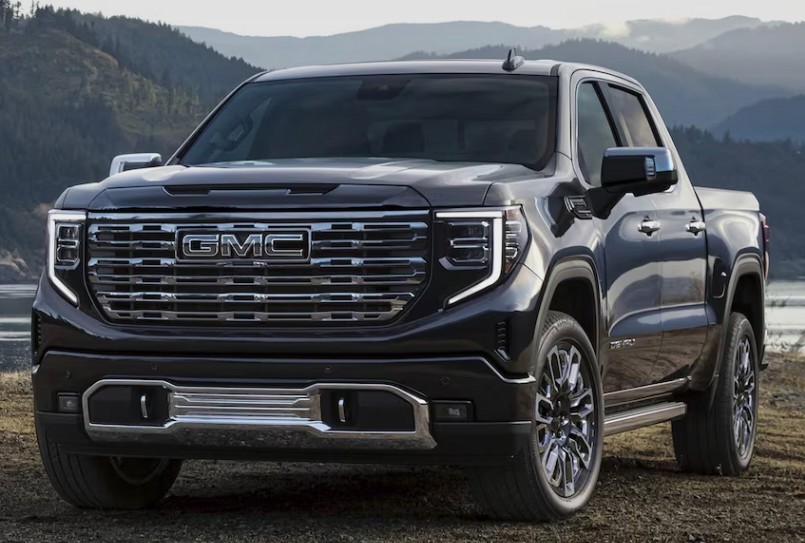
Yes, the GMC Sierra is a full-size truck. In fact, it is one of the best-known full-size pickup families in North America, competing directly with trucks such as the Chevrolet Silverado, Ford F-150, Ram 1500, Nissan Titan, and Toyota Tundra.
That simple answer, however, only opens the door.
The Sierra name covers several versions, body styles, engines, cab layouts, bed lengths, and capability levels. Some models serve as comfortable daily drivers. Others are built to haul heavy equipment, tow large trailers, or tackle rough terrain. At the top end, premium Sierra trims can feel more like luxury SUVs with cargo beds attached.
So, what truly makes the GMC Sierra a full-size pickup? How is it different from a midsize truck? And which Sierra model makes the most sense for everyday driving, work, towing, or family use?
Let’s break it all down without turning this into a dry engineering manual.
Content in this publication
- What Type of Truck Is the GMC Sierra?
- What Makes a Truck Full-Size?
- How Big Is a GMC Sierra?
- Is the GMC Sierra Bigger Than a Midsize Truck?
- Is the GMC Sierra Considered a Half-Ton Truck?
- Is the GMC Sierra a Heavy-Duty Truck?
- What Is the Difference Between the GMC Sierra and Chevrolet Silverado?
- What Engines Are Available in the GMC Sierra?
- How Much Can a GMC Sierra Tow?
- Is the GMC Sierra Good for Daily Driving?
- Is the GMC Sierra a Good Family Truck?
- Which GMC Sierra Trim Levels Are Available?
- Is the GMC Sierra a Luxury Truck?
- Is the GMC Sierra Good Off-Road?
- How Does the GMC Sierra Compare With Other Full-Size Trucks?
- Who Should Buy a GMC Sierra?
- Who Might Prefer a Smaller Truck?
- Is a GMC Sierra Worth Buying?
- Final Verdict: Is GMC Sierra a Full-Size Truck?
- Frequently Asked Questions
What Type of Truck Is the GMC Sierra?
The GMC Sierra belongs to the full-size pickup truck category. It is larger, wider, more powerful, and generally more capable than a midsize pickup.
The standard light-duty version is called the GMC Sierra 1500. This is the model most people mean when they simply say “GMC Sierra.” It is designed for buyers who want a blend of passenger comfort, towing ability, cargo capacity, and everyday usability.
GMC also produces heavier-duty versions, including:
- GMC Sierra 2500 HD
- GMC Sierra 3500 HD
- Sierra 3500 HD dual-rear-wheel models
These heavy-duty trucks sit above the Sierra 1500 in terms of strength and commercial capability. They are still full-size pickups, but they belong to a more demanding class designed for serious hauling and towing.
Is the GMC Sierra 1500 Full-Size?
Yes. The GMC Sierra 1500 is a full-size light-duty pickup truck.
The “1500” designation refers to its general duty classification rather than its exact payload capacity. Years ago, half-ton truck labels more closely reflected how much weight a vehicle could carry. Modern trucks often carry far more than their historical half-ton names suggest.
Today, “1500” mainly places the Sierra in the same broad category as:
- Chevrolet Silverado 1500
- Ford F-150
- Ram 1500
- Toyota Tundra
These are the mainstream full-size trucks most commonly used for commuting, recreational towing, home improvement, farming, construction, and family transportation.
Are the Sierra 2500 HD and 3500 HD Full-Size Trucks?
Yes, but they are heavy-duty full-size trucks.
The Sierra 2500 HD and 3500 HD are not simply larger-looking Sierra 1500 models. They use stronger frames, heavier suspension components, more robust powertrains, and upgraded towing hardware.
Think of the Sierra 1500 as a strong all-round athlete. The 2500 HD and 3500 HD are more like heavyweight competitors wearing work boots. They may share a family resemblance, but they are built for different levels of punishment.
What Makes a Truck Full-Size?
There is no single measurement that magically turns a pickup into a full-size truck. Classification depends on a combination of dimensions, construction, capability, and market position.
A full-size pickup usually offers:
- A wide body and substantial road presence
- Multiple cab and bed configurations
- Higher towing capacity than most midsize trucks
- Greater payload potential
- Larger-displacement or higher-output engine options
- A roomy rear seat in crew-cab versions
- A broader selection of luxury, work, and off-road trims
- A body-on-frame platform designed for heavy use
The GMC Sierra checks all these boxes.
Body Dimensions Matter
A full-size truck is physically substantial. The Sierra is noticeably wider and longer than compact and midsize pickups.
That extra size creates several advantages. Drivers gain a larger cabin, a wider cargo bed, more shoulder room, stronger towing stability, and the ability to carry bulky materials.
The trade-off is obvious: parking garages, narrow streets, and tight urban spaces can feel less forgiving. A full-size truck can sometimes feel like a sofa trying to squeeze through a hallway.
Capability Separates Full-Size Trucks From Smaller Pickups
Dimensions tell only part of the story. Capability matters just as much.
Full-size trucks are designed to handle heavier trailers, larger payloads, and more demanding work than most midsize models. Depending on its configuration, the Sierra can be equipped for towing boats, campers, equipment trailers, utility trailers, and other substantial loads.
A midsize pickup may be perfectly adequate for light towing or weekend projects. A full-size truck provides a broader safety and capability margin when the job becomes heavier.
Cab and Bed Variety Is Another Clue
Full-size pickups typically offer several cab and bed combinations. The Sierra follows that pattern.
Depending on model and configuration, buyers may find:
- Regular Cab
- Double Cab
- Crew Cab
- Short bed
- Standard bed
- Long bed
This variety allows the Sierra to act as a basic work truck, a family vehicle, a luxury cruiser, or a serious towing machine.
How Big Is a GMC Sierra?
The exact size depends on the cab, bed, trim, drivetrain, and model year. Still, every Sierra 1500 has the proportions expected from a full-size pickup.
It is not a small truck pretending to be muscular. It occupies real space.
A regular-cab work version may prioritize bed length and simplicity. A crew-cab short-bed model focuses more on passenger space and daily comfort. Heavy-duty versions are larger and taller still, particularly when equipped with four-wheel drive or dual rear wheels.
GMC Sierra Crew Cab Size
The Crew Cab is one of the most popular Sierra configurations because it offers four full-size doors and a spacious rear seating area.
For families, this layout makes the most sense. Adults can sit in the second row without folding themselves like camping chairs. Child seats are also easier to install than in smaller extended-cab designs.
The Crew Cab gives the Sierra an SUV-like passenger experience while preserving the usefulness of an open cargo bed.
GMC Sierra Double Cab Size
The Double Cab also provides four doors, but its rear seating area is generally smaller than the Crew Cab’s.
It can work well for occasional passengers, work crews, or buyers who want a balance between cabin length and bed space. However, adults who regularly ride in the back will usually appreciate the Crew Cab’s extra room.
GMC Sierra Regular Cab Size
The Regular Cab places the focus on utility.
It typically has one row of seating and can be paired with a longer cargo bed. Contractors, fleet operators, tradespeople, and buyers who rarely carry rear passengers may prefer this traditional setup.
It is the simplest expression of a pickup: engine in front, people in the middle, work in the back.
Is the GMC Sierra Bigger Than a Midsize Truck?
Yes. The Sierra is larger than midsize pickups such as the GMC Canyon, Chevrolet Colorado, Ford Ranger, Toyota Tacoma, Nissan Frontier, and Honda Ridgeline.
The difference is visible in several areas:
| Feature | GMC Sierra | Typical Midsize Truck |
|---|---|---|
| Overall width | Wider | Narrower |
| Cabin space | More generous | More compact |
| Rear-seat room | Usually greater | Often tighter |
| Bed width | Broader | Narrower |
| Towing potential | Generally higher | Generally lower |
| Maneuverability | Less agile | Easier in tight spaces |
| Fuel use | Often higher | Often lower |
| Parking ease | More challenging | More convenient |
A midsize truck is like a multitool: compact, useful, and easy to carry. A full-size Sierra is more like a rolling workshop. It takes up more room, but it can accomplish more demanding tasks.
GMC Sierra vs GMC Canyon
The easiest way to understand the Sierra’s classification is to compare it with the GMC Canyon.
The Canyon is GMC’s midsize pickup. The Sierra is GMC’s full-size pickup.
The Canyon is better suited to drivers who prioritize:
- Easier city driving
- Smaller exterior dimensions
- Better maneuverability
- Lighter recreational use
- Lower purchase and running costs
The Sierra is usually better for drivers who need:
- More passenger room
- Greater towing capability
- A wider cargo bed
- More engine choices
- Higher payload potential
- A stronger full-size platform
Neither truck is automatically better. They simply serve different appetites.
Is the GMC Sierra Considered a Half-Ton Truck?
The Sierra 1500 is commonly described as a half-ton pickup, although that term is now more traditional than literal.
Modern half-ton trucks can often carry payloads exceeding 1,000 pounds, and some configurations may handle significantly more. Actual capacity depends on equipment, cab style, bed length, drivetrain, engine, and installed options.
The important point is that “half-ton” identifies the Sierra 1500’s market category. It does not mean owners should assume the truck can carry only 1,000 pounds.
Always Check the Payload Label
The safest source for a specific truck’s payload capacity is the certification label inside the driver’s door area.
This label reflects the vehicle’s actual factory configuration. Two Sierra trucks that look nearly identical may have different payload limits because of variations in trim, wheels, drivetrain, options, and equipment.
You may be interested in reading Peugeot 206 Insurance Group: Costs, Ratings and Ways to Save
Brochure maximums are useful for comparison. The label on the truck is what matters in real life.
Is the GMC Sierra a Heavy-Duty Truck?
The answer depends on the model.
The Sierra 1500 is a light-duty full-size truck. The Sierra 2500 HD and 3500 HD are heavy-duty full-size trucks.
This distinction matters because heavy-duty models are built for higher workloads. They commonly feature:
- Stronger frames
- More robust axles
- Heavier suspension systems
- Larger brakes
- Higher gross vehicle weight ratings
- Greater towing potential
- Diesel engine availability
- Specialized trailering equipment
A Sierra 1500 can handle substantial recreational and professional tasks. A Sierra HD is better suited to repeated heavy towing, large fifth-wheel trailers, equipment hauling, and demanding commercial work.
What Is the Difference Between the GMC Sierra and Chevrolet Silverado?
The Sierra and Chevrolet Silverado are closely related full-size trucks. They share many structural components, engine choices, transmissions, and engineering foundations.
However, they are not identical twins wearing different badges.
GMC generally positions the Sierra as the more premium choice. Its styling, interior presentation, trim structure, and available features often aim at buyers who want capability with a more upscale atmosphere.
The two trucks may share:
- Platforms
- Powertrains
- Major chassis components
- Towing technologies
- Safety systems
- Cab and bed architecture
That shared engineering can make their basic driving characteristics and capability figures quite similar when comparing equivalent configurations.
Different Personalities
The Silverado often emphasizes broad value, work readiness, and a large range of configurations.
The Sierra usually leans further into design, refinement, and premium trims. Models such as the Denali and Denali Ultimate reinforce that identity.
Put simply, the Silverado may walk into the room in a durable work jacket. The Sierra may enter wearing polished boots and a tailored coat. Underneath, both are prepared to work.
What Engines Are Available in the GMC Sierra?
Engine availability varies by model year, trim, and market. Across the Sierra family, buyers may encounter turbocharged gasoline engines, naturally aspirated V8 engines, and diesel options.
Each type serves a different purpose.
Turbocharged Gasoline Engines
A turbocharged gasoline engine can provide strong low-end torque while balancing performance and efficiency.
It may appeal to buyers who want practical everyday power without stepping up to a larger V8. For commuting, light hauling, and moderate towing, this type of engine can be a sensible fit.
V8 Gasoline Engines
V8 engines remain closely associated with full-size American pickups.
They typically offer smooth power delivery, a familiar exhaust note, and strong towing performance. Drivers who frequently haul, tow, or simply enjoy effortless acceleration may prefer a V8-equipped Sierra.
There is also an emotional element. A V8 full-size truck can feel like a deep drumbeat on wheels.
Diesel Power
Diesel engines are often valued for strong torque, relaxed highway towing, and potential fuel-efficiency advantages under certain driving conditions.
A diesel Sierra may suit drivers who cover long distances, tow regularly, or prefer low-rpm pulling power. However, purchase price, maintenance needs, fuel availability, and emissions-system complexity should all be considered.
How Much Can a GMC Sierra Tow?
Towing capacity varies considerably across the Sierra range.
A truck’s maximum rating depends on factors such as:
- Engine
- Transmission
- Axle ratio
- Two-wheel drive or four-wheel drive
- Cab style
- Bed length
- Towing package
- Gross combined weight rating
- Trailer type
- Payload carried in the truck
This is why asking “How much can a Sierra tow?” is a little like asking how fast a boat can go. We need to know which boat, which engine, and how much weight is aboard.
Sierra 1500 Towing
Properly configured Sierra 1500 models can tow substantial recreational trailers. They are commonly used for boats, travel trailers, utility trailers, and car haulers.
However, the highest advertised towing figure usually applies to a specific configuration. A luxury crew-cab model loaded with options may not match the maximum rating of a lighter, towing-focused setup.
Sierra HD Towing
The 2500 HD and 3500 HD are designed for much larger loads.
These models may be equipped for conventional, gooseneck, or fifth-wheel towing. They are often chosen for large campers, horse trailers, commercial equipment, and heavy machinery.
Payload Can Limit Towing Before Trailer Weight Does
Many buyers focus only on trailer weight. That is a mistake.
The trailer’s tongue weight or pin weight presses down on the truck and counts against available payload. Passengers, tools, accessories, cargo, and aftermarket equipment also reduce the remaining capacity.
A trailer may fall within the stated towing limit while still causing the truck to exceed its payload or axle rating. Safe towing requires checking the entire weight picture.
Is the GMC Sierra Good for Daily Driving?
Yes, especially in Crew Cab form, but daily suitability depends on where and how we drive.
Modern Sierra models can offer a comfortable ride, quiet cabin, advanced infotainment, driver-assistance technology, heated and ventilated seats, premium audio, and high-quality interior materials.
In many ways, a well-equipped Sierra behaves like a luxury vehicle that happens to carry lumber.
Still, its size creates practical compromises.
Advantages for Everyday Use
The Sierra offers:
- A commanding driving position
- Spacious front seating
- Generous rear room in Crew Cab models
- Useful storage compartments
- Strong highway stability
- Excellent cargo flexibility
- Confidence in poor weather when properly equipped
Disadvantages for Everyday Use
Potential drawbacks include:
- Difficult parking in crowded areas
- Wide turning requirements
- Higher fuel consumption than smaller vehicles
- More expensive tires
- Increased purchase cost
- Greater difficulty in narrow garages
- A firm ride in some work-oriented configurations
For suburban roads, highways, rural areas, and open parking lots, the Sierra can be an easy companion. In a dense city center, it may feel like bringing a grand piano into a coffee shop.
Is the GMC Sierra a Good Family Truck?
The Crew Cab Sierra can be an excellent family vehicle.
Its rear seat is spacious, its doors open wide, and its cabin may include numerous convenience and safety features. Families who tow campers, carry bicycles, visit rural properties, or take long road trips may find the Sierra especially practical.
The cargo bed keeps muddy, wet, or bulky equipment outside the passenger compartment. Strollers, sports gear, home-improvement supplies, and camping equipment can all travel without swallowing the cabin.
Family-Friendly Strengths
A family-oriented Sierra may provide:
- Four full-size doors
- Adult-friendly rear seating
- Child-seat anchors
- Large center-console storage
- Multiple charging ports
- Rear air vents
- Advanced camera systems
- Driver-assistance features
- Comfortable highway manners
Family-Friendly Weaknesses
Families should also consider:
- Bed cargo is exposed unless covered
- Small children may need help climbing in
- Parking can be difficult near schools or shopping centers
- Running costs may exceed those of an SUV
- An uncovered bed is less secure than an enclosed cargo area
A tonneau cover, bed cap, running boards, or side steps can make a family Sierra more practical.
Which GMC Sierra Trim Levels Are Available?
Trim availability changes over time, but the Sierra lineup commonly stretches from work-focused models to high-end luxury versions.
Buyers may encounter trims such as:
- Pro
- SLE
- Elevation
- SLT
- AT4
- AT4X
- Denali
- Denali Ultimate
Each trim gives the truck a different personality.
Work-Focused Trims
Entry-level Sierra models prioritize utility, durability, and cost control.
They may be ideal for fleets, job sites, farms, or owners who care more about washable surfaces and practical equipment than decorative stitching.
Midrange Trims
Midrange versions blend comfort and value. They often include upgraded infotainment, improved seating materials, additional convenience features, and more visual polish.
For many buyers, this is the sweet spot. We get the full-size experience without paying for every available luxury.
You may be interested in readingPeugeot 206 Insurance Group: Costs, Ratings and Ways to SaveYou may be interested in reading
 GMC Sierra Smells Like Gas: Causes, Risks, and Fixes
Off-Road Trims
AT4 and AT4X models cater to drivers who want stronger off-road character.
Depending on configuration, they may include upgraded suspension components, all-terrain tires, protective hardware, locking differentials, off-road drive modes, and increased ground clearance.
These models look ready to wrestle a mountain, although tire choice and suspension tuning can affect road comfort, noise, and fuel use.
Luxury Trims
Denali models place greater emphasis on premium materials, distinctive styling, advanced technology, and comfort.
A Denali-equipped Sierra can feel far removed from the bare-bones work pickups of the past. It still has a bed and a rugged frame, but the interior may resemble a high-end lounge.
Is the GMC Sierra a Luxury Truck?
Some versions are.
The Sierra range begins with practical work trucks and rises into genuine luxury territory. Denali and Denali Ultimate models are designed for buyers who want full-size pickup capability without sacrificing premium appointments.
Luxury features may include:
- High-grade leather upholstery
- Large digital displays
- Advanced camera views
- Premium sound systems
- Heated and ventilated seats
- Open-pore wood or metallic trim
- Power-adjustable seating
- Advanced trailering technology
- Hands-free driving assistance on compatible roads
This broad range is part of the Sierra’s appeal. It can arrive at a construction site before lunch and park outside an expensive restaurant that evening without looking out of place at either location.
Is the GMC Sierra Good Off-Road?
The Sierra can be a capable off-road truck, particularly in trims designed for trail use.
Four-wheel drive, skid plates, recovery points, all-terrain tires, hill-descent technology, specialized suspension systems, and locking differentials can improve performance away from pavement.
However, size still matters.
A full-size truck offers stability, power, and cargo space, but it is less nimble than a midsize pickup on narrow trails. Its long wheelbase and broad body may make tight turns and heavily wooded routes more challenging.
Where the Sierra Performs Well
The Sierra can be well suited to:
- Dirt roads
- Gravel tracks
- Muddy work sites
- Snow-covered roads
- Open desert trails
- Rural properties
- Moderate rock and uneven terrain
Where Its Size Becomes a Limitation
A Sierra may struggle more with:
- Narrow forest trails
- Tight switchbacks
- Small urban parking structures
- Deep ruts designed for shorter vehicles
- Routes with limited breakover clearance
A full-size truck’s strength is space and stability. Its weakness is that space follows it everywhere.
How Does the GMC Sierra Compare With Other Full-Size Trucks?
The Sierra competes in one of the toughest vehicle segments.
Ford, Chevrolet, Ram, Toyota, and Nissan have all offered strong alternatives. Each truck emphasizes a different balance of capability, comfort, technology, reliability, styling, and price.
GMC Sierra vs Ford F-150
The Ford F-150 is known for its broad configuration range, innovative work features, and diverse powertrain choices.
The Sierra often appeals to buyers who prefer GMC styling, premium trim options, and its distinctive approach to cargo and trailering technology.
The better truck depends on the configuration. Comparing base models tells us little if one buyer wants a basic work truck and another wants a luxury towing vehicle.
GMC Sierra vs Ram 1500
The Ram 1500 is frequently praised for ride comfort and cabin design.
The Sierra counters with bold styling, strong technology offerings, useful bed features, and premium Denali variants.
A test drive often decides this matchup. On paper, both trucks may look excellent. Behind the wheel, their personalities become clearer.
GMC Sierra vs Toyota Tundra
The Toyota Tundra attracts buyers who value bold styling, a strong brand reputation, and Toyota’s distinctive engineering approach.
The Sierra generally offers a broader traditional full-size-truck feel, with several trims, body configurations, and powertrain combinations depending on model year.
The right choice may come down to dealership access, resale expectations, preferred technology, towing needs, and cabin design.
Who Should Buy a GMC Sierra?
The Sierra makes sense for buyers who genuinely benefit from full-size capability.
It may be a strong fit for:
- Contractors and tradespeople
- Farmers and rural property owners
- Families who tow campers or boats
- Drivers who carry bulky recreational equipment
- Buyers who want a luxury pickup
- People who regularly haul construction materials
- Drivers who need a spacious Crew Cab
- Businesses that require fleet trucks
- Off-road enthusiasts who prefer full-size dimensions
It may be excessive for someone who rarely carries cargo, never tows, lives in a dense city, and mainly drives alone.
A full-size truck can do almost everything, but “can” and “should” are not always the same word.
Who Might Prefer a Smaller Truck?
A midsize or compact pickup may be better for drivers who prioritize maneuverability and lower running costs.
Consider a smaller truck when:
- Most driving occurs in a crowded city
- Parking spaces are limited
- Towing needs are light
- Rear-seat room is not a priority
- Fuel economy matters more than maximum capability
- The bed will carry only small loads
- Purchase price is a major concern
The GMC Canyon, for example, can provide genuine pickup utility in a more manageable package.
Is a GMC Sierra Worth Buying?
The Sierra can be worth buying when its strengths match our actual needs.
It offers a commanding presence, strong capability, multiple configurations, premium options, and useful technology. It can serve as a work truck during the week and a family adventure vehicle on the weekend.
Yet buyers should budget beyond the purchase price.
Ownership expenses may include:
- Fuel
- Insurance
- Registration
- Large tires
- Brake service
- Routine maintenance
- Towing equipment
- Bed accessories
- Parking
- Diesel maintenance, when applicable
A used or new Sierra should also be inspected and researched carefully. Reliability can vary by model year, engine, transmission, maintenance history, and previous use.
Choose the Configuration, Not Just the Badge
The word “Sierra” alone does not tell us enough.
A two-wheel-drive regular-cab work truck behaves very differently from a four-wheel-drive Crew Cab AT4X. A diesel Denali used for highway travel has different strengths and costs than a gasoline 2500 HD used for heavy towing.
Before buying, define the job:
- Decide how many passengers will ride regularly.
- Measure the largest cargo items.
- Calculate realistic trailer weight.
- Include tongue or pin weight.
- Check payload requirements.
- Consider garage and parking dimensions.
- Compare fuel and maintenance costs.
- Test-drive the exact cab and suspension setup.
- Review the truck’s door-jamb ratings.
- Buy enough capability without paying for unnecessary excess.
Final Verdict: Is GMC Sierra a Full-Size Truck?
Yes, the GMC Sierra is unquestionably a full-size truck.
The Sierra 1500 belongs to the light-duty full-size pickup segment, while the Sierra 2500 HD and 3500 HD serve the heavy-duty market. Across the lineup, the Sierra offers the size, construction, passenger space, towing capability, bed flexibility, and powertrain choices associated with a genuine full-size pickup.
It can be a rugged work partner, a comfortable family vehicle, a serious towing machine, or a luxury cruiser. That flexibility is its defining strength.
Still, bigger is not automatically better. The Sierra makes the most sense when we need its room, power, towing capacity, or cargo versatility. For buyers who spend most of their time navigating narrow streets and carrying little more than groceries, a smaller pickup may be the smarter tool.
The key is not asking whether the Sierra is big enough. It certainly is.
The real question is whether our life is big enough to use what it offers.
Frequently Asked Questions
1. Is the GMC Sierra 1500 a full-size or midsize truck?
The GMC Sierra 1500 is a full-size light-duty pickup truck. GMC’s midsize pickup is the Canyon, which is smaller and generally offers less towing, payload, cabin space, and bed width.
2. Is the GMC Sierra the same size as a Chevrolet Silverado?
Equivalent Sierra and Silverado configurations are generally similar in size because the trucks share major engineering foundations. Dimensions can still vary according to cab style, bed length, drivetrain, suspension, wheels, and model year.
3. Is the GMC Sierra 1500 considered a half-ton truck?
Yes. The Sierra 1500 is commonly called a half-ton truck. The term describes its traditional market class rather than an exact 1,000-pound payload limit. Actual payload must be confirmed using the truck’s certification label.
4. Is the GMC Sierra larger than the GMC Canyon?
Yes. The Sierra is GMC’s full-size pickup, while the Canyon is a midsize truck. The Sierra usually provides more cabin space, greater towing potential, a wider body, and more heavy-duty configuration options.
You may be interested in readingPeugeot 206 Insurance Group: Costs, Ratings and Ways to SaveYou may be interested in reading
GMC Sierra Smells Like Gas: Causes, Risks, and FixesYou may be interested in reading
 Mitsubishi Outlander Sport Reliability: Is It a Dependable SUV?
5. Is the GMC Sierra suitable for everyday driving?
Yes, especially in Crew Cab form. It can be comfortable, quiet, spacious, and technologically advanced. However, its width, length, fuel use, and parking requirements make it less convenient than a smaller truck in crowded urban areas.
If you want to know other articles similar to Is GMC Sierra a Full-Size Truck? A Complete Guide you can visit the category Blog.
Is Vauxhall Agila a Good Car? Reliability, Problems and Buying Guide

Honda Passport Life Expectancy: How Many Miles Can It Last?
Honda Passport Depreciation: How Well Does It Hold Its Value?

Nissan Rogue Reliability Rating: How Reliable Is the Rogue?
Nissan Rogue Life Expectancy: How Long Does It Last?
Vauxhall Agila Reliability: Common Problems, Best Engines and What to Check
Leave a Reply
More content of your interest