
Mitsubishi Outlander Sport Reliability: Is It a Dependable SUV?

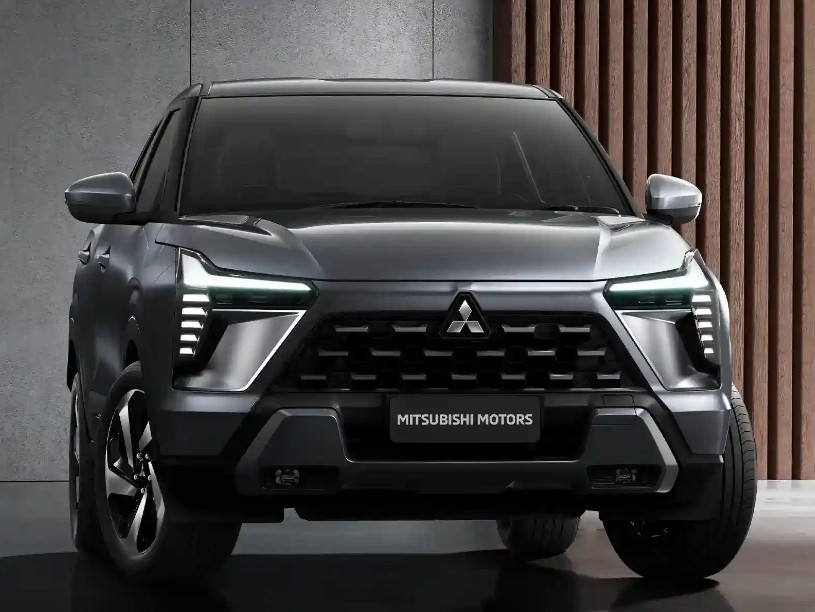
The Mitsubishi Outlander Sport reliability question sounds simple, but the answer depends heavily on the model year, maintenance history, driving conditions, and expectations of the buyer.
Is the Outlander Sport the toughest compact SUV ever built? Probably not. Is it an unreliable vehicle that should automatically be avoided? That would also be unfair.
In reality, the Outlander Sport sits somewhere in the practical middle. It uses relatively straightforward mechanical components, offers one of the strongest new-vehicle warranty packages in its class, and can remain dependable when properly serviced. At the same time, its continuously variable transmission, modest interior quality, aging platform, and scattered electrical complaints deserve careful attention.
We can think of it like a basic wristwatch rather than a luxury smartwatch. It may not impress us with endless features, but its simplicity can become an advantage when we want something affordable and familiar.
Let’s examine how reliable the Mitsubishi Outlander Sport really is, which problems owners may encounter, what maintenance matters most, and whether buying one makes financial sense.
Content in this publication
- Mitsubishi Outlander Sport Reliability Overview
- How Long Can a Mitsubishi Outlander Sport Last?
- Are Mitsubishi Outlander Sport Engines Reliable?
- Is the Mitsubishi Outlander Sport CVT Reliable?
- Common Mitsubishi Outlander Sport Problems
- Mitsubishi Outlander Sport Recalls
- Best Mitsubishi Outlander Sport Years for Reliability
- Mitsubishi Outlander Sport Safety and Reliability
- Mitsubishi’s Warranty: A Major Reliability Advantage
- Maintenance Costs and Long-Term Ownership
- How Reliable Is the Outlander Sport Compared With Rivals?
- Is a Used Mitsubishi Outlander Sport Reliable?
- Signs an Outlander Sport Has Been Neglected
- How to Improve Mitsubishi Outlander Sport Reliability
- Who Should Buy a Mitsubishi Outlander Sport?
- Who Should Consider Something Else?
- Final Verdict: Is the Mitsubishi Outlander Sport Reliable?
- 1. Is the Mitsubishi Outlander Sport expensive to maintain?
- 2. What is the biggest Mitsubishi Outlander Sport problem?
- 3. How many miles will an Outlander Sport last?
- 4. Is the Mitsubishi Outlander Sport good for long-distance driving?
- 5. Should I buy a used Mitsubishi Outlander Sport?
Mitsubishi Outlander Sport Reliability Overview
The Mitsubishi Outlander Sport has been sold in the United States since the 2011 model year. In other markets, versions of the vehicle are commonly known as the Mitsubishi ASX or RVR.
Its long production history has created an interesting situation. On one hand, the design feels dated beside newer compact SUVs. On the other, Mitsubishi has had years to refine its engines, transmission programming, electronics, and manufacturing process.
That familiarity can support reliability.
The Outlander Sport generally avoids extremely complex powertrains. Most versions use a naturally aspirated four-cylinder gasoline engine connected to a continuously variable transmission, commonly called a CVT. Some earlier entry-level models were available with a manual gearbox.
Naturally aspirated engines do not rely on turbochargers to increase power. That means there are fewer high-temperature components and fewer pressurized systems to worry about. Simplicity does not guarantee durability, but it can reduce the number of expensive parts that might eventually fail.
Our overall assessment is that the Outlander Sport can deliver average to above-average dependability when maintained correctly, although certain model years and neglected CVTs can become problematic.
How Long Can a Mitsubishi Outlander Sport Last?
A properly maintained Mitsubishi Outlander Sport may remain usable for approximately 150,000 to 200,000 miles, and some examples can exceed that range.
Mileage alone, however, does not tell the complete story.
A vehicle with 90,000 miles of gentle highway driving and documented maintenance may be healthier than one with 55,000 miles of stop-and-go commuting, missed oil changes, accident damage, and an overheated transmission.
Several factors determine the SUV’s realistic lifespan:
- Frequency of engine oil changes
- CVT fluid maintenance
- Cooling-system condition
- Driving environment
- Road-salt exposure
- Accident and repair history
- Quality of replacement parts
- Whether warning lights were addressed promptly
- Tire condition and alignment
- Previous owner behavior
We should not assume that every Outlander Sport will automatically reach 200,000 miles. Still, a clean example with complete records can provide many years of service.
Can It Reach 200,000 Miles?
Yes, reaching 200,000 miles is possible, but it should be viewed as a realistic upper target rather than a guarantee.
The engine may be capable of covering that distance, but long-term ownership involves more than the engine block. Suspension bushings, wheel bearings, sensors, alternators, air-conditioning components, motor mounts, and transmission parts all age along the way.
A high-mileage Outlander Sport may still run well while requiring periodic repairs. That does not necessarily make it unreliable. Wear items are part of owning any older vehicle.
The key question is whether repair expenses remain reasonable compared with the vehicle’s value.
Are Mitsubishi Outlander Sport Engines Reliable?
Most Outlander Sport models use either a 2.0-liter or 2.4-liter naturally aspirated four-cylinder engine.
These engines are not known for breathtaking acceleration. Pressing the accelerator can sometimes feel like asking a sleepy dog to leave a warm sofa. It will move, but enthusiasm is limited.
From a reliability perspective, though, modest performance can have benefits. The engines are generally less complicated than modern turbocharged alternatives and are not tuned for extreme output.
Owners may encounter oil leaks, aging ignition components, sensor failures, rough idling, or cooling-system issues as mileage increases. Nevertheless, catastrophic engine failure does not define the Outlander Sport’s overall reputation.
The 2.0-Liter Engine
The 2.0-liter engine is the most common choice in the lineup. It typically delivers adequate performance for city driving, although highway merging and passing can require patience.
Its strengths include:
- Relatively simple construction
- No turbocharger
- Widely understood maintenance requirements
- Reasonable fuel consumption
- Generally manageable repair costs
The biggest reliability threat is often neglect rather than a fundamental design flaw. Running the engine low on oil, ignoring overheating, or extending service intervals too far can shorten its life considerably.
The 2.4-Liter Engine
The available 2.4-liter engine provides slightly stronger acceleration and may feel less strained when carrying passengers or climbing hills.
It shares the same general reliability advantages associated with a naturally aspirated design. However, fuel consumption may be somewhat higher, and buyers should still inspect carefully for leaks, abnormal noises, unstable idle, and incomplete maintenance records.
Neither engine transforms the Outlander Sport into a performance SUV. Yet the 2.4-liter version may feel more relaxed because it does not need to work quite as hard during demanding driving.
Which Engine Is More Dependable?
Both engines can be dependable. Condition matters more than displacement.
A well-maintained 2.0-liter vehicle is usually a safer purchase than a neglected 2.4-liter model. We should prioritize service history, fluid condition, cold-start behavior, and inspection results instead of choosing solely by engine size.
Is the Mitsubishi Outlander Sport CVT Reliable?
The CVT is one of the most important areas to examine before buying an Outlander Sport.
Unlike a conventional automatic transmission with fixed gears, a CVT continuously adjusts its operating ratio. This helps the engine remain within an efficient range, but the driving sensation can feel unusual. Engine speed may rise and remain elevated while the vehicle gradually accelerates.
Some drivers interpret that behavior as slipping even when the transmission is operating normally.
However, actual CVT problems can occur, particularly when maintenance has been ignored or the vehicle has been subjected to heat, heavy loads, or aggressive driving.
Common CVT Warning Signs
During a test drive, watch for:
- Delayed engagement when selecting Drive or Reverse
- Shuddering from a stop
- Surging at steady speeds
- Whining or humming noises
- Sudden loss of acceleration
- An overheating warning
- A burning smell
- Engine revs increasing without matching vehicle speed
- Harshness after the transmission warms up
A short drive around a dealership parking lot is not enough. The vehicle should be driven at city and highway speeds, preferably until the drivetrain reaches full operating temperature.
Why CVT Fluid Changes Matter
CVT fluid lubricates internal components, supports hydraulic pressure, and helps control heat. As it ages, its ability to protect the transmission can deteriorate.
Owners sometimes hear that transmission fluid is a “lifetime” product. That phrase should be approached cautiously. Fluids experience heat, contamination, oxidation, and mechanical stress.
For long-term ownership, following Mitsubishi’s maintenance guidance and using the correct specification of CVT fluid is essential. Installing an incompatible universal fluid can create shifting problems or accelerate wear.
A documented history of CVT service adds meaningful value to a used Outlander Sport.
Common Mitsubishi Outlander Sport Problems
No vehicle is problem-free, and the Outlander Sport has several recurring areas that buyers and owners should monitor.
Reports associated with the model have included software faults, stalling concerns, and problems involving driver-assistance systems, though frequency and severity vary by year and individual vehicle.
Let’s separate common aging issues from serious mechanical failures.
1. Slow Acceleration
Slow acceleration is one of the most frequent complaints, but it is not always evidence of a defect.
The base engine produces modest power, and the CVT often prioritizes efficiency rather than immediate response. With passengers, cargo, air conditioning, or steep terrain, the vehicle may feel noticeably sluggish.
This becomes a reliability concern when performance suddenly worsens or is accompanied by:
- Warning lights
- Jerking
- Shaking
- Metallic noises
- Transmission overheating
- Loss of power
- A strong fuel smell
Normal slowness is an inconvenience. A sudden change in acceleration is a diagnostic clue.
You may be interested in reading Is the Mitsubishi Outlander a Good Car? An Honest Buyer’s Guide
2. CVT Shuddering or Hesitation
Shuddering may be caused by degraded fluid, internal transmission wear, poor engine performance, worn mounts, or software-related behavior.
Because CVT replacement can be expensive, we should never dismiss persistent vibration during a test drive. A pre-purchase inspection should include a diagnostic scan even when no dashboard warning light is visible.
Stored or pending fault codes can reveal issues that have not yet triggered a permanent warning.
3. Electrical and Infotainment Issues
Owners may experience occasional problems with:
- Touchscreens
- Bluetooth connections
- Backup-camera displays
- USB ports
- Keyless entry
- Battery drain
- Warning lights
- Driver-assistance sensors
Many electrical complaints are irritating rather than immobilizing. Still, diagnosing intermittent faults can consume time and money.
A weak 12-volt battery may also produce several unrelated-looking warnings. Modern vehicles depend on stable voltage, so testing the battery and charging system is a sensible first step when multiple warning lights appear simultaneously.
4. Suspension Noise
Clunks, rattles, or knocking sounds may develop as suspension components wear.
Possible sources include:
- Stabilizer-bar links
- Control-arm bushings
- Strut mounts
- Shock absorbers
- Ball joints
- Loose underbody shields
These problems become more likely on vehicles driven over potholes or rough urban roads. Suspension repairs are usually manageable, but several worn components at once can create a significant bill.
5. Brake Wear
Brake-pad and rotor lifespan varies widely according to driving style and environment.
Frequent city driving, mountain descents, heavy traffic, and road salt can accelerate wear. Pulsation through the brake pedal may indicate warped or unevenly worn rotors, while grinding suggests that the pads may already be worn through.
A reliability evaluation should include stopping performance, pedal feel, visible rotor condition, and parking-brake operation.
6. Paint and Exterior Durability
Some owners may notice paint chips, fading trim, cloudy headlamps, or corrosion on older examples.
Cosmetic wear does not stop the vehicle from running, but exposed metal can eventually rust. Areas worth inspecting include:
- Wheel arches
- Lower door edges
- Tailgate seams
- Suspension mounting points
- Exhaust components
- Subframes
- Brake and fuel lines
Vehicles from snowy areas deserve extra scrutiny because road salt can quietly turn surface corrosion into structural expense.
7. Air-Conditioning Problems
An air-conditioning system that blows warm air could need a relatively simple refrigerant service, but it may also have a leaking condenser, failed compressor, faulty pressure sensor, or electrical issue.
The climate system should be tested at different fan speeds and temperature settings. We should also verify that air changes correctly between the dashboard vents, floor outlets, and windshield defroster.
Mitsubishi Outlander Sport Recalls
Recalls do not automatically mean a model is unreliable. Nearly every major manufacturer issues them.
What matters is whether a specific vehicle is affected and whether the repair has been completed.
For example, NHTSA documentation covered certain 2019–2022 Outlander Sport vehicles under recall 22V-563. Older vehicles have also appeared in campaigns involving electrical power-control relays.
Recall coverage depends on the model year, production date, equipment, and vehicle identification number.
How to Check for Open Recalls
Before purchasing, we should:
- Obtain the complete 17-character VIN.
- Enter it into the official NHTSA recall lookup system.
- Ask a Mitsubishi dealer to check its internal records.
- Confirm whether recall repairs were completed.
- Keep copies of campaign documentation.
NHTSA allows owners to check recall status through its official lookup resources.
A seller saying, “I think everything was fixed,” is not documentation.
Best Mitsubishi Outlander Sport Years for Reliability
Choosing the best year is not as simple as picking the newest vehicle we can afford.
Newer examples often provide updated equipment, lower mileage, more remaining warranty coverage, and revised safety technology. Older examples may cost substantially less and have years of repair data available.
In general, later-production vehicles can be attractive because Mitsubishi had more time to refine the platform. However, we should still check recalls and service records individually.
Why Later Model Years Can Make Sense
Later models may offer:
- Newer infotainment equipment
- More driver-assistance technology
- Lower average mileage
- Less age-related corrosion
- Remaining factory coverage
- More recent manufacturing updates
The 2025 Outlander Sport, for example, includes lane-departure warning as standard according to IIHS, while blind-spot detection is available on certain configurations.
That does not mean every newer model is mechanically superior. It simply reduces some age-related uncertainty.
Should We Avoid Early Models?
Not necessarily, but early Outlander Sport vehicles require careful inspection.
An older SUV may be perfectly dependable after years of attentive ownership. Conversely, a cosmetically shiny vehicle can hide neglected fluids, accident repairs, rust, or transmission wear.
Age creates additional concerns:
- Rubber seals harden
- Suspension bushings crack
- Electrical connectors corrode
- Batteries and alternators weaken
- Plastic cooling parts become brittle
- Air-conditioning seals leak
- Previous repairs accumulate
The lower purchase price should leave room in the budget for maintenance and repairs.
Mitsubishi Outlander Sport Safety and Reliability
Mechanical reliability and crash safety are related but separate topics.
A vehicle can start every morning yet perform poorly in a collision. Similarly, a vehicle with strong crash protection may still develop mechanical problems.
IIHS ratings for the Outlander Sport vary according to test type and model year. For example, the 2017 model received Good ratings in several original tests, while its driver-side small-overlap result was Acceptable and its passenger-side small-overlap result was Marginal.
Safety standards and testing methods have also become more demanding. We should compare vehicles using ratings applicable to the specific model year rather than assuming every Outlander Sport performs identically.
Safety Features to Look For
Depending on trim and year, useful features may include:
- Forward-collision mitigation
- Pedestrian detection
- Lane-departure warning
- Blind-spot warning
- Lane-change assist
- Rear cross-traffic alert
- Automatic high beams
- Rearview camera
- Stability control
Driver-assistance technology can reduce risk, but it cannot replace attentive driving. Dirty sensors, poor weather, damaged windshields, or incorrect repairs may affect system performance.
Mitsubishi’s Warranty: A Major Reliability Advantage
Warranty coverage is one of the Outlander Sport’s strongest selling points.
Mitsubishi advertises a 10-year/100,000-mile powertrain limited warranty for qualifying original owners, along with other coverage under its Mitsubishi Motors Confidence program.
For the 2026 Outlander Sport, Mitsubishi also advertises two years or 30,000 miles of limited maintenance and five years of roadside assistance.
That sounds excellent, but buyers must read the conditions carefully.
Original Owner Versus Subsequent Owner Coverage
The full powertrain term generally applies to the original retail owner under Mitsubishi’s stated conditions. Mitsubishi notes that subsequent owners typically receive the remaining portion of the five-year/60,000-mile new-vehicle limited warranty rather than the full original-owner powertrain term.
This distinction matters when shopping for a used vehicle.
A salesperson may advertise a “10-year warranty,” but that does not automatically mean every used buyer receives ten years of powertrain protection.
Certified pre-owned Mitsubishi vehicles may offer stronger coverage than ordinary used examples, depending on eligibility and program conditions. Mitsubishi states that qualifying certified vehicles can retain powertrain coverage up to the original ten-year or 100,000-mile limit.
Questions to Ask About Warranty Coverage
Before signing, ask:
You may be interested in readingIs the Mitsubishi Outlander a Good Car? An Honest Buyer’s GuideYou may be interested in reading
Mitsubishi Outlander Reliability Rating: Is It a Dependable SUV?- When was the vehicle first placed in service?
- Am I considered the original owner?
- Is the vehicle officially certified pre-owned?
- Which components are still covered?
- What deductible applies?
- Are maintenance records required?
- Does commercial use affect coverage?
- Is the warranty transferable?
- Which exclusions apply?
A warranty is valuable only when we understand what it actually covers.
Maintenance Costs and Long-Term Ownership
The Outlander Sport is generally not a luxury vehicle, and its routine service costs tend to reflect that.
Oil changes, filters, tires, brake service, spark plugs, and common suspension repairs are usually straightforward. However, dealer access may be limited in some regions, and genuine parts availability can vary.
The most expensive potential repair is often the CVT. That is why preventive maintenance and careful pre-purchase testing matter so much.
Essential Maintenance Priorities
Owners should pay particular attention to:
- Engine oil and filter changes
- Correct CVT fluid and service intervals
- Coolant condition
- Brake-fluid replacement
- Tire pressure and rotation
- Battery testing
- Engine and cabin air filters
- Spark plugs
- Drive belts and hoses
- Wheel alignment and suspension inspection
The owner’s manual should remain the primary guide because service requirements vary by model year, engine, mileage, and operating conditions.
Severe Driving Conditions
Many people assume they drive under normal conditions when their routine actually qualifies as severe service.
Severe conditions may include:
- Repeated short trips
- Heavy stop-and-go traffic
- Extreme heat or cold
- Mountain driving
- Dusty roads
- Frequent idling
- Carrying heavy loads
- Regular driving on rough surfaces
Bogotá traffic, for example, can be far harder on a drivetrain than smooth highway travel. The odometer may rise slowly while the engine and transmission spend hours operating.
Under demanding conditions, more frequent inspections and fluid service can be sensible.
How Reliable Is the Outlander Sport Compared With Rivals?
The compact and subcompact SUV market includes strong alternatives such as the Honda HR-V, Toyota Corolla Cross, Subaru Crosstrek, Mazda CX-30, Hyundai Kona, Kia Seltos, and Nissan Kicks.
Some rivals offer newer cabins, better acceleration, quieter rides, stronger resale values, or more advanced technology.
The Outlander Sport competes differently. Its appeal often comes from:
- A competitive purchase price
- Straightforward engines
- Available all-wheel control
- Familiar controls
- Strong original-owner warranty coverage
- Potential dealership incentives
It may not be the class leader in refinement, but reliability is not a beauty contest. A proven, somewhat old-fashioned platform can appeal to buyers who prefer known mechanical systems over newly introduced technology.
Where the Outlander Sport Falls Behind
Potential disadvantages include:
- Slow acceleration
- Noticeable CVT noise
- An aging interior design
- Limited cargo space compared with some rivals
- Lower-quality cabin materials
- Uneven dealer availability
- Weaker resale value in some markets
- Less polished ride and handling
These shortcomings affect satisfaction more than basic dependability. Still, a vehicle that frustrates us every day can feel like a bad purchase even when it rarely breaks.
Is a Used Mitsubishi Outlander Sport Reliable?
A used Outlander Sport can be a sensible value, especially when its price is lower than comparable Japanese or Korean SUVs.
However, low price should not replace due diligence.
Before purchasing, we should request:
- Maintenance invoices
- Vehicle-history reports
- Recall documentation
- Proof of CVT servicing
- Accident-repair records
- A cold start
- An extended test drive
- An independent inspection
- A computer diagnostic scan
Used Outlander Sport Inspection Checklist
During the inspection, check the following:
Engine
- Starts quickly when cold
- Idles smoothly
- Produces no knocking or tapping
- Shows no major leaks
- Maintains normal temperature
- Has clean, correctly filled oil
Transmission
- Engages promptly
- Accelerates without shuddering
- Produces no strong whining
- Shows no overheating message
- Operates smoothly when warm
Suspension and Steering
- Tracks straight
- Makes no clunking noises
- Has even tire wear
- Returns smoothly after turns
- Shows no excessive bouncing
Electronics
- Infotainment system works
- Camera displays clearly
- Air conditioning cools properly
- Windows and locks operate
- Warning lights illuminate and then turn off
- Both key fobs function
Body and Chassis
- Panel gaps appear even
- Paint shades match
- No structural rust is visible
- Undercarriage is not heavily corroded
- Tires share similar age and quality
A professional inspection is inexpensive compared with replacing a CVT or repairing hidden collision damage.
Signs an Outlander Sport Has Been Neglected
Some warning signs are subtle.
A missing service booklet does not prove neglect, but when it appears alongside dirty fluids, cheap mismatched tires, warning lights, and cosmetic damage, the pattern becomes difficult to ignore.
Walk away or investigate further when you notice:
- No maintenance history
- Transmission fluid with a burnt smell
- Multiple dashboard warnings
- Freshly cleared diagnostic codes
- Uneven tire wear
- Heavy rust
- Engine sludge
- Coolant stains
- Overheating history
- A seller refusing an inspection
- Unexplained low price
- Rough CVT operation
- Poor-quality accident repairs
The cheapest vehicle can quickly become the most expensive one.
How to Improve Mitsubishi Outlander Sport Reliability
Once we own the vehicle, our habits can significantly influence its lifespan.
Warm It Gently
Modern engines do not require long periods of idling. Start the vehicle, allow a brief moment for fluids to circulate, and drive gently until it reaches operating temperature.
Hard acceleration immediately after a cold start increases stress.
Do Not Ignore Warning Lights
A warning light is the vehicle whispering before it starts shouting.
A minor sensor issue can sometimes trigger a light, but we should not assume it is harmless. Prompt diagnosis may prevent a small fault from causing secondary damage.
Service the CVT Correctly
Use the correct fluid, follow the appropriate procedure, and avoid shops that treat every automatic transmission as identical.
CVTs require specific knowledge.
Maintain Matching Tires
All-wheel-drive models benefit from tires with similar tread depth, size, and inflation pressure.
Large differences in tire circumference may place unnecessary stress on drivetrain components. Regular rotation also promotes even wear.
Address Cooling Problems Immediately
Overheating can damage the engine and transmission.
A rising temperature gauge, coolant odor, leaking radiator, weak fan, or illuminated warning should never be ignored. Stop safely and diagnose the cause before continuing.
Who Should Buy a Mitsubishi Outlander Sport?
The Outlander Sport may suit buyers who want:
- A reasonably priced compact SUV
- Simple, familiar controls
- Available all-wheel drive
- A naturally aspirated engine
- Strong new-vehicle warranty coverage
- Basic transportation without luxury expectations
It is particularly attractive when dealers offer substantial discounts or when a carefully maintained used example is priced below major competitors.
Who Should Consider Something Else?
Another SUV may be a better fit for drivers who prioritize:
- Fast acceleration
- A quiet highway cabin
- Modern interior design
- Strong resale value
- Maximum cargo capacity
- The newest safety technology
- Sporty handling
- A conventional automatic transmission
Reliability is only one part of ownership. Comfort, performance, depreciation, dealer support, insurance, and fuel costs also shape the experience.
Final Verdict: Is the Mitsubishi Outlander Sport Reliable?
Yes, the Mitsubishi Outlander Sport can be a reliable compact SUV, particularly when it receives regular maintenance and its CVT is treated properly.
Its naturally aspirated engines are comparatively straightforward, its long production run provides a familiar mechanical foundation, and Mitsubishi’s original-owner warranty coverage is a major advantage. The vehicle may last well beyond 150,000 miles when owners stay ahead of fluid changes, cooling-system issues, suspension wear, and minor electrical faults.
Still, we should not buy one blindly.
The CVT deserves careful testing, open recalls must be checked by VIN, and used models should undergo an independent inspection. We should also remember that the Outlander Sport’s age shows in its acceleration, interior design, refinement, and technology.
Think of it as a sturdy pair of everyday shoes. It may not turn heads, win races, or feel especially luxurious, but it can keep doing its job when we look after it.
For a buyer focused on affordable transportation, available all-wheel drive, uncomplicated engines, and long warranty protection, the Outlander Sport can make sense. For someone expecting cutting-edge refinement or energetic performance, its dependable simplicity may not be enough.
Frequently Asked Questions
1. Is the Mitsubishi Outlander Sport expensive to maintain?
Routine maintenance is generally affordable compared with luxury SUVs. Oil changes, filters, brakes, spark plugs, and common suspension repairs are usually straightforward. The CVT is the primary financial concern because major transmission repairs can be costly. Proper fluid maintenance and a pre-purchase inspection can reduce the risk of an unexpected bill.
2. What is the biggest Mitsubishi Outlander Sport problem?
The CVT is usually the component that deserves the most attention. Some vehicles may develop hesitation, shuddering, whining, overheating, or delayed engagement, especially when maintenance has been neglected. Slow acceleration alone is not necessarily a transmission failure because the engines are modestly powered and the CVT has unusual operating characteristics.
3. How many miles will an Outlander Sport last?
A well-maintained Outlander Sport may last around 150,000 to 200,000 miles, with some vehicles exceeding that range. Maintenance history, climate, road conditions, driving habits, corrosion, and CVT care influence the actual lifespan more than the badge or model year alone.
You may be interested in readingIs the Mitsubishi Outlander a Good Car? An Honest Buyer’s GuideYou may be interested in reading
Mitsubishi Outlander Reliability Rating: Is It a Dependable SUV?You may be interested in reading
 How Nissan Serena Hybrid Works: A Complete Guide
4. Is the Mitsubishi Outlander Sport good for long-distance driving?
It can handle long-distance driving, but comfort expectations matter. The vehicle offers straightforward controls and reasonable efficiency, yet road noise, slow passing performance, and firm seating may become noticeable on extended journeys. Before a long trip, owners should inspect the tires, brakes, fluids, battery, cooling system, and spare-tire equipment.
5. Should I buy a used Mitsubishi Outlander Sport?
A used Outlander Sport can be a good value when it has complete service records, smooth CVT operation, no serious accident damage, minimal corrosion, and no unresolved recalls. Avoid buying solely because the price is low. An independent mechanical inspection and diagnostic scan should be completed before purchase.
If you want to know other articles similar to Mitsubishi Outlander Sport Reliability: Is It a Dependable SUV? you can visit the category Blog.
Volvo S90 Reliability: Problems, Costs & Best Years
Is Haval Jolion a Good Car? Honest Review, Reliability, Pros and Cons
How to Start Haval Jolion With Spare Key: Complete Guide
How to Calculate Per Diem on an Auto Loan

How to Calculate the Residual Value of a Car

Is the Honda Passport Selling Well? Sales Numbers Tell the Story
Leave a Reply
More content of your interest