
Is the Mitsubishi Outlander a Good Car? An Honest Buyer’s Guide

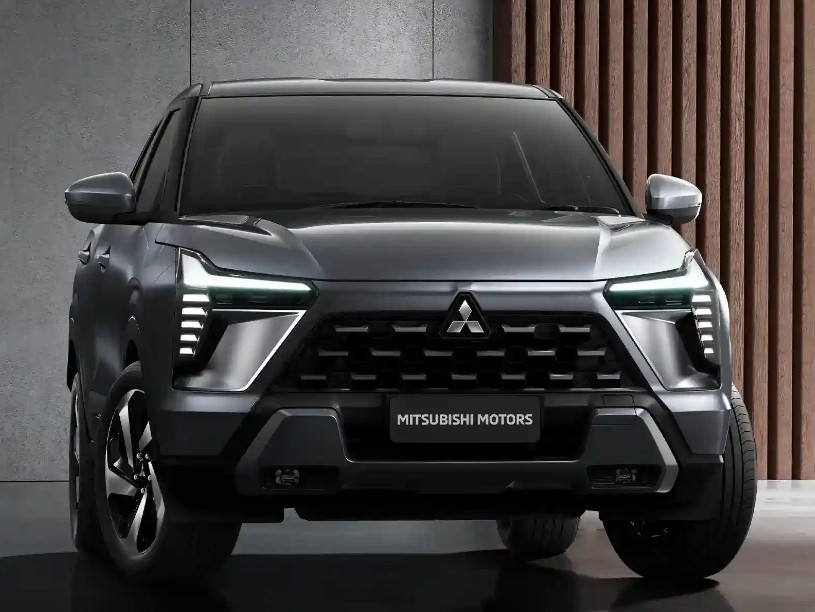
The Mitsubishi Outlander is a good car for buyers who value practicality, a generous warranty, distinctive styling, available all-wheel drive, and occasional seven-seat flexibility. It is not the quickest, roomiest, or most refined SUV in its class, but it delivers a sensible package at a price that often undercuts better-known rivals.
That is the simple answer. The more useful answer, however, depends on what we expect from an SUV.
Are we looking for a comfortable family vehicle? Do we need three rows of seats? Are we considering the plug-in hybrid? Do we care more about fuel economy than acceleration? Are we buying new or used?
The Outlander can be a clever purchase, but it is not universally perfect. Think of it as the dependable multitool in the kitchen drawer: it may not perform every job better than a specialized tool, yet it handles an impressive number of everyday tasks without creating unnecessary drama.
Let’s examine where it succeeds, where it falls behind, and whether it deserves a place on our shopping list.
Content in this publication
- Quick Verdict: Is the Mitsubishi Outlander Worth Buying?
- What Kind of SUV Is the Mitsubishi Outlander?
- Is the Mitsubishi Outlander Reliable?
- Does the Mitsubishi Outlander Have a Good Warranty?
- What Is the Mitsubishi Outlander Like to Drive?
- Is the Mitsubishi Outlander Comfortable?
- How Practical Is the Mitsubishi Outlander?
- Is the Mitsubishi Outlander Fuel-Efficient?
- Is the Mitsubishi Outlander PHEV a Good Car?
- Is the Mitsubishi Outlander Safe?
- What Are the Main Mitsubishi Outlander Problems?
- Is the Mitsubishi Outlander Expensive to Maintain?
- Does the Mitsubishi Outlander Hold Its Value?
- Who Should Buy a Mitsubishi Outlander?
- Who Should Avoid the Mitsubishi Outlander?
- Mitsubishi Outlander Versus Its Main Rivals
- Is a Used Mitsubishi Outlander a Good Buy?
- Which Mitsubishi Outlander Trim Is Best?
- What Should We Know Before Buying?
- Final Verdict: Is the Mitsubishi Outlander a Good Car?
- Frequently Asked Questions
Quick Verdict: Is the Mitsubishi Outlander Worth Buying?
Yes, the Mitsubishi Outlander is worth considering, particularly if we want:
- Attractive exterior styling
- A comfortable and modern cabin
- Standard or available family-friendly technology
- Light-duty third-row seating
- Available all-wheel drive
- A long new-vehicle warranty
- A plug-in hybrid option
- Competitive pricing and equipment
However, buyers who want strong acceleration, adult-friendly third-row space, sharp handling, or the largest dealer network may find better alternatives.
The Outlander’s greatest strength is balance. It does not dominate every comparison chart, but it combines enough space, comfort, equipment, efficiency, and ownership protection to make sense for many households.
What Kind of SUV Is the Mitsubishi Outlander?
The Mitsubishi Outlander is a compact crossover SUV, although its available third row allows it to blur the boundary between compact and midsize family vehicles.
Current versions are designed mainly for suburban commuting, family transportation, highway travel, school runs, shopping trips, and occasional adventures on gravel roads or in poor weather. Despite its rugged appearance, it is not a traditional body-on-frame off-roader.
The Outlander competes with popular models such as the:
- Toyota RAV4
- Honda CR-V
- Nissan Rogue
- Mazda CX-5
- Hyundai Tucson
- Kia Sportage
- Subaru Forester
- Volkswagen Tiguan
Unlike many compact competitors, the gasoline Outlander offers seven seats in certain markets and configurations. That sounds impressive, although the third row is much better suited to children or short emergency trips than full-time adult use.
Is the Outlander the Same as the Nissan Rogue?
The modern Mitsubishi Outlander shares important platform and engineering elements with the Nissan Rogue because Mitsubishi is part of the Renault-Nissan-Mitsubishi Alliance.
Still, they are not identical vehicles wearing different badges.
The Outlander has its own exterior design, cabin details, suspension tuning, equipment structure, warranty coverage, and available plug-in hybrid system. It also offers third-row seating, whereas the Rogue generally focuses on two-row practicality.
We can think of them as cousins rather than twins. They may share family traits beneath the surface, but their personalities and ownership propositions are different.
Is the Mitsubishi Outlander Reliable?
The Outlander can be reliable when it is serviced correctly, but reliability varies significantly by model year, engine, transmission, previous use, and maintenance history.
Newer Outlanders benefit from a relatively straightforward gasoline powertrain, although their continuously variable transmission requires proper fluid servicing and sensible treatment. The plug-in hybrid introduces additional complexity through its battery, electric motors, control electronics, and charging system, but it can also reduce how frequently the gasoline engine operates during short daily journeys.
Reliability discussions should never be reduced to a single score. A poorly maintained “reliable” model can become a financial headache, while a carefully maintained vehicle with an average reputation may run smoothly for years.
How Long Can a Mitsubishi Outlander Last?
A well-maintained Outlander can potentially exceed 150,000 miles, and some examples may travel beyond 200,000 miles. Reaching that mileage depends on several factors:
- Regular oil and filter changes
- Correct transmission maintenance
- Prompt repair of cooling-system problems
- Proper tire pressure and alignment
- Rust prevention in harsh climates
- Gentle driving while the engine is cold
- Use of correct fluids and replacement parts
Mileage alone does not tell the full story. A highway-driven Outlander with complete service records may be a better purchase than a lower-mileage example that has spent its life making short trips and missing maintenance.
The Importance of Service History
When buying used, service records are often more valuable than a shiny paint finish.
We should look for evidence of:
- Scheduled oil changes
- Transmission-fluid servicing
- Brake-fluid replacement
- Coolant maintenance
- Tire rotations
- Recall completion
- Battery checks
- Hybrid-system inspections on PHEV models
A used Outlander without records is not automatically bad, but it increases uncertainty. In that situation, a professional pre-purchase inspection becomes essential.
Does the Mitsubishi Outlander Have a Good Warranty?
Warranty coverage is one of the Outlander’s strongest selling points in the United States.
For eligible new vehicles, Mitsubishi advertises a 10-year or 100,000-mile limited powertrain warranty for the original owner, a five-year or 60,000-mile new-vehicle limited warranty, five years of roadside assistance, and a limited complimentary maintenance program. Coverage conditions and transfer rules apply, so buyers should read the complete warranty terms rather than relying only on the headline number.
That warranty can provide valuable peace of mind, especially for buyers planning to keep the vehicle for many years.
There is an important catch: the longest powertrain coverage generally applies to the original owner. A second owner usually receives the remaining portion of the shorter new-vehicle warranty rather than the full original-owner powertrain term.
Why the Warranty Matters
A long warranty does not guarantee that a vehicle will never develop a problem. Instead, it limits financial exposure to certain covered failures during the applicable period.
It may also indicate that Mitsubishi understands it must work harder to earn attention in a market dominated by Toyota, Honda, Ford, Hyundai, Kia, and Subaru.
For value-conscious shoppers, that added protection can tip the scales in the Outlander’s favor.
What Is the Mitsubishi Outlander Like to Drive?
The Outlander prioritizes comfort and predictability rather than speed or athleticism.
Around town, it generally feels easy to operate. The elevated driving position provides a useful view of traffic, the steering is manageable at low speeds, and the suspension is tuned for everyday comfort.
On the highway, it settles into a relaxed rhythm. It is better suited to calm family trips than aggressive cornering or rapid passing.
Acceleration and Engine Performance
The gasoline Outlander’s performance is adequate rather than exciting. It can handle normal commuting, highway merging, and family travel, but acceleration may feel strained when the vehicle is fully loaded or climbing steep hills.
The continuously variable transmission can allow engine speed to rise sharply under hard acceleration. The resulting sound may make the vehicle feel busier than it actually is.
This will not bother every driver. Those moving from a small economy car may find the performance perfectly acceptable. Drivers accustomed to turbocharged SUVs, larger engines, or responsive conventional automatic transmissions may want more power.
Ride Comfort
Ride quality is generally one of the Outlander’s more appealing traits.
It absorbs many ordinary road imperfections without feeling excessively soft. Large wheels on higher trims can make potholes and sharp edges more noticeable, but the vehicle remains comfortable enough for family use.
The Outlander is at its best when we treat it like a relaxed cruiser. Push it hard through a twisting road and its height and weight become more apparent.
Steering and Handling
The steering is light enough for parking lots and urban traffic. It is not especially communicative, but most crossover buyers prioritize ease over detailed feedback.
Body movement is controlled during ordinary driving, although rivals such as the Mazda CX-5 may feel more composed and engaging on a winding road.
In simple terms, the Outlander drives safely and sensibly. It does not turn the school run into a sports-car experience—and that is probably fine.
Is the Mitsubishi Outlander Comfortable?
Yes, the Mitsubishi Outlander is generally comfortable, particularly in the first two rows.
The front seats provide a supportive driving position, while the second row offers useful room for children and adults. Depending on the trim, the interior may include heated seats, a heated steering wheel, leather-appointed surfaces, a panoramic roof, power-adjustable seating, and multi-zone climate control.
The cabin also feels more upscale than many buyers expect from the Mitsubishi badge.
Front-Seat Comfort
The front cabin is one of the Outlander’s strongest areas. Controls are positioned logically, visibility is generally useful, and the dashboard has a broad, substantial appearance.
Higher trims add materials and features that create a near-premium atmosphere without entering luxury-SUV pricing territory.
We should still test the exact version before buying. Seat comfort is personal, and a cushion that feels supportive to one driver may feel too firm to another after two hours.
Second-Row Space
The second row is practical for a compact crossover. It can accommodate adults, child seats, grocery bags, backpacks, and the collection of objects that mysteriously follows every family journey.
You may be interested in reading Mitsubishi Outlander Reliability Rating: Is It a Dependable SUV?
Sliding or adjustable seating, where fitted, helps us balance passenger room against third-row access and cargo needs.
Is the Third Row Actually Useful?
The Outlander’s third row is useful—but only if we keep our expectations realistic.
It works best for:
- Young children
- Short urban journeys
- Occasional extra passengers
- Emergency transportation
- Families that need seven seats only sometimes
It is not ideal for:
- Tall teenagers
- Adults on long trips
- Regular seven-person travel
- Carrying seven people and substantial luggage together
The third row is more like a folding emergency chair than a proper living-room sofa. It is valuable when needed, but few adults will volunteer to sit there for a cross-country trip.
How Practical Is the Mitsubishi Outlander?
Practicality is one of the main reasons to buy an Outlander.
With the third row folded, it offers a useful cargo area for shopping, luggage, sports equipment, pet supplies, and everyday family gear. Folding the second row expands the space for larger objects.
The wide-opening rear doors also help when installing child seats or assisting passengers.
Cargo Space With Seven Seats in Use
Cargo space becomes limited when all three rows are occupied. This is normal for compact three-row crossovers.
If we regularly travel with six or seven people and their luggage, a larger vehicle such as the Kia Telluride, Hyundai Palisade, Toyota Grand Highlander, Honda Pilot, or Mitsubishi’s larger-market alternatives may be more suitable.
For occasional seven-seat use, however, the Outlander offers flexibility without forcing us into a much larger SUV every day.
Everyday Storage
A family SUV needs more than one large trunk. It also needs places for phones, drinks, charging cables, sunglasses, coins, snacks, and everything else that accumulates during the week.
The Outlander provides useful cabin storage, cupholders, door pockets, and a center-console area. It may not reinvent interior organization, but it handles daily clutter competently.
Is the Mitsubishi Outlander Fuel-Efficient?
The gasoline Outlander offers reasonable fuel economy for a compact SUV, although exact figures vary by model year, drivetrain, trim, wheel size, road conditions, temperature, traffic, and driving style.
It is not necessarily the fuel-economy champion of the segment. Conventional hybrids such as the Toyota RAV4 Hybrid, Honda CR-V Hybrid, Hyundai Tucson Hybrid, and Kia Sportage Hybrid may deliver better efficiency without requiring external charging.
The Outlander PHEV is a different story. For drivers who charge regularly and complete many short journeys, it can use substantially less gasoline.
Real-World Fuel Economy Factors
Our results may differ from official estimates because real life rarely resembles a laboratory test.
Fuel consumption typically worsens with:
- Frequent short trips
- Cold weather
- Aggressive acceleration
- High motorway speeds
- Roof boxes or racks
- Underinflated tires
- Heavy cargo
- Mountain driving
- Long periods of idling
- Limited charging of a PHEV
Smooth driving makes a noticeable difference. Looking farther ahead, braking gradually, maintaining tire pressure, and avoiding unnecessary weight can reduce fuel use without turning every journey into an economy contest.
Is the Mitsubishi Outlander PHEV a Good Car?
The Mitsubishi Outlander Plug-in Hybrid can be an excellent car for the right household.
It combines electric driving capability with a gasoline engine, allowing us to complete shorter trips on electricity while retaining the flexibility to travel longer distances without depending entirely on public charging.
This setup is particularly attractive for drivers who:
- Can charge at home
- Have a predictable daily commute
- Make frequent short journeys
- Want all-wheel-drive capability
- Need occasional long-distance flexibility
- Are not ready for a fully electric vehicle
The PHEV’s electric motors can also provide smoother and more immediate response than the conventional gasoline model.
When the Outlander PHEV Makes Sense
Imagine that we drive 20 to 35 miles most weekdays, charge overnight, and take several long trips each year. A plug-in hybrid fits that pattern naturally.
Much of the weekly driving may be completed using electricity, while the gasoline engine remains available for road trips.
The PHEV is less compelling when we cannot charge regularly. Without charging, we carry the weight and cost of the hybrid hardware while missing much of its economic benefit.
PHEV Disadvantages to Consider
The plug-in hybrid has several potential drawbacks:
- Higher purchase price
- More mechanical and electronic complexity
- Battery capacity that can decline over time
- Potentially higher repair costs outside warranty
- Reduced efficiency when driven without charging
- Charging speed below that of many full electric vehicles
- Less cargo flexibility than some conventional alternatives
A used PHEV should receive a battery-health evaluation and diagnostic scan before purchase.
Is the Mitsubishi Outlander Safe?
The modern Outlander offers a strong collection of driver-assistance and safety technology, although equipment can vary by trim and market.
Depending on configuration, features may include:
- Forward-collision warning
- Automatic emergency braking
- Blind-spot monitoring
- Rear cross-traffic alert
- Lane-departure warning
- Adaptive cruise control
- Lane-centering assistance
- Parking sensors
- Surround-view camera
- Automatic high beams
- Rear-seat reminders
The 2025 and 2026 Outlander have been evaluated by the Insurance Institute for Highway Safety, although results can vary by individual test, headlight configuration, equipment, and model year. Buyers should review the complete rating for the exact vehicle rather than relying on one overall label.
Driver-Assistance Systems Are Not Self-Driving
Safety technology can reduce fatigue and help us respond to hazards, but it does not replace attention.
Adaptive cruise control may misread a situation. Lane assistance can lose track of faded markings. Cameras may be affected by dirt, rain, snow, glare, or darkness.
These systems are useful co-pilots, not invisible chauffeurs.
What Are the Main Mitsubishi Outlander Problems?
No vehicle is free from complaints, and the Outlander has several areas worth checking.
Potential concerns can differ by generation, but may include:
- CVT hesitation or unusual noise
- Weak or discharged 12-volt batteries
- Infotainment glitches
- Camera or sensor faults
- Interior rattles
- Premature brake wear
- Electrical warning messages
- Tailgate or liftgate problems
- PHEV charging issues
- Reduced hybrid-battery capacity with age
These are potential inspection points, not proof that every Outlander will develop the same faults.
CVT Concerns
A continuously variable transmission behaves differently from a conventional automatic. Engine speed may remain high during acceleration, and the absence of familiar gear changes can feel unusual.
However, genuine warning signs include:
- Delayed engagement
- Shuddering
- Slipping sensations
- Burning smells
- Whining that grows louder
- Overheating warnings
- Sudden loss of power
The correct transmission fluid is crucial. Using the wrong fluid or neglecting service can shorten transmission life.
Electrical and Software Issues
Modern vehicles depend heavily on software, control modules, cameras, and communication networks. A weak battery can create multiple warning lights that appear unrelated.
Before assuming a major component has failed, technicians should test battery condition, charging voltage, stored trouble codes, software updates, and wiring connections.
Recall Checks Are Essential
Certain recent Outlander and Outlander PHEV vehicles have been included in safety recalls, including campaigns involving software and rearview-camera concerns. Recall eligibility depends on the vehicle identification number, production date, and market.
Before buying any used Outlander, we should enter its VIN into the relevant national recall database and confirm that all recall work has been completed.
Is the Mitsubishi Outlander Expensive to Maintain?
Routine maintenance is generally comparable to that of other compact crossovers.
Common expenses include:
- Engine oil and filters
- Air and cabin filters
- Tires
- Brake pads and rotors
- Wiper blades
- Coolant
- Brake fluid
- Spark plugs
- Transmission fluid
- 12-volt batteries
- Alignment and suspension components
The Outlander may become more expensive to maintain if local Mitsubishi dealer coverage is limited or if specialized PHEV repairs are needed.
Parts and Dealer Availability
Mitsubishi has a smaller presence than Toyota, Honda, Ford, Hyundai, or Chevrolet in some regions. This can affect:
- Dealer convenience
- Appointment availability
- Parts delivery times
- Access to brand-specific technicians
- Resale demand
Before purchasing, we should check the distance to the nearest qualified service facility. A strong warranty loses some practical value when the nearest participating dealer is several hours away.
Does the Mitsubishi Outlander Hold Its Value?
Resale value has historically been less predictable than that of class leaders such as the Toyota RAV4 and Honda CR-V.
You may be interested in readingMitsubishi Outlander Reliability Rating: Is It a Dependable SUV?You may be interested in reading
 How Nissan Serena Hybrid Works: A Complete Guide
This can be a disadvantage when buying new and selling after only a few years. On the other hand, it may create opportunities in the used market because depreciation can make a well-equipped Outlander more affordable than a comparable Toyota or Honda.
Whether depreciation helps or hurts depends on which side of the transaction we occupy.
Buying New Versus Used
Buying new may make sense when we value:
- Full original-owner warranty coverage
- The latest safety technology
- Known maintenance history
- Current financing incentives
- The ability to choose trim and color
Buying used may make sense when we value:
- Lower purchase price
- Reduced initial depreciation
- More equipment for the money
- Lower insurance costs in some cases
Used buyers must pay close attention to warranty-transfer rules because the headline 10-year powertrain warranty may not transfer in full.
Who Should Buy a Mitsubishi Outlander?
The Outlander is a strong match for practical buyers who want a lot of equipment without chasing the most fashionable badge.
It may be particularly suitable for:
- Small or growing families
- Drivers who occasionally need seven seats
- Buyers prioritizing warranty coverage
- Commuters seeking a comfortable SUV
- Households considering a plug-in hybrid
- Drivers needing all-weather traction
- Value-conscious shoppers
- Buyers who prefer distinctive styling
It is also worth considering when local dealers offer significant incentives or when competing SUVs have become too expensive.
Who Should Avoid the Mitsubishi Outlander?
The Outlander may not be the best option for buyers who need:
- A spacious third row for adults
- Class-leading acceleration
- Sporty handling
- Heavy towing capability
- Serious off-road performance
- The highest possible resale value
- A vast dealer network
- Maximum cargo room with every seat occupied
A family that carries seven people every day should probably buy a larger three-row SUV or minivan. Likewise, enthusiastic drivers may prefer the sharper responses of a Mazda CX-5 or turbocharged alternative.
Mitsubishi Outlander Versus Its Main Rivals
The compact SUV market is brutally competitive. Choosing the Outlander means comparing its particular strengths against vehicles that excel in different areas.
Outlander vs Toyota RAV4
The RAV4 generally offers strong resale value, broad dealer support, efficient hybrid options, and a well-established reliability reputation.
The Outlander may counter with:
- Occasional third-row seating
- A longer original-owner powertrain warranty
- Distinctive styling
- Competitive equipment
- An available plug-in hybrid setup
The RAV4 is often the safer conventional choice. The Outlander may be the more interesting value choice.
Outlander vs Honda CR-V
The CR-V typically provides excellent passenger room, cargo versatility, efficient powertrains, and polished road manners.
The Outlander may appeal more to buyers wanting seven-seat flexibility, a PHEV, or stronger warranty coverage.
For a family that never needs a third row, the CR-V’s packaging may be more useful. For one that occasionally transports two extra children, the Outlander gains an important advantage.
Outlander vs Nissan Rogue
The Rogue and Outlander share underlying engineering, but they target slightly different priorities.
The Rogue emphasizes two-row space, fuel efficiency, and broad mainstream familiarity. The Outlander adds bolder styling, available seven-seat flexibility, its own tuning, and Mitsubishi’s warranty proposition.
Test-driving both is worthwhile because small differences in seat shape, controls, ride, and dealer support may decide the result.
Outlander vs Hyundai Tucson and Kia Sportage
The Tucson and Sportage offer bold designs, roomy cabins, multiple electrified powertrains, and competitive warranties.
They may feel more technologically adventurous inside, while the Outlander offers its own blend of elegant design and straightforward usability.
Pricing, local availability, and dealer quality will often matter more than tiny specification differences.
Outlander vs Subaru Forester
The Forester is known for visibility, practical interior space, standard all-wheel drive in many markets, and an outdoorsy character.
The Outlander looks more sophisticated and offers third-row flexibility, while the Forester may feel airier and more purpose-built for active lifestyles.
Is a Used Mitsubishi Outlander a Good Buy?
A used Mitsubishi Outlander can be a very good buy because depreciation may place it below comparable Japanese rivals.
The key is choosing the right example rather than simply finding the lowest price.
Used Outlander Inspection Checklist
Before purchasing, we should check:
- Service history: Confirm regular oil and transmission maintenance.
- Cold start: Listen for rattles, knocking, or rough running.
- Transmission behavior: Check for hesitation, shuddering, or warning lights.
- Electrical equipment: Test every window, camera, sensor, light, and screen.
- Air conditioning: Confirm that it cools quickly and quietly.
- Suspension: Listen for clunks over rough roads.
- Brakes: Watch for vibration, pulling, or grinding.
- Tires: Uneven wear may indicate alignment or suspension problems.
- Body condition: Look for mismatched paint and signs of collision repairs.
- Recall status: Verify completion using the VIN.
- Diagnostic scan: Check for stored or recently cleared fault codes.
- PHEV battery: Request a battery-health report when applicable.
A professional inspection costs money, but it can prevent us from buying someone else’s postponed repair bill.
Which Mitsubishi Outlander Trim Is Best?
The best trim is usually not the cheapest or most expensive. It is the version that includes the features we will use without charging us for those we will ignore.
A mid-level trim often provides the strongest balance by adding desirable safety, convenience, and interior features without the highest price or largest wheels.
Useful features may include:
- Blind-spot monitoring
- Adaptive cruise control
- Heated front seats
- Power driver’s seat
- Wireless smartphone connectivity
- Surround-view camera
- Power liftgate
- All-wheel drive
Large wheels, premium upholstery, elaborate exterior packages, and panoramic roofs can be appealing, but they may increase cost without transforming the core driving experience.
Should We Choose Front-Wheel Drive or All-Wheel Drive?
Front-wheel drive is usually sufficient for mild climates, paved roads, and drivers who prioritize purchase price and fuel economy.
All-wheel drive makes more sense when we frequently encounter:
- Snow
- Ice
- Heavy rain
- Steep gravel roads
- Muddy parking areas
- Slippery boat ramps
- Mountain conditions
All-wheel drive improves traction, but it cannot overcome unsuitable tires or reckless speed. Good tires remain the foundation of safe winter driving.
What Should We Know Before Buying?
A test drive should include more than a quick loop around the dealership.
We should drive the vehicle on:
- Urban streets
- Rough pavement
- A highway
- A steep hill
- A tight parking area
During the drive, we should evaluate acceleration, road noise, seat comfort, braking feel, visibility, turning radius, infotainment response, and rear-seat access.
Bring the family when possible. Install the child seat. Place a stroller in the cargo area. Sit in the third row. Connect the phone. The details that appear small in a showroom can become daily annoyances after purchase.
Final Verdict: Is the Mitsubishi Outlander a Good Car?
Yes, the Mitsubishi Outlander is a good car, provided its strengths match our priorities.
It offers handsome styling, a comfortable cabin, useful technology, available all-wheel drive, occasional seven-seat practicality, strong new-vehicle warranty coverage, and an appealing plug-in hybrid option.
Its weaknesses are equally clear. The gasoline model’s acceleration is merely adequate, the third row is cramped, resale values may trail class leaders, and dealer availability can be limited in some areas.
The Outlander is not the automatic winner of every compact SUV comparison. Yet it does not need to be. For the right buyer, it provides something arguably more important: a sensible blend of comfort, flexibility, equipment, and long-term protection.
We should buy it because the numbers, features, and driving experience suit our lives—not merely because a review gives it a particular score.
When properly chosen and maintained, the Outlander can serve as a capable family companion: not a roaring lion or a glamorous show horse, but a steady pack animal that carries the weekly load without constantly demanding attention.
Frequently Asked Questions
1. Is the Mitsubishi Outlander reliable for long-term ownership?
The Outlander can be reliable for long-term ownership when it receives regular oil changes, correct transmission servicing, timely fluid replacement, and prompt repairs. Maintenance history matters more than mileage alone when evaluating a used model.
2. Is the Mitsubishi Outlander good for families?
Yes. It offers a comfortable first and second row, useful cargo flexibility, family-oriented safety features, and an available third row. However, the third row is best for children or occasional short journeys.
3. Is the Mitsubishi Outlander expensive to repair?
Routine maintenance costs are generally similar to those of competing compact SUVs. Major PHEV, transmission, electronic, or battery repairs can be expensive outside warranty, and parts availability may vary depending on the local dealer network.
4. Is the Mitsubishi Outlander PHEV worth buying?
The PHEV is worth considering when we can charge regularly and complete many short daily trips. It is less attractive for drivers who cannot charge at home or who spend nearly all their time on long highway journeys.
You may be interested in readingMitsubishi Outlander Reliability Rating: Is It a Dependable SUV?You may be interested in reading
How Nissan Serena Hybrid Works: A Complete GuideYou may be interested in reading
 Renault Koleos Reliability: Is This SUV Built to Last?
5. Should we buy a new or used Mitsubishi Outlander?
A new Outlander offers the fullest warranty protection and the latest technology. A used one may deliver better value because depreciation can be greater than on some competitors. Used buyers should verify service records, recall status, accident history, and warranty-transfer conditions.
If you want to know other articles similar to Is the Mitsubishi Outlander a Good Car? An Honest Buyer’s Guide you can visit the category Blog.
Volvo S90 Reliability: Problems, Costs & Best Years
Is Haval Jolion a Good Car? Honest Review, Reliability, Pros and Cons
How to Start Haval Jolion With Spare Key: Complete Guide
How to Calculate Per Diem on an Auto Loan
How to Calculate the Residual Value of a Car

Is the Honda Passport Selling Well? Sales Numbers Tell the Story
Leave a Reply
More content of your interest