

Renault Koleos Reliability: Is This SUV Built to Last?

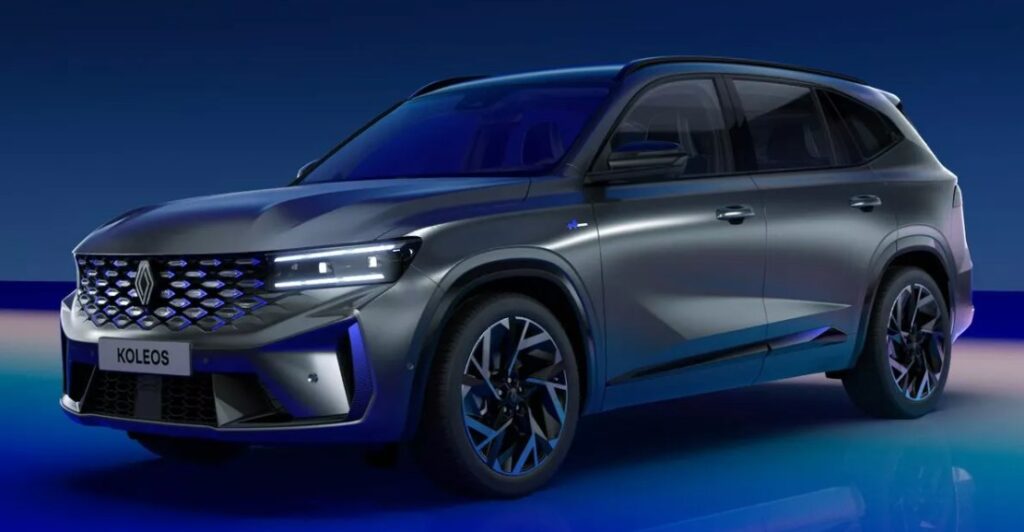
The Renault Koleos has always occupied an interesting corner of the SUV market. It looks sophisticated, offers generous cabin space, and often costs less than similarly equipped rivals. Yet one question follows it everywhere like a shadow: is the Renault Koleos reliable?
The honest answer is that the Koleos can be a dependable family SUV, but it is not a vehicle we should purchase blindly. Its reliability depends heavily on the generation, engine, transmission, maintenance history, and previous driving conditions.
A well-maintained Koleos can provide years of comfortable service. A neglected example, particularly one with an automatic transmission that has never received fresh fluid, may become a financial trap wearing leather seats and shiny alloy wheels.
In this guide, we will examine Renault Koleos reliability from every practical angle. We will discuss engines, automatic transmissions, diesel systems, electronics, running costs, expected lifespan, common warning signs, and what we should inspect before buying one.
Content in this publication
- Renault Koleos Reliability at a Glance
- Understanding the Two Renault Koleos Generations
- How Reliable Are Renault Koleos Engines?
- Renault Koleos Automatic Transmission Reliability
- Manual Transmission Reliability
- Renault Koleos Electrical Reliability
- Suspension and Steering Durability
- Brakes, Tyres, and Everyday Wear
- Renault Koleos Recall History
- How Long Can a Renault Koleos Last?
- Is the Renault Koleos Expensive to Maintain?
- Are Renault Koleos Parts Easy to Find?
- Best Renault Koleos Models for Reliability
- Renault Koleos Years to Approach Carefully
- How Does Koleos Reliability Compare With Rivals?
- Pre-Purchase Inspection Checklist
- How to Improve Renault Koleos Reliability
- Is a Used Renault Koleos Worth Buying?
- Who Should Buy a Petrol Koleos?
- Who Should Buy a Diesel Koleos?
- The Final Renault Koleos Reliability Verdict
- Frequently Asked Questions
Renault Koleos Reliability at a Glance
The Renault Koleos earns a moderate reliability verdict rather than an outstanding one. It is neither an indestructible workhorse nor a notoriously fragile SUV. Think of it as a capable middle-distance runner: it can travel far, but only when we give it the right shoes, fuel, and regular care.
Its strongest qualities generally include:
- Durable basic engine architecture
- Comfortable long-distance performance
- A spacious and well-equipped cabin
- Reasonably strong corrosion protection
- Proven components shared with Nissan vehicles
- Good safety equipment for its age
Its weaker areas may include:
- Expensive automatic transmission repairs
- Diesel particulate filter problems
- Electrical and infotainment glitches
- Suspension wear on rough roads
- Limited specialist knowledge in some markets
- Parts prices that vary dramatically by country
The second-generation Koleos received a five-star Euro NCAP rating when tested in 2017, scoring particularly well for adult occupant protection. That rating has since expired under newer testing protocols, but it still reflects a solid safety foundation for the model’s launch period.
Understanding the Two Renault Koleos Generations
We cannot judge every Koleos by the same standard. The first- and second-generation models use different designs, engines, transmissions, and technology.
First-Generation Renault Koleos Reliability
The original Koleos appeared in the late 2000s and remained available in various markets until around the middle of the following decade. It was developed through the Renault-Nissan alliance and shared important mechanical elements with Nissan products.
That connection is good news in some respects. The first Koleos did not rely entirely on experimental French engineering. Many of its core components came from an established Japanese SUV platform.
However, age is now its greatest enemy. Even a mechanically strong first-generation Koleos may have deteriorated rubber bushes, tired suspension components, aging sensors, oil leaks, damaged wiring, or a transmission that has gone too long without proper maintenance.
When buying an older Koleos, condition matters more than the number on the registration document. A carefully maintained 2010 example may be a better purchase than an abused 2014 model.
Second-Generation Renault Koleos Reliability
The second-generation Koleos arrived in 2016 or 2017, depending on the country. It brought sharper styling, a more polished interior, newer safety technology, and greater refinement.
This model is closely related to the Nissan X-Trail or Rogue platform. That relationship means several mechanical components, including certain engines and continuously variable transmissions, have Nissan connections.
The second-generation Koleos generally feels more modern and refined than the original. Nevertheless, its additional electronic systems create more opportunities for warning messages, camera faults, touchscreen issues, and sensor-related problems.
Overall, later second-generation vehicles with complete service records tend to be the most attractive Koleos models for everyday ownership.
How Reliable Are Renault Koleos Engines?
Engine reliability varies considerably because the Koleos has been sold with several petrol and diesel engines around the world.
Petrol Engine Reliability
Petrol-powered Koleos models are often the safer option for drivers who mainly travel around town. They avoid many of the emissions-related complications found in modern diesels, including diesel particulate filters and certain exhaust-treatment systems.
Naturally aspirated petrol engines may not deliver spectacular fuel economy, but simplicity can be valuable. Fewer complicated emissions components often mean fewer expensive surprises as the vehicle ages.
Common petrol-engine concerns can include:
- Ignition-coil failure
- Worn spark plugs
- Throttle-body contamination
- Oxygen-sensor faults
- Minor oil leaks
- Increased oil consumption at high mileage
- Cooling-system wear
Most of these issues are manageable when diagnosed early. Petrol models become more concerning when they have been overheated, run low on oil, or serviced at inconsistent intervals.
Is the 2.5-Litre Petrol Engine Reliable?
The 2.5-litre petrol engine found in many second-generation Koleos models is generally considered one of the simpler powertrain choices. It does not provide sports-car acceleration, but that is hardly the point. Its job is to move a large family SUV smoothly and predictably.
With regular oil changes, cooling-system maintenance, and proper transmission care, the engine itself can cover substantial mileage. The continuously variable transmission attached to it may deserve more attention than the engine.
In other words, the heart is usually strong; we need to watch the gearbox connected to it.
Diesel Engine Reliability
Diesel Koleos models are well suited to motorway travel, towing, and high annual mileage. Their strong low-speed torque makes the SUV feel more effortless, especially when fully loaded.
However, a diesel engine is not automatically the most reliable choice. Modern diesel systems dislike repeated short trips. When the engine rarely reaches full operating temperature, soot can accumulate in the diesel particulate filter.
Potential diesel-related problems include:
- Blocked diesel particulate filter
- Exhaust gas recirculation valve contamination
- Turbocharger wear
- Injector problems
- Boost-pressure leaks
- Glow-plug faults
- Intake-system deposits
- Oil dilution caused by interrupted regeneration
A diesel Koleos used for long highway journeys may remain healthy for years. The same model driven two kilometres to school and back every morning may develop problems much sooner.
DPF Problems and Short-Distance Driving
The diesel particulate filter captures soot from the exhaust. It periodically needs to burn that soot away through a process called regeneration.
Regeneration requires the right temperature and driving conditions. If we repeatedly turn the engine off before the process finishes, soot continues to accumulate.
Possible signs of DPF trouble include:
- A warning light on the dashboard
- Reduced engine power
- Increased fuel consumption
- Cooling fans running after parking
- A higher-than-normal idle speed
- Frequent regeneration attempts
- Limp mode
Occasional long drives can help, but they are not a magical cure for a badly blocked filter. Once the system reaches a certain level of restriction, professional cleaning or replacement may be required.
Renault Koleos Automatic Transmission Reliability
The automatic transmission is one of the most important areas to investigate before purchasing a used Koleos.
Many versions use a continuously variable transmission, commonly referred to as a CVT or X-Tronic transmission. Instead of shifting through conventional fixed gears, a CVT continuously adjusts its ratio.
This design can produce smooth acceleration and reasonable fuel efficiency. Unfortunately, a neglected CVT can also become spectacularly expensive.
Reported symptoms associated with worn Koleos CVTs include:
- Shuddering when accelerating
- Delayed engagement after selecting Drive
- Slipping sensations
- Unusually high engine speed
- Whining or grinding noises
- Hesitation from a standing start
- Transmission warning messages
- Overheating during demanding driving
Some independent repair sources identify juddering, delayed response, and slipping among the problems owners should watch for as mileage increases. These reports do not mean every transmission will fail, but they reinforce the importance of maintenance and careful inspection.
Does the CVT Fluid Need Changing?
Yes, transmission fluid condition matters enormously.
Some owners hear phrases such as “sealed for life” and assume the fluid never needs attention. Yet no mechanical fluid remains fresh forever. Heat, friction, contamination, and time gradually reduce its protective properties.
For long-term ownership, many specialists recommend preventative CVT-fluid servicing according to the manufacturer’s regional schedule or a reputable transmission expert’s advice. The correct fluid specification is essential. A cheap universal fluid can cause more harm than good.
You may be interested in reading Renault Koleos Pros and Cons: An Honest Ownership Guide
Before purchasing, we should ask for evidence of transmission servicing. A verbal promise is not enough. Receipts, workshop records, or detailed service invoices are far more convincing.
How to Test the Transmission
During a test drive, begin with the vehicle completely cold whenever possible.
Select Reverse and then Drive. Engagement should be prompt and smooth. A long pause, violent thump, or repeated hesitation deserves investigation.
Next, accelerate gently. The engine speed may rise differently from a conventional automatic, but the vehicle should respond consistently. It should not shake, flare excessively, or feel as though the power is disappearing.
Repeat the test after the transmission becomes warm. Some faults only appear after 20 or 30 minutes of driving.
Never Ignore a CVT Shudder
A mild shudder can be easy to dismiss. We may tell ourselves that it is simply how a CVT behaves. That assumption can become expensive.
Shuddering may indicate degraded fluid, internal belt or pulley wear, valve-body trouble, software issues, mounting problems, or another driveline fault. Diagnosis should happen before purchase, not after money changes hands.
Manual Transmission Reliability
Manual Koleos versions are less common in many regions, but they can provide a simpler ownership experience.
The gearbox itself is generally less complex than a CVT. Nevertheless, clutch and dual-mass flywheel replacement can be costly, particularly on diesel models.
During the test drive, check for:
- Clutch slipping under hard acceleration
- A high clutch biting point
- Vibration when moving away
- Difficulty selecting gears
- Gearbox whine
- Clunking when releasing the clutch
- Rattling at idle
A manual transmission reduces one major concern, but it does not eliminate expensive wear items.
Renault Koleos Electrical Reliability
Electrical faults do not always leave the vehicle stranded, but they can slowly erode our patience.
Owners may encounter problems involving:
- The infotainment display
- Bluetooth connectivity
- Reversing cameras
- Parking sensors
- Keyless-entry systems
- Electric windows
- Automatic tailgates
- Dashboard warning messages
- Battery-drain issues
- Stop-start operation
- Tyre-pressure monitoring sensors
Some problems result from software rather than failed hardware. A system reset, software update, battery replacement, or sensor calibration may restore normal operation.
However, multiple unrelated warning lights appearing simultaneously can indicate a weak 12-volt battery. Modern vehicles depend heavily on stable voltage. When battery voltage drops, control modules may begin speaking nonsense to one another like tired colleagues at the end of a long meeting.
Infotainment and Touchscreen Problems
The large touchscreen fitted to higher-specification second-generation models creates a clean dashboard, but it also controls numerous functions.
Possible complaints include freezing, slow responses, unexpected restarts, connection failures, or a blank display. Before replacing anything, we should check for software updates and confirm that the battery and charging system are healthy.
A malfunctioning screen may seem minor, but repairs can be expensive when the entire unit requires replacement.
Suspension and Steering Durability
The Koleos is a heavy SUV, and its suspension has plenty of work to do. Roads filled with potholes, broken surfaces, and aggressive speed bumps accelerate wear.
Common age-related suspension items include:
- Anti-roll-bar links
- Control-arm bushes
- Ball joints
- Shock absorbers
- Top mounts
- Wheel bearings
- Steering joints
Clunking over small bumps often points toward worn links or bushes. Uneven tyre wear may suggest alignment trouble, damaged suspension components, or neglected tyre rotation.
A humming noise that rises with road speed could indicate a wheel bearing. Because tyre noise can sound similar, professional diagnosis is sensible.
Does Four-Wheel Drive Add More Risk?
Four-wheel-drive Koleos versions offer improved traction, but they also introduce additional components. Transfer cases, rear differentials, propeller shafts, couplings, and seals all need to remain healthy.
Potential warning signs include:
- Driveline vibration
- Whining from the rear
- Fluid leaks
- Binding during tight turns
- Four-wheel-drive warning lights
- Clunks when accelerating or decelerating
Tyres deserve special attention on four-wheel-drive models. Large differences in tread depth or tyre circumference can place unnecessary stress on the system. Ideally, all four tyres should match in size, type, and wear level.
Brakes, Tyres, and Everyday Wear
The Koleos is not unusually harsh on brakes, but its size and weight mean that cheap components may wear quickly or perform poorly.
Check the brake discs for deep lips, scoring, rust, and vibration. A steering wheel that shakes under braking can point toward distorted or unevenly worn front discs.
Large alloy wheels also increase tyre costs. Higher trim levels may look more dramatic, but their low-profile tyres can be more vulnerable to pothole damage and may produce a firmer ride.
Sometimes the humbler wheel is the smarter wheel.
Renault Koleos Recall History
A recall does not automatically make a vehicle unreliable. Recalls are formal processes used to correct identified safety or manufacturing defects. What matters is whether the required work has been completed.
For example, an Australian recall covered certain 2022 and 2023 Koleos vehicles because the bonnet’s outer panel and inner frame might not have been bonded correctly. The official notice warned that the outer panel could potentially detach while driving.
Recall campaigns differ by country, production period, and specification. We should therefore check the vehicle identification number through Renault or the relevant national recall database rather than relying on a general model-year list. Renault also provides VIN-based recall checking in supported markets.
How Long Can a Renault Koleos Last?
A maintained Renault Koleos can reasonably reach 200,000 kilometres or more. Some examples may travel significantly farther, while neglected ones can develop major trouble before reaching half that distance.
Mileage alone does not determine remaining life. A motorway-driven vehicle with 160,000 kilometres may have experienced less mechanical stress than an urban vehicle with 90,000 kilometres and thousands of cold starts.
The factors that most strongly influence lifespan include:
- Oil-change frequency
- Correct engine oil specification
- Transmission-fluid maintenance
- Cooling-system condition
- Driving environment
- Diesel regeneration history
- Previous accident repairs
- Quality of replacement parts
- Owner response to warning signs
- Availability of competent servicing
A vehicle rarely dies from one dramatic event without warning. More often, small neglected issues gather like storm clouds until the bill finally arrives.
Is the Renault Koleos Expensive to Maintain?
Routine servicing is not necessarily excessive, but costs depend heavily on location.
In regions where Renault has a strong dealer and independent-specialist network, filters, brake parts, suspension components, and service items may be reasonably accessible. In markets where the Koleos sold in smaller numbers, certain body panels, electronic modules, or transmission components can be expensive or slow to obtain.
Its Nissan relationship may improve mechanical-parts availability, but we should never assume that every corresponding Nissan component fits. Part numbers, calibration, electronics, and regional specifications may differ.
Routine Costs Versus Major Repairs
Normal ownership expenses include:
- Engine oil and filters
- Air and cabin filters
- Brake pads and discs
- Tyres
- Spark plugs or glow plugs
- Coolant
- Battery replacement
- Suspension bushes
- Wheel alignment
The larger financial risks include:
You may be interested in readingRenault Koleos Pros and Cons: An Honest Ownership GuideYou may be interested in reading
 Peugeot 206 Reliability: Is This Small French Car Still Worth Buying?
- Complete CVT replacement
- Turbocharger failure
- Diesel particulate filter replacement
- Injector replacement
- Infotainment-unit failure
- Transfer-case damage
- Air-conditioning compressor failure
The Koleos becomes risky when its purchase price leaves no room for repairs. A bargain SUV can stop feeling cheap the moment it needs a gearbox.
Are Renault Koleos Parts Easy to Find?
Parts availability varies by market, model year, and engine.
Routine service parts are normally the easiest to source. More specialized items—including body panels, trim pieces, electronic modules, cameras, and certain driveline components—may require ordering.
Before buying an older or imported Koleos, it is worth calling local workshops and parts suppliers. Ask whether they regularly service the model and whether common parts are available.
That five-minute phone call can tell us more about practical ownership than hours of reading brochure specifications.
Best Renault Koleos Models for Reliability
There is no universally perfect model year because specifications differ by country. Nevertheless, several broad principles help us choose wisely.
Later-production vehicles generally benefit from software revisions and manufacturing improvements. A petrol model may suit short-distance urban use better than a diesel. A manual gearbox may appeal to buyers who want to avoid CVT risk, although clutch and flywheel condition still matter.
The strongest used example is usually:
- A later model within its generation
- Equipped with an engine suited to its driving history
- Supported by complete service records
- Free from transmission hesitation
- Fitted with matching quality tyres
- Clear of outstanding recalls
- Inspected by a Renault or Nissan specialist
- Owned by someone who can explain its maintenance
The badge on the tailgate matters less than the folder of invoices in the glovebox.
Renault Koleos Years to Approach Carefully
We should be cautious about declaring one universal “worst year.” The Koleos was sold across numerous markets with different engines and equipment.
Instead, approach any vehicle carefully when it has:
- No transmission-service records
- Repeated dashboard warnings
- Evidence of overheating
- A blocked or deleted emissions system
- Mismatched tyres on a four-wheel-drive model
- Poor accident repairs
- Missing service history
- Unexplained coolant loss
- A suspiciously clean engine bay
- Recently erased diagnostic codes
- Heavy towing use without supporting maintenance
A poorly maintained “good year” is still a poor purchase.
How Does Koleos Reliability Compare With Rivals?
The Koleos competes with SUVs such as the Toyota RAV4, Honda CR-V, Mazda CX-5, Nissan X-Trail, Mitsubishi Outlander, Hyundai Tucson, Kia Sportage, and Volkswagen Tiguan.
Toyota and Honda generally enjoy stronger reputations for long-term dependability. Hyundai, Kia, Mazda, and Mitsubishi may also offer broader ownership confidence in certain markets.
The Koleos fights back with equipment, comfort, interior space, and used-market value. Because depreciation can make it significantly cheaper than some Japanese rivals, buyers may obtain more luxury for the same budget.
The critical question is not simply, “Which SUV is most reliable?” It is, “Which specific vehicle gives us the best combination of condition, maintenance, price, and local support?”
A carefully maintained Koleos can be a wiser purchase than a neglected RAV4 carrying a reliability reputation it no longer deserves.
Pre-Purchase Inspection Checklist
Before purchasing a Renault Koleos, inspect it methodically.
Engine Checks
- Start the engine from cold
- Listen for rattles or knocking
- Check for smoke
- Look for oil and coolant leaks
- Inspect the coolant reservoir
- Confirm stable idle speed
- Watch for overheating
- Scan for stored diagnostic codes
Transmission Checks
- Test Drive and Reverse engagement
- Accelerate gently and firmly
- Check for shuddering
- Drive until fully warm
- Listen for whining
- Request fluid-service records
- Inspect for leaks
Electrical Checks
- Test every window
- Check both keys
- Pair a phone through Bluetooth
- Test the touchscreen
- Use the reversing camera
- Check parking sensors
- Operate the climate control
- Confirm that warning lights extinguish
Chassis Checks
- Inspect tyre wear
- Check for suspension noises
- Test the brakes
- Examine the underside
- Look for accident damage
- Test four-wheel-drive functions
- Check wheel alignment
Get an Independent Diagnostic Scan
A professional diagnostic scan can reveal stored or pending faults that do not currently illuminate a warning light.
This step is particularly valuable when the seller recently replaced the battery or claims that a warning light “just disappeared.” Electronic memories can tell stories that sellers occasionally forget to mention.
How to Improve Renault Koleos Reliability
Reliability is not something we merely receive from the factory. We help create it through ownership.
To protect a Koleos:
- Change the engine oil on schedule—or slightly earlier under severe use.
- Use the exact recommended oil specification.
- Service the CVT with approved fluid.
- Avoid aggressive acceleration before warming the drivetrain.
- Allow diesel models to complete regeneration cycles.
- Keep all four tyres correctly inflated.
- Maintain matching tyres on four-wheel-drive versions.
- Replace a weak battery before it creates electrical confusion.
- Investigate warning lights immediately.
- Wash road salt and mud from the underside.
- Use high-quality filters and replacement components.
- Keep detailed maintenance records.
Preventative maintenance costs money, but reactive maintenance tends to charge interest.
Is a Used Renault Koleos Worth Buying?
Yes, a used Renault Koleos can be worth buying when its price reflects its condition and mechanical risk.
It is particularly appealing to drivers who value:
- Comfortable seats
- A spacious second row
- Relaxed highway driving
- Generous equipment
- Attractive used prices
- A premium-feeling cabin
- Strong safety credentials for its era
It is less suitable for buyers who want:
- Class-leading resale value
- Minimal electronic complexity
- Guaranteed low repair costs
- Sporty handling
- A seven-seat layout
- Complete immunity from transmission concerns
The Koleos rewards careful shoppers. It punishes impulsive ones.
Who Should Buy a Petrol Koleos?
A petrol version generally suits drivers who:
- Travel relatively few kilometres each year
- Make frequent short trips
- Spend substantial time in urban traffic
- Want to avoid diesel emissions hardware
- Prefer simpler maintenance
- Do not prioritize maximum fuel economy
Fuel consumption may be higher, but reduced diesel-system complexity can offset part of that expense.
Who Should Buy a Diesel Koleos?
A diesel model makes more sense when we:
- Drive long distances regularly
- Spend considerable time on motorways
- Need strong low-speed torque
- Carry heavy passengers or luggage
- Tow within the vehicle’s approved limits
- Can maintain the emissions system correctly
Buying a diesel solely because it uses less fuel can be false economy when our daily driving pattern prevents proper regeneration.
The Final Renault Koleos Reliability Verdict
The Renault Koleos is reasonably reliable when properly maintained, but it is not exceptionally forgiving of neglect.
Its basic engines can be durable, its cabin holds up well, and its Nissan-related foundations provide some reassuring familiarity. The model also offers comfort and equipment that often exceed what its used price suggests.
The main concerns are the condition of the automatic transmission, diesel emissions equipment, aging electronics, and four-wheel-drive hardware. None of these areas guarantees failure, but each deserves proper inspection.
For us, the smartest Koleos purchase is not necessarily the newest, cheapest, or lowest-mileage example. It is the one with transparent ownership, consistent servicing, smooth transmission behaviour, clean diagnostics, matching tyres, and no unresolved warning signs.
Find that vehicle, maintain it properly, and the Koleos can become a comfortable long-term companion. Ignore the paperwork and buy only with our eyes, and the elegant SUV on the driveway may turn into a mechanical mystery novel.
Frequently Asked Questions
1. Is the Renault Koleos generally reliable?
The Renault Koleos offers average-to-good reliability when maintained correctly. Its engines can last well, but buyers should pay particular attention to CVT condition, diesel emissions systems, electronics, and maintenance history.
2. How many kilometres can a Renault Koleos last?
A properly serviced Koleos can exceed 200,000 kilometres. Long-term durability depends on oil changes, transmission maintenance, cooling-system health, driving conditions, and whether previous owners addressed problems promptly.
3. Does the Renault Koleos have transmission problems?
Some CVT-equipped models can develop shuddering, delayed engagement, slipping, whining, or overheating, especially when transmission-fluid maintenance has been neglected. A smooth extended test drive and documented servicing are essential.
4. Is a petrol or diesel Renault Koleos more reliable?
Petrol versions are often better suited to short urban journeys because they avoid diesel particulate filter complications. Diesel versions can be dependable for frequent long-distance driving but require correct emissions-system operation and maintenance.
5. Should we buy a high-mileage Renault Koleos?
A high-mileage Koleos can be a reasonable purchase when it has comprehensive records, smooth transmission operation, no overheating history, clean diagnostics, and evidence of regular maintenance. Condition matters more than mileage alone.
You may be interested in readingRenault Koleos Pros and Cons: An Honest Ownership GuideYou may be interested in reading
Peugeot 206 Reliability: Is This Small French Car Still Worth Buying?You may be interested in reading
 Ford Taurus Reliability: A Complete Used-Car Guide
If you want to know other articles similar to Renault Koleos Reliability: Is This SUV Built to Last? you can visit the category Blog.
Volvo S90 Reliability: Problems, Costs & Best Years
Is Haval Jolion a Good Car? Honest Review, Reliability, Pros and Cons
How to Start Haval Jolion With Spare Key: Complete Guide
How to Calculate Per Diem on an Auto Loan

How to Calculate the Residual Value of a Car

Is the Honda Passport Selling Well? Sales Numbers Tell the Story
Leave a Reply
More content of your interest