
Mitsubishi Outlander Tire Size: Complete Fitment Guide

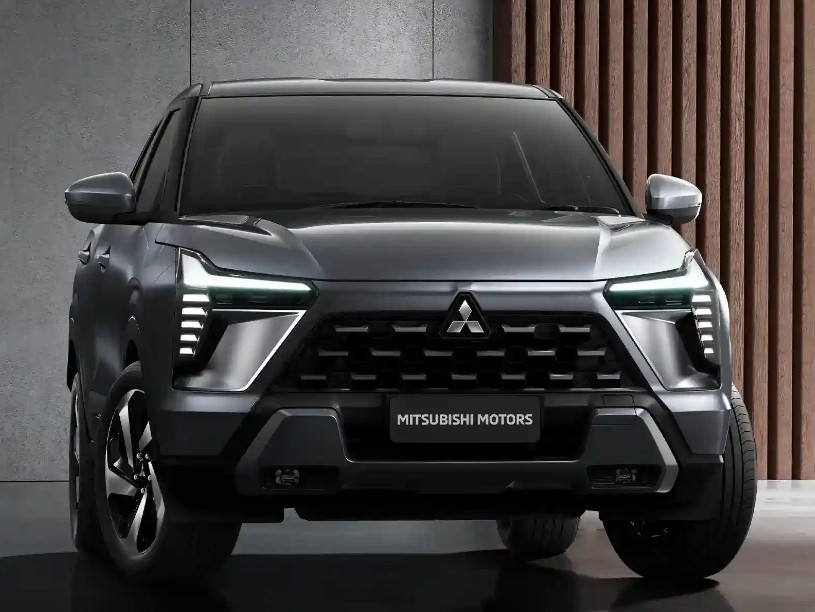
Choosing the correct Mitsubishi Outlander tire size might seem straightforward. We glance at the sidewall, copy a string of numbers, and order four matching tires. Easy, right?
Not always.
The Outlander has been sold across multiple generations, trim levels, powertrains, and international markets. Depending on the model year and specification, it may leave the factory with anything from practical smaller wheels to bold 20-inch alloys. The gasoline Outlander, Outlander PHEV, and Outlander Sport also do not necessarily share the same fitment.
That variety makes tire shopping a little like buying shoes for someone without asking their size. Two vehicles may wear the same Mitsubishi badge while needing completely different rubber.
In this guide, we will explain how to identify the right size, decode the markings, compare common wheel options, select replacement tires, and avoid expensive fitment mistakes.
Important: Always confirm the exact specification on the tire-information placard inside the driver’s door, in the owner’s manual, or through a Mitsubishi dealer using the vehicle identification number. Tire sizes can differ by model year, trim, country, and optional wheel package.
Content in this publication
- What Is the Standard Mitsubishi Outlander Tire Size?
- How to Read a Mitsubishi Outlander Tire Size
- Mitsubishi Outlander Tire Size by Wheel Diameter
- 16-Inch Outlander Tires
- 18-Inch Mitsubishi Outlander Tires
- 20-Inch Mitsubishi Outlander Tires
- Outlander PHEV Tire Size Considerations
- Mitsubishi Outlander Sport Tire Size Is Different
- Where to Find the Correct Tire Size
- Can We Install a Different Tire Size?
- Can We Put 18-Inch Tires on a 20-Inch Outlander?
- Best Tire Type for a Mitsubishi Outlander
- All-Season Tires
- All-Weather Tires
- Winter Tires
- Summer Tires
- Light All-Terrain Tires
- Tire Pressure and Tire Size Are Not the Same Thing
- TPMS Considerations When Replacing Wheels
- How Tire Size Affects Ride and Handling
- Common Mitsubishi Outlander Tire Fitment Mistakes
- When Should Outlander Tires Be Replaced?
- How to Make Outlander Tires Last Longer
- Mitsubishi Outlander Tire Buying Checklist
- Which Mitsubishi Outlander Tire Size Is Best?
- Conclusion
- Frequently Asked Questions
- 1. What is the most common Mitsubishi Outlander tire size?
- 2. Can I replace 20-inch Outlander wheels with 18-inch wheels?
- 3. Do the Mitsubishi Outlander and Outlander Sport use the same tires?
- 4. Must all four tires match on an Outlander S-AWC?
- 5. Where is the recommended Outlander tire pressure located?
What Is the Standard Mitsubishi Outlander Tire Size?
There is no single tire size that fits every Mitsubishi Outlander.
On recent full-size Outlander models, the most prominent factory configurations use 18-inch or 20-inch wheels. For example, Mitsubishi Australia lists the following combinations for its 2025 Outlander range:
| Wheel size | Factory tire size | Typical character |
|---|---|---|
| 18 × 7.5J | 235/60R18 103H | More sidewall and everyday comfort |
| 20 × 8J | 255/45R20 101W | Sportier appearance and sharper response |
These figures come from Mitsubishi’s official Australian model-year brochure, but they should not automatically be applied to vehicles sold in other countries.
Recent North American Outlanders are likewise offered with 18- and 20-inch alloy-wheel packages, although the wheel supplied depends on the trim and model year. Mitsubishi’s current Canadian specifications list 18-inch wheels as standard on certain versions and 20-inch wheels on higher configurations.
Common Outlander Tire Sizes by Generation
Across the Outlander family, drivers may encounter sizes such as:
- 215/70R16
- 225/55R18
- 225/60R18
- 235/60R18
- 255/45R20
This is not a universal fitment list. It is a general overview of sizes associated with different Outlander years and markets. A tire that fits one generation may rub, alter the speedometer reading, overload the wheel, or interfere with the suspension on another.
Why Online Tire Charts Sometimes Disagree
One website may list 225/55R18, another may show 235/60R18, and a third may recommend 255/45R20. That does not automatically mean one source is wrong.
The discrepancy can result from:
- Different model generations
- Gasoline versus plug-in-hybrid versions
- Front-wheel drive versus all-wheel drive
- Regional specifications
- Trim-specific alloy wheels
- Factory appearance packages
- Previous-owner wheel upgrades
- Mid-year production changes
The Outlander name covers a family tree, not a single unchanging vehicle.
How to Read a Mitsubishi Outlander Tire Size
Suppose the sidewall reads:
235/60R18 103H
At first glance, it resembles a password created by an engineer. Once we split it apart, however, it becomes surprisingly logical.
235: Tire Width
The first number indicates the nominal width of the tire in millimetres.
A 235 tire is approximately 235 millimetres wide from sidewall to sidewall when mounted on an appropriate wheel.
A wider tire can provide:
- A broader contact patch
- More responsive dry-road handling
- A fuller, sportier appearance
- Potentially stronger cornering grip
However, wider does not automatically mean better. Extra width may also increase rolling resistance, road noise, cost, and the risk of rubbing if the fitment is unsuitable.
60: Aspect Ratio
The second number is the sidewall’s height as a percentage of the tire width.
In 235/60R18, the sidewall height equals 60 percent of 235 millimetres.
That works out to approximately 141 millimetres.
A higher aspect ratio generally gives us more cushioning. The sidewall behaves like a small flexible spring, helping absorb potholes, broken pavement, and sharp road edges.
A lower aspect ratio usually creates:
- Faster steering response
- Less sidewall flex
- A sportier profile
- Firmer ride quality
- Greater vulnerability to wheel damage
R: Radial Construction
The letter R means the tire uses radial construction.
Virtually all modern passenger-car and SUV tires use radial internal construction, so this letter is normal rather than a special performance designation.
18: Wheel Diameter
The final number in the main size identifies the wheel diameter in inches.
Therefore, a 235/60R18 tire fits an 18-inch wheel. It cannot be correctly installed on a 17- or 20-inch wheel.
This sounds obvious, yet it remains one of the easiest online-ordering mistakes to make. Tire width may be flexible within carefully calculated limits, but wheel diameter must match exactly.
103: Load Index
The number after the size is the tire’s load index.
It represents how much weight the tire can support at its rated pressure. A replacement tire should normally meet or exceed the original load rating specified for the vehicle.
Choosing an inadequate load index is not a harmless shortcut. The Outlander is a family SUV that may carry passengers, luggage, accessories, and—in approved configurations—a trailer. Its tires must safely support that combined burden.
H: Speed Rating
The final letter is the speed rating.
An H-rated tire is certified for a different maximum speed than a V- or W-rated tire. This does not mean we should drive anywhere near the rating. It indicates the tire’s tested performance category under controlled conditions.
Replacement tires should satisfy the vehicle manufacturer’s requirements for load, speed, dimensions, and construction.
Mitsubishi Outlander Tire Size by Wheel Diameter
Wheel diameter is often the simplest way to organize Outlander fitments.
16-Inch Outlander Tires
Some older or entry-oriented Outlander versions use 16-inch wheels.
A commonly encountered configuration is:
215/70R16
The taller sidewall gives the tire a sturdy, almost hiking-boot character. It may not fill the wheel arches as dramatically as a 20-inch setup, but it can offer meaningful practical advantages.
Benefits of 16-Inch Wheels
- Softer ride over rough surfaces
- Usually lower replacement cost
- Better protection against pothole damage
- More sidewall flex on gravel roads
- Strong availability in touring and all-terrain patterns
Possible Drawbacks
- Less immediate steering response
- More sidewall movement during cornering
- Less dramatic styling
- Limited compatibility with newer brake packages
Never assume that 16-inch wheels will clear the brakes on a newer Outlander simply because they fitted an older model.
18-Inch Mitsubishi Outlander Tires
The 18-inch format represents a useful middle ground.
Recent official Mitsubishi materials commonly pair 18 × 7.5J wheels with 235/60R18 103H tires in Australia.
The 18-inch setup balances comfort, appearance, replacement cost, and steering behaviour. It is the sensible pair of trainers in the Outlander wardrobe: attractive enough for daily use, yet forgiving when the road becomes ugly.
Why Many Drivers Prefer 18-Inch Tires
An 18-inch tire generally provides more sidewall than the comparable 20-inch package. That extra rubber can:
- Soften impacts
- Reduce the chance of bending a wheel
- Improve comfort on patched roads
- Make winter-tire packages more affordable
- Provide a broader selection of SUV touring tires
The precise experience still depends on the tire’s construction. A stiff performance-oriented 18-inch tire can ride more firmly than a comfort-focused 20-inch model, so size is only part of the equation.
20-Inch Mitsubishi Outlander Tires
Higher Outlander trims often wear 20-inch alloys.
Mitsubishi Australia specifies 255/45R20 101W tires with 20 × 8J wheels on relevant 2025 models.
These tires give the SUV a broader, more planted appearance. The thinner sidewall can also make the steering feel more immediate.
Advantages of the 20-Inch Setup
- Premium visual presence
- Sharper turn-in
- Reduced sidewall flex
- More direct on-road feel
- Strong match for higher-trim exterior styling
Disadvantages of 20-Inch Tires
- Higher purchase price
- Firmer response over potholes
- Greater risk of wheel damage
- Less sidewall protection
- Potentially higher road noise
- Fewer budget-friendly choices
A 20-inch wheel can look like polished armour, but its low-profile tire provides less cushioning when the road throws a punch.
Outlander PHEV Tire Size Considerations
The Mitsubishi Outlander PHEV deserves separate attention.
A plug-in hybrid carries a large traction battery and uses a different drivetrain layout from a conventional gasoline SUV. That can affect vehicle weight, axle loading, tire requirements, efficiency priorities, and replacement choices.
Current Outlander PHEV trims may also use 18-inch or larger alloy-wheel packages depending on the market and specification. Mitsubishi’s current U.S. trim information, for example, lists 18-inch alloy wheels on the entry PHEV configuration.
Why Load Rating Matters on the PHEV
Never choose a replacement tire based on dimensions alone.
Two tires can both read 235/60R18 while carrying different:
- Load indexes
- Speed ratings
- Reinforcement classifications
- Tread compounds
- Internal constructions
Because of the PHEV’s weight, using an under-rated tire could compromise durability, stability, and safety.
Can We Use EV-Specific Tires?
An EV-oriented or hybrid-optimized tire may offer:
- Lower rolling resistance
- Reinforced construction
- Reduced cabin noise
- Tread compounds designed for heavier vehicles
- Better resistance to torque-related wear
Nevertheless, the “EV” label is not mandatory by itself. A high-quality conventional SUV tire may be suitable when it matches Mitsubishi’s required size, load capacity, speed rating, and other specifications.
The label on the door jamb remains more important than the marketing label on the tire.
Mitsubishi Outlander Sport Tire Size Is Different
The Outlander Sport is a separate, smaller crossover sold in certain markets. It should not be confused with the standard three-row Outlander.
Recent U.S. Outlander Sport models have been offered with wheel packages ranging from 16 to 18 inches, depending on trim.
Therefore, searching only for “Outlander tires” can return results for the wrong vehicle.
Before ordering, confirm whether the vehicle is:
- Mitsubishi Outlander
- Mitsubishi Outlander PHEV
- Mitsubishi Outlander Sport
- Mitsubishi ASX, where related naming is used
- A previous-generation imported model
That extra minute can prevent the arrival of four large, expensive circles that are completely useless to us.
Where to Find the Correct Tire Size
The safest answer is already attached to the vehicle.
Check the Driver’s Door Placard
Open the driver’s door and inspect the door jamb or pillar.
The factory label normally shows:
- Original front tire size
- Original rear tire size
- Recommended cold inflation pressure
- Seating or load information
- Spare-tire specifications, where applicable
This is generally the most useful starting point because it refers to the vehicle as configured for its market.
Read the Existing Tire Sidewall
The current sidewall can reveal what is installed now, but it does not prove that the size is correct.
A previous owner may have:
- Installed aftermarket wheels
- Chosen an alternative size
- Used the wrong load rating
- Mixed tires between axles
- Changed the wheel diameter
- Fitted a temporary tire as a permanent replacement
We should compare the sidewall against the placard rather than trusting it blindly.
Consult the Owner’s Manual
The manual provides information about tires, wheels, pressure, maintenance, temporary spares, and replacement precautions.
Mitsubishi’s Outlander manuals dedicate specific sections to wheels and tires, reinforcing the importance of following the vehicle’s approved specifications.
Use the VIN
A Mitsubishi dealer or qualified tire shop can often identify the factory configuration through the VIN.
This is especially helpful when:
- The placard is damaged
- The vehicle was imported
- The wheels have been changed
- Several factory wheel packages were available
- The model year is uncertain
Can We Install a Different Tire Size?
Sometimes—but changing tire size requires calculation rather than guesswork.
A suitable alternative must account for:
- Overall tire diameter
- Tread width
- Wheel width
- Wheel offset
- Load rating
- Speed rating
- Brake clearance
- Suspension clearance
- Fender clearance
- TPMS compatibility
- Drivetrain requirements
The Three-Percent Diameter Guideline
Tire professionals often aim to keep the alternative tire’s overall diameter close to the original, frequently within roughly three percent.
This is a general guideline, not automatic approval.
Even when two sizes have similar diameters, the new tire might be too wide for the wheel, contact the strut, or rub the body during full steering lock.
How Size Changes Affect the Speedometer
The speedometer calculates road speed based partly on expected wheel rotation.
A taller tire travels farther with each revolution. As a result, the vehicle may be moving faster than the dashboard indicates.
A shorter tire travels less distance per revolution, potentially causing the speedometer to display a higher speed than the vehicle’s true road speed.
Changes can also influence:
- Odometer accuracy
- Transmission behaviour
- Traction-control calculations
- Stability-control operation
- Electric range estimates
- Fuel-economy readings
AWD and S-AWC Need Consistent Tires
On all-wheel-drive and S-AWC Outlanders, differences in tire circumference can create undesirable drivetrain stress.
All four tires should ideally match in:
- Size
- Brand and model
- Tread pattern
- Construction
- Load rating
- Wear level
Replacing one worn tire with a brand-new tire may create a meaningful tread-depth difference. A professional shop should measure the remaining tires before recommending a single replacement.
Can We Put 18-Inch Tires on a 20-Inch Outlander?
We cannot install an 18-inch tire on a 20-inch wheel. The tire and wheel diameters must match.
However, it may be possible to replace the complete 20-inch wheel-and-tire package with a compatible 18-inch package.
This is called downsizing.
Potential Benefits of Downsizing
- Improved ride comfort
- Lower tire prices
- Better pothole resistance
- More winter-tire options
- Increased sidewall protection
- Reduced wheel-replacement costs
What Must Be Verified First?
Before downsizing, confirm:
- The smaller wheel clears the brake components.
- The wheel has the correct bolt pattern.
- The centre bore is compatible.
- The offset is appropriate.
- The wheel has sufficient load capacity.
- The tire diameter remains suitable.
- The TPMS sensors can be installed and programmed.
- The package is legal in the relevant jurisdiction.
A wheel is not compatible simply because it has the correct number of bolt holes.
Best Tire Type for a Mitsubishi Outlander
Correct size gets the tire onto the vehicle. Correct tire type determines how well it suits our life.
All-Season Tires
All-season tires are a popular choice for commuting, family travel, and moderate climates.
They typically offer:
- Balanced dry and wet grip
- Predictable road manners
- Long tread life
- Moderate noise
- Broad availability
- Reasonable pricing
They are the Swiss Army knife of tire categories—versatile, convenient, and competent without necessarily dominating extreme conditions.
All-Weather Tires
All-weather tires are designed for year-round use while providing stronger winter ability than a conventional all-season product.
Many carry the three-peak mountain snowflake symbol, although drivers should check the exact certification.
They can be useful when we experience occasional snow but prefer not to store a second tire set.
Winter Tires
Dedicated winter tires use compounds and tread designs intended for low temperatures, snow, slush, and ice.
Their advantages include:
- Better cold-weather flexibility
- Stronger snow traction
- Improved braking on winter surfaces
- More confidence on icy roads
S-AWC can help distribute power, but it cannot manufacture grip. Four proper winter tires often make a greater difference than relying on all-wheel drive with unsuitable rubber.
Summer Tires
Summer tires prioritize warm-weather grip, steering precision, and braking.
They may suit drivers in consistently warm climates who want more responsive handling. However, many summer compounds lose flexibility as temperatures fall and should not be used in snow or freezing conditions.
Light All-Terrain Tires
Some Outlander owners spend time on gravel, campsites, forest tracks, or rural roads.
A mild all-terrain tire may provide:
- Stronger tread blocks
- Better loose-surface traction
- More robust sidewalls
- Improved resistance to cuts
The trade-offs can include increased weight, noise, rolling resistance, and fuel consumption. The Outlander is a crossover SUV, not a heavy-duty rock crawler, so aggressive off-road rubber may deliver more compromise than benefit.
Tire Pressure and Tire Size Are Not the Same Thing
Tire size tells us what fits. Tire pressure tells us how much air the vehicle manufacturer recommends for that application.
Do not inflate tires to the maximum number printed on the sidewall. That figure is a tire limit associated with its load rating, not necessarily the vehicle’s recommended operating pressure.
Use the cold-pressure figure on the driver’s door placard.
Why Correct Pressure Matters
Underinflation may cause:
- Excess heat buildup
- Heavy steering
- Shoulder wear
- Reduced efficiency
- Slower response
- Greater risk of tire damage
Overinflation may cause:
- Harsher ride quality
- Reduced impact absorption
- Uneven centre wear
- Less predictable grip
- Increased sensitivity to potholes
Check pressure when the tires are cold, preferably before driving or after the vehicle has been parked for several hours.
TPMS Considerations When Replacing Wheels
Modern Outlanders commonly use a tire-pressure monitoring system.
Depending on the model and market, replacing wheels may require:
- Compatible TPMS sensors
- Sensor identification
- Programming or relearning
- Correct valve hardware
- System initialization
Mitsubishi Canada notes that the current Outlander’s tire-pressure monitoring system can display individual tire information.
A warning light after wheel replacement does not always mean the tire pressure is low. It may indicate that a sensor is missing, incompatible, damaged, or not registered.
How Tire Size Affects Ride and Handling
The difference between 18- and 20-inch setups is more than cosmetic.
Ride Comfort
A taller sidewall bends more readily over imperfections. That flexibility can make an 18-inch setup feel calmer on cracked pavement.
A lower-profile 20-inch tire has less rubber between the wheel and road. Impacts may therefore feel sharper inside the cabin.
Steering Response
Low-profile tires usually deform less when we turn the steering wheel, producing a more immediate response.
That precision can feel satisfying on smooth roads, although it may make the vehicle more reactive to ruts and rough surfaces.
Road Noise
Noise depends heavily on the tread design and construction, but wider or performance-focused tires can generate more sound.
A premium touring tire may be quieter than an inexpensive tire in the same size. We should compare noise ratings and real-world reviews, not diameter alone.
Fuel Economy and Electric Range
Wider, heavier, or more aggressive tires can increase rolling resistance.
On a gasoline Outlander, that may reduce fuel economy. On an Outlander PHEV, it may trim electric range or increase energy consumption.
The change might be modest, yet it becomes noticeable over thousands of miles or kilometres.
Common Mitsubishi Outlander Tire Fitment Mistakes
Buying by Model Name Alone
“Fits Mitsubishi Outlander” is not enough.
A proper search should include:
- Model year
- Trim
- Powertrain
- Market
- Wheel diameter
- Existing placard size
Confusing the Outlander with the Outlander Sport
These are different vehicles with different fitment possibilities.
Always verify the full model name.
Ignoring Load and Speed Ratings
A matching size with an insufficient load index is not a correct replacement.
The complete specification matters.
Mixing Tire Types
Avoid mixing winter and summer tires, different tread designs, or drastically different wear levels across the vehicle.
Mixed traction characteristics can make emergency handling unpredictable.
Choosing Wheels by Appearance
A visually attractive wheel may have the wrong:
- Width
- Offset
- Bolt pattern
- Centre bore
- Load capacity
Fitment is geometry wearing a stylish jacket. The jacket means nothing when the geometry is wrong.
Forgetting the Spare Tire
Some Outlanders use a space-saver spare rather than a full-size spare. Mitsubishi Australia’s recent Outlander range information specifically identifies space-saver spare-wheel equipment on applicable versions.
A temporary spare has restrictions on speed, distance, and use. Read the label and manual before driving.
When Should Outlander Tires Be Replaced?
Tread depth is only one part of tire condition.
Consider replacement when we notice:
- Tread approaching the legal or manufacturer-recommended limit
- Cracks in the sidewall
- Bulges or bubbles
- Exposed cords
- Repeated air loss
- Severe uneven wear
- Vibration caused by internal damage
- Punctures in non-repairable areas
- Age-related deterioration
- Damage from potholes or curbs
A tire can have visible tread and still be unsafe because of age, impact damage, or structural deterioration.
Understanding the Date Code
The DOT date code generally ends with four digits.
For example:
2524
This indicates that the tire was manufactured in the 25th week of 2024.
Age does not create an identical replacement deadline for every tire, but older tires should be inspected carefully and assessed according to manufacturer guidance, storage conditions, climate, and vehicle use.
How to Make Outlander Tires Last Longer
Good maintenance stretches the value of a tire set and keeps the vehicle feeling consistent.
Check Pressure Regularly
Inspect pressure at least monthly and before long journeys.
Temperature changes can alter pressure even when there is no puncture.
Rotate the Tires
Rotation helps distribute wear among the front and rear positions.
Follow the interval and pattern recommended for the specific drivetrain and tire type.
Directional tires, staggered sizes, and some specialized designs may require different rotation methods.
Maintain Wheel Alignment
Incorrect alignment can chew through a tire like a paper shredder.
Warning signs include:
- Vehicle pulling
- Crooked steering wheel
- Feathered tread
- Excess inner-edge wear
- Excess outer-edge wear
Balance the Wheels
An imbalance may create vibration at certain speeds and contribute to irregular wear.
Balancing is particularly important after installing new tires or repairing a puncture.
Avoid Harsh Impacts
Potholes and curbs can damage:
- Tire sidewalls
- Internal belts
- Alloy wheels
- Alignment components
- Suspension parts
After a hard impact, inspect the tire even when it does not immediately lose air.
Mitsubishi Outlander Tire Buying Checklist
Before purchasing, confirm every item below:
- Exact Outlander model and model year
- Gasoline, hybrid, or PHEV powertrain
- Trim level
- Original placard size
- Wheel diameter and width
- Required load index
- Required speed rating
- Seasonal tire category
- TPMS compatibility
- Spare-tire arrangement
- Matching circumference for AWD or S-AWC
- Local legal requirements
- Warranty terms
- Installation and balancing costs
- Alignment condition
This checklist may feel cautious, but tires are the vehicle’s only direct contact with the road. Each contact patch is roughly hand-sized, yet those four small areas must accelerate, steer, and stop an SUV carrying the people we care about.
Which Mitsubishi Outlander Tire Size Is Best?
The best size is normally the one Mitsubishi approved for the exact vehicle.
For many drivers, an 18-inch factory configuration offers an appealing balance of comfort, durability, cost, and appearance. A 20-inch setup provides stronger visual impact and sharper response, while smaller approved packages may suit winter driving or rough-road use.
There is no universal winner.
Choose based on:
- Factory compatibility
- Road quality
- Climate
- Annual mileage
- Driving style
- Comfort expectations
- Tire availability
- Replacement budget
A tire should complement the way we actually drive—not the imaginary version of ourselves who spends every weekend carving mountain roads or crossing deserts.
Conclusion
Finding the correct Mitsubishi Outlander tire size requires more than typing the model name into an online shop.
Outlander dimensions vary across generations, trims, countries, wheel packages, and powertrains. Current models commonly feature 18- and 20-inch configurations, while older versions may use smaller wheels. The standard Outlander, Outlander PHEV, and Outlander Sport also require separate fitment checks.
Start with the driver’s door placard. Confirm the full size, load index, speed rating, wheel dimensions, and pressure specification. When considering an alternative size, calculate the diameter and verify brake, suspension, fender, TPMS, and drivetrain compatibility.
The right tires make the Outlander feel composed and trustworthy. The wrong ones can turn a comfortable family SUV into a noisy, inaccurate, and potentially unsafe machine.
In other words, the tire code may look small on the sidewall, but its consequences are enormous.
Frequently Asked Questions
1. What is the most common Mitsubishi Outlander tire size?
The answer depends on model year, trim, and country. Recent full-size Outlanders commonly use 18- or 20-inch wheels. An official 2025 Australian specification lists 235/60R18 103H and 255/45R20 101W configurations. Always verify the driver’s door placard before purchasing.
2. Can I replace 20-inch Outlander wheels with 18-inch wheels?
A compatible 18-inch wheel-and-tire package may be possible, but it must clear the brakes and have the correct bolt pattern, centre bore, width, offset, load rating, overall diameter, and TPMS compatibility. A tire specialist should verify the complete setup.
3. Do the Mitsubishi Outlander and Outlander Sport use the same tires?
Not necessarily. The Outlander Sport is a smaller, separate model with its own wheel and tire specifications. Never order tires for one based on the fitment of the other.
4. Must all four tires match on an Outlander S-AWC?
They should match closely in size, construction, model, and tread depth. Significant circumference differences can affect handling and potentially stress an all-wheel-drive system. Have the remaining tread measured before replacing only one tire.
5. Where is the recommended Outlander tire pressure located?
Look for the tire-information placard inside the driver’s door or on the door pillar. Use the recommended cold pressure shown there rather than the maximum pressure printed on the tire sidewall.
If you want to know other articles similar to Mitsubishi Outlander Tire Size: Complete Fitment Guide you can visit the category Service and Parts.
Volvo S90 Engine Oil: Type, Capacity & Change Guide
Volvo S90 Boot Space: Size, Capacity and Practicality
SEO Title: Volvo S90 Oil Capacity: Complete Guide by Engine

Kia Sorento Oil Type: Complete Guide by Year & Engine
Kia Sorento Engine Capacity: Complete Guide by Year
Peugeot 308 Clutch Replacement Cost: Complete UK Guide for 2026
Leave a Reply
More content of your interest