

Mitsubishi Outlander Models: Generations, Trims, Engines, and Buyer’s Guide

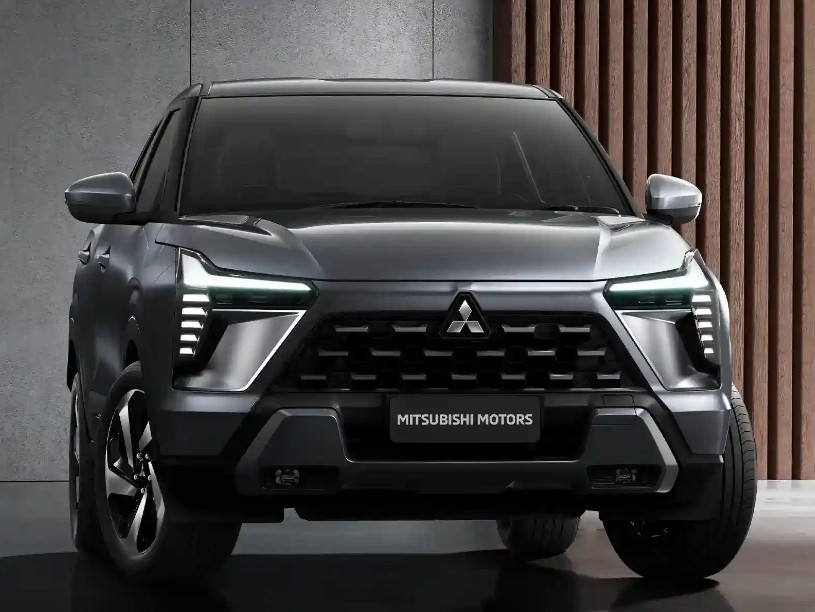
Shopping for a Mitsubishi Outlander can feel a little like opening a menu at a restaurant that serves everything. We find gasoline models, mild hybrids, plug-in hybrids, front-wheel drive, all-wheel drive, five-seat versions, seven-seat versions, and trim names that change as soon as we cross a national border.
Confusing? At first, yes.
The good news is that the Mitsubishi Outlander family becomes much easier to understand once we separate it into three layers: generation, powertrain, and trim level. The generation tells us which basic vehicle we are looking at. The powertrain determines how it produces and delivers energy. The trim level controls how much equipment, comfort, technology, and visual flair we receive.
The Outlander first appeared in 2001 and has since developed into one of Mitsubishi’s most important global vehicles. The fourth-generation gasoline model arrived in 2021, while the redesigned plug-in hybrid followed in several markets afterward. Because Mitsubishi adapts the range to individual countries, buyers should always confirm local specifications rather than assuming that an ES, SE, Aspire, or Exceed sold elsewhere is identical to the one available at home.
In this guide, we will untangle the Mitsubishi Outlander models, explore the major generations, explain the differences between gasoline and PHEV versions, and identify which configurations make the most sense for different drivers.
Content in this publication
- Understanding the Mitsubishi Outlander Range
- Mitsubishi Outlander Generations at a Glance
- Current Mitsubishi Outlander Model Types
- Gasoline Mitsubishi Outlander
- Mitsubishi Outlander PHEV Models
- Common Mitsubishi Outlander Trim Levels
- Mitsubishi Outlander ES
- Mitsubishi Outlander SE
- Mitsubishi Outlander LE
- Mitsubishi Outlander SEL
- Mitsubishi Outlander Black Edition
- Mitsubishi Outlander GT
- Australian Outlander Models
- Outlander Sport Models Explained
- How to Choose the Right Mitsubishi Outlander Model
- Choose an Entry Trim for Maximum Value
- Choose a Midrange Trim for Everyday Comfort
- Choose a Premium Trim for Luxury Features
- Choose the PHEV for Regular Electric Driving
- Choose AWD for Weather and Loose Surfaces
- New vs Used Mitsubishi Outlander Models
- Which Mitsubishi Outlander Model Is Best?
- Final Thoughts on Mitsubishi Outlander Models
- Frequently Asked Questions
- 1. How many Mitsubishi Outlander models are available?
- 2. What is the difference between the Outlander and Outlander Sport?
- 3. Is the Mitsubishi Outlander PHEV better than the gasoline model?
- 4. Which Mitsubishi Outlander trim offers the best value?
- 5. Does every Mitsubishi Outlander have seven seats?
Understanding the Mitsubishi Outlander Range
The Outlander is generally positioned as a compact or medium-sized crossover SUV, depending on how vehicles are classified in a particular market. It sits above Mitsubishi’s smaller urban crossovers and offers greater passenger flexibility, cargo capacity, and long-distance comfort.
Modern versions are usually offered with up to three rows of seating. Mitsubishi commonly describes the layout as a 5+2 arrangement because the compact third row is best suited to children, occasional passengers, or short journeys rather than regular use by tall adults.
The Outlander range can be divided into four broad categories:
- Conventional gasoline Outlander models
- Mild-hybrid Outlander models in selected markets
- Outlander Plug-in Hybrid Electric Vehicle models
- Outlander Sport or RVR models, which are separate, smaller vehicles
That final distinction matters. In the United States, the Outlander Sport is not simply a sporty trim of the standard Outlander. It is a smaller crossover with its own platform, dimensions, engines, and trim structure. In Canada, the closely related model has traditionally been sold as the RVR.
Mitsubishi Outlander Generations at a Glance
Before comparing today’s trim levels, we need to look backward. Used-car listings frequently combine several generations, and two Outlanders built only a few years apart can feel like entirely different vehicles.
First-Generation Mitsubishi Outlander
The first generation emerged in the early 2000s, although its launch date and original name varied by market. In Japan, an earlier version was associated with the Airtrek name before Outlander branding spread more widely.
These early models were compact, relatively simple, and more wagon-like than today’s upscale family SUV. Depending on the country, buyers could find naturally aspirated gasoline engines, turbocharged engines, front-wheel drive, or four-wheel drive.
The first generation makes the most sense today as an inexpensive used vehicle. However, age matters more than trim level at this stage. Service history, corrosion, transmission condition, cooling-system health, and previous accident repairs deserve far more attention than whether the vehicle carries a premium badge.
Who Should Consider the First Generation?
It may suit a budget-focused buyer who values simplicity and can inspect the vehicle carefully. It is less attractive for someone expecting contemporary safety assistance, refined cabin materials, quiet highway manners, or modern smartphone integration.
Second-Generation Mitsubishi Outlander
The second-generation Outlander brought a more recognizably modern SUV shape. It was larger, more practical, and offered a broader collection of engines and transmissions across international markets.
Some versions were equipped with four-cylinder gasoline engines, while certain countries received more powerful V6 models. Diesel engines were also available in parts of Europe and other regions. Seating configurations varied, with some models offering a small third row.
This generation helped establish the Outlander as a versatile family vehicle rather than a niche crossover. It also appeared during a period when Mitsubishi used trim names such as ES, SE, XLS, LS, VRX, and others depending on location.
Third-Generation Mitsubishi Outlander
The third generation marked a major shift toward efficiency. Its design became smoother and more aerodynamic, and Mitsubishi increasingly emphasized economical family transportation.
More importantly, this generation introduced the Outlander PHEV. Mitsubishi launched the plug-in hybrid version in Japan in 2013, presenting it as the world’s first plug-in hybrid SUV. It eventually reached more than 60 countries, helping turn electrification into a core part of the Outlander identity.
The third-generation PHEV combined a gasoline engine with electric motors and a rechargeable battery. It could handle many short journeys using electricity while keeping the gasoline engine available for longer trips.
That formula was clever because it removed much of the range anxiety associated with a fully electric vehicle. We could charge for local driving without planning every highway stop around a public charger.
Third-Generation Facelifts
The third generation went through several visual and technical revisions. Earlier examples have softer styling, while later versions adopted Mitsubishi’s more assertive Dynamic Shield front-end design.
Later models often received:
- Updated infotainment systems
- Revised interior materials
- Improved driver-assistance features
- Powertrain refinements
- Larger batteries in some PHEV versions
- Updated front and rear styling
When shopping used, the model year can therefore be nearly as important as the generation itself.
Fourth-Generation Mitsubishi Outlander
The fourth-generation Outlander represented a substantial leap in design, technology, cabin quality, and road presence. It adopted a wider stance, sharper bodywork, a more sophisticated dashboard, and a stronger emphasis on premium presentation.
The gasoline version launched in 2021, followed by the redesigned PHEV in subsequent markets. Mitsubishi positioned the new-generation PHEV as a flagship product rather than merely an economical alternative.
Compared with its predecessor, the fourth-generation model feels more mature. The cabin uses larger screens, better materials, clearer controls, and more supportive seating. Upper trims can include quilted leather, head-up displays, panoramic roofs, advanced audio systems, digital mirrors, and extensive driver-assistance technology.
Current Mitsubishi Outlander Model Types
Although exact availability depends on location, present-day shoppers will generally encounter a gasoline or mild-hybrid Outlander and an Outlander PHEV.
Gasoline Mitsubishi Outlander
The conventional Outlander remains the simplest choice. We fill the tank, drive normally, and avoid planning around charging.
Depending on the year and market, a gasoline Outlander may use a naturally aspirated engine or a newer turbocharged mild-hybrid system. In the United States, Mitsubishi’s 2026 Outlander range uses a 1.5-liter turbocharged mild-hybrid powertrain producing a stated 174 horsepower and 206 lb-ft of torque.
A gasoline or mild-hybrid Outlander generally suits drivers who:
- Cannot charge at home
- Regularly cover long highway distances
- Prefer a lower purchase price
- Want straightforward refueling
- Live where PHEV incentives are limited
- Do not want to manage charging habits
Its biggest weakness is that it cannot deliver the quiet electric commuting available from the plug-in hybrid.
Front-Wheel-Drive Outlander Models
Front-wheel-drive models are normally the most affordable and potentially the most economical under mild conditions. They are perfectly reasonable for paved roads, warm climates, and city use.
Their advantages include lower weight, fewer driven components, and a lower entry price. For many households, front-wheel drive is all the vehicle they genuinely need.
However, availability varies. Some countries emphasize all-wheel-drive models, while others offer both 2WD and AWD configurations. Australia, for example, markets the Outlander with both 2WD and AWD options.
All-Wheel-Drive Outlander Models
All-wheel-drive models improve traction during rain, snow, gravel-road driving, and slippery hill starts. Mitsubishi often uses the S-AWC name on more advanced versions.
S-AWC stands for Super All-Wheel Control. It does not transform the Outlander into a heavy-duty off-roader, but it can coordinate power delivery and braking to create a more stable, predictable driving experience.
An AWD Outlander is particularly attractive for:
- Snowy regions
- Rural roads
- Wet or mountainous areas
- Drivers who tow occasionally
- Families who travel throughout the year
- Buyers who prioritize confidence over maximum fuel economy
We should remember that AWD improves acceleration and stability on slippery surfaces, but it does not shorten braking distances in the way winter tires can. Good tires remain essential.
You may be interested in reading Mitsubishi Outlander Best Years: The Complete Used SUV Guide
Mitsubishi Outlander PHEV Models
The Outlander PHEV is the technological centerpiece of the range. It combines a gasoline engine, a rechargeable battery, electric motors, regenerative braking, and an electrified all-wheel-drive system.
For everyday use, it can behave much like an electric vehicle. For longer journeys, the gasoline engine provides additional flexibility. Mitsubishi describes the concept as an EV for daily use and a hybrid for extended trips.
The vehicle automatically manages different operating strategies depending on battery charge, road conditions, speed, and driver demand. The driver does not need to manually conduct an orchestra beneath the hood; the control system decides which instruments should play.
How the Outlander PHEV Works
In simple terms, the PHEV can operate using electricity, gasoline-generated electricity, or a combination of engine and electric assistance.
The precise behavior changes with speed and load, but common operating patterns include:
- Electric driving: The battery powers the electric motors.
- Series-hybrid operation: The gasoline engine generates electricity.
- Parallel-hybrid operation: The engine can contribute more directly at suitable speeds.
- Regenerative braking: The motors recover energy during deceleration.
- Plug-in charging: The battery is replenished from an external electricity source.
The transition between these states is usually automatic.
Who Benefits Most From the PHEV?
The PHEV works best when it is charged regularly. A driver with home charging and a moderate daily commute may complete much of the week using very little gasoline.
It is particularly well matched to buyers who:
- Have access to home or workplace charging
- Make frequent short and medium journeys
- Still need long-distance flexibility
- Want electric smoothness without owning a full EV
- Value standard or widely available all-wheel drive
- Can benefit from local tax or purchase incentives
A buyer who never plugs it in will still have a functioning hybrid SUV, but will not capture its full economic or environmental value. Carrying a sizable battery without charging it is a little like carrying a reusable water bottle and buying disposable bottles every day.
Seating in the Outlander PHEV
Current Outlander PHEV versions in several markets offer up to seven seats. For example, Mitsubishi Canada lists three-row seating for up to seven passengers on its 2026 model.
The third row is useful, but expectations should remain realistic. It is best treated as an occasional solution. Families that transport seven adults every day may be happier with a larger three-row SUV or minivan.
Common Mitsubishi Outlander Trim Levels
Trim names change by country and model year. We should therefore interpret them as rungs on a local equipment ladder rather than universal specifications.
Mitsubishi Outlander ES
ES commonly serves as the entry-level or value-oriented trim in North American and Australian ranges.
An ES model typically focuses on essential equipment:
- Core safety systems
- Cloth seating
- Smartphone connectivity
- Climate control
- LED exterior lighting
- Basic alloy wheels
- Rearview camera
- Keyless or remote-entry features
Modern entry trims are not necessarily bare. In Canada, the 2026 gasoline Outlander includes equipment such as S-AWC, seven-passenger seating, a 12.3-inch infotainment display, wireless smartphone integration, and an eight-speaker Yamaha audio system in parts of the range. Exact standard features still depend on trim and configuration.
Best For
The ES is often the smartest choice for practical buyers who care more about the vehicle than decorative extras. It can deliver the core Outlander experience at the lowest cost.
Mitsubishi Outlander SE
SE usually occupies the middle of the range. This is frequently where convenience features begin to accumulate rapidly.
Depending on market and year, an SE may add:
- Larger wheels
- Heated seats
- Improved upholstery
- Power-adjustable seating
- Panoramic sunroof
- Multi-view camera
- Additional driver assistance
- Wireless phone charging
- Enhanced infotainment
- Keyless access and push-button start
For many buyers, the SE is the sweet spot. It usually avoids the stripped-down feel of the base model without climbing into luxury-brand pricing.
Why the Middle Trim Often Wins
A vehicle is something we touch every day. Heated seats, a clear camera system, better headlights, and power adjustments may sound minor on a brochure, yet they can have more practical value than dramatic wheels or exterior badges.
The midrange model often invests in the features we use rather than the features neighbors notice.
Mitsubishi Outlander LE
LE can mean different things depending on the market. In Canada, it commonly sits above lower trims and adds appearance or convenience upgrades. In some model ranges, it may function as a special edition rather than a permanent step in the hierarchy.
An LE may include darkened exterior details, distinct wheels, upgraded upholstery, and extra technology.
Before paying more, compare the feature sheet line by line. Special-edition styling can be appealing, but black wheels and badges do not necessarily improve comfort or capability.
Mitsubishi Outlander SEL
SEL is generally an upper-level trim in the United States. It builds on the equipment of lower models with more upscale cabin materials and convenience features.
Available or included equipment may feature:
- Leather-appointed seating
- Power front seats
- Driver-seat memory
- Ventilated front seats
- Heated rear seats
- Premium audio
- Advanced camera technology
- Larger wheels
- Additional exterior brightwork
- Enhanced cabin trim
In the U.S. 2026 range, Mitsubishi also lists packages above the standard SEL configuration, including technology- and luxury-focused equipment groups.
Best For
The SEL suits buyers who like the Outlander’s size and powertrain but want a cabin closer to entry-luxury territory.
Mitsubishi Outlander Black Edition
The Black Edition centers on appearance. It typically uses dark wheels, dark exterior trim, black badges, a darker grille, and coordinated interior details.
Australia’s current Black Edition, for example, emphasizes black 20-inch wheels and darkened grille and emblem treatments.
This model is a style choice, not necessarily a performance upgrade. Think of it as the Outlander arriving in a tailored black jacket. The mechanical heart may be familiar, but the presentation becomes more dramatic.
Mitsubishi Outlander GT
GT is commonly used near the top of Canadian lineups, particularly in the PHEV range.
A GT can bundle many of the Outlander’s most desirable features:
- Premium leather upholstery
- Advanced driver-assistance systems
- Premium sound
- Panoramic glass roof
- Head-up display
- Multi-view cameras
- Heated and ventilated seating
- Digital driver information
- Upgraded exterior lighting
Canadian 2026 Outlander PHEV trims span from ES S-AWC through SE, LE, SEL, and GT configurations, demonstrating how significantly the naming ladder can differ from the U.S. range.
Best For
The GT is aimed at buyers who want nearly every available feature without moving to another brand.
Australian Outlander Models
Australia uses a distinct hierarchy. Mitsubishi’s listed gasoline Outlander range includes ES, LS, LS Black Edition, Aspire, Exceed, and Exceed Tourer.
Mitsubishi Outlander LS
The LS normally builds on the ES with extra convenience, visual upgrades, and technology. It is often positioned as a family-friendly value model.
Mitsubishi Outlander Aspire
Aspire moves further toward premium territory. Depending on the model year, it may introduce larger wheels, more advanced driver assistance, upgraded seating, additional cameras, and more polished interior materials.
The Aspire can be an appealing compromise for someone who wants substantial equipment but does not need every luxury feature.
You may be interested in readingMitsubishi Outlander Best Years: The Complete Used SUV GuideYou may be interested in reading
 Renault Koleos Models: Generations, Trims, Engines, and Key Differences
Mitsubishi Outlander Exceed
Exceed is an upper-level Australian trim. It typically brings leather appointments, advanced technology, a panoramic roof, additional seat functions, and improved cabin presentation.
Mitsubishi Outlander Exceed Tourer
The Exceed Tourer traditionally sits at or near the summit. It tends to combine top-level equipment with distinctive interior colors, upgraded leather, or other exclusive design details.
It is the model for buyers who want their family SUV to feel more like a lounge than a utility box.
Outlander Sport Models Explained
The Outlander Sport deserves its own section because its name causes endless confusion.
Despite the badge, the Outlander Sport is not a shorter suspension package, a performance edition, or a coupe-like version of the regular Outlander. It is a separate subcompact crossover.
In the United States, the 2026 Outlander Sport range includes S, ES, LE, SE, SEL, and Trail Edition trims. Mitsubishi also highlights standard All-Wheel Control on the current model.
Outlander vs Outlander Sport
The regular Outlander generally offers:
- A larger body
- More passenger space
- Available three-row seating
- More advanced powertrain choices
- A more modern premium cabin
- Greater family versatility
The Outlander Sport generally offers:
- Easier urban maneuverability
- A lower purchase price
- Simpler mechanical choices
- Two-row seating
- A smaller parking footprint
- A more traditional small-SUV experience
Calling them siblings is fair. Calling them twins is not.
How to Choose the Right Mitsubishi Outlander Model
The best Outlander is not automatically the most expensive one. It is the version that matches our daily pattern with the least waste.
Choose an Entry Trim for Maximum Value
An ES or comparable base model makes sense when budget, warranty coverage, and basic practicality matter most.
We should choose it when we are happy with cloth seats, smaller wheels, and fewer luxury features. Smaller wheels may also offer a softer ride and less expensive replacement tires.
Choose a Midrange Trim for Everyday Comfort
An SE, LS, LE, or similar midrange version often provides the strongest balance.
Look for features that genuinely improve daily ownership:
- Heated seats
- Adaptive cruise control
- Surround-view camera
- Power tailgate
- Better headlights
- Blind-spot monitoring
- Wireless smartphone connection
- Power driver’s seat
These upgrades can make every trip easier without turning the purchase into a rolling display cabinet.
SEL, GT, Exceed, and Exceed Tourer models target buyers who want comfort and visual richness.
They make sense when the vehicle will be kept for many years and the added features will be used regularly. They make less sense when the upgrade is driven primarily by larger wheels, especially if ride comfort and tire costs are priorities.
Choose the PHEV for Regular Electric Driving
The PHEV deserves serious consideration when charging is easy. Its advantages are strongest when the battery is replenished frequently.
Before purchasing, ask:
- Can we install or access dependable charging?
- How far is the normal daily commute?
- What does electricity cost locally?
- Are incentives available?
- How often do we make long trips?
- Will the vehicle be parked long enough to charge?
The right answers can turn the PHEV into the star of the range. The wrong answers can make a simpler gasoline model more sensible.
Choose AWD for Weather and Loose Surfaces
AWD is worthwhile for drivers who regularly face snow, steep wet roads, mud, gravel, or variable weather.
For dry urban driving, it may be an unnecessary cost. We should buy for the roads we actually travel, not the imaginary expedition shown in an advertisement.
New vs Used Mitsubishi Outlander Models
New Outlanders offer the latest safety systems, modern infotainment, stronger warranties, and more polished interiors. They also carry higher purchase prices and steeper initial depreciation.
Used Outlanders can offer excellent value, particularly late third-generation examples. However, PHEV buyers should examine charging operation, battery condition, service records, warning lights, and recall history.
For any used Outlander, inspect:
- Transmission behavior
- Engine noise from a cold start
- Suspension knocks
- Uneven tire wear
- Electronic warning messages
- Air-conditioning performance
- Power-tailgate operation
- Camera and sensor functions
- Evidence of collision repairs
- Complete maintenance documentation
A clean inspection report is more valuable than an impressive trim badge attached to a neglected vehicle.
Which Mitsubishi Outlander Model Is Best?
For many households, a midrange all-wheel-drive Outlander provides the best overall package. It combines useful technology, family practicality, and traction without the highest trim’s price.
For drivers who can charge at home, the Outlander PHEV may be the most compelling model. It blends electric commuting with gasoline-backed touring ability in a way that few direct rivals replicate.
For budget-conscious urban drivers, a front-wheel-drive ES or equivalent entry model keeps the formula simple.
For luxury-minded buyers, SEL, GT, Exceed, and Exceed Tourer models deliver the most polished experience.
There is no single winner because the Outlander range is less like a ladder and more like a toolbox. The hammer is not better than the screwdriver. It is simply better for a particular job.
Final Thoughts on Mitsubishi Outlander Models
The Mitsubishi Outlander has evolved from a relatively simple compact crossover into a broad global SUV family. Over four generations, it has grown larger, safer, more sophisticated, and more heavily electrified.
Today’s range stretches from practical gasoline and mild-hybrid models to advanced plug-in hybrids with three-row flexibility and all-wheel drive. Trim names such as ES, SE, LE, SEL, GT, LS, Aspire, and Exceed may look complicated, but they follow a basic pattern: lower trims prioritize value, middle trims add daily comfort, and upper trims emphasize luxury and technology.
The smartest shopping strategy is to start with our lifestyle rather than the brochure. We should decide whether we need seven seats, whether we can charge at home, whether AWD is genuinely useful, and which comfort features will matter after the novelty fades.
Once those questions are answered, the crowded Outlander menu suddenly becomes much shorter—and the right model becomes surprisingly easy to spot.
Frequently Asked Questions
1. How many Mitsubishi Outlander models are available?
The number depends on the country and model year. Some markets offer several gasoline trims plus a separate PHEV lineup. Trim names also vary, with examples including ES, SE, LE, SEL, GT, LS, Aspire, Exceed, and Exceed Tourer.
2. What is the difference between the Outlander and Outlander Sport?
The Outlander is the larger model and can offer three-row seating, more advanced powertrains, and greater family space. The Outlander Sport is a separate, smaller two-row crossover designed primarily for urban use and lower-cost ownership.
3. Is the Mitsubishi Outlander PHEV better than the gasoline model?
It can be better for drivers who charge regularly and make frequent short journeys. The gasoline model may be more practical for buyers without charging access or those who spend most of their time on long highway trips.
4. Which Mitsubishi Outlander trim offers the best value?
A midrange trim such as SE, LS, LE, or Aspire often provides the best value because it adds meaningful comfort and safety equipment without reaching the price of the flagship model. The ideal trim still depends on local specifications.
You may be interested in readingMitsubishi Outlander Best Years: The Complete Used SUV GuideYou may be interested in reading
Renault Koleos Models: Generations, Trims, Engines, and Key DifferencesYou may be interested in reading
 Peugeot 206 Models: Complete Guide to Versions, Trims, Engines, and Body Styles
5. Does every Mitsubishi Outlander have seven seats?
No. Seating capacity varies by generation, market, powertrain, and trim. Many current models provide a compact 5+2 seven-seat layout, but some older or regional versions may have only five seats. Always verify the exact vehicle specification before buying.
If you want to know other articles similar to Mitsubishi Outlander Models: Generations, Trims, Engines, and Buyer’s Guide you can visit the category Models.
Honda Passport vs Toyota 4Runner: Which SUV Is Better?
Honda Passport vs Ford Bronco: Which SUV Is Better?
Honda Passport vs Ford Explorer: Which SUV Is Better?
Honda Passport or Pilot: Which SUV Is Better?
Honda Passport vs Jeep Grand Cherokee: Which SUV Is Better?
Honda Passport vs Nissan Pathfinder: Which SUV Is Better?
Leave a Reply
More content of your interest