
Renault Koleos Models: Generations, Trims, Engines, and Key Differences

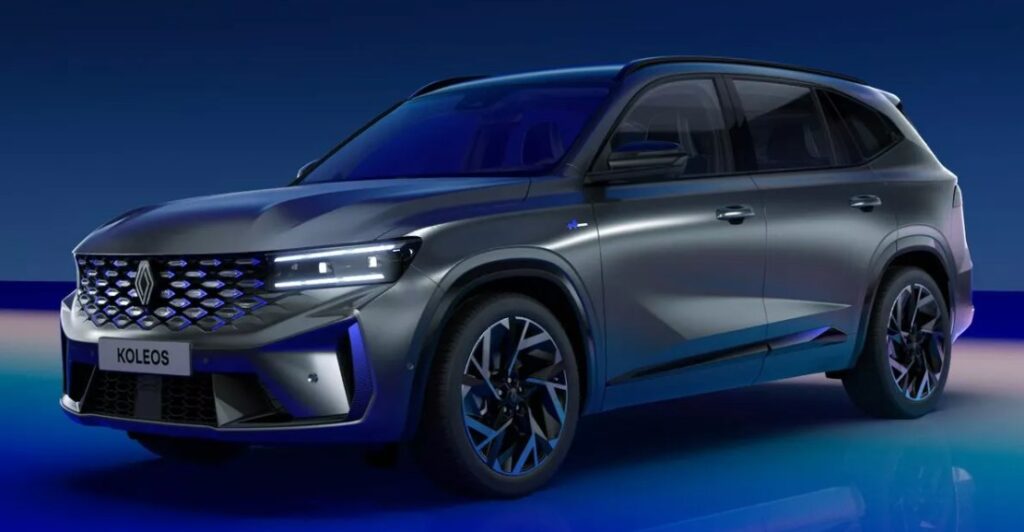
The Renault Koleos has always occupied an interesting corner of the SUV market. It carries a French badge, often uses engineering developed through the Renault–Nissan alliance, and has been assembled primarily in South Korea. That international recipe gives the Koleos a personality that feels different from the usual family SUV.
Yet searching for the right Renault Koleos model can become confusing surprisingly quickly. One country may advertise an Expression, another an Intens, and another a Zen, Iconic, Signature, Initiale Paris, or Evolution. Add petrol and diesel engines, front-wheel drive and four-wheel drive, plus two established generations and the newer Grand Koleos, and the model family begins to look like a crowded railway map.
So, how do we make sense of it?
In this guide, we explore the Renault Koleos models by generation, trim level, engine, drivetrain, and intended buyer. We will also explain why model names vary between markets and what to examine when buying one used.
Content in this publication
- Renault Koleos Models at a Glance
- Why Renault Koleos Model Names Vary by Country
- First-Generation Renault Koleos Models
- Second-Generation Renault Koleos Models
- Renault Koleos Life and Expression Models
- Renault Koleos Zen Models
- Renault Koleos Dynamique Models
- Renault Koleos Intens Models
- Renault Koleos Signature and Signature Nav
- Renault Koleos Initiale Paris
- Renault Koleos Iconic Edition
- Renault Koleos Evolution Models
- Renault Koleos Petrol Models
- Renault Koleos Diesel Models
- Renault Koleos 4x2 Models
- Renault Koleos 4x4 Models
- Renault Koleos Manual, Automatic, and CVT Models
- Renault Grand Koleos
- How to Choose the Best Renault Koleos Model
- Which Renault Koleos Trim Offers the Best Value?
- What to Check Before Buying Any Koleos Model
- Renault Koleos Models Compared in Simple Terms
- Are Renault Koleos Models Good Family SUVs?
- Conclusion: Understanding the Renault Koleos Range
- Frequently Asked Questions
Renault Koleos Models at a Glance
The Koleos story can broadly be divided into three chapters:
- First-generation Renault Koleos: the original compact crossover introduced internationally during the late 2000s.
- Second-generation Renault Koleos: the larger, more refined five-seat SUV launched during the second half of the 2010s.
- Renault Grand Koleos: a newer-generation model introduced first in South Korea as part of Renault’s international expansion strategy.
The Koleos has generally remained a five-seat SUV, even when its exterior dimensions placed it beside competitors that offered seven seats. That decision shaped its character. Instead of squeezing in a cramped third row, Renault used the available space to create a roomy second row and a practical luggage compartment.
The second-generation vehicle was offered in numerous configurations, including front-wheel drive, four-wheel drive, petrol engines, diesel engines, manual transmissions in selected markets, conventional automatics, and continuously variable transmissions. Renault’s UK launch material, for example, described six versions combining two diesel engines with two-wheel-drive and four-wheel-drive configurations.
Why Renault Koleos Model Names Vary by Country
Before comparing models, we need to clear away one major source of confusion: Renault does not use identical trim names everywhere.
A Koleos sold as a Zen in one market may resemble an Expression or Dynamique sold elsewhere. A high-specification Intens may overlap with a Signature, Iconic, Initiale Paris, or Evolution, depending on the country and model year.
This happens because importers adjust equipment packages to suit:
- Local pricing and taxes
- Customer preferences
- Climate requirements
- Safety regulations
- Available engines
- Competition within that market
- Production and supply arrangements
Consequently, we should never judge a Koleos solely by the badge on its tailgate. The actual equipment list matters far more.
Two vehicles wearing the same trim name may also differ because they were built in different years. Renault occasionally added technology, altered wheel designs, introduced special editions, or simplified the lineup without dramatically changing the exterior.
First-Generation Renault Koleos Models
The first-generation Koleos introduced Renault to a broader audience of crossover buyers. It was more compact and visually rugged than the model that followed, with a relatively upright body, short overhangs, and the chunky proportions typical of late-2000s SUVs.
It shared important technical foundations with other Renault–Nissan alliance vehicles. In South Korea, a related version was marketed as the Renault Samsung QM5. The Koleos was therefore never purely French in the traditional sense; it was an international SUV wearing Renault styling and branding.
Early First-Generation Koleos
Early models usually focused on straightforward practicality rather than luxury. Equipment depended heavily on the market, but typical features included:
- Air conditioning or climate control
- Cruise control
- Rear parking sensors
- Alloy wheels
- Folding rear seats
- Keyless entry on higher specifications
- Diesel or petrol engine choices
- Two-wheel drive or selectable four-wheel drive
Cabin design was functional, although it now appears dated next to modern SUVs. Buttons were plentiful, displays were relatively small, and glossy digital interfaces had not yet swallowed the dashboard.
That simplicity can be appealing to used-car buyers. Physical controls are easy to operate, while fewer complex screens may mean fewer expensive electronic distractions.
Facelifted First-Generation Koleos
Renault updated the first-generation Koleos during its production life. Facelifted examples received styling revisions that generally made the front end look cleaner and more consistent with Renault’s evolving design language.
Depending on the market and model year, these later vehicles could also include improved interior materials, updated navigation, revised equipment packages, and efficiency changes.
The facelift did not transform the Koleos into a completely different vehicle. Think of it as a familiar room with new lighting and furniture rather than a house rebuilt from its foundations.
Common First-Generation Trim Levels
Names varied, but first-generation buyers may encounter badges such as:
- Expression
- Dynamique
- Privilege
- Bose
- Signature
- Initiale
- Market-specific special editions
Entry models normally concentrated on essential comfort. Mid-range versions added better upholstery, upgraded climate control, larger alloy wheels, and additional convenience features. Flagship trims could feature leather seating, premium audio, navigation, a panoramic roof, and more sophisticated parking assistance.
Who Should Consider the First Generation?
A first-generation Koleos may suit us when we want:
- A relatively affordable used SUV
- Comfortable rather than sporty road manners
- Available four-wheel-drive capability
- A diesel engine for longer journeys
- A practical cabin without excessive digital complexity
However, age matters. Even a well-designed SUV can become expensive when neglected. Service history, transmission condition, diesel emissions equipment, suspension wear, and four-wheel-drive maintenance should influence the purchase more than a shiny paint finish.
Second-Generation Renault Koleos Models
The second-generation Koleos represented a major change in direction. It became longer, more mature, and noticeably more premium. Its styling adopted the bold Renault identity of the period, with a large central badge, prominent chrome detailing, C-shaped lighting elements, and a broad stance.
Inside, it felt like a different species. Vertical infotainment screens appeared on many versions, materials improved, and passenger space became one of its strongest advantages. Renault itself positioned the vehicle as a roomy five-seat SUV with a strong focus on comfort and interior space.
The second generation is the model most shoppers now associate with the Koleos name.
Second-Generation Koleos Before the Facelift
Pre-facelift vehicles established the core formula:
- Five spacious seats
- Large-SUV exterior dimensions
- Front-wheel-drive and four-wheel-drive variants
- Petrol and diesel engine availability
- R-LINK 2 infotainment
- Strong emphasis on refinement
- A comfortable, softly controlled ride
These models looked upscale without becoming ostentatious. The exterior wore chrome like a tailored watch—not invisible, but usually restrained enough to avoid shouting.
Depending on trim, the cabin could include a portrait-oriented 8.7-inch touchscreen, leather upholstery, heated seats, a powered tailgate, digital instruments, and parking assistance.
Facelifted Second-Generation Koleos
The facelift brought detail changes rather than a total redesign. Updates varied between regions but could include revised bumpers, lighting improvements, different wheel designs, altered cabin materials, newer driver-assistance equipment, and changes to the engine lineup.
Later cars may look nearly identical at first glance, so buyers should check the registration year, build date, infotainment system, headlamp design, and specification sheet rather than relying on photographs alone.
A facelifted Koleos can be attractive because it preserves the second generation’s spacious cabin while adding more contemporary features. Nevertheless, a late model is not automatically a better purchase if its history is incomplete or its maintenance has been delayed.
Renault Koleos Life and Expression Models
At the affordable end of the range, Renault used names such as Life and Expression in certain markets.
These versions usually provided the core Koleos experience without the decorative extras found on flagship trims. We can generally expect practical equipment such as:
- Air conditioning or dual-zone climate control
- Cruise control
- Bluetooth connectivity
- Rear parking sensors
- A reversing camera on later versions
- Cloth upholstery
- Smaller alloy wheels
- Essential safety technology
An entry-level Koleos is not necessarily a poor choice. Smaller wheels often improve ride comfort and reduce tyre replacement costs. Cloth seats can also be preferable in hot climates, while a simpler cabin may age more gracefully.
The compromises usually involve less powerful lighting, fewer powered seat functions, basic audio, no panoramic roof, and a smaller infotainment display.
Best Buyer for an Entry-Level Koleos
We would consider a Life or Expression when value matters more than visual theatre. It makes sense for families, fleet users, high-mileage drivers, and owners who would rather spend money on maintenance than oversized wheels.
A well-kept base model can be a wiser purchase than a neglected flagship. Leather seats and a glass roof are charming, but they cannot compensate for dirty transmission fluid or missing service records.
Renault Koleos Zen Models
The Zen badge has commonly represented a balanced middle point in Renault lineups. In the Koleos, it generally combines useful everyday technology with restrained pricing.
Typical Zen equipment may include:
- Dual-zone climate control
- Smartphone integration, depending on year
- Satellite navigation
- Front and rear parking sensors
- Reversing camera
- Keyless entry and start
- Rain-sensing wipers
- Automatic headlights
- Larger alloy wheels
- Improved interior trim
The Zen is often the sweet spot because it gives us most of the features we notice every day without forcing us to pay for every luxury option in the catalogue.
Why the Zen Often Makes Sense
Many premium features are enjoyable during a showroom visit but less important after six months of ownership. The Zen normally concentrates on conveniences we actually use: parking support, automatic lighting, climate control, navigation, and keyless access.
You may be interested in reading Peugeot 206 Models: Complete Guide to Versions, Trims, Engines, and Body Styles
It is the Koleos equivalent of ordering a good meal without covering the table in unnecessary side dishes.
Renault Koleos Dynamique Models
The Dynamique name appeared more frequently in earlier Renault ranges and in selected Koleos markets. It typically sat above the most basic trim while maintaining a practical, family-oriented specification.
A Dynamique may add:
- Larger wheels
- Better seat fabric
- Additional chrome detailing
- Enhanced audio
- More sophisticated climate control
- Parking sensors
- Automatic lights and wipers
- Improved infotainment
Because the Dynamique badge was used across different years and countries, its precise specification must be verified vehicle by vehicle.
Dynamique Versus Zen
These badges may represent similar positions in different markets rather than two directly comparable global trims. A Dynamique is not always below or above a Zen because they may never have been sold together.
The safest comparison is simple: list the actual equipment in each vehicle and ignore assumptions based on the badge.
Renault Koleos Intens Models
The Intens is commonly one of the most desirable mainstream Koleos specifications. It usually adds premium materials and technology while stopping just short of limited-edition or luxury-brand territory.
Depending on country and year, an Intens can include:
- Leather upholstery
- Heated front seats
- Electric front-seat adjustment
- Large portrait touchscreen
- Satellite navigation
- LED headlights
- Powered tailgate
- Blind-spot monitoring
- Larger alloy wheels
- Ambient lighting
- Panoramic sunroof
- Premium audio
It feels richer than the mid-range models, particularly at night when the cabin lighting, large display, and upgraded materials work together.
Is the Intens Worth Buying?
The Intens makes sense when comfort and presentation matter. It can feel considerably more special than a basic version without requiring us to enter luxury-SUV price territory.
However, higher specification creates more items to inspect. Test every powered seat movement, camera, sensor, tailgate function, heating element, sunroof control, and infotainment feature. A flagship feature is only a benefit while it works.
The Signature and Signature Nav names were used for well-equipped Koleos models in certain markets, including the UK.
These versions typically brought together many of the vehicle’s most desirable features:
- Leather seating
- Large infotainment screen
- Built-in navigation
- Full LED lighting
- Upgraded wheels
- Powered front seats
- Heated seats
- Hands-free powered tailgate
- Premium interior detailing
- Advanced parking aids
The “Nav” designation usually highlights the inclusion of integrated satellite navigation, although exact equipment still depends on year.
Signature Model Advantages
A Signature can deliver impressive value on the used market. Luxury equipment depreciates heavily, which means a second owner may receive leather, navigation, premium lighting, and powered conveniences for a relatively modest price increase over a basic model.
The trade-off is complexity. Check the electronics carefully and remember that large wheels can make tyres more expensive while slightly sharpening the ride over broken surfaces.
Renault Koleos Initiale Paris
Initiale Paris traditionally represents Renault’s luxury-focused specification. A Koleos carrying this badge aims to feel closer to an executive SUV than an ordinary family crossover.
Potential features include:
- Premium leather upholstery
- Distinctive exterior trim
- Exclusive wheel designs
- Heated and ventilated seats
- Driver-seat memory
- Upgraded sound system
- Panoramic roof
- Ambient lighting
- Enhanced parking assistance
- Additional cabin insulation or comfort touches
Availability was limited to particular markets, and equipment changed over time.
What Makes Initiale Paris Different?
The difference is not merely the number of gadgets. Initiale Paris models usually combine colours, materials, stitching, wheels, and decorative finishes into a more cohesive luxury package.
It is the Koleos wearing its best jacket.
For used buyers, condition is crucial. Creased leather, scratched wheels, damaged trim, and a poorly functioning infotainment system can quickly erase the premium atmosphere.
Renault Koleos Iconic Edition
Renault has also used the Iconic name for special or high-specification versions. In Australia, an Iconic Edition announced in 2023 included features such as powered front seats, driver memory and massage, heated and ventilated seating, a panoramic opening roof, an 8.7-inch portrait touchscreen, hands-free tailgate, rear air vents, automatic high beam, and hands-free parking assistance.
This was not a stripped-down marketing special with a few stickers. It bundled genuine comfort and convenience features.
Who Is the Iconic Edition For?
The Iconic Edition suits buyers who want a nearly complete equipment package without spending days comparing option lists.
It is particularly appealing in warm climates because ventilated front seats can be more valuable than heated seats. The panoramic roof brightens the cabin, although we should inspect its seals, blind mechanism, and drainage channels when buying used.
Renault Koleos Evolution Models
The Evolution name has appeared in later Australian Koleos listings. Renault Australia describes the Evolution 4x2 with features including 18-inch two-tone alloy wheels, black leather upholstery, heated and electrically adjustable front seating, an 8.7-inch R-LINK 2 touchscreen, a hands-free powered tailgate, and hands-free parking assistance.
This specification sits toward the premium side of the lineup, even though “Evolution” may sound like a mid-range badge.
That illustrates why trim names cannot be interpreted without checking the local specification.
Renault Koleos Petrol Models
Petrol Koleos models are often the simplest choice for drivers covering moderate annual distances, making short trips, or living in places where diesel emissions equipment is inconvenient.
Depending on generation and market, petrol engines have been paired with manual, automatic, or continuously variable transmissions. In many second-generation markets, the naturally aspirated petrol engine and CVT combination became common.
Advantages of Petrol Koleos Models
Petrol variants may offer:
- Quieter cold starts
- Smoother urban driving
- Fewer diesel-emissions concerns
- Better suitability for short journeys
- Easier availability in some markets
- Lower used purchase prices in diesel-oriented regions
The drawback is fuel consumption, especially in city traffic. The Koleos is not a tiny crossover, and moving a substantial SUV body requires energy.
A petrol Koleos suits us when comfort and simplicity matter more than maximum long-distance efficiency.
Renault Koleos Diesel Models
Diesel engines played an important role in the Koleos range, particularly in Europe, the UK, Australia, and other markets where diesel SUVs were historically popular.
Second-generation UK models, for example, were launched with 1.6-litre dCi 130 and 2.0-litre dCi 175 diesel choices, with drivetrain availability varying by version.
Diesels generally provide stronger low-speed torque and more relaxed motorway performance. They can also return better fuel economy during long journeys.
Advantages and Drawbacks of Diesel Models
A diesel Koleos can be ideal for:
- Frequent motorway travel
- Long-distance commuting
- Towing within the vehicle’s rated limits
- Rural driving
- High annual mileage
However, repeated short journeys may not allow the diesel particulate filter to regenerate properly. Used buyers should investigate warning lights, service history, injector condition, turbo performance, exhaust-system maintenance, and evidence of oil dilution or neglected servicing.
A diesel SUV needs the right lifestyle. Buying one solely because its official fuel figure looks attractive can be a false economy.
Renault Koleos 4x2 Models
A 4x2 Koleos drives either the front wheels or, in the context of most modern Koleos variants, primarily the front wheels.
For the average family driver, front-wheel drive is often entirely adequate. It usually offers:
- Lower purchase cost
- Reduced mechanical complexity
- Slightly lower weight
- Potentially better fuel economy
- Fewer drivetrain components to maintain
It is suitable for city streets, motorways, dry rural roads, and ordinary gravel tracks driven sensibly.
You may be interested in readingPeugeot 206 Models: Complete Guide to Versions, Trims, Engines, and Body StylesYou may be interested in reading
Peugeot 206 207 Comparison: Which Small Peugeot Is Better?When Front-Wheel Drive Is the Better Choice
We should choose 4x2 when we rarely encounter snow, mud, steep loose surfaces, or demanding off-road conditions.
Four-wheel drive can provide extra confidence, but carrying it everywhere without using it is like packing hiking boots for a trip spent entirely beside a swimming pool.
Renault Koleos 4x4 Models
Four-wheel-drive Koleos models use Renault–Nissan alliance technology designed to improve traction on loose or slippery surfaces. Depending on the generation, the driver may be able to select modes that prioritise front-wheel drive, distribute torque automatically, or lock a more even front-to-rear split at lower speeds.
The system is intended to support traction rather than turn the Koleos into a hardcore rock crawler.
When a 4x4 Koleos Makes Sense
A four-wheel-drive model may be worthwhile for:
- Snowy regions
- Wet rural properties
- Gravel roads
- Muddy campsites
- Boat ramps
- Steep, loose driveways
- Drivers who regularly travel beyond sealed roads
Tyres still matter enormously. Four-wheel drive cannot create grip where worn or unsuitable tyres provide none.
When inspecting a used 4x4, verify that matching tyres are fitted, warning lights remain off, selectable modes operate correctly, and there are no unusual noises from the rear drivetrain.
Renault Koleos Manual, Automatic, and CVT Models
Transmission availability differs widely by generation, engine, and country.
Some diesel Koleos variants used manual gearboxes, while others received conventional automatic transmissions. Petrol versions in several markets commonly used an X-Tronic continuously variable transmission.
Manual Koleos
The manual offers direct control and may appeal to drivers who prefer traditional gear changes. It can also be cheaper to purchase.
Clutch wear becomes a significant inspection point, particularly in heavy SUVs used for towing or urban driving.
Conventional Automatic Koleos
A traditional automatic can provide smooth, relaxed progress and familiar behaviour. Maintenance history is essential because transmission repairs can be expensive.
CVT Koleos
The CVT keeps the engine within an efficient operating range by changing ratios continuously instead of shifting through fixed gears in the conventional manner.
During hard acceleration, engine speed may rise and remain elevated while road speed builds. Some drivers interpret this as slipping, even when the transmission is functioning normally.
A healthy CVT should operate smoothly without violent shuddering, delayed engagement, overheating warnings, or abnormal whining. Evidence of correct fluid servicing is extremely valuable.
Renault Grand Koleos
The Grand Koleos begins a newer chapter. Renault introduced it in South Korea as part of its International Game Plan, and the company referred to the model’s rollout beginning in 2024.
Despite the familiar name, we should not assume it is simply a lightly facelifted second-generation Koleos. It represents a new product direction with different technology, styling, and market priorities.
The Grand Koleos has been positioned as a more advanced and upscale SUV, with electrified powertrain availability and a stronger emphasis on connected cabin technology.
Is the Grand Koleos the Third Generation?
It is reasonable to view the Grand Koleos as the next major chapter in the Koleos family, but Renault’s naming and market strategy are not identical worldwide.
The established second-generation Koleos may continue to appear in some markets while the Grand Koleos remains concentrated elsewhere. Availability, engines, and branding should therefore be checked through the official Renault distributor in the buyer’s country.
How to Choose the Best Renault Koleos Model
There is no universal “best” Koleos. The right model depends on where and how we drive.
A practical decision process looks like this:
- Choose the generation.
The first generation is cheaper and simpler; the second feels roomier and more modern. - Choose petrol or diesel.
Petrol generally suits shorter journeys; diesel better suits frequent long-distance driving. - Choose 4x2 or 4x4.
Front-wheel drive is enough for most paved-road use; 4x4 helps in genuinely slippery conditions. - Set an equipment priority.
Decide whether leather, powered seats, premium audio, parking cameras, and a panoramic roof genuinely matter. - Compare actual vehicles.
Service history and condition should outweigh trim prestige. - Budget beyond the purchase price.
Include tyres, insurance, servicing, fuel, registration, and possible repairs.
Which Renault Koleos Trim Offers the Best Value?
For many buyers, a Zen, Dynamique, or equivalent mid-range model offers the strongest value. These trims commonly provide climate control, navigation or smartphone connectivity, parking assistance, alloy wheels, and keyless convenience without every expensive luxury feature.
Drivers who value comfort may prefer an Intens, Signature, Evolution, Iconic, or Initiale Paris. These versions feel more premium and can represent excellent used value after depreciation.
The best bargain is not always the cheapest listing. It is the vehicle with the strongest combination of:
- Verified maintenance
- Clean inspection results
- Appropriate engine
- Useful equipment
- Sensible mileage
- Good tyres
- Evidence of careful ownership
What to Check Before Buying Any Koleos Model
Before purchasing, we should inspect more than the paint and upholstery.
Mechanical Checks
Look for:
- Smooth cold starting
- Stable idle
- Clean acceleration
- Correct transmission behaviour
- No suspension knocks
- Even tyre wear
- No drivetrain warning lights
- Effective braking
- Evidence of fluid leaks
- Complete maintenance records
Electronic Checks
Test:
- Infotainment screen
- Bluetooth and phone connectivity
- Navigation
- Parking sensors
- Cameras
- Electric seats
- Heated and ventilated seats
- Powered tailgate
- Keyless entry
- Sunroof
- Climate control
- Driver-assistance systems
Model-Specific Verification
Confirm the precise trim through the vehicle identification number, original sales invoice, official brochure, or Renault dealer records.
Sellers occasionally describe a vehicle using a higher trim name because it has leather seats or large wheels. Optional extras do not necessarily change the official model designation.
Renault Koleos Models Compared in Simple Terms
Here is the broad hierarchy we are likely to encounter:
| Model Type | Typical Character | Best For |
|---|---|---|
| Life or Expression | Essential equipment and lower cost | Budget-conscious families |
| Dynamique or Zen | Balanced comfort and technology | Most everyday buyers |
| Intens | Premium mainstream specification | Comfort-focused owners |
| Signature or Signature Nav | High equipment level | Used-luxury value |
| Evolution | Feature-rich later-market trim | Buyers wanting modern convenience |
| Iconic Edition | Special high-specification package | Drivers wanting nearly every extra |
| Initiale Paris | Luxury-oriented flagship | Buyers prioritising materials and prestige |
| 4x2 | Simpler and potentially more efficient | Primarily paved-road driving |
| 4x4 | Additional traction capability | Snow, gravel, mud, and rural use |
This table is a guide rather than a universal ranking. Equipment and trim positioning vary by country and year.
Are Renault Koleos Models Good Family SUVs?
The second-generation Koleos is particularly well suited to families who want genuine rear-seat space but do not require seven seats.
Its relaxed road manners, broad cabin, practical storage, and available comfort equipment make long journeys pleasant. The rear bench tends to feel more usable than the occasional third row found in some rivals.
The Koleos is not generally the obvious choice for drivers seeking sports-car steering or dramatic acceleration. Its personality is calmer. It prefers to glide rather than wrestle with the road.
That can be its greatest strength. Not every school run needs to feel like a qualifying lap.
Conclusion: Understanding the Renault Koleos Range
The Renault Koleos model range appears complicated because the same vehicle has worn different trim names, engines, and equipment packages across multiple countries.
Once we divide the family into generations, the picture becomes clearer. The first generation offers affordable, relatively straightforward SUV ownership. The second generation delivers more space, refinement, and technology. High-specification versions such as the Intens, Signature, Iconic, Evolution, and Initiale Paris add luxury, while 4x4 variants provide useful traction for drivers who genuinely need it. The Grand Koleos then opens a new, more technology-focused chapter.
Our best approach is to ignore assumptions created by badges and examine each vehicle individually. A mid-range Koleos with excellent history may be a far better companion than a flagship model hiding years of neglect.
Choose the engine for the journeys we actually make, the drivetrain for the roads we truly use, and the equipment we will appreciate after the showroom excitement fades. Do that, and the Koleos can be a roomy, comfortable SUV that quietly gets on with family life.
Frequently Asked Questions
1. How many Renault Koleos generations are there?
The Koleos has two widely established global generations: the original first-generation SUV and the larger second-generation model. The newer Renault Grand Koleos represents the next major chapter, initially introduced in South Korea, although availability and generation terminology may vary by market.
2. Which Renault Koleos model is the best?
For most buyers, a mid-range Zen, Dynamique, or equivalent specification offers the best balance of price and equipment. Buyers seeking luxury may prefer an Intens, Signature, Evolution, Iconic, or Initiale Paris, provided every electronic feature works correctly.
3. What is the difference between Koleos 4x2 and 4x4 models?
A 4x2 model primarily drives the front wheels and is usually simpler, lighter, and potentially more economical. A 4x4 Koleos can distribute power between the front and rear axles to improve traction on slippery or loose surfaces.
You may be interested in readingPeugeot 206 Models: Complete Guide to Versions, Trims, Engines, and Body StylesYou may be interested in reading
Peugeot 206 207 Comparison: Which Small Peugeot Is Better?You may be interested in reading
 Ford Taurus Generations: A Complete Guide to Every Era
4. Is a petrol or diesel Renault Koleos better?
Petrol models generally suit short journeys and moderate annual mileage. Diesel models can be more economical on long trips and usually provide stronger low-speed torque, but they need appropriate driving conditions and careful emissions-system maintenance.
5. Is the Renault Grand Koleos the same as the older Koleos?
No. The Grand Koleos is not merely an equipment package for the familiar second-generation SUV. It is a newer product with different underpinnings, technology, styling, and electrified powertrain availability, launched initially as part of Renault’s international strategy.
If you want to know other articles similar to Renault Koleos Models: Generations, Trims, Engines, and Key Differences you can visit the category Models.
Honda Passport vs Toyota 4Runner: Which SUV Is Better?
Honda Passport vs Ford Bronco: Which SUV Is Better?
Honda Passport vs Ford Explorer: Which SUV Is Better?
Honda Passport or Pilot: Which SUV Is Better?
Honda Passport vs Jeep Grand Cherokee: Which SUV Is Better?
Honda Passport vs Nissan Pathfinder: Which SUV Is Better?
Leave a Reply
More content of your interest