

Chevrolet Silverado vs Toyota Tacoma: Which Truck Fits Your Life?

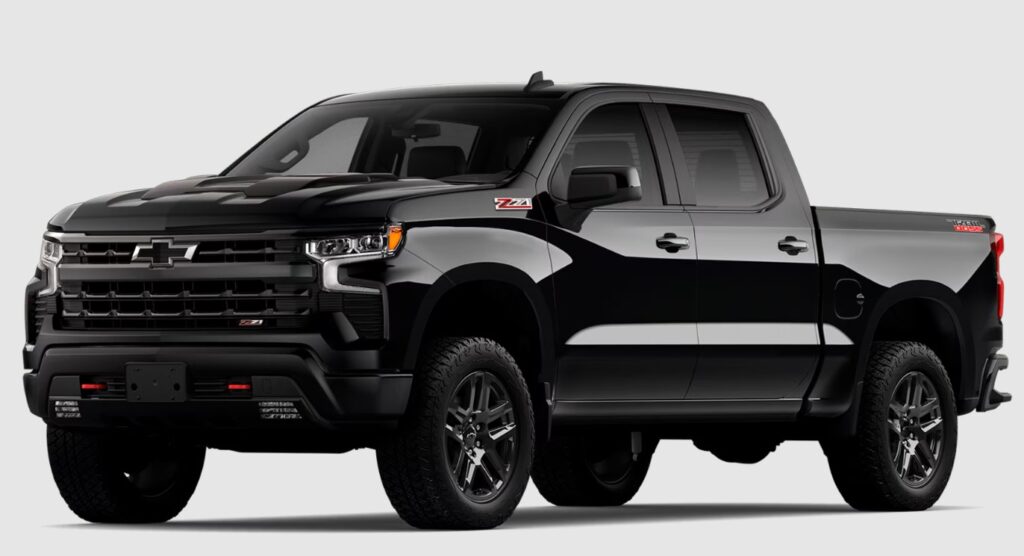
Comparing the Chevrolet Silverado with the Toyota Tacoma is not quite an apples-to-apples exercise. It is more like comparing a heavy-duty work boot with a rugged trail shoe. Both can get dirty, both can carry you through a hard day, and both have passionate owners—but they are designed for different kinds of work.
The Chevrolet Silverado 1500 is a full-size pickup built around towing strength, cargo capacity, spacious cabins, and broad configuration choices. The Toyota Tacoma is a midsize truck that focuses on manageable dimensions, off-road agility, everyday usability, and adventurous personality.
That distinction matters more than any horsepower figure or touchscreen measurement.
A Silverado may be the obvious winner when a trailer, large family, or demanding jobsite enters the picture. A Tacoma can make far more sense when we spend our weekends exploring narrow trails, squeezing into city parking spaces, or simply do not need the bulk of a full-size truck.
So, which pickup should we choose? Let us compare the Chevrolet Silverado vs Toyota Tacoma across performance, towing, comfort, practicality, off-road ability, costs, technology, and long-term ownership.
Content in this publication
- Chevrolet Silverado vs Toyota Tacoma at a Glance
- The Fundamental Difference: Full-Size vs Midsize
- Exterior Size and Everyday Maneuverability
- Engine Options and Performance
- Towing Capacity: A Clear Silverado Advantage
- Payload and Bed Utility
- Off-Road Capability
- Ride Quality and Road Manners
- Interior Space and Passenger Comfort
- Technology and Driver Assistance
- Fuel Economy and Running Costs
- Reliability and Long-Term Ownership
- Trim Levels and Buyer Personalities
- Chevrolet Silverado vs Toyota Tacoma for Work
- Chevrolet Silverado vs Toyota Tacoma for Families
- Chevrolet Silverado vs Toyota Tacoma for Daily Driving
- Which Truck Offers Better Value?
- Advantages of the Chevrolet Silverado
- Disadvantages of the Chevrolet Silverado
- Advantages of the Toyota Tacoma
- Disadvantages of the Toyota Tacoma
- Who Should Buy the Chevrolet Silverado?
- Who Should Buy the Toyota Tacoma?
- Final Verdict: Chevrolet Silverado or Toyota Tacoma?
- Frequently Asked Questions
Chevrolet Silverado vs Toyota Tacoma at a Glance
Here is the central difference:
- Choose the Chevrolet Silverado for maximum towing, heavier payloads, greater bed capacity, roomy rear seats, V8 or diesel availability, and serious work.
- Choose the Toyota Tacoma for easier maneuverability, narrower trails, off-road-focused trims, available hybrid performance, and a more compact footprint.
- Choose neither based on reputation alone. The better truck depends on what we carry, where we drive, and how often we genuinely need full-size capability.
Using the 2026 US-market models as a current reference, Chevrolet lists four Silverado 1500 engine choices and a maximum available towing capacity of 13,300 pounds. Toyota lists the Tacoma with turbocharged four-cylinder powertrains, including an available hybrid, and a maximum towing capacity of 6,500 pounds.
That towing gap tells us plenty. These trucks may appear together on shopping lists, but they occupy different weight classes.
The Fundamental Difference: Full-Size vs Midsize
Before discussing trims and engines, we need to understand the categories.
The Silverado 1500 is a full-size light-duty pickup. It competes more directly with the Ford F-150, Ram 1500, GMC Sierra 1500, and Toyota Tundra.
The Tacoma is a midsize pickup. Its natural rivals include the Chevrolet Colorado, Ford Ranger, GMC Canyon, Nissan Frontier, and Honda Ridgeline.
Why do buyers still compare the Silverado and Tacoma? Because prices can overlap. A well-equipped Tacoma can cost as much as—or more than—a lower or midlevel Silverado. Once two trucks appear in the same budget, the comparison becomes tempting.
Yet similar prices do not create similar vehicles.
The Silverado gives us more physical truck: more cabin room, a larger bed, stronger towing limits, and more engine diversity. The Tacoma gives us a smaller platform that may be easier to live with when enormous capability is unnecessary.
Is Bigger Automatically Better?
No.
A larger truck provides meaningful advantages, but it also asks us to accept additional bulk. Parking spaces feel tighter. Urban streets seem narrower. Washing the truck becomes a weekend project. A long Silverado can feel like a small boat when we are threading through crowded garages.
The Tacoma sacrifices some capacity in exchange for greater manageability. It is still not a tiny vehicle, but it generally feels less intimidating in dense traffic and on narrow trails.
The smartest question is not, “Which truck is bigger?”
It is, “Will we regularly use the extra size?”
Exterior Size and Everyday Maneuverability
The Silverado has a commanding road presence. Its broad body, tall front end, and available cab-and-bed combinations give it the traditional proportions many truck buyers want. It looks ready to pull equipment before we even turn the key.
Chevrolet offers numerous configurations, including regular, double, and crew cabs, along with different bed lengths. Depending on configuration, current Silverado models stretch roughly from 211 to 242 inches in overall length.
The Tacoma is more compact and trail-friendly. It can still occupy plenty of driveway, particularly in Double Cab and long-bed form, but its narrower dimensions make it easier to position on crowded roads.
Where the Silverado’s Size Helps
The Silverado’s larger footprint pays dividends when we need:
- More passenger space
- A wider and larger cargo bed
- Greater stability while towing
- Higher payload potential
- More storage throughout the cabin
- A stronger visual presence
Where the Tacoma’s Size Helps
The Tacoma becomes more appealing when we regularly face:
- Tight parking structures
- Narrow residential streets
- Confined worksites
- Forest trails
- Rocky switchbacks
- Small garages
- Congested city driving
A truck can be incredibly capable on paper and still feel inconvenient every morning. Daily usability deserves the same attention as maximum capacity.
Engine Options and Performance
The Silverado wins the engine-choice contest by a wide margin.
For the 2026 Silverado 1500, Chevrolet advertises four available engines: the TurboMax turbocharged four-cylinder, a 5.3-liter V8, a 6.2-liter V8, and a 3.0-liter Duramax turbo-diesel. Outputs range from the TurboMax engine’s 310 horsepower and 430 pound-feet of torque to the 6.2-liter V8’s 420 horsepower and 460 pound-feet. The diesel produces 305 horsepower and 495 pound-feet.
The current Tacoma uses a different strategy. Its lineup centers on a 2.4-liter turbocharged four-cylinder. Toyota advertises up to 278 horsepower and 317 pound-feet from the conventional i-FORCE powertrain, while the available i-FORCE MAX hybrid reaches up to 326 horsepower and 465 pound-feet.
Silverado TurboMax: Strong Entry-Level Muscle
The Silverado’s TurboMax engine challenges the idea that a base truck needs a large-displacement engine. Its healthy torque arrives in a way that suits everyday hauling and moderate towing.
For many owners, this engine provides enough performance without the purchase price of the premium V8 or diesel choices. It will not deliver the rumble traditionalists associate with a pickup, but capability matters more than soundtrack for some buyers.
Silverado V8 Engines: Traditional Truck Character
The available V8 engines remain central to the Silverado’s appeal.
The 5.3-liter option strikes a useful balance between familiar V8 performance and broad trim availability. The larger 6.2-liter engine is the emotional choice. It feels muscular, responds decisively, and gives the Silverado effortless passing power.
Do we need a 6.2-liter V8 to collect groceries? Of course not. But trucks are rarely purchased through logic alone. Sometimes we want the engine that makes an ordinary highway entrance feel like the opening scene of an action movie.
Silverado Duramax Diesel: Torque and Long-Distance Towing
The 3.0-liter Duramax turbo-diesel is particularly attractive for frequent towing and long highway journeys. Its 495 pound-feet of torque provides relaxed pulling power, while Chevrolet advertises up to 28 mpg on the highway in qualifying configurations.
A diesel does introduce additional considerations, including diesel fuel availability, emissions-system complexity, maintenance requirements, and potentially higher repair costs as the truck ages. It makes the strongest case when we regularly use its torque and efficiency advantages.
Tacoma i-FORCE: Practical Turbocharged Power
The non-hybrid Tacoma’s turbocharged engine supplies competitive everyday performance without pretending to be a full-size towing machine.
It feels best when used for commuting, light hauling, recreational towing, and off-road driving. Depending on trim, Toyota also continues to offer a six-speed manual transmission—an increasingly rare feature that gives enthusiasts a more involved driving experience.
Tacoma i-FORCE MAX: Hybrid Torque for the Trail
The Tacoma hybrid is not merely an economy-focused model. Toyota uses electrification to produce substantial low-end torque, with up to 465 pound-feet available.
That output can feel excellent in low-speed off-road situations, during quick acceleration, and when climbing grades. It gives the midsize Tacoma a strong initial shove, even though it does not transform the truck into a Silverado-level towing platform.
Performance Winner: Chevrolet Silverado
For outright acceleration choices, engine diversity, V8 availability, diesel torque, and heavy-duty confidence, the Silverado takes the victory.
The Tacoma’s hybrid system is impressive, but the Silverado offers a deeper powertrain toolbox.
Towing Capacity: A Clear Silverado Advantage
Towing is where the comparison stops being close.
The 2026 Silverado 1500 can tow up to 13,300 pounds in the correct configuration. The 2026 Tacoma reaches a maximum of 6,500 pounds.
That does not mean every Silverado can tow 13,300 pounds, nor does every Tacoma tow 6,500 pounds. Capacity changes according to engine, cab style, drivetrain, axle ratio, equipment packages, passengers, cargo, and optional features.
Always inspect the specific truck’s certification labels and manufacturer documentation before connecting a trailer.
What Can a Tacoma Realistically Tow?
A properly configured Tacoma may suit:
- Small travel trailers
- Lightweight campers
- Utility trailers
- Personal watercraft
- Dirt bikes
- ATVs
- Small fishing boats
- Modest equipment trailers
Its 6,500-pound maximum is substantial for a midsize pickup. The Tacoma is not weak; it simply plays in a lighter division.
What Can a Silverado Tow?
Depending on configuration, a Silverado can handle heavier loads such as:
- Larger travel trailers
- Bigger boats
- Enclosed car trailers
- Construction equipment
- Livestock trailers
- Heavier utility trailers
- Work machinery
- Multi-axle recreational trailers
The Silverado also benefits from a longer wheelbase and broader stance in many configurations, characteristics that can contribute to a more settled towing experience.
Maximum Capacity Is Not the Whole Story
We should not shop at the absolute edge of a truck’s published maximum without considering payload, tongue weight, passengers, cargo, and real-world conditions.
You may be interested in reading Chevrolet Silverado vs Ford Raptor: Which Truck Wins?
A trailer may fall below the towing limit while pushing the truck beyond its payload allowance. Hills, wind, heat, and elevation also affect how comfortable the combination feels.
For frequent towing above the Tacoma’s middle range, the Silverado provides a larger safety and comfort margin.
Towing Winner: Chevrolet Silverado
The Silverado is the decisive choice for serious towing. The Tacoma remains suitable for lighter recreational loads.
Payload and Bed Utility
Payload measures how much weight the truck can carry in its cabin and bed, not how much it can pull behind it.
Chevrolet configurations can provide considerably more payload than many Tacoma versions. Chevrolet’s configurator, for example, lists certain regular-cab long-bed Silverado configurations with maximum payload ratings above 2,400 pounds. Toyota states that the 2026 Tacoma can offer payload capacity of up to 1,705 pounds.
Again, those are maximum figures, not universal ratings.
Silverado Bed Advantages
The Silverado offers more cargo volume and broader bed choices. Its bed design includes 12 standard tie-downs, while Chevrolet promotes the Durabed for its substantial standard cargo volume.
This makes it better suited to bulky construction materials, large toolboxes, landscaping supplies, motorcycles, and demanding commercial use.
Available tailgate features can further improve access and flexibility.
Tacoma Bed Advantages
The Tacoma’s smaller bed can be easier to reach over and easier to position near loading areas. It is well suited to outdoor gear, camping equipment, bicycles, tools, and recreational cargo.
Toyota offers five-foot and six-foot bed choices on certain configurations, allowing buyers to balance passenger space against cargo length.
The Tacoma bed is less like a warehouse and more like a well-organized gear locker.
Payload and Bed Winner: Chevrolet Silverado
The Silverado carries more and provides greater bed versatility. The Tacoma remains practical for lighter-duty lifestyles.
Off-Road Capability
This category is more complicated than simply awarding the win to the smaller truck.
Both models offer serious off-road versions. The Tacoma lineup includes models such as the TRD Off-Road, TRD Pro, and Trailhunter. Silverado buyers can consider the Trail Boss variants and the ZR2.
Why the Tacoma Feels Natural Off-Road
The Tacoma’s midsize dimensions are an immediate advantage on narrow trails. A smaller body is easier to guide between rocks, trees, and steep embankments.
Available Tacoma off-road hardware varies by trim but can include features such as:
- Locking rear differential
- Specialized shock absorbers
- All-terrain tires
- Multi-Terrain Select
- Crawl Control
- Underbody protection
- Stabilizer disconnect system
- Trail cameras
- Elevated ground clearance
Toyota has cited ground clearance of up to 11 inches for the modern Tacoma TRD Pro, along with trail-focused approach, breakover, and departure angles.
The Trailhunter is especially interesting for overlanding enthusiasts, while the TRD Pro targets higher-speed and technical off-road driving.
Why the Silverado Is Still Formidable
The Silverado ZR2 brings serious off-road equipment to a full-size platform. Its size can be a disadvantage on tight paths, but the larger truck delivers greater cargo room and towing capability for owners who want to transport equipment to remote destinations.
Trail Boss models provide a more accessible path to lifted suspension, four-wheel drive, and all-terrain character.
A Silverado may feel like a powerful expedition vehicle. A Tacoma often feels like a nimble trail companion.
Which Truck Is Better for Overlanding?
The answer depends on the route.
For narrow, technical trails, the Tacoma is easier to place and less likely to feel oversized. Its aftermarket support and adventure-focused trims also make it an obvious overlanding platform.
For longer expeditions involving heavy equipment, larger trailers, or substantial payload, the Silverado may provide more useful capacity—provided the trail is wide enough.
Off-Road Winner: Toyota Tacoma
The Silverado can be extremely capable, especially in ZR2 form, but the Tacoma’s size and dedicated adventure trims make it the more natural off-road choice for most recreational users.
Ride Quality and Road Manners
Pickup trucks no longer need to ride like empty wheelbarrows, although suspension design, tires, wheel size, bed load, and trim still influence comfort.
The Silverado generally feels planted and substantial on the highway. Its longer wheelbase and wider body create a stable character, particularly during long trips. Some configurations ride firmly when unloaded, while luxury-oriented versions can feel impressively refined.
The Tacoma is easier to maneuver, but certain off-road trims may feel busy or firm on broken pavement. Toyota equips Double Cab versions of several current trims with coil-spring rear suspension, helping improve comfort compared with more work-focused setups.
Highway Driving
The Silverado is usually the more relaxed long-distance cruiser. It offers abundant space, strong passing power, and a heavy, secure sensation.
The Tacoma may require less concentration in traffic and construction zones because its footprint is easier to judge. However, it cannot match the Silverado’s full-size sense of isolation and spaciousness.
City Driving
The Tacoma takes the advantage around town.
It is easier to park, easier to guide through narrow lanes, and less cumbersome during quick errands. The Silverado’s cameras and driver-assistance technology can reduce stress, but technology cannot shrink the body.
Ride and Handling Verdict
- Highway comfort: Silverado
- Urban maneuverability: Tacoma
- Tight-road confidence: Tacoma
- Heavy-trailer stability: Silverado
Interior Space and Passenger Comfort
The Silverado’s larger exterior translates into a significantly roomier cabin, especially in Crew Cab form.
Rear passengers benefit from more legroom, shoulder room, and overall openness. Families with teenagers, adult passengers, or bulky child seats will appreciate the difference.
The Tacoma’s Double Cab is usable, but the rear seating area is more compact. It works for children, occasional adult passengers, or shorter trips, yet it cannot imitate full-size accommodations.
Silverado Interior Character
Silverado interiors vary dramatically by trim.
A Work Truck can feel functional and durable, while LTZ and High Country versions introduce upscale materials, larger screens, additional comfort features, and more decorative detailing.
This range allows the Silverado to act as a jobsite tool, family vehicle, luxury cruiser, or some combination of all three.
Tacoma Interior Character
The Tacoma cabin feels more adventurous and driver-focused. Its upright dashboard, chunky controls, and trim-specific details suit the truck’s rugged personality.
Higher trims can include a large infotainment screen, digital instrumentation, premium audio, heated and ventilated seating, and trail-related displays.
The Tacoma may not feel as spacious, but it often feels more distinctive.
Interior Winner: Chevrolet Silverado
For space, rear-seat comfort, and family suitability, the Silverado wins. For rugged style and a compact cockpit, some buyers may still prefer the Tacoma.
Technology and Driver Assistance
Both trucks offer modern infotainment systems, smartphone integration, cameras, towing aids, and active safety features. Availability depends heavily on trim and packages.
The Silverado can be equipped with technology designed specifically for trailering, including multiple camera views and trailer-related assistance. Chevrolet also offers advanced highway-driving technology on qualifying trims and roads.
Toyota equips the Tacoma with available features such as a 14-inch touchscreen, Multi-Terrain Monitor, trailer brake controller, digital rearview mirror, Trailer Backup Guide, and panoramic viewing technology.
Which Technology Is More Useful?
The Silverado’s technology shines when managing a large truck or trailer. Camera views can make hitching, reversing, lane changes, and parking less stressful.
The Tacoma’s technology fits adventure driving. Trail cameras can help us see obstacles hidden below the hood line, while towing aids support moderate recreational trailers.
Neither truck wins solely because it has the largest screen. Physical controls, menu simplicity, visibility, and feature availability matter more than showroom drama.
Fuel Economy and Running Costs
Fuel economy varies substantially according to engine, drivetrain, tires, cab, bed, driving style, and load.
You may be interested in readingChevrolet Silverado vs Ford Raptor: Which Truck Wins?You may be interested in reading
Chevrolet Silverado vs Dodge Ram: Which Full-Size Pickup Is Better?The Silverado carries more weight and presents a larger shape to the wind, but its diesel option can return strong highway efficiency. Chevrolet advertises up to 28 mpg highway with the available Duramax engine in qualifying form.
Toyota lists certain 2026 Tacoma configurations with EPA-estimated ratings reaching 20 mpg city and 26 mpg highway, though off-road and performance-focused trims can be less efficient.
Do Not Assume the Tacoma Will Always Be Much Cheaper
A smaller truck may consume less fuel, but purchase price, financing, insurance, tire replacement, maintenance, and depreciation all affect total ownership cost.
A high-end Tacoma with specialized suspension and large tires may cost more to buy and maintain than a basic Silverado Work Truck.
Similarly, a Silverado with a large V8, premium trim, and aggressive tires can become expensive to fuel and insure.
Maintenance Considerations
The Silverado offers familiar gasoline engines as well as a diesel. Diesel ownership can reward high-mileage drivers and frequent towers, but emissions equipment and specialized servicing may raise costs.
The Tacoma’s turbocharged and hybrid powertrains are more complex than the naturally aspirated engines many longtime Tacoma owners remember. Buyers planning to keep either truck for a decade should evaluate warranty coverage, local service expertise, and actual maintenance schedules rather than relying entirely on brand folklore.
Efficiency Winner: It Depends
The Tacoma usually has the advantage when comparing ordinary gasoline configurations and light daily use. The Silverado diesel can be surprisingly efficient on long highway journeys, especially considering its size and capability.
Reliability and Long-Term Ownership
Toyota Tacoma reliability has become almost legendary. Many buyers approach the truck as though its badge were a lifetime guarantee.
The Silverado also has a large population of high-mileage examples, extensive parts availability, and a broad service network.
However, reliability cannot be reduced to a logo.
Engine choice, transmission, production year, maintenance history, driving conditions, modifications, and previous use all matter. A carefully maintained Silverado can outlast a neglected Tacoma. A stock Tacoma may be less troublesome than a heavily modified one that has spent years crashing over trails.
Buying New
When buying new, compare:
- Warranty coverage
- Dealer quality
- Service access
- Powertrain complexity
- Insurance quotes
- Expected annual mileage
- Towing frequency
- Planned ownership period
Buying Used
When buying used, inspect:
- Service records
- Accident history
- Frame and underbody condition
- Evidence of off-road abuse
- Trailer-hitch wear
- Fluid leaks
- Tire wear patterns
- Suspension modifications
- Warning lights
- Cold-start behavior
A used Tacoma deserves inspection even when the seller repeatedly says “Toyota reliability.” A used Silverado deserves the same level of scrutiny regardless of engine reputation.
Trim Levels and Buyer Personalities
The Silverado lineup covers an enormous spectrum, from work-focused models to luxury and off-road variants. Current examples include WT, Custom, LT, RST, LTZ, High Country, Trail Boss versions, and ZR2.
The Tacoma follows a similarly personality-driven structure with trims such as SR, SR5, TRD PreRunner, TRD Sport, TRD Off-Road, Limited, Trailhunter, and TRD Pro.
Best Silverado Types for Different Buyers
- Work Truck: Trades, fleets, simple utility
- LT: Balanced equipment and everyday comfort
- RST: Sportier appearance
- LTZ: Premium features without reaching the top
- High Country: Luxury-oriented ownership
- Trail Boss: Off-road styling and capability
- ZR2: Serious factory off-road performance
Best Tacoma Types for Different Buyers
- SR: Basic transportation and utility
- SR5: Everyday value
- TRD PreRunner: Rear-wheel-drive trail-inspired use
- TRD Sport: Road-focused style
- TRD Off-Road: Balanced adventure capability
- Limited: Comfort and premium features
- Trailhunter: Overlanding
- TRD Pro: High-performance off-road driving
Chevrolet Silverado vs Toyota Tacoma for Work
The Silverado is generally the better work truck.
Its higher payload potential, greater towing capacity, larger bed, engine variety, and more spacious cab give it the upper hand for construction, agriculture, landscaping, equipment transport, and commercial towing.
The Tacoma works well for technicians, inspectors, small contractors, and outdoor professionals who carry moderate equipment but frequently enter confined locations.
Think of it this way: the Silverado brings the workshop. The Tacoma brings the toolbox.
Chevrolet Silverado vs Toyota Tacoma for Families
The Silverado Crew Cab wins for family use because of its generous rear-seat room.
It is easier to accommodate adult passengers, child seats, luggage, sports equipment, and road-trip supplies. The cabin can function almost like a large SUV with an open cargo bed attached.
The Tacoma works for smaller families, couples, and buyers who rarely fill the rear seats. Its more manageable footprint may also be valuable in households with limited parking.
Chevrolet Silverado vs Toyota Tacoma for Daily Driving
For urban commuting, the Tacoma is easier to recommend. It requires less space and feels less cumbersome during ordinary errands.
For suburban or rural commuting, either can work. The Silverado provides a quieter, roomier atmosphere, while the Tacoma feels more compact and agile.
We should remember that daily driving represents hundreds of hours each year. Buying a massive truck for one annual towing trip may not be the best compromise. Conversely, choosing a Tacoma to tow near its limit every weekend may create unnecessary strain.
Which Truck Offers Better Value?
Value depends on capability used, not equipment purchased.
A base or midlevel Silverado can deliver enormous practical capacity for the money. Buyers who need its space and towing strength may find it the better value even when fuel costs are higher.
A Tacoma can retain appeal through manageable size, off-road specialization, strong market demand, and everyday convenience. However, expensive upper trims can enter full-size-truck territory while still offering less towing and cabin space.
The Value Question We Should Ask
Instead of asking, “Which truck gives us more?”
Ask, “Which truck gives us more of what we will actually use?”
Unused towing capacity is not automatically valuable. Neither is a specialized off-road suspension that spends its life crossing supermarket speed bumps.
Advantages of the Chevrolet Silverado
The Silverado’s strongest benefits include:
- Much higher maximum towing capacity
- Greater payload potential
- Larger cargo-bed choices
- Roomier Crew Cab interior
- Four distinct engine options
- Available V8 power
- Available turbo-diesel torque
- Better suitability for heavy commercial use
- Greater comfort for full-size families
- Strong highway and trailering stability
Disadvantages of the Chevrolet Silverado
Its compromises include:
- Larger exterior dimensions
- More difficult urban parking
- Potentially higher fuel consumption
- Higher tire and operating costs in some trims
- Excess capability for light-duty owners
- Reduced agility on narrow trails
- Greater complexity in premium configurations
Advantages of the Toyota Tacoma
The Tacoma’s key strengths include:
- Easier maneuverability
- Better fit for narrow trails
- Strong lineup of off-road trims
- Available hybrid torque
- Available manual transmission
- More manageable city footprint
- Distinctive rugged design
- Useful five-foot and six-foot bed options
- Good recreational towing capability
- Strong enthusiast and aftermarket communities
Disadvantages of the Toyota Tacoma
Its limitations include:
- Far lower towing capacity than the Silverado
- Less payload capability in many comparisons
- Smaller rear seating area
- Narrower cargo bed
- Upper trims can become expensive
- Less relaxed when handling heavy trailers
- No V8 or diesel option
- Firm ride in some off-road configurations
Who Should Buy the Chevrolet Silverado?
The Silverado is the smarter choice when we:
- Tow more than approximately 6,500 pounds
- Carry heavy payloads
- Need a large bed
- Travel with adult rear passengers
- Want V8 performance
- Prefer diesel torque and highway range
- Use the truck commercially
- Own a large trailer or boat
- Prioritize maximum versatility
- Have enough parking space for a full-size pickup
Who Should Buy the Toyota Tacoma?
The Tacoma is the better fit when we:
- Rarely tow heavy trailers
- Explore narrow off-road routes
- Want a smaller truck for daily use
- Live in a crowded urban area
- Prefer an available manual transmission
- Want a factory overlanding trim
- Carry outdoor gear rather than construction loads
- Do not need full-size rear-seat space
- Value maneuverability above maximum capacity
- Want hybrid torque in a midsize platform
Final Verdict: Chevrolet Silverado or Toyota Tacoma?
The Chevrolet Silverado wins the capability contest. It tows more, carries more, offers more engine choices, provides a larger bed, and gives passengers significantly more space. It is the better choice for heavy work, large trailers, family road trips, and buyers who genuinely need a full-size pickup.
The Toyota Tacoma wins the manageability and trail-friendly contest. It is easier to maneuver, better suited to confined off-road environments, and available in several compelling adventure-oriented configurations. It makes sense for buyers who want a rugged truck without accepting the full bulk of a Silverado.
So, which truck is better?
The Chevrolet Silverado is better as a powerful, spacious, all-purpose workhorse. The Toyota Tacoma is better as a manageable daily driver and focused adventure truck.
If our weekends involve a large travel trailer, the Silverado is the clear answer. If they involve a narrow mountain trail and a campsite hidden beyond the trees, the Tacoma will probably feel more at home.
Neither truck is universally superior. The winner is the one whose strengths match our real life—not the fantasy life shown in the advertisement.
Frequently Asked Questions
1. Is the Chevrolet Silverado bigger than the Toyota Tacoma?
Yes. The Silverado 1500 is a full-size pickup, while the Tacoma is a midsize pickup. The Silverado generally provides more cabin space, a wider body, larger bed capacity, and a longer overall footprint. The Tacoma is easier to maneuver and park.
2. Can a Toyota Tacoma tow as much as a Chevrolet Silverado?
No. For the 2026 US-market trucks, Toyota lists a maximum Tacoma towing capacity of 6,500 pounds, while Chevrolet advertises up to 13,300 pounds for a properly configured Silverado 1500.
3. Is the Tacoma better than the Silverado off-road?
The Tacoma is generally better suited to narrow and technical trails because of its smaller dimensions and specialized trims such as TRD Off-Road, Trailhunter, and TRD Pro. The Silverado ZR2 is highly capable but larger and more difficult to position in tight terrain.
4. Which truck is better for everyday driving?
The Tacoma is easier to drive and park in crowded cities. The Silverado can be more comfortable on highways and offers considerably more passenger room. The better daily driver depends on whether we prioritize maneuverability or interior space.
5. Should we buy a loaded Tacoma or a midlevel Silverado?
Choose the loaded Tacoma when off-road equipment, compact dimensions, and adventure-focused features matter most. Choose the midlevel Silverado when towing, bed capacity, rear-seat room, and full-size versatility are more important.
You may be interested in readingChevrolet Silverado vs Ford Raptor: Which Truck Wins?You may be interested in reading
Chevrolet Silverado vs Dodge Ram: Which Full-Size Pickup Is Better?You may be interested in reading
Chevrolet Silverado vs Ford Ranger: Which Truck Fits Your Life?If you want to know other articles similar to Chevrolet Silverado vs Toyota Tacoma: Which Truck Fits Your Life? you can visit the category Models.
Kia Sorento Models: Complete Guide to Trims, Engines and Versions
BYD Shark 6 vs Ranger vs HiLux: Which Ute Makes the Most Sense in 2026?
BYD Shark 6 vs MG U9: Which Ute Makes More Sense in 2026?
BYD Shark 6 vs Ford Ranger Raptor: Which Performance Ute Is Better in 2026?
BYD Shark 6 vs Kia Tasman: Which Ute Is Better?
BYD Shark 6 vs 7: What We Know So Far
Leave a Reply
More content of your interest