

Chevrolet Silverado vs Ford Ranger: Which Truck Fits Your Life?

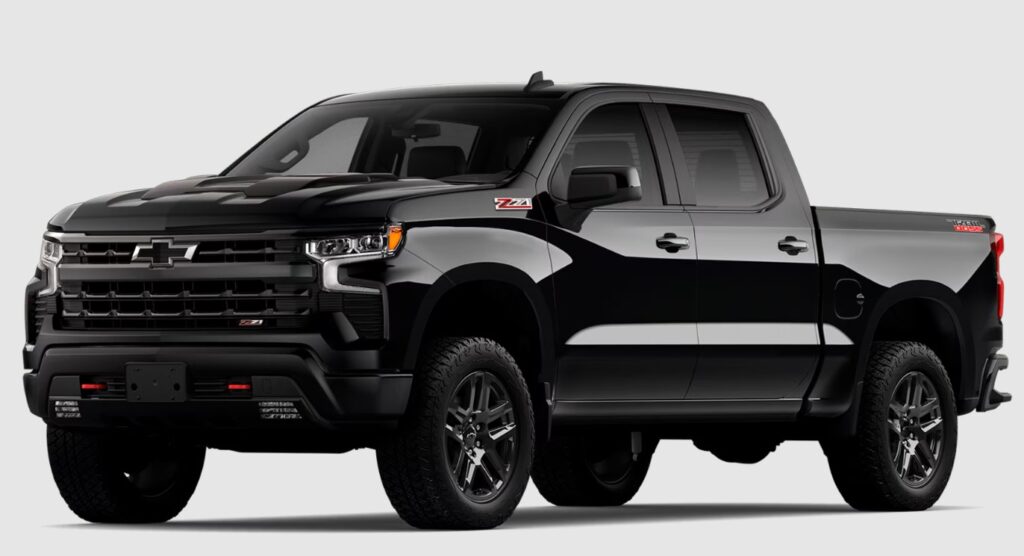
Choosing between the Chevrolet Silverado and Ford Ranger is not simply a matter of deciding which badge looks better in the driveway. These pickups belong to different size classes, serve different priorities, and create noticeably different ownership experiences.
The Chevrolet Silverado 1500 is a full-size pickup built for substantial towing, heavy cargo, spacious cabins, and broad configuration flexibility. The Ford Ranger is a midsize truck designed to deliver genuine pickup capability without feeling like a cargo ship every time we enter a parking garage.
That distinction shapes nearly every part of this comparison.
The Silverado is the stronger candidate when we regularly tow large trailers, transport bulky materials, carry several adults, or want access to V8 and diesel power. The Ranger makes more sense when maneuverability, off-road agility, easier parking, and everyday usability matter more than maximum capacity.
For the 2026 model year, Chevrolet advertises a maximum available Silverado 1500 towing capacity of 13,300 pounds. Ford lists a maximum available Ranger towing capacity of 7,500 pounds and maximum available payload of 1,767 pounds. Those figures immediately reveal the central theme: the Silverado has the larger capability envelope, while the Ranger gives us enough muscle for many recreational and light-duty jobs in a more manageable package.
So, which one should we buy? Let’s pull these trucks apart, examine how they behave in the real world, and identify where each one earns its keep.
Content in this publication
- Chevrolet Silverado vs Ford Ranger at a Glance
- The Fundamental Difference: Full-Size vs Midsize
- Exterior Size and Everyday Maneuverability
- Engine Options and Performance
- Towing Capacity: A Decisive Silverado Victory
- Payload and Hauling Ability
- Cabin Space and Passenger Comfort
- Ride Quality and Road Manners
- Off-Road Capability
- Fuel Economy and Running Costs
- Technology and Infotainment
- Trim Levels and Configuration Variety
- Reliability and Long-Term Ownership
- Chevrolet Silverado vs Ford Ranger for Work
- Chevrolet Silverado vs Ford Ranger for Daily Driving
- Which Truck Is Better for Camping and Outdoor Adventures?
- Safety and Driver Assistance
- Price and Overall Value
- Pros and Cons of the Chevrolet Silverado
- Pros and Cons of the Ford Ranger
- Who Should Buy the Chevrolet Silverado?
- Who Should Buy the Ford Ranger?
- Chevrolet Silverado vs Ford Ranger: Our Final Verdict
- Frequently Asked Questions
Chevrolet Silverado vs Ford Ranger at a Glance
Before diving beneath the sheet metal, here is the simplest way to understand the matchup:
| Category | Chevrolet Silverado 1500 | Ford Ranger |
|---|---|---|
| Truck class | Full-size pickup | Midsize pickup |
| Best for | Heavy towing, work, space | Daily use, trails, easier maneuvering |
| Maximum towing | Up to 13,300 pounds | Up to 7,500 pounds |
| Maximum payload | More configuration-dependent capacity | Up to 1,767 pounds |
| Engine variety | Turbo four-cylinder, V8s, diesel | Turbo four-cylinder and available turbo V6s |
| Cab and bed choices | Extensive | More limited |
| Parking ease | More challenging | Easier |
| Passenger space | Generally greater | Adequate but tighter |
| Fuel-cost potential | Usually higher | Usually lower |
| Off-road personality | Powerful and planted | Nimble and easier to place |
The Silverado wins the raw-numbers contest. The Ranger counters by being easier to live with.
That is a little like comparing a large workshop hammer with a versatile cordless drill. The hammer delivers more force, but greater force is not automatically the right answer for every job.
The Fundamental Difference: Full-Size vs Midsize
Why Truck Class Matters
The Silverado 1500 and Ranger may both have beds, tailgates, four-wheel-drive systems, and towing equipment, but they approach truck ownership from different directions.
The Silverado is broader, longer, heavier, and generally more spacious. It is designed for buyers who might use their truck as a tow vehicle, family transporter, work platform, long-distance cruiser, or all four at once.
The Ranger occupies the middle ground between small lifestyle pickups and traditional full-size trucks. It retains a separate cargo bed, substantial towing ability, off-road hardware, and truck-like durability, but its exterior dimensions are easier to handle in cities and on narrow trails.
Does Bigger Automatically Mean Better?
Not necessarily.
A larger body gives the Silverado more room for passengers, cargo, powertrains, and trailering hardware. However, it also creates wider turning arcs, greater parking demands, and more vehicle to manage on congested roads.
The Ranger sacrifices ultimate capacity to become less cumbersome. For drivers who rarely approach the limits of a full-size pickup, that trade can feel refreshingly sensible.
Exterior Size and Everyday Maneuverability
The Silverado announces its presence before we even start the engine. Its broad body, tall hood, and substantial wheelbase deliver the commanding stance many pickup buyers want. From the driver’s seat, it feels serious—almost architectural.
That size is an advantage on highways and when towing. A long, wide platform can feel stable and reassuring, particularly when a trailer is pushing against the rear of the vehicle.
The Ranger feels noticeably more compact. It is still a proper truck, but it does not demand the same amount of road or parking space. We can position it more easily between lane markings, navigate tighter streets, and enter narrow parking spaces with less ceremony.
City Driving
For frequent urban driving, the Ranger has the clearer advantage.
Its smaller footprint reduces the stress of:
- Parallel parking
- Entering older parking garages
- Navigating narrow residential roads
- Making U-turns
- Driving through crowded commercial areas
- Squeezing beside other large vehicles
The Silverado can perform all these tasks, especially with cameras and parking sensors, but it never completely hides its dimensions. Driving one through a dense city can feel like carrying a dining table through a crowded hallway: possible, but rarely effortless.
Highway Presence
On open highways, the equation changes.
The Silverado’s size contributes to a settled, substantial feeling. Crosswinds, passing trucks, and uneven surfaces tend to feel less intimidating when we are sitting inside a broad full-size pickup.
The Ranger remains comfortable and secure, but its lighter, shorter character is more evident. It can feel livelier and more responsive, while the Silverado feels calmer and more planted.
Engine Options and Performance
Chevrolet Silverado Engine Selection
One of the Silverado’s strongest advantages is powertrain variety.
The 2026 Silverado 1500 lineup offers four principal engine choices, including a TurboMax four-cylinder, two V8 engines, and a 3.0-liter Duramax turbo-diesel. Chevrolet also highlights 430 pound-feet of standard torque from the TurboMax engine.
Depending on configuration, Silverado buyers can choose among:
- A turbocharged four-cylinder
- A 5.3-liter V8
- A 6.2-liter V8
- A 3.0-liter inline-six turbo-diesel
This variety allows us to shape the truck around a specific mission. We can prioritize lower entry cost, traditional V8 sound, stronger acceleration, long-distance efficiency, or diesel towing behavior.
The 6.2-liter V8 is the performance star of the conventional lineup, while the Duramax diesel appeals to drivers who value low-end torque and highway range. The 5.3-liter V8 sits in the middle as a familiar all-around option.
Ford Ranger Engine Selection
The Ranger offers a narrower but still compelling collection of turbocharged engines.
The standard 2.3-liter EcoBoost produces 270 horsepower, while other Ranger configurations offer stronger turbocharged V6 performance. The high-performance Ranger Raptor reaches 405 horsepower and 430 pound-feet of torque from its twin-turbo engine.
The Ranger’s available engines include:
- A 2.3-liter turbocharged four-cylinder
- An available 2.7-liter twin-turbo V6
- A high-output 3.0-liter twin-turbo V6 in the Ranger Raptor
The standard four-cylinder is well suited to daily driving, moderate towing, and general truck duty. The available V6 creates a stronger, smoother power delivery without forcing buyers into a full-size body.
Which Truck Feels Faster?
The answer depends on the chosen trim.
A basic Ranger may feel more energetic than expected because it has less mass to move. Its turbocharged torque arrives early, and the truck responds quickly in normal traffic.
A Silverado with one of its larger engines produces a deeper wave of power. The sensation is less like a quick shove and more like a strong current carrying the truck forward.
The Ranger Raptor is the wild card. Its 405-horsepower engine and performance-focused chassis make it a specialized off-road machine rather than a miniature work truck. Still, a Silverado with the 6.2-liter V8 has the larger-engine drama many traditional pickup fans crave.
Towing Capacity: A Decisive Silverado Victory
This is where the two trucks separate most clearly.
Chevrolet states that the 2026 Silverado 1500 can tow up to 13,300 pounds when properly configured. Ford rates the 2026 Ranger for up to 7,500 pounds.
That gives the Silverado a maximum advantage of 5,800 pounds.
What Can the Silverado Tow?
Properly equipped, the Silverado is better suited to demanding loads such as:
- Large travel trailers
- Heavier boats
- Enclosed equipment trailers
- Multi-vehicle trailers
- Large horse trailers
- Construction equipment
- Heavier recreational trailers
Its stronger maximum capacity does not mean every Silverado can tow 13,300 pounds. Towing ratings vary by engine, cab, bed, axle ratio, drivetrain, and equipment package.
Still, the Silverado provides far more room to grow. A buyer planning to purchase a larger trailer later will probably feel less boxed in.
What Can the Ranger Tow?
A 7,500-pound maximum is substantial for a midsize truck. It can cover many common recreational uses, including:
- Small and medium travel trailers
- Fishing boats
- Personal watercraft trailers
- Utility trailers
- Lightweight car trailers
- Small campers
- Motorcycles or all-terrain vehicles
For many owners, the Ranger’s capacity is enough. The crucial question is not which truck has the larger number, because that answer is obvious. The useful question is whether we will actually use the Silverado’s additional capacity.
Towing Comfort vs Maximum Rating
Maximum capacity tells only part of the story.
A truck towing near its limit may feel different from one handling the same trailer with thousands of pounds of reserve capacity. The larger Silverado generally offers a longer wheelbase, greater mass, and broader stance, all of which can contribute to a more relaxed towing experience.
For occasional towing of a modest trailer, the Ranger is entirely credible. For frequent long-distance towing, larger trailers, or challenging terrain, the Silverado is the more natural tool.
You may be interested in reading Chevrolet Silverado and GMC Sierra: Similar Trucks, Different Personalities
Payload and Hauling Ability
Payload includes everything placed in or on the truck: passengers, cargo, accessories, and trailer tongue weight.
Ford advertises a maximum available Ranger payload of 1,767 pounds. Chevrolet’s Silverado payload varies significantly by configuration, but selected 2026 configurations list maximum figures extending beyond 2,000 pounds.
Silverado Bed Advantages
The Silverado offers multiple bed lengths and a much broader cargo-volume range. Chevrolet lists:
- Short bed: 62.9 cubic feet
- Standard bed: 71.7 cubic feet
- Long bed: 89.1 cubic feet
Those figures underline how much more cargo flexibility a full-size truck provides.
The larger bed is useful for:
- Building materials
- Landscaping supplies
- Large toolboxes
- Camping equipment
- Furniture
- Motorized recreational equipment
- Commercial cargo
Chevrolet also offers its Multi-Flex Tailgate, which can provide different loading, access, and work-surface arrangements.
Ranger Bed Practicality
The Ranger’s bed is smaller, but it remains practical for household projects, outdoor equipment, tools, and weekend recreation.
Its lower overall scale can make the cargo area easier to access. Reaching over the side of a tall full-size truck bed can feel like trying to retrieve a coin from the bottom of a fountain. The Ranger is hardly tiny, but loading and unloading it may require less stretching.
The Ranger also works well for buyers who need a bed rather than an enormous bed. There is an important difference.
Cabin Space and Passenger Comfort
Silverado Interior Room
The Silverado is the superior passenger vehicle when interior space is a priority.
Crew Cab versions provide generous rear-seat room, broad seating, and the kind of open cabin that allows adults to travel without negotiating for knee space. Families can install child seats more easily, and rear passengers have more room to settle in during long journeys.
Certain configurations can accommodate up to six occupants, although seating arrangements depend on trim and front-seat design.
The Silverado’s width also creates more shoulder room and greater separation between passengers. That can make the cabin feel less like transportation and more like a rolling lounge.
Ranger Interior Room
The Ranger offers a usable four-door cabin, but rear-seat passengers have less room to spread out. Adults can sit in the back, though taller passengers may notice the tighter dimensions on longer trips.
For couples, small families, or owners who use the rear seats occasionally, the Ranger’s cabin is likely adequate. For five adults, frequent road trips, or bulky child-seat arrangements, the Silverado is considerably more accommodating.
Which Is Better as a Family Truck?
The Silverado wins for interior space.
The Ranger wins when the family also needs a truck that is easier to park, easier to maneuver, and less demanding in daily urban use.
Therefore, the answer depends on what creates more inconvenience: limited cabin room or excessive exterior size.
Ride Quality and Road Manners
Modern pickups have become far more comfortable, but neither truck completely erases its body-on-frame construction.
The Silverado tends to deliver a substantial, relaxed highway ride. Its longer wheelbase can smooth out certain road imperfections, although an unloaded bed may still produce some movement over broken pavement.
The Ranger feels lighter and more agile. Steering inputs produce quicker responses, and the truck changes direction with less reluctance. On rough roads, however, its shorter dimensions can create busier body movement.
Behind the Wheel
The Silverado feels like we are commanding something large.
The Ranger feels like we are driving something athletic.
Neither description is universally better. Some drivers enjoy the Silverado’s elevated hood and broad-shouldered confidence. Others appreciate the Ranger’s clearer sense of where its corners are.
Off-Road Capability
Both trucks can be equipped for serious off-road use, but they attack the terrain differently.
Silverado Trail Boss and ZR2
The Silverado Trail Boss models add hardware and visual changes designed for unpaved surfaces. The ZR2 goes further with specialized suspension components, protective equipment, off-road tires, and enhanced terrain capability.
The Silverado’s strengths off-road include:
- Strong engine choices
- High stability
- Generous ground clearance in specialized trims
- Substantial suspension hardware
- Excellent capability in open terrain
- Room for passengers and equipment
Its disadvantage is physical size. On tight woodland trails, narrow gates, or rock-lined paths, the Silverado can feel like a large animal moving through a small room.
Ford Ranger Tremor and Raptor
The Ranger’s smaller body is a natural off-road asset. It is easier to position between obstacles, turn around on narrow routes, and guide through confined terrain.
The Ranger Raptor is the lineup’s performance hero. It combines a 405-horsepower twin-turbo V6 with equipment intended for fast, demanding off-road driving. Ford lists a Raptor towing figure below that of the regular Ranger, illustrating that its priorities lean more toward suspension performance than maximum trailering.
Which Truck Is Better Off-Road?
For narrow technical trails, the Ranger has a natural size advantage.
For open desert terrain, high-speed off-road driving, or carrying substantial equipment into remote areas, the answer depends heavily on trim. A Ranger Raptor and Silverado ZR2 are both highly capable, but they feel fundamentally different.
The Ranger dances around obstacles. The Silverado tries to flatten the horizon.
Fuel Economy and Running Costs
Fuel economy varies by engine, drivetrain, tires, trim, driving pattern, and load. We should therefore avoid judging either truck from a single advertised number.
In general, however, the Ranger’s smaller size and lighter weight can make it less expensive to fuel during ordinary use. Its standard turbocharged four-cylinder is designed to balance usable torque with daily efficiency.
The Silverado gives buyers more powertrain strategies. Its available Duramax diesel can deliver strong highway efficiency for a full-size pickup, with Chevrolet advertising up to 28 mpg on the highway in qualifying configurations.
Costs Beyond Fuel
The larger truck may also bring higher expenses for:
- Tires
- Insurance
- Registration in some regions
- Replacement brakes
- Suspension components
- Parking
- Washing and detailing
- Certain maintenance items
The Ranger is not necessarily inexpensive, particularly in premium trims. A heavily optioned Ranger Raptor can cost more than a modest Silverado. Size and price do not always climb together.
Still, the Ranger generally offers lower consumption potential and smaller components, while the Silverado may justify its extra operating costs through greater productivity.
Technology and Infotainment
Both trucks offer modern touchscreen systems, smartphone connectivity, digital driver information, driver-assistance features, and camera technology.
The Silverado’s available technology is especially valuable for towing. Depending on configuration, buyers can access trailer profiles, hitch guidance, camera views, blind-zone assistance designed to account for a trailer, and an integrated trailer brake controller.
These tools do not increase the truck’s mechanical strength, but they reduce some of the anxiety associated with connecting and controlling a trailer.
The Ranger also offers useful trailering and off-road technology. Its more compact dimensions mean cameras can feel less essential during daily parking, but they remain valuable on trails and when hitching.
Technology Winner
For advanced towing support, the Silverado has the advantage.
For straightforward everyday usability, the Ranger offers the important features without surrounding us with quite as much truck.
Trim Levels and Configuration Variety
Silverado Choices
The Silverado’s broad lineup is one of its defining strengths. Chevrolet offers nine 2026 Silverado 1500 models, ranging from work-oriented configurations to luxury and off-road variants.
Depending on the model, buyers can select different:
- Cab styles
- Bed lengths
- Engines
- Drivetrains
- Appearance packages
- Trailering packages
- Off-road equipment
- Luxury features
This variety allows the Silverado to behave like a basic commercial tool, family truck, luxury cruiser, towing machine, or specialized off-roader.
You may be interested in readingChevrolet Silverado and GMC Sierra: Similar Trucks, Different PersonalitiesYou may be interested in reading
 Ford Ranger vs F-150: Which Ford Truck Should We Buy?
Ranger Choices
The Ranger lineup is simpler. It centers on a crew-cab, short-bed format in the North American market, with trims that move from practical daily use toward premium equipment and high-performance off-road capability.
That simplicity can be refreshing. Instead of navigating a forest of cab, box, axle, engine, and package combinations, Ranger buyers face a more focused decision.
The downside is reduced flexibility. Buyers who require a regular cab, longer bed, or highly specialized work configuration will find more possibilities in the Silverado lineup.
Reliability and Long-Term Ownership
Reliability depends on more than a badge. Engine selection, transmission design, maintenance history, operating conditions, production year, and individual component quality all influence long-term results.
A Silverado with a simple work-focused configuration may have different ownership risks from a fully equipped V8 model. Likewise, a standard Ranger and a Ranger Raptor have different mechanical complexity and operating expectations.
How to Choose for Long-Term Ownership
Before purchasing either truck, we should:
- Check the exact model year and powertrain history.
- Review open recalls using the vehicle identification number.
- Examine maintenance records on used examples.
- Inspect the underbody for corrosion or off-road damage.
- Test every electronic feature.
- Confirm smooth transmission behavior.
- Look for evidence of excessive towing.
- Arrange an independent mechanical inspection.
- Compare warranty coverage.
- Calculate realistic fuel, tire, and insurance expenses.
The best-maintained truck is often a better purchase than the theoretically more reliable model that has been neglected.
Chevrolet Silverado vs Ford Ranger for Work
The Silverado is the stronger work truck in the traditional sense.
Its larger cargo bed, higher towing ceiling, broader engine range, greater cab selection, and numerous commercial configurations allow businesses to tailor it around demanding jobs.
It is particularly suitable for:
- Construction
- Agriculture
- Landscaping
- Heavy equipment support
- Trailer-based businesses
- Property maintenance
- Mobile service operations
- Long-distance towing
The Ranger remains useful for technicians, inspectors, small contractors, and workers who transport tools without hauling extremely heavy equipment.
For jobs in congested areas, the Ranger may actually improve productivity. A smaller truck that reaches the site easily can be more useful than a larger one circling the block in search of parking.
Chevrolet Silverado vs Ford Ranger for Daily Driving
For commuting, errands, and mixed city use, the Ranger has a strong argument.
It consumes less physical space, responds more quickly, and creates fewer logistical problems. We still receive a real cargo bed and meaningful towing capability, but we do not have to organize our entire routine around the dimensions of a full-size pickup.
The Silverado becomes the better daily driver when its space and capability are used regularly. A large family, heavy weekend trailer, rural property, or equipment-intensive hobby can turn the Silverado’s size from a disadvantage into an everyday benefit.
Buying a Silverado for one annual trip to the hardware store may be excessive. Buying a Ranger and then towing near its limit every weekend may be equally misguided.
Which Truck Is Better for Camping and Outdoor Adventures?
The Ranger is an excellent adventure truck for two or four travelers who value trail access, manageable dimensions, and enough bed space for camping equipment.
It can tow many compact campers and boats while remaining nimble on forest roads.
The Silverado is better for larger groups, heavier travel trailers, extended expeditions, and trips involving substantial equipment. Its larger cabin and bed allow us to carry coolers, tents, recovery equipment, bicycles, generators, and luggage with fewer compromises.
Choose the Ranger for Adventure When:
- Trails are narrow.
- Parking is limited.
- The camper is relatively light.
- We travel with fewer passengers.
- Maneuverability matters.
- The truck will also serve as an urban commuter.
Choose the Silverado for Adventure When:
- The trailer is large.
- We carry several adults.
- Trips involve heavy equipment.
- Highway comfort is a priority.
- We need greater towing reserve.
- Bed volume matters more than compactness.
Safety and Driver Assistance
Both vehicles can include contemporary safety and driver-assistance systems, although equipment varies by trim.
Typical available features may include:
- Automatic emergency braking
- Forward collision warning
- Lane-keeping assistance
- Blind-spot monitoring
- Rear cross-traffic alert
- Adaptive cruise control
- Surround-view cameras
- Parking sensors
- Trailer-related camera support
The Silverado’s size makes camera technology particularly valuable. The Ranger’s smaller footprint improves natural visibility and spatial confidence, although cameras remain useful when reversing or navigating off-road terrain.
We should compare the exact equipment list rather than assuming every safety feature is standard across the range.
Price and Overall Value
The Ranger may appear to be the obvious budget choice, but trim selection complicates the comparison.
A basic Ranger can undercut many Silverado configurations, and its lower operating costs may strengthen its long-term value. However, premium Ranger trims can overlap with full-size truck pricing.
The Silverado can offer more towing, interior room, cargo capacity, and configuration flexibility per dollar. Yet paying for extra capability that we never use is not automatically good value.
Value Is About Utilization
A truck provides value when its abilities solve actual problems.
The Silverado offers better value when we routinely use:
- Its higher towing capacity
- Its larger cabin
- Its longer bed
- Its heavier-duty configuration options
- Its broader powertrain range
The Ranger offers better value when we benefit from:
- Easier parking
- Better maneuverability
- Lower fuel demand
- A smaller overall footprint
- Sufficient rather than maximum capability
Unused capacity is like paying rent on an empty room. Impressive, perhaps, but not especially efficient.
Pros and Cons of the Chevrolet Silverado
Silverado Advantages
- Much higher maximum towing capacity
- Larger cargo bed choices
- More spacious Crew Cab interior
- Available V8 engines
- Available inline-six diesel
- Numerous cab and bed configurations
- Advanced trailering technology
- Strong highway stability
- Greater commercial usefulness
- Broad range of trims
Silverado Disadvantages
- More difficult to park
- Wider and longer on narrow roads
- Potentially higher fuel costs
- Larger tires and components can cost more
- More truck than many urban drivers need
- Tight trails can become challenging
- Certain configurations are expensive
Pros and Cons of the Ford Ranger
Ranger Advantages
- Easier to maneuver
- Better suited to urban environments
- Strong 7,500-pound maximum towing rating
- Useful payload capacity
- Responsive turbocharged engines
- More agile on narrow trails
- Ranger Raptor offers serious performance
- Easier to fit in garages
- Potentially lower running costs
- Practical size for mixed use
Ranger Disadvantages
- Less passenger room
- Smaller bed
- Lower maximum towing capacity
- Fewer cab and bed configurations
- Less suitable for very heavy trailers
- Rear seating can feel tight
- Premium trims can become expensive
- Less capability reserve for future needs
Who Should Buy the Chevrolet Silverado?
The Silverado is the better choice for buyers who:
- Tow more than 7,500 pounds
- Expect to purchase a heavier trailer
- Need a large Crew Cab
- Carry bulky or heavy cargo
- Want V8 or diesel power
- Use a truck professionally
- Drive mostly on open roads
- Prefer full-size road presence
- Need multiple bed and cab combinations
- Value maximum capability over convenience
It is also the safer long-term choice when our hauling or towing needs may grow. Purchasing enough truck from the beginning can avoid an expensive replacement later.
Who Should Buy the Ford Ranger?
The Ranger is the better choice for buyers who:
- Use their truck as a daily driver
- Live in a city or dense suburb
- Tow less than 7,500 pounds
- Prefer easier parking
- Explore narrow off-road trails
- Need a bed but not a massive one
- Carry fewer rear passengers
- Want a midsize performance truck
- Value agility over maximum capacity
- Do not need V8 or diesel options
The Ranger is not merely a reduced Silverado alternative. It is a deliberate answer for drivers who want truck capability without full-size bulk.
Chevrolet Silverado vs Ford Ranger: Our Final Verdict
The Chevrolet Silverado wins on maximum towing, cargo volume, cabin space, powertrain variety, configuration choice, and traditional work-truck ability.
The Ford Ranger wins on maneuverability, urban convenience, trail agility, parking ease, and everyday manageability.
Therefore, the Silverado is the objectively more capable truck, but the Ranger may be the more appropriate truck.
That distinction matters.
When we tow large trailers, carry heavy cargo, travel with several adults, or use the vehicle as a serious commercial tool, the Silverado’s extra dimensions earn their place. It has deeper reserves and a broader range of configurations, making it the stronger all-purpose machine.
When our needs are moderate, the Ranger feels better balanced. It can tow 7,500 pounds when properly equipped, carry a useful payload, travel off-road, and handle household projects without turning every grocery run into a lesson in spatial awareness.
Our recommendation is straightforward:
Choose the Chevrolet Silverado if capability is the central reason for buying a truck. Choose the Ford Ranger if we need useful truck capability wrapped in a more convenient everyday package.
The best pickup is not the one with the largest specification sheet. It is the one whose strengths match the jobs waiting in our driveway.
Frequently Asked Questions
1. Is a Chevrolet Silverado bigger than a Ford Ranger?
Yes. The Silverado 1500 is a full-size pickup, while the Ranger is a midsize pickup. The Silverado is generally longer, wider, heavier, and more spacious. The Ranger’s smaller dimensions make it easier to park and maneuver.
2. Can a Ford Ranger tow as much as a Chevrolet Silverado?
No. Ford rates the 2026 Ranger for up to 7,500 pounds of maximum available towing, while Chevrolet advertises up to 13,300 pounds for the 2026 Silverado 1500 when properly equipped.
3. Which is better off-road, the Silverado or Ranger?
The Ranger’s smaller footprint gives it an advantage on narrow trails. Specialized models such as the Ranger Raptor and Silverado ZR2 add serious off-road hardware, so the best choice depends on terrain, speed, cargo requirements, and the exact trim.
4. Is the Ford Ranger better for daily driving?
For many drivers, yes. The Ranger is easier to park, more maneuverable in traffic, and less demanding on narrow roads. The Silverado may be more comfortable for families and long highway trips because it offers greater interior space.
5. Should we buy a Ranger or Silverado for towing a camper?
Choose based on the camper’s fully loaded weight, tongue weight, passenger load, and equipment. The Ranger suits many lightweight campers, while the Silverado is more appropriate for larger travel trailers and drivers who want greater capacity in reserve.
You may be interested in readingChevrolet Silverado and GMC Sierra: Similar Trucks, Different PersonalitiesYou may be interested in reading
Ford Ranger vs F-150: Which Ford Truck Should We Buy?You may be interested in reading
Ford Ranger vs Raptor: Which Pickup Should We Buy?If you want to know other articles similar to Chevrolet Silverado vs Ford Ranger: Which Truck Fits Your Life? you can visit the category Models.
Kia Sorento Models: Complete Guide to Trims, Engines and Versions
BYD Shark 6 vs Ranger vs HiLux: Which Ute Makes the Most Sense in 2026?
BYD Shark 6 vs MG U9: Which Ute Makes More Sense in 2026?
BYD Shark 6 vs Ford Ranger Raptor: Which Performance Ute Is Better in 2026?
BYD Shark 6 vs Kia Tasman: Which Ute Is Better?
BYD Shark 6 vs 7: What We Know So Far
Leave a Reply
More content of your interest