

Ford Ranger Versus Chevy Colorado: Which Midsize Truck Wins?

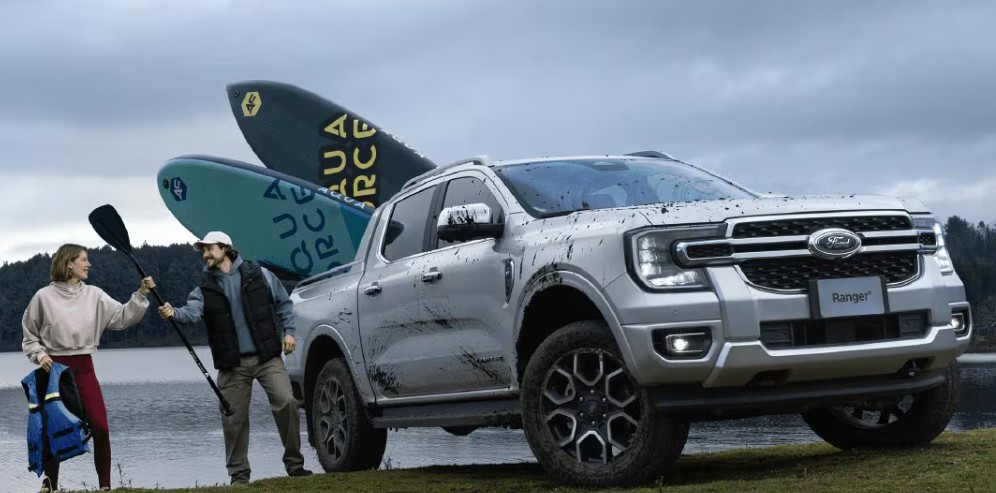
The Ford Ranger versus Chevy Colorado matchup is one of the most interesting battles in today’s midsize pickup market. Both trucks promise muscular performance, everyday comfort, useful towing capacity, and enough off-road equipment to turn an ordinary weekend into a muddy adventure.
Yet they approach the job from slightly different directions.
The Ford Ranger feels like the balanced all-rounder. It blends manageable dimensions, strong engines, practical payload capacity, and straightforward controls into a truck that can work Monday through Friday before carrying camping equipment on Saturday.
The Chevy Colorado has a more specialized personality. Its trim lineup moves from basic work truck to serious off-road machine, while its turbocharged engine delivers the sort of low-end torque that makes towing and climbing feel natural.
So, which truck deserves space in our driveway?
That depends on whether we value maximum towing, payload capacity, bed versatility, engine choice, off-road aggression, cabin technology, or long-term everyday usability. Let’s compare the Ford Ranger and Chevrolet Colorado from bumper to tailgate.
Content in this publication
- Ford Ranger Versus Chevy Colorado at a Glance
- Exterior Design: Rugged in Two Different Languages
- Dimensions and Everyday Maneuverability
- Engine Performance: Choice Versus Standard Torque
- Acceleration and Highway Confidence
- Towing Capacity: Colorado Takes the Numerical Win
- Payload and Hauling: Ranger Strikes Back
- Truck Bed Size and Practicality
- Interior Comfort and Passenger Space
- Infotainment and Connectivity
- Ride Quality and On-Road Refinement
- Off-Road Capability
- Fuel Economy and Running Costs
- Safety and Driver Assistance
- Trim Levels and Buyer Personalities
- Ford Ranger Pros and Cons
- Chevy Colorado Pros and Cons
- Which Truck Is Better for Work?
- Which Truck Is Better for Families?
- Which Truck Offers Better Value?
- Ford Ranger Versus Chevy Colorado: Our Category Winners
- Final Verdict: Should We Buy the Ranger or Colorado?
- Frequently Asked Questions
Ford Ranger Versus Chevy Colorado at a Glance
Before diving beneath the surface, here is the basic picture:
| Category | Ford Ranger | Chevy Colorado |
|---|---|---|
| Vehicle type | Midsize pickup | Midsize pickup |
| Cab configuration | Crew cab | Crew cab |
| Bed configuration | Approximately five feet | Approximately five feet |
| Maximum towing | Up to 7,500 pounds | Up to 7,700 pounds |
| Maximum available payload | Up to 1,767 pounds | Varies by trim and configuration |
| Standard engine character | Smooth turbocharged gasoline engine | High-torque turbocharged gasoline engine |
| Performance model | Ranger Raptor | Colorado ZR2 |
| Best quality | All-around versatility | Torque, towing, and off-road variety |
For the 2026 model year, Ford lists a maximum available Ranger towing capacity of 7,500 pounds and a maximum available payload of 1,767 pounds. Chevrolet lists a maximum available Colorado trailering capacity of 7,700 pounds. Actual ratings depend on trim, drivetrain, equipment, passengers, and cargo.
On paper, the Colorado lands the first punch with its 200-pound towing advantage. The Ranger responds with a compelling available payload figure and a broader selection of engine personalities.
Exterior Design: Rugged in Two Different Languages
Neither truck looks shy.
The Ford Ranger wears a broad grille, squared bodywork, and a clean profile. It resembles a scaled-down full-size pickup without looking like someone accidentally shrank an F-150 in the washing machine. Its design is tough but relatively restrained, especially in XL and XLT form.
The Chevy Colorado is more dramatic. Strong creases, a tall front end, and trim-specific styling give it a more adventurous appearance. A Colorado Trail Boss, Z71, and ZR2 each projects a noticeably different personality.
The Ranger Looks Traditional and Purposeful
The Ranger’s shape should appeal to drivers who want a modern truck without excessive visual theater. It looks equally comfortable outside a hardware store, an office building, or a remote campsite.
The Raptor changes the mood with wider bodywork, prominent fender flares, larger tires, and a much more aggressive stance. It is the wild sibling that arrives at dinner wearing motocross boots.
The Colorado Looks More Aggressive
Chevrolet uses styling to separate the Colorado trims clearly. The WT looks functional, the LT looks polished, the Trail Boss looks ready for dirt, and the ZR2 appears prepared to climb over whatever stands between it and the horizon.
We give the Colorado a slight design advantage because its trims feel more visually distinct. Still, buyers who prefer cleaner lines may find the Ranger easier to live with over time.
Dimensions and Everyday Maneuverability
Modern midsize trucks are no longer particularly small. They remain easier to park than most full-size pickups, but neither the Ranger nor Colorado will disappear into a compact-car space.
The 2026 Chevrolet Colorado measures approximately 214 inches long. Chevrolet lists its width at 84.4 inches when the mirrors are included, while height varies by configuration.
Both trucks use a crew-cab, short-bed layout in the current U.S. market. This simplifies shopping but eliminates the extended-cab and long-bed choices that some traditional truck buyers still want.
Which Truck Is Easier to Drive in Town?
Both are manageable once we become familiar with their corners. The Ranger’s tidy visibility and relatively conventional driving position can make it feel unintimidating. The Colorado also feels more agile than its assertive styling suggests, although off-road versions with larger tires may feel bulkier.
Parking cameras and proximity sensors matter more than a tiny difference in exterior dimensions. On upper trims, both trucks offer technology that removes much of the anxiety from navigating narrow parking structures.
Engine Performance: Choice Versus Standard Torque
The engine comparison reveals one of the biggest philosophical differences between these pickups.
The Colorado concentrates its lineup around a turbocharged 2.7-liter four-cylinder engine. The Ranger starts with a turbocharged 2.3-liter four-cylinder but also offers a twin-turbocharged 2.7-liter V6 on selected configurations. The Ranger Raptor goes further with a high-output 3.0-liter twin-turbo V6.
In practical terms, Chevrolet gives us strong torque without forcing us far up the trim ladder. Ford gives us more ways to choose how much performance we actually need.
Ford Ranger 2.3-Liter EcoBoost
The Ranger’s standard 2.3-liter EcoBoost engine produces strong, usable power for commuting, hauling, and recreational towing. It works with a 10-speed automatic transmission and can be paired with rear-wheel drive or four-wheel drive.
This engine is the sensible shoes of the Ranger lineup. It may not create the loudest entrance, but it handles daily responsibilities without making a fuss.
Its power delivery feels progressive rather than explosive. That can be an advantage when maneuvering a trailer, crawling over loose ground, or navigating wet pavement.
Available Ranger 2.7-Liter V6
The available twin-turbo 2.7-liter V6 gives the Ranger a major point of differentiation. It provides stronger acceleration and a smoother, more relaxed sense of effort than many turbocharged four-cylinder rivals.
Drivers who regularly merge with heavy cargo, travel through mountainous areas, or simply enjoy effortless power may prefer it. The engine does not transform the regular Ranger into a Raptor, but it adds muscle without requiring the compromises of a dedicated performance trim.
Chevy Colorado TurboMax Engine
The Colorado’s TurboMax engine emphasizes torque. That matters because torque is what we feel when the truck pulls away with a trailer, climbs a steep grade, or pushes through deep sand.
The Colorado does not offer the same mainstream V6 choice as the Ranger. However, its four-cylinder engine is not a weak substitute. It is the beating heart of the lineup and gives even relatively accessible trims serious working ability.
Which Engine Strategy Is Better?
The Colorado wins for standard torque and simplicity. We do not need to study a complicated engine menu to obtain substantial pulling power.
The Ranger wins for variety. Its available V6 engines give buyers room to move from sensible daily performance to genuinely rapid off-road excitement.
Acceleration and Highway Confidence
Neither regular truck should be mistaken for a sports car, although both have enough turbocharged power to avoid feeling sleepy.
The Ranger’s standard engine provides smooth acceleration, while the available 2.7-liter V6 makes overtaking easier. The regular Colorado feels muscular at low and middle speeds, where its torque is most noticeable.
At highway speed, both can maintain momentum with a trailer, but engine noise and transmission behavior vary with load. Buyers planning frequent towing should test-drive each truck on a route that includes hills rather than judging them during a gentle loop around a dealership.
The Ranger V6 is our choice for refined acceleration. The Colorado is our pick for immediate low-speed punch.
Towing Capacity: Colorado Takes the Numerical Win
The Chevrolet Colorado can tow up to 7,700 pounds when properly equipped, while the Ford Ranger can tow up to 7,500 pounds.
That makes the Colorado the winner on the specification sheet, but the 200-pound difference should not dominate the buying decision.
Maximum towing figures represent carefully configured vehicles. Added passengers, aftermarket accessories, cargo in the bed, and trailer tongue weight can reduce the usable margin. The truck’s payload sticker and gross combined weight limits often matter as much as the headline towing number.
What Can These Trucks Realistically Tow?
Depending on weight and configuration, either truck may suit:
- A small or medium travel trailer
- A pair of personal watercraft
- A utility trailer with landscaping equipment
- A lightweight horse trailer
- A fishing boat
- Motorcycles or all-terrain vehicles
- A compact car on an appropriately rated trailer
We should never choose a trailer solely by its empty weight. Batteries, propane, water, tools, luggage, food, and accessories can turn a seemingly light trailer into a much heavier object.
Which Truck Feels Better While Towing?
The Colorado’s abundant torque creates confidence when moving away from a stop. Its higher maximum rating also gives it the bragging-rights victory.
The Ranger remains an excellent tow vehicle, especially with the appropriate towing package. Its available V6 may appeal to drivers who prefer smoother power delivery under load.
For occasional recreational towing, the difference is minor. For buyers determined to extract the maximum published rating, the Colorado wins.
Payload and Hauling: Ranger Strikes Back
Payload includes everything added to the truck: people, luggage, tools, accessories, bed cargo, and trailer tongue weight.
You may be interested in reading Ford Ranger Similar Trucks: The Best Alternatives Compared
Ford advertises a maximum available Ranger payload of 1,767 pounds for the 2026 model year. That is a meaningful capability for a midsize pickup, although the figure changes with configuration.
A highly equipped four-wheel-drive truck usually carries less than a basic rear-wheel-drive model because heavier equipment consumes part of the vehicle’s gross weight allowance.
This is why the yellow payload label inside the driver’s door matters. It tells us more about the exact truck than a glossy brochure’s maximum figure.
For contractors, landscapers, and owners who frequently fill the bed, the Ranger’s payload potential is a major advantage.
Truck Bed Size and Practicality
The Ranger’s bed measures 59.6 inches long and provides 43.5 cubic feet of cargo volume. Ford also lists 48.2 inches of width between the wheel wells.
The Colorado’s bed is a little longer at roughly 61.7 inches, although its published volume is approximately 42 cubic feet. Chevrolet equips it with useful details such as multiple tie-down locations, an available power outlet, a mid-position tailgate, and an available StowFlex tailgate storage compartment.
Ford Ranger Bed Advantages
The Ranger provides:
- Slightly greater published cargo volume
- More than four feet between its wheel wells
- Useful tie-down points
- Available in-bed power
- Tailgate work features
- Straightforward dimensions for common recreational equipment
Its bed is practical and boxy, which is exactly what many truck owners need.
Chevy Colorado Bed Advantages
The Colorado counters with:
- A slightly longer bed floor
- An available tailgate storage compartment
- A built-in tailgate measurement tool
- An available 120-volt outlet
- Flexible tie-down options
- A mid-position tailgate for supporting longer cargo
The Colorado’s bed feels like Chevrolet asked real users what annoyed them and then built small solutions into the truck.
Bed Winner: Chevy Colorado
The Ranger offers slightly more quoted volume, but the Colorado’s clever tailgate and cargo-management features make it the more versatile mobile toolbox.
Interior Comfort and Passenger Space
Inside, both trucks have moved far beyond the bare plastic cabins that once defined midsize pickups.
The Ford Ranger’s interior is upright, logical, and easy to understand. The dashboard looks modern without turning every task into a digital scavenger hunt. Its seats provide good support, and upper trims introduce nicer materials without pretending the truck is a luxury sedan.
The Colorado’s cabin feels more adventurous. Round air vents, bold shapes, and large screens create a youthful atmosphere. Some controls rely heavily on the infotainment system, which looks sleek but may require extra taps.
Front-Seat Experience
Both trucks provide generous front-seat space. Drivers sit high enough to enjoy a commanding view, but not so high that climbing aboard feels like scaling a wall.
The Ranger has a calm, functional layout. The Colorado feels more stylized and technical.
Our preference depends on personality:
- Choose the Ranger for straightforward ergonomics.
- Choose the Colorado for a more expressive dashboard.
- Test the seats carefully if we regularly drive several hours at a time.
Rear-Seat Comfort
Rear-seat space is acceptable rather than enormous in both trucks. Adults can fit, but a full-size pickup offers greater room for knees, bulky child seats, and long-distance comfort.
The crew-cab-only strategy means both are usable family vehicles. Still, anyone transporting tall teenagers every day should bring them to the test drive. A spec table cannot tell us whether someone’s knees will complain after 90 minutes.
Infotainment and Connectivity
Modern trucks increasingly resemble smartphones with cargo beds.
Both models offer large touchscreens, smartphone integration, digital displays, cameras, and connected services. The exact equipment changes by trim and package.
Ranger Technology Experience
The Ranger’s vertically oriented interface gives the cabin a contemporary look. Menus are generally understandable, and important physical controls remain available for common functions.
Ford’s system works well for drivers who want technology without feeling that the touchscreen has taken the dashboard hostage.
Colorado Technology Experience
The Colorado places a large display at the center of the cabin and integrates several vehicle settings into its software. The graphics look sharp, and the system helps even lower trims feel modern.
Chevrolet deserves credit for making technology a central part of the Colorado rather than reserving every desirable screen for the most expensive model.
However, drivers who prefer dedicated buttons may need time to adjust.
Technology Winner: Tie
The Colorado’s presentation is more visually exciting. The Ranger’s interface may be easier to use while bouncing down an uneven road.
Ride Quality and On-Road Refinement
A pickup must balance competing jobs. A suspension tuned to control heavy cargo may feel firm when the bed is empty. Softening it too much can reduce stability when towing or driving quickly over rough ground.
The Ranger feels composed and predictable. Its steering is light enough for daily life, and the suspension avoids excessive movement. It drives like a modern midsize truck rather than an old workhorse.
The Colorado also feels controlled, though ride quality changes noticeably among trims. A road-focused LT and an off-road ZR2 are built for different worlds. Larger tires and specialized dampers may improve rough-terrain performance while altering noise, steering response, and fuel use.
For pavement-heavy driving, compare equivalent trims rather than testing a Ranger XLT against a Colorado ZR2 and drawing a universal conclusion.
Off-Road Capability
This is where the comparison becomes wonderfully complicated.
Ford offers off-road packages and the spectacular Ranger Raptor. Chevrolet spreads off-road capability across the Trail Boss, Z71, and ZR2, allowing buyers to select how far they want to travel down the dirt-covered rabbit hole.
Ford Ranger Off Road
A four-wheel-drive Ranger equipped with the appropriate package can handle trails, snow, mud, and uneven access roads confidently.
Useful equipment may include:
- Selectable drive modes
- An electronic locking rear differential
- Underbody protection
- All-terrain tires
- Trail-focused camera views
- Off-road-tuned suspension
- Low-range four-wheel drive
For many buyers, a properly equipped regular Ranger provides all the capability they will realistically use.
Chevy Colorado Trail Boss and Z71
The Colorado Trail Boss delivers a raised stance, four-wheel drive, wider track, and off-road hardware without reaching the ZR2’s price.
The Z71 balances off-road design with everyday comfort. It is a strong choice for drivers who spend most of their time on pavement but refuse to turn around when the road becomes gravel.
Chevrolet’s trim ladder makes it easy to buy a visibly rugged Colorado without jumping directly to the flagship.
Ranger Raptor Versus Colorado ZR2
Now the gloves come off.
The Ranger Raptor uses a high-output twin-turbo V6, specialized long-travel suspension, serious damping hardware, four-wheel drive, and a wider body. It is built to attack rough terrain at speed.
The Colorado ZR2 follows a different recipe. Its suspension, locking differentials, ground clearance, and trail-focused engineering make it exceptionally capable on technical terrain.
The Raptor feels like a desert-running performance machine. The ZR2 feels like a mountain goat with license plates.
Which Off-Roader Wins?
Choose the Ranger Raptor for:
- Stronger performance character
- High-speed off-road driving
- A more dramatic engine
- Maximum excitement
Choose the Colorado ZR2 for:
- Technical trails
- Controlled rock crawling
- Off-road capability without relying entirely on horsepower
- A narrower gap between mainstream and flagship off-road trims
There is no universal loser here. The terrain chooses the winner.
You may be interested in readingFord Ranger Similar Trucks: The Best Alternatives ComparedYou may be interested in reading
 GMC Sierra vs Canyon: Which GMC Truck Fits You Best?
Fuel Economy and Running Costs
Fuel economy varies with engine, drivetrain, axle ratio, tires, trim, driving conditions, and payload.
A rear-wheel-drive Ranger with the standard engine should generally be less expensive to fuel than a Ranger Raptor. Likewise, a road-focused Colorado will usually consume less fuel than a lifted ZR2 wearing aggressive tires.
Turbocharged engines can deliver respectable efficiency during gentle driving, but boost behaves like an open tap. Accelerate hard, tow frequently, or climb steep grades, and consumption rises quickly.
What Else Affects Ownership Cost?
We should compare more than the monthly payment:
- Insurance premiums
- Tire replacement costs
- Scheduled servicing
- Registration charges
- Fuel grade recommendations
- Financing rates
- Depreciation
- Accessory prices
- Repair costs after the warranty expires
Off-road models may be especially expensive to insure and equip with replacement tires. Their capability is tempting, but buying hardware we never use is like carrying climbing gear to the supermarket.
Safety and Driver Assistance
Both trucks offer modern driver-assistance equipment, although availability varies by trim.
Depending on configuration, features may include:
- Automatic emergency braking
- Forward-collision warning
- Lane-related assistance
- Blind-zone monitoring
- Rear cross-traffic alerts
- Adaptive cruise control
- Parking sensors
- Surround-view cameras
- Trailer-related camera functions
We should verify the exact window sticker rather than assuming a feature is standard across the range.
The best safety system is also the one we understand. During the test drive, ask the salesperson to demonstrate how warnings, lane assistance, adaptive cruise control, and trailer settings operate.
Trim Levels and Buyer Personalities
Choosing the right trim matters almost as much as choosing the right brand.
Who Should Buy a Ford Ranger XL?
The Ranger XL suits buyers who need capability without decoration. It makes sense for:
- Fleet use
- Work duties
- Budget-conscious truck buyers
- Owners planning aftermarket upgrades
- Drivers who prefer simpler equipment
Who Should Buy a Ranger XLT or Lariat?
The XLT is often the sweet spot, mixing useful technology and comfort with reasonable pricing.
The Lariat is better for buyers who use the truck as a primary family vehicle and value premium convenience features.
Who Should Buy a Chevy Colorado WT or LT?
The WT is the practical entry point. The LT adds everyday comfort and a less industrial personality.
Both can serve drivers who want the Colorado’s torque and bed features without paying for aggressive off-road equipment.
Who Should Buy a Trail Boss or Z71?
The Trail Boss is for buyers who want a factory-lifted appearance and usable trail capability.
The Z71 is the more polished adventurer. It belongs in the middle ground between daily driver and dedicated off-roader.
Who Should Buy the Raptor or ZR2?
Buy one of these only when its personality genuinely matches our life.
The Raptor rewards drivers who value speed, power, suspension travel, and theater.
The ZR2 suits drivers who regularly encounter difficult terrain and appreciate traction, articulation, and precise low-speed control.
Ford Ranger Pros and Cons
Ford Ranger Pros
- Multiple engine choices
- Strong maximum available payload
- Competitive towing capacity
- Logical interior controls
- Useful bed volume
- Smooth available V6 power
- Excellent Ranger Raptor performance
- Balanced everyday road manners
Ford Ranger Cons
- Maximum towing falls slightly behind the Colorado
- Crew-cab, short-bed choice limits configuration flexibility
- Upper trims can become expensive
- Standard models look conservative beside some Colorado trims
- The Raptor sacrifices towing capacity compared with regular Rangers
Ford lists a 59.6-inch bed and 43.5 cubic feet of cargo volume across the current Ranger lineup. Four-wheel drive is available on the regular trims and standard on the Ranger Raptor.
Chevy Colorado Pros and Cons
Chevy Colorado Pros
- Higher maximum towing rating
- Strong standard torque
- Clever bed and tailgate features
- Distinct trim personalities
- Several levels of off-road capability
- Modern interior presentation
- Excellent ZR2 trail performance
- Slightly longer bed floor
Chevy Colorado Cons
- No mainstream V6 alternative
- Some controls depend heavily on the touchscreen
- Payload varies significantly by configuration
- Aggressive trims may cost more to fuel and insure
- Crew-cab, short-bed format limits buyer choice
Which Truck Is Better for Work?
The Ranger may be the better choice when payload capacity and straightforward daily operation sit at the top of our list.
Its maximum available payload is impressive, and the cabin feels designed for people who need to operate the truck without searching through menus.
The Colorado fights back with 7,700 pounds of maximum towing capacity, strong torque, a reconfigurable bed, an available power outlet, and clever tailgate equipment. Chevrolet specifically promotes features such as the mid-position tailgate, StowFlex storage, and built-in measurement tool.
For heavy trailers, choose the properly equipped Colorado. For bed payload and well-rounded work use, the Ranger makes a persuasive argument.
Which Truck Is Better for Families?
The answer depends on trim.
A Ranger XLT or Lariat feels comfortable, intuitive, and easy to drive. Its available V6 also provides relaxed power for family road trips.
A Colorado LT or Z71 offers a stylish interior, strong connectivity, and enough personality to avoid feeling like a purely commercial machine.
Neither provides full-size-truck rear legroom. Families using rear-facing child seats should install one during the test drive before signing anything.
Our family-oriented preference leans slightly toward the Ranger because of its straightforward controls and composed character. Buyers who prioritize technology and visual flair may prefer the Colorado.
Which Truck Offers Better Value?
Value is not simply the lowest advertised price. It is the amount of useful capability we receive without buying equipment that never leaves the driveway.
The Colorado often feels generous because its strong engine and modern technology are central to the lineup. The Trail Boss also provides a relatively accessible route into a rugged-looking factory off-roader.
The Ranger’s value lies in flexibility. Buyers can choose a practical turbo four-cylinder, upgrade to a smoother V6, or leap into the Raptor.
The smartest approach is to compare transaction prices on similarly equipped models. Incentives, dealer inventory, financing, and regional demand may create a larger price difference than the manufacturers’ suggested retail prices.
Ford Ranger Versus Chevy Colorado: Our Category Winners
Here is how we call the contest:
| Category | Winner |
| Maximum towing | Chevy Colorado |
| Maximum available payload | Ford Ranger |
| Engine choice | Ford Ranger |
| Standard torque | Chevy Colorado |
| Bed versatility | Chevy Colorado |
| Interior simplicity | Ford Ranger |
| Technology presentation | Chevy Colorado |
| Everyday balance | Ford Ranger |
| High-speed off-road performance | Ford Ranger Raptor |
| Technical off-road variety | Chevy Colorado |
| Overall result | Depends on priorities |
Final Verdict: Should We Buy the Ranger or Colorado?
The Ford Ranger is the better all-around choice for buyers who want engine variety, strong payload potential, intuitive controls, composed road manners, and an easy transition between work and family duties.
It rarely feels like it is trying too hard. That restraint is part of its charm. The Ranger is the dependable multitool we keep in the glovebox: not always flashy, but useful nearly everywhere.
The Chevy Colorado is better for buyers who prioritize maximum towing, standard torque, clever cargo features, distinctive styling, and a broader ladder of off-road personalities.
It feels more specialized and expressive. The Colorado is the hiking backpack covered in straps, pockets, and clever compartments. We may not use every feature each day, but we appreciate them when the adventure becomes complicated.
Our final recommendations are simple:
- Choose the Ford Ranger for payload, engine choice, everyday refinement, or Raptor performance.
- Choose the Chevy Colorado for maximum towing, bed versatility, standard torque, or ZR2-style trail capability.
- Choose based on configuration, not badge loyalty. The right Ranger can be better than the wrong Colorado, and vice versa.
Test comparable trims, inspect the payload labels, calculate real trailer weight, sit in the rear seats, and price the insurance before buying. A truck is more than its boldest number. It is a tool we may use every day, and the best one should fit our life like a well-worn pair of boots.
Frequently Asked Questions
1. Is the Ford Ranger better than the Chevy Colorado?
The Ford Ranger is better for drivers who value multiple engine choices, strong payload potential, simple controls, and balanced everyday performance. The Colorado is better for maximum towing, standard torque, cargo-bed versatility, and off-road trim variety.
2. Which can tow more, the Ranger or Colorado?
The 2026 Chevrolet Colorado can tow up to 7,700 pounds when properly equipped. The 2026 Ford Ranger can tow up to 7,500 pounds when properly configured. Actual towing capacity depends on the individual truck, equipment, passengers, payload, and trailer setup.
3. Which is better off road, the Ranger Raptor or Colorado ZR2?
The Ranger Raptor is especially compelling for high-speed off-road performance and powerful acceleration. The Colorado ZR2 excels on technical trails where traction, suspension control, and low-speed maneuverability matter. The better choice depends on the terrain we plan to explore.
4. Does the Chevy Colorado have a bigger bed than the Ford Ranger?
The Colorado has a slightly longer bed floor, while the Ranger lists slightly more cargo volume. The Ranger bed measures 59.6 inches long and provides 43.5 cubic feet of volume. Chevrolet advertises approximately 42 cubic feet of Colorado bed volume and offers several clever tailgate features.
5. Which truck is better as a daily driver?
The Ranger has a slight advantage for drivers who prioritize straightforward controls, composed handling, and available V6 refinement. The Colorado remains a strong daily driver, particularly in LT or Z71 form, and may appeal more to buyers who enjoy bold styling and screen-centered technology.
You may be interested in readingFord Ranger Similar Trucks: The Best Alternatives ComparedYou may be interested in reading
GMC Sierra vs Canyon: Which GMC Truck Fits You Best?You may be interested in reading
GMC Sierra vs Denali: What Is the Real Difference?If you want to know other articles similar to Ford Ranger Versus Chevy Colorado: Which Midsize Truck Wins? you can visit the category Models.
Kia Sorento Models: Complete Guide to Trims, Engines and Versions
BYD Shark 6 vs Ranger vs HiLux: Which Ute Makes the Most Sense in 2026?
BYD Shark 6 vs MG U9: Which Ute Makes More Sense in 2026?
BYD Shark 6 vs Ford Ranger Raptor: Which Performance Ute Is Better in 2026?
BYD Shark 6 vs Kia Tasman: Which Ute Is Better?
BYD Shark 6 vs 7: What We Know So Far
Leave a Reply
More content of your interest