
GMC Sierra vs Canyon: Which GMC Truck Fits You Best?

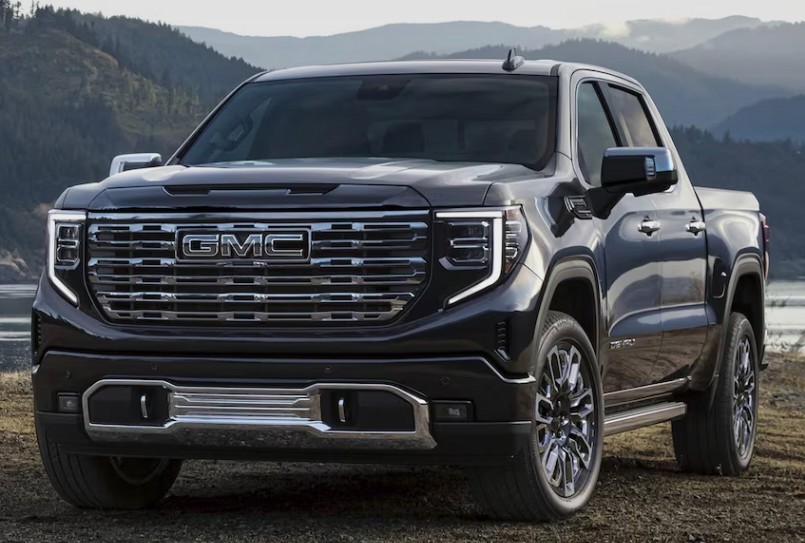
Choosing between the GMC Sierra and GMC Canyon sounds simple until we stand beside them at a dealership. Both wear GMC’s bold grille, offer upscale trims, and promise serious truck capability. Yet they serve noticeably different drivers.
The Canyon is GMC’s midsize pickup. It is easier to maneuver, simpler to park, and capable enough for camping trailers, recreational equipment, home projects, and moderate off-road adventures. The Sierra 1500 is a full-size truck built for heavier towing, larger payloads, roomier cabins, longer beds, and buyers who want a broader selection of engines and configurations.
Think of the Canyon as a rugged hiking boot: strong, adaptable, and comfortable enough for daily use. The Sierra is more like a heavy-duty work boot. It takes up more room, but it is designed to carry greater loads without breaking its stride.
So, which one belongs in our driveway?
This detailed GMC Sierra vs Canyon comparison examines size, engines, towing capacity, payload, passenger space, cargo beds, technology, off-road performance, fuel costs, trims, comfort, and overall value.
Content in this publication
- GMC Sierra vs Canyon at a Glance
- Understanding the Biggest Difference: Midsize vs Full-Size
- GMC Sierra vs Canyon Size Comparison
- Engine Options and Performance
- GMC Sierra vs Canyon Towing Capacity
- Payload and Bed Capability
- Passenger Space and Interior Comfort
- Technology and Infotainment
- GMC Canyon vs Sierra Off-Road Performance
- Daily Driving and Parking
- Fuel Economy and Ownership Costs
- Trim Levels and Personality
- GMC Canyon Denali vs Sierra Denali
- GMC Canyon AT4X vs Sierra AT4X
- Reliability and Mechanical Complexity
- Which Truck Is Better for Work?
- Which Truck Is Better for Families?
- GMC Sierra vs Canyon Price and Value
- Advantages of the GMC Canyon
- Disadvantages of the GMC Canyon
- Advantages of the GMC Sierra
- Disadvantages of the GMC Sierra
- GMC Sierra vs Canyon: Which One Should We Buy?
- Final Verdict
- Frequently Asked Questions
GMC Sierra vs Canyon at a Glance
Before we dig deeper, here is the fundamental difference:
| Category | GMC Canyon | GMC Sierra 1500 |
|---|---|---|
| Truck class | Midsize pickup | Full-size light-duty pickup |
| Best suited for | Daily driving, recreation, light work | Heavy towing, hauling, work and family use |
| Standard engine | TurboMax turbocharged gasoline engine | TurboMax turbocharged gasoline engine |
| Maximum towing | Up to 7,700 pounds | Up to 13,200 pounds with the available diesel |
| Maximum payload | Up to 1,670 pounds | Configuration-dependent, generally higher |
| Cab availability | Crew Cab | Regular, Double and Crew Cab options |
| Bed selection | One primary short-bed configuration | Multiple bed lengths |
| Maneuverability | Easier in cities and tight trails | Requires more parking and turning space |
| Engine selection | One main engine | Turbo four-cylinder, V8 and diesel choices |
| Ideal buyer | Lifestyle-oriented midsize-truck owner | Buyer needing maximum flexibility and capability |
For the 2026 model year, GMC lists the Canyon with a 310-horsepower TurboMax engine, 430 pound-feet of torque, and maximum towing of 7,700 pounds. Its maximum payload can reach 1,670 pounds, depending on configuration.
The 2026 Sierra 1500 offers several powertrains and can tow as much as 13,200 pounds when properly configured with the available Duramax diesel engine.
Those numbers immediately reveal the Canyon’s advantage in simplicity and the Sierra’s advantage in raw capacity.
Understanding the Biggest Difference: Midsize vs Full-Size
The Canyon and Sierra may share a family resemblance, but they do not occupy the same truck category.
The Canyon competes with midsize pickups such as the Chevrolet Colorado, Ford Ranger, Toyota Tacoma and Nissan Frontier. It gives us legitimate towing and off-road ability without requiring the road space of a full-size truck.
The Sierra 1500 competes with the Ford F-150, Ram 1500, Chevrolet Silverado 1500 and Toyota Tundra. It is wider, longer and generally heavier than the Canyon. That extra sheet metal creates more passenger room, bed capacity and towing stability.
This difference shapes nearly every aspect of ownership.
A Canyon can slip into a supermarket parking space without turning the process into a three-point puzzle. A Sierra may demand more patience, but it gives us the broad shoulders needed for large trailers and heavy loads.
Who Benefits From a Midsize Truck?
The Canyon makes sense when we:
- Drive frequently in cities or crowded suburbs
- Park in a garage with limited space
- Tow a small camper, boat or utility trailer
- Carry bicycles, camping equipment or home-improvement supplies
- Want genuine off-road performance
- Do not need a V8 or diesel engine
- Prefer a truck that behaves more like an everyday vehicle
Who Benefits From a Full-Size Truck?
The Sierra becomes more attractive when we:
- Tow travel trailers, large boats or equipment regularly
- Need more rear-seat space
- Carry heavy cargo for work
- Want multiple cab and bed combinations
- Prefer V8 power or diesel torque
- Travel long distances with a trailer
- Need a truck that can serve as both a work vehicle and family vehicle
GMC Sierra vs Canyon Size Comparison
Size is not merely a specification-sheet detail. We feel it every time we enter a parking garage, make a U-turn, load the bed or buckle passengers into the back seat.
The Canyon’s compact footprint relative to the Sierra makes it less intimidating. It still looks muscular, particularly with its factory lift and wide-track stance, but it does not dominate an entire parking space.
The Sierra is unquestionably larger. Depending on the cab and bed configuration, its overall length can exceed 230 inches. One 2026 Crew Cab configuration listed by GMC measures 231.92 inches long and 81.24 inches wide without mirrors.
That extra width matters in narrow streets, older garages and crowded parking lots. However, it also gives the Sierra a more spacious cabin and planted highway character.
Is the Canyon Easier to Drive?
For most people, yes.
The Canyon is easier to position on narrow roads and trails. Its shorter overall length makes reversing, parallel parking and maneuvering around urban obstacles less stressful.
This advantage becomes especially valuable for first-time truck owners. Moving from a sedan or compact SUV into a Canyon feels manageable. Moving directly into a long-bed Sierra can feel like learning to steer a small boat.
The Sierra is not necessarily difficult to drive. Available camera systems and parking technology can make it surprisingly manageable. Still, cameras cannot physically shrink the truck.
Does the Sierra Feel More Stable?
The Sierra’s longer wheelbase, greater width and heavier construction can make it feel more settled when towing a large trailer. Wind, passing trucks and uneven pavement can push a lightweight tow vehicle around. A properly configured full-size pickup generally provides a more confident platform for substantial loads.
That does not make the Canyon unstable. It simply means that towing near 7,000 pounds in a midsize truck is a different experience from towing the same load with a larger Sierra.
Engine Options and Performance
One of the clearest distinctions in the GMC Sierra vs Canyon contest is powertrain choice.
GMC Canyon TurboMax Engine
The 2026 Canyon uses GMC’s TurboMax engine, producing 310 horsepower and 430 pound-feet of torque.
Those are impressive numbers for a midsize pickup. More importantly, the strong torque output arrives from a turbocharged engine designed to provide useful low-speed pull.
The Canyon does not feel like a small truck struggling to prove itself. It has enough muscle for highway merging, passing, climbing and recreational towing.
Its one-engine approach also simplifies shopping. We do not have to debate four powertrains, multiple transmissions and endless towing combinations.
The disadvantage is equally clear: shoppers wanting a V6, V8 or diesel Canyon will not find one in the current lineup.
GMC Sierra TurboMax Engine
The Sierra 1500 also offers the TurboMax engine. In selected Sierra configurations, it produces 310 horsepower and 430 pound-feet of torque and can support towing of up to 9,400 pounds when properly equipped.
This engine is a sensible choice for buyers who want a full-size truck’s space but do not regularly pull an extremely heavy trailer.
It offers strong low-end response without forcing us into the price or fuel appetite of a larger engine.
Available Sierra V8 Engines
The Sierra separates itself from the Canyon by offering available V8 power.
A V8 provides the sound, smooth power delivery and familiar truck character many buyers still want. It can also be a practical choice for frequent towing, especially when the truck will carry passengers and cargo at the same time.
Not every Sierra owner needs a V8. However, having the option matters. The Canyon asks us to accept one capable powertrain; the Sierra lets us tailor the engine to our workload and preferences.
Available Sierra Duramax Diesel
The available 3.0-liter Duramax turbo-diesel is one of the Sierra’s most compelling powertrain choices. It supports the Sierra 1500’s maximum diesel towing capacity of up to 13,200 pounds when properly configured.
Diesel power can be attractive to drivers who tow regularly, travel long highway distances or value strong low-rpm torque. It may also deliver better highway efficiency than a large gasoline engine under certain conditions.
However, diesel ownership is not automatically cheaper. Fuel prices, maintenance, emissions-system complexity and initial purchase cost all affect the equation. For occasional towing and short local journeys, the Canyon’s gasoline engine may be the simpler match.
Which Truck Is Faster?
Acceleration depends on engine, trim, drivetrain, tires and vehicle weight. A powerful Sierra V8 may feel quicker and sound more dramatic, while the Canyon’s turbocharged torque and lower mass can make it feel responsive in everyday traffic.
Speed should not be the deciding factor here. The more useful question is whether we want one well-rounded engine or a menu of engines designed for different jobs.
The Canyon wins on simplicity. The Sierra wins on choice.
GMC Sierra vs Canyon Towing Capacity
Towing capacity may settle the comparison before any other category matters.
How Much Can the GMC Canyon Tow?
The 2026 GMC Canyon can tow up to 7,700 pounds when properly equipped.
That rating places it among the more capable midsize pickups. It may be sufficient for:
- A small or medium travel trailer
- A fishing boat
- A pair of personal watercraft
- A utility trailer
- An ATV or side-by-side
- Lightweight construction equipment
- A car trailer carrying a relatively light vehicle, subject to total weight
Yet we should never choose a tow vehicle based only on the trailer’s empty or advertised dry weight.
We must include:
- Water
- Propane
- Batteries
- Camping equipment
- Food
- Accessories
- Trailer modifications
- Cargo placed inside the truck
- Passengers
- Tongue weight
A trailer advertised at 6,000 pounds can become considerably heavier once prepared for a journey.
How Much Can the GMC Sierra Tow?
The 2026 Sierra 1500 can tow up to 13,200 pounds with the appropriate diesel configuration.
Even the TurboMax-powered Sierra can reach an available maximum of 9,400 pounds in suitable configurations.
That broader capacity makes the Sierra better suited for:
- Larger travel trailers
- Heavier boats
- Enclosed car trailers
- Work trailers
- Livestock trailers
- Construction equipment
- Frequent long-distance towing
Which One Should We Choose for a Camper?
A Canyon can be an excellent tow vehicle for a genuinely lightweight camper. It is especially appealing when the truck serves as a daily driver during the week and pulls a modest trailer on weekends.
The Sierra is the safer long-term choice when the camper approaches the Canyon’s maximum rating, carries substantial tongue weight or may be replaced by a larger trailer later.
Towing at or near a vehicle’s maximum capacity leaves less flexibility for passengers and cargo. A truck with extra capacity often feels more relaxed because it is not constantly operating near its limit.
Payload and Bed Capability
Towing receives the headlines, but payload can become the hidden limit.
Payload includes nearly everything added to the empty truck:
You may be interested in reading GMC Sierra vs Denali: What Is the Real Difference?
- Driver and passengers
- Tools
- Bed cargo
- Accessories
- Aftermarket equipment
- Trailer tongue weight
The 2026 Canyon offers a maximum payload capacity of up to 1,670 pounds, depending on configuration.
That is useful capacity for a midsize truck. It can handle camping equipment, landscaping supplies, sports gear and many household projects.
The Sierra generally offers more payload flexibility, although the exact rating varies substantially by cab, bed, drivetrain, engine and installed options. A previous GMC configuration listing, for example, showed a Sierra 1500 payload rating above 2,100 pounds in a specific setup, illustrating the advantage available from carefully selected full-size configurations.
Which Bed Is More Practical?
The answer depends on what we carry.
The Canyon’s bed works well for:
- Coolers
- Mountain bikes
- Camping equipment
- Gardening supplies
- Small furniture
- Tools
- Recreational equipment
The Sierra offers a larger cargo area and more bed-length choices. It is better for bulky work equipment, building supplies and loads that would overwhelm a midsize bed.
A Canyon is easier to live with when the bed is used occasionally. A Sierra is more productive when the bed functions as a rolling workshop.
Passenger Space and Interior Comfort
The Canyon is generally sold as a Crew Cab, giving it four full-size doors and a usable rear seat. It can carry adults, but rear passengers have less room to stretch than they would in a Sierra Crew Cab.
The Sierra’s cabin can feel enormous by comparison.
One 2026 Sierra Crew Cab configuration lists approximately 43.4 inches of second-row legroom. That amount of space makes it suitable for adults, child seats and long family trips.
Canyon Interior Advantages
The Canyon cabin feels more intimate. Controls are within easy reach, the truck is easier to place on the road, and the interior does not feel unnecessarily vast when one or two people use it most of the time.
It is well suited to:
- Couples
- Small families
- Solo commuters
- Outdoor enthusiasts
- Drivers who rarely carry rear-seat adults
Sierra Interior Advantages
The Sierra Crew Cab behaves like a large family SUV with an open cargo bed attached. Its broad cabin gives passengers more shoulder room and personal space.
It is better suited to:
- Families with growing children
- Work crews
- Frequent adult passengers
- Long road trips
- Large child seats
- Owners who store equipment inside the cab
The Sierra can also provide a wider range of interior configurations and trim experiences, from practical work-truck layouts to richly appointed Denali models.
Technology and Infotainment
Both trucks demonstrate that modern pickups are no longer bare cabins with a radio bolted into the dashboard.
Depending on trim and options, shoppers can find large digital displays, smartphone integration, connected navigation, camera views, driver-assistance systems and trailering technology.
The Canyon delivers a modern experience without feeling like a stripped-down alternative to the Sierra. Its cabin presentation is one reason the truck appeals to buyers moving from SUVs.
The Sierra, however, can offer more advanced trailering support and luxury equipment, especially as we move through the AT4, AT4X, Denali and Denali Ultimate portions of the range.
Which Truck Has Better Camera Technology?
Equipment varies by trim, but both trucks can use cameras to make towing and off-road driving easier.
The Canyon AT4X is particularly interesting because GMC offers underbody camera technology intended to help drivers see obstacles beneath and around the truck. GMC also equips the AT4X with selectable front and rear electronic locking differentials, giving it serious technical credibility off-road.
The Sierra’s available camera and trailering systems become especially valuable because the truck and its potential trailers are larger. Visibility technology is not merely convenient when reversing a long combination; it can transform a stressful maneuver into a controlled one.
GMC Canyon vs Sierra Off-Road Performance
We might assume the larger Sierra automatically performs better off-road. Reality is more nuanced.
Why the Canyon Can Be Better on Trails
The Canyon’s smaller dimensions are a major advantage between trees, rocks and narrow trail boundaries.
The 2026 Canyon includes a standard two-inch factory lift and wide-track stance, while the AT4X receives a three-inch factory lift.
GMC lists the Canyon AT4 with figures including 9.6 inches of ground clearance and a 33.5-degree approach angle.
A shorter, narrower truck can often:
- Change direction more easily
- Fit through tighter gaps
- Reduce the chance of scraping body panels
- Place its tires more precisely
- Feel less cumbersome on technical terrain
The Canyon AT4X adds front and rear electronic locking differentials, making it more than an appearance package.
Why the Sierra Can Be Better Off-Road
The Sierra offers its own AT4 and AT4X variants, combining full-size capability with upgraded off-road hardware.
Its strengths include:
- Greater cargo capacity
- More powertrain choices
- A roomier cabin for long expeditions
- Better suitability for towing an off-road camper
- A larger platform for carrying recovery equipment
Its weakness is size. A wide trail may welcome the Sierra; a narrow forest route may turn every branch into a paintwork threat.
Which Is the Better Adventure Truck?
For technical trails and everyday driving, we would lean toward the Canyon.
For overlanding with substantial cargo, passengers and a trailer, the Sierra may be the stronger platform.
The ideal truck depends on whether our adventure resembles a nimble weekend escape or a fully loaded expedition.
Daily Driving and Parking
This category belongs to the Canyon.
It fits more naturally into ordinary life. Parking spaces feel larger, drive-through lanes seem less threatening, and urban streets require fewer calculations.
Its lighter, smaller format can also make it feel more energetic and less isolated from the road.
The Sierra remains comfortable and refined, particularly on highways. Its commanding driving position and broad cabin are easy to appreciate. However, we pay for that spaciousness every time we navigate a tight garage.
Which Truck Is Better for City Drivers?
The Canyon is the clear recommendation.
Buying a Sierra for occasional hardware-store trips can be like wearing mountaineering boots to walk around the block. It works, but we carry more capability than the task requires.
A Sierra becomes worthwhile when its extra capacity is used regularly or when interior space is a major priority.
Fuel Economy and Ownership Costs
Fuel consumption varies by engine, drivetrain, tires, trim, traffic, temperature and driving style. A large off-road tire package can noticeably alter efficiency even when the engine remains unchanged.
In general, the Canyon’s smaller dimensions make it the more logical choice for buyers focused on everyday fuel costs. However, we should not assume that a smaller turbocharged truck will always use dramatically less fuel than every Sierra configuration.
A Sierra diesel may perform efficiently during long highway drives, while a lifted Canyon driven aggressively in city traffic may consume more fuel than expected.
Costs Beyond Fuel
We should also compare:
- Purchase price
- Insurance
- Registration fees
- Tire replacement
- Brake costs
- Routine servicing
- Garage or parking requirements
- Trailer needs
- Resale value
- Financing interest
The Sierra’s larger tires, greater fluid capacities and more complex available powertrains may increase certain expenses. Its higher-capability configurations also tend to cost more initially.
The Canyon can be cheaper to own, but top trims such as the AT4X and Denali can move its price surprisingly close to some Sierra configurations.
That creates an important shopping rule: compare actual builds, not model names alone.
Trim Levels and Personality
Both trucks stretch across multiple identities.
GMC Canyon Trims
The Canyon range typically includes:
- Elevation
- AT4
- Denali
- AT4X
The Elevation provides the mainstream starting point. The AT4 adds an off-road flavor, the Denali emphasizes luxury, and the AT4X pushes capability further with specialized hardware.
GMC Sierra Trims
The Sierra lineup offers a broader ladder, including work-oriented and luxury-focused versions such as:
- Pro
- SLE
- Elevation
- SLT
- AT4
- Denali
- AT4X
- Denali Ultimate
Availability can vary by model year and configuration, but the central point remains: the Sierra gives us more ways to build a truck around a specific purpose.
A basic Sierra can serve as a commercial tool. A Denali Ultimate can resemble a premium lounge with a pickup bed. Few vehicles cover such a wide spectrum.
GMC Canyon Denali vs Sierra Denali
This is one of the most interesting matchups because both trucks wear GMC’s luxury badge.
The Canyon Denali gives us premium design in a smaller package. It suits drivers who appreciate polished materials, distinctive exterior details and modern technology but do not need full-size dimensions.
The Sierra Denali offers more interior space, more engine choices and greater towing potential. GMC lists the 2026 Sierra Denali with a standard 5.3-liter V8 and 10-speed automatic transmission.
Which Denali Offers Better Value?
The Canyon Denali may offer better value for buyers prioritizing maneuverability and style. We receive the premium atmosphere without accepting the Sierra’s physical bulk.
You may be interested in readingGMC Sierra vs Denali: What Is the Real Difference?You may be interested in reading
GMC Sierra vs Ram 1500: Which Truck Is Better?The Sierra Denali offers better value when we will use its space, V8 performance or towing capability.
Luxury does not erase practical needs. A beautiful cabin is still attached to either a midsize or full-size truck.
GMC Canyon AT4X vs Sierra AT4X
The AT4X badge represents the adventurous side of GMC.
The Canyon AT4X is the trail-focused choice. Its smaller footprint, three-inch factory lift, available underbody cameras and selectable front and rear locking differentials create a persuasive package for technical terrain.
The Sierra AT4X delivers a larger cabin, greater payload potential and more towing flexibility. It is better when off-road travel involves several passengers, substantial equipment or a sizeable trailer.
We can picture the difference like this:
The Canyon AT4X wants to explore the narrow path disappearing into the forest.
The Sierra AT4X wants to bring the entire campsite with it.
Reliability and Mechanical Complexity
Reliability depends on maintenance, driving conditions, build quality and the specific powertrain. Neither truck can be declared universally more reliable solely because of its size.
The Canyon’s single-engine strategy reduces the number of powertrain decisions shoppers must research. However, turbocharged engines still require proper oil, timely servicing and sensible operating habits.
The Sierra’s broader engine range creates more complexity in the buying process. A gasoline V8, turbocharged four-cylinder and diesel engine each offer distinct advantages and maintenance considerations.
How Can We Choose the Safer Used Truck?
When buying used, condition matters more than the badge.
We should inspect:
- Service records
- Engine oil condition
- Transmission behavior
- Cooling-system history
- Four-wheel-drive operation
- Trailer-brake equipment
- Undercarriage damage
- Signs of commercial use
- Evidence of heavy towing
- Tire wear patterns
- Outstanding recalls
- Diagnostic trouble codes
A carefully maintained Canyon is a better purchase than a neglected Sierra, and the reverse is equally true.
Which Truck Is Better for Work?
The Sierra is generally the better work truck.
Its available cab and bed configurations, greater towing ceiling, higher payload potential and broad engine selection make it more adaptable for commercial tasks.
It is the stronger choice for:
- Construction
- Landscaping
- Equipment transport
- Agricultural use
- Heavy trailer towing
- Mobile service work
- Crew transportation
The Canyon can still be an excellent work vehicle for inspectors, technicians, property managers and tradespeople who carry tools but do not haul extremely heavy loads.
Its easier parking may actually increase productivity in dense urban areas.
The best work truck is not always the largest. It is the smallest truck that comfortably handles the job without being overloaded.
Which Truck Is Better for Families?
For a family using the truck as its primary vehicle, the Sierra Crew Cab has the advantage.
Its spacious rear seat better accommodates child seats, teenagers and adults. It also gives everyone more room on long trips.
The Canyon can serve a small family, especially when children are young or rear-seat use is occasional. Still, families should bring their child seats to the dealership and test the space rather than relying on photographs.
A truck may appear enormous outside while feeling surprisingly limited behind a tall driver.
GMC Sierra vs Canyon Price and Value
The Canyon usually offers a lower entry point and reduced operating costs. The Sierra, however, can deliver more truck per dollar in certain configurations.
For 2026, GMC advertises the Canyon Elevation with a starting price of $38,900, while GMC’s Sierra pages show pricing that varies by configuration and trim.
Prices can change, and destination fees, packages, taxes and dealer adjustments can significantly alter the final amount.
Why a Canyon Can Become Expensive
A heavily equipped Canyon Denali or AT4X may approach the price of a moderately equipped Sierra.
At that point, shoppers often ask: why not buy the larger truck?
The answer may be size. A more affordable Sierra is not automatically a better purchase if it will not fit our garage, feels exhausting in traffic or consumes more fuel than we are comfortable buying.
Why a Sierra Can Be Worth the Extra Money
The Sierra may justify its premium through:
- Greater towing headroom
- More passenger room
- More bed choices
- Additional engine options
- Higher payload potential
- Better long-term flexibility
Buying too little truck can become expensive if we later replace it to handle a larger trailer. Buying too much truck can also become expensive through years of unnecessary fuel and ownership costs.
Advantages of the GMC Canyon
The Canyon’s main strengths include:
- Easier maneuverability
- More manageable dimensions
- Strong standard torque
- Up to 7,700 pounds of towing capacity
- Useful payload rating
- Serious off-road trims
- Modern interior presentation
- Better suitability for urban ownership
- Lower likely entry and operating costs
- Simpler engine selection
It gives us much of the truck experience without making every daily journey feel like a commercial assignment.
Disadvantages of the GMC Canyon
Its limitations include:
- Less rear-seat space
- Only one primary engine choice
- No V8 or diesel option
- Lower maximum towing capacity
- Smaller bed
- Fewer cab and bed configurations
- Less comfortable margin for heavy trailers
- Premium trims can become expensive
The Canyon is capable, but it cannot fully imitate a Sierra when heavy work enters the picture.
Advantages of the GMC Sierra
The Sierra’s strengths include:
- Much higher maximum towing capacity
- Greater engine variety
- Available V8 and diesel power
- More spacious Crew Cab
- Multiple cab and bed combinations
- Greater work-truck versatility
- Higher payload potential in suitable configurations
- Premium luxury trims
- Advanced trailering technology
- Stronger suitability for large families and crews
The Sierra is not simply a larger Canyon. It is a more configurable tool.
Disadvantages of the GMC Sierra
Its trade-offs include:
- Larger turning circle
- More difficult parking
- Greater purchase cost in many configurations
- Potentially higher fuel consumption
- More expensive tires and consumables
- Excessive size for some households
- Harder fit in small garages
- More complicated configuration process
The Sierra’s capability is valuable only when we need it.
GMC Sierra vs Canyon: Which One Should We Buy?
We should buy the GMC Canyon when daily comfort, maneuverability and recreational capability matter more than maximum towing.
Choose the Canyon when:
- Most driving happens without a trailer
- The truck must fit into city life
- Towing needs remain below its limits
- Rear-seat space is not a major concern
- Off-road maneuverability matters
- We want a truck that does not feel oversized
We should buy the GMC Sierra 1500 when space, towing and future flexibility carry more weight.
Choose the Sierra when:
- We tow heavy trailers
- Adults frequently use the rear seat
- The bed is used for serious work
- We want V8 or diesel power
- Multiple cab or bed options are important
- Our future towing needs may increase
A Simple Decision Formula
Our choice can be reduced to three questions:
- What is the heaviest fully loaded trailer we realistically expect to tow?
- How often will adults sit in the second row?
- Where will the truck spend most of its time?
When the answers are “moderate trailer,” “occasionally” and “city streets,” the Canyon is usually the smarter purchase.
When the answers are “heavy trailer,” “frequently” and “highway or worksite,” the Sierra earns its larger footprint.
Final Verdict
The GMC Canyon wins when we value agility, convenience and right-sized capability. It is easier to drive every day, strong enough for many recreational trailers and impressively prepared for off-road use. For buyers who want a truck without reorganizing their entire life around its dimensions, the Canyon is an excellent middle ground.
The GMC Sierra 1500 wins when capability becomes the central requirement. It tows more, carries more, seats passengers more comfortably and offers a far broader range of powertrains, beds and trims. It asks us to accept higher costs and a larger footprint, but it repays that compromise with greater flexibility.
Neither truck is universally better.
The Canyon is the sharper pocketknife: compact, useful and easy to carry.
The Sierra is the full toolbox: heavier and more expensive, but ready for jobs the smaller option cannot handle.
Our best choice is not the truck with the largest number on its specification sheet. It is the one whose capability matches our real life—with enough reserve for safety, comfort and the adventures still waiting down the road.
Frequently Asked Questions
1. Is the GMC Canyon much smaller than the Sierra?
Yes. The Canyon is a midsize pickup, while the Sierra 1500 is a full-size pickup. The Canyon is easier to maneuver and park, whereas the Sierra provides a wider cabin, more rear-seat room and greater cargo flexibility.
2. Can a GMC Canyon tow a travel trailer?
Yes. The 2026 Canyon can tow up to 7,700 pounds when properly equipped. However, shoppers must calculate the trailer’s loaded weight, tongue weight, passenger weight and cargo rather than relying only on its advertised dry weight.
3. Does the Canyon use the same engine as the Sierra?
Both trucks offer a TurboMax engine producing 310 horsepower and 430 pound-feet of torque. The Sierra additionally offers other powertrains, including V8 and Duramax diesel options, depending on trim and configuration.
4. Is the Canyon or Sierra better off-road?
The Canyon is often easier to maneuver on narrow and technical trails. The Canyon AT4X also offers specialized equipment such as front and rear electronic locking differentials. The Sierra is better for off-road trips requiring more passengers, equipment or trailer capacity.
5. Is the Sierra worth buying over the Canyon?
The Sierra is worth the additional size and potential expense when we regularly tow heavy trailers, need substantial rear-seat room, carry large payloads or want V8 and diesel engine choices. For lighter use and everyday commuting, the Canyon may provide better overall value.
You may be interested in readingGMC Sierra vs Denali: What Is the Real Difference?You may be interested in reading
GMC Sierra vs Ram 1500: Which Truck Is Better?You may be interested in reading
GMC Sierra vs Toyota Tundra: Which Full-Size Truck Wins?If you want to know other articles similar to GMC Sierra vs Canyon: Which GMC Truck Fits You Best? you can visit the category Models.
How to Identify Your Ford Fiesta Model
Toyota RAV4 Engine Oil Capacity: Complete Guide

Vauxhall Corsa Models: Complete Guide to Generations, Trims and Versions (1993–2026)
Kia Sportage Trim Levels: Complete 2027 Comparison
Toyota Corolla Cross vs RAV4: Which SUV Is Better?
Haval Jolion vs Omoda C5: Which SUV Is Better?
Leave a Reply
More content of your interest