
Mitsubishi Outlander Gas Type: Complete Fuel Guide

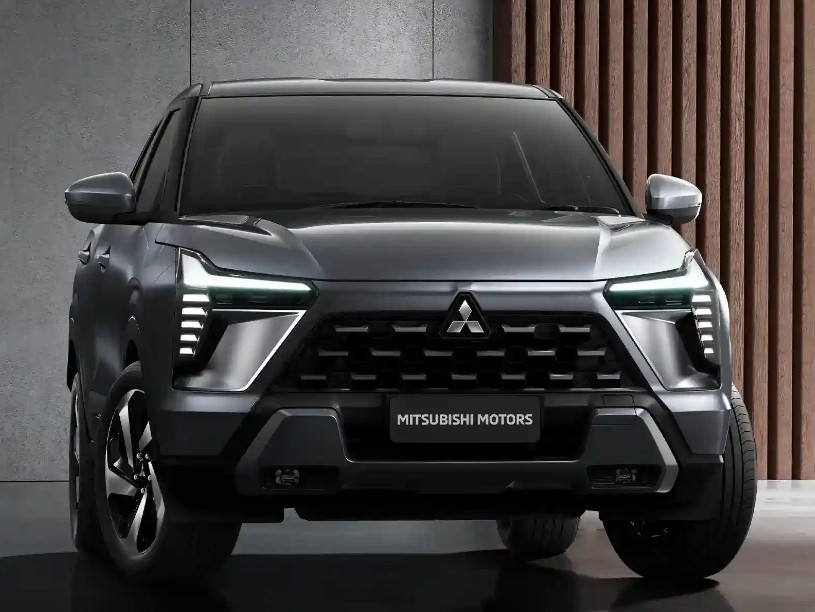
Choosing the correct Mitsubishi Outlander gas type sounds simple. We pull into a station, select a pump, fill the tank, and continue with our day. Yet those three buttons—regular, mid-grade, and premium—can make drivers pause.
Does the Mitsubishi Outlander need premium gas? Will regular fuel damage the engine? Can we use ethanol-blended gasoline? What happens if we accidentally choose the wrong octane?
For most gasoline-powered Mitsubishi Outlander models sold in North America, the answer is reassuring: regular unleaded gasoline is generally the correct choice. Modern Outlander models are designed to run efficiently on commonly available regular fuel, so paying extra for premium usually provides little or no practical benefit.
Mitsubishi lists regular unleaded as the recommended fuel for the current Outlander PHEV in Canada, while previous official Outlander technical information also identifies 87-octane regular gasoline for several gasoline engines. However, fuel specifications can vary by model year, engine, and country, so the owner’s manual and fuel-door label should always be our final authority.
Let’s unpack everything without turning a simple fuel stop into a chemistry exam.
Content in this publication
- What Gas Does a Mitsubishi Outlander Take?
- Quick Mitsubishi Outlander Fuel Answer
- Does the Mitsubishi Outlander Require Premium Gas?
- Mitsubishi Outlander Gas Type by Powertrain
- Understanding Octane Ratings
- Can We Put 89 Octane in a Mitsubishi Outlander?
- Can We Put 91 or 93 Octane in an Outlander?
- What Happens If We Use a Lower Octane Than Recommended?
- What Happens If We Accidentally Use Diesel?
- Can the Mitsubishi Outlander Use Ethanol Fuel?
- Does the Mitsubishi Outlander Use Gas or Diesel?
- How to Find the Correct Outlander Gas Type
- Does Gas Brand Matter?
- Do Fuel Additives Help?
- Can Fuel Choice Cause a Check-Engine Light?
- Does Altitude Change the Required Gas Type?
- Fuel Tips for Better Outlander Efficiency
- Common Mitsubishi Outlander Fuel Myths
- Best Gas for an Older Mitsubishi Outlander
- Should We Fill the Tank Completely?
- What to Do After Refueling With Bad Gas
- Final Verdict on Mitsubishi Outlander Gas Type
- Frequently Asked Questions
What Gas Does a Mitsubishi Outlander Take?
The typical Mitsubishi Outlander takes regular unleaded gasoline.
In the United States and Canada, regular gasoline is normally labeled 87 octane using the Anti-Knock Index, or AKI. At many stations, it is the least expensive gasoline option.
For most mainstream Outlander configurations, we can usually select:
- Regular unleaded gasoline
- At least 87 AKI in the United States or Canada
- The equivalent recommended Research Octane Number in other markets
- Gasoline containing only the ethanol percentage permitted by the manual
That last point matters because octane labels are not identical worldwide. A driver in the United Kingdom, Australia, or New Zealand may see 91, 95, or 98 RON rather than 87, 89, and 91 AKI. Those numbers look dramatically different, but they use different testing systems.
In other words, 91 RON in one country does not necessarily mean the same thing as 91 AKI at an American gas station.
Quick Mitsubishi Outlander Fuel Answer
Here is the practical answer most owners need:
- Check the sticker inside the fuel door.
- Look for the minimum octane requirement.
- Choose regular unleaded if the label permits it.
- Do not assume premium is automatically better.
- Check the manual before using high-ethanol blends.
For many North American Outlander models, 87-octane regular unleaded is sufficient. Mitsubishi’s historical technical information specifically listed 87-octane regular gasoline for Outlander engines such as the 2007 model and the 2.4-liter engine introduced for 2008.
Generally, no. Most Mitsubishi Outlander models do not require premium gasoline.
That distinction—require versus recommend—is important.
A vehicle that requires premium fuel may experience reduced performance, engine knocking, or possible long-term problems when repeatedly operated on lower-octane gasoline. A vehicle designed for regular fuel gains little from a higher grade because its engine management system, compression ratio, and ignition strategy were engineered around regular gasoline.
The Outlander is a practical family crossover, not a temperamental exotic sports car. Its fuel requirements reflect that mission.
Premium fuel is unlikely to transform it into a faster, smoother, or dramatically more efficient SUV. Pouring premium gasoline into an engine designed for regular is a bit like wearing racing shoes to walk through a grocery store. The equipment is more expensive, but the task does not demand it.
In an Outlander designed for regular fuel, premium gasoline normally does not unlock meaningful additional horsepower.
Octane measures a fuel’s resistance to uncontrolled combustion, commonly called knocking or pinging. It does not directly measure:
- Energy content
- Fuel cleanliness
- Engine power
- Gasoline freshness
- Overall fuel quality
A higher octane number does not mean the fuel contains a larger dose of power. It simply means the fuel is more resistant to igniting under pressure before the engine intends it to.
If the engine does not need that additional resistance, the extra octane may pass through the combustion process without delivering a noticeable advantage.
Some drivers report slightly different fuel economy after switching brands or fuel grades. However, several variables can create that impression:
- Traffic conditions
- Weather
- Tire pressure
- Air-conditioning use
- Driving speed
- Passenger and cargo weight
- Fuel formulation
- Measurement errors
A single tank is not a controlled experiment.
We might see a small variation from one fill-up to another, but that does not prove premium gasoline caused the change. For an Outlander calibrated for regular gas, the price difference usually outweighs any uncertain mileage improvement.
Mitsubishi Outlander Gas Type by Powertrain
The Outlander name has appeared on several powertrains over the years. We therefore need to separate the conventional gasoline model from the plug-in hybrid.
Gasoline Mitsubishi Outlander
The standard gasoline Outlander uses an internal-combustion engine as its main power source. In recent North American versions, that has generally meant a naturally aspirated four-cylinder engine paired with a continuously variable transmission.
These models are commonly designed for regular unleaded gasoline.
The current U.S. Outlander remains a gasoline-powered crossover, with official 2026 EPA estimates varying by drivetrain. Mitsubishi lists up to 28 mpg combined for front-wheel-drive versions and 27 mpg combined for S-AWC versions, though real-world mileage varies with conditions.
Because fuel recommendations can change, owners should still verify the specification for their exact year rather than relying on a general article, dealership memory, or advice from another Outlander owner.
Mitsubishi Outlander PHEV
The Outlander PHEV combines electric motors, a traction battery, and a gasoline engine.
Yes, it still uses gasoline.
Charging can reduce how frequently we visit a fuel station, especially when most trips fit within the available electric range. Once battery energy is limited or additional power is required, the gasoline engine may operate as part of the hybrid system.
Mitsubishi Canada lists regular unleaded as the recommended fuel for the 2026 Outlander PHEV. It also lists an estimated 72-kilometre electric range and a 690-kilometre total driving range, although actual results depend on temperature, driving behavior, terrain, charging habits, and other conditions.
Does a PHEV Need Premium Because It Is More Advanced?
No. Technological complexity does not automatically create a premium-fuel requirement.
The PHEV’s electrical components may be sophisticated, but the gasoline engine is still engineered around a specified octane level. If Mitsubishi recommends regular unleaded, buying premium solely because the vehicle is electrified is unnecessary.
Gasoline Can Sit Longer in a PHEV
PHEV owners face one issue that conventional Outlander drivers may rarely consider: gasoline can remain in the tank for a long time.
When we charge frequently and drive mostly on electricity, the engine may consume fuel slowly. Gasoline does not remain chemically perfect forever. Over extended periods, it can lose volatility and become less suitable for reliable combustion.
Good habits include:
- Avoiding unnecessary long-term fuel storage
- Using gasoline from a busy, reputable station
- Allowing the vehicle’s fuel-maintenance systems to operate
- Following the manual’s guidance about stale fuel
- Consuming and replacing old gasoline periodically
A full tank that lasts for months may sound economical, but fuel should not become a museum exhibit.
Understanding Octane Ratings
Octane is one of the most misunderstood numbers at the pump.
It indicates gasoline’s resistance to knock. Inside an engine, the air-fuel mixture should ignite in a controlled way when the spark plug fires. If heat and pressure cause part of the mixture to ignite abnormally, combustion can become uneven.
That abnormal event may create a metallic pinging sound. Severe or persistent knock can place unwanted stress on engine components.
What Does 87 Octane Mean?
In the United States and Canada, the number displayed on the pump is normally AKI, calculated from two laboratory test methods.
The familiar formula is:
AKI = (RON + MON) ÷ 2
That is why American pumps may display “87,” while a similar fuel in another country may display a RON number in the low 90s.
AKI Versus RON
This difference often confuses imported-vehicle owners and international readers.
Common North American labels include:
- 87 AKI: regular
- 89 AKI: mid-grade
- 91 to 94 AKI: premium
In countries using RON, we may see:
- 91 RON: regular in some markets
- 95 RON: common standard-grade fuel
- 98 RON: premium
We should not convert the numbers by guessing. The owner’s manual for the market where the vehicle was originally sold is the safest reference.
Why Engines Need Different Octane Levels
An engine’s octane requirement depends on factors such as:
- Compression ratio
- Turbocharging or supercharging
- Ignition timing
- Operating temperature
- Combustion-chamber design
- Engine-control calibration
- Expected load and performance
High-performance turbocharged engines often need greater knock resistance. A naturally aspirated family-SUV engine may be calibrated to run perfectly well on regular fuel.
The goal is not to buy the highest number. The goal is to use the number the engine was designed to accept.
Can We Put 89 Octane in a Mitsubishi Outlander?
Yes, using mid-grade gasoline is generally harmless when the vehicle allows regular unleaded.
However, harmless does not mean useful.
If an Outlander requires only 87 AKI and we fill it with 89, the engine should normally operate without a problem. We have simply paid for more knock resistance than the engine needs.
There are situations where drivers might choose a higher grade temporarily, such as when regular fuel is unavailable. Yet for everyday driving, following the recommended minimum octane is usually the most economical decision.
Can We Put 91 or 93 Octane in an Outlander?
Using premium gasoline in an Outlander built for regular fuel should not normally cause damage.
The engine does not become confused because the octane rating is higher. It can still burn the fuel. The main effect is usually felt by our wallet rather than the powertrain.
Potential reasons someone might use premium include:
- Regular gasoline is temporarily unavailable
- The manual recommends higher octane under specific conditions
- The vehicle has an unusual engine or market specification
- A diagnostic professional recommends a controlled fuel test
- The fuel brand’s premium grade contains a desired additive package
Even then, we should separate fuel grade from fuel quality. A reputable regular gasoline may be a wiser choice than poorly stored premium gasoline from a neglected station.
What Happens If We Use a Lower Octane Than Recommended?
One accidental tank of slightly lower-octane gasoline does not always create an immediate disaster. Modern engine computers can often detect knock and adjust ignition timing.
However, those adjustments may result in:
- Reduced power
- Slower throttle response
- Lower fuel economy
- Rougher operation under load
- Increased engine stress if knocking continues
If the vehicle requires premium and we accidentally use regular, gentle driving can reduce load until the tank is diluted with the correct fuel. Avoid aggressive acceleration, heavy towing, and prolonged high-speed climbing.
For the standard Outlander models that specify regular gasoline, this concern is less dramatic because regular is already the intended fuel.
What Happens If We Accidentally Use Diesel?
Diesel is not a substitute for gasoline.
Putting diesel into a gasoline-powered Outlander can prevent proper combustion and contaminate the fuel system. If we notice the mistake before starting the engine, we should not turn on the ignition or attempt to drive.
The safest response is to arrange professional fuel-system draining.
Starting the engine can circulate the incorrect fuel through:
- Fuel lines
- Pump components
- Injectors
- Combustion chambers
- Exhaust system
A wrong-fuel mistake is inconvenient, but starting the vehicle can turn a manageable drain-and-clean job into a much larger repair.
Can the Mitsubishi Outlander Use Ethanol Fuel?
Many regular gasoline grades contain ethanol. In the United States, E10—gasoline containing up to 10% ethanol—is widely available.
Many vehicles are designed to use E10, but we should confirm the permitted blend in the specific owner’s manual.
Ethanol percentage matters because higher concentrations change fuel characteristics and may affect seals, hoses, fuel delivery, cold starting, and engine calibration.
Is E10 Safe for the Mitsubishi Outlander?
E10 is generally common and accepted in many modern gasoline vehicles when it meets the manufacturer’s requirements.
The most important checks are:
- The fuel meets the minimum octane rating
- The ethanol concentration does not exceed the manual’s limit
- The station clearly labels the blend
- The fuel is intended for road vehicles
- The vehicle has not been modified incompatibly
Can an Outlander Use E15?
Do not assume that E15 is acceptable merely because E10 is permitted.
Compatibility can depend on model year, country, emissions equipment, and manufacturer approval. We should check the fuel section of the manual before using E15.
A fuel blend can fit through the filler neck and still be inappropriate for the vehicle.
Can an Outlander Use E85?
Unless the vehicle is specifically identified as a flex-fuel vehicle, we should not use E85.
E85 can contain a much larger proportion of ethanol than ordinary gasoline. A non-flex-fuel engine may run poorly or develop fuel-system and drivability problems.
Look for clear manufacturer approval, not assumptions based on internet comments or the fuel cap’s color.
Does the Mitsubishi Outlander Use Gas or Diesel?
This depends on the country and generation.
North American Outlander models have primarily been sold with gasoline or plug-in-hybrid powertrains. Other global markets have offered different engine choices over the vehicle’s history, including diesel versions in certain regions.
Therefore, a used imported Outlander may not share the same fuel requirement as a locally sold model.
Before filling an unfamiliar or recently purchased vehicle, inspect:
- The fuel-door label
- The fuel cap
- The owner’s manual
- Registration or import documents
- Engine identification information
This simple check is especially important with gray-market imports, replacement engines, and vehicles that have moved between countries.
How to Find the Correct Outlander Gas Type
We do not need to rely on memory. Mitsubishi places the answer close to the vehicle.
Check the Fuel-Door Label
Open the fuel door and look for a label stating the fuel type and minimum octane rating.
It may include wording such as:
- Unleaded fuel only
- Regular unleaded
- Minimum 87 AKI
- Minimum 91 RON
- Maximum ethanol percentage
Read the Owner’s Manual
The manual provides more context than the fuel-door sticker. It may explain:
- Acceptable octane ratings
- Ethanol limitations
- Prohibited additives
- Refueling procedures
- Fuel-tank capacity
- Warnings about poor-quality fuel
Mitsubishi Canada maintains an online owner’s-manual library covering multiple Outlander and Outlander PHEV model years, making it easier to verify the specification when the printed book is missing.
Use the Vehicle Identification Number
A Mitsubishi dealer can use the VIN to identify the vehicle’s original configuration.
This can help when:
- The manual is missing
- The vehicle was imported
- Several engines were offered in the same model year
- The fuel label is damaged
- The powertrain has an uncertain history
Does Gas Brand Matter?
The logo on the canopy matters less than fuel freshness, proper storage, correct octane, and a suitable detergent package.
A busy station may cycle through fuel more frequently, reducing the likelihood of old or contaminated gasoline. Clean facilities and well-maintained pumps can also inspire more confidence than a neglected station with damaged equipment.
We should look for fuel that:
- Meets recognized quality standards
- Has the correct octane rating
- Comes from a reputable retailer
- Is free from visible contamination
- Uses the ethanol content allowed by Mitsubishi
Switching between reputable brands should not normally hurt the Outlander.
Do Fuel Additives Help?
The gasoline already contains additives intended to support combustion and fuel-system cleanliness. Randomly pouring extra chemicals into the tank is rarely necessary.
Some additives may be useful for a specific, diagnosed purpose, but they are not magic potions.
Avoid products that promise to:
- Add large amounts of horsepower
- Repair mechanical damage
- Permanently eliminate all deposits
- Replace proper maintenance
- Raise fuel economy dramatically
When an Outlander runs poorly, the real cause might be an ignition problem, dirty sensor, failing injector, vacuum leak, poor-quality gasoline, or another mechanical issue. A colorful bottle cannot diagnose the vehicle.
When Might a Cleaner Be Reasonable?
A manufacturer-compatible fuel-system cleaner may be considered when recommended by:
- The owner’s manual
- A Mitsubishi service bulletin
- A qualified technician
- A documented maintenance procedure
More additive is not automatically better. Follow the dosage instructions and avoid mixing several treatments.
Can Fuel Choice Cause a Check-Engine Light?
Poor-quality, contaminated, or unsuitable fuel can contribute to drivability issues and may trigger a warning light. However, the check-engine light does not identify gasoline as the cause by itself.
Common fuel-related possibilities include:
- Loose or damaged fuel cap
- Evaporative-emissions leak
- Incorrect ethanol concentration
- Contaminated gasoline
- Misfires
- Fuel-pressure problems
- Injector issues
If the light flashes, the engine may be misfiring severely enough to threaten the catalytic converter. We should reduce load and arrange prompt diagnosis.
A steady light may be less urgent, but it still deserves investigation.
Does Altitude Change the Required Gas Type?
Some high-altitude regions sell regular gasoline with a lower octane rating than stations near sea level.
Lower atmospheric pressure can reduce an engine’s tendency to knock, which historically allowed lower-octane fuel to be sold in mountainous areas. Yet modern vehicles travel between elevations, operate under varying loads, and rely on specific manufacturer calibrations.
The safest approach remains simple: do not use fuel below the minimum rating printed in the manual or on the vehicle.
A mountain view is not permission to rewrite the owner’s manual.
Fuel Tips for Better Outlander Efficiency
The correct gas type matters, but our driving habits often influence fuel use more than the difference between fuel grades.
Use Smooth Acceleration
Hard launches demand more energy. Accelerating progressively allows the engine and transmission to work more efficiently.
Maintain Proper Tire Pressure
Underinflated tires increase rolling resistance. Check pressure when the tires are cold and follow the door-jamb specification.
Remove Unnecessary Weight
We sometimes treat the cargo area like a moving storage unit. Tools, boxes, sports equipment, and other forgotten items add weight every mile.
Reduce Excessive Idling
Idling consumes fuel while producing zero travel. Start the vehicle, prepare safely, and drive when conditions allow.
Keep Up With Maintenance
A neglected Outlander may consume more fuel because of:
- Dirty filters
- Worn spark plugs
- Incorrect oil
- Alignment problems
- Brake drag
- Faulty sensors
- Emissions-system issues
The current fuel recommendation cannot compensate for deferred maintenance.
Common Mitsubishi Outlander Fuel Myths
Premium refers primarily to octane, not universal cleaning strength. Additive packages vary by brand and region, but the premium label alone does not guarantee that it will clean an Outlander better than quality regular fuel.
Myth 2: Higher Octane Always Means More Power
Higher octane supports engines calibrated to use it. It does not automatically create power in an engine designed for regular gasoline.
Myth 3: Regular Gas Damages Every Modern Engine
Many modern engines are specifically designed for regular fuel. Using the manufacturer-approved grade is not cutting corners.
Myth 4: A PHEV Does Not Need Gasoline
The Outlander PHEV can drive electrically for many trips, but it still has a gasoline engine and fuel tank. Unless the vehicle is operating under exceptional conditions, gasoline remains part of the powertrain.
Myth 5: All Outlanders Use Exactly the Same Fuel
Different countries, years, engines, and powertrains may carry different requirements. General guidance is useful, but the specific vehicle label wins every argument.
Best Gas for an Older Mitsubishi Outlander
An older Outlander does not automatically need premium gasoline.
Engines do not “graduate” to premium merely because the odometer passes 100,000 miles. If the vehicle was designed for regular gas and remains mechanically healthy, regular fuel usually remains appropriate.
If an older engine knocks on the correct fuel, possible causes include:
- Carbon buildup
- Cooling-system problems
- Faulty knock sensor
- Incorrect ignition operation
- Poor-quality gasoline
- Excessive oil consumption
- Internal mechanical wear
Premium may temporarily reduce some knocking, but it should not become a blindfold over a developing problem.
Should We Fill the Tank Completely?
Filling the tank normally is fine, but we should stop when the pump automatically clicks off.
Continuing to squeeze in extra fuel can overfill the system and potentially saturate evaporative-emissions components. That habit may contribute to warning lights, fuel odors, and expensive repairs.
Do not round the purchase up by forcing more gasoline into the filler neck. The pump has already delivered the message.
What to Do After Refueling With Bad Gas
Possible signs of contaminated or poor-quality fuel include:
- Hard starting
- Hesitation
- Rough idle
- Stalling
- Unusual knocking
- Loss of power
- Check-engine light
- Abnormal exhaust behavior
If symptoms begin immediately after refueling, keep the receipt and record the station, pump number, fuel grade, and time.
Do not continue driving aggressively. A technician may need to inspect a fuel sample, scan diagnostic codes, and determine whether the tank requires draining.
Final Verdict on Mitsubishi Outlander Gas Type
For most gasoline Mitsubishi Outlander models in North America, regular unleaded gasoline is the expected fuel choice, commonly with a minimum rating of 87 AKI. The Outlander PHEV also uses gasoline, and Mitsubishi currently identifies regular unleaded as its recommended fuel in Canada.
Premium gasoline is generally safe when the vehicle permits regular, but it usually provides no meaningful return for the extra cost. The smartest fuel is not the most expensive option—it is the one matching the manufacturer’s specification.
Before refueling, verify the label inside the fuel door and consult the manual for the exact model year, engine, and market. That thirty-second check can settle the question more reliably than a dozen confident opinions online.
Fuel should be simple. Match the octane, respect the ethanol limit, use a trustworthy station, and keep the vehicle maintained. The Outlander will handle the rest.
Frequently Asked Questions
1. What gas does a Mitsubishi Outlander use?
Most Mitsubishi Outlander gasoline models use regular unleaded gasoline. In the United States and Canada, that commonly means at least 87 AKI. Always confirm the requirement on the fuel-door label or in the owner’s manual.
Most Outlander models do not require premium fuel. If the manual specifies regular gasoline, premium is normally unnecessary and is unlikely to produce a significant improvement in performance or mileage.
3. What fuel does the Mitsubishi Outlander PHEV take?
The Outlander PHEV uses both electricity and gasoline. Mitsubishi lists regular unleaded gasoline for the current Canadian model. Owners should charge the battery regularly and follow the manual’s guidance regarding fuel age and permitted ethanol content.
Yes. Mixing regular and premium gasoline is generally safe, provided both fuels meet the vehicle’s requirements. The resulting octane level will fall somewhere between the two grades.
5. Will 87 octane damage a Mitsubishi Outlander?
Not when 87 octane is the manufacturer-approved minimum for that specific vehicle. Problems can arise when fuel falls below the required octane rating or contains an unapproved ethanol concentration.
If you want to know other articles similar to Mitsubishi Outlander Gas Type: Complete Fuel Guide you can visit the category Service and Parts.
BYD Shark 6 Weight: Kerb Weight, Payload, GVM and What It Means
BYD Shark 6 Towing Capacity: Complete Towing Guide
Peugeot RCZ Engine Swap: Options, Costs, Compatibility, and What You Need to Know
Mitsubishi Pajero Sport Engine Size: Complete Engine Guide
Mitsubishi Pajero Sport Weight: Kerb Weight, GVM, Payload and What It Really Means
Mitsubishi Pajero Sport Service Reset: Complete Step-by-Step Guide
Leave a Reply
More content of your interest