
Ford Taurus SHO Specs: Power, Performance, and Features

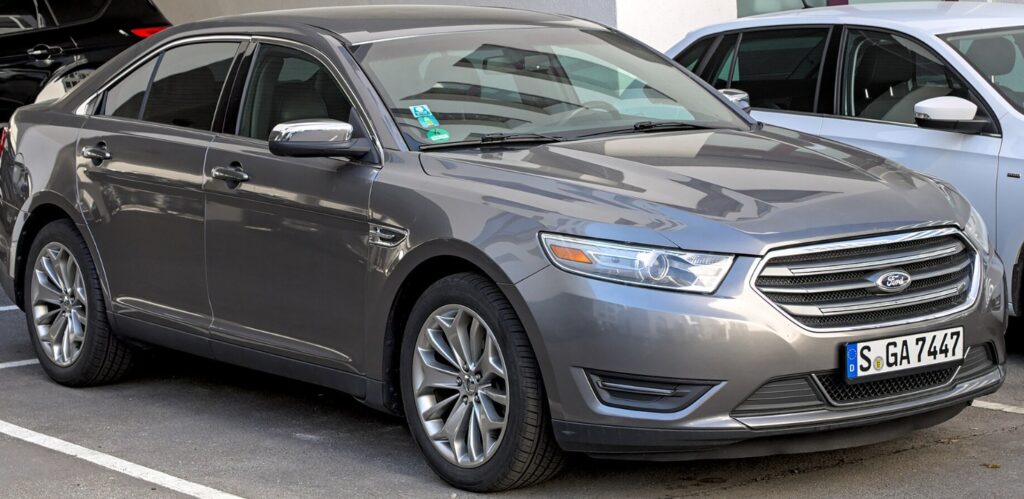
The Ford Taurus SHO has always been the rebellious member of the Taurus family. While the regular Taurus focused on comfort, practicality, and everyday transportation, the SHO added serious power, sportier handling, and a more aggressive personality. Its name stands for Super High Output, and that description fits the car perfectly. What looks like a large, comfortable four-door sedan hides the kind of performance we normally associate with smaller sports cars.
Over several generations, Ford experimented with different engines, transmissions, and styling approaches. However, the final Taurus SHO, sold through the 2019 model year in the United States, became the best-known modern version. It combined a twin-turbocharged V6 engine, standard all-wheel drive, a six-speed automatic transmission, and a spacious interior. The result was a powerful sleeper sedan that could carry a family during the week and deliver surprising acceleration on an open road during the weekend.
Content in this publication
- Ford Taurus SHO Engine Specifications
- Transmission and All-Wheel-Drive System
- Ford Taurus SHO Acceleration and Performance
- Exterior Dimensions and Weight
- Suspension, Steering, and Handling
- Braking Performance
- Fuel Economy and Fuel Requirements
- Interior Space and Comfort
- Wheels and Tires
- Earlier Ford Taurus SHO Generations
- 2017–2019 Ford Taurus SHO Specs at a Glance
- Common Used-SHO Inspection Points
- Is the Ford Taurus SHO a True Sports Sedan?
- Conclusion
- Frequently Asked Questions
Ford Taurus SHO Engine Specifications
The centerpiece of the modern Taurus SHO is its 3.5-liter twin-turbocharged EcoBoost V6 engine. Rather than using a large-displacement V8, Ford relied on turbocharging and direct fuel injection to produce strong performance across a broad rev range.
In the 2019 Taurus SHO, the engine produces:
- 365 horsepower at 5,500 rpm
- 350 lb-ft of torque at 1,500 rpm
- 3.5-liter displacement
- Twin turbochargers
- Gasoline direct injection
- 24 valves
- V6 configuration
These numbers make the SHO considerably more powerful than the standard Taurus models. More importantly, maximum torque arrives at only 1,500 rpm, meaning the car does not need to be pushed to high engine speeds before it feels strong. Press the accelerator, and the Taurus SHO moves with the confidence of a much smaller, lighter performance car. [3] [4]
How the EcoBoost V6 Delivers Its Power
The EcoBoost engine uses two turbochargers to force additional air into the cylinders. More air allows the engine to burn more fuel and create more power than a naturally aspirated engine of similar size.
The system gives the Taurus SHO a broad wave of torque. Instead of waiting for the engine to climb toward redline, we feel strong acceleration almost immediately. This low-end response is especially useful when merging onto a highway, passing slower traffic, or accelerating out of a corner.
Turbo lag is relatively controlled, although drivers may notice a brief pause before full boost arrives. Once the turbos begin working, the SHO pulls hard and continues building speed smoothly.
Transmission and All-Wheel-Drive System
The modern Taurus SHO uses a six-speed SelectShift automatic transmission. Steering-wheel-mounted paddle shifters allow the driver to select gears manually when desired, although the transmission remains fully automatic during normal driving.
The gearbox favors smoothness more than outright aggression. In regular driving, shifts are calm and unobtrusive. Under heavy acceleration, it holds gears longer and allows the EcoBoost engine to access more of its power.
Standard all-wheel drive is one of the SHO’s most important features. Power is distributed between the front and rear wheels to improve traction. This makes the car more secure when accelerating on wet pavement, loose surfaces, or cold roads.
Benefits of Standard AWD
The all-wheel-drive system provides several practical advantages:
- Better traction during hard acceleration
- Increased stability in poor weather
- Reduced front-wheel spin
- More confident corner exits
- Improved control of the engine’s 365 horsepower
The SHO is still a large, front-biased sedan rather than a rear-wheel-drive sports car. Nevertheless, the AWD system helps turn its considerable engine output into usable performance.
Ford Taurus SHO Acceleration and Performance
Ford did not market the Taurus SHO as a dedicated track car, yet its performance is impressive for a large sedan. Depending on road conditions, tires, fuel quality, and testing methods, the modern SHO can reach 60 mph in roughly the mid-five-second range.
That level of acceleration places it comfortably ahead of most mainstream full-size sedans from the same period. The car feels particularly strong between city and highway speeds, where its turbocharged torque makes passing effortless.
The SHO’s personality is less like a lightweight sprinter and more like a powerful locomotive. It does not leap forward nervously. Instead, it gathers speed with a heavy, determined surge that suits its size and character.
SHO Performance Package
Some Taurus SHO models were available with an optional Performance Package. This package sharpened the car’s behavior and made it more suitable for enthusiastic driving.
Depending on the model year, the package included features such as:
- Sport-tuned suspension
- Upgraded brake components
- Performance brake pads
- Revised steering calibration
- Additional engine cooling
- A shorter final-drive ratio
- Stability-control settings designed for sportier driving
- Summer performance tires on certain versions
For drivers who prioritize comfort, the standard SHO is usually the better-balanced choice. For those who want the sharpest factory configuration, the Performance Package is more desirable.
Exterior Dimensions and Weight
The Taurus SHO is a genuinely large sedan. A 2012 example measured approximately 5,154 mm in length and weighed around 1,970 kg, showing that performance was achieved despite considerable size and mass. [5]
Its long body provides a commanding road presence, but the weight influences handling, braking, and fuel use. We can feel the mass during quick direction changes. The SHO prefers sweeping roads and fast highway driving rather than narrow, technical corners.
Even so, its size contributes to one of its greatest strengths: the car blends performance with everyday usefulness.
Suspension, Steering, and Handling
The Taurus SHO uses a sport-tuned suspension intended to control body movement without completely sacrificing comfort. The ride is firmer than that of a regular Taurus, but it remains suitable for long-distance travel.
On a smooth highway, the SHO feels planted and composed. Its wide stance and all-wheel-drive system help it maintain stability at speed. On rough pavement, larger wheels and performance-oriented tuning can transmit more impact into the cabin.
Steering is reasonably quick for a full-size sedan, although it does not provide the detailed feedback we would expect from a smaller sports car. The SHO’s handling is best described as secure rather than delicate. It grips well, resists excessive body roll, and gives the driver confidence, but it never hides its dimensions completely.
Braking Performance
A car with 365 horsepower needs capable brakes. The Taurus SHO uses four-wheel disc brakes with anti-lock braking and electronic assistance systems.
The standard braking system is adequate for road use, while Performance Package models receive hardware designed to handle more demanding driving. Because the SHO is heavy, brake condition matters greatly. Worn pads, old fluid, or low-quality tires can noticeably increase stopping distances.
Anyone purchasing a used SHO should inspect:
- Brake-pad thickness
- Rotor condition
- Brake-fluid service history
- Tire quality and age
- Warning lights on the dashboard
- Vibrations during braking
Fuel Economy and Fuel Requirements
Powerful twin-turbocharged sedans are rarely fuel-economy champions, and the Taurus SHO is no exception. Its engine, all-wheel-drive system, and substantial curb weight create higher fuel consumption than a standard four-cylinder family sedan.
Premium fuel is generally recommended for maximum performance. The engine may operate on lower-octane gasoline in some situations, but power and responsiveness can be reduced. Owners should always follow the fuel guidance printed in the owner’s manual and near the fuel-filler area.
Real-world economy depends heavily on driving style. Gentle highway travel can produce respectable results, while frequent turbo boost, city traffic, and short journeys increase consumption quickly.
Interior Space and Comfort
Inside, the Taurus SHO combines sport-themed details with the comfort expected from a full-size sedan. Typical equipment includes supportive front seats, dual-zone climate control, premium audio availability, keyless access, push-button starting, and Ford’s infotainment technology.
The front cabin feels broad and substantial. The center console is tall, creating a cockpit-like atmosphere around the driver and front passenger. Rear-seat space is usable, although the Taurus’s exterior size may lead some passengers to expect even more room.
The trunk is large enough for luggage, shopping, and road-trip equipment. This practicality is part of the SHO’s appeal. It offers sports-sedan pace without asking owners to give up four doors or a useful cargo area.
Wheels and Tires
Most modern Taurus SHO models use large alloy wheels, often measuring 20 inches. These wheels enhance the car’s muscular appearance and provide space for larger brakes, but they also have disadvantages.
Low-profile tires can be:
- More expensive to replace
- Easier to damage on potholes
- Firmer over broken roads
- Noisier than smaller touring tires
Correct tire selection is essential. A premium performance tire can transform steering response and braking, while a cheap or mismatched set can undermine the all-wheel-drive system and make the car feel less secure.
All four tires should have similar tread depth and matching specifications. Significant differences in circumference may place unnecessary strain on AWD components.
Earlier Ford Taurus SHO Generations
The Taurus SHO story did not begin with EcoBoost. The original model appeared as a performance-oriented version of Ford’s family sedan and was initially expected to be produced in limited numbers. Its popularity helped turn the SHO into a recurring nameplate. [1]
Earlier generations used distinctive high-output engines, including Yamaha-developed V6 units and, later, a V8. These cars offered a different character from the final turbocharged model. They were lighter, more analog, and available with configurations that appealed strongly to driving enthusiasts.
The modern SHO exchanged some of that raw involvement for greater torque, refinement, safety, and all-weather capability.
2017–2019 Ford Taurus SHO Specs at a Glance
The final years are especially popular among used-car buyers because they combine mature styling with the fully developed EcoBoost powertrain.
| Specification | Ford Taurus SHO |
|---|---|
| Engine | 3.5-liter twin-turbo V6 |
| Horsepower | 365 hp at 5,500 rpm |
| Torque | 350 lb-ft at 1,500 rpm |
| Transmission | Six-speed automatic |
| Drivetrain | All-wheel drive |
| Fuel system | Direct injection |
| Body style | Four-door full-size sedan |
| Seating | Five passengers |
| Valvetrain | 24 valves |
| Recommended character | Fast touring sedan |
The 2017 Taurus SHO was also rated at approximately 365 horsepower, confirming that output remained consistent during the final production years. [2] The 2019 model retained the same 365-horsepower and 350-lb-ft configuration. [6]
Common Used-SHO Inspection Points
A used Taurus SHO can offer impressive value, but its complexity demands careful inspection. Twin turbochargers, direct injection, all-wheel drive, and numerous electronic features create more potential maintenance areas than we would find in a basic sedan.
Before purchasing one, check:
- Complete maintenance records
- Turbocharger operation
- Cooling-system condition
- Transmission shift quality
- AWD system behavior
- Oil leaks or coolant smells
- Suspension noises
- Brake wear
- Infotainment functions
- Tire condition and matching tread depth
A pre-purchase inspection by a technician familiar with Ford EcoBoost vehicles is highly recommended. A cheap SHO with neglected maintenance can become expensive very quickly.
Is the Ford Taurus SHO a True Sports Sedan?
That depends on how we define the term. The SHO is fast, powerful, and capable, but it is also large and heavy. It does not dance through corners like a compact rear-wheel-drive performance sedan.
Its strengths appear elsewhere. It can accelerate rapidly, cruise quietly, handle poor weather, carry passengers, and disappear into traffic without attracting much attention. That sleeper quality is central to its charm.
Think of it as a business suit hiding running shoes. From a distance, it looks formal and sensible. Press the accelerator, however, and its personality changes instantly.
Conclusion
The Ford Taurus SHO specs reveal a sedan built around contrasts. It is spacious yet quick, discreet yet muscular, comfortable yet capable of serious acceleration. Its 3.5-liter twin-turbo EcoBoost V6 produces 365 horsepower and 350 lb-ft of torque, while standard all-wheel drive helps deliver that power confidently.
It may not provide the delicacy of a lightweight sports car, but that was never its primary mission. The SHO is a fast grand-touring sedan for drivers who want performance without sacrificing everyday practicality.
For used-car shoppers, condition and service history matter more than mileage alone. A well-maintained example can still feel remarkably modern, while a neglected one may bring costly repairs. Choose carefully, and the Taurus SHO remains one of Ford’s most interesting sleeper sedans.
Frequently Asked Questions
1. What engine does the Ford Taurus SHO have?
The final-generation Taurus SHO uses a 3.5-liter twin-turbocharged EcoBoost V6 engine with direct fuel injection.
2. How much horsepower does a Taurus SHO produce?
The 2019 Ford Taurus SHO produces 365 horsepower at 5,500 rpm and 350 lb-ft of torque at 1,500 rpm. [3]
3. Is every modern Taurus SHO all-wheel drive?
Yes. The modern EcoBoost-powered Taurus SHO was equipped with standard all-wheel drive, helping it manage its high torque output.
4. Is the Ford Taurus SHO fast?
Yes. Its 365-horsepower engine provides strong acceleration, particularly at low and medium speeds, where the twin-turbo torque is most noticeable.
5. Is a used Taurus SHO worth buying?
It can be a strong value for buyers who want a powerful, spacious, all-weather sedan. However, a professional inspection and complete maintenance history are essential.
If you want to know other articles similar to Ford Taurus SHO Specs: Power, Performance, and Features you can visit the category Service and Parts.
Peugeot RCZ Engine Swap: Options, Costs, Compatibility, and What You Need to Know

Mitsubishi Pajero Sport Engine Size: Complete Engine Guide
Mitsubishi Pajero Sport Weight: Kerb Weight, GVM, Payload and What It Really Means
Mitsubishi Pajero Sport Service Reset: Complete Step-by-Step Guide
Mitsubishi Pajero Sport Boot Space: Complete Cargo and Luggage Guide
Mitsubishi Pajero Sport Towing Capacity: Complete Towing Guide
Leave a Reply
More content of your interest